Reporting on this entity comes from multiple media camps.
22%
23%
31%
24%
Western203 · 22%
Regional213 · 23%
Neutral / independent288 · 31%
Eastern225 · 24%
Latest Stories
Periodic recap
What changed for this subject in each tracking window — generated from matched events, delta-first.
· 1 event in window
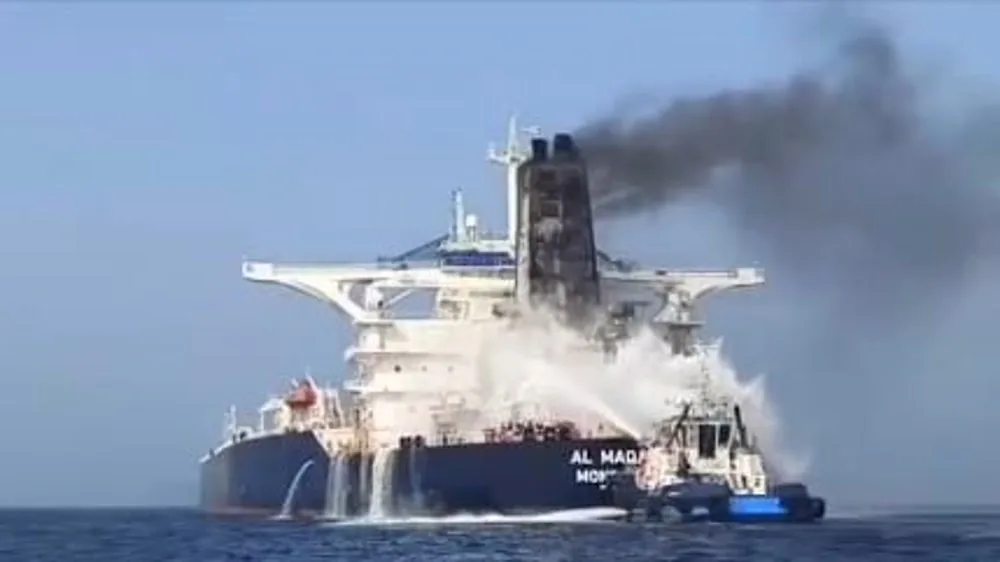
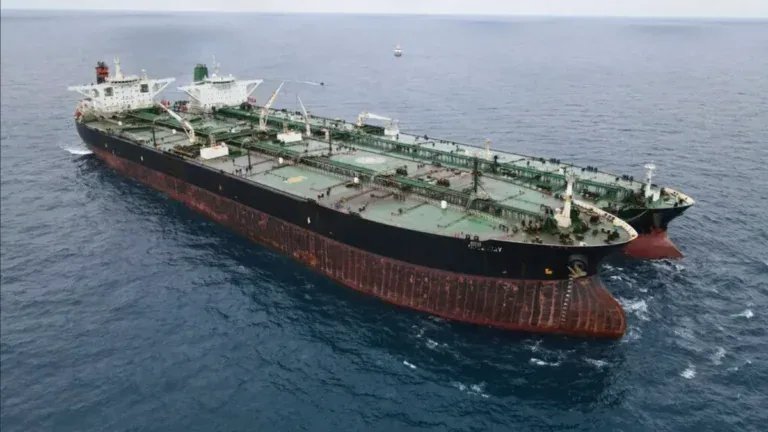
The only notable change this period came from an IRGC statement about damaged tankers in the strait, extending the previous period's pattern of military escalation alongside diplomatic contacts. The Revolutionary Guard said four oil tankers were destroyed by naval mines in or south of the Strait of Hormuz and two more vessels were seized, but its accounts varied: a spokesperson cited two tankers exploding after hitting a mine, the IRGC Navy cited three tankers striking mines and catching fire, and Tasnim reported 11 tankers caught fire in the Hormuz area over nine days. None of the claims were independently verified, and no vessel nationalities, casualties or timing were disclosed.
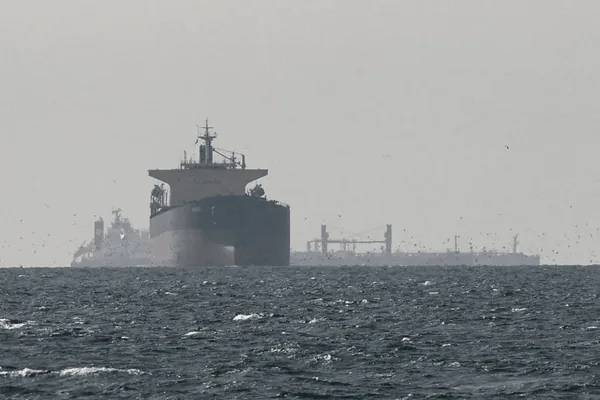
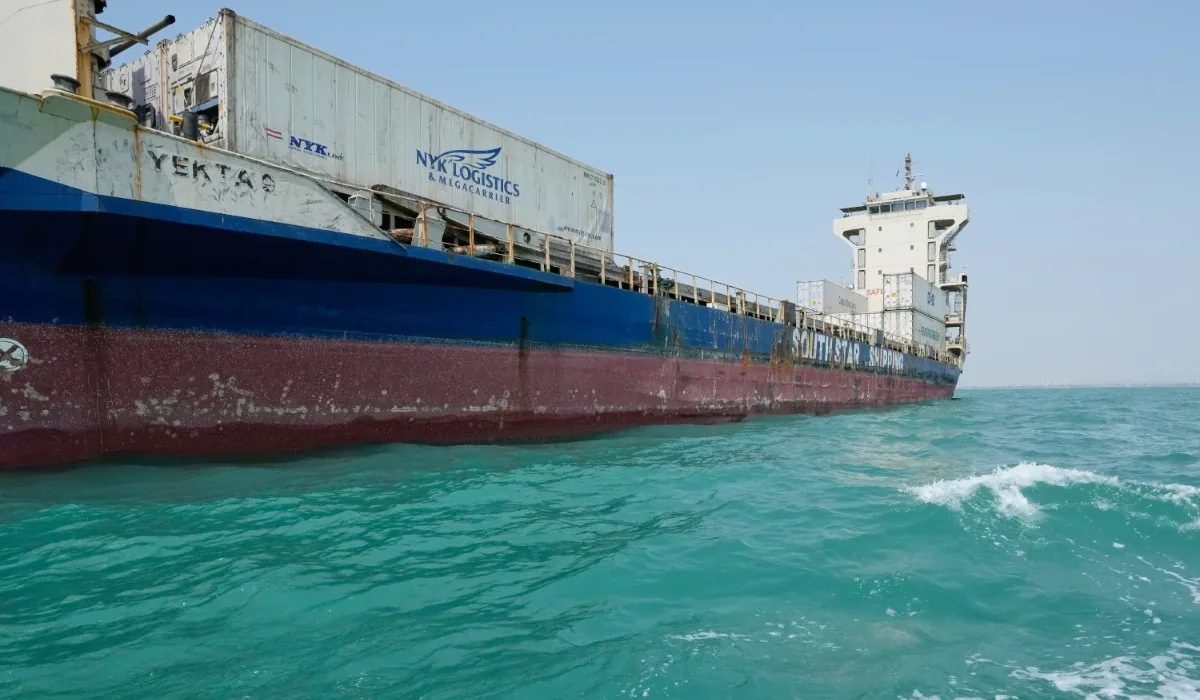
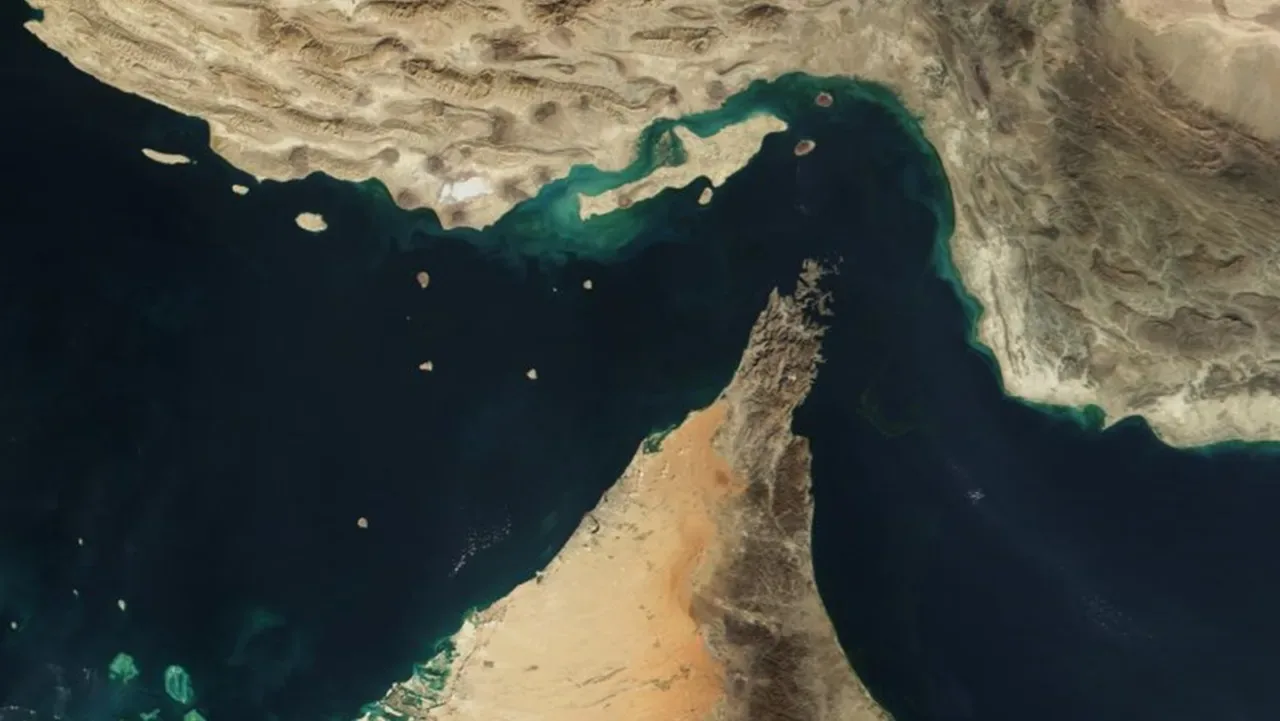
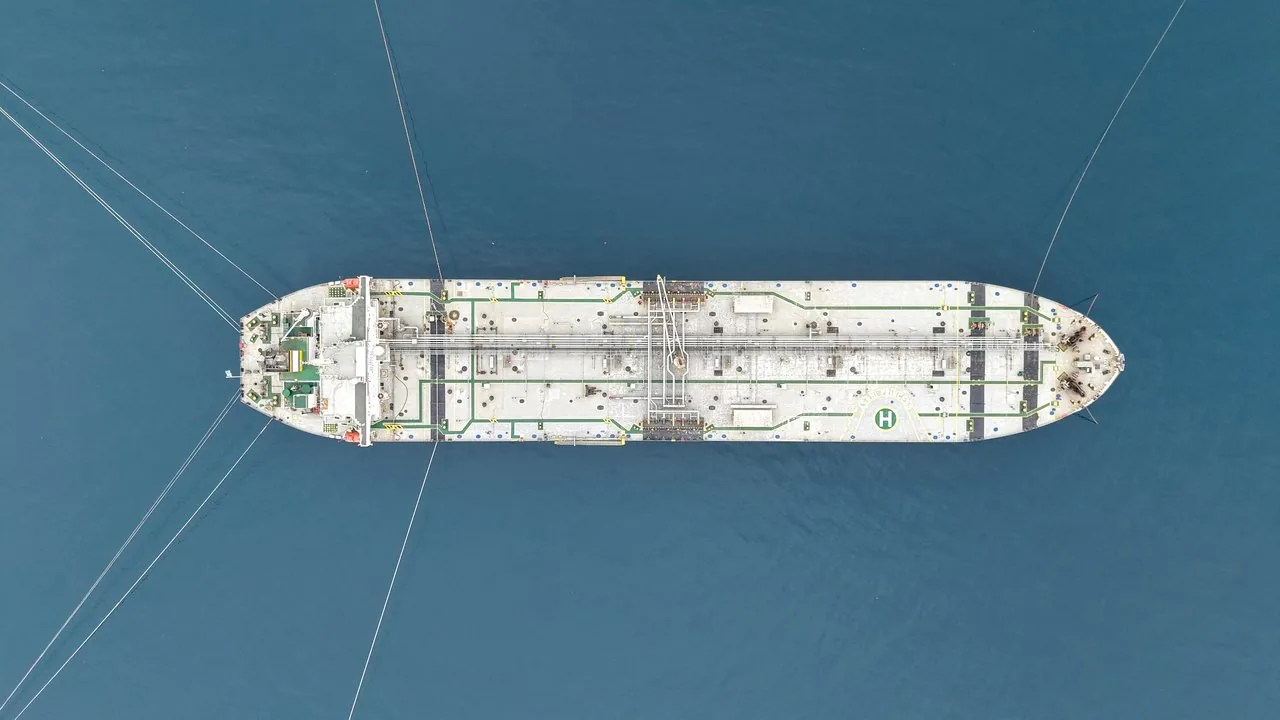
Iran's Islamic Revolutionary Guard Corps said four oil tankers were destroyed by naval mines in or south of the Strait of Hormuz, with two additional vessels seized.
IRGC accounts varied: a spokesperson cited two tankers exploding after hitting a mine, the IRGC Navy cited three tankers striking mines and catching fire, and Tasnim reported 11 tankers caught fire in the Hormuz area over nine days.
The claims were not independently verified, and no vessel nationalities, casualties or timing were disclosed.
Earlier recaps
· 2 events in window
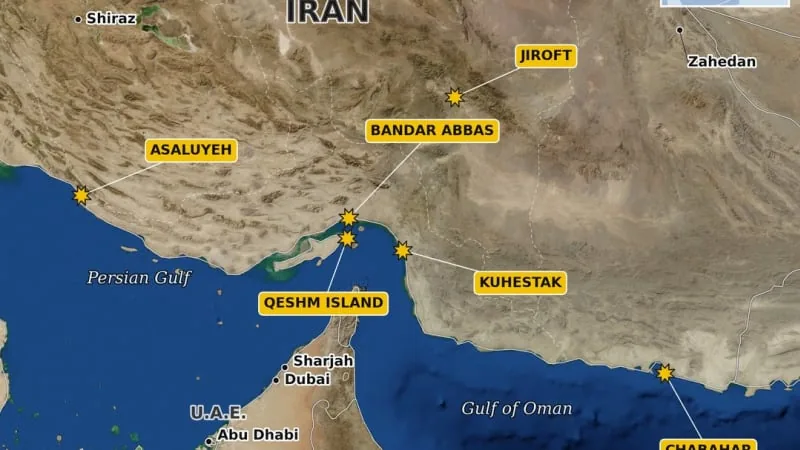
This period saw a clear escalation running alongside diplomatic activity. The United States carried out limited strikes on Iranian targets in the Strait of Hormuz, including Qeshm Island, on the eve of US midterm elections; US officials said the strikes responded to the Revolutionary Guard firing on a US aircraft, and Iranian state media reported explosions on Qeshm. At the same time, Iran proposed reopening the strait within two days and resuming nuclear talks, conditioned on Washington lifting its blockade of Iranian ports, removing oil sanctions and securing a ceasefire including Lebanon; Iranian negotiators have left the Doha talks while Qatar and Pakistan continue mediating, with no agreement confirmed.
· 1 event in window
This period followed through on Iran's earlier claim of tankers striking mines, adding detail: Iran's navy and Revolutionary Guard Corps Navy said several oil tankers hit mines between October 27 and October 30 after ignoring warnings and disabling navigation systems, with vessels damaged, set on fire and abandoned. Iran also claimed to have destroyed an enemy drone boat and to have stopped two tankers south of the strait. The claims still come only from Iranian military statements carried by CCTV and Tasnim, remain unconfirmed independently, and vary on the number of tankers involved.
· 1 event in window
The situation in the Strait of Hormuz continued to escalate this period. Iran's Islamic Revolutionary Guard Corps, cited by Iranian state media, claimed that multiple oil tankers and a supertanker carrying more than 2 million barrels of crude struck mines in and around the strait, with some vessels catching fire or exploding, and said the ships were on unauthorized or illegal routes. The claim comes from a single source (Iranian state media) and provides no vessel identities, flags, owners, crew details, casualties, or damage assessments, with no independent confirmation from shipping authorities, insurers, or other governments.
· 1 event in window
The situation in the Strait of Hormuz escalated further this period, with multiple cargo and container ships sinking near the waterway, marking a significant expansion from the previous period's two-ship incident. Iran's Revolutionary Guards claimed a ship carrying 2,500 containers sank after hitting a mine, while Reuters sources said a container ship sank after being hit by a projectile. Officials cited by Yahoo said Iran is shifting tactics to step up attacks on shipping before the US vote, and oil prices rose on the escalation.
· 1 event in window
The situation in the Strait of Hormuz continued the escalation seen in the previous period, though with fewer events. Singapore's Maritime and Port Authority reported two Singapore-registered container ships struck by unidentified projectiles, one of which sank, but no details on attackers, casualties, or ship names were disclosed, and no group claimed responsibility. Information remains limited and the incident is at an early reporting stage.
Tracked events
Events matched to this subject by the tracking pipeline, with signal scores.
Houthis Strike Riyadh Airport as Saudi Coalition Escalates Yemen Airstrikes
Yemen's Houthi forces launched missile and drone attacks on Saudi airports including Riyadh's King Khalid International Airport, causing casualties and flight disruptions, while the Saudi-led coalition conducted hundreds of airstrikes on Houthi targets in Yemen. Iran's Revolutionary Guard reported a supertanker attacked in the Strait of Hormuz, and Tehran continued indirect message exchanges with Washington over ending the war. The escalation disrupted regional aviation, shipping and energy events, with airlines suspending flights and tankers evacuating Fujairah.
Iran loses leverage over Strait of Hormuz as crude oil flows near pre-war levels
Multiple reports indicate Iran has lost considerable leverage over the Strait of Hormuz, a critical chokepoint for global oil shipments. JPMorgan reports Middle East crude oil flows have recovered to 98% of pre-war levels, and analysts say exports are back at prewar levels. The Strait of Hormuz is now open, and Iran cannot sustain its current position indefinitely, according to CNN. The recovery reduces Iran's ability to threaten oil transit through the strait.
3 reports · 1 sources
· Signal 105.0
US deploys 9,000-10,000 troops and third aircraft carrier to Middle East amid Iran tensions
The United States is deploying approximately 9,000 to 10,000 additional troops, including 2,000 Marines, and a third aircraft carrier to the Middle East. President Donald Trump has warned Iran of severe strikes, stating "They’ll be hit very hard." A tanker was reportedly hit in the Strait of Hormuz. Brent crude oil prices surged more than 4% following the news. The Pentagon is preparing for a potential naval force surge, though no confirmed operation has been announced.
Iran's Islamic Revolutionary Guard Corps has issued a series of claims about oil tankers striking mines and catching fire in and around the Strait of Hormuz, with accounts varying from one to four vessels destroyed, two seized, and 11 tankers catching fire since October 25. The claims, carried by Iranian outlets including Fars, IRNA and Tasnim, lack vessel identities, casualty figures and independent confirmation. BBC Verify said it found no evidence four tankers were destroyed, while UK Maritime Trade Operations reported a tanker struck by two unknown projectiles near Limah, Oman, with no casualties.
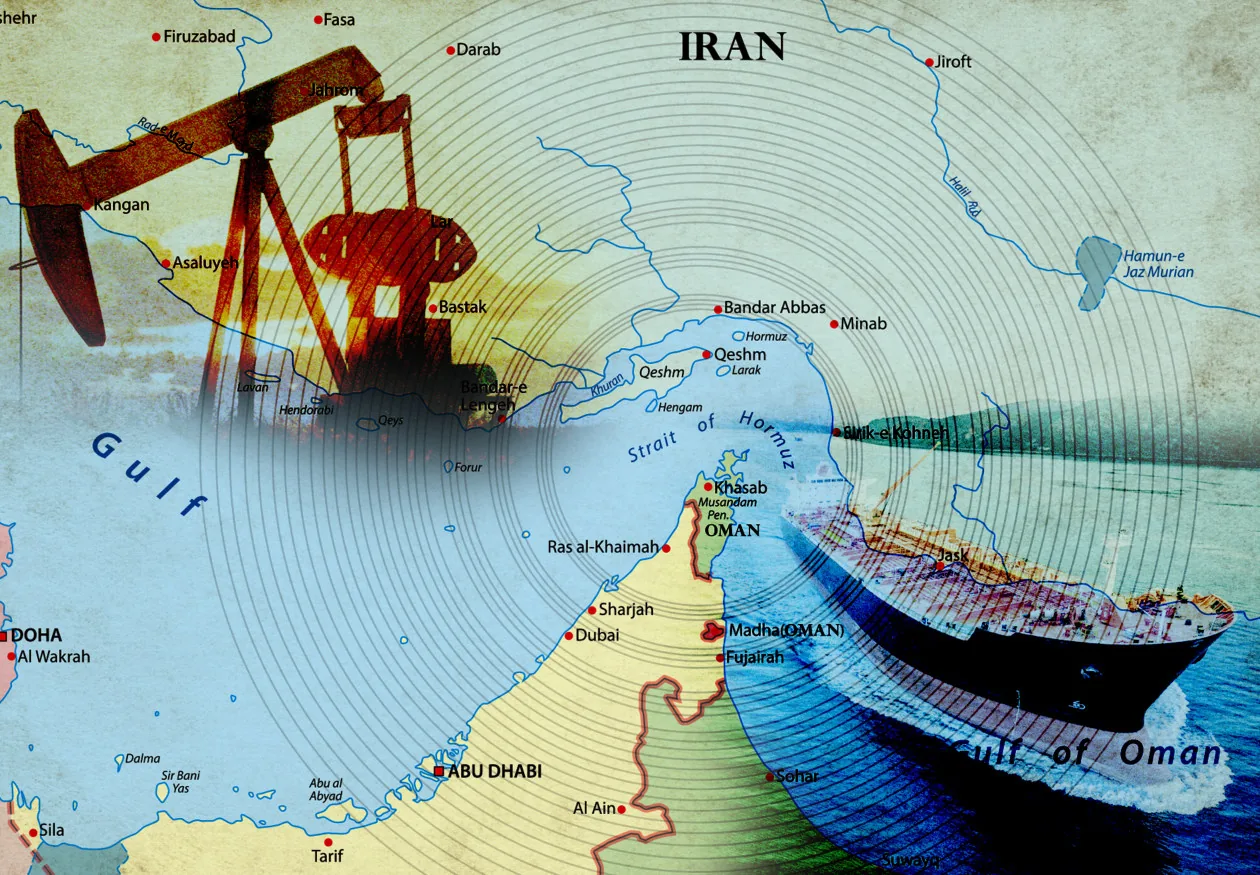
The US carried out limited strikes on Iran's Qeshm Island near the Strait of Hormuz, targeting an anti-aircraft facility that US officials said had fired on American aircraft. The strikes occurred on the eve of the US midterm elections and continued afterward, with President Trump describing them as "minor strikes" that destroyed an anti-aircraft device in about 15 minutes. Iranian media reported explosions and missiles hitting the island, while the IRGC claimed to have downed US drones, which US officials denied. The strikes came amid ongoing diplomatic efforts by Qatar and Pakistan to prevent a return to full-scale war.
Iran and the United States are engaged in indirect negotiations, mediated by Qatar and Pakistan, over Tehran's seven conditions for reopening the Strait of Hormuz and resuming nuclear talks. Iran has proposed reopening the waterway within two days if Washington lifts sanctions and ends its naval blockade, but Iranian officials say the US response is unconvincing and no deal has been reached. Meanwhile, President Trump confirmed US strikes on Iran's Qeshm Island, the IRGC claimed attacks on tankers and a US drone, and Iranian negotiators left Doha talks with a draft proposal still circulating.
Iran's Islamic Revolutionary Guard Corps Navy said on November 3 that three oil tankers exploded and caught fire in the Strait of Hormuz after entering an unauthorized channel with navigation and identification systems switched off, striking mines and running aground on the southern shore. The IRGC said it had repeatedly broadcast navigation rules to vessels. Reports on the cause differ: Reuters security sources cited limpet mines, Bloomberg described a speedboat attack, and Al Jazeera reported a drone strike. Oman rescued 25 crew from a burning tanker. No casualties were reported and no independent confirmation was provided.
Iran's Islamic Revolutionary Guard Corps Navy announced that two supertankers attempting to cross the southern Strait of Hormuz illegally struck mines on October 23, disabling their engine rooms and forcing crews to abandon the vessels, which carried more than 4.5 million barrels of crude combined. The IRGC also reported a supertanker with over 2 million barrels exploding, two tankers catching fire on an unauthorized route, and three more ships hitting mines west of the strait overnight. No identities, flags, casualties or independent confirmation were provided.
Two commercial vessels — a Singapore-flagged container ship and an Antigua and Barbuda-flagged dry bulk carrier — sank near the Strait of Hormuz within 24 hours after being hit by projectiles in separate incidents, maritime officials said. One crew member died and most others were evacuated. Iran's Revolutionary Guards said a ship carrying 2,500 containers sank after striking a mine, while Reuters sources attributed a sinking to a projectile. Attacks in the waterway have surged, with Iran citing the U.S. naval blockade and sanctions; shipping volumes have plunged and oil prices moved.
Two Singapore-registered container ships were reportedly struck by unidentified projectiles while transiting the Strait of Hormuz, and one vessel subsequently sank, according to Singapore's Maritime and Port Authority. Reuters and maritime security sources also reported a ship sinking after being hit by projectiles or shellfire. No attackers, projectile types, casualties, cargo details, or claims of responsibility have been confirmed. The Strait of Hormuz is a critical chokepoint for global oil and container shipping, making the incident significant for regional security and international trade.
The UK Maritime Trade Operations (UKMTO) reported multiple incidents in the Strait of Hormuz between October 2-5, 2024, where oil tankers and an LPG carrier were struck by unknown projectiles. One tanker suffered an engine room fire and power loss; no casualties or environmental damage were reported. Another oil tanker was turned back by Iran's Islamic Revolutionary Guard Corps. Authorities are investigating.
On October 5, Saudi Arabia unexpectedly cut its November official selling price for Arab Light crude to Asia to a $5 per barrel discount against the Oman/Dubai average, a $3 reduction from October and the largest discount since June 2020. It also cut prices for Arab Medium and Heavy grades to Asia by $5 per barrel. Conversely, after resuming exports via Yanbu port, Saudi Arabia raised prices for all grades to Northwest Europe by $3 per barrel. U.S. prices were unchanged. OPEC+ maintained November output targets.
President Donald Trump has rejected an Iranian proposal to reopen the Strait of Hormuz within seven days, which also included a ceasefire and nuclear talks. Multiple US officials report Trump told aides he expects to resume bombing Iran after the November midterm elections. Iran’s Foreign Minister Araghchi stated Iran is fully prepared for war but remains open to diplomacy, awaiting a formal US position via Qatari mediators. The conflict, ongoing since February, has disrupted global oil markets.
Iranian military officials, including the Army Chief of Staff and a Supreme Leader advisor, assert Iran has complete control over the Strait of Hormuz, with some claiming it is closed. The US Central Command denies this, stating Iran's navy has been sunk and the strait remains open. US Secretary of State Rubio says only Iranian oil shipments are affected. President Trump claims US control. The conflicting statements signal heightened tensions over the strategic waterway.
Saudi Arabia's crude oil exports surged nearly 80% in September 2026 to 6 million barrels per day, the highest level since the Iran war began seven months ago, according to Kpler data. The rebound occurred despite a drone attack from Iraq that shut the East-West pipeline, forcing reroutes through the Strait of Hormuz. Middle East exports overall recovered to about 80% of pre-conflict levels. Oil prices fell over 2% amid U.S.-Iran talks.
The UK Maritime Trade Operations (UKMTO) reported multiple incidents in the Strait of Hormuz, including a cargo ship struck by an unidentified projectile on September 23, causing a fire and two casualties, with all crew evacuated. Separately, an oil tanker and an LNG carrier were hit by unknown projectiles in delayed reports. Authorities are investigating, and no environmental impact has been reported.
Iranian President Masoud Pezeshkian, in his September 23, 2026 UN General Assembly speech, declared Iran will never "bend the knee" to US pressure, denied seeking nuclear weapons while asserting the right to peaceful nuclear technology, and refused to reopen the Strait of Hormuz under sanctions. The US delegation walked out. He cited the assassination of Supreme Leader Khamenei and civilian deaths as evidence of aggression.
An informed Iranian official, speaking through state-affiliated Press TV, has denied Saudi media reports that Tehran showed flexibility in its nuclear stance. The official described the reports as false psychological warfare and accused the US government of being deadlocked in the Strait of Hormuz, using the nuclear issue as a distraction. Iran's Foreign Minister separately rejected any suggestion of flexibility, stating Iran's position remains unchanged and its conditions for reopening the Strait of Hormuz are clear.
The US-Iran standoff, ongoing since February 28, has entered its seventh month with the Strait of Hormuz blocked. Diplomatic efforts continue, with Trump expecting talks this week after rejecting an Iranian proposal. Iran's foreign minister stated readiness for war but openness to diplomacy. The IRGC seized a US underwater drone in the Strait. Regional spillover includes intensified Saudi-Houthi clashes, with Houthi authorities reporting 67 deaths since September 3.
An Iranian parliamentary official stated that the US must accept Iran’s conditions before any talks, declaring the nuclear issue is no longer the core of negotiations and that the Strait of Hormuz has become the primary focus. This marks a significant shift in Iran’s stated priorities, elevating maritime security over the long-standing nuclear dispute.
Iran proposed reopening the Strait of Hormuz within seven days if the US lifts its naval blockade, ends oil sanctions, and unfreezes assets. US President Donald Trump rejected the proposal on September 26 but said on September 27 he expects more talks this week. Qatari mediators are shuttling between the sides in New York. The US has informed Iran it will not lift the maritime blockade, believing economic pressure will force concessions. Oil prices fell sharply on initial diplomatic hopes, then surged on the rejection.
Iranian Foreign Minister Abbas Araghchi warned Iran is fully prepared for a resumed war, even a "doomsday war," after President Trump rejected a proposal to reopen the Strait of Hormuz within seven days. The proposal, conveyed via Qatar, required the US to lift its naval blockade, unfreeze $12 billion in assets, and end regional hostilities. Trump called the deal unacceptable, claiming Iran is "losing badly." Iran awaits a definitive US response through mediators.
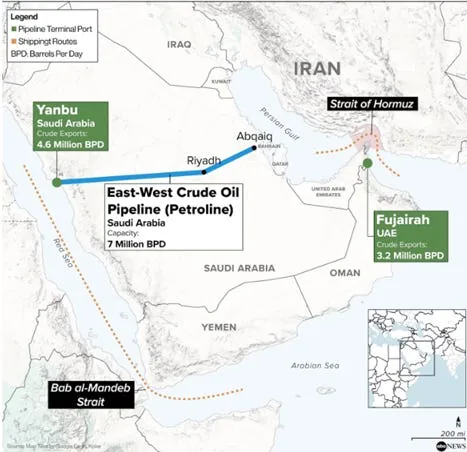
Saudi Arabia has completed repairs on its East-West Pipeline, damaged in a drone attack earlier this month, and resumed oil exports through the route. The pipeline, which bypasses the Strait of Hormuz, connects eastern oil fields to the Red Sea port of Yanbu. Saudi Aramco tested and pressurized the pipeline last week, restoring substantial flows. Some European customers had been informed they would receive no crude allocations next month due to tight supply. Tanker loading at Yanbu had not yet resumed as of some reports.
European natural gas prices rose sharply on Thursday after Iranian President Masoud Pezeshkian, speaking at the UN General Assembly, set conditions for resuming talks with the US, insisting Iran will not allow freedom of navigation through the Strait of Hormuz as long as sanctions and a US blockade remain. Benchmark Dutch futures gained up to 4.2% to €74.49 per megawatt-hour. LNG traffic through the strait remains low, while European gas storage is just above 70%, well below the seasonal norm of 86%. The EU Gas Coordination Group is scheduled to meet Thursday.
President Donald Trump rejected Iran's proposal to reopen the Strait of Hormuz, dashing hopes for a diplomatic resolution. Oil prices surged over 2%, with Brent crude topping $106 per barrel and WTI above $93. Global bond yields rose, Asian and US stock futures fell, and gold dropped below $4,180 per ounce. Iran stated it is ready for war but open to diplomacy. The rejection reversed market gains from the prior week driven by optimism over talks.
Iranian officials at the UN General Assembly stated Iran will not surrender to US coercion and threatened to close the Strait of Hormuz until its conditions are met. The threats drove Brent crude above $103/barrel and WTI to $92.16, ending a five-day losing streak. Hong Kong-listed Chinese oil stocks (PetroChina, CNOOC, Sinopec) rose 1-4% on multiple trading days. US President Trump simultaneously called for renewed negotiations while threatening military strikes. Bank of America warned oil could exceed $150/barrel if conflict depletes strategic reserves.
Oil prices fell sharply over multiple sessions as US and Iranian negotiators held talks at the UN General Assembly in New York, exploring a phased deal to reopen the Strait of Hormuz. Iran proposed reopening the waterway within seven days if the US lifts its maritime blockade and sanctions. Despite defiant rhetoric from Iran's president, markets priced in reduced geopolitical risk, with Brent crude briefly falling below $100 per barrel. However, shipping data showed traffic through the strait remained well below normal, and analysts warned that supply risks persist.
Commercial vessel traffic through the Strait of Hormuz has fallen sharply, with only nine ships transiting on Thursday and daily averages dropping to single digits. Shipowners and energy exporters are increasingly cautious due to renewed regional hostilities. No attacks on vessels have been reported in the past two days, according to Axios.
Iran briefed Russia and Saudi Arabia on its consensus with Oman for a safe maritime corridor in the Strait of Hormuz, as Omani Foreign Minister Badr al-Busaidi pledged continued efforts to guarantee navigational safety in the strait during the UN General Assembly. The diplomatic push follows a joint US-Israel preemptive strike on Iran on February 28 and subsequent Iranian retaliation that disrupted shipping.
Saudi Foreign Minister Prince Faisal bin Farhan Al Saud addressed the UN General Assembly, demanding the Strait of Hormuz be restored to its status before February 28, with no tolls or restrictions. He emphasized Gulf security's link to global energy security and trade stability, called for freedom of navigation in key waterways, and opposed their use as pressure tools. The demand follows a US-Israel strike on Iran and subsequent Iranian retaliation disrupting shipping.
Saudi Arabia has sold nearly 100 million barrels of crude oil to Asian buyers for October and November delivery, equivalent to roughly one day of global demand. The sale follows a September 10 attack on the East-West pipeline that bypasses the Strait of Hormuz, which has not fully resumed operations. Saudi Aramco has unusually taken on shipping logistics and risk, delivering crude directly to customers in China, India, Japan, and South Korea. The move more than doubles Saudi oil flows through the Strait of Hormuz to Asia and provides a buffer for Asian refiners facing supply shortages from sanctions on Iran and political risks around Russian oil.
Iranian Foreign Minister Abbas Araghchi stated on September 24 that Iran submitted a new draft proposal to the U.S. via Qatar to reopen the Strait of Hormuz within seven days if the U.S. meets conditions from a June memorandum. U.S. officials described talks as "positive and constructive." The development drove international oil prices down over 2%, with WTI crude falling to $92.44 per barrel and Brent crude dropping below $98, boosting U.S. stock markets.
The US Central Command reported that its blockade operations in the Strait of Hormuz have forced 122 commercial ships to reroute since July 14, with seven more diverted in the past two days. Iranian Foreign Minister Abbas Araghchi proposed a seven-day plan to reopen the strait and resume ceasefire negotiations. US officials stated that 40 million barrels of oil transited under US escort in 48 hours, with shipping volumes returning to pre-conflict levels. Iran insists the strait remains blockaded.