Saudi Arabia demands Strait of Hormuz return to pre-February 28 status at UN
Saudi Foreign Minister Prince Faisal bin Farhan Al Saud addressed the UN General Assembly, demanding the Strait of Hormuz be restored to its status before February 28, with no tolls or restrictions. He emphasized Gulf security's link to global energy security and trade stability, called for freedom of navigation in key waterways, and opposed their use as pressure tools. The demand follows a US-Israel strike on Iran and subsequent Iranian retaliation disrupting shipping.
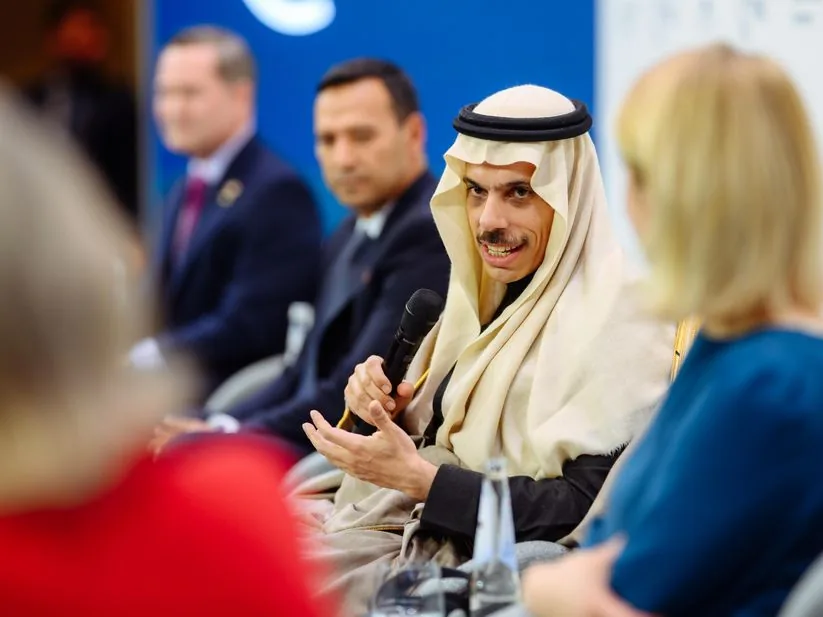 Reference image
Editorial responsibility
- No named human review is recorded for this page.
- Reports are grouped by semantic similarity and deterministic rules. Language models may assist titles, summaries, translation and cross-source analysis; the page reads the event directly, while its address stays stable when the title changes.
- Summary covers the current reports
Cross-source coverage
Reporting timeline
Saudi Foreign Minister Demands Hormuz Strait Return to Pre-February 28 Status
On September 26, Saudi Foreign Minister Prince Faisal bin Farhan Al Saud addressed the 77th session of the UN General Assembly, demanding that the Strait of Hormuz be restored to its status as of February 28, with no tolls or restrictions imposed. He stressed that Gulf security is inseparable from regional and global security, directly impacting global energy security, international trade stability, and supply chain resilience. The minister called for safeguarding freedom of navigation in all international waterways, particularly the Strait of Hormuz, Bab el-Mandeb, the Red Sea, and the Gulf of Aden. He opposed any party using these strategic chokepoints as tools of pressure, threat, or harm to other nations. Saudi Arabia supports peaceful resolution of crises and backs efforts to de-escalate tensions, according to the statement reported by CCTV.
Read sourceSaudi Arabia Demands Strait of Hormuz Return to Pre-February 28 Status
Saudi Foreign Minister Prince Faisal bin Farhan Al Saud stated at the 81st UN General Assembly on September 26 that the Strait of Hormuz must be restored to its status before February 28, with no tolls or restrictions imposed. He emphasized that Gulf security is inseparable from global security, directly impacting energy security, international trade stability, and supply chain resilience. He called for ensuring freedom of navigation in all international waterways, including the Strait of Hormuz, Bab el-Mandeb, the Red Sea, and the Gulf of Aden. Saudi Arabia opposes any use of these waterways as tools of pressure or threat. The statement comes after a joint US-Israel preemptive military strike on Iran on February 28, followed by Iranian retaliation, which has disrupted shipping through the Strait of Hormuz and severely affected Saudi crude oil exports.
Read sourceSaudi Arabia Demands Strait of Hormuz Return to Pre-February 28 Status
Saudi Foreign Minister Prince Faisal bin Farhan Al Saud stated at the 81st UN General Assembly that the Strait of Hormuz must be restored to its status before February 28, with no tolls or restrictions imposed. He emphasized that Gulf security is inseparable from global security, directly impacting energy security, international trade stability, and supply chain resilience. The minister called for ensuring freedom of navigation in all international waterways, particularly the Strait of Hormuz, Bab el-Mandeb, the Red Sea, and the Gulf of Aden. He opposed any party using these strategic chokepoints as tools for pressure, threats, or harming others' interests, and supported peaceful resolution and de-escalation efforts. The statement follows a joint US-Israel 'preemptive' military strike on Iran on February 28, after which Iran retaliated, leading to sustained disruption of shipping through the Strait of Hormuz, severely affecting Saudi oil exports.
Read sourceShow 2 older updatesHide older updates
Saudi Foreign Minister Demands Freedom of Navigation in Hormuz Strait at UN Assembly
Saudi Foreign Minister Prince Faisal bin Farhan Al Saud, speaking at the 81st session of the UN General Assembly on September 27, stated that Saudi Arabia and other regional countries have suffered attacks from Iran, targeting security resources, civilian and economic facilities. He reaffirmed the Kingdom's right to protect its security, sovereignty, citizens, residents, and national resources. The minister emphasized the necessity of ensuring freedom of navigation in all international waterways, particularly the Strait of Hormuz, Bab el-Mandeb, the Red Sea, and the Gulf of Aden. He linked energy security to the ability of energy systems to withstand and adapt to disruptions. Saudi Arabia, he said, ensures continuity of energy supply through long-term investment in infrastructure and oil reserves outside the region, and supports diversification of energy supply routes and freedom of navigation.
Read sourceSaudi Foreign Minister Stresses Need to Ensure Freedom of Navigation in Strait of Hormuz
Saudi Foreign Minister Prince Faisal bin Farhan Al Saud, speaking at the 81st session of the UN General Assembly on Saturday, stated that Saudi Arabia and other countries in the region have been attacked by Iran, with security resources and civilian and economic facilities targeted. He reiterated the Kingdom's right to protect its security, sovereignty, citizens, residents, and national resources. The minister emphasized the necessity of ensuring freedom of navigation in all international waterways, particularly the Strait of Hormuz, the Bab el-Mandeb Strait, the Red Sea, and the Gulf of Aden. He argued that energy security depends on the ability of energy systems to withstand and adapt to disruptions. Saudi Arabia, he said, ensures continuity of energy supply through long-term investment in infrastructure and oil reserves outside the region, and supports diversification of energy supply routes and freedom of navigation. The remarks were reported by the UN News Centre and summarized by financial data provider Jin10.
Read source