Reporting on this entity comes from multiple media camps.
41%
19%
27%
Western225 · 41%
Regional105 · 19%
Neutral / independent150 · 27%
Eastern68 · 12%
2 of 550 reports not classified by camp.
Latest Stories
Periodic recap
What changed for this subject in each tracking window — generated from matched events, delta-first.
· 2 events in window
This period continues the escalation in the Yemen conflict, with a new focus on a Houthi missile strike on Saudi Aramco's Dhahran headquarters causing a fire, while Saudi Arabia intercepted a missile targeting Riyadh. Separately, a Saudi national and OpenAI engineer was arrested by the FBI for allegedly hiding a recording device in an executive conference room in San Francisco, marking a distinct development unrelated to the Yemen conflict.
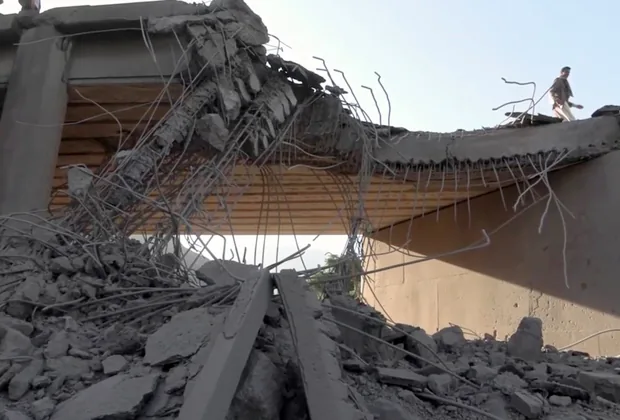
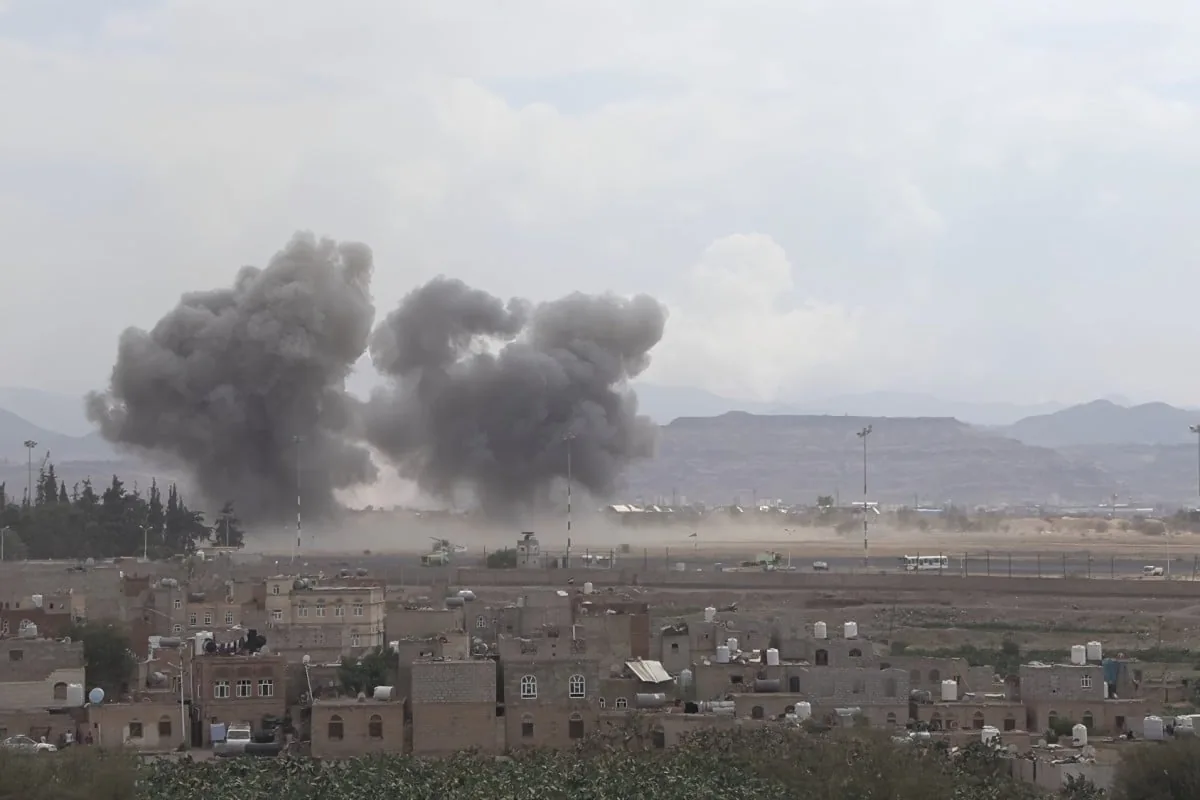
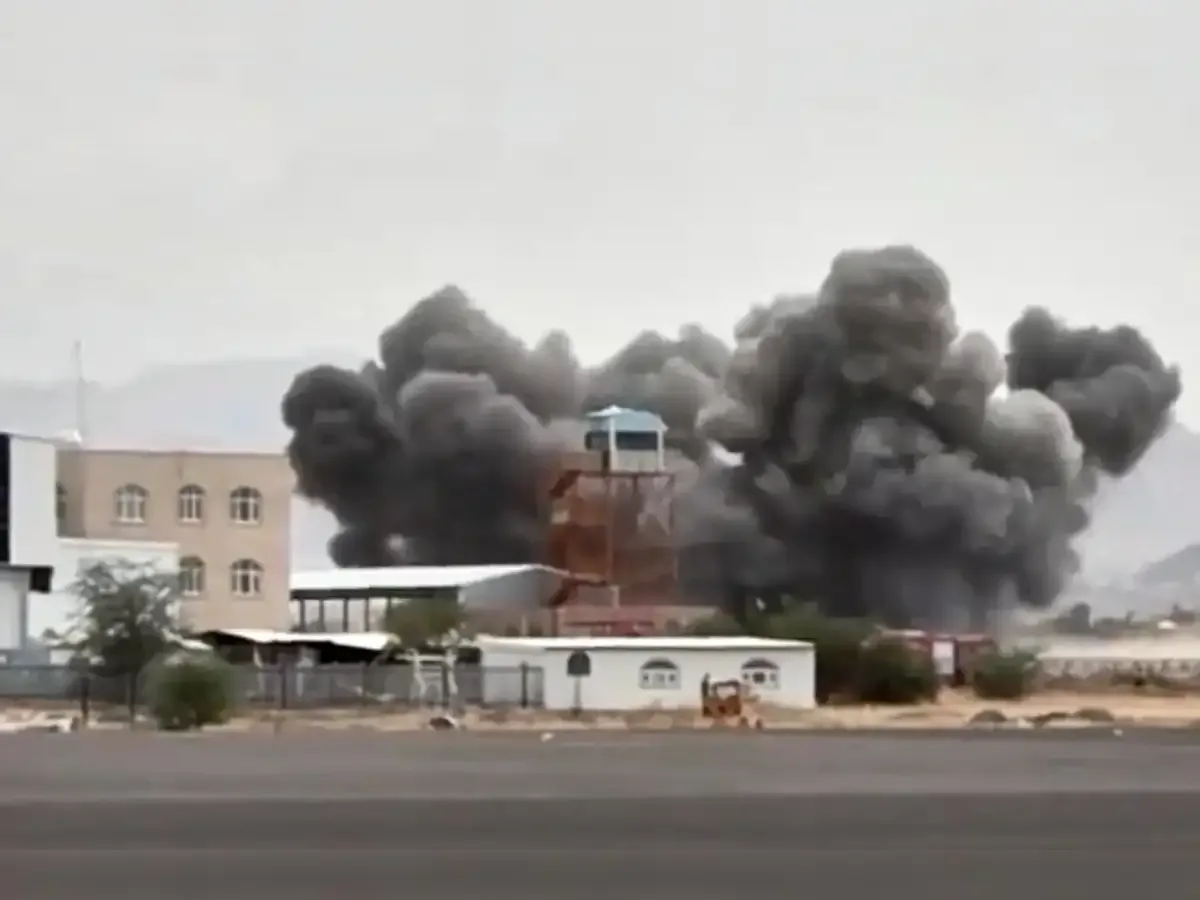
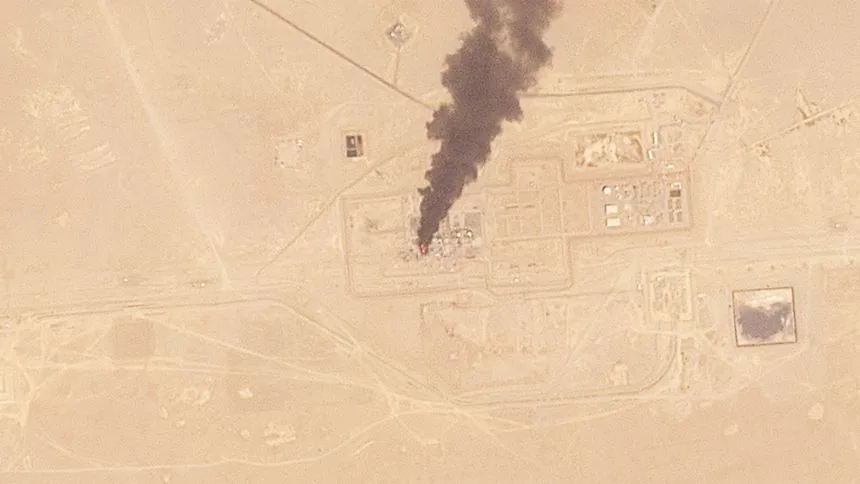
Houthi missile strike hit Saudi Aramco's Dhahran headquarters, sparking a fire; Saudi Arabia intercepted a missile targeting Riyadh, and the coalition struck a fuel depot in Sanaa and other Houthi sites.
The Houthis vowed further attacks on Saudi airports and oil facilities; at least 18 people have been killed in Saudi Arabia over the past week, with no casualties reported at Aramco.
FBI arrested 35-year-old Saudi national and OpenAI engineer Abdulrahman Alfozan for allegedly hiding a recording device in an executive conference room in San Francisco, facing up to five years in prison.
Earlier recaps
· 1 event in window
This period marks a sharp escalation in the Yemen conflict, with Houthi missile and drone attacks on Riyadh's King Khalid International Airport killing at least 12 people and injuring 309, including eight foreign nationals, far exceeding the previous period's three Saudi citizen deaths. The airport was closed and flights suspended, with a second projectile striking Terminal 4 the following day; the Houthis claimed responsibility and threatened further attacks, Saudi Arabia reportedly struck Sanaa airport in retaliation, the US weighed military support, and the EU widened its airspace warning.
· 1 event in window
This period continues the escalation from the Yemen conflict, with Houthi rebels attacking Riyadh's King Khalid International Airport and killing three Saudi citizens, including a pilot, the first Saudi civilian deaths in this conflict. The Saudi-led coalition confirmed the deaths and vowed a "firm" response, explosions were heard in the capital, and 124 flights were suspended. The strike, reported by a single source, marks a further escalation from the previous period's foreign civilian casualties to direct Saudi citizen deaths.
· 1 event in window
This period marks a sharp escalation from the Yemen conflict into direct attacks on Saudi soil. Houthi rebels launched coordinated missile and drone strikes on airports in Riyadh and Aden, killing three foreign civilians and injuring dozens, the first civilian deaths inside Saudi Arabia in this conflict. The Saudi-led coalition intercepted additional attacks targeting Khamis Mushait and Jazan, though Saudi authorities have not verified all Houthi claims.
· 1 event in window
This period shifts from the information war over Yemen to actual military action. Saudi-backed Yemeni government forces launched a major offensive to retake Houthi-held territory, including the capital Sanaa, prompting the Houthis to claim an attack on Saudi Aramco facilities in response. The US will not join the operation for now, while Iran said it is ready for potential US attacks.
· 1 event in window
The sole Saudi Arabia-related event this period shifts from last period's aviation incident to the Yemen conflict. The Houthi group and Yemeni government forces issued conflicting accounts of Saudi airstrikes, with the Houthis reporting 26 to 94 strikes across multiple provinces in 24 hours and claiming civilian casualties, while government forces claimed 761 strikes over 72 hours. The figures are unverified and sharply contradictory, underscoring the ongoing information war around the Yemen battlefield.
Tracked events
Events matched to this subject by the tracking pipeline, with signal scores.
US federal prosecutors charged Abdulrahman Alfozan, a 35-year-old Saudi national and former OpenAI engineer, with secretly planting an encrypted recording device in an executive conference room at OpenAI's San Francisco office. The device, wrapped in toilet paper and plugged into a TV's USB port, was found on 30 September; Alfozan was arrested by the FBI on 9 October. Prosecutors allege Saudi government support, including royal contacts and a military official paying for his family's one-way flight to Qatar, and warn of national security risk. OpenAI says it found no evidence of stolen model weights, source code or customer data.
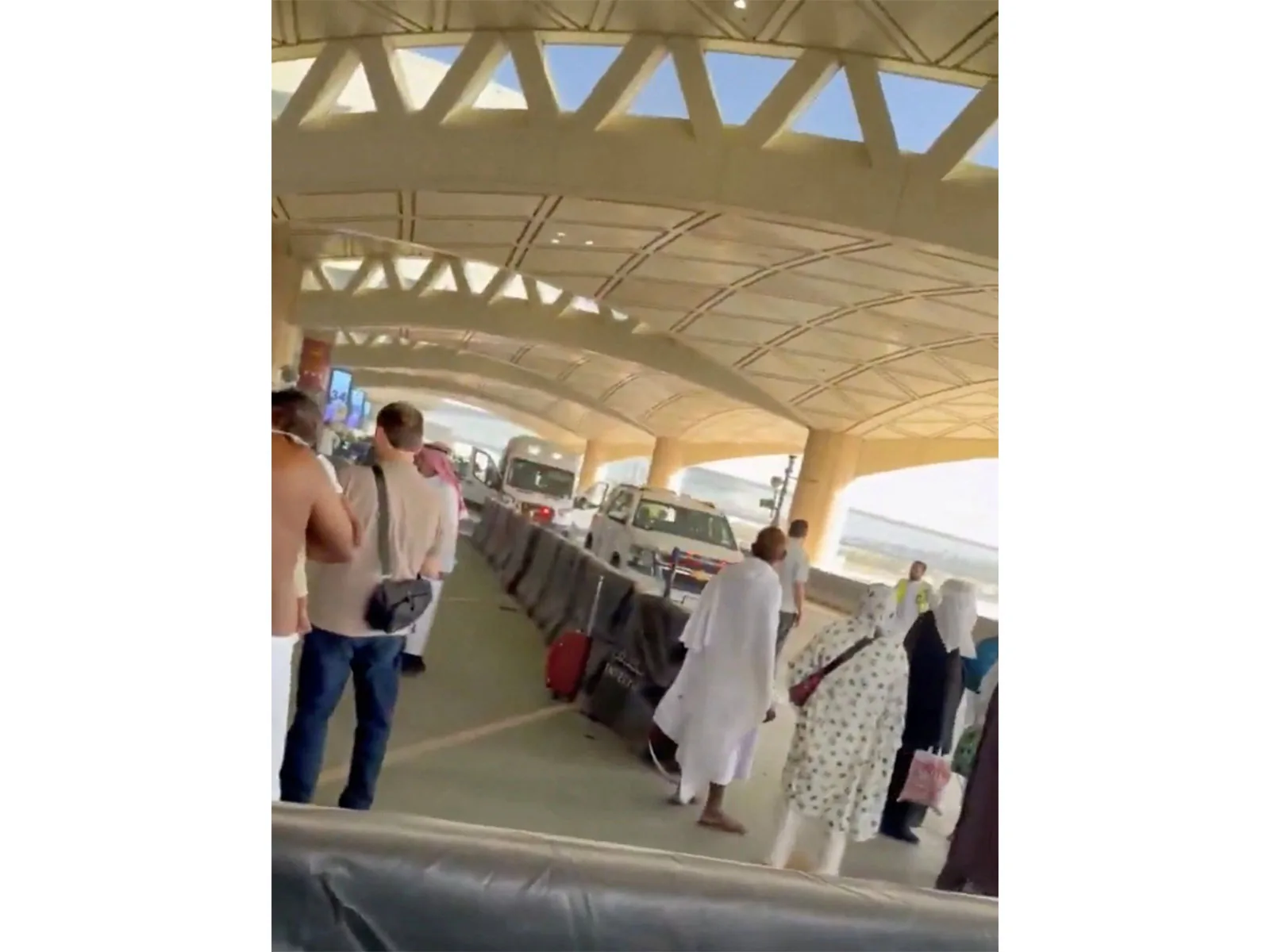
Houthi missile strikes on Riyadh's King Khalid International Airport killed at least 12 people and injured more than 300, with Saudi authorities reporting victims including Saudis and foreign nationals. The Saudi-led coalition blamed the Iran-backed Houthis and vowed retaliation, while the airport was struck again the following day. The attacks disrupted aviation, prompted school closures and remote work in Riyadh, and raised questions about Saudi air defenses. President Trump said he would consider joining Saudi strikes on the Houthis.
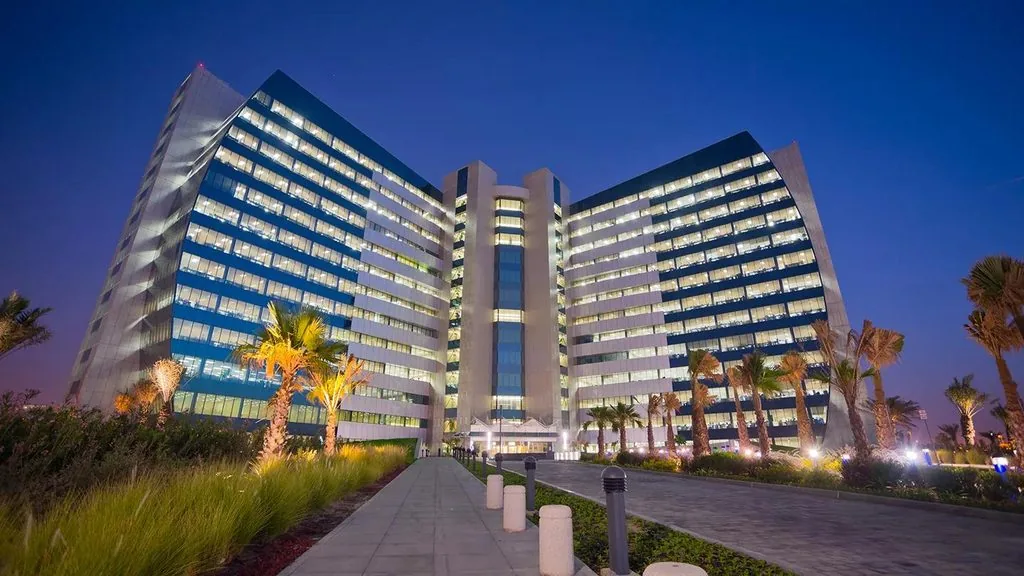
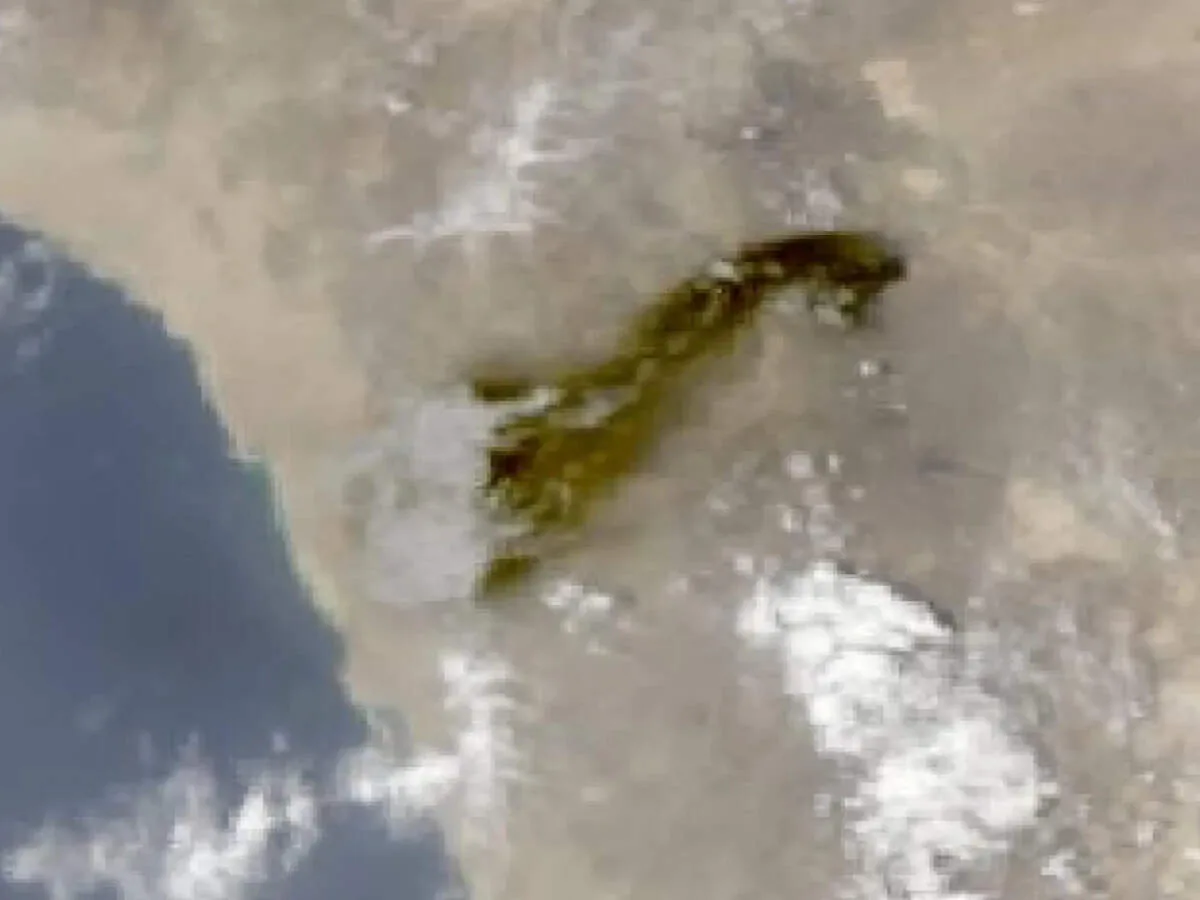
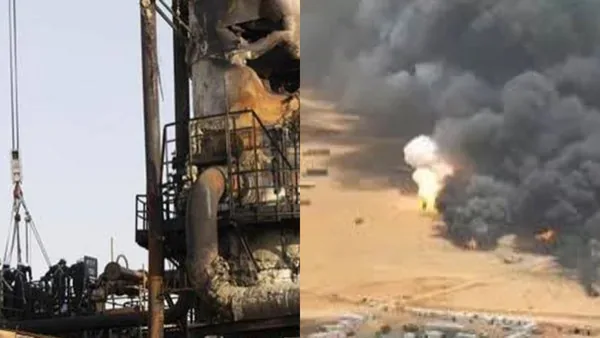
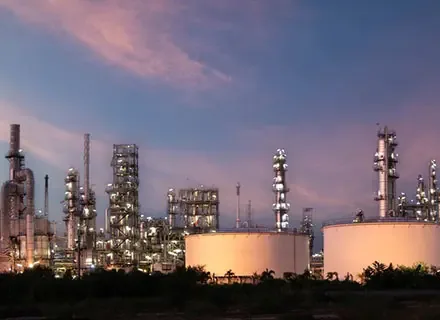
Yemen's Houthi movement launched missile and drone attacks on multiple Saudi cities, striking Saudi Aramco's headquarters in Dhahran and causing a fire that was later extinguished, according to sources cited by tradealpha. The Saudi-led coalition said it intercepted several incoming missiles, with fragments falling in a Dhahran residential area, and Saudi Arabia intercepted a missile targeting Riyadh. The Houthis vowed further attacks on Saudi airports and oil facilities. No casualties were reported at Aramco, though at least 18 people were killed in Saudi Arabia over the past week.
Houthi forces launched missile and drone attacks on Saudi Arabia's King Khalid International Airport in Riyadh, killing at least 12 to 14 people and injuring more than 300, including foreign nationals from the US, Bangladesh, Egypt, Jordan, Syria, Sudan, and Palestine. The attacks, which also targeted Dammam airport and oil facilities, prompted the airport's closure, flight suspensions, and an FAA warning to US airlines. Saudi Arabia blamed the Houthis and struck Sanaa airport in apparent retaliation, while President Trump weighed US military action in Yemen.
Yemen's internationally recognized government, backed by a Saudi-led coalition, has announced a major military operation to retake all territory held by the Iran-backed Houthi movement, including the capital Sanaa. The offensive marks a significant escalation in the long-running civil war. The Saudi-led coalition has pledged support, with fighter jets bombing Houthi positions, while the United States will not join for now. The Houthis have claimed an attack on Saudi Aramco facilities, and Iran says it is ready for potential US attacks.
Houthi militants launched ballistic missile and drone attacks on multiple Saudi airports, including Riyadh's King Khalid International Airport, killing three foreign nationals and wounding 36. Saudi Arabia retaliated with airstrikes on Houthi positions in Yemen. The attacks mark a significant escalation in the Yemen conflict, with Houthis also targeting military bases and claiming dozens of casualties among Saudi forces.
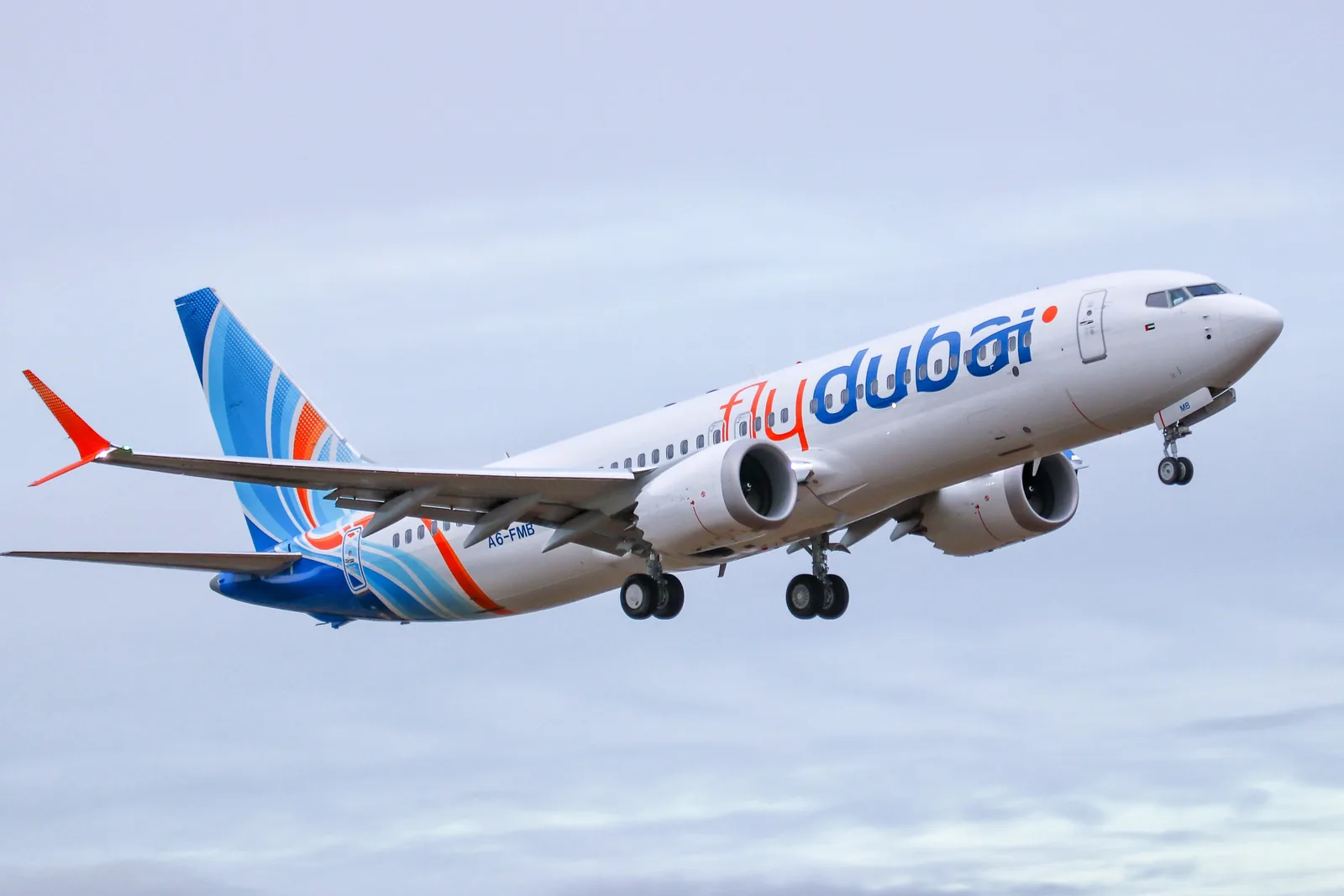
On September 30, 2026, a Flydubai flight from Dubai to Tel Aviv (FZ1073) was diverted to Tabuk, Saudi Arabia, after the co-pilot, an Omani national, attacked the captain with an axe or knife, seriously injuring him. The captain opened the cockpit door, allowing passengers to subdue the attacker. The plane dropped sharply before off-duty pilots landed it safely. Israeli and UAE authorities treat it as a suspected terrorist attack. The co-pilot had reportedly been fired from Oman Air over extremist views.
Yemen's Houthi group reported varying numbers of Saudi airstrikes (26 to 94) across multiple provinces in the past 24 hours, claiming civilian casualties and infrastructure damage. Separately, Yemeni government forces claimed 761 strikes against Houthi targets over 72 hours, killing or wounding 361 fighters and four Iranian experts. The reports are unverified and conflicting.
Saudi Arabia's crude oil exports surged nearly 80% in September 2026 to 6 million barrels per day, the highest level since the Iran war began seven months ago, according to Kpler data. The rebound occurred despite a drone attack from Iraq that shut the East-West pipeline, forcing reroutes through the Strait of Hormuz. Middle East exports overall recovered to about 80% of pre-conflict levels. Oil prices fell over 2% amid U.S.-Iran talks.
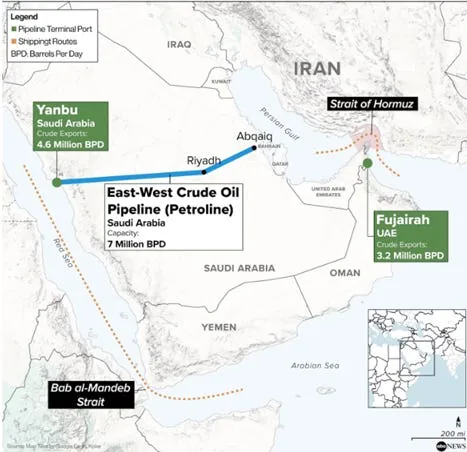
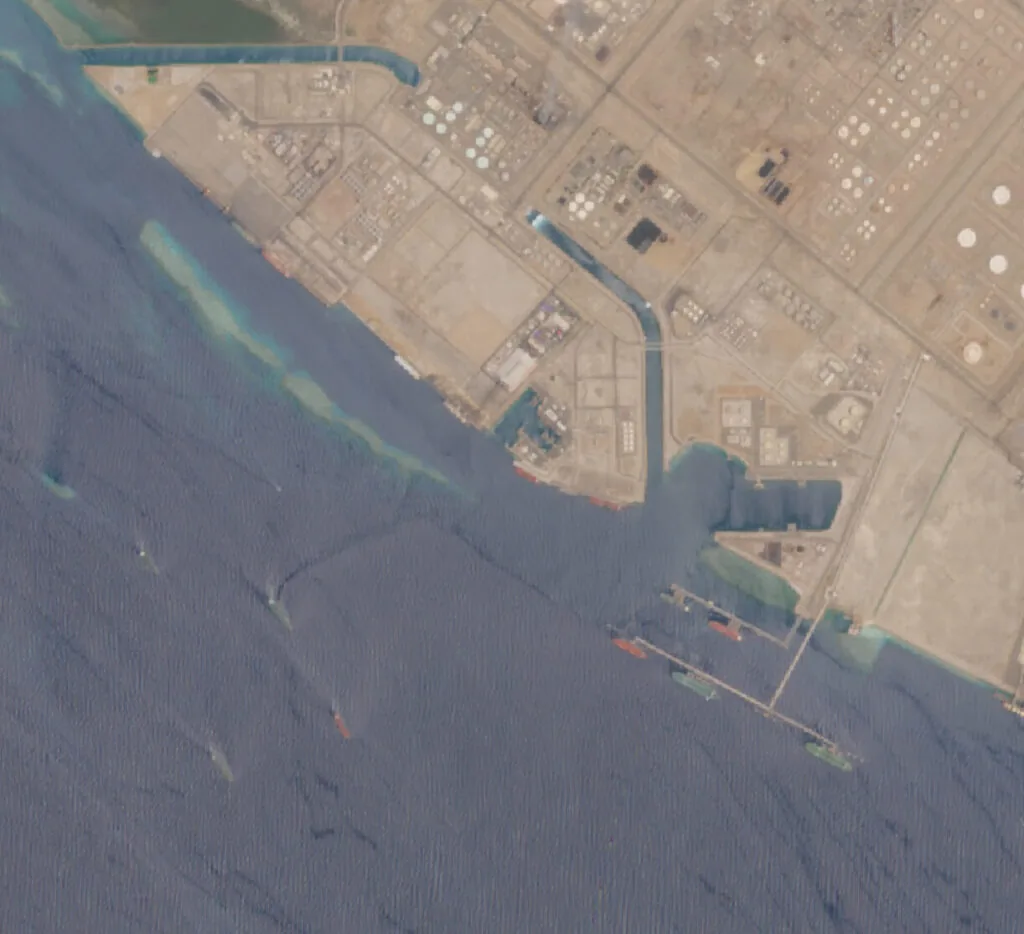
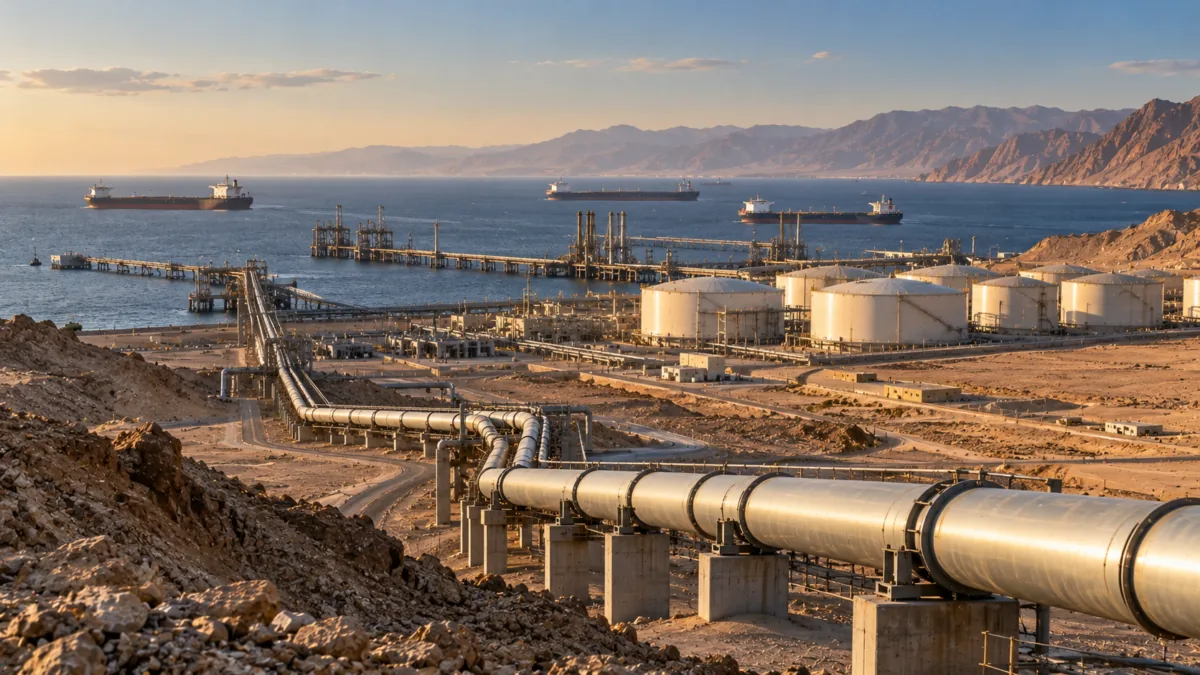
Saudi Arabia has completed repairs on its East-West Pipeline, damaged in a drone attack earlier this month, and resumed oil exports through the route. The pipeline, which bypasses the Strait of Hormuz, connects eastern oil fields to the Red Sea port of Yanbu. Saudi Aramco tested and pressurized the pipeline last week, restoring substantial flows. Some European customers had been informed they would receive no crude allocations next month due to tight supply. Tanker loading at Yanbu had not yet resumed as of some reports.
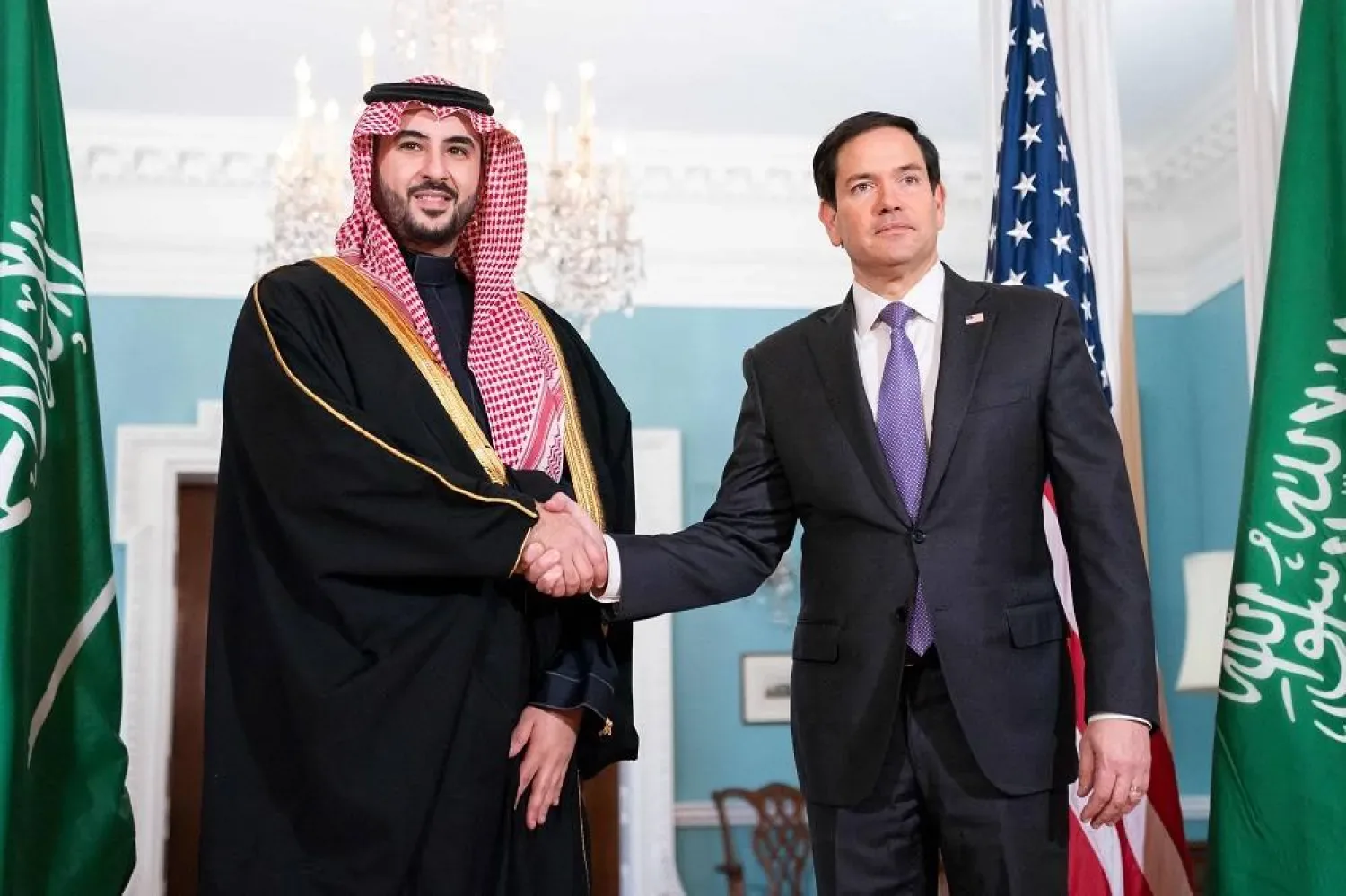
U.S. Secretary of State Marco Rubio stated the U.S. will fulfill defense commitments to Saudi Arabia and called the Houthi-Saudi conflict dangerous, affirming Washington’s support for Riyadh. Saudi Arabia’s foreign minister is scheduled to meet Rubio in Washington on Monday amid escalating Houthi attacks. The U.S. declined Saudi requests for airstrikes but agreed to provide intelligence and targeting support.
French President Emmanuel Macron announced on September 24, 2026, that France will deploy troops, radar systems, and defense systems to protect the Yanbu oil terminal on Saudi Arabia's Red Sea coast from Houthi missile and drone attacks. Foreign Minister Jean-Noël Barrot stated the deployment is strictly defensive, not making France a co-belligerent. The move aims to secure a critical alternative oil export route bypassing the blocked Strait of Hormuz and stabilize global energy supplies.
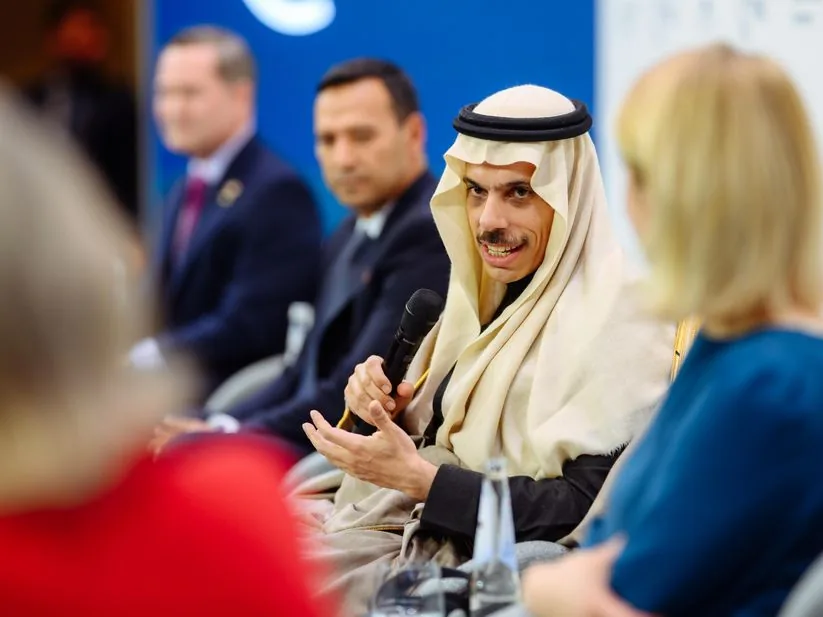
Saudi Foreign Minister Prince Faisal bin Farhan Al Saud addressed the UN General Assembly, demanding the Strait of Hormuz be restored to its status before February 28, with no tolls or restrictions. He emphasized Gulf security's link to global energy security and trade stability, called for freedom of navigation in key waterways, and opposed their use as pressure tools. The demand follows a US-Israel strike on Iran and subsequent Iranian retaliation disrupting shipping.
Saudi Arabia has sold nearly 100 million barrels of crude oil to Asian buyers for October and November delivery, equivalent to roughly one day of global demand. The sale follows a September 10 attack on the East-West pipeline that bypasses the Strait of Hormuz, which has not fully resumed operations. Saudi Aramco has unusually taken on shipping logistics and risk, delivering crude directly to customers in China, India, Japan, and South Korea. The move more than doubles Saudi oil flows through the Strait of Hormuz to Asia and provides a buffer for Asian refiners facing supply shortages from sanctions on Iran and political risks around Russian oil.
On September 26, 2026, Yemen's Houthi militia launched drones and ballistic missiles targeting Riyadh and Khamis Mushait, Saudi Arabia. The Saudi-led coalition reported intercepting two drones and two ballistic missiles, with no casualties or damage confirmed. The attacks follow a series of recent Houthi strikes, including six ballistic missiles intercepted on September 24 and a claimed attack on Aramco facilities in Yanbu. The escalation underscores ongoing cross-border hostilities amid the Yemen conflict.
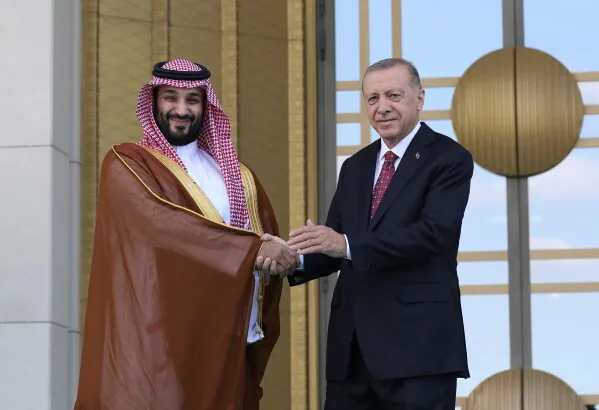
Senior military commanders from Pakistan, Saudi Arabia, and Turkey met in Riyadh on September 25 under the Makkah Joint Defense Agreement to discuss threats facing Saudi Arabia. They condemned attacks on Makkah and Saudi infrastructure, and agreed to deepen intelligence sharing, military coordination, and capability integration. The parties reaffirmed their commitment to collective defense and to operationalizing the defense pact.
French President Emmanuel Macron announced on September 24, 2026, the deployment of military assets including soldiers, radars, and defense systems to protect the Yanbu oil terminal in Saudi Arabia from Houthi attacks. He warned that France could be targeted by a Russian drone attack similar to the Leipzig airport incident, and assessed a new Russian mobilization of 300,000 troops as credible. Macron did not rule out fuel tax cuts if prices continue to rise, and guaranteed fuel supplies until end of 2026.
On September 25, 2026, Yemen's Houthi forces launched a missile attack on Saudi Arabia, with the Saudi-led coalition reporting interception of six ballistic missiles. Combined with stalled US-Iran talks, the attack drove international oil prices up about 4%, with Brent crude rising $4.10 to $107.18 per barrel and WTI gaining $3.66 to $95.82. The US expanded secondary sanctions on Iranian airlines, and Saudi Arabia increased crude flows via its East-West pipeline.
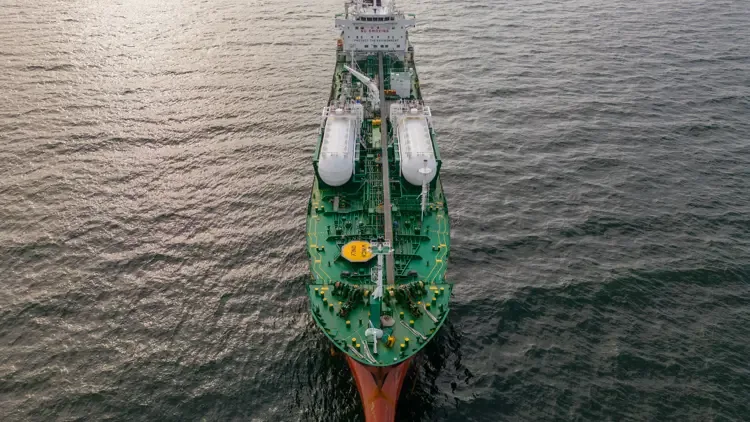
Saudi Arabia's Energy Ministry denied reports that it purchased 25 oil tankers worth approximately $4.5 billion, rejecting Iraqi Oil Minister Basim Muhammad Khudair al-Abadi's claim that the acquisition drove Iraq's crude shipping costs from about $26 to $37 per barrel. The Saudi ministry attributed rising transport costs to regional tensions, disrupted Strait of Hormuz shipping, and higher insurance premiums.
Saudi Arabia resumed operations on its East-West crude pipeline, shut after a drone attack, capable of transporting about 4 million barrels per day. Concurrently, US President Trump reported "very good progress" after a three-hour meeting between his envoy and Iranian mediators at the UN. These developments, plus rising US crude inventories and Iraqi exports, pushed Brent crude below $100 per barrel for the first time since September 8, with oil heading for its longest losing streak in a year.
Saudi Arabia has restarted its East-West crude oil pipeline, damaged by a drone attack on September 11 that struck three pumping stations. The pipeline is operating at a low flow rate, with Saudi Aramco aiming to restore partial capacity within days. Full recovery to its 4 million barrels per day capacity is expected to take 6 to 8 weeks. The restart caused Brent crude to drop over $2 per barrel. The attack was attributed to an Iran-backed Iraqi militia.
The United Kingdom has agreed to provide Saudi Arabia with limited-time defensive air-to-air refueling support to help counter Houthi attacks from Yemen. UK Prime Minister Andy Burnham announced the decision on September 21, stating it was in response to a Saudi request. The Royal Air Force will deploy a Voyager tanker aircraft from its base in Cyprus, with operations expected to begin within days and last several weeks. The support is explicitly defensive and temporary.
Saudi Aramco has informally told at least three Asian refiners that crude loading at the Red Sea port of Yanbu may resume soon, after a September 10 drone attack from Iraq shut the East-West pipeline. The pipeline, which bypasses the Strait of Hormuz, normally carries up to 7 million barrels per day. Aramco is working to restore half capacity within days and full capacity in six weeks. European buyers have been told their October allocations are canceled.
Between September 15-22, 2024, Yemen's Houthi movement accused Saudi Arabia of launching hundreds of airstrikes across multiple Yemeni governorates, including Taiz, Saada, and Hajjah. On September 22, Houthi-controlled Al Masirah TV reported three airstrikes on Mukha port in Taiz, killing six and wounding eight, including women and children. The Houthis also claimed to have retaliated on September 19 with missile and drone attacks on Riyadh and a Saudi Aramco facility in Yanbu. Saudi authorities have not responded to the allegations, which remain unverified by independent sources.
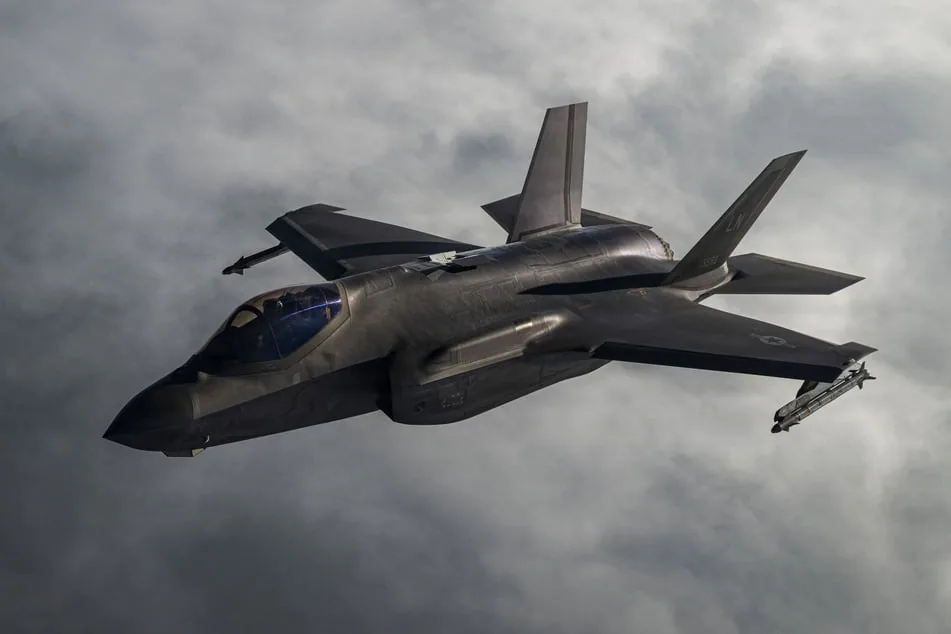
The US State Department approved the potential $24.3 billion sale of 48 F-35 stealth fighter jets to Saudi Arabia on September 17-18, 2026, marking a major policy shift. The deal, which includes 49 engines and support equipment, requires congressional approval and faces scrutiny over Israel's military edge and technology security concerns with China. Saudi Arabia welcomed the proposal as a step in defense cooperation.
Following a drone attack that shut down its East-West pipeline, Saudi Arabia has shifted crude exports to the Persian Gulf, selling approximately 60 million barrels for ship-to-ship transfer at Oman's Sohar port. Main buyers are Chinese and South Korean refiners, with some volumes to India and Japan. Gulf exports have recovered to 1-1.5 million barrels per day, helping suppress global oil prices. Saudi Arabia is working to restore half the pipeline's capacity within days.
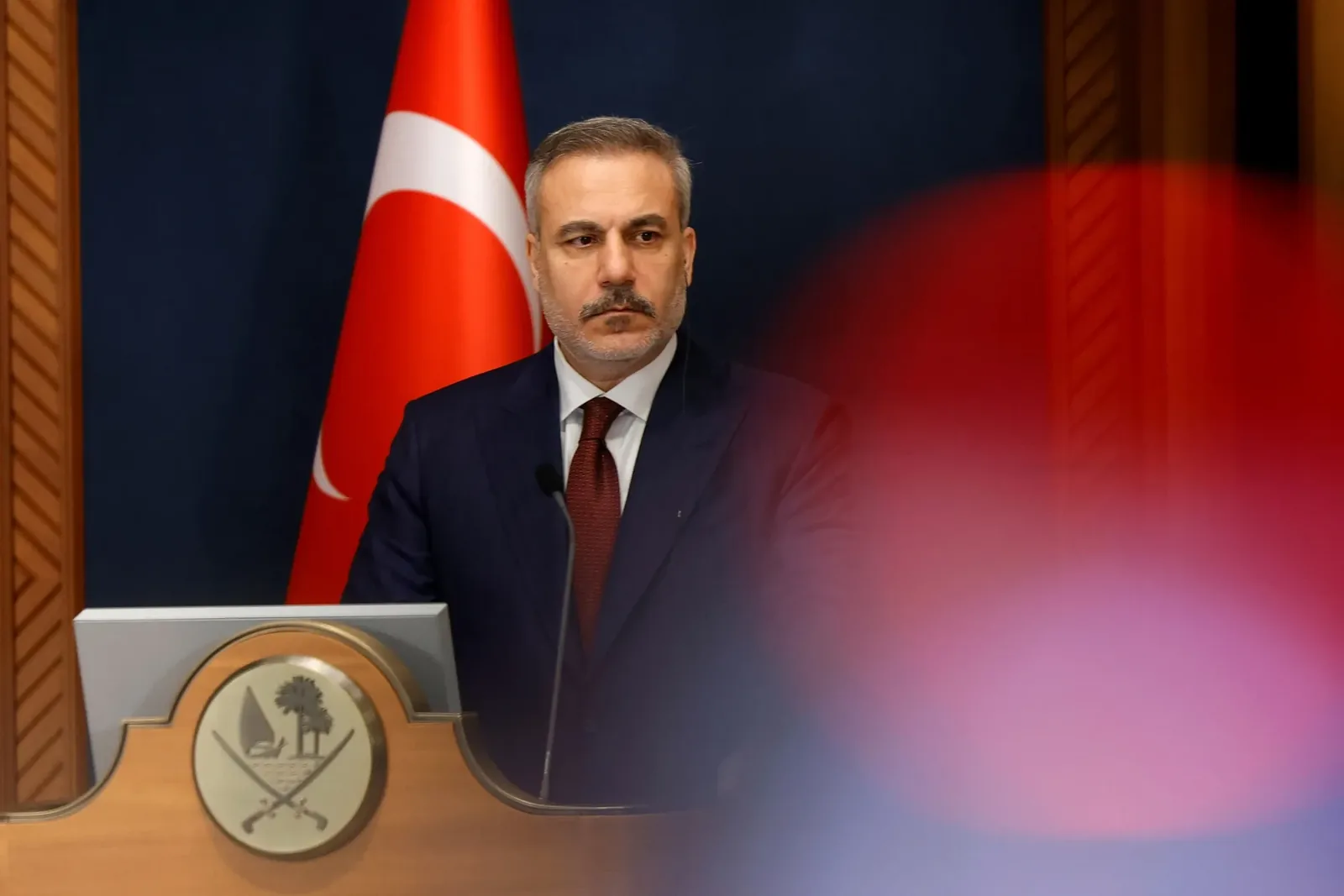
Turkish Foreign Minister Hakan Fidan stated on September 19 that Turkey will honor the Mecca Mutual Defense Agreement and may provide military-technical assistance to Saudi Arabia following intensified Houthi attacks on Saudi oil infrastructure. The pact, signed August 7 by Saudi Arabia, Turkey, and Pakistan, considers an attack on one signatory as an attack on all. Saudi air defense interceptor stocks are critically low, prompting Riyadh to also seek support from France, the UK, Pakistan, and Egypt.
On September 19, Turkish Foreign Minister Hakan Fidan stated Turkey does not accept Saudi Arabia being drawn into the US-Iran conflict, noting Saudi Arabia has no intention of joining. He described recent attacks on Saudi territorial integrity and infrastructure as extremely serious. Fidan added proposals to end hostilities have been conveyed to all parties, and Turkey may assess Saudi military needs within a trilateral defense mechanism.
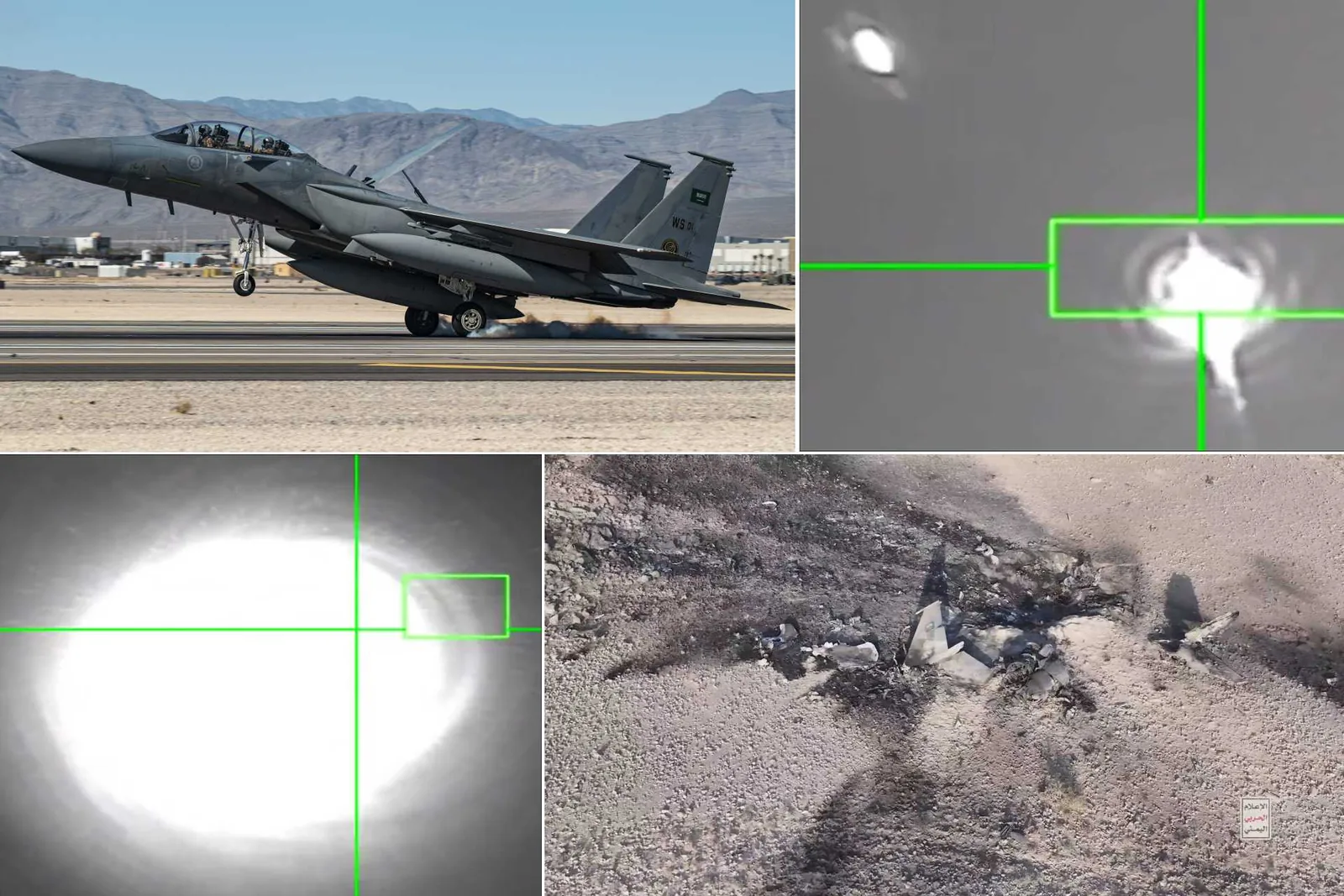
The Houthi movement in Yemen accused Saudi Arabia of launching over 450 airstrikes across multiple Yemeni provinces in one week, using F-15 and Typhoon jets. In retaliation, the Houthis claimed to have attacked Saudi Aramco facilities in Yanbu and Khamis Mushait Air Base with ballistic missiles and drones, and to have shot down a Saudi F-15. Saudi authorities have not confirmed the attacks. The Houthis vowed to continue escalation until Saudi Arabia halts operations and lifts the blockade.
A drone strike on Saudi Arabia's East-West pipeline on September 10 halted crude flows to the Red Sea port of Yanbu, forcing Saudi Aramco to cancel September and October cargoes for European refiners. At least three European refineries had late-September shipments canceled or delayed to November. Brent crude briefly surged past $130 per barrel. Polish refiner Orlen launched over ten tenders for alternative supplies. Saudi authorities have not confirmed repair timelines.