Flydubai cockpit brawl forces Tel Aviv flight to divert to Saudi Arabia
A Flydubai flight from Dubai/Abu Dhabi to Tel Aviv was diverted to Tabuk, Saudi Arabia, after a physical fight between the pilot and co-pilot. The aircraft transmitted emergency and hijacking codes, prompting Israeli fighter jets to scramble. Israeli officials ruled out hijacking, attributing the signals to the altercation. Approximately 150-180 passengers were aboard.
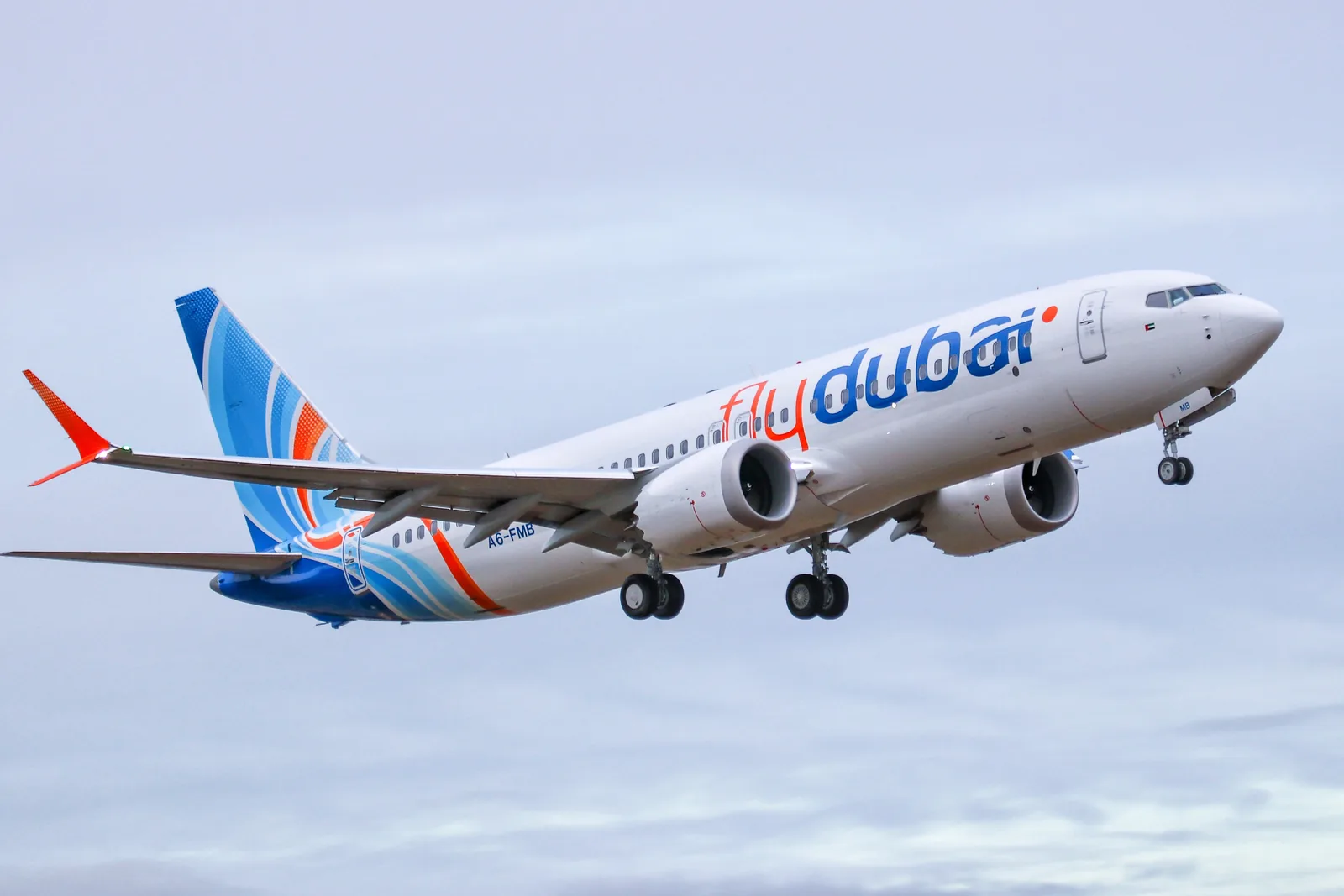 Reference image
Editorial responsibility
- No named human review is recorded for this page.
- Reports are grouped by semantic similarity and deterministic rules. Language models may assist titles, summaries, translation and cross-source analysis; the page reads the event directly, while its address stays stable when the title changes.
- Summary covers the current reports
Cross-source coverage
Common ground
- Both agents agree that the passengers on the flight deserve a full and transparent investigation into what happened.
- Both acknowledge that the incident involved a hijacking signal, a rapid altitude drop, and a diversion to Saudi Arabia.
- Both agree that independent verification is needed, rather than relying solely on any single country's account.
Points of contention
- The Regional Agent believes the most likely cause is a cockpit fight between a Russian and Ukrainian pilot, while the Western Agent insists it was a deliberate terror plot or security breach.
- The Western Agent trusts Israeli intelligence sources like the Jerusalem Post and Shin Bet, but the Regional Agent dismisses them as biased and unreliable.
- The Regional Agent sees the incident as a rational safety decision by pilots avoiding a war zone, while the Western Agent views it as a suspicious diversion to a hostile country.
Blind spots
- Neither agent fully addresses the possibility that the emergency signal could have been a technical malfunction or false alarm, not tied to any human conflict.
- Both overlook the role of the airline, Flydubai, and its internal investigation, focusing only on Israeli or regional narratives.
- The debate ignores the passengers' own accounts or testimonies, treating them as abstract numbers rather than sources of firsthand evidence.
WorldAttention’s read
This debate reveals a deep divide between two worldviews: one that sees every incident through the lens of regional power dynamics and Israeli securitization, and another that prioritizes intelligence sources and the threat of terrorism. While both sides agree the passengers deserve answers, they cannot agree on what those answers should be. The Regional Agent argues for a simple explanation—a cockpit brawl between pilots from warring countries—while the Western Agent insists the evidence points to a deliberate attack. Neither fully considers technical failures or the airline's own role, and both use the passengers' trauma to support their political narratives. The truth likely lies somewhere in between, but without an independent investigation that includes all parties—Israeli, Saudi, Emirati, and international—the public will be left with only speculation and spin.
Reporting timeline
Israel-bound Flydubai flight diverted after physical fight between pilots, hijacking ruled out
A Flydubai flight from Dubai to Tel Aviv was unexpectedly diverted to Tabuk Airport in northeastern Saudi Arabia after a physical altercation between the pilot and co-pilot, according to Israeli officials cited by local media. The plane, carrying around 150 people, most of whom are Israeli, took off from Dubai International Airport early on Wednesday morning. Flight tracking website Flightradar24 reported that the aircraft signaled an emergency code two hours into the journey, then briefly switched to a code used to report a hijacking before reverting to a general emergency signal. The Israeli prime minister's office confirmed that a hijacking had been ruled out, and the signal was instead attributed to the fight between the pilots. In response, the Israeli air force dispatched fighter jets, and Prime Minister Benjamin Netanyahu held urgent consultations on the incident.
Read sourcePilot and Copilot Fight in Cockpit, Forcing Flydubai Flight to Divert to Saudi Arabia
A Flydubai flight from Dubai to Tel Aviv (FZ 1073) sent a distress signal and was diverted to Tabuk, Saudi Arabia, after a reported physical altercation between the pilot and copilot in the cockpit. The aircraft initially transmitted squawk code 7700 (general emergency) and later code 7500 (unlawful interference), prompting the Israeli Air Force to scramble fighter jets as a precaution. According to Israeli media, the pilot is of Russian origin and the copilot of Ukrainian origin; they allegedly fought until one lost consciousness, though this has not been officially confirmed. Flydubai confirmed an unspecified 'incident' on board. The plane carried approximately 180 Israelis. Israel and Saudi Arabia do not have diplomatic relations. The Israeli military stated that Chief of Staff Eyal Zamir was consulting with senior commanders, including the air force chief. A hijacking was ruled out.
Read sourcePlane en route to Tel Aviv sends hijacking signal; Israel scrambles fighter jets
On September 30, 2026, a Flydubai Boeing 737 MAX 8 passenger aircraft en route from Abu Dhabi to Tel Aviv transmitted a general emergency squawk code (7700) and subsequently a hijacking signal (7500), prompting the Israeli Air Force to scramble fighter jets as a precaution. The plane changed course over Jordan and landed at Tabuk Airport in northwestern Saudi Arabia. According to Israeli security circles cited by the Times of Israel, the incident may have been triggered by a dispute between the pilots in the cockpit. The aircraft was carrying approximately 180 Israeli passengers. Israel's military chief of staff, Eyal Zamir, was reported to be consulting with senior commanders, including the head of the air force. The article notes that it is being continuously updated.
Read sourceShow 2 older updatesHide older updates
Pilot and Copilot Brawl in Cockpit, Causing Flydubai Flight to Plunge 5,000 Meters
A Flydubai flight from Abu Dhabi to Tel Aviv (FZ 1073) declared an emergency after a violent altercation between the pilots in the cockpit, causing the aircraft to lose approximately 5,000 meters of altitude. The plane initially transmitted squawk code 7700 (general emergency) and then code 7500 (hijacking), prompting the Israeli Air Force to scramble fighter jets as a precaution. The aircraft diverted and landed safely at Tabuk Airport in Saudi Arabia. According to Israeli media reports, the pilot is of Russian origin and the copilot of Ukrainian origin; they allegedly fought until one lost consciousness. The Jerusalem Post reported that one pilot attacked the other with a knife and attempted to take control of the aircraft. An unnamed Israeli official suggested the pilot may have intended to crash the plane, while other reports indicate the copilot may have tried to seize control. Israeli security authorities are treating the incident as a possible terror case. Other crew members and passengers subdued the assailant. The aircraft carried approximately 180 Israelis. Israel and Saudi Arabia do not have diplomatic relations.
Read sourceDubai-Flydubai Flight Suspected Hijacked, Israeli Jets Scrambled, Diverts to Saudi Arabia
On September 30, a Flydubai flight from Dubai to Tel Aviv with approximately 180 passengers aboard transmitted a 7700 emergency code followed by a 7500 hijack code, according to Israel's Channel 12. Israeli Air Force fighter jets were scrambled and headed toward the aircraft. The plane reportedly circled over Jordanian airspace before diverting to Saudi Arabia. Israeli authorities have been unable to establish contact with the aircraft, and the flight is not permitted to land in Israel. Israeli Prime Minister Benjamin Netanyahu, Defense Minister Israel Katz, and Transportation Minister Miri Regev are holding emergency consultations on the incident.