Saudi Arabia Restarts East-West Pipeline, Set to Resume Crude Exports from Yanbu Port
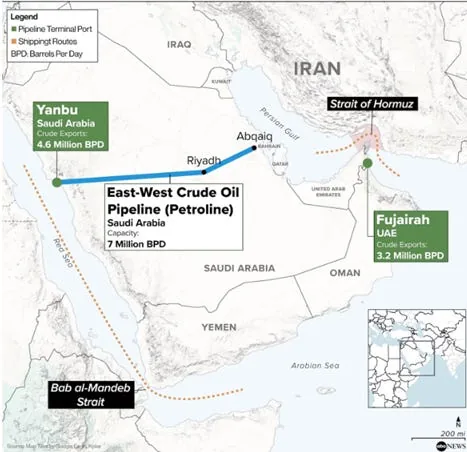
Saudi Arabia has restarted its East-West crude oil pipeline and is preparing to resume oil exports from the Red Sea port of Yanbu as early as this week, according to multiple trade sources. The pipeline, which bypasses the Strait of Hormuz, is currently operating at low throughput. The resumption follows a period of reduced flows or testing, though the cause and exact volume remain unspecified.
 Reference image
Editorial responsibility
- No named human review is recorded for this page.
- Reports are grouped by semantic similarity and deterministic rules. Language models may assist titles, summaries, translation and cross-source analysis; the page reads the event directly, while its address stays stable when the title changes.
- Summary covers the current reports
Cross-source coverage
Common ground
- Both sides agree that Saudi Arabia has the sovereign right to manage its own infrastructure without issuing daily press releases.
- Both agree that the East-West pipeline is a genuine strategic asset that reduces dependency on the Strait of Hormuz.
- Both agree that the timing of the pipeline test is significant, coming amid Houthi threats and OPEC+ disputes.
Points of contention
- Eastern Agent argues that markets price perception and strategic optionality, while Neutral Agent insists that physical crude markets ultimately depend on actual barrels, not just signals.
- Eastern Agent sees the lack of official details as prudent operational security, while Neutral Agent views it as unusual opacity that creates market uncertainty.
- Eastern Agent frames the pipeline test as a demonstration of strategic autonomy, while Neutral Agent sees it as strategic ambiguity that adds a risk premium.
Blind spots
- Neither side fully explains why exports from Yanbu stopped in the first place, leaving a key gap in understanding the situation.
- Both overlook how the pipeline test might affect smaller importing nations that rely on stable, transparent supply forecasts.
- The debate ignores the environmental and local economic impacts of restarting Yanbu operations on the Red Sea region.
WorldAttention’s read
This debate shows a clear split between viewing the East-West pipeline restart as a sovereign strategic move versus a market transparency issue. Eastern Agent argues that Saudi Arabia is rightly building resilience in a multipolar world, and that markets should value the optionality of an alternative route over detailed barrel counts. Neutral Agent counters that without official numbers or a clear timeline, the low-throughput test creates ambiguity that actually destabilizes markets rather than calming them. Both sides agree the pipeline matters, but they disagree on whether the lack of transparency is prudent statecraft or a red flag. The key blind spot is the unknown reason for the initial halt, which leaves the whole discussion resting on incomplete information. Ultimately, the pipeline works and provides a hedge against Hormuz disruption, but until Saudi Arabia clarifies its plans, markets should treat this as a tactical signal, not a full-scale supply boost.
Reporting timeline
Saudi Arabia Expected to Resume Oil Loading at Yanbu Port This Week
According to a Bloomberg report cited by TradeAlpha, Saudi Arabia is expected to resume oil loading operations at the Yanbu port on the Red Sea this week. The forecast indicates a potential normalization of crude oil exports from the key terminal, which may have been disrupted or reduced. The resumption could affect global oil supply dynamics and market prices, though the report does not specify the cause of any prior halt or the exact volume expected. The information is attributed to Bloomberg and carries the uncertainty of a forecast rather than a confirmed schedule.
Read sourceSaudi Arabia Tests East-West Oil Pipeline, Expects to Resume Yanbu Port Shipments This Week
According to a report from Cailianshe on September 22, Saudi Arabia is currently conducting tests on its East-West crude oil pipeline and expects to resume operations this week. The kingdom also anticipates resuming oil shipments from the Yanbu port on the Red Sea within the same timeframe. The testing and planned resumption follow a period of disruption, though the specific cause or duration of the outage is not detailed in the report. The East-West pipeline is a critical infrastructure asset, allowing Saudi Arabia to bypass the Strait of Hormuz and export oil from its eastern fields to the Red Sea, providing a strategic alternative shipping route. The resumption of Yanbu port operations is expected to stabilize a key export channel for Saudi crude oil, potentially impacting global oil supply dynamics and market sentiment.
Read sourceSaudi Arabia Restarts East-West Pipeline, May Resume Oil Exports from Yanbu
According to three sources cited by financial data provider Jin10 on September 22, Saudi Arabia has restarted operations of its East-West crude oil pipeline and may resume oil exports from the Red Sea port of Yanbu as early as Tuesday evening. Two of the sources indicated that the pipeline is currently operating at a low throughput volume. The restart of the pipeline, which connects oil fields in eastern Saudi Arabia to the Red Sea, allows the kingdom to bypass the Strait of Hormuz for exports. The report is attributed to three unnamed sources and carries the uncertainty typical of such breaking news.
Read sourceShow 4 older updatesHide older updates
Saudi Arabia to Resume Crude Oil Exports from Yanbu Port Later on Tuesday: Sources
According to a report from trade intelligence source TradeAlpha, citing unnamed sources, Saudi Arabia is preparing to resume crude oil exports from the Yanbu port later on Tuesday. The report does not specify the reason for the previous halt or the expected volume of exports. This development is significant for global oil markets, as Yanbu is a key Red Sea export terminal for Saudi crude, and any disruption or resumption of flows can impact supply dynamics and prices. The information is attributed to sources and carries the uncertainty typical of such reports.
Read sourceSaudi Arabia Restarts East-West Pipeline, Set to Resume Crude Exports from Yanbu
Trade sources reported on Tuesday that Saudi Arabia has restarted its East-West crude oil pipeline and is preparing to resume exports from the Red Sea port of Yanbu later that day. The pipeline, which bypasses the Strait of Hormuz, allows Saudi crude to reach the Red Sea, providing an alternative export route. The restart follows a period of reduced flows or maintenance. The move is expected to increase global oil supply flexibility and may impact regional crude pricing dynamics. The sources did not specify the volume of exports to be resumed or the duration of the previous shutdown.
Read sourceSaudi Arabia to Resume Crude Oil Exports from Yanbu Port Later on Tuesday: Source
A source familiar with the matter told Jin10 Data that Saudi Arabia is preparing to resume crude oil exports from the Yanbu port later on Tuesday. The report does not specify the reason for the previous halt or the expected volume of exports. Yanbu is a key Red Sea port for Saudi oil shipments, and its resumption of operations could impact global oil supply dynamics. The information is attributed to an unnamed source and carries the uncertainty typical of such reports.
Saudi Arabia Testing East-West Oil Pipeline, Expected to Resume Yanbu Port Shipments This Week
Saudi Arabia is currently conducting tests on its east-west oil pipeline, with operations expected to resume this week, according to a report from Cailian Press. The pipeline connects oil fields in the east to the Red Sea port of Yanbu, providing an alternative route for crude exports that bypasses the Strait of Hormuz. The kingdom also anticipates resuming oil shipments from Yanbu port within the same timeframe. The testing and planned resumption come amid ongoing regional tensions, though the report does not specify the exact nature or duration of the tests. The pipeline is a critical piece of infrastructure for Saudi oil exports, offering strategic flexibility in case of disruptions to the Strait of Hormuz shipping lane.
Read source