France Deploys Troops and Air Defense to Protect Saudi Oil Port Yanbu from Houthi Attacks
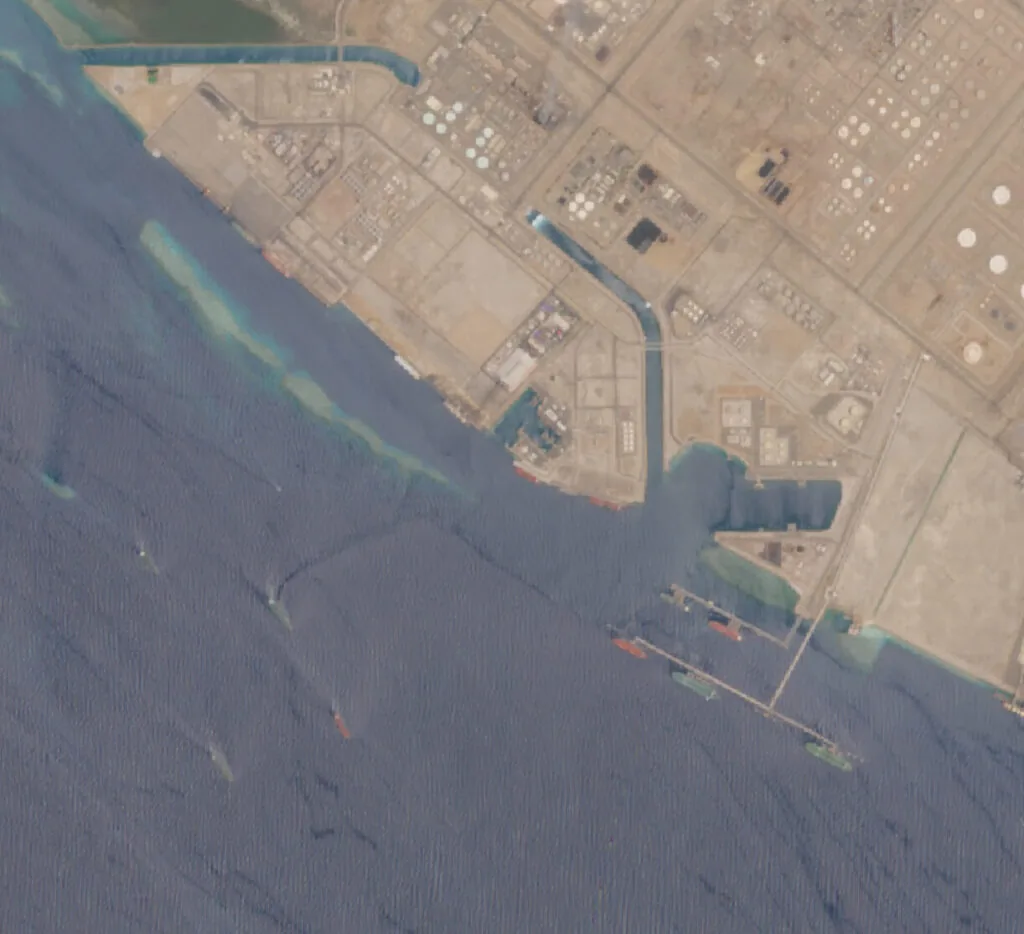
French President Emmanuel Macron announced on September 24, 2026, that France will deploy troops, radar systems, and defense systems to protect the Yanbu oil terminal on Saudi Arabia's Red Sea coast from Houthi missile and drone attacks. Foreign Minister Jean-Noël Barrot stated the deployment is strictly defensive, not making France a co-belligerent. The move aims to secure a critical alternative oil export route bypassing the blocked Strait of Hormuz and stabilize global energy supplies.
 Illustration
Editorial responsibility
- No named human review is recorded for this page.
- Reports are grouped by semantic similarity and deterministic rules. Language models may assist titles, summaries, translation and cross-source analysis; the page reads the event directly, while its address stays stable when the title changes.
- Summary covers the current reports
Cross-source coverage
Common ground
- France's deployment to Yanbu is a military entanglement, not a purely defensive exercise, and it makes France a participant in the Yemen conflict.
- The Houthi attacks on Saudi oil infrastructure are a direct consequence of the Saudi-led war on Yemen and the blockade.
- Western powers, including France, prioritize energy security over human rights, and their professed values are conditional on their interests.
- The deployment exposes deep hypocrisy in the 'rules-based order,' as France protects a regime with a horrific human rights record while condemning others.
- There is a real risk of French casualties, which would collapse Macron's 'purely defensive' framing and escalate the situation.
Points of contention
- Whether the deployment is primarily driven by Macron's domestic political troubles or by long-term strategic energy supply concerns.
- Whether the solution lies in lifting the blockade and ending the war (Regional Agent) or in a multipolar framework with regional dialogue (Eastern Agent).
- Whether the West's values were ever real and are now being betrayed, or whether they were always a mask for interests.
- Whether the deployment proves the decline of the US-led security order or is simply an expansion of France's existing posture in the Red Sea.
- Whether China's approach of non-interference and economic cooperation is a sustainable alternative or just profiteering with clean hands.
Blind spots
- The debate largely ignores the voices and agency of Yemeni people themselves, treating them as objects rather than subjects of the conflict.
- The operational reality that the Houthis have rejected multiple UN peace plans, making a diplomatic off-ramp extremely difficult, is often downplayed.
- The specific technical capability gap—Saudi air defense's low interception rate versus France's high-efficiency SAMP/T systems—is overlooked in favor of broader moral or geopolitical arguments.
- The long-term consequences of normalizing European militaries as private security contractors for energy markets are not fully explored.
- The potential for the deployment to escalate into a wider proxy war involving Iran is not adequately calculated.
WorldAttention’s read
France's deployment of troops and air defense systems to protect Saudi oil infrastructure in Yanbu is a clear military entanglement in the Yemen conflict, driven primarily by energy security concerns rather than altruism or a reaction to US decline. While the operational logic of filling a specific air defense gap is sound, the move is deeply hypocritical given France's professed values and Saudi Arabia's human rights abuses and role in the Yemen war. The debate reveals a fundamental tension between moral outrage and strategic necessity, with no easy off-ramp: the Houthis have rejected peace plans, the blockade remains, and the risk of French casualties looms. Ultimately, the deployment exposes the conditional nature of Western principles and the failure of the current international system to prioritize human lives over energy supplies, leaving Yemenis as the forgotten victims of a conflict the world prefers to manage rather than resolve.
Reporting timeline
France Says Military Support to Saudi Arabia Is Strictly Defensive Against Houthis
On September 27, French Foreign Minister Jean-Noël Barrot stated that France's military assistance to Saudi Arabia is strictly defensive, aimed at helping the kingdom counter attacks from Yemen's Houthi rebels. This follows President Emmanuel Macron's announcement on Thursday that France would deploy troops, radar units, and defense systems to Saudi Arabia. When asked if this support makes France a partner in Saudi Arabia's war against the Houthis, Barrot firmly denied it, saying 'Absolutely not. This is purely defensive.' He added that since the US-Israel war against Iran began, France has deployed forces to protect allies and partners, but this does not mean France could be considered a co-belligerent. The statement underscores France's effort to delineate its role as a defensive protector rather than an active combatant in the regional conflict.
Read sourceFrance Says Military Support to Saudi Arabia Is Purely Defensive Against Houthi Attacks
French Foreign Minister Jean-Noël Barrot stated that France's military assistance to Saudi Arabia is strictly defensive, aimed at helping the kingdom respond to attacks from Yemen's Houthi rebels. President Emmanuel Macron announced on Thursday that France would deploy troops, radar units, and defense systems to Saudi Arabia. When asked if this makes France a partner in Saudi Arabia's war against the Houthis, Barrot firmly denied it, saying 'absolutely not' and emphasizing the purely defensive nature of the deployment. He added that since the US-Israel war against Iran began, France has deployed forces to protect allies and partners, but this does not mean France could be considered a co-belligerent.
Read sourceFrance sends strictly defensive military assets to Saudi Arabia, foreign minister says
French Foreign Minister Jean-Noël Barrot stated on September 27, 2026, that French military assets being sent to Saudi Arabia will be 'strictly defensive' to protect crude oil exports on the Red Sea. President Emmanuel Macron announced the deployment of soldiers, radars, and defense systems to the Yanbu terminal, Saudi Arabia's main crude export port on the Red Sea, which has been targeted by Yemen's Houthi rebels. Barrot dismissed concerns that France could be considered a co-belligerent, citing previous defensive deployments to protect allies like the UAE from Iranian drones. The scale of the deployment will depend on Saudi needs, French capabilities, and the evolving situation. Barrot was vague on a parliamentary debate, noting that a vote under Article 35 of the Constitution is only required after four months. The Houthi offensive has disrupted Red Sea shipping and affected Saudi oil exports, with Iran also disrupting traffic in the Strait of Hormuz.
Read sourceShow 17 older updatesHide older updates
French military assets sent to Saudi Arabia will be 'strictly defensive,' Foreign Minister Barrot says
French Foreign Minister Jean-Noël Barrot stated on September 27, 2026, that French military assets being sent to Saudi Arabia will be used for 'strictly defensive' purposes to protect crude oil exports on the Red Sea. This follows President Emmanuel Macron's announcement of deploying soldiers, radars, and defense systems to the Yanbu terminal, Saudi Arabia's main crude export hub on the Red Sea, which has been targeted by Yemen's Houthi rebels. Barrot rejected the risk of France being considered a co-belligerent by the Houthis, citing previous defensive deployments to protect allies like the UAE from Iranian drones without being seen as belligerents. The scale of the French deployment will depend on Saudi needs, French capabilities, and the evolving situation. Barrot remained vague on whether a parliamentary debate would be held on the deployment, which has been demanded by some political figures, including far-left candidate Jean-Luc Mélenchon, who warned against becoming a belligerent. The article notes that renewed Houthi hostilities in Yemen, including an offensive toward the Red Sea coast, are affecting Saudi Arabia, the world's top crude exporter, and that the Bab Al-Mandab strait has become more critical for Saudi oil exports due to Iranian disruptions in the Strait of Hormuz.
France sends military to protect Saudi oil terminal, drawing domestic political criticism
French President Emmanuel Macron announced on September 24, 2026, the deployment of military personnel, radars, and defense systems to Saudi Arabia to protect the Yanbou oil terminal on the Red Sea, which has been targeted by Houthi rebels. The decision drew immediate criticism from opposition leaders Jean-Luc Mélenchon of La France Insoumise and Sébastien Chenu of the National Rally, who argued it risks making France a belligerent. Le Monde's analysis argues that the criticism is based on ideological reflexes rather than geostrategic reality. The article notes that France has long-standing military cooperation agreements with Gulf states, including defense pacts with the UAE and Qatar, and that the deployment is consistent with France's commitments. It contrasts Macron's approach with that of the US under Donald Trump, who has reportedly abandoned the Saudis. The analysis acknowledges legitimate grounds for debate, including the strain on French military resources already committed to Ukraine, and the risk of French forces being hit by Houthi missiles or drones. It concludes that alternative choices should be based on geostrategic reality, not ideology.
France sends military assets to Saudi Arabia to protect oil terminal amid Houthi threats
French President Emmanuel Macron announced on September 24, 2026, the deployment of military personnel, radars, and defense systems to Saudi Arabia to protect the Yanbou oil terminal on the Red Sea, which has been targeted by Houthi rebels. The decision drew criticism from opposition figures Jean-Luc Mélenchon (La France Insoumise) and Sébastien Chenu (Rassemblement National), who argued it risks drawing France into a war. The article, an analysis from Le Monde, argues that such criticism is based on ideological reflexes rather than geopolitical reality. It notes that France has longstanding military cooperation agreements with Gulf states and that the deployment is a continuation of existing policy, contrasting with the US under Donald Trump, who has reportedly abandoned Saudi Arabia. The analysis acknowledges legitimate grounds for debate, including the strain on French military resources already committed to Ukraine, and the risk of French forces being hit by Houthi missiles or drones. However, it concludes that the decision is a coherent way to honor France's commitments and assert its role as a reliable ally.
Saudi Oil Facilities Hit Repeatedly; Exports Drop; UK and France Pledge Military Support
Recent Houthi attacks on Saudi oil facilities, particularly in Yanbu, have escalated, prompting Saudi Arabia to seek international military aid as its air defense interceptors run low. French President Macron announced on September 24 that France will deploy troops, radar, and defense systems to protect the Yanbu port oil facilities, emphasizing the mission is defensive and not participation in the conflict. The UK previously pledged 'defensive' aerial refueling support, with the Royal Air Force set to deploy a Voyager tanker. Meanwhile, senior military officials from Pakistan, Bahrain, and Turkey met in Riyadh under the Mecca Joint Defense Agreement to discuss deepening military cooperation and collective defense, while Houthi leaders warned Turkey and Pakistan not to intervene. The Houthis claimed attacks on Riyadh, Yanbu, and Jizan using ballistic missiles, cruise missiles, and drones. Saudi data showed July oil exports fell to their lowest since May 2025, at 59.888 billion riyals ($15.9 billion), a 12.8% year-on-year drop, attributed to disrupted shipping via the Strait of Hormuz and a Houthi-declared maritime blockade on Red Sea routes.
Read sourceSaudi Oil Facilities Hit by Repeated Attacks; Exports Drop; France, UK Offer Military Support
Saudi Arabia's Yanbu oil facilities have been repeatedly attacked, depleting its air defense interceptor stocks and prompting requests for international aid. Official data shows the kingdom's oil export revenue fell to a new low in July. In response, French President Emmanuel Macron announced on August 24 that France will deploy troops, radar, and defense systems to protect the Yanbu port facilities on Saudi's west coast, aiming to stabilize oil supply and curb price increases, while emphasizing non-participation in the conflict. The United Kingdom had previously pledged 'defensive' aerial refueling support, with the Royal Air Force planning to deploy Voyager tanker aircraft. Additionally, senior military officials from Bahrain, Saudi Arabia, and Turkey held talks in Riyadh to discuss deepening tripartite armed forces cooperation. The Houthi group has warned Turkey and Pakistan not to intervene in the conflict. (Source: CCTV News)
Read sourceFrance to Deploy Military Forces to Saudi Arabia to Protect Oil Facilities
French President Emmanuel Macron announced on September 24 that France will deploy military forces, including soldiers, radar equipment, and defense systems, to the Saudi port city of Yanbu to protect oil facilities from attacks by Yemen's Houthi group. Macron stated the move aims to secure oil supply stability and curb international oil price volatility, emphasizing it is limited to protection and not direct involvement in conflict. The announcement came as Houthi forces claimed to have launched missiles and drones at Saudi targets, including Yanbu's Aramco facilities and Riyadh. Saudi-led coalition forces reported intercepting six ballistic missiles. The New York Times noted Macron framed the deployment as part of France's effort to ensure energy security amid ongoing US-Israel-Iran tensions that have effectively blocked the Strait of Hormuz, a key oil transit route. Yanbu is a critical Red Sea port and terminus of a cross-Saudi oil pipeline used to bypass the Strait of Hormuz for European oil exports.
Read sourceFrance to send troops and defense systems to protect Saudi Red Sea oil port Yanbu
French President Emmanuel Macron announced on September 24, 2026, that France will deploy troops, radar systems, and defense systems to Saudi Arabia to protect the Red Sea port city of Yanbu, a critical hub for energy transport. The decision comes amid missile attacks on the port by Yemen's Iran-backed Houthis, which have contributed to surging crude oil prices. Macron stated the deployment is purely defensive and not intended to involve France in any conflicts. In the same television interview, Macron denied a report that the CIA had warned European governments about potential Russian drone attacks from the Mediterranean, but acknowledged that Russia is multiplying hostile acts against Europe and warned of possible strikes on French soil similar to a failed attack in Leipzig, Germany. He also described a potential U.S. ban on diesel exports as 'catastrophic' for the global and U.S. economies, though the White House has denied considering such a ban. Macron's position on Russia was complicated by France's recent exemption of Russian-Uzbek metals tycoon Alisher Usmanov from EU sanctions, which prompted Azerbaijan to pardon a French national jailed for espionage.
Read sourceFrance to send troops and defense systems to protect Saudi Red Sea oil port Yanbu, Macron says
French President Emmanuel Macron announced on September 24, 2026, that France will deploy troops, radar systems, and defense systems to Saudi Arabia to protect the Red Sea port city of Yanbu, a critical hub for energy transport. The decision comes amid rising crude oil prices due to missile attacks on the port by Yemen's Iran-backed Houthis. Macron stated the deployment is purely defensive and not intended to involve France in any conflicts. In a televised interview, he also dismissed a report that the CIA warned European governments about potential Russian drone attacks from the Mediterranean, denying that French services received such a warning. However, he warned that Russia is multiplying hostile acts against Europe and that France could face attacks similar to the failed drone strike on Leipzig airport in August, which Germany attributed to Russia. Macron has ordered a plan to protect critical infrastructure from drone and cyber threats. Separately, his position on Russia was weakened after France secured an exemption from EU sanctions for Russian-Uzbek metals tycoon Alisher Usmanov, citing national security concerns, which led Azerbaijan to pardon a French national jailed for espionage.
Read sourceFrance to send troops and defense systems to protect Saudi Red Sea oil port Yanbu, Macron says
French President Emmanuel Macron announced on September 24, 2026, that France will deploy troops, radar systems, and defense systems to Saudi Arabia to protect the Red Sea port city of Yanbu, a critical hub for energy transport. The decision comes amid rising crude oil prices following missile attacks on Yanbu by Yemen's Iran-backed Houthis. Macron stated the deployment is purely defensive and not intended to involve France in any conflicts. In a televised interview, he also dismissed a report that the CIA warned European governments about potential Russian drone attacks from the Mediterranean, denying that French services received such a warning. However, he warned that Russia is multiplying hostile acts against Europe and that France could face attacks similar to the failed drone strike on Leipzig airport in August. Macron has ordered a plan to protect critical infrastructure from drone and cyber threats. Separately, his position on Russia was complicated by France securing an EU sanctions exemption for Russian-Uzbek metals tycoon Alisher Usmanov, citing national security concerns, which led Azerbaijan to pardon a French national jailed for espionage.
Read sourceFrench far-right and far-left oppose Macron's plan to send troops to Saudi Arabia
French President Emmanuel Macron announced on Thursday evening the deployment of 'military means, that is to say soldiers, radars, and defense systems' to protect the Yanbu oil terminal on the Red Sea, a key Saudi crude export facility targeted by Yemen's Houthi rebels. The announcement drew immediate opposition from both the far-right Rassemblement National (RN) and the far-left La France Insoumise (LFI). RN vice-president Sébastien Chenu argued against sending troops, citing the lack of a mutual defense agreement with Saudi Arabia and questioning why Riyadh does not turn to its existing defense partners, Turkey and Pakistan. LFI presidential candidate Jean-Luc Mélenchon demanded a parliamentary vote under Article 35 of the Constitution, warning that deploying troops to Saudi Arabia means 'installing oneself on a theater of war' and risks making France a belligerent. Chenu dismissed the need for a vote but stated the RN would oppose it if held. The article notes that while France and Saudi Arabia have military cooperation agreements, they lack a mutual defense clause like NATO's.
Read sourceFrance sends soldiers and air defense systems to protect Saudi oil terminal in Yanbu
France is deploying soldiers, radar systems, and air defense systems to the Saudi Arabian port city of Yanbu to protect a key oil terminal on the Red Sea, President Emmanuel Macron announced in an interview with TF1 and France 2. The deployment aims to secure an alternative export route bypassing the Strait of Hormuz, which has been largely blocked due to the Iran war. The East-West Pipeline, which carries oil from Saudi Arabia's east coast to Yanbu, was shut down two weeks ago after attacks by the Iran-backed Houthi militia from Yemen, but has since resumed partial operations. Macron stated that the Yanbu facilities were 'heavily damaged' in the Houthi attacks and that France's role is purely defensive, not an intervention in the conflict. He argued that stabilizing Yanbu would lower fuel prices within two days, a claim made amid domestic political pressure over high gasoline costs. Macron did not specify the number of troops or exact systems deployed, but radar equipment suggests a focus on air defense against Houthi drones and ballistic missiles. The Houthi advance along Yemen's Red Sea coast also threatens the Bab al-Mandab strait, endangering Saudi oil exports to Asia. Britain has also pledged defensive military aid to Saudi Arabia, including aerial refueling aircraft.
Read sourceMacron: France to Send Troops and Defense Systems to Saudi Arabia to Protect Oil Hub from Houthi Attacks
French President Emmanuel Macron announced on September 24 that France will deploy military resources, including soldiers, radar systems, and defense systems, to Saudi Arabia to protect the Red Sea port city of Yanbu. The move aims to shield this key energy transport hub from attacks by Yemen's Houthi rebels, thereby stabilizing global oil supply and controlling rising oil prices. Macron stated that the deployment is strictly for defensive purposes and not to engage in any conflict. The decision comes as the French government faces growing domestic pressure over high energy prices, with Macron seeking to assure the public of sufficient natural gas and oil supplies ahead of winter. The report was sourced from CCTV International News and Jingchu Network.
Read sourceHouthi Missiles Hit Yanbu Port; France Announces Troop Deployment to Saudi Arabia
Yemen's Houthi rebels fired six ballistic missiles at the Saudi port of Yanbu on the Red Sea, a key oil export hub and alternative to the Strait of Hormuz. Saudi air defenses intercepted the missiles, but the attack triggered panic in energy markets over a potential 'double choke' on global oil supply, driving crude prices higher. Amid the escalating threat to Red Sea shipping, US President Donald Trump reportedly rejected a Saudi request for direct US military strikes against the Houthis, limiting support to intelligence and targeting assistance. This cautious stance has deepened Riyadh's anxiety. In response, French President Emmanuel Macron announced in a national address that France will deploy troops, radar systems, and advanced air defense to protect Yanbu's energy infrastructure, emphasizing the mission is to secure winter energy supplies for Europe, not to enter the conflict. Macron also warned that a US diesel export ban would be 'disastrous' for global supply chains and the US economy.
Read sourceMacron Says France Will Send Troops to Protect Saudi Oil Facilities in Yanbu
French President Emmanuel Macron announced on September 24 that France will deploy troops, radar, and defense systems to protect oil facilities at the port of Yanbu on Saudi Arabia's west coast from attacks by Yemen's Houthi rebels. Macron stated that the decision was made in coordination with Saudi authorities and aims to stabilize oil supply and curb rising prices. He emphasized that the French deployment is strictly defensive and not an act of participation in the ongoing conflict. The announcement comes amid escalating Houthi attacks on Saudi Aramco's facilities in Yanbu, which have reportedly depleted Saudi air defense interceptors, prompting Riyadh to seek assistance from Middle Eastern and Western allies.
Read sourceMacron says France will send troops to protect Saudi oil facilities in Yanbu
French President Emmanuel Macron announced on September 24 that France will deploy troops, radar, and defense systems to protect oil facilities in the port of Yanbu on Saudi Arabia's west coast from attacks by Yemen's Houthi rebels. Macron stated the goal is to stabilize oil supply and control rising oil prices, emphasizing that the deployment is for protection and not participation in the conflict. The decision follows discussions between France and Saudi Arabia, and France may also mobilize air force assets stationed in the Middle East depending on the situation. The announcement comes amid escalating conflict between the Houthi group and the Saudi-led coalition, with Houthi forces having repeatedly targeted Saudi Aramco facilities in Yanbu. According to multiple media reports on September 19, Saudi Arabia's air defense interceptor missiles are nearly depleted due to increased Houthi attacks, prompting Riyadh to seek assistance from allies in the Middle East and the West.
France Plans to Send Troops to Saudi Arabia to Protect Red Sea Oil Infrastructure
President Macron announced that France intends to deploy troops to Saudi Arabia to assist in safeguarding a refinery and a crude oil pipeline located at the Red Sea port of Yanbu. The statement, reported by the Wall Street Journal, indicates a direct military cooperation between France and Saudi Arabia aimed at protecting critical energy infrastructure in the region. The deployment is framed as a protective measure for key oil facilities, though no specific timeline or number of troops was provided in the announcement.
Read sourceFrance to Deploy Forces to Protect Saudi Red Sea Oil Port, Macron Says
France has announced it will deploy military forces to protect a key Saudi Arabian oil port on the Red Sea, according to multiple news reports citing President Emmanuel Macron. The decision comes amid heightened regional tensions and threats to energy infrastructure. Macron stated that French troops will be sent to secure the oil route, though he clarified that the CIA did not warn France about possible Russian drone attacks. The Élysée Palace confirmed the offer to help secure Saudi energy infrastructure. This deployment marks a significant French military commitment to the security of critical energy assets in the Middle East, reflecting concerns over potential disruptions to global oil supplies from the region.
Read source