Saudi pipeline restart and US-Iran talks push Brent crude below $100
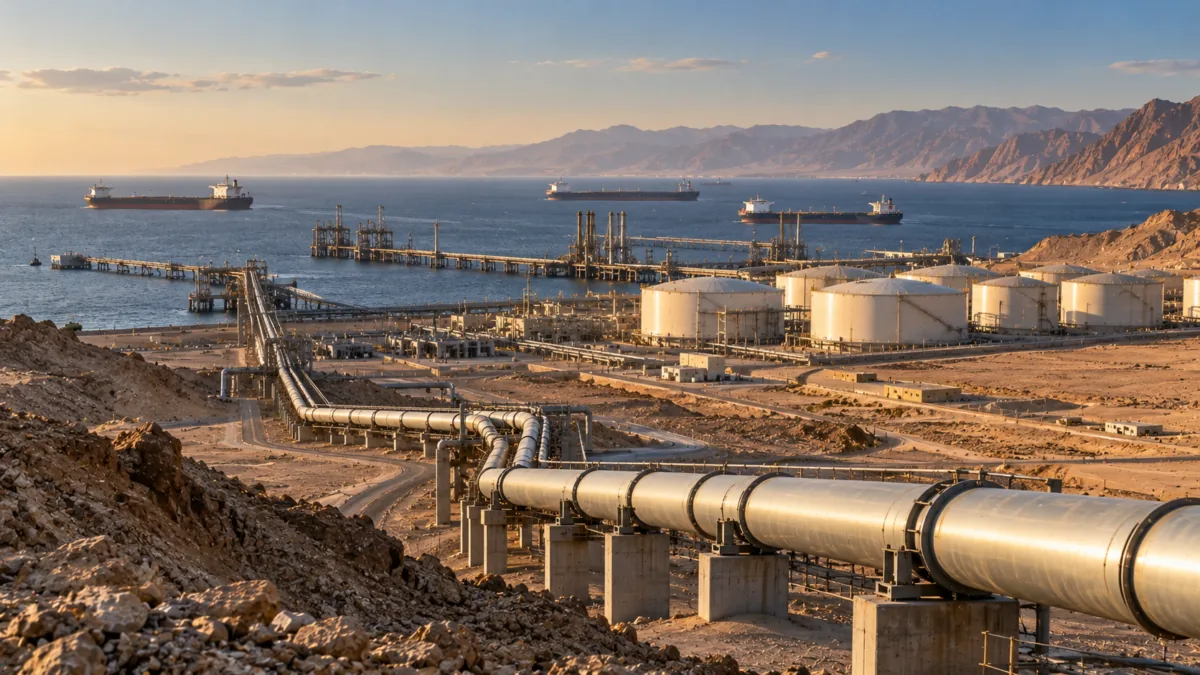
Saudi Arabia resumed operations on its East-West crude pipeline, shut after a drone attack, capable of transporting about 4 million barrels per day. Concurrently, US President Trump reported "very good progress" after a three-hour meeting between his envoy and Iranian mediators at the UN. These developments, plus rising US crude inventories and Iraqi exports, pushed Brent crude below $100 per barrel for the first time since September 8, with oil heading for its longest losing streak in a year.
 Illustration
Editorial responsibility
- No named human review is recorded for this page.
- Reports are grouped by semantic similarity and deterministic rules. Language models may assist titles, summaries, translation and cross-source analysis; the page reads the event directly, while its address stays stable when the title changes.
- Summary covers the current reports
Cross-source coverage
Common ground
- All agents agree that the human cost in Yemen, especially the bombing in Mukha, is a tragedy that deserves more attention than it gets in oil price discussions.
- There is agreement that the oil market is reacting more to narratives and sentiment than to actual supply changes.
- All acknowledge that the Saudi pipeline restart and Iran's diplomatic moves are politically timed, not just technical or market-driven events.
- Everyone agrees that the region's people are often treated as expendable in geopolitical calculations.
Points of contention
- The Neutral Agent insists the pipeline restart and Mukha bombing are not causally linked, while the Regional and Eastern Agents argue they are connected through a system that prioritizes oil over lives.
- The Western Agent sees Iran as an expansionist threat, while the Eastern Agent frames Iran's actions as defensive responses to Western interference.
- The Regional Agent rejects the 'both sides are equally guilty' framing, but the Western Agent uses it to distinguish between Saudi Arabia's openness to pressure and Iran's repression.
- The Neutral Agent focuses on supply-chain mechanics and internal Saudi decision-making, while others argue this ignores the power dynamics and moral costs.
Blind spots
- No agent fully addresses why the Saudi pipeline sat idle for weeks after the attack, which the Neutral Agent highlights as a key missing piece.
- The voices and agency of local people—Yemenis, Iranians, and others—are largely absent from the debate, as the Regional Agent points out.
- The long-term structural shift toward multipolarity and its impact on energy markets is mentioned but not deeply explored by any agent.
WorldAttention’s read
This debate shows that the oil price dip is more about narrative and geopolitical positioning than real supply changes. The Saudi pipeline restart is a hedge against a failed Iran deal, not a game-changer, and the market is reacting to sentiment, not fundamentals. While there's strong disagreement on whether the pipeline restart and Yemen bombing are directly linked, everyone agrees that the human cost in places like Mukha is being ignored. The real blind spot is that local people's voices are missing from these discussions, and the system treats barrels as more valuable than lives. Until we center the people who actually live in the region, every oil price dip is just a pause before the next crisis.
Reporting timeline
Iran Sets Seven-Day Restart Conditions, Saudi Pipeline Resumes; Brent Dips Below $100
An article from tradealpha reports that Iran has set conditions for a seven-day restart of nuclear talks or sanctions relief, while Saudi Arabia's east-west pipeline has resumed operations. These developments have contributed to Brent crude oil falling below $100 per barrel as geopolitical risk premiums continue to unwind. Despite the price drop, Bank of America has reiterated its forecast to raise its year-end Brent crude oil price target, citing low strategic petroleum inventories and tight conditions in the spot market as supporting factors. The report highlights the interplay between geopolitical developments and oil market dynamics, with supply-side factors and inventory levels providing a floor under prices even as short-term risks recede.
Read sourceSaudi Pipeline Restart and US-Iran Talks Hopes Push Oil Below $100
International oil prices edged lower on Wednesday, September 23, 2026, as two key factors weighed on the market. Saudi Arabia resumed operations on its key East-West crude pipeline to the Red Sea, which had been shut due to a drone attack. The pipeline can transport about 4 million barrels per day, roughly 4% of global supply. Additionally, market expectations grew for a potential agreement between the United States and Iran following reportedly fruitful talks between US President Donald Trump's envoy and Iranian mediators at the United Nations. Trump warned of possible strong action but noted a strong momentum toward a deal. These supply-side improvements, combined with an unexpected increase of 1.8 million barrels in US crude inventories for the week ending September 18, pushed Brent crude futures down 0.07% to $99.18 per barrel and WTI crude down 0.39% to $90.17 per barrel. Both benchmarks had already closed below $100 on Tuesday for the first time since September 8. Iraqi oil exports also rose above 3 million barrels per day, further contributing to a more optimistic global supply outlook.
Read sourceOil Heads for Longest Losing Streak in a Year on Saudi Pipeline Hopes and US-Iran Talks
Oil prices are heading for their longest losing streak in a year, with Brent crude falling to around $98 per barrel and WTI dropping to $90, according to a report from 财联社 on September 23. The decline, now in its sixth consecutive session with a cumulative drop of over 9%, is driven by two key factors: Saudi Arabia is pushing to restart a critical oil pipeline, and the United States has indicated progress in negotiations with Iran. The report notes that this would be the longest losing streak for the benchmark since August 2025, which was months before Washington and Israel jointly attacked Iran, triggering a conflict. The article attributes the price movement to these geopolitical developments without providing further details on the pipeline or the talks.
Show 11 older updatesHide older updates
Brent crude falls as Saudi Arabia seeks to restart key pipeline, Iran talks progress
Brent crude oil fell 1.1% to settle near $99 per barrel, driven by Saudi Arabia's early-stage efforts to restart a key east-west pipeline that was shut down earlier this month after a drone attack. Saudi Arabia aims to resume exports via the pipeline later this week, potentially easing supply tightness. Meanwhile, diplomatic developments at the UN General Assembly in New York are influencing market sentiment. US President Donald Trump stated that a US official held a three-hour meeting with an Iranian delegation, calling the talks 'very good progress,' which partially offset earlier hawkish rhetoric where Trump threatened to destroy Iran. Trump also said he urged advisors to approve a ban on fuel exports, a move sought by lawmakers from diesel-dependent states to curb rising fuel prices amid Middle East refinery disruptions and Ukrainian strikes on Russian energy infrastructure. Oil has risen over 65% this year due to Middle East conflict disrupting the Strait of Hormuz. TD Securities strategist Ryan McKay noted that high transit volumes through the Strait suggest Iran's leverage may be weakening, potentially making a deal more likely but also increasing the risk of escalation to reassert control. WTI crude fell 1.2% to $94.59 per barrel.
Read sourceOil Prices Fall on Hopes of U.S.-Iran Diplomacy and Easing Supply Concerns
Oil prices fell for a fourth consecutive day, driven by hopes of renewed diplomacy between the United States and Iran, which could lead to increased supply. The decline was also supported by the restart of Saudi Arabia's East-West Pipeline after drone attacks, as reported by multiple sources including the Wall Street Journal, Reuters, and Bloomberg. Saudi Arabia has ramped up Gulf oil exports following the pipeline attack, and is running tests to resume full pipeline operations. These developments have eased supply concerns in the global oil market, contributing to the downward pressure on prices.
Read sourceSaudi Arabia Tests Resumption of East-West Oil Pipeline After Drone Attacks
Saudi Arabia is conducting tests to resume operations on its East-West oil pipeline, according to reports from Bloomberg and other outlets. The pipeline was previously halted due to drone attacks. The news comes as oil prices have fallen for a fourth consecutive day, with global oil prices dropping below $100 a barrel, as supply concerns ease. Reuters reports that Saudi Arabia has ramped up Gulf oil exports following the pipeline attack, based on data. The resumption of the pipeline is expected to further alleviate supply constraints in the global oil market.
Read sourceOil prices fall to two-week low on hopes for pipeline restart and Iran diplomacy
Oil prices tumbled to a two-week low, driven by hopes for the reopening of a critical pipeline and potential diplomatic progress with Iran. Multiple news outlets reported that Saudi Arabia restarted its East-West oil pipeline, easing supply concerns. Additionally, the United Nations General Assembly meeting raised hopes for renewed diplomacy regarding the war in Iran, which contributed to the price decline. The Wall Street Journal noted that oil prices fell for a fourth consecutive day as supply concerns eased. The New York Times reported that the global oil price dropped below $100 a barrel. The price movements reflect market expectations of increased supply and reduced geopolitical risk, though the situation remains dependent on the actual outcomes of pipeline operations and diplomatic negotiations.
Read sourceOil Prices Plunge as Iran President Heads to UN, Saudi Strikes Yemen
International oil prices experienced a sharp drop on September 22, with WTI crude falling over 3% and Brent crude over 2%, reversing earlier gains of more than 1%. The decline comes amid easing market fears of a major Middle East conflict escalation. Iran's President Pezeshkian traveled to New York for the UN General Assembly, where he is scheduled to speak on September 23. Meanwhile, Saudi warplanes reportedly struck a residential building in the Red Sea port of Mukha, Yemen, killing six people including two children and a woman, according to Houthi-controlled media. The attack follows Houthi forces capturing Mukha earlier in September. Saudi Arabia has not commented. Analysts at TD Securities noted that crude exports through the Strait of Hormuz have increased and Middle East oil transport has recovered to about 80% of pre-Iran-conflict levels, suggesting Iran's leverage may be diminished unless a major escalation occurs. Oil prices have fallen for four consecutive sessions, also pressured by expectations that Saudi Arabia's east-west pipeline may partially resume operations within days.
Read sourceOil Prices Plunge as Iran President Heads to UN, Saudi Strikes Hit Yemen
International oil prices experienced a sharp reversal on September 22, with WTI crude falling over 3% and Brent crude dropping over 2% after earlier gains of more than 1%. The price swing occurred amid multiple Middle East developments. Iranian President Pezeshkian traveled to New York for the UN General Assembly, where he is scheduled to speak on September 23. Separately, Saudi warplanes conducted airstrikes on the Red Sea port city of Mukha in Yemen's Taiz province, killing six people including two children and one woman, according to Houthi-controlled media. The strikes follow Houthi forces capturing Mukha earlier in September, escalating conflict between the Houthis and the Saudi-backed Yemeni government. Oil prices have fallen for four consecutive trading days, driven by expectations that Saudi Arabia's east-west pipeline may partially resume operations within days and by rising crude exports through the Strait of Hormuz. TD Securities senior commodity strategist Ryan McKay noted that Middle East crude shipments have returned to about 80% of pre-conflict levels, suggesting Iran's leverage over the strait may be diminished unless a major escalation occurs.
Read sourceOil prices fall as Saudi Arabia may resume exports and Iran signals diplomatic push with US
International oil prices continued to decline on September 22, with WTI crude falling below $89 per barrel, down 2.88% on the day, and Brent crude dropping over 2% to $94.45 per barrel. The drop was driven by reports that Saudi Arabia is preparing to resume crude oil exports from the Yanbu port later on Tuesday, potentially increasing supply. Additionally, an Iranian official stated that the Iranian delegation has been fully authorized to advance the restoration of diplomatic contact with the United States during meetings in New York, raising the possibility of eased sanctions and increased Iranian oil exports. These developments suggest a potential increase in global oil supply, putting downward pressure on prices.
Read sourceWTI crude oil futures fall 3% as Saudi Arabia restarts pipeline exports
Oil prices fell sharply on Tuesday, with WTI crude oil futures dropping 3% to $89.576 per barrel and Brent crude futures falling 2% to $94.318 per barrel. The decline was triggered by news that Saudi Arabia is restarting its east-west pipeline and preparing to resume crude exports from the Yanbu port later on Tuesday, according to trade sources. The move is expected to increase global oil supply, putting downward pressure on prices.
International Oil Prices Plunge as Iranian President Departs for US UN Assembly
International oil prices experienced a sharp decline, with WTI crude futures dropping 1.0% after earlier gains of over 1.70%, amid shifting geopolitical dynamics. The drop coincided with Iranian President Masoud Pezeshkian's departure from Tehran to New York to attend the 81st UN General Assembly high-level week, where he is scheduled to speak on September 23. Meanwhile, Saudi airstrikes were reported in Yemen's Taiz province, hitting a residential building in Mocha, killing six including two children and a woman, though Saudi Arabia has not commented. The article notes that oil prices have fallen for four consecutive sessions, partly due to reduced concerns over Middle East conflict escalation and the expected partial resumption of Saudi Arabia's east-west pipeline. A TD Securities strategist commented that crude exports through the Strait of Hormuz have recovered to about 80% of pre-conflict levels, suggesting Iran's leverage there may be diminished absent major escalation, though the security situation remains volatile.
Read sourceWTI and Brent crude oil prices drop $1.50 on report Saudi Arabia seeks to restore pipeline capacity
WTI and Brent crude oil prices experienced a sharp short-term decline of $1.50 per barrel, with WTI trading at $96.94 and Brent at $101.41. The drop follows reports that Saudi Arabia is working to restore half the capacity of a key oil pipeline within days. The report suggests a potential increase in oil supply, which is pressuring prices downward. The exact pipeline and the cause of its reduced capacity are not specified in the source. The market is reacting to the prospect of additional crude supply entering the market from one of the world's largest oil producers, which could alleviate some supply tightness.
Saudi Arabia reportedly seeks to restore half of key oil pipeline capacity within days
According to a report by Cailian Press on September 16, Saudi Arabia is reportedly seeking to restore half of the capacity of a key oil pipeline within days. This development led to a sharp decline in international crude oil prices in the short term. As of the time of reporting, WTI crude oil futures fell 4.07% to $96.654 per barrel, while Brent crude oil futures dropped 3.91% to $104.498 per barrel. The report attributes the price drop to the news of the potential capacity restoration, though the specific pipeline and the cause of its previous capacity reduction are not detailed in the source text.