93 published Stories267 tracked eventsLatest event
Also known as Iran, 伊朗
Cross-source coverage
Contested
Reporting on this entity comes from multiple media camps.
37%
19%
25%
19%
Western561 · 37%
Regional284 · 19%
Neutral / independent379 · 25%
Eastern279 · 19%
Latest Stories
Reader quick takes
0 takes
Loading reader quick takes…
Periodic recap
What changed for this subject in each tracking window — generated from matched events, delta-first.
· 1 event in window
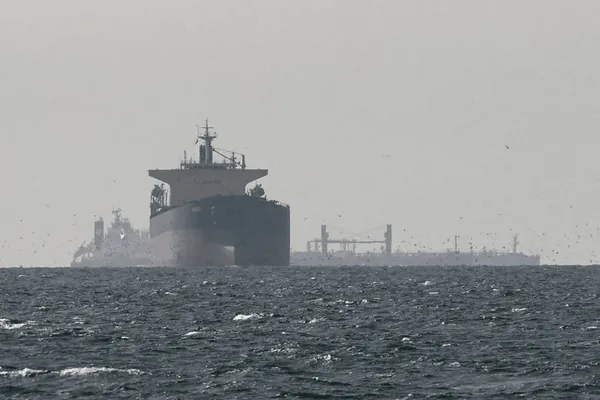
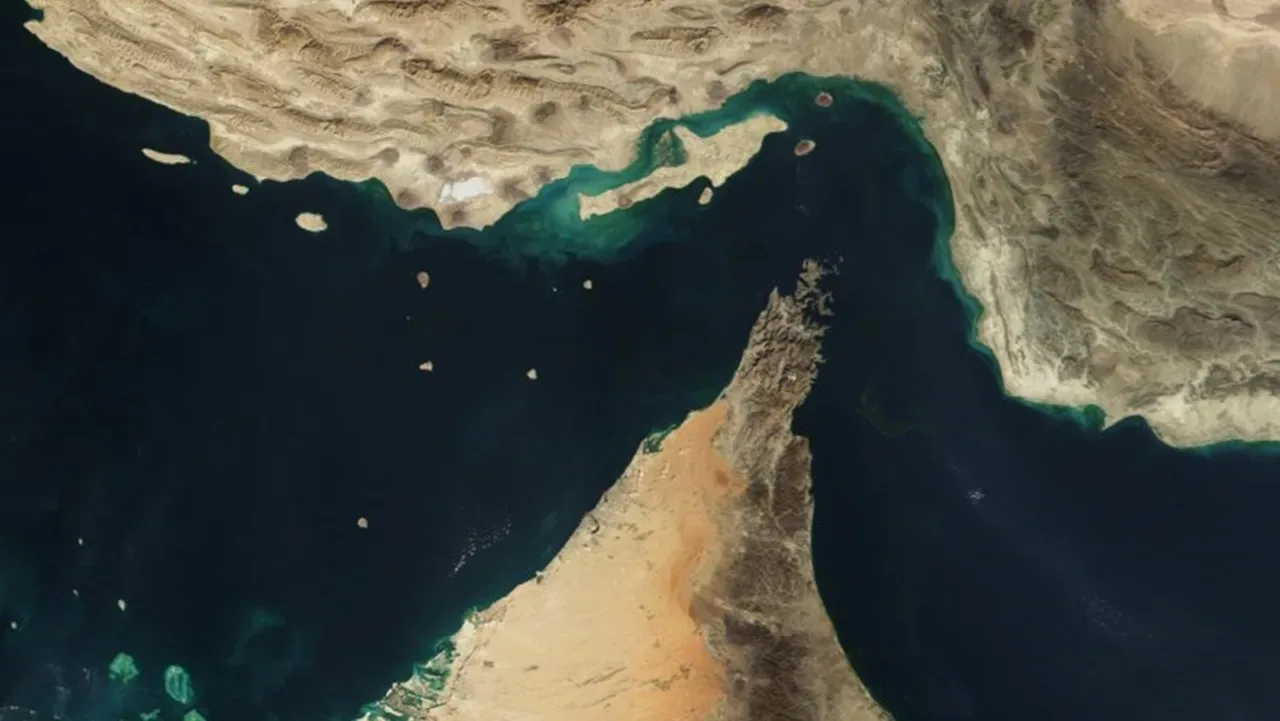
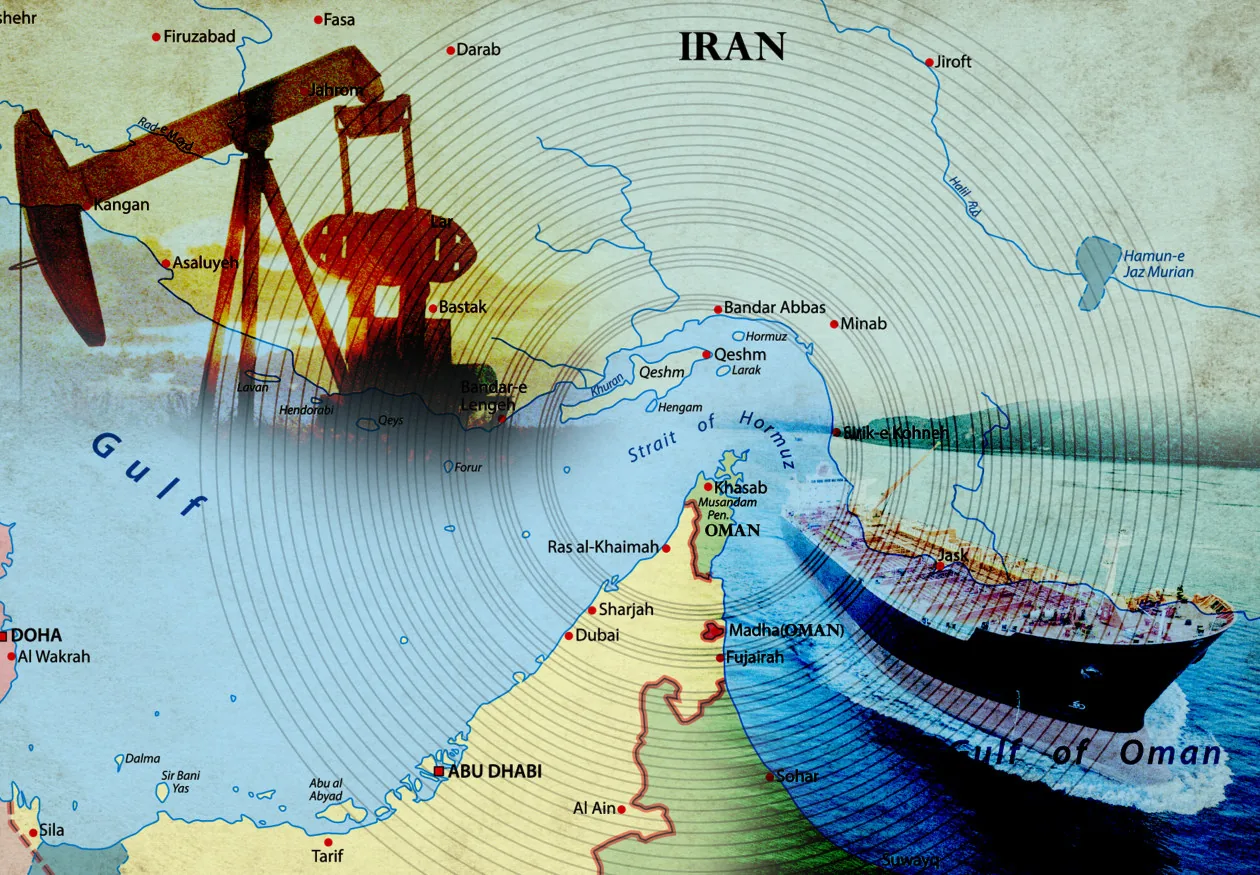
Iran-related developments this period escalated sharply from diplomatic confrontation to military action, with Iran accused of launching a new wave of attacks on shipping near the Strait of Hormuz, sinking multiple cargo and container ships. The Revolutionary Guards claimed a ship carrying 2,500 containers sank after hitting a mine, while Reuters sources said a container ship sank after being hit by a projectile. Officials said Iran is shifting tactics to step up attacks before the US vote, and oil prices rose on the escalation.
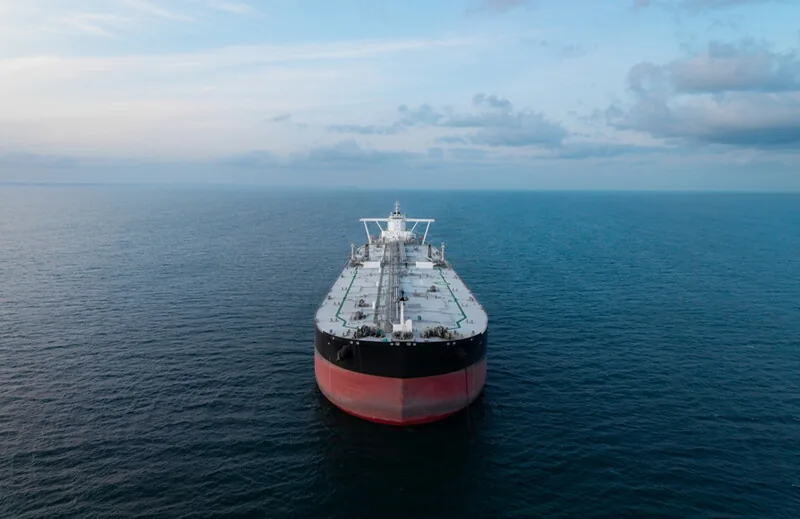
Multiple cargo and container ships sank near the Strait of Hormuz amid an escalation in Iranian attacks on shipping
Iran's Revolutionary Guards claimed a ship carrying 2,500 containers sank after hitting a mine
Reuters sources said a container ship sank after being hit by a projectile
Officials said Iran is shifting tactics to step up attacks before the US vote, and oil prices rose
Earlier recaps
· 1 event in window
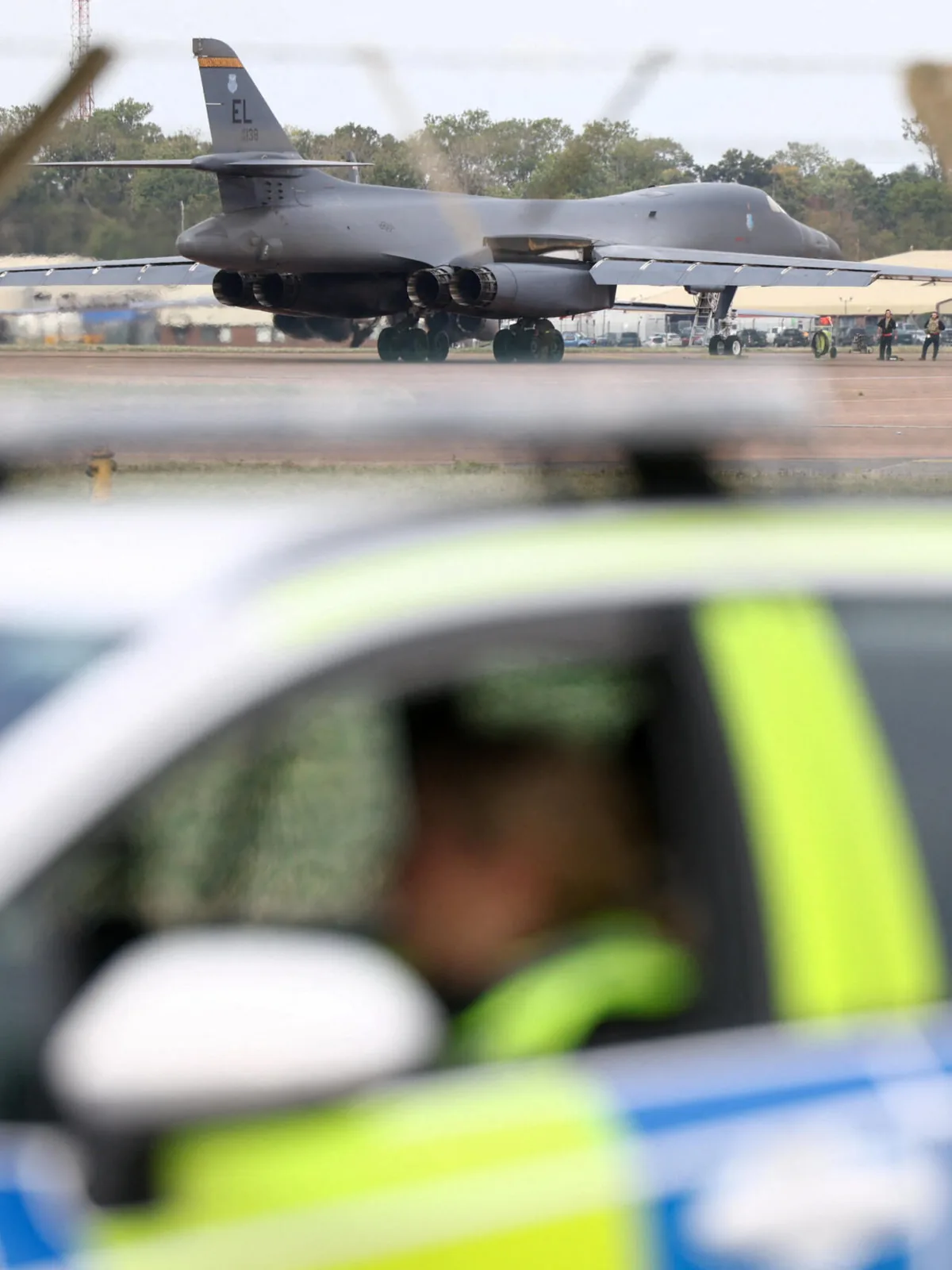
Iran-related developments this period shifted from military conflict to a diplomatic and security confrontation. The UK formally attributed a suspected terrorist plot at RAF Fairford to Iran's Islamic Revolutionary Guard Corps, saying it was "highly likely" coordinated from inside Iran and "almost certainly" directed by the IRGC, and sanctioned two Iranian nationals while summoning Iran's ambassador. The US State Department issued a joint statement supporting the UK's attribution, and several men arrested last month remain under police investigation.
· 3 events in window
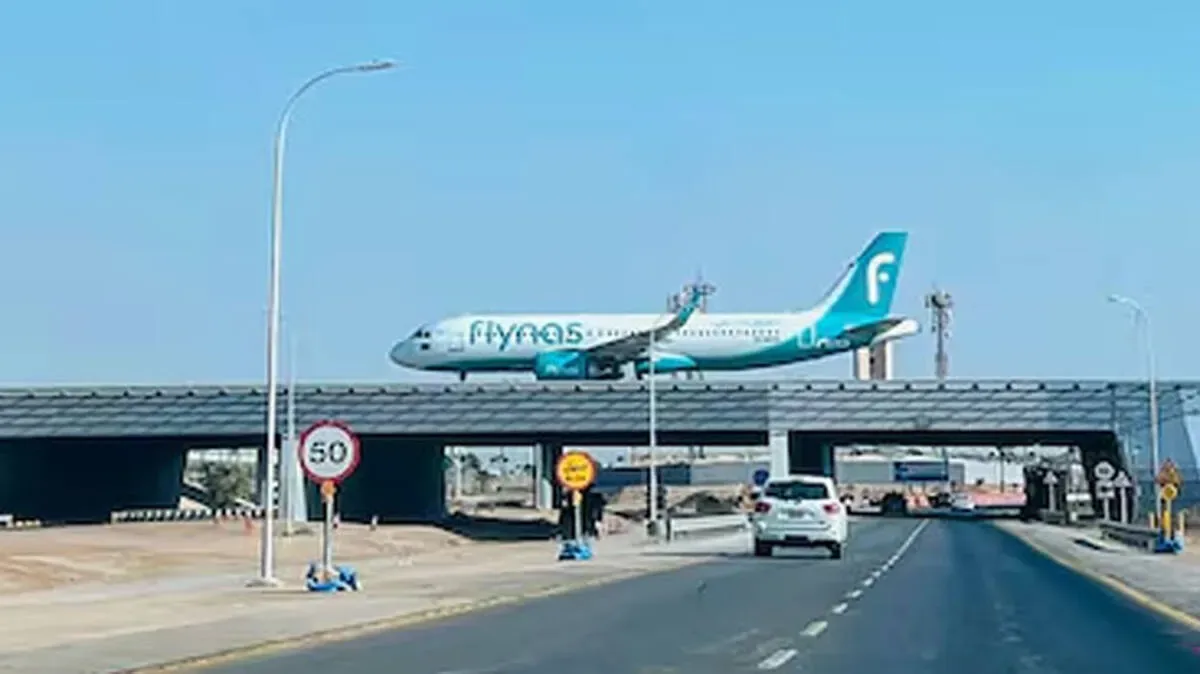
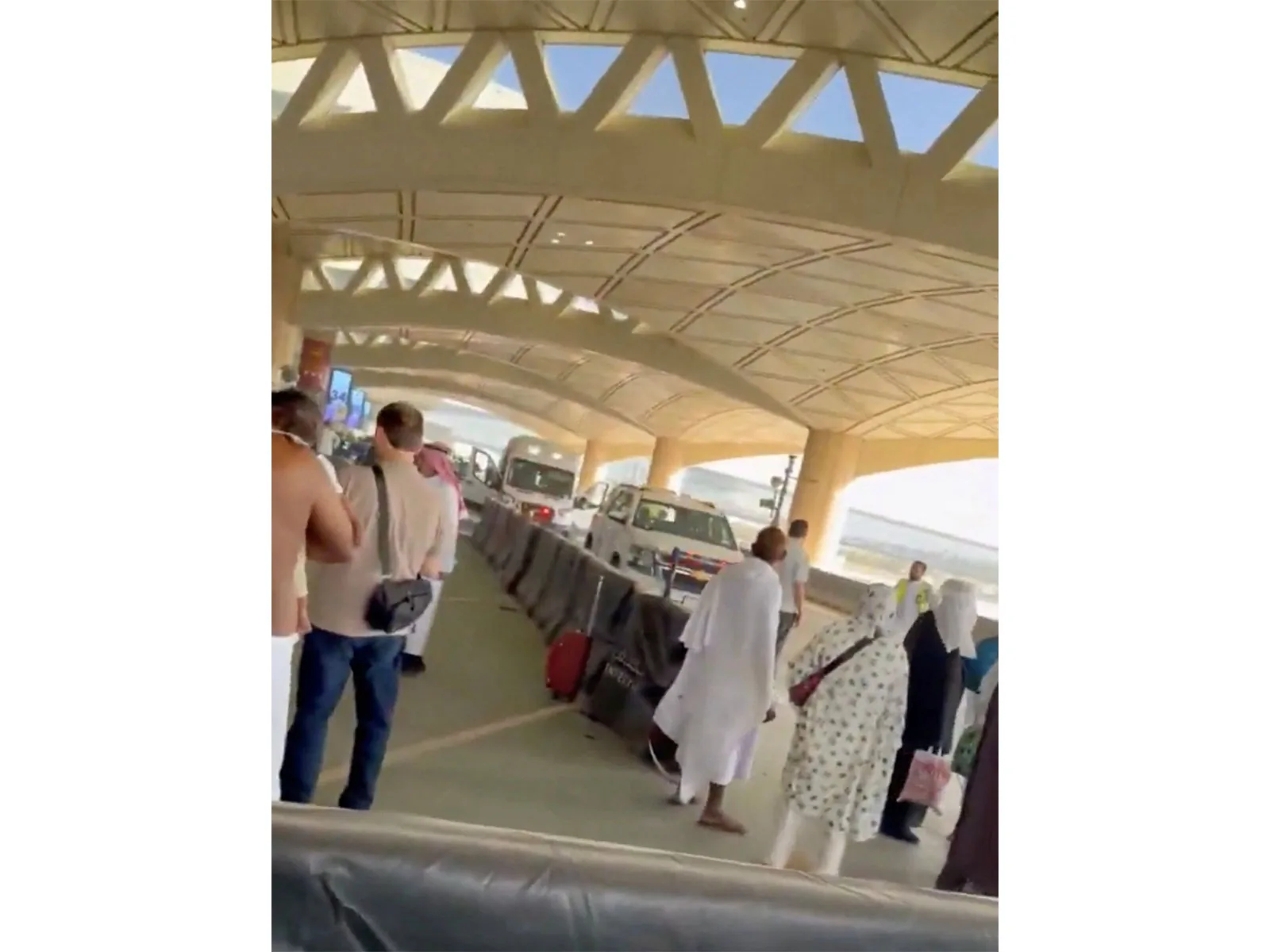
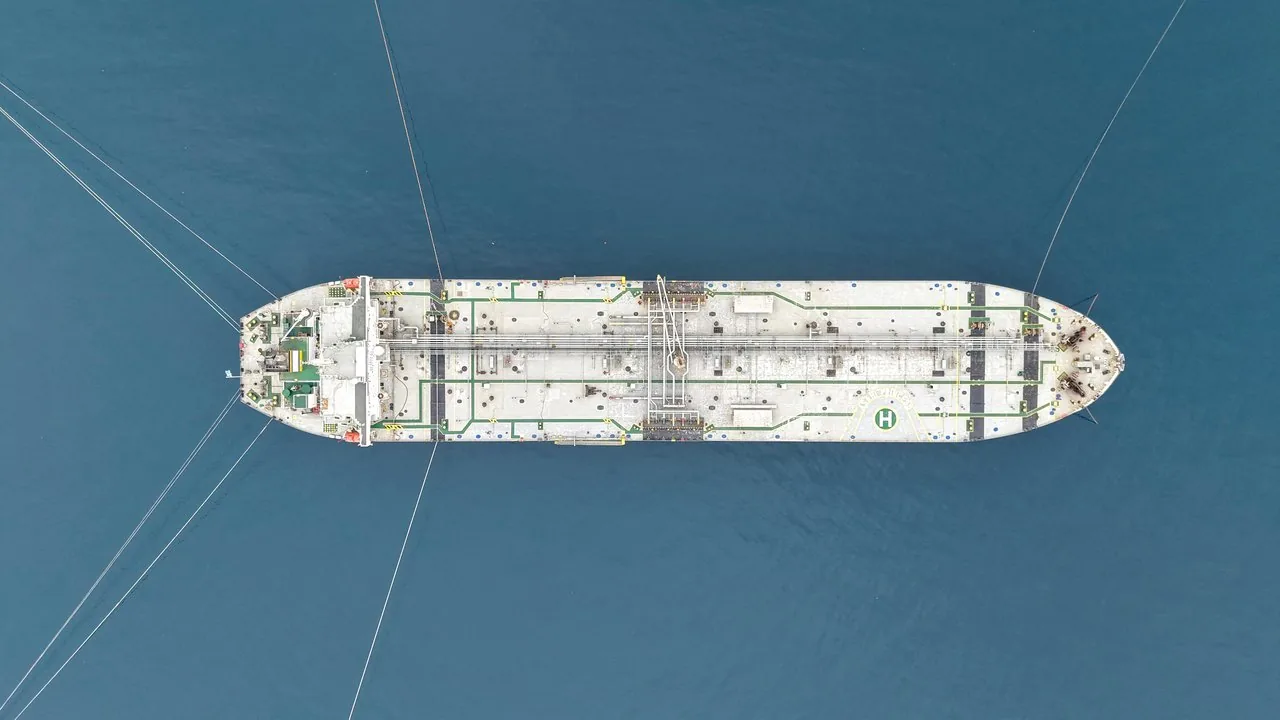
Iran-related developments continued the military escalation from the previous period, with Houthi missile and drone attacks on Riyadh's King Khalid International Airport killing at least 12 people and injuring 309, including eight foreign nationals, forcing the airport to close and suspend flights, with a second strike hitting Terminal 4 on Sunday. The Saudi-led coalition retaliated by striking Sanaa airport, while the US, EU and UN warned of regional escalation as Washington weighed military action. Separately, Iran's Revolutionary Guard reported a supertanker attacked in the Strait of Hormuz, and Tehran continued indirect message exchanges with Washington over ending the war, with the escalation disrupting regional aviation, shipping and energy activities.
· 1 event in window
Iran-related developments escalated sharply this period, shifting from rhetorical controversy to military conflict. Iran-backed Houthi rebels attacked Riyadh's King Khalid International Airport, killing three Saudi citizens including a pilot, with the Saudi-led coalition confirming the deaths and vowing a 'firm' response. The strike, claimed by the Houthis, caused explosions in the capital and suspended 124 flights, marking a significant escalation in the Yemen conflict.
· 1 event in window
Iran-related developments remained at a low level this period with only one cluster of events tracked, though a new political controversy emerged compared to the previous period. President Trump said at a campaign rally that allowing Iran to 'wipe out' Los Angeles and San Diego would be 'a very small price' to prevent Tehran from obtaining nuclear weapons, drawing sharp condemnation from California officials, while the White House clarified the remarks were meant as a warning about the threat of a nuclear-armed Iran. The event was a rhetorical controversy, with no accompanying new military or diplomatic actions.
· 1 event in window
Iran-related developments have notably cooled this period, with only one cluster of events tracked and limited information available. Compared to the previous period, no major new military actions or diplomatic developments emerged, and the overall situation appears to have settled.
Tracked events
Events matched to this subject by the tracking pipeline, with signal scores.
Houthis Strike Riyadh Airport as Saudi Coalition Escalates Yemen Airstrikes
Yemen's Houthi forces launched missile and drone attacks on Saudi airports including Riyadh's King Khalid International Airport, causing casualties and flight disruptions, while the Saudi-led coalition conducted hundreds of airstrikes on Houthi targets in Yemen. Iran's Revolutionary Guard reported a supertanker attacked in the Strait of Hormuz, and Tehran continued indirect message exchanges with Washington over ending the war. The escalation disrupted regional aviation, shipping and energy events, with airlines suspending flights and tankers evacuating Fujairah.
Iran loses leverage over Strait of Hormuz as crude oil flows near pre-war levels
Multiple reports indicate Iran has lost considerable leverage over the Strait of Hormuz, a critical chokepoint for global oil shipments. JPMorgan reports Middle East crude oil flows have recovered to 98% of pre-war levels, and analysts say exports are back at prewar levels. The Strait of Hormuz is now open, and Iran cannot sustain its current position indefinitely, according to CNN. The recovery reduces Iran's ability to threaten oil transit through the strait.
3 reports · 1 sources
· Signal 106.5
US deploys 9,000-10,000 troops and third aircraft carrier to Middle East amid Iran tensions
The United States is deploying approximately 9,000 to 10,000 additional troops, including 2,000 Marines, and a third aircraft carrier to the Middle East. President Donald Trump has warned Iran of severe strikes, stating "They’ll be hit very hard." A tanker was reportedly hit in the Strait of Hormuz. Brent crude oil prices surged more than 4% following the news. The Pentagon is preparing for a potential naval force surge, though no confirmed operation has been announced.
Two commercial vessels — a Singapore-flagged container ship and an Antigua and Barbuda-flagged dry bulk carrier — sank near the Strait of Hormuz within 24 hours after being hit by projectiles in separate incidents, maritime officials said. One crew member died and most others were evacuated. Iran's Revolutionary Guards said a ship carrying 2,500 containers sank after striking a mine, while Reuters sources attributed a sinking to a projectile. Attacks in the waterway have surged, with Iran citing the U.S. naval blockade and sanctions; shipping volumes have plunged and oil prices moved.
Houthi missile strikes on Riyadh's King Khalid International Airport killed at least 12 people and injured more than 300, with Saudi authorities reporting victims including Saudis and foreign nationals. The Saudi-led coalition blamed the Iran-backed Houthis and vowed retaliation, while the airport was struck again the following day. The attacks disrupted aviation, prompted school closures and remote work in Riyadh, and raised questions about Saudi air defenses. President Trump said he would consider joining Saudi strikes on the Houthis.
The United Kingdom has attributed a suspected terrorist plot targeting RAF Fairford, a US-run air base in Gloucestershire, England, to Iran, saying it was "highly likely" coordinated from inside Iran and "almost certainly" directed by the Islamic Revolutionary Guard Corps. In response, Britain sanctioned two Iranian nationals and summoned Iran's ambassador. Foreign Secretary David Miliband said Britain "won't tolerate threats on our soil." The US State Department issued a joint statement supporting the UK's attribution. Several men arrested last month remain under police investigation.
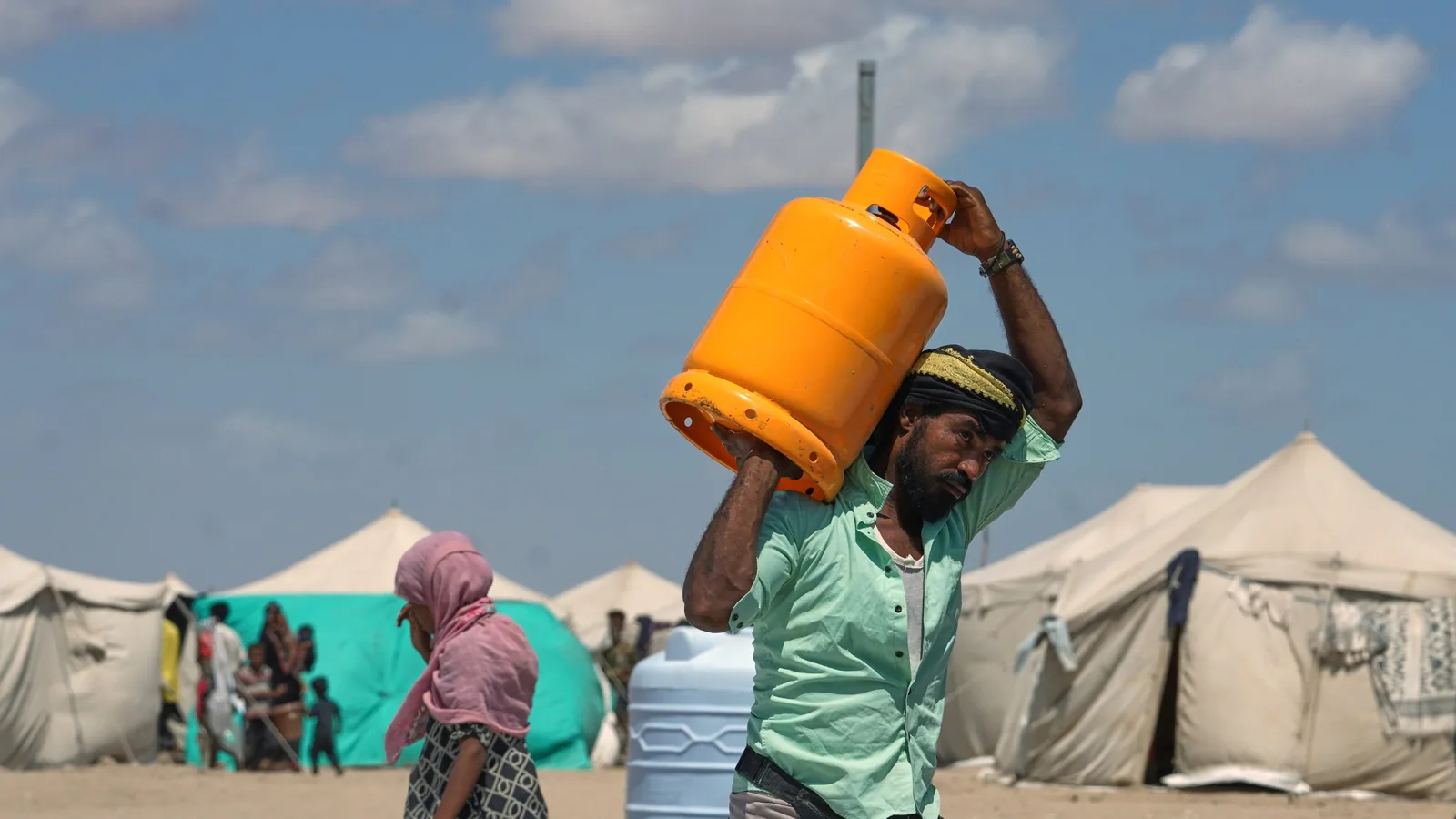
Houthi forces launched missile and drone attacks on Saudi Arabia's King Khalid International Airport in Riyadh, killing at least 12 to 14 people and injuring more than 300, including foreign nationals from the US, Bangladesh, Egypt, Jordan, Syria, Sudan, and Palestine. The attacks, which also targeted Dammam airport and oil facilities, prompted the airport's closure, flight suspensions, and an FAA warning to US airlines. Saudi Arabia blamed the Houthis and struck Sanaa airport in apparent retaliation, while President Trump weighed US military action in Yemen.
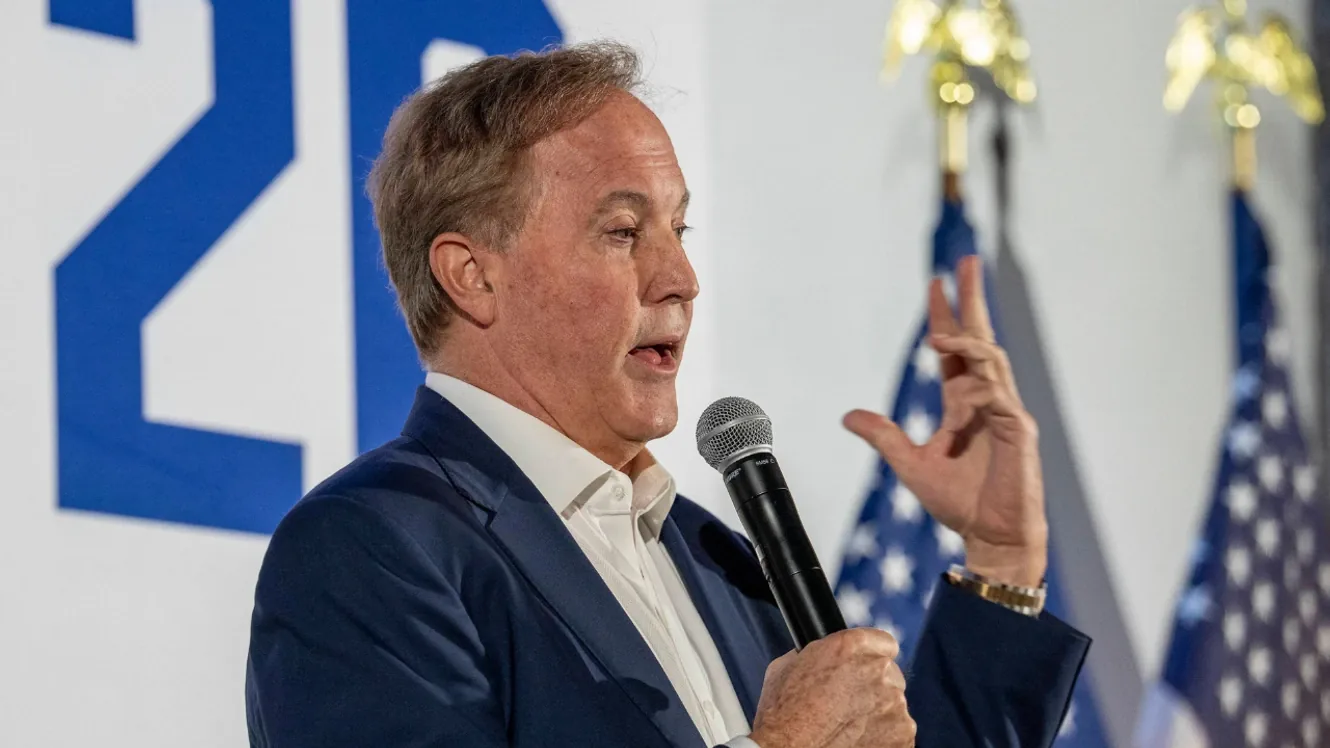
Five leaked audio recordings from a September 24 private fundraiser show Texas Attorney General and Republican Senate candidate Ken Paxton criticizing President Trump as a drag on his campaign, blaming Trump's war on Iran and high gas and food prices for his poll numbers, saying Washington controls his campaign, and telling federal benefits recipients to "suck it up" and prepare for cuts. Paxton dismissed the controversy on Fox News as a "little game" by opponent James Talarico, insisting his 12-year record shows Trump support. Talarico is virtually tied with Paxton ahead of the November midterm elections.
Yemen's internationally recognized government, backed by a Saudi-led coalition, has announced a major military operation to retake all territory held by the Iran-backed Houthi movement, including the capital Sanaa. The offensive marks a significant escalation in the long-running civil war. The Saudi-led coalition has pledged support, with fighter jets bombing Houthi positions, while the United States will not join for now. The Houthis have claimed an attack on Saudi Aramco facilities, and Iran says it is ready for potential US attacks.
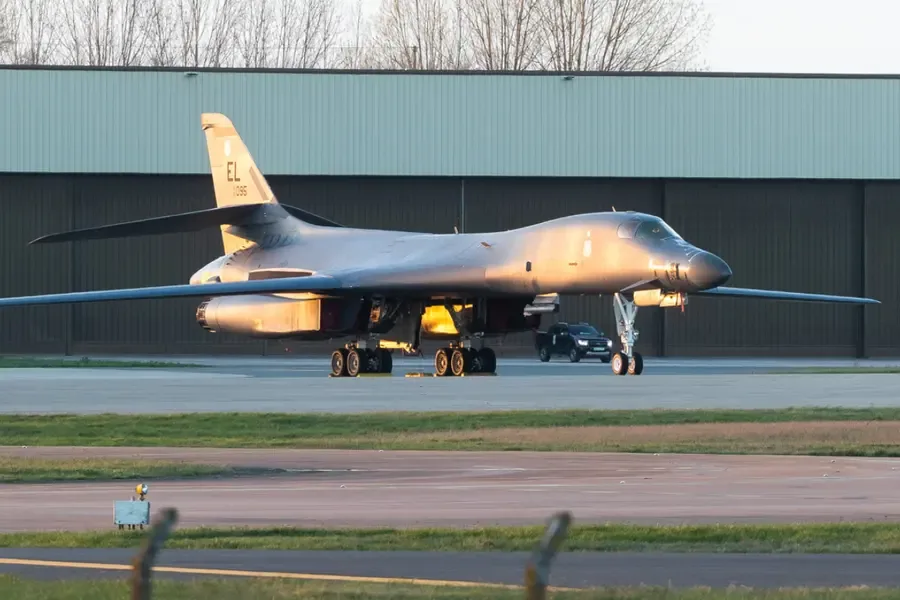
The United States has withdrawn all 12 B-1 Lancer bombers from RAF Fairford in the UK following intelligence of a potential Iranian drone attack. The withdrawal occurred after the arrest of six men, including a UK-Iranian dual national, near the base. UK Prime Minister Andy Burnham cited "strong indications" of Iranian involvement, which Iran denies. The Pentagon confirmed the bombers returned to US home stations but retain global strike capability.
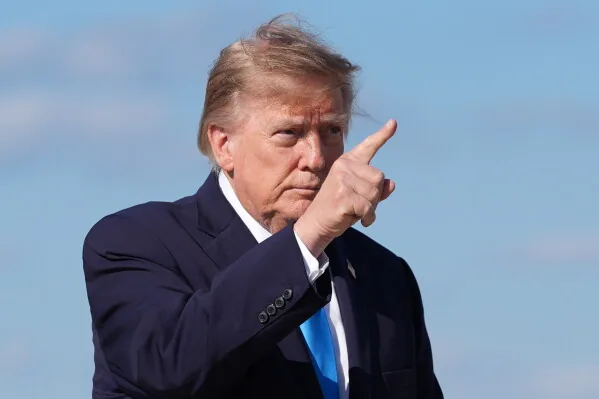
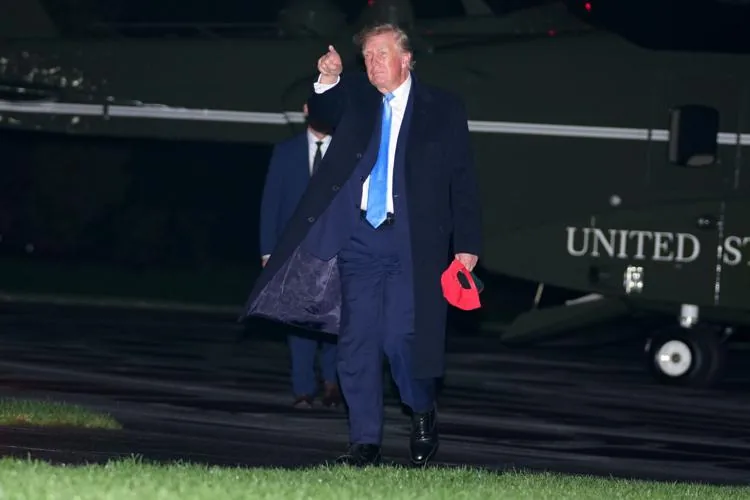
President Donald Trump said at campaign rallies in Nebraska and Texas that Iran could "take out" Los Angeles and San Diego, calling it "a very small price to pay" amid high gasoline prices. California Governor Gavin Newsom called the remarks "deranged and dangerous" and urged the 25th Amendment; Los Angeles Mayor Karen Bass and San Diego Mayor Todd Gloria also condemned them. The White House said Trump was warning that U.S. cities would be threatened by a nuclear Iran, while Trump later denied inviting an attack.
President Donald Trump has rejected an Iranian proposal to reopen the Strait of Hormuz within seven days, which also included a ceasefire and nuclear talks. Multiple US officials report Trump told aides he expects to resume bombing Iran after the November midterm elections. Iran’s Foreign Minister Araghchi stated Iran is fully prepared for war but remains open to diplomacy, awaiting a formal US position via Qatari mediators. The conflict, ongoing since February, has disrupted global oil markets.
British counter-terrorism police arrested five men near RAF Fairford in Gloucestershire, England, on suspicion of preparing a terrorist act involving explosives. The arrests followed a tip about three suspicious vans approaching the base, which houses US B-1B bombers used for strikes on Iran. A 400-meter cordon was established, bomb disposal teams inspected the vehicles, and 85 nearby homes were evacuated. UK Prime Minister Andy Burnham said there are "strong indications" of Iranian involvement, though investigators are also examining possible links to Islamist groups or Russian sabotage. The investigation is ongoing.
The United States has completed its military withdrawal from Iraq, closing its last major base and ending a 23-year presence. The pullout, agreed in 2024 and executed under President Trump amid ongoing war with Iran, leaves Iraq facing an uncertain security future. Iran and its allies celebrate the exit as a victory, while Iraqi and U.S. analysts warn of a potential vacuum that could empower Iran-backed militias and allow Islamic State resurgence.
Iranian military officials, including the Army Chief of Staff and a Supreme Leader advisor, assert Iran has complete control over the Strait of Hormuz, with some claiming it is closed. The US Central Command denies this, stating Iran's navy has been sunk and the strait remains open. US Secretary of State Rubio says only Iranian oil shipments are affected. President Trump claims US control. The conflicting statements signal heightened tensions over the strategic waterway.
Saudi Arabia's crude oil exports surged nearly 80% in September 2026 to 6 million barrels per day, the highest level since the Iran war began seven months ago, according to Kpler data. The rebound occurred despite a drone attack from Iraq that shut the East-West pipeline, forcing reroutes through the Strait of Hormuz. Middle East exports overall recovered to about 80% of pre-conflict levels. Oil prices fell over 2% amid U.S.-Iran talks.
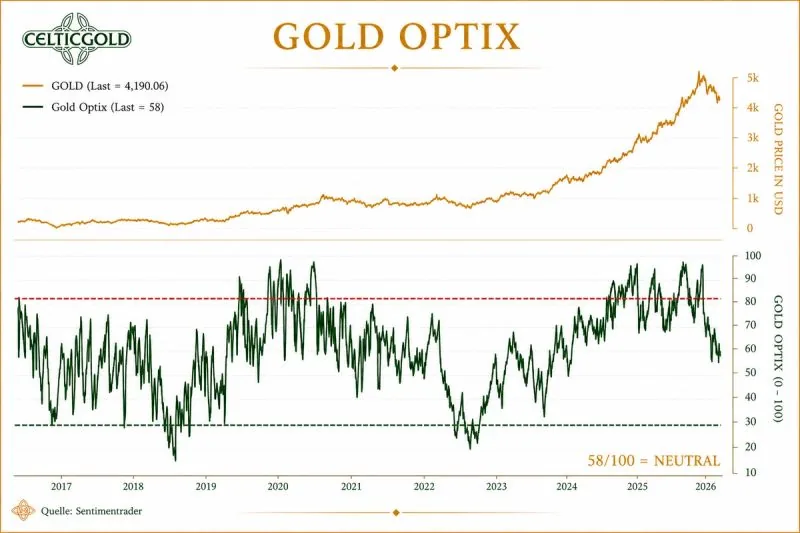
On September 28, 2026, spot gold fell over 2% below $4,200/oz and silver dropped over 3.7% as markets priced in a 64.8% probability of a Fed rate hike in October. Brent crude rose above $98/bbl. Iranian Foreign Minister Araghchi stated Iran is prepared for war but open to diplomacy. President Trump rejected Iran's proposal to reopen the Strait of Hormuz within seven days and said he expects talks this week while considering military action. Mediators including Qatar are facilitating indirect talks.
Oil prices experienced sharp volatility on September 28-29 after conflicting reports emerged about former President Donald Trump's stance on easing sanctions on Iran. Reports citing US officials and Saudi media suggested Trump was open to sanctions relief in exchange for Iran halting uranium enrichment, causing crude prices to drop. Trump later denied the reports, sending prices higher. The uncertainty reflects market sensitivity to potential increases in Iranian oil supply.
British police arrested five men on suspicion of terrorism and explosives offenses near RAF Fairford, a UK airbase hosting US B-1B bombers used for strikes on Iran. Three white vans were stopped, and bomb disposal units inspected them. No explosives were found, but a quantity of petrol was discovered. The suspects were released on bail. US President Donald Trump said the suspects sought "big damage" and had been under joint surveillance. An Iranian-linked motive is considered most likely, though Russian sabotage or Islamist plots are also examined.
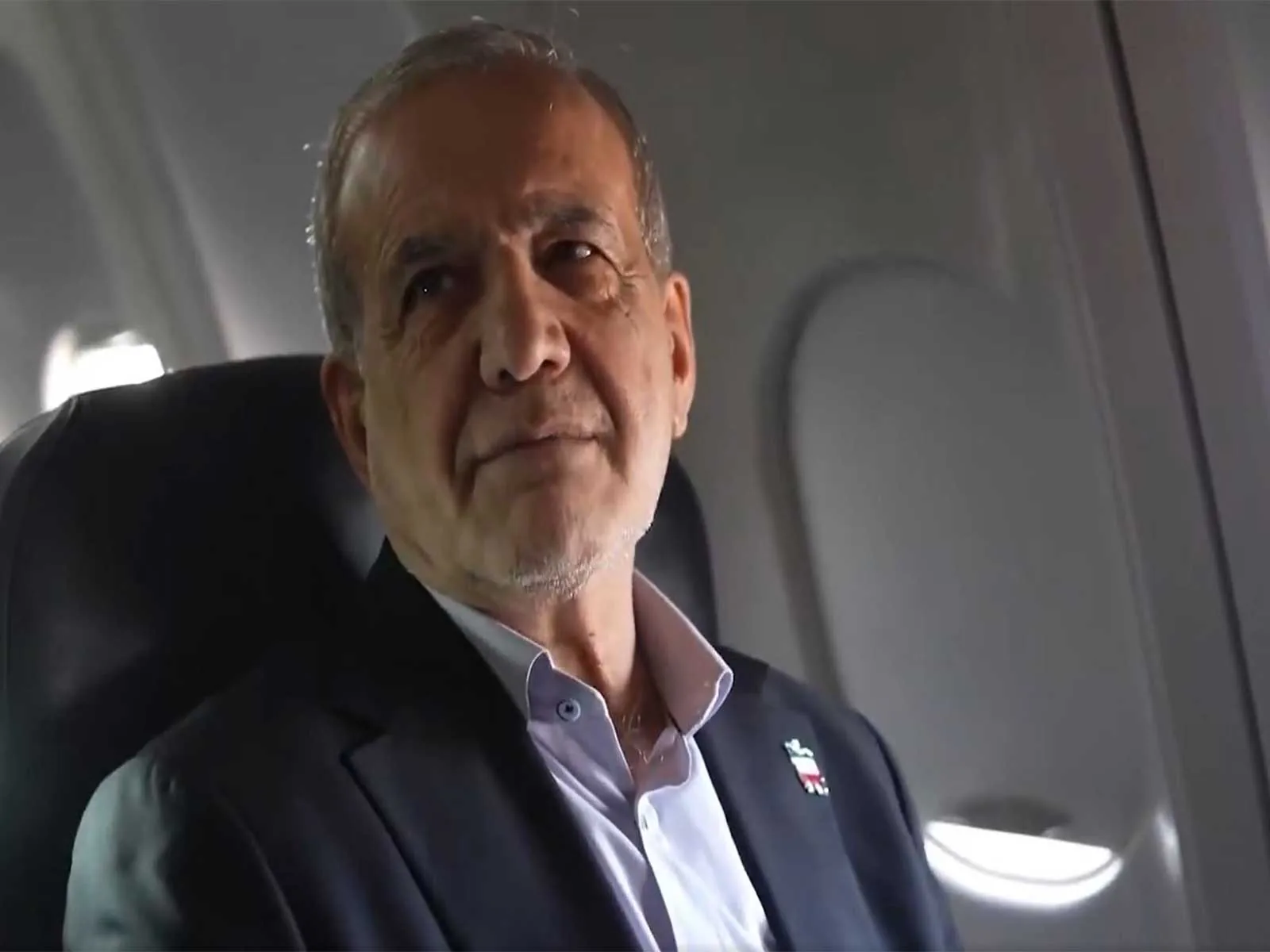
Iranian President Masoud Pezeshkian, in his September 23, 2026 UN General Assembly speech, declared Iran will never "bend the knee" to US pressure, denied seeking nuclear weapons while asserting the right to peaceful nuclear technology, and refused to reopen the Strait of Hormuz under sanctions. The US delegation walked out. He cited the assassination of Supreme Leader Khamenei and civilian deaths as evidence of aggression.
An informed Iranian official, speaking through state-affiliated Press TV, has denied Saudi media reports that Tehran showed flexibility in its nuclear stance. The official described the reports as false psychological warfare and accused the US government of being deadlocked in the Strait of Hormuz, using the nuclear issue as a distraction. Iran's Foreign Minister separately rejected any suggestion of flexibility, stating Iran's position remains unchanged and its conditions for reopening the Strait of Hormuz are clear.
Former U.S. President Donald Trump denied an Axios report claiming he offered Iran sanctions relief and access to frozen funds. In a statement on September 29, Trump called the story "untrue" and a "hoax," accusing Axios of "Trump Derangement Syndrome," and demanded an immediate retraction. The denial reaffirms his hardline stance amid ongoing U.S.-Iran tensions.
The US-Iran standoff, ongoing since February 28, has entered its seventh month with the Strait of Hormuz blocked. Diplomatic efforts continue, with Trump expecting talks this week after rejecting an Iranian proposal. Iran's foreign minister stated readiness for war but openness to diplomacy. The IRGC seized a US underwater drone in the Strait. Regional spillover includes intensified Saudi-Houthi clashes, with Houthi authorities reporting 67 deaths since September 3.
An Iranian parliamentary official stated that the US must accept Iran’s conditions before any talks, declaring the nuclear issue is no longer the core of negotiations and that the Strait of Hormuz has become the primary focus. This marks a significant shift in Iran’s stated priorities, elevating maritime security over the long-standing nuclear dispute.
Former U.S. President Donald Trump stated that the U.S. held talks with Iran through a mediator on September 29, without specifying the mediator or topics. He also predicted the U.S. would soon win a war with Iran, leading to a sharp drop in oil prices, and reiterated that Iran will never possess nuclear weapons. No confirmation from Iranian officials or other sources has been provided.
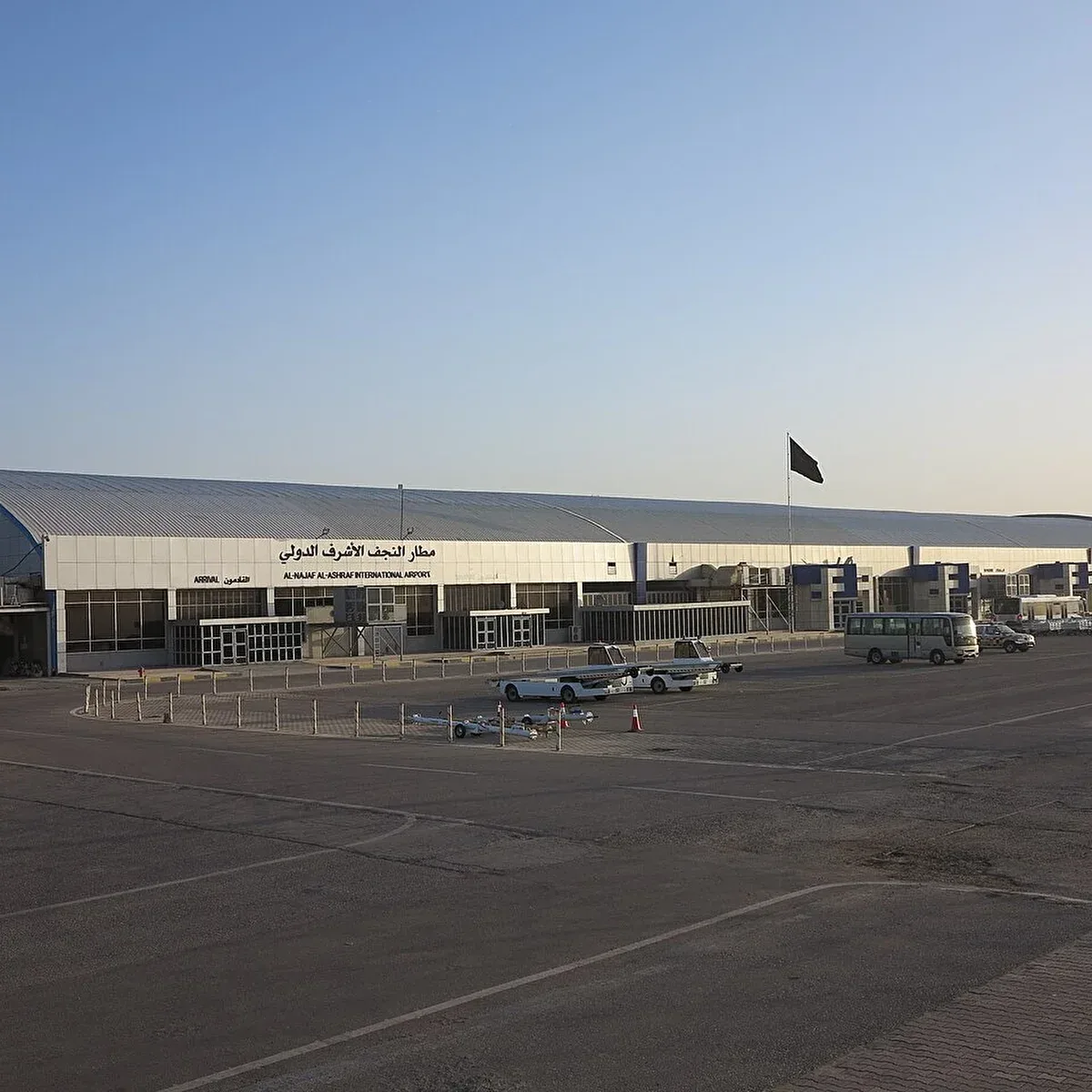
Iraq has suspended all flights to and from Iran at multiple airports, including Baghdad, Najaf, Erbil, and Sulaymaniyah, effective from September 25. The suspension at Najaf began at 2:00 a.m. local time until further notice, while Baghdad flights were halted from Wednesday midnight. Erbil and Sulaymaniyah suspensions are set to begin Friday. The Iraqi government is also considering rerouting Iran Air flights from Baghdad to Najaf. No official reason has been provided.
The United States is considering a limited sanctions waiver to allow flights carrying Shiite pilgrims between Iran and the Iraqi holy city of Najaf. The U.S. Treasury Department is reportedly planning a one-month waiver for Iraqi Airways, still under discussion. Separately, Iraq has confirmed it is in talks with Washington to exempt certain Iraqi airports from restrictions on Iranian airlines, citing humanitarian purposes. Iran's ambassador to Iraq said a decision on flight arrangements is expected soon.
Iran proposed reopening the Strait of Hormuz within seven days if the US lifts its naval blockade, ends oil sanctions, and unfreezes assets. US President Donald Trump rejected the proposal on September 26 but said on September 27 he expects more talks this week. Qatari mediators are shuttling between the sides in New York. The US has informed Iran it will not lift the maritime blockade, believing economic pressure will force concessions. Oil prices fell sharply on initial diplomatic hopes, then surged on the rejection.
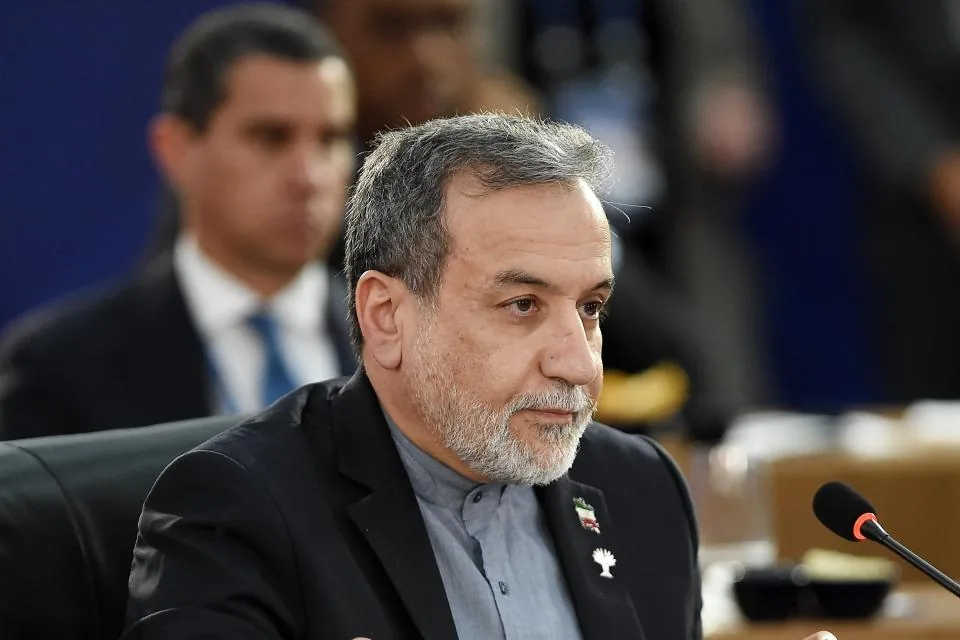
Iranian Foreign Minister Abbas Araghchi warned Iran is fully prepared for a resumed war, even a "doomsday war," after President Trump rejected a proposal to reopen the Strait of Hormuz within seven days. The proposal, conveyed via Qatar, required the US to lift its naval blockade, unfreeze $12 billion in assets, and end regional hostilities. Trump called the deal unacceptable, claiming Iran is "losing badly." Iran awaits a definitive US response through mediators.
European natural gas prices rose sharply on Thursday after Iranian President Masoud Pezeshkian, speaking at the UN General Assembly, set conditions for resuming talks with the US, insisting Iran will not allow freedom of navigation through the Strait of Hormuz as long as sanctions and a US blockade remain. Benchmark Dutch futures gained up to 4.2% to €74.49 per megawatt-hour. LNG traffic through the strait remains low, while European gas storage is just above 70%, well below the seasonal norm of 86%. The EU Gas Coordination Group is scheduled to meet Thursday.
President Donald Trump rejected Iran's proposal to reopen the Strait of Hormuz, dashing hopes for a diplomatic resolution. Oil prices surged over 2%, with Brent crude topping $106 per barrel and WTI above $93. Global bond yields rose, Asian and US stock futures fell, and gold dropped below $4,180 per ounce. Iran stated it is ready for war but open to diplomacy. The rejection reversed market gains from the prior week driven by optimism over talks.
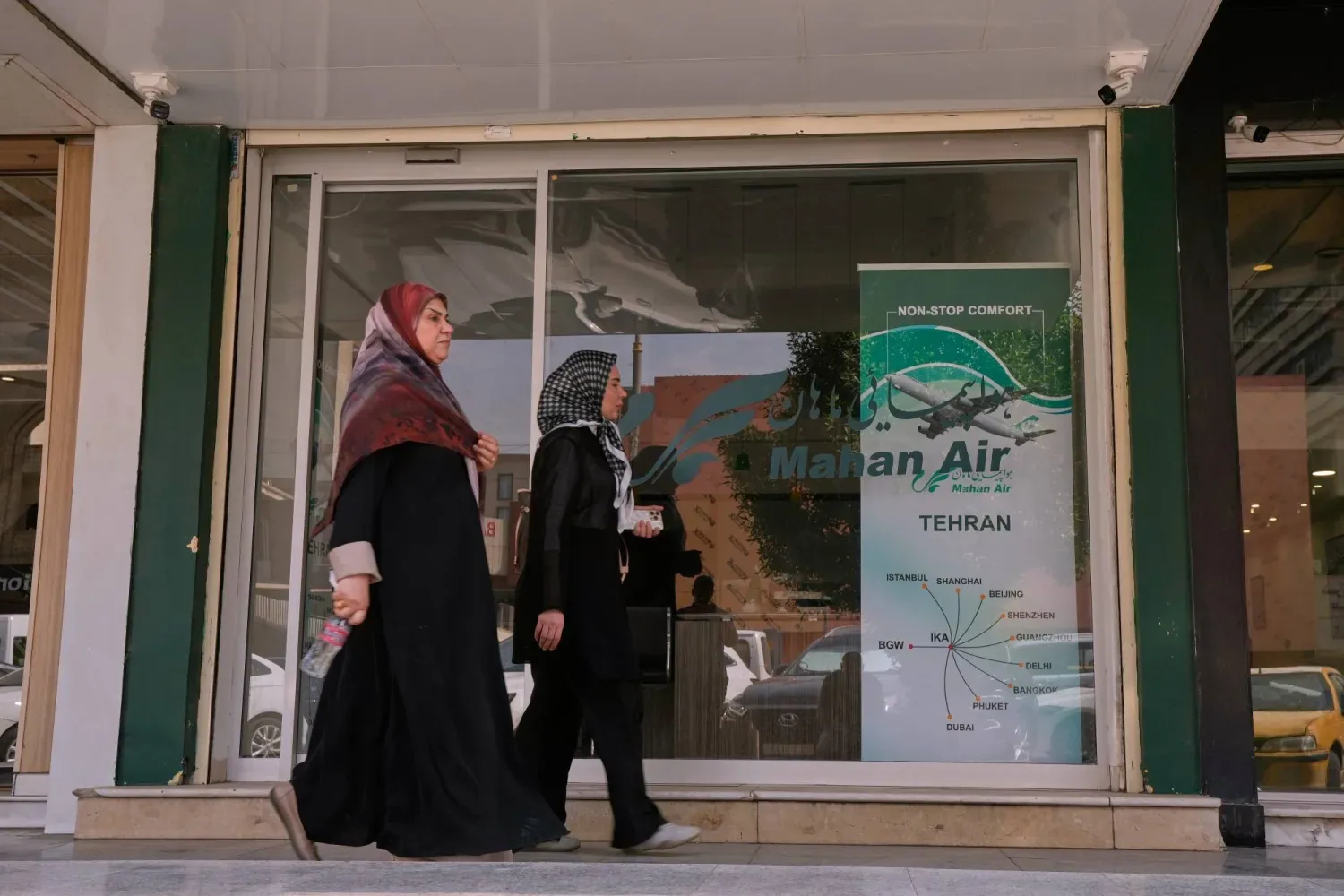
The US Treasury announced that from September 23, all Iranian airlines face a global operational shutdown through secondary sanctions targeting foreign airports, fuel suppliers, and service providers that continue to serve them. Multiple countries including Turkey, UAE, Oman, Iraq, Georgia, and Azerbaijan have suspended Iranian flights. Tehran's Imam Khomeini Airport CEO claims operations continue normally with 60 flights on September 23, while flight tracking data shows some Iranian flights still operating to China and Thailand.
Iranian officials at the UN General Assembly stated Iran will not surrender to US coercion and threatened to close the Strait of Hormuz until its conditions are met. The threats drove Brent crude above $103/barrel and WTI to $92.16, ending a five-day losing streak. Hong Kong-listed Chinese oil stocks (PetroChina, CNOOC, Sinopec) rose 1-4% on multiple trading days. US President Trump simultaneously called for renewed negotiations while threatening military strikes. Bank of America warned oil could exceed $150/barrel if conflict depletes strategic reserves.