US-Iran standoff enters seventh month as Strait of Hormuz remains blocked
The US-Iran standoff, ongoing since February 28, has entered its seventh month with the Strait of Hormuz blocked. Diplomatic efforts continue, with Trump expecting talks this week after rejecting an Iranian proposal. Iran's foreign minister stated readiness for war but openness to diplomacy. The IRGC seized a US underwater drone in the Strait. Regional spillover includes intensified Saudi-Houthi clashes, with Houthi authorities reporting 67 deaths since September 3.
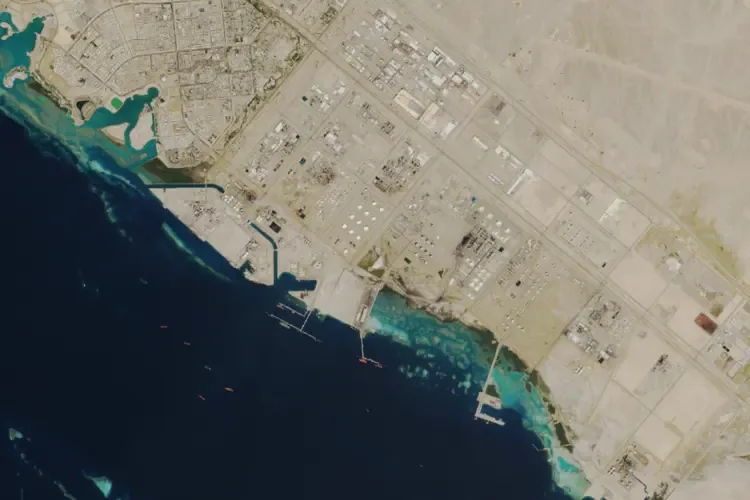 Reference image
Editorial responsibility
- No named human review is recorded for this page.
- Reports are grouped by semantic similarity and deterministic rules. Language models may assist titles, summaries, translation and cross-source analysis; the page reads the event directly, while its address stays stable when the title changes.
- Summary covers the current reports
Cross-source coverage
Common ground
- All sides agree that the Strait of Hormuz is the central strategic prize in this conflict.
- Everyone acknowledges that ordinary people in Yemen, Gaza, Lebanon, and Iran are suffering the most.
- There is agreement that both the US and Iran are using human suffering as bargaining chips.
- All participants recognize that internal divisions within Iran, the Houthis, and other groups complicate any simple narrative.
Points of contention
- The Regional Agent says the conflict is about colonial control and human cost, while the Neutral Agent insists it's about leverage and survival.
- The Eastern Agent argues Iran is showing strategic patience and asymmetric power, but the Neutral Agent claims Iran is bluffing because it can't afford to close the strait.
- The Regional Agent and Eastern Agent blame US hegemony for the crisis, while the Neutral Agent points to Iran's internal choices and military limits.
- The Neutral Agent sees the US-Iran backchannel as genuine negotiation, but the Eastern Agent calls it Washington saving face after failed policies.
Blind spots
- All three overlook how internal fragmentation within Iran, the Houthis, and Saudi Arabia affects their ability to make or keep deals.
- The debate ignores the role of smaller Gulf states like the UAE and Qatar in shaping the conflict.
- No one fully addresses how global energy markets and insurance costs directly impact the daily lives of people in the region.
- The voices of local civilians—fishermen, farmers, teachers—are mentioned but never truly centered in the analysis.
WorldAttention’s read
This debate shows that the conflict over the Strait of Hormuz is not just about oil or military power—it's about who gets to control the region's future. The US and Iran are both using threats and negotiations to get what they need, but the real cost is paid by ordinary people in Yemen, Gaza, Lebanon, and Iran. While the Regional Agent highlights the human suffering, the Neutral Agent focuses on strategic leverage, and the Eastern Agent points to US refusal to accept a multipolar world, all three miss how internal splits within each side make any solution fragile. Until the voices of the people who live there are heard—not just the tanker counts or drone seizures—any deal will just be a new way for the powerful to keep control.
Reporting timeline
Middle East Update: Israel Strikes Lebanon, Yemen Battles Houthis, US-Iran Talks Reported
This compilation of Middle East developments on September 29 covers multiple conflict zones and diplomatic efforts. The Israeli military reported striking Hezbollah infrastructure in southern Lebanon. Yemen's military claimed 356 precision strikes against Houthi targets in 24 hours, killing 476 members. The Houthis countered that Saudi warplanes conducted 38 airstrikes, totaling 1,123 since escalation. On diplomacy, Iranian officials expressed pessimism about a pre-midterm deal with the US. Former President Trump stated the US held talks with Iran via a mediator. US officials reportedly signaled willingness to ease sanctions and release frozen funds for Iranian nuclear concessions, though Iran's state media denied showing flexibility. Mediators plan separate talks with both sides on a revised Iranian proposal. In the Hormuz Strait, Iran's army chief claimed 'full control,' while US officials reported an Iranian cruise missile injured eight US Marines on a vessel two weeks ago. The US military denied Iranian control, claiming Iranian naval assets were sunk. Other items include Netanyahu's visit to the UAE, Saudi pipeline exports resuming, and EU calls for naval assets to counter Houthis.
Read sourceMiddle East Update: Israel Strikes Lebanon, Yemen Conflict, Iran Nuclear Talks, and Strait of Hormuz Tensions
This summary covers multiple developments in the Middle East as of September 29. In conflicts, the Israeli military struck Hezbollah infrastructure in southern Lebanon. Yemen's government reported 356 precision strikes against Houthi targets in 24 hours, killing 476 Houthi members, while the Houthis claimed Saudi Arabia conducted 38 airstrikes, totaling 1,123 since escalation. On diplomacy, an Iranian official expressed pessimism about a pre-midterm US deal. Former President Trump said the US spoke with Iran via a mediator on Monday. US officials indicated Trump is willing to ease sanctions and release frozen funds for Iranian nuclear concessions, but Iran denied showing flexibility. Mediators will hold separate talks with both sides on a revised 7-day proposal. Regarding the Strait of Hormuz, Iran's army chief claimed 'full control,' but the US military denied this, stating an Iranian cruise missile injured 8 US Marines on a ship two weeks ago. Other items include Israeli PM Netanyahu's visit to the UAE, Saudi Arabia resuming oil exports via the East-West pipeline, Saudi Aramco considering discounts for Oman crude, Qatar extending LNG force majeure to November, and EU calls to redirect naval assets against Houthis.
US-Iran Standoff Enters 7th Month; Trump Says Talks to Continue, Iran Open to Diplomacy
The US-Iran standoff, which began on February 28, 2026, has entered its seventh month, with the Strait of Hormuz remaining blocked. US President Donald Trump stated on September 27 that he expects to continue negotiations with Iran this week, though he previously rejected an Iranian proposal to end the war, saying Iran 'overestimates its leverage' and that he is 'always considering' military action. Iranian Foreign Minister Araghchi said Iran is prepared for a resumption of hostilities but has not abandoned diplomatic channels, adding that the choice is up to Trump. Indirect talks mediated by Qatar could begin as early as September 28, but major differences persist: Iran wants to focus on Hormuz navigation and lifting the US naval blockade, while the US demands nuclear concessions. Iran's Islamic Revolutionary Guard Corps announced it seized a US 'Remus-600' unmanned underwater vehicle conducting espionage in the Strait, which it says is under 'blockade.' Saudi Foreign Minister Faisal called for the Strait to return to its pre-February 28 status without fees or restrictions. The Saudi-led coalition and Yemen's Houthis have escalated attacks, with Houthi health authorities reporting 67 deaths since September 3. Russian Foreign Minister Lavrov urged both sides to return to the Islamabad Memorandum of Understanding. Iran's President Pezeshkian denied direct involvement in Yemen, offering to mediate between the Houthis and Saudi Arabia.
Read sourceShow 9 older updatesHide older updates
US-Iran Standoff Enters 7th Month; Trump Says Talks to Continue, Iran Warns of War Readiness
The US-Iran confrontation, which began on February 28, has entered its seventh month, with the Strait of Hormuz remaining blocked and regional spillover intensifying, including escalating Saudi-Houthi clashes. On September 27, US President Donald Trump stated he expects to continue negotiations with Iran this week, though he previously rejected an Iranian peace proposal, calling it not what he wanted and accusing Iran of overestimating its leverage. When asked about military strikes, Trump said he is 'always considering' options. Iran's Foreign Minister Abbas Araghchi confirmed that Iran is fully prepared for a resumption of hostilities but has not abandoned diplomatic channels, stating the choice lies with Trump. Indirect talks mediated by Qatar are expected as early as September 28, but deep disagreements remain: Iran wants to focus on Strait of Hormuz navigation and lifting the US naval blockade, while the US demands nuclear concessions. The Islamic Revolutionary Guard Corps announced the capture of a US 'Remus-600' unmanned underwater vehicle in the Strait, asserting the waterway is under blockade. Saudi Arabia's Foreign Minister called for the Strait to return to its pre-conflict status without fees or restrictions. Russia's Foreign Minister Lavrov urged both sides to return to the Islamabad Memorandum of Understanding. Meanwhile, Saudi-led coalition airstrikes on Yemen have intensified, with Houthi authorities reporting 67 deaths since September 3, and Riyadh schools shifting to online classes amid security concerns. Iran's President Pezeshkian denied direct involvement in Yemen, expressing sympathy for the oppressed and offering to mediate between the Houthis and Saudi Arabia.
Read sourceMiddle East Update: Israeli Strikes, Iran-US Tensions, and Strait of Hormuz Incident on September 28
This compilation of Middle East news from September 28 covers multiple conflict zones and diplomatic developments. The Israeli military reported striking Hezbollah targets in southern Lebanon and killing four Palestinians in Gaza. Yemen's Houthi group claimed 26 Saudi airstrikes within 24 hours. Iran's military spokesman warned that the US might launch a new attack due to its 'bad situation,' asserting Iran's readiness to inflict greater damage. On the diplomatic front, Iran's president offered to mediate peace talks between the Houthis and Saudi Arabia. Former US President Donald Trump predicted a swift US victory in a military and economic war with Iran, citing 318% inflation there and forecasting falling oil prices. In the Strait of Hormuz, Oman pledged to continue ensuring safe passage, while Trump referred to the waterway as 'Trump Strait' on social media. Iran's Fars news agency reported a naval cruise missile was fired at a ship sailing on an 'unauthorized route.' Other developments include Israeli PM Netanyahu's unannounced visit to the UAE, Russia's foreign minister calling for Palestinian statehood, Israel revoking a Dutch diplomat's status, a planned full blockade of the West Bank, and Iranian parliamentary speaker Ali Larijani warning the US of 1970s-style high interest rates and oil prices.
Read sourceMiddle East Update: Israeli Strikes, Houthi-Saudi Tensions, Iran-US Threats, and Oil Market Impact
This summary from Jin10 Data covers multiple developments in the Middle East on September 28. Military actions include Israeli strikes on Hezbollah targets in southern Lebanon, Israeli forces killing four Palestinians in Gaza, and the Houthi group reporting 26 Saudi airstrikes in 24 hours. Iran's military spokesman warned that the US may launch new attacks due to its 'bad situation' and that Iran is prepared to retaliate with greater damage. On diplomacy, Iran's president offered to mediate peace talks between the Houthis and Saudi Arabia. Former US President Trump claimed the US would win a military and economic war with Iran, citing 318% inflation there, and predicted the war would end soon with falling oil prices. Regarding the Strait of Hormuz, Oman reaffirmed efforts to ensure safe passage, Trump again dubbed it the 'Trump Strait' on social media, and Iran's Fars news agency reported a naval cruise missile was fired at a ship sailing on an 'unauthorized route'. Other items include Israeli PM Netanyahu's low-key visit to the UAE, Russia's foreign minister calling for Palestinian statehood, Israel revoking a Dutch diplomat's status, a planned full West Bank blockade, and Iranian parliament speaker Qalibaf warning the US of 1970s-level interest rates and high oil prices.
Read sourceMiddle East Update: Houthi Drone Intercepted, Israel Strikes Gaza and Lebanon, Iran Denies Pipeline Attack
This compilation of Middle East developments on September 27 covers multiple conflict and diplomatic events. Saudi-led coalition forces intercepted a drone and missile launched by Houthi rebels. Israeli forces conducted strikes in Gaza, causing casualties, and targeted a Hezbollah weapons storage facility in southern Lebanon. Iranian President Pezeshkian denied Iranian or Yemeni involvement in an attack on Saudi oil pipelines, suggesting Israel may have carried it out to escalate tensions. On peace talks, former US President Trump rejected an Iranian ceasefire proposal, and Iran's president stated a loss of trust in negotiations with the US, though he expressed belief that the Hormuz Strait crisis could be resolved through dialogue. Regarding the Strait of Hormuz, Trump referred to it as 'Trump Strait' on social media. Iran's foreign minister said the strait's openness depends on Iran's conditions, while Saudi Arabia's foreign minister stressed freedom of navigation. Oman's foreign minister discussed strait passage with Iran. Other items include Trump's statement that Iran cannot have nuclear weapons, a meeting between Iranian and Saudi foreign ministers, and reports that the US Joint Chiefs of Staff are reassessing options after Trump rejected Iran's proposal, though no imminent attack is expected.
Read sourceMiddle East Tensions: Iran Denies Pipeline Attack, Trump Rejects Strait Proposal
This summary from Jin10 Data covers multiple developments in the Middle East on September 27. In terms of conflict, the Saudi-led coalition intercepted Houthi drones and missiles; Israeli forces struck Gaza and a Hezbollah weapons storage facility in southern Lebanon. Iranian President Pezeshkian denied Iranian or Yemeni involvement in an attack on Saudi oil pipelines, suggesting Israel may be behind it to escalate tensions. On diplomacy, former US President Trump rejected an Iranian ceasefire proposal, and Iran's president stated a loss of trust in negotiations with the US, though he believes the Hormuz Strait crisis can be resolved through talks. Regarding the Hormuz Strait, Trump again referred to it as 'Trump Strait' on social media. Iran's foreign minister said the strait's openness depends on Iran's conditions being met, while Saudi Arabia insisted on freedom of navigation. Iran is awaiting a response from mediators to its proposals. Other developments include Trump stating Iran cannot have nuclear weapons, a meeting between Iranian and Saudi foreign ministers, Iran's denial of planned military action, and discussions between Iraq and the US on exempting Iraqi airports from restrictions on Iranian airlines.
Middle East Tensions: Iran Warns of War Expansion, Houthis Strike Saudi Targets
A compilation of Middle East developments on September 25 highlights escalating conflict and diplomatic efforts. Iran warned that war could expand to the Indian Ocean. Houthi forces claimed attacks on a Saudi military gathering, causing hundreds of casualties, and on a Saudi Aramco facility in Yanbu, as well as a 'sensitive target' in Riyadh. The Saudi-led coalition reported intercepting six ballistic missiles fired by the Houthis. An Israeli source indicated a new strike on Iran is likely. In Syria, an explosion in Daraa killed one. On the diplomatic front, Pakistan's prime minister reiterated commitment to facilitating Iran-US dialogue. Sources reported that the US and Iran are discussing a phased agreement to reopen the Strait of Hormuz and end the US blockade. However, a top Iranian military advisor stated the Strait will never return to its previous state. The US reported about 60 ships passed through the Strait on Wednesday, the highest daily oil volume since early July. Other developments include the UN estimating Gaza reconstruction at $71.5 billion, the US moving seized Iranian oil, the UAE suspending Iran Air flights, and France announcing a military deployment to protect Saudi energy facilities. Colombia announced it will sever diplomatic relations with Iran in 2026.
Read sourceMiddle East Tensions: Iran Warns of War Expansion, Houthis Strike Saudi Targets
This compilation from Jin10 Data on September 25 covers multiple developments in the Middle East. Iran warned that the war could expand to the Indian Ocean, while an Israeli source stated that a new strike on Iran is likely only a matter of time. The Houthi group claimed attacks on Saudi military gatherings and Aramco facilities in Yanbu, as well as a sensitive target in Riyadh. The Saudi-led coalition reported intercepting six ballistic missiles. In diplomacy, Pakistan reaffirmed its commitment to facilitating Iran-U.S. dialogue, and sources indicated U.S.-Iran talks on a phased agreement to reopen the Strait of Hormuz. Iran's Supreme Leader military advisor said the Strait will never return to its previous state. The U.S. reported high oil tanker traffic through the Strait. Other events include France deploying forces to protect Saudi energy facilities, the U.S. Senate rejecting a resolution to limit Trump's war powers against Iran, and Colombia announcing it will sever diplomatic relations with Iran in 2026.
Middle East Update: Yemen Fighting, Saudi Air Strikes, Iran Diplomacy, and Gulf Tensions
This compilation of Middle East news from September 22 covers multiple conflict and diplomatic developments. In Yemen, Houthi forces are advancing on Taiz, while the Saudi-led coalition has conducted 157 air and missile strikes across four provinces. Saudi Arabia deployed reconnaissance balloons on the Iraq border. On the diplomatic front, Pakistan and Iran's interior ministers discussed bilateral relations and regional security. The US envoy called for Iran to return to negotiations, while Qatar mediates a potential short-term deal between Washington and Tehran. In the Persian Gulf, a tanker entering the Strait of Hormuz was hit by a projectile, injuring two crew members. Satellite data shows increased Saudi crude loadings. The EU called for more naval assets in the Red Sea. Other developments include Gulf states urging renewed ties with Iran, a US proposal for $50 billion in Middle East energy reconstruction, Iran's plan to sell seized US ships, and the UK agreeing to limited defensive air refueling for Saudi Arabia. Iran's foreign minister is in New York for the UN General Assembly, and the Revolutionary Guard claims readiness for a prolonged conflict.
Read sourceMiddle East Update: Houthi Advances, Saudi Airstrikes, and Iran Diplomacy on September 22
This report compiles multiple developments in the Middle East as of September 22. In Yemen, Houthi forces are advancing on Taiz, reportedly surrounding the area, while the Yemeni government claims to have repelled an attack. The Houthis accuse Saudi Arabia of launching 157 airstrikes across four provinces. Diplomatically, the US envoy states Trump is willing to talk with Iran, and Qatar is mediating a potential short-term deal between Washington and Tehran. In the Persian Gulf, a tanker entering the Strait of Hormuz was hit by a projectile, injuring two crew members. Qatar says LNG operations could partially resume weeks after the strait reopens. The EU calls for more naval assets in the Red Sea. Other developments include Gulf states seeking to restart ties with Iran, Iran's plan to sell seized US ships, and a reported Trump administration plan to allocate $5 billion for Middle East energy reconstruction. Iran's foreign minister is in New York for the UN General Assembly, and the Revolutionary Guard claims readiness for a prolonged war, stating US intelligence centers are within range.