303 published Stories36 tracked eventsLatest event
Also known as Middle East, 中东
Cross-source coverage
Latest Stories
One-sided
Reporting on this entity comes mostly from Western sources (source distribution, not a stance rating).
67%
21%
Western1727 · 67%
Regional533 · 21%
Neutral / independent149 · 6%
Eastern157 · 6%
Latest Stories
Some matching results are temporarily unavailable.
Periodic recap
What changed for this subject in each tracking window — generated from matched events, delta-first.
→· 1 event in window
The military tensions in the Middle East transmitted a notable signal through financial markets during this period. The U.S. 10-year Treasury yield surged to its highest in over a year and a half, driven by inflation fears stemming from the regional conflict and rising oil prices. Bond yields in several major global economies rose in tandem, reflecting market pricing of spreading geopolitical risk.
The U.S. 10-year Treasury yield broke above 4.75%, its highest since January 2025, directly influenced by Middle East tensions and rising oil prices.
Japanese and U.K. government bond yields hit multi-decade highs in tandem, indicating the geopolitical risk is spreading across global bond markets.
Expectations of higher borrowing costs weighed on stock markets worldwide.
Earlier recaps
→· 1 event in window
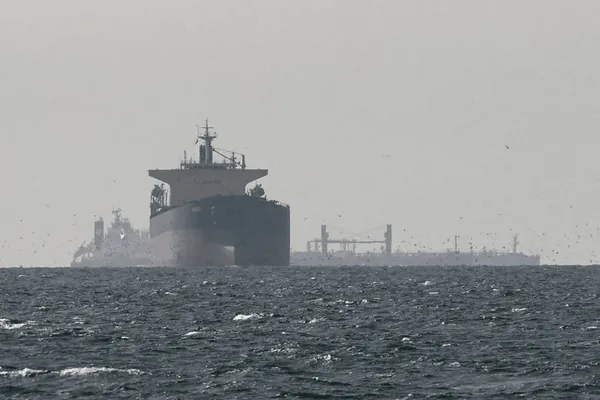
The situation in the Middle East escalated significantly during this period. U.S. forces conducted a direct strike on Iranian military assets near the Strait of Hormuz, the first such action in a month. Iran acknowledged the attack and vowed retaliation, further heightening tensions over the critical oil passage.
→· 1 event in window
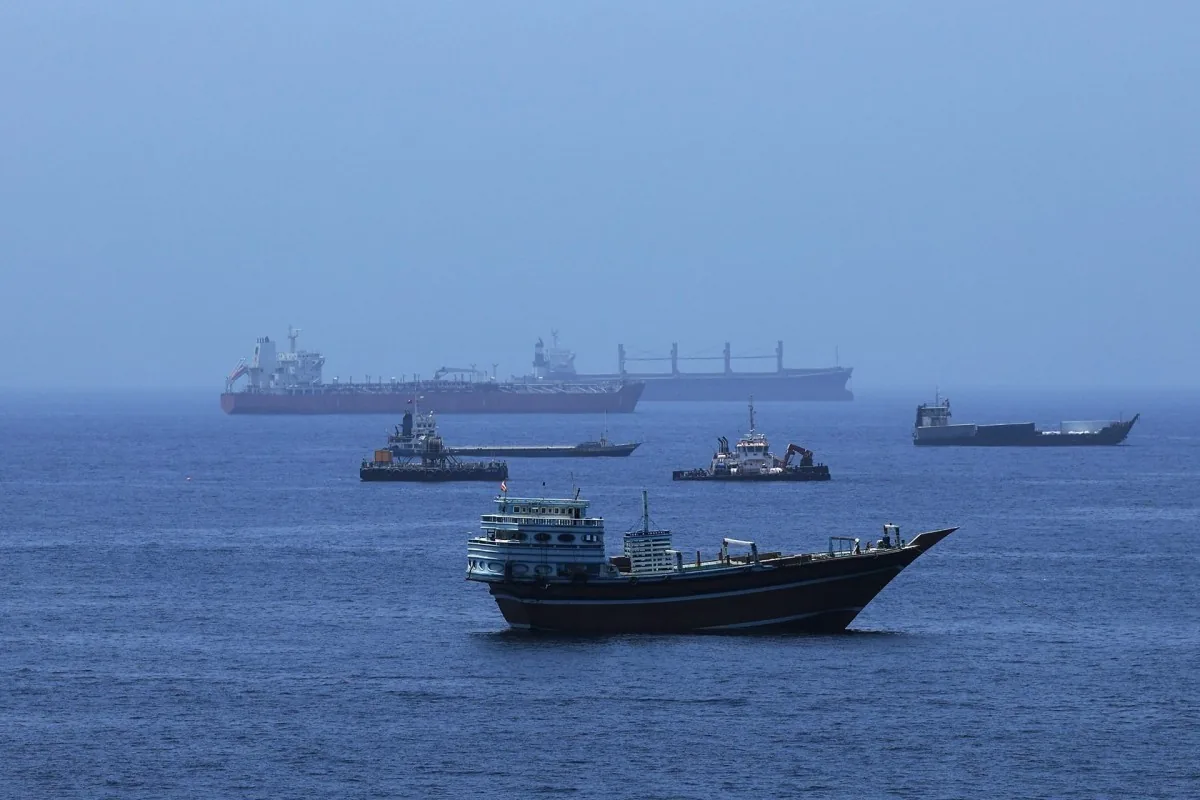
The Middle East stalemate persisted through this period. Oil prices climbed to multi-week highs, driven by tanker attacks and uncertainty over Strait of Hormuz exports. No signs of de-escalation emerged between the US and Iran, with peace prospects remaining dim.
→· 1 event in window
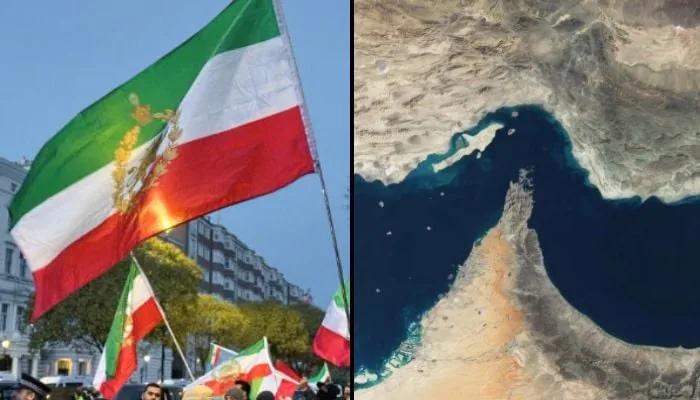
The situation in the Middle East escalated sharply this period. Former US President Trump declared the Strait of Hormuz as "new US territory" on social media, a claim Iran immediately dismissed as delusional. The strait remains effectively closed with only minimal vessel traffic, multiple ship attacks have been reported, and oil prices surged toward $92 per barrel. No talks are currently scheduled between the US and Iran.
→· 1 event in window
One military deployment adjustment was tracked this period: the U.S. Navy rotated aircraft carriers in the Middle East, with the USS George Washington replacing the USS Abraham Lincoln after an extended deployment. The swap maintains the U.S. naval presence in the Arabian Sea and Persian Gulf against the backdrop of the previously announced economic warfare escalation against Iran. The USS Abraham Lincoln's 274-day deployment, potentially the longest since the Vietnam War, reflects the region's sustained high operational tempo.
→· 1 event in window
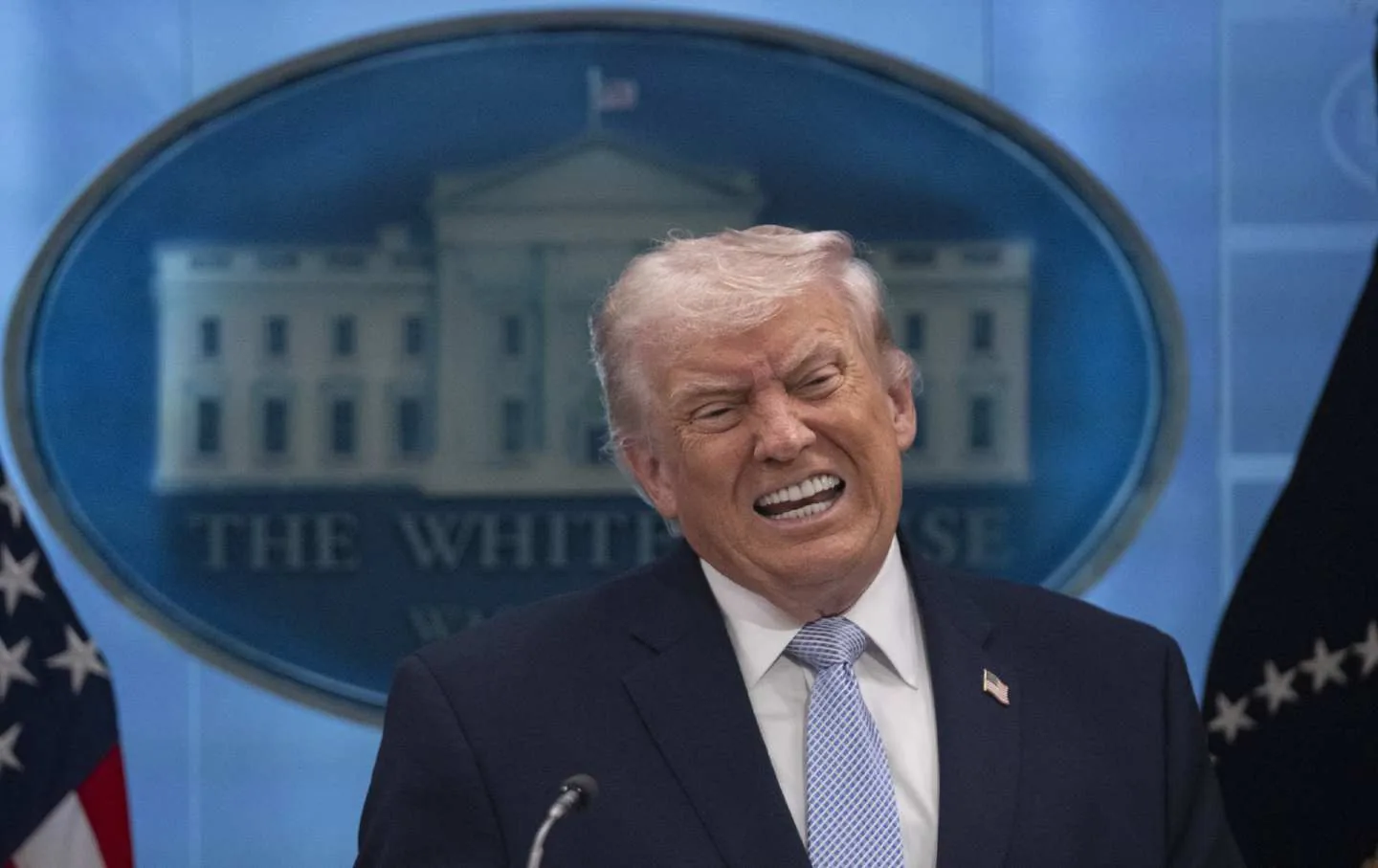
One major development was tracked this period: former U.S. President Donald Trump announced 'unprecedented economic warfare' against Iran, threatening secondary sanctions on any country providing economic or trade support. The declaration signals a return to maximum pressure tactics, adding a policy dimension to the previously observed personnel and logistical strain on U.S. deployments in the region.
Tracked events
Events matched to this subject by the tracking pipeline, with signal scores.
The U.S. 10-year Treasury yield surged above 4.75%, reaching its highest level since January 2025, as renewed Middle East hostilities and rising oil prices reignited inflation fears. Global bond yields also hit multi-decade highs in Japan and the U.K., driven by geopolitical risks and expectations of tighter monetary policy. The yield increase signals higher borrowing costs for consumers and businesses, pressuring stock markets worldwide.
The U.S. Army has extended the deployment of roughly 2,000 soldiers from the 82nd Airborne Division in the Middle East to a full year, citing "operational requirements." The division, initially deployed in March amid escalating tensions, is part of a surge following the start of the Iran war, which has now lasted over six months with over 50,000 U.S. troops in the region. The extension affects headquarters, artillery, air defense, and aviation units.
Oil prices surged over US$2 per barrel in mid-August 2026, reaching four-week highs as the Iran war stalemate and fading US-Iran peace hopes stoked supply concerns. Brent crude settled at US$90.87–US$91.71, with both Brent and WTI gaining over 5% the prior week after tanker attacks. Uncertainty over Strait of Hormuz exports and the escalating Middle East crisis drove sustained price increases, reflecting heightened geopolitical risk to global oil supply.
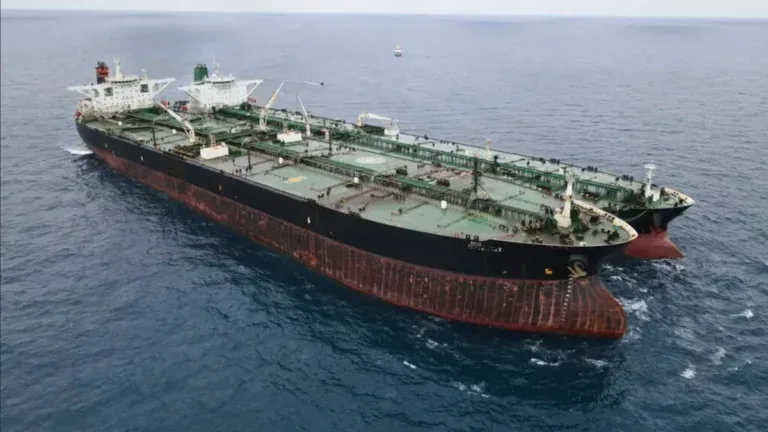
Former US President Donald Trump posted a map on Truth Social on August 18-19, 2026, labeling the Strait of Hormuz as "new US territory," escalating tensions with Iran. Iran dismissed the claim as delusional, asserting sole control over the strategic waterway. Oil prices surged toward $92 per barrel as the strait—through which 20% of global oil passes—remained effectively closed, with only two vessels passing on Friday. Multiple ship attacks were reported, and no talks are scheduled between the US and Iran.
On August 20, 2026, former US President Donald Trump declared a major escalation in economic pressure against Iran, calling it "economic D-Day" and "unprecedented economic warfare." Citing Iran's failure to reach a nuclear deal, Trump warned of severe consequences for any country providing Iran economic or trade support, signaling a broad secondary sanctions campaign. The announcement, made in San Francisco, marks a return to maximum pressure tactics with potential global economic implications.
The U.S. Navy is rotating aircraft carriers in the Middle East, with the USS George Washington replacing the USS Abraham Lincoln after a 274-day deployment—potentially the longest since the Vietnam War. The swap maintains U.S. naval presence in the Arabian Sea and Persian Gulf amid ongoing tensions with Iran. The USS Abraham Lincoln is now returning to the West Coast via the Indian Ocean, highlighting sustained operational tempo and crew welfare concerns.
The U.S. Navy is deploying the USS George Washington from Japan to the Arabian Sea to replace the USS Abraham Lincoln, which has been deployed for over 260 days supporting operations against Iran. Reports describe severe crew fatigue, food and supply shortages, sanitation issues, and multiple suicide attempts aboard the Lincoln. Lawmakers have called for oversight, while Defense Secretary Pete Hegseth dismissed the accounts as misrepresented. The relief carrier, USS Theodore Roosevelt, will not be ready until September.
U.S. Central Command announced Task Force Falcon Strike (TFFS), the first multinational, multi-domain attack drone task force, integrating one-way attack drones from air, sea, and underwater domains. Led by U.S. Special Operations Command Central, it builds on Task Force Scorpion Strike and aims to unify regional partners into a deterrent force. The announcement comes amid the ongoing U.S.-Iran war, which has strained munitions stockpiles and accelerated drone and counter-drone technology development.
Swedish defense firm Saab secured a $1.03 billion order for two GlobalEye airborne early warning and control (AEW&C) aircraft from an undisclosed Middle Eastern country, with delivery by 2030. The system, mounted on a Bombardier Global 6000/6500 jet, offers multi-domain surveillance (air, sea, land) with a range over 350 nautical miles. This deal follows growing global interest, including NATO negotiations for up to ten units and Canada’s selection of GlobalEye. Saab’s Q2 2026 sales reached Skr25.45 billion.
On August 1-2, 2026, U.S. President Donald Trump announced a temporary suspension of planned U.S.-Israeli strikes on Iran, claiming Tehran and other Middle Eastern states requested the halt after agreeing on a basic deal framework. The proposed deal demands immediate opening of the Strait of Hormuz and an end to Iran’s nuclear threat. Iran’s state media denied requesting the pause and warned of proportionate retaliation. The conflict, ongoing since February 28, 2026, has seen tit-for-tat attacks, with a previous June ceasefire collapsing. Trump threatened massive retaliation if no deal is reached quickly.
Netcore Cloud, a global MarTech company, has rebranded to Netcore.ai, positioning itself as the first 'agentic marketing platform' that shares accountability for customer growth. The rebranding marks a structural shift from a software vendor to an AI-native outcome partner. The platform features seven autonomous AI agents that plan, execute, analyze, and optimize marketing campaigns across the full customer lifecycle. Unlike traditional platforms, Netcore assigns dedicated growth engineers who share responsibility for campaign outcomes and revenue contribution. The unified stack integrates customer engagement, product discovery, personalization, CDP, email marketing, and CPaaS channels. The company also introduces outcome-based pricing, where its success is tied to client KPIs. Founder Rajesh Jain emphasized that the agents run campaigns while human teams remain accountable for results. The platform is available across India, Southeast Asia, the Middle East, North America, Europe, and Africa.
The Federal Open Market Committee (FOMC) voted 9-3 to maintain the federal funds rate target range at 3.5% to 3.75%, keeping monetary policy unchanged. The decision supports the Fed's dual mandate of maximum employment and price stability. The Committee noted that economic activity is expanding at a solid pace despite elevated uncertainty partly due to the conflict in the Middle East. Productivity growth and capital investment remain strong, while job gains have kept pace with workforce growth and unemployment has changed little. Inflation remains above the Fed's 2% target, partly due to supply shocks driving price increases in sectors including energy. Three voting members—Beth M. Hammack, Neel Kashkari, and Lorie K. Logan—dissented, preferring a 0.25 percentage point rate increase. The Fed reiterated its commitment to delivering price stability.
The top U.S. commander for the Middle East, Adm. Brad Cooper, has warned troops that cellphone videos shared online can help Iran target American bases. In a previously unreported letter, Cooper stated that Iran benefits from open-source intelligence, including photos and footage from troops' cellphones, to assess the success of its strikes. Sources told Reuters that some deployed personnel in Jordan may soon be ordered to surrender their phones due to operational security concerns. The warning follows a July 17 Iranian attack on Muwaffaq Salti Air Base in Jordan, where a service member posted a video recorded on Meta smart glasses showing evacuation to a bunker. Cooper emphasized that such information effectively performs Iran's Battle Damage Assessment for free. The conflict, which began on Feb. 28, has killed 18 U.S. troops and wounded over 600. Democratic lawmakers have demanded more information about the war, including details of infrastructure damage and a probe into a strike on a girls' school in Iran.
Israeli Prime Minister Benjamin Netanyahu will travel to Washington on July 28, 2026, to meet President Donald Trump at the White House, as the U.S.-Israeli military campaign against Iran enters its fifth month. The visit, confirmed by both leaders, also includes Netanyahu attending the funeral of Senator Lindsey Graham. The meeting aims to coordinate strategy on Iran, amid strained U.S.-Israel relations, growing domestic and international pressures, and concerns from Trump’s anti-interventionist allies about further escalation.
At a NATO summit in Ankara, Turkey, Secretary General Mark Rutte announced formal negotiations with Sweden’s Saab to acquire up to ten GlobalEye surveillance aircraft, replacing the alliance’s 14 aging Boeing E-3A Sentry AWACS planes. The decision, driven by the US cancellation of its own Boeing E-7 Wedgetail order, marks the first time since 1988 that a non-American manufacturer will supply NATO’s core airborne early warning capability. The GlobalEye, based on a Bombardier Global 6500 jet, can track drones, hypersonic missiles, and other threats across air, land, and sea.
Expro Group Holdings N.V. (NYSE: XPRO) reported mixed second-quarter results on July 28, 2026, missing Wall Street earnings expectations with adjusted EPS of $0.15 versus the $0.19 consensus, while revenue of $393.2 million narrowly beat estimates of $388.9 million but fell 7% year-over-year. Net income was $2 million, and adjusted EBITDA reached $76 million (19.3% margin). CEO Michael Jardon attributed the tempered results to geopolitical disruptions in the Middle East. However, the company issued a stronger-than-expected revenue outlook for Q3 2026, forecasting $435-$455 million (midpoint $445M vs. consensus $387.9M), and raised its full-year revenue guidance to $1.65-$1.70 billion (midpoint $1.675B vs. consensus $1.59B). Full-year adjusted EBITDA guidance was narrowed to $355-$365 million, reflecting prolonged Middle East disruptions, but management expects second-half EBITDA margins above 24%. Expro also completed its $215 million acquisition of Enhanced Drilling on July 23 and repurchased $40 million in shares year-to-date.
Israeli Prime Minister Benjamin Netanyahu has finally secured a one-on-one meeting with former US President Donald Trump after months of pushing for it. However, the meeting is unlikely to repair the increasingly strained relations between the two leaders and their countries. The article, published by Die Welt on July 28, 2026, highlights the risks Netanyahu faces in this diplomatic encounter, suggesting that the political and strategic costs could be significant. The strained ties stem from disagreements over Iran policy, settlement expansion, and other regional issues. The meeting is seen as a high-stakes gamble for Netanyahu, who may have to make concessions or face further isolation from the US administration.
First Media, a global media and marketing company, has appointed Indixital Media as its exclusive sales, publisher success, and operations partner across India, Southeast Asia, and the Middle East. The partnership aims to build a US$100 million Annual Recurring Revenue (ARR) publisher engagement business. It combines First Media's audience engagement and monetization technology, including interactive quizzes and AI-powered products, with Indixital Media's regional publisher relationships and operational capabilities. The partnership is already live with five leading Indian media organizations. Executives from both companies emphasized that this is a strategic growth platform, not just a distribution deal, designed to help publishers reduce dependence on referral traffic, increase audience engagement, collect first-party data, and create new revenue streams. Indixital Media will lead commercial expansion, onboarding, and customer success across the region.
Baker Hughes (NASDAQ: BKR) reported better-than-expected second-quarter results on July 27, 2026, with adjusted earnings per share of $0.64 surpassing the consensus estimate of $0.49. Revenue reached $6.74 billion, exceeding forecasts of $6.52 billion despite a 2% year-over-year decline. The company secured $10.5 billion in new orders, led by its Industrial & Energy Technology division with $7.1 billion, and ended the quarter with record remaining performance obligations of $40.1 billion. Adjusted EBITDA hit $1.23 billion, while operating cash flow was $1.34 billion and free cash flow totaled $1.11 billion. CEO Lorenzo Simonelli highlighted strong portfolio breadth, momentum in data center and gas infrastructure markets, and disciplined execution amid Middle East uncertainties. Shares rose about 2% in premarket trading following the announcement.
The US dollar weakened against other major currencies on July 27, 2026, following the United States' decision to pause its bombing campaign in Iran. This geopolitical development also led to a decline in oil prices. The dollar index, measuring the US currency against a basket of six peers, was flat at 101.27. Market attention is now shifting to upcoming central bank decisions, which are expected to influence further currency and commodity movements. The article, published by The Business Times Singapore, highlights the immediate market reaction to the Middle East pause and the broader focus on monetary policy.
Fuel prices in Australia surged to their highest level since March during the week ending July 26, driven by Middle East hostilities that pushed international crude oil to two-month highs. According to the Australian Institute of Petroleum, nationwide gasoline reached US$1.27 (AUS$1.82) per liter, while diesel prices also rose to their highest since March, adding economic and monetary policy pressure. Australia, despite being a major gas and LNG producer, imports most of its transportation fuel. The situation worsened after the Hormuz crisis and a fire at one of only two domestic refineries. In response, the federal government halved the fuel excise for three months in March and secured emergency fuel shipments from Brunei, South Korea, and China under its Strategic Reserve powers. Foreign Minister Penny Wong stated Australia is working with regional partners to address the global economic shock and ensure essential fuel flows.
President Trump rejected Iran’s counterproposal for a peace framework, intensifying geopolitical tensions and keeping the Strait of Hormuz closed. This diplomatic failure caused oil prices to surge nearly five percent, renewing global inflation fears and influencing Federal Reserve interest rate expectations. Consequently, gold and silver prices experienced significant volatility as investors navigated between safe-haven demand and economic uncertainty. The event highlights the fragile state of Middle East security and its immediate impact on global energy markets and monetary policy outlooks.
Global oil prices surged past $105 per barrel after US President Donald Trump rejected Iran’s peace proposal, labeling it unacceptable. The diplomatic breakdown has intensified fears of prolonged conflict and supply disruptions, particularly with the Strait of Hormuz largely closed. Saudi Aramco reported significant weekly oil losses due to the blockade. While equity markets remained mixed, energy volatility heightened concerns over global economic stability. The situation underscores the fragility of Middle East security, with analysts warning of further price hikes if the ceasefire completely collapses and shipping routes remain obstructed.
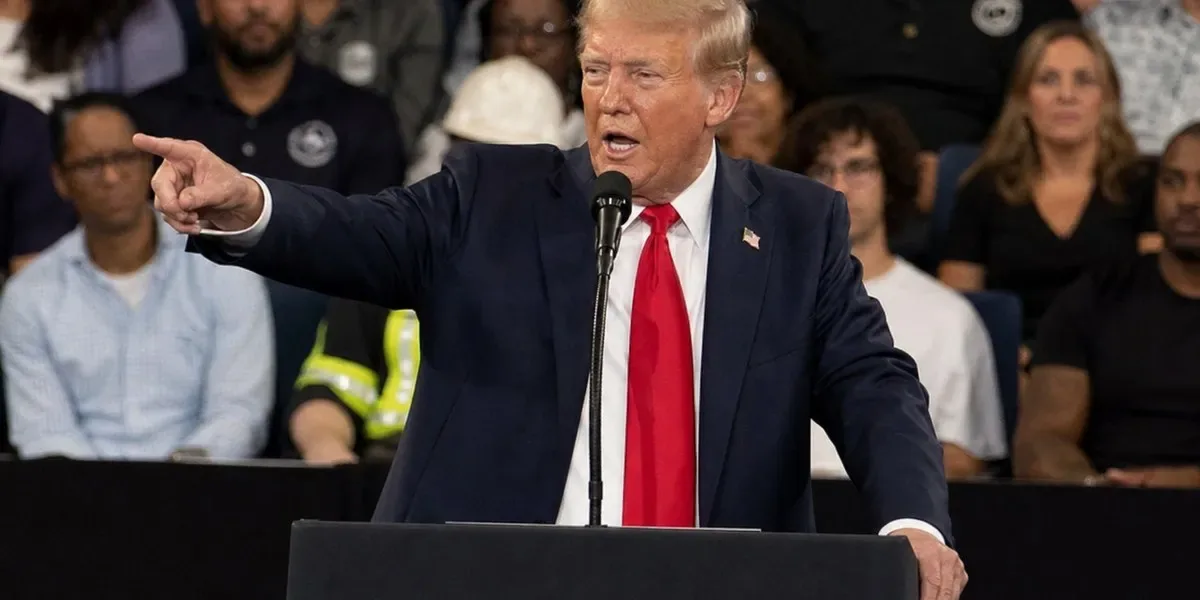
The Bank of England is widely expected to keep interest rates unchanged at 3.75% in a split vote on Thursday, despite a surge in oil prices to nearly $100 per barrel due to renewed Middle East conflict. Analysts predict that two Monetary Policy Committee members, Huw Pill and Megan Greene, may vote for a hike, with potential dissent from Catherine Mann and Clare Lombardelli. UK inflation slowed to 2.6% in June, but economists forecast it will rise above 3% in the second half of the year due to energy price cap resets, potentially reaching 3.5% or even 4%. Morgan Stanley projects rates will remain on hold for the rest of the year, citing weak wage growth and labor market conditions. BNP Paribas is more cautious, predicting three members could vote for a hike and one rate increase in September to pre-empt wage demands in early 2027.
European shares rose on Friday, July 24, 2026, recovering from their steepest one-day loss in two weeks in the previous session. The pan-European Stoxx 600 index edged 0.6% higher to 644.67, rising for the second consecutive week. The gains were driven by a boost in technology stocks, particularly from German software company SAP. Meanwhile, investors remained cautious as geopolitical tensions in the Middle East continued to be monitored closely. The market's positive performance reflects a rebound in investor sentiment amid ongoing global uncertainties.
Wall Street’s main indices opened higher between May 27 and June 1, 2026, driven by sustained AI optimism—particularly from Nvidia—and hopes for a Middle East truce. The Dow, S&P 500, and Nasdaq posted gains, with the S&P 500 reaching 7,579.33 and the Nasdaq 26,960.84. Markets balanced geopolitical risks from US-Iran tensions against tech sector momentum, reflecting investor confidence in AI and potential de-escalation.
Pakistan's goods transporters alliance has warned of a potential nationwide strike in response to soaring fuel costs, adding to the economic strain from the Middle East crisis. Malik Shehzad Awan, president of the Pakistan Goods Transport Alliance, stated that transporters should remain prepared for a strike call at any time. The alliance criticized the government's decision to raise fuel prices following the resurgence of Middle East hostilities and the introduction of a daily fuel price review policy, labeling it 'anti-transport.' Many road freight businesses face closure due to frequent diesel price hikes. Pakistan began revising gasoline and diesel prices daily on July 21, citing transparency and alignment with international markets. Meanwhile, Pakistani refiners are seeking crude oil supplies from the U.S., Nigeria, Singapore, and Central Asia amid threats to supply from the Strait of Hormuz and the Red Sea.
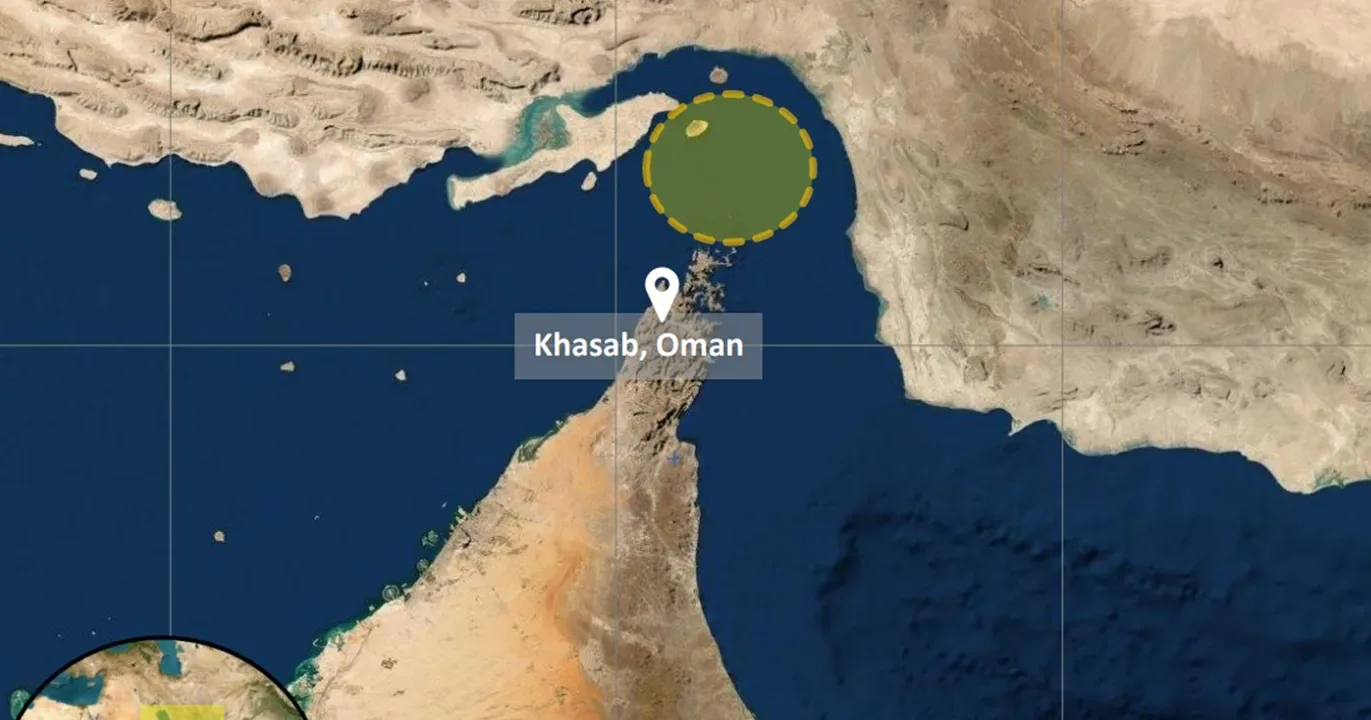
The Pakistan Goods Transport Alliance has warned it may call an immediate nationwide strike to protest soaring fuel costs, adding economic pressure on Pakistan from the Middle East crisis. Alliance president Malik Shehzad Awan stated transporters should remain prepared for a strike at any time, criticizing the government's decision to raise fuel prices following renewed Middle East hostilities and crude oil surges. The alliance labeled the new policy of daily fuel price reviews, effective July 21, as 'anti-transport,' noting many road freight businesses face closure due to frequent diesel price hikes. The government claims the daily pricing mechanism increases transparency and aligns domestic prices with international markets. Meanwhile, amid threats to supply routes like the Strait of Hormuz and Red Sea, Pakistani refiners are seeking crude oil from the U.S., Nigeria, Singapore, and Central Asia to diversify away from Middle Eastern sources.
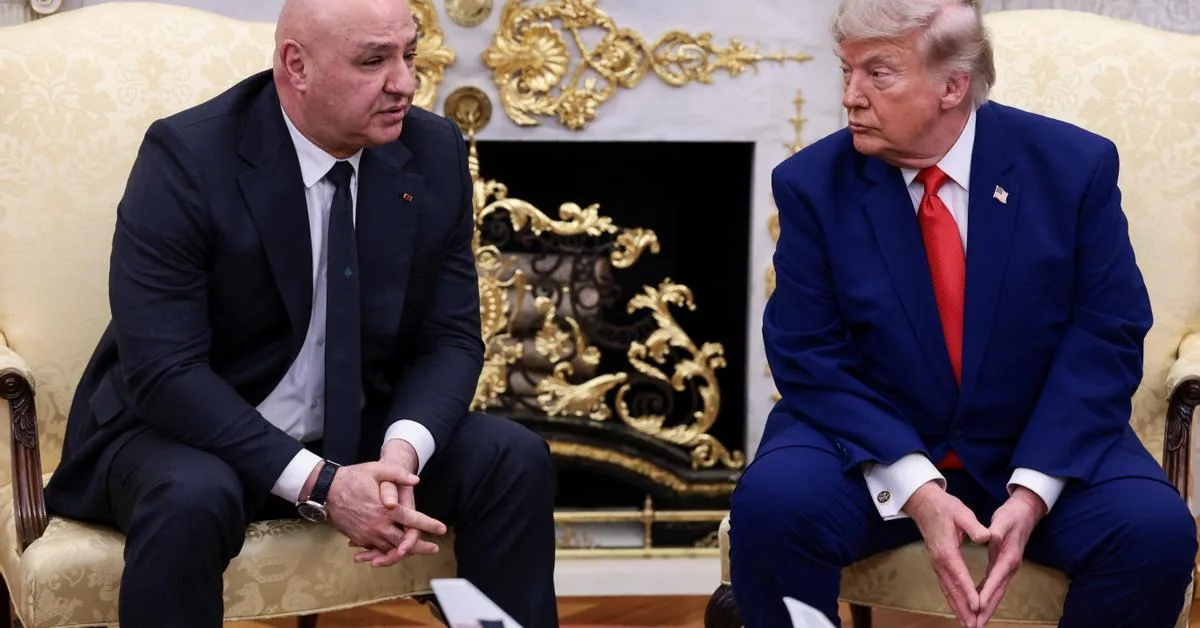
Eurozone business activity unexpectedly rose to a five-month high in July 2026, with the Purchasing Managers' Index (PMI) reaching 51.9, surpassing the 50 threshold that separates growth from contraction. The increase signals remarkable resilience in the 21-nation bloc's economy despite ongoing geopolitical tensions in the Middle East, which have stoked consumer-price growth and weighed on confidence. The data, reported by The Business Times on July 24, 2026, suggests a stronger-than-expected economic performance for the euro area.
Eurozone business activity unexpectedly rose to a five-month high in July 2026, with the Purchasing Managers' Index (PMI) reaching 51.9, above the 50 threshold that separates growth from contraction. The 21-nation bloc's economy is showing remarkable resilience to events in the Middle East, which have stoked consumer-price growth and weighed on confidence. The data, published by The Business Times on July 24, 2026, suggests a stronger-than-expected economic performance despite ongoing geopolitical uncertainties.