The European Union has designated ChatGPT, Reddit, and Roblox as very large online platforms or search engines under the Digital Services Act, triggering enhanced oversight. ChatGPT, with over 159 million EU users, must now comply with stricter rules on content moderation, transparency, and risk management within four months. Non-compliance risks fines up to 6% of global annual turnover.
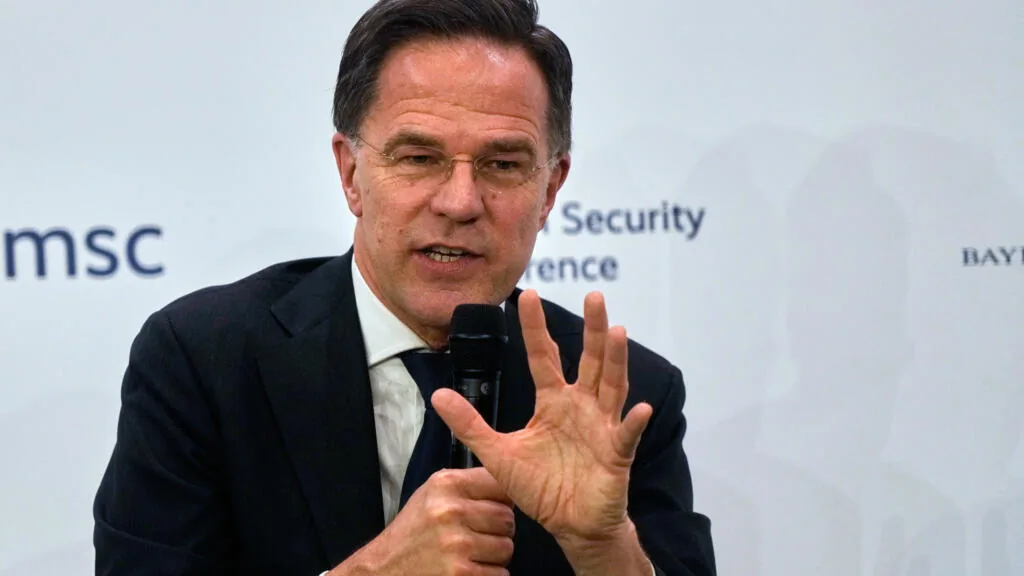
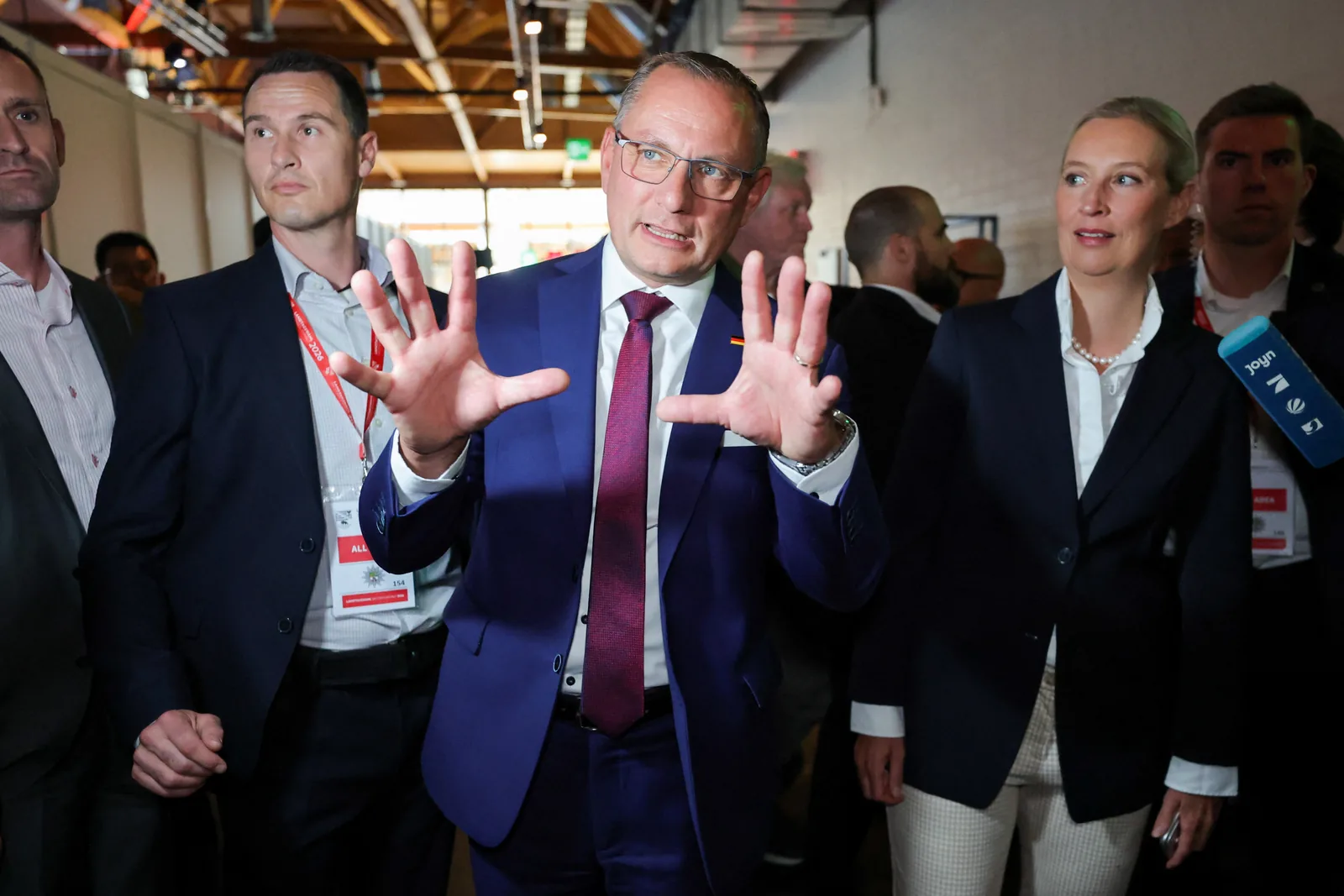
Germany formally accused Russian intelligence services of orchestrating an attempted drone attack at Leipzig/Halle Airport on August 4, 2026. In response, Berlin announced the closure of the Russian House in Berlin and the Russian Consulate General in Bonn, summoned the Russian ambassador, and tightened visa rules. EU Commission President Ursula von der Leyen and NATO Secretary General Mark Rutte pledged solidarity, calling it a new escalation. Baltic states expressed solidarity, viewing it as part of a broader pattern of Russian provocations across Europe.
The German government under Chancellor Friedrich Merz has officially attributed responsibility to Russia for a foiled drone attack at Leipzig/Halle Airport, where an explosive-laden drone failed to detonate. Berlin is finalizing a comprehensive countermeasure package including diplomat expulsions and new EU sanctions, marking a significant hardening of policy described as 'Zeitenwende 2.0'. Moscow denies involvement. Details are expected to be announced Tuesday.
Iceland will hold a non-binding referendum on August 29, 2026, to decide whether to restart EU accession talks, halted since 2013. The government frames it as a 'now or never' opportunity amid geopolitical shifts. A professor warns local oligarchs are using money and pro-Russian disinformation to push a 'no' vote. Polls show a tight race, with fisheries and sovereignty as key issues. A 'yes' vote would restart negotiations, but a second referendum would be needed for full membership.
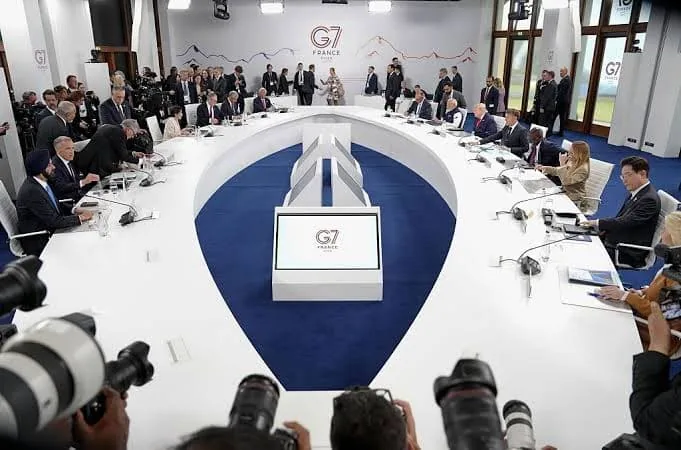
At the G20 finance ministers' meeting in Asheville, North Carolina, German Vice Chancellor Lars Klingbeil organized a European boycott that prevented the traditional group photo from including Russian Finance Minister Anton Siluanov, who attended in person for the first time since the Ukraine invasion. The U.S. invited Russia under former President Donald Trump, sparking a diplomatic rift. European ministers condemned Russia’s presence, while U.S. Treasury Secretary Scott Bessent met separately with Siluanov.
UK Prime Minister Andy Burnham made his first overseas trip to Kyiv on Ukraine’s 35th Independence Day, meeting President Zelenskyy and co-chairing the Coalition of the Willing. He authorized MBDA to declassify UK components of SCALP/Storm Shadow missiles, enabling Ukraine to locally assemble long-range missiles with a 550 km range. Russia accused the UK of escalating the war, warning of consequences. The visit underscores continued Western military support amid heightened tensions.
PDD Holdings, parent of Temu, reported Q2 2026 net profit of 27.18 billion yuan ($4 billion), down 12% year-over-year but above analyst expectations. Revenue rose 8% to 112.36 billion yuan, slightly missing forecasts. Operating expenses climbed 13% due to higher marketing costs amid intense competition from Douyin and Xiaohongshu. Temu faced regulatory pressure, including a €200 million EU fine for illegal products and a lawsuit from Iowa over data practices. Shares are down over 20% year-to-date.
Zambia's President Hakainde Hichilema won re-election on August 13, 2026, with about 60% of the vote, defeating opposition leader Brian Mundubile. The election was marred by controversy: vote counting was suspended after attacks on officials and theft of ballot papers, and Mundubile was briefly detained for prematurely declaring victory. The military was deployed during counting, drawing criticism. Despite economic progress in debt restructuring, persistent poverty and inflation remain challenges. International observers noted limited freedoms and unequal campaign conditions.
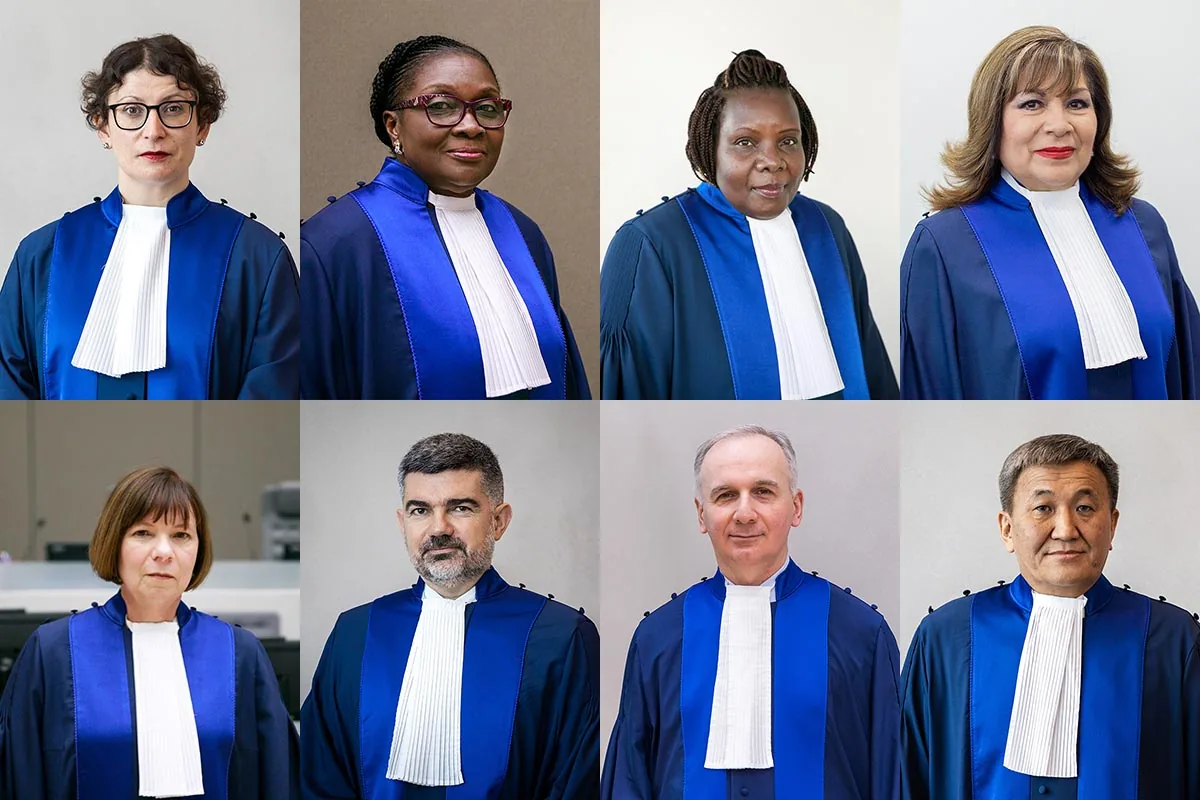
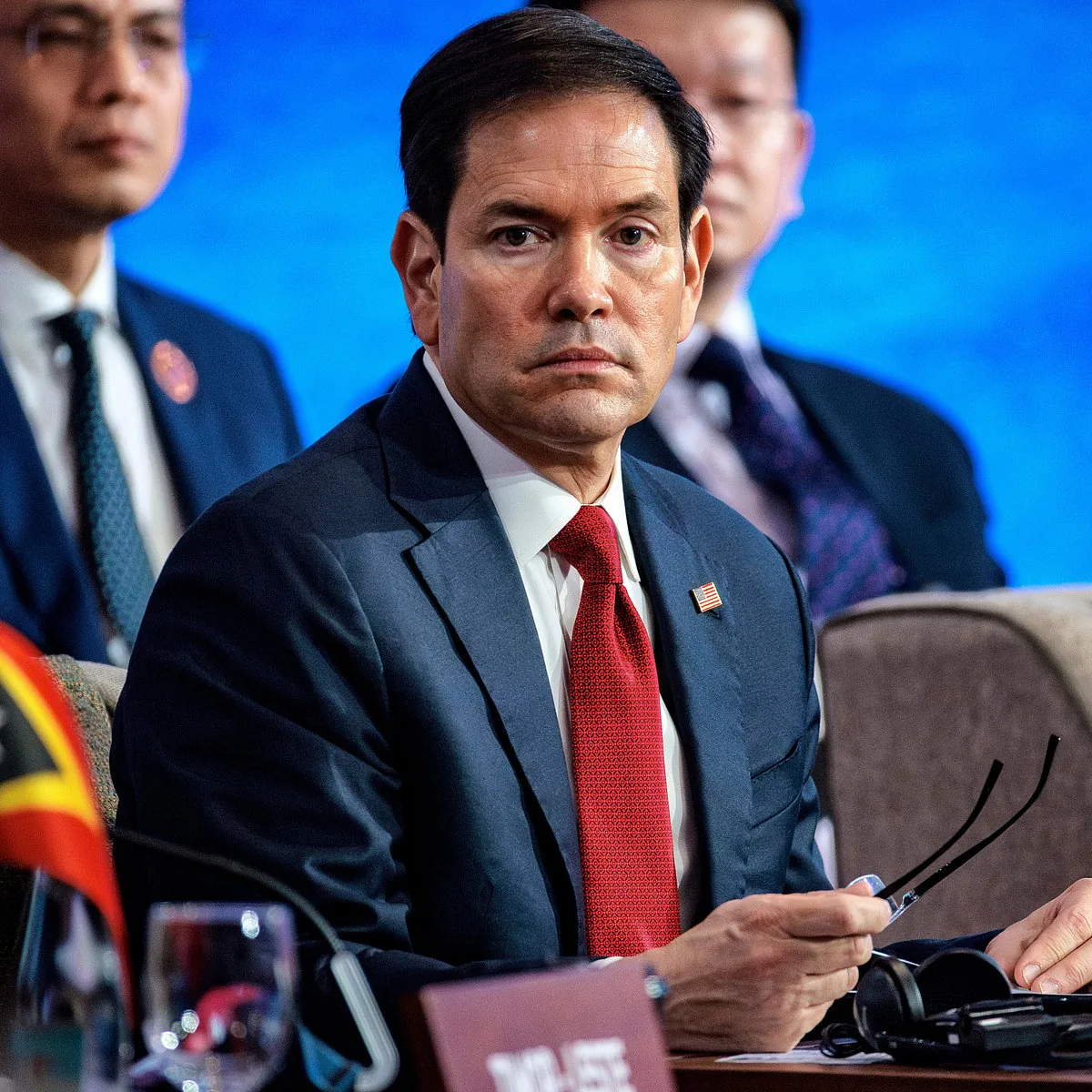
On August 18, 2026, the United States imposed sanctions on International Criminal Court (ICC) President Tomoko Akane (Japan) and Senior Trial Lawyer Abdoulaye Seye (Senegal), citing their involvement in investigations into Israeli officials over alleged war crimes in Gaza. Secretary of State Marco Rubio called the ICC a “corrupt and politicised” court. The ICC condemned the move as a “flagrant attack” on judicial independence. Israel’s Prime Minister Netanyahu applauded the sanctions. The Netherlands, EU, and Japan voiced support for the ICC. The U.S. also urged other nations to withdraw from the court.
China ordered its entities not to assist an EU investigation into JD.com’s planned €2.2 billion acquisition of German retailer Ceconomy, citing “undue extraterritorial jurisdiction.” The EU probe, launched in May 2026 under the Foreign Subsidies Regulation, examines whether state subsidies gave JD.com an unfair advantage. Beijing’s non-cooperation order escalates trade tensions, following a similar move against an EU probe into Nuctech. China warned of retaliation if the EU persists, while economists warn of a potential “China Shock 2.0” threatening European industry.
Israeli far-right Security Minister Itamar Ben-Gvir sparked international outrage by advocating in a podcast for killing 30 to 40 Palestinians nightly in Gaza, calling many "not even human" and "not worthy of life." He also called for reoccupying Gaza, establishing settlements, and mass expelling Palestinians—actions international lawyers say could constitute ethnic cleansing. The remarks, surfaced August 16, 2026, were condemned globally, including by Germany and Iran, and come amid a fragile ceasefire and upcoming Israeli elections.
On 18 August 2026, BRICS environment ministers meeting in New Delhi issued a joint statement condemning the EU's Carbon Border Adjustment Mechanism (CBAM) as unilateral, punitive, discriminatory, and protectionist. They argued the carbon levy, effective since December 2025, unfairly burdens developing countries' industries like steel and aluminium, diverting resources from climate resilience. The bloc also demanded developed nations triple adaptation finance by 2035, ahead of COP31 in Turkey. Despite the criticism, India and Brazil have recently signed trade deals with the EU.
Apple announced a major revision to its EU App Store fee structure, effective October 2026, replacing complex per-install fees with a flat 5% commission on digital transactions for apps distributed outside its store. Higher fees apply for alternative payment processing (up to 20%) and link-out purchases (up to 15%). The European Commission welcomed the changes, which follow a €500 million fine and aim to resolve disputes under the Digital Markets Act. Critics, including Epic Games, called the new fees "junk fees."
Following a mass border crossing in late July 2026 where over 70,000 migrants entered Ceuta from Morocco—resulting in at least 96 deaths—tensions remain high. Social media calls for another surge have prompted Moroccan police to arrest hundreds, including 111 migrants on August 15, and use tear gas near Fnideq. Spain has reinforced Ceuta with over 1,600 police and a maritime barrier. About 5,000 migrants remain in makeshift camps, with disputes over their fate and fears of further crossings.
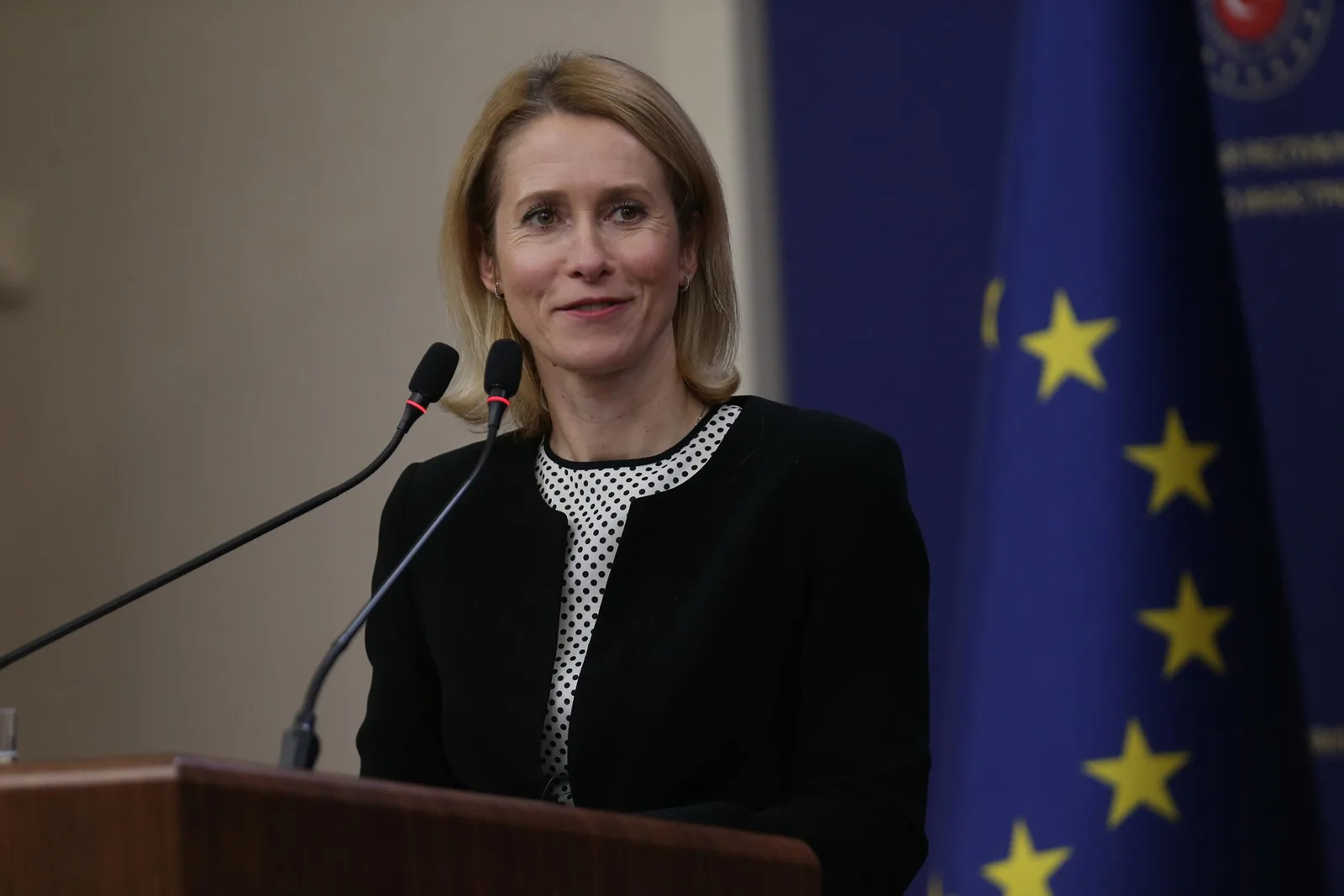
EU foreign policy chief Kaja Kallas announced plans to increase the number of sanctioned Russian individuals and entities by one third, marking the most extensive sanctions package since the 2022 invasion of Ukraine. The proposal, reported on August 17, 2026, responds to Russia’s intensified summer bombing of Ukraine. Existing sanctions have already deprived Russia’s war machine of over €1 trillion across 21 rounds. The move signals a hardening EU stance despite previous internal objections, such as Greece’s concerns over LNG shipping restrictions.
Ukrainian President Volodymyr Zelenskyy made his first official visit to Belgrade, Serbia, on August 8-9, 2026, meeting President Aleksandar Vucic. The visit challenges Russia’s traditional influence over Serbia, which has refused EU sanctions on Moscow but provided non-military aid to Ukraine. Talks covered economic ties, EU relations, and security. Ukraine reaffirmed Serbia’s claim to Kosovo in exchange for Serbia’s recognition of Ukraine’s territorial integrity. The visit coincides with intensified Russian strikes on Kyiv, killing at least four people.
President Donald Trump signed a proclamation imposing tariffs on imported drones and components, citing national security. Large drones face 100% tariffs, smaller ones 25%, with varying rates for allies (EU 15%, UK 10%). The move targets the EU, Japan, South Korea, Taiwan, Switzerland, Liechtenstein, and the UK, aiming to reduce import dependence and secure "American drone dominance." U.S. drone stocks rallied, with Unusual Machines surging 22%. Tariffs take effect in 21 days, with a 180-day delay for less sensitive items.
On August 13, 2026, President Trump signed an executive order imposing tariffs of up to 100% on imported drones and components, citing national security risks. Large sensitive drones (over 25kg or with thermal imaging) face 100% tariffs, smaller ones 25%. Allies like the EU, Japan, and Taiwan face 15%, while the UK gets 10%. The move primarily targets Chinese manufacturer DJI, which dominates the global market. The tariffs take effect September 3, 2026, and include an onshoring program to boost U.S. production.
Anthropic announced that its Claude AI models will embed imperceptible, machine-readable watermarks in generated text and images, starting with EU launches from August 2, 2026, to comply with the EU AI Act’s transparency requirements. The watermarks persist through copying and light editing but can be bypassed by heavy paraphrasing or short texts. The move has sparked user backlash over privacy and legitimate use concerns, while aligning Anthropic with other tech firms adopting similar measures.
Latvian authorities discovered an underground tunnel near Daugavpils on the Latvia-Belarus border, the first such passage found in the country. Fifteen individuals in sand-stained clothing were detained near the site, located about 10 meters from the border fence. In response, Latvia launched Operation VILKATIS (Werewolf), deploying military, drones, helicopters, and aircraft for 24/7 surveillance. Since early 2026, over 9,500 illegal crossing attempts have been thwarted, compared to 12,000 in all of 2025. The EU views Belarus’s actions as hybrid warfare.
A major migration crisis in Spain’s North African exclave of Ceuta saw tens of thousands of migrants illegally enter from Morocco. Spanish Prime Minister Pedro Sánchez deployed the military but faced harsh criticism from EU capitals, including Italy and Denmark proposing Schengen suspension, Finland accusing Spain of border failure, and Germany urging Morocco to take back migrants. The crisis exposed deep EU divisions, with southern frontline states calling for solidarity while northern and eastern members demanded stricter border controls.
The Alliance of General Information Press (APIG), representing nearly 300 French newspapers, filed a complaint with France’s competition watchdog over Google’s AI-generated search summaries (AI Overviews), launched in France in late July. The publishers argue these summaries reduce traffic to their sites by 33-38%, violating a 2022 compensation deal that already led to a €500 million fine and a subsequent €250 million penalty in 2024. They demand fair payment for content use, similar to a prior Meta ruling. The EU also launched a related investigation in December 2025.
On August 10, 2026, Italian PM Giorgia Meloni and Danish PM Mette Frederiksen issued a joint statement urging protection of Europe’s Christian cultural heritage and stricter migration policies, including more deportations. Despite differing political backgrounds, they emphasized unity on migration, warning against uncontrolled migration and its impact on crime, public services, and citizen trust. They advocated for EU return centers outside the bloc and raised the possibility of suspending Spain from Schengen over the Ceuta migrant crisis.
Over 1,500 migrants, including many minors, have arrived by sea or over fences in Ceuta, a Spanish enclave in North Africa, within a week. Reception centers are collapsed, with hundreds sleeping outside and 430 unaccompanied minors in care. At least four migrants died in crossings, following 60 deaths last year. Local leader Juan Jesús Vivas declared a national emergency, requesting army deployment and EU assistance, as a Supreme Court ruling bars immediate pushbacks.
In late July 2026, over 60,000 migrants crossed from Morocco into Spain’s North African enclave of Ceuta, overwhelming its population of 90,000. Italy’s Prime Minister Giorgia Meloni unilaterally suspended the Schengen free-travel agreement with Spain, imposing border checks on air and sea travelers. Finland, Denmark, the Czech Republic, and France supported or mirrored the action, criticizing Spain’s border management. Spanish authorities repatriated most migrants within 48 hours, but the crisis deepened EU divisions over migration policy and border security.
The European Union has launched a call for tenders to build seven AI gigafactories—three large and four smaller—with €5-10 billion in EU funding, part of a total €30 billion public-private investment. Announced on July 30, 2026, by Commissioner Henna Virkkunen, the initiative aims to reduce reliance on foreign tech (notably Nvidia chips) and comply with the EU AI Act. Eighteen EU countries have expressed interest, with construction expected to start in 2027 and full completion by 2032.
Iceland has commenced a referendum on whether to resume European Union membership negotiations, driven by growing security concerns over U.S. President Donald Trump’s Arctic ambitions, including his desire to control Greenland. The vote, deeply divisive, centers on sovereignty, fisheries, and geopolitical alignment. Prime Minister Kristrun Frostadottir and EU Commission President Ursula von der Leyen are key figures. The outcome could reshape Iceland’s relationship with Europe and NATO, reflecting a shift away from reliance on the U.S.
In late July 2026, up to 60,000 migrants from Morocco and other African nations surged into Spain’s North African exclave of Ceuta, overwhelming border police and causing chaos. Spain deployed military forces, while over 70 deaths were reported. The crisis, fueled by social media rumors and possibly Moroccan diplomatic pressure, triggered an EU emergency meeting and exposed deep divisions over migration policy, with Spain’s open stance facing sharp criticism from other member states.
Following a deadly Russian missile and drone barrage on Kyiv that killed at least 17 people, the European Commission announced the transfer of €1.4 billion to Ukraine, raised from windfall profits on frozen Russian central bank assets. This fifth tranche brings total transfers to €8 billion since 2022. The funds will support Ukraine’s economy and defense, though only 5% goes to military aid. Ukraine faces critical air defense shortages as Russian attacks intensify.
A severe drought and heatwave have caused record-low water levels in the Danube River, forcing Hungary to completely shut down its Paks nuclear plant (providing ~40% of electricity) and Romania to shut one reactor at Cernavodă. Both countries declared emergencies, with Hungary calling for energy conservation and Romania diverting canal water. The crisis also disrupts Danube shipping, hydropower in Austria, and drinking water supplies, highlighting a broader European energy and water scarcity event.
30 reports · 7 sources · Updated
Periodic recap
What changed for this subject in each tracking window — generated from matched events, delta-first.
→· 2 events in window
This period's EU-related developments centered on escalating tensions between Germany and Russia, and the Hong Kong listing of a Chinese-backed company. Germany formally accused Russia of orchestrating a drone attack on Leipzig/Halle Airport and closed the Russian consulate in Bonn and the Russian House in Berlin, with EU and NATO leaders pledging solidarity. Separately, fast-fashion retailer Shein debuted on the Hong Kong Stock Exchange at a sharply reduced valuation after reconciling with Chinese authorities and increasing investment in China.
Germany accused Russian intelligence of orchestrating the August 4 attempted drone attack on Leipzig/Halle Airport, and closed the Russian Consulate General in Bonn and the Russian House in Berlin while tightening visa rules.
EU Commission President von der Leyen and NATO Secretary General Rutte pledged solidarity with Germany, calling it a new escalation; Baltic states also expressed support.
Fast-fashion retailer Shein listed in Hong Kong at a $26.5 billion valuation, down over 70% from its 2022 peak, after pledging $1.5 billion in Guangdong investment and opening a Nanjing research center.
Earlier recaps
→· 1 event in window
The EU maintained its hardline diplomatic stance toward Russia at the G20 finance ministers' meeting this period. German Vice Chancellor Klingbeil organized a European boycott that excluded the Russian finance minister from the traditional group photo, marking his first in-person attendance since the Ukraine invasion. The move extends the previous period's hardening of policy toward Moscow and highlights a diplomatic rift with the U.S. over Russia's participation.
→· 2 events in window
Two significant developments occurred at the EU level this period. Germany officially accused Russia of orchestrating a foiled drone attack at Leipzig/Halle Airport and is preparing to push for new EU sanctions and diplomat expulsions, marking a further hardening of policy toward Moscow. Separately, the EU designated ChatGPT, Reddit, and Roblox as very large platforms under the Digital Services Act, requiring them to comply with stricter content moderation and risk management rules within four months.
→· 1 event in window
The sole notable development this period is Iceland's upcoming referendum on resuming EU accession negotiations. The government frames it as a critical choice amid geopolitical shifts, but fierce domestic debate persists over fisheries and sovereignty. Warnings have emerged that oligarchs are using money and pro-Russian disinformation to sway the vote. Polls indicate a tight race with an uncertain outcome.
→· 1 event in window
No major events directly related to the European Union emerged during this period. The sole matched event involved UK PM Burnham's visit to Kyiv and authorization of missile technology transfer to Ukraine, reflecting a unilateral UK action rather than EU-level dynamics. No new developments were reported regarding the previous migration dispute between Italy and Germany.
→· 1 event in window
A new diplomatic rift emerged within the EU over migration burden-sharing during this period. Italy accused German NGOs of bringing a large number of migrants to Italy via private rescue ships since October 2022 and demanded compensation from Germany. The Italian government also threatened to halt migrant readmissions under EU rules, with Deputy PM Salvini explicitly refusing to accept asylum seekers from Germany, escalating diplomatic tensions between the two member states.
Tracked events
Events matched to this subject by the tracking pipeline, with signal scores.
Italy Demands Compensation from Germany Over NGO Migrant Ship Arrivals
Italy accuses German NGOs of bringing 22,500 migrants to Italy since October 2022, over half of all private rescue ship arrivals. Interior Minister Piantedosi demands compensation from Germany and threatens to halt migrant readmissions under EU rules. Deputy PM Salvini refuses to accept asylum seekers from Germany, escalating a diplomatic rift between the two EU members over migration burden-sharing.