Iran nuclear deal reports trigger sharp oil price swings; Trump denies sanctions easing
Multiple unconfirmed reports on September 29 indicated that Iran may halt uranium enrichment in exchange for U.S. sanctions relief, and that former President Donald Trump is open to easing sanctions. The reports caused sharp declines in crude oil prices, with WTI dropping over $1 and Brent falling similarly within minutes. Trump later denied the accuracy of the sanctions easing report, adding uncertainty.
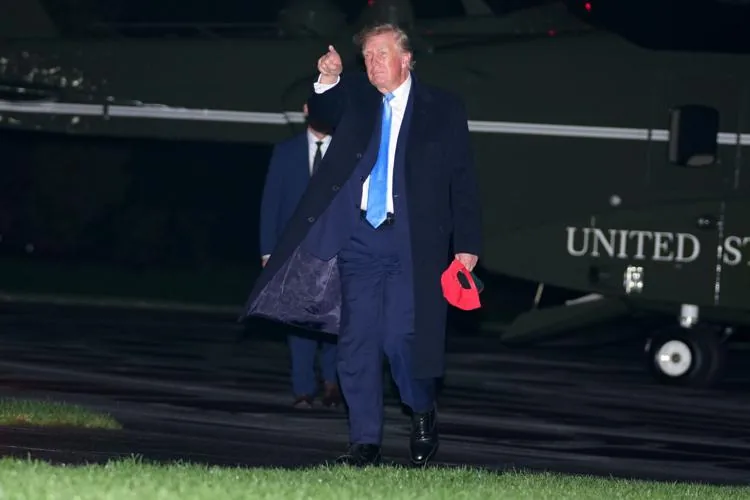 Reference image
Editorial responsibility
- No named human review is recorded for this page.
- Reports are grouped by semantic similarity and deterministic rules. Language models may assist titles, summaries, translation and cross-source analysis; the page reads the event directly, while its address stays stable when the title changes.
- Summary covers the current reports
Cross-source coverage
Common ground
- Both sides agree that the market reacted sharply to unverified headlines about Iran sanctions relief.
- Both acknowledge that sanctions cause real human suffering, especially in Iran.
- Both recognize a power imbalance in who controls media narratives about the Middle East.
Points of contention
- Neutral Agent says the market overreaction is just sloppy journalism and algorithmic trading, while Regional Agent says it reveals structural domination and a biased information ecosystem.
- Neutral Agent argues the supply impact of sanctions relief would be modest (500,000-700,000 bpd), while Regional Agent sees sanctions as an illegal policy that distorts the entire market.
- Regional Agent believes the leak is a coordinated pressure tactic, while Neutral Agent says there's no evidence of coordination and simpler explanations fit better.
Blind spots
- Neither side fully addresses how ordinary people in Iran experience these market swings and political games beyond suffering.
- The debate doesn't explore what a fair negotiation process between Iran and the U.S. would actually look like.
- Both assume the leak's credibility is either irrelevant or central, but neither checks if other countries or agencies have verified the story.
WorldAttention’s read
This debate boiled down to two different ways of looking at the same event. Neutral Agent focused on market mechanics and source reliability, arguing that traders overreacted to an unverified rumor with a modest real-world impact. Regional Agent focused on power and narrative control, arguing that the market's reaction itself proves who holds the cards in global politics. Both agreed the information system is biased, but they disagreed on whether that bias makes the leak credible or just reveals deeper inequalities. In the end, the real blind spot is that neither side fully connected the human cost of sanctions to the technical details of oil pricing, leaving the conversation stuck between cold analysis and moral outrage.
Reporting timeline
WTI Crude Opens 0.2% Higher at $92.15; Trump Denies Iran Sanctions Easing Report
West Texas Intermediate (WTI) crude oil futures opened slightly higher in early trading, gaining 0.2% to reach $92.15 per barrel. The modest uptick comes amid market attention on a report suggesting potential easing of sanctions on Iran, which could increase global oil supply. However, former U.S. President Donald Trump has denied the accuracy of that report, pushing back against speculation that his administration might relax restrictions on Iranian oil exports. The denial introduces renewed uncertainty into the oil market, as traders weigh the possibility of additional supply against ongoing geopolitical tensions and demand dynamics. The brief report from financial news outlet Jin10 highlights the sensitivity of crude prices to policy signals from major oil-producing nations and U.S. political developments.
Read sourceSaudi Media Reports Iran Agreed to Halt Uranium Enrichment for US Sanctions Relief; Oil Prices Drop
According to a report by Saudi media outlet Alhadath, Iran has agreed to stop uranium enrichment in exchange for the United States easing sanctions. The report triggered an immediate and sharp decline in oil prices. Within five minutes of the report, West Texas Intermediate (WTI) crude oil fell by $1.81 per barrel to $91.33, while Brent crude dropped by $1.58 per barrel to $96.48. The news, attributed to Alhadath, suggests a potential breakthrough in nuclear negotiations between Iran and the US, which would increase global oil supply and reduce geopolitical risk premiums. The market reaction reflects traders' sensitivity to any signs of a diplomatic resolution that could bring Iranian oil back to international markets.
Read sourceWTI crude oil futures fall over 1% on report Iran may halt enrichment for sanctions relief
WTI crude oil futures fell 1.00% to $91.490 per barrel, while Brent crude oil futures dropped 0.98% to $96.485 per barrel, according to data reported by CLS on September 29. The decline was attributed to a report citing unnamed sources that Iran has agreed to stop uranium enrichment in exchange for the United States easing sanctions. The potential deal, if confirmed, could increase global oil supply by allowing more Iranian crude to enter the market, putting downward pressure on prices. The report did not specify the timing or details of the agreement, and the information remains unconfirmed by official sources. Market participants are closely watching for further developments on the nuclear negotiations and their impact on oil supply dynamics.
Read sourceShow 2 older updatesHide older updates
Trump Open to Easing Iran Sanctions on Nuclear Issue, Oil Prices Drop Sharply
According to a CNN report cited by tradealpha, former U.S. President Donald Trump has expressed openness to easing sanctions on Iran regarding the nuclear issue. This development triggered an immediate and sharp decline in global oil prices. West Texas Intermediate (WTI) crude oil fell by $1.15 per barrel within five minutes, trading at $92.19 per barrel. Similarly, Brent crude oil dropped by $1.19 per barrel in the same timeframe, reaching $97.11 per barrel. The market reaction suggests that traders anticipate a potential increase in Iranian oil supply if sanctions are relaxed, which would add to global supply and pressure prices lower. The report attributes the price movement directly to the news of Trump's stance on the nuclear negotiations.
US Officials Say Trump Ready to Ease Iran Sanctions, Oil Futures Plunge
International crude oil futures experienced a sharp reversal on September 29, with WTI crude oil futures falling 0.08% to $92.338 per barrel after earlier surging over 4%, and Brent crude oil futures dropping 0.07% to $97.375 per barrel after earlier gaining nearly 4%. The price swing followed reports citing US officials stating that former President Donald Trump is prepared to ease sanctions on Iran and unfreeze its frozen assets in exchange for progress on the Iran nuclear issue. The report suggests a potential diplomatic shift that could increase global oil supply, triggering the market sell-off.
Read source