Iran offers to reopen Strait of Hormuz within 7 days if US lifts naval blockade
A senior Iranian official told Reuters that Iran could reopen the Strait of Hormuz within seven days if the United States reduces military pressure and lifts its naval blockade. The official stated the US must formally announce a desire for diplomacy and agree on a timeline. Iran's UN delegation has full authority to resume talks, and a proposal was submitted via mediators on September 16. President Pezeshkian will not meet President Trump at the UN.
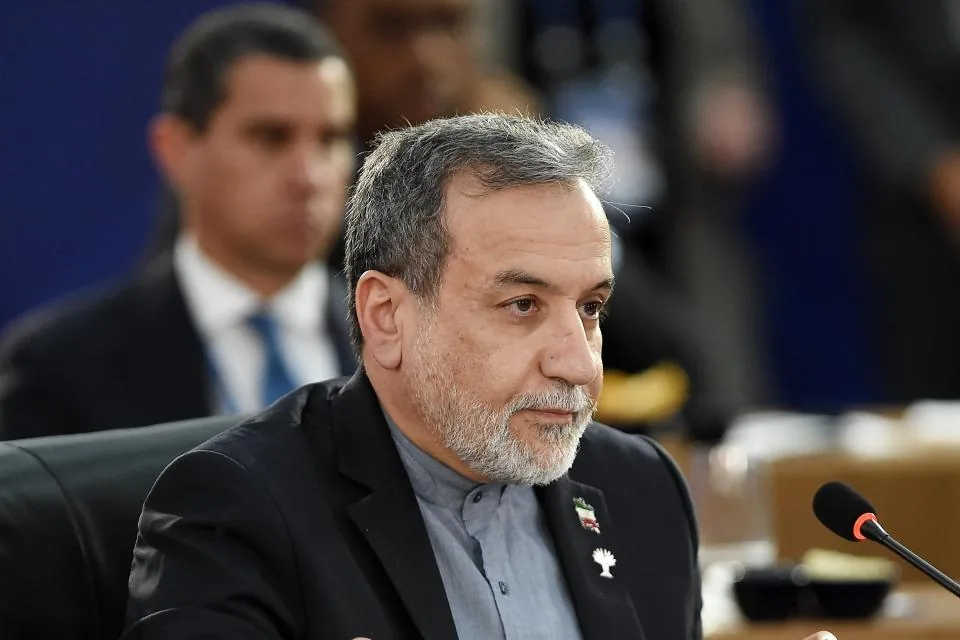 Reference image
Editorial responsibility
- No named human review is recorded for this page.
- Reports are grouped by semantic similarity and deterministic rules. Language models may assist titles, summaries, translation and cross-source analysis; the page reads the event directly, while its address stays stable when the title changes.
- Summary covers the current reports
Cross-source coverage
Common ground
- Both sides agree the U.S. has overwhelming naval dominance in the Persian Gulf, creating a real power imbalance.
- Both acknowledge the U.S. walked away from the JCPOA first, which damaged trust.
- Both agree that diplomacy is needed to resolve tensions, though they disagree on how to start.
Points of contention
- One side says U.S. sanctions and naval presence amount to a blockade; the other says a blockade requires a formal declaration and doesn't legally exist.
- One side sees Iran's offer to negotiate at the UN as a good-faith concession; the other sees it as a rhetorical trap with an unrealistic seven-day deadline.
- One side argues Iran should stop threatening shipping first, then negotiate; the other says the U.S. must lift pressure first for talks to be fair.
- They disagree on whether Iran's demand for sanctions relief before talks is reciprocity or a precondition for surrender.
Blind spots
- Neither side fully addresses how global oil markets and European allies would react to a prolonged standoff.
- The debate overlooks the role of other regional powers, like Saudi Arabia and the UAE, in shaping the conflict.
- There's little discussion of what verifiable steps Iran would take after sanctions relief, beyond vague promises.
WorldAttention’s read
The core dispute boils down to who should make the first move: the U.S. argues Iran must stop threatening shipping before talks, while Iran insists the U.S. must lift sanctions and naval pressure first. Both sides agree the power imbalance is real and that the JCPOA withdrawal damaged trust, but they can't agree on a starting point. A way forward might involve a simultaneous, step-by-step de-escalation—like Iran halting strait threats in exchange for limited sanctions relief—rather than demanding one side blink first. Without addressing the practical impacts on global markets and regional allies, any deal risks being just another round of blame-shifting.
Reporting timeline
Iran says it can reopen Strait of Hormuz in 7 days if US lifts blockade, official tells Reuters
According to a report by Reuters on September 22, a senior Iranian official stated that Iran could reopen the Strait of Hormuz within seven days if the United States reduces military pressure and lifts its naval blockade. The official said the US must formally announce a desire to resolve issues through diplomacy and agree on a timeline for progress. The Iranian delegation at the UN General Assembly in New York has full authority to resume diplomatic talks with Washington. The official added that an Iranian proposal was submitted to the US via mediators on September 16, and described the UN General Assembly as a 'golden opportunity' for the US to return to negotiations. Iranian Foreign Minister Araghchi arrived in New York on September 21, and President Pezeshkian departed for New York on September 22. The official stated that Pezeshkian will not meet with US President Trump at the UN headquarters.
Read sourceIran says it can reopen Strait of Hormuz in 7 days if US lifts blockade, official tells Reuters
According to a report by Reuters on September 22, a senior Iranian official stated that Iran could reopen the Strait of Hormuz within seven days if the United States reduces military pressure and lifts its naval blockade. The official said the US must formally announce a desire to resolve issues through diplomacy and agree on a timeline for negotiations. The official added that Iran's delegation to the UN General Assembly in New York has full authority to resume diplomatic talks with Washington. Iran's proposal was reportedly submitted to the US via mediators on September 16. The official described the UN General Assembly as a 'golden opportunity' for the US to return to diplomacy, and said Iran would welcome renewed talks if the US takes concrete steps. Iranian Foreign Minister Araghchi arrived in New York on September 21, and President Pezeshkian departed for New York on September 22. The official said Pezeshkian will not meet with US President Trump at the UN.
Read sourceIranian Official Says Tehran Ready to Reopen Strait of Hormuz if US Eases Military Pressure
An Iranian official has stated that Iran is prepared to reopen the Strait of Hormuz if the United States reduces its military pressure and lifts its blockade. The statement, reported by Reuters via TradeAlpha, presents a conditional offer from Tehran amid ongoing tensions in the region. The Strait of Hormuz is a critical maritime chokepoint for global oil shipments, and any disruption or reopening has significant implications for international energy markets and regional security. The official's remarks indicate a potential diplomatic opening, but the conditions set—specifically the reduction of US military presence and the removal of sanctions or naval restrictions—remain major hurdles. The report does not specify the official's name or position, nor does it provide additional context on the current status of the strait or the US response. The statement appears to be a negotiating signal rather than a confirmed policy change.
Read sourceShow 3 older updatesHide older updates
Iran Offers to Reopen Strait of Hormuz Within Seven Days if US Lifts Port Blockade, Official Says
According to a report by Japan's Kyodo News agency citing a senior Iranian official, Iran has communicated a conditional offer to the Trump administration. The offer states that if the United States agrees to lift its military blockade on Iranian ports, Iran will reopen the Strait of Hormuz within seven days. The Strait of Hormuz is a critical maritime chokepoint for global oil shipments, and its status has been a point of tension between Iran and the US. The report attributes the information to an unnamed Iranian official, and the offer is presented as a direct message from Iran to the US government. The conditionality of the proposal is central: the reopening is contingent on the US accepting Iran's demands to end the port blockade. The report does not provide any US response or independent verification of the claim.
Read sourceIran Offers to Reopen Hormuz Strait Within Seven Days if US Lifts Port Blockade
According to Japan's Kyodo News, a senior Iranian official has revealed that Iran has communicated a conditional offer to the Trump administration. The offer states that if the United States agrees to Iran's demands, which include lifting the military blockade on Iranian ports, Iran will reopen the currently blocked Strait of Hormuz within seven days. The report, sourced from the financial data platform Jin10, attributes the information to an unnamed Iranian official. The Strait of Hormuz is a critical maritime chokepoint for global oil shipments, and its blockade has been a major point of tension in the region. The proposal presents a potential diplomatic off-ramp, linking the resolution of the waterway's closure to specific concessions from the U.S. side.
Iran says it can reopen Strait of Hormuz in 7 days if US lifts naval blockade, official tells Reuters
According to a Reuters report published on September 22, a senior Iranian official stated that Iran could reopen the Strait of Hormuz within seven days if the United States reduces military pressure and lifts its naval blockade on Iran. The official said the US must formally announce its desire for a diplomatic solution and agree on a timeline for negotiations. The official added that Iran's delegation to the United Nations General Assembly in New York has full authority to resume diplomatic talks with Washington. A proposal was reportedly submitted to the US via a mediator on September 16. Iranian Foreign Minister Abbas Araghchi arrived in New York on September 21, and President Masoud Pezeshkian departed for New York on September 22. However, the official stated that Pezeshkian will not meet with US President Donald Trump at the UN headquarters.
Read source