Reporting on this entity comes from multiple media camps.
52%
18%
Western381 · 52%
Regional105 · 14%
Neutral / independent134 · 18%
Eastern109 · 15%
15 of 744 reports not classified by camp.
Latest Stories
Reader quick takes
0 takes
Loading reader quick takes…
Periodic recap
What changed for this subject in each tracking window — generated from matched events, delta-first.
· 1 event in window
The only event this period was the substance disclosed after Witkoff and Kushner's Moscow talks: Zelensky said the US side raised for the first time the idea of Ukraine withdrawing its remaining Donbas forces in exchange for NATO membership, and said any proposal with security guarantees, no military constraints and reconstruction funds would go to a referendum. Russian officials said the idea was not discussed in Moscow, leaving the accounts at odds. Compared with the previous period's mere arrival in Moscow, this adds proposal-level detail, but rests on a single event with three parties giving differing accounts.
Zelensky said US negotiators raised the idea of Ukraine withdrawing its remaining Donbas forces in exchange for NATO membership, saying it was the first time the question had been posed.
Zelensky said any proposal with security guarantees, no military constraints and reconstruction funds would be put to a referendum.
The talks ran in sequence: Kushner and Witkoff met Putin in Moscow, then met Zelensky in Dublin.
Russian officials said the idea was not discussed in Moscow, conflicting with the Ukrainian account.
Earlier recaps
· 1 event in window
The only event this period was a move in Witkoff's itinerary: he and Jared Kushner arrived in Moscow for talks with Vladimir Putin, after the Abu Dhabi talks ended without a breakthrough. Coinciding with the visit, Zelensky said SpaceX's Starshield system has again faced systematic speed restrictions along the front line and in occupied territories, with terminals capped at 161 kilometers per hour and interception of Russian jet-powered drones hampered; Ukraine is seeking details from the American side. The period was very thin, and Witkoff's own direct movement was limited to the arrival in Moscow.
· 1 event in window
The only substantive movement this period was the filling-in of details for the Abu Dhabi talks announced in the previous digest: the meetings are set for November 10-11 as the first trilateral negotiations since February, with Witkoff and Jared Kushner representing Washington, Rustem Umerov and Presidential Office head Kyrylo Budanov representing Ukraine, and Vladimir Medinsky representing Russia. The agenda covers postwar security guarantees, territorial control and de-escalation, though reporting notes continued Russian strikes on Ukrainian energy infrastructure and deep disagreements over NATO and the Donbas. There were no other new developments; the period was thin and largely a follow-through on the prior announcement.
· 2 events in window
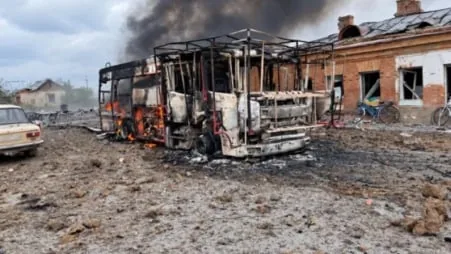
Witkoff moved from behind-the-scenes mediation to publicly leading the effort this period: he announced that the United States will mediate trilateral Ukraine-Russia working-level talks in Abu Dhabi on November 10-11, described in reports as the first such meetings since February, with the Kremlin reportedly confirming though agenda and participant level remain undisclosed. The announcement coincided with a Russian bomb strike on an aid distribution point in Komyshuvakha, Zaporizhzhia region, where the death toll rose to 33; Zelensky called it one of the war's largest massacres and the Russian military has not commented. The previous period's localized ceasefire narrative, attributed to the First Lady, was displaced by Witkoff's new round of talks.
· 1 event in window
Direct Witkoff-related movement was limited this period: the only matched event is a localized humanitarian ceasefire between Russia and Ukraine around Oleshky, with no mention of Witkoff's involvement and no follow-through on the ceasefire terms discussed at the St. Petersburg meeting. Washington attributed the mediation to First Lady Melania Trump rather than Witkoff, while Russian strikes on Kyiv continued.
· 1 event in window
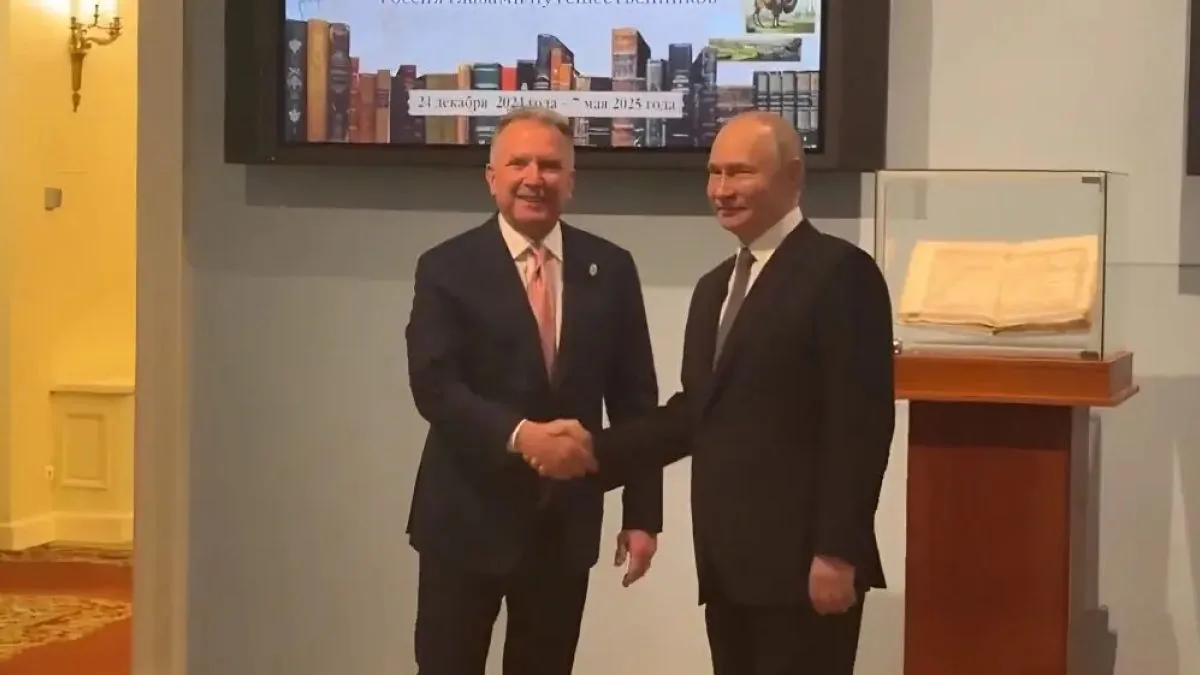
Witkoff held his ninth in-person meeting with Putin in St. Petersburg this period, during which Russia released American Stephen Hubbard after more than four years in detention. Witkoff said a basis for a ceasefire exists and hoped for resumed trilateral talks; Putin thanked President Trump and expressed interest in restoring economic ties. The meeting follows up on the Oslo talks with Zelensky, though no specific ceasefire terms were disclosed.
Tracked events
Events matched to this subject by the tracking pipeline, with signal scores.
· Signal 147.6
Zelensky Says US Floated Ukraine Ceding Donbas for NATO Membership
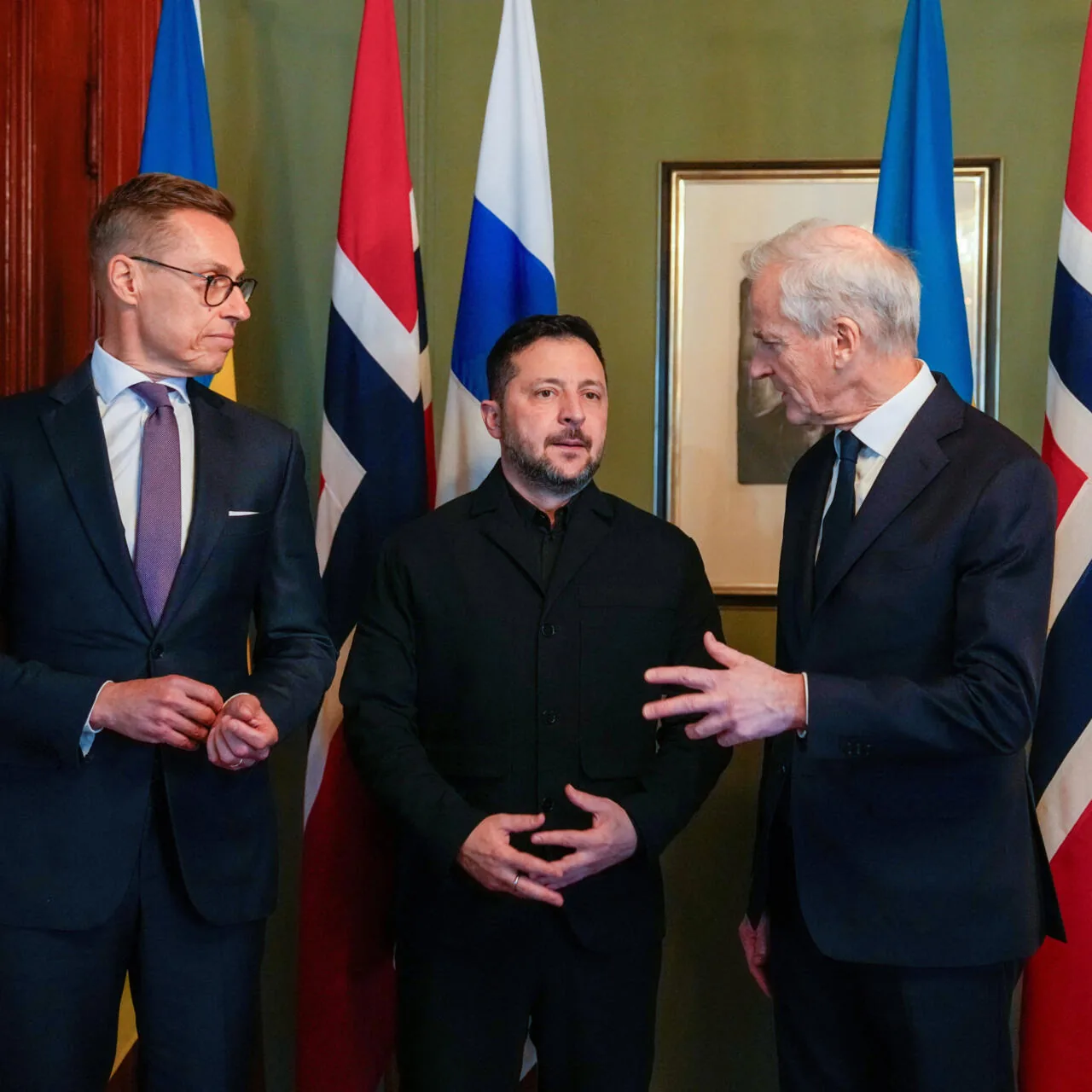
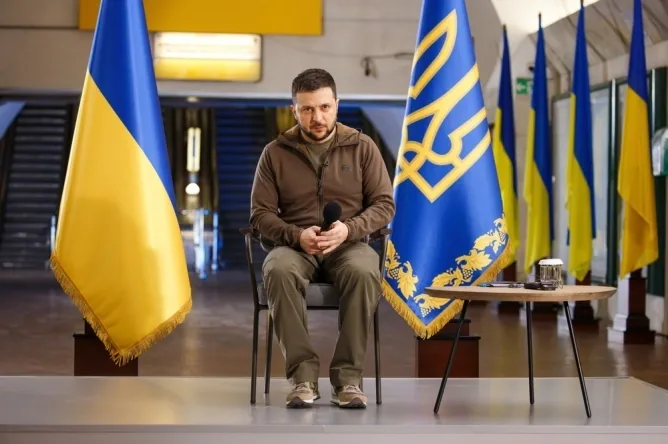
Ukrainian President Volodymyr Zelensky said US negotiators raised the idea of Ukraine withdrawing its remaining forces from the eastern Donbas region in exchange for NATO membership, saying it was the first time the question had been posed. The comments followed talks in which US envoys Jared Kushner and Steve Witkoff met Russian President Vladimir Putin in Moscow and then Zelensky in Dublin. Zelensky said he would put any proposal with security guarantees, no military constraints and reconstruction funds to a referendum. Russian officials said the idea was not discussed in Moscow.
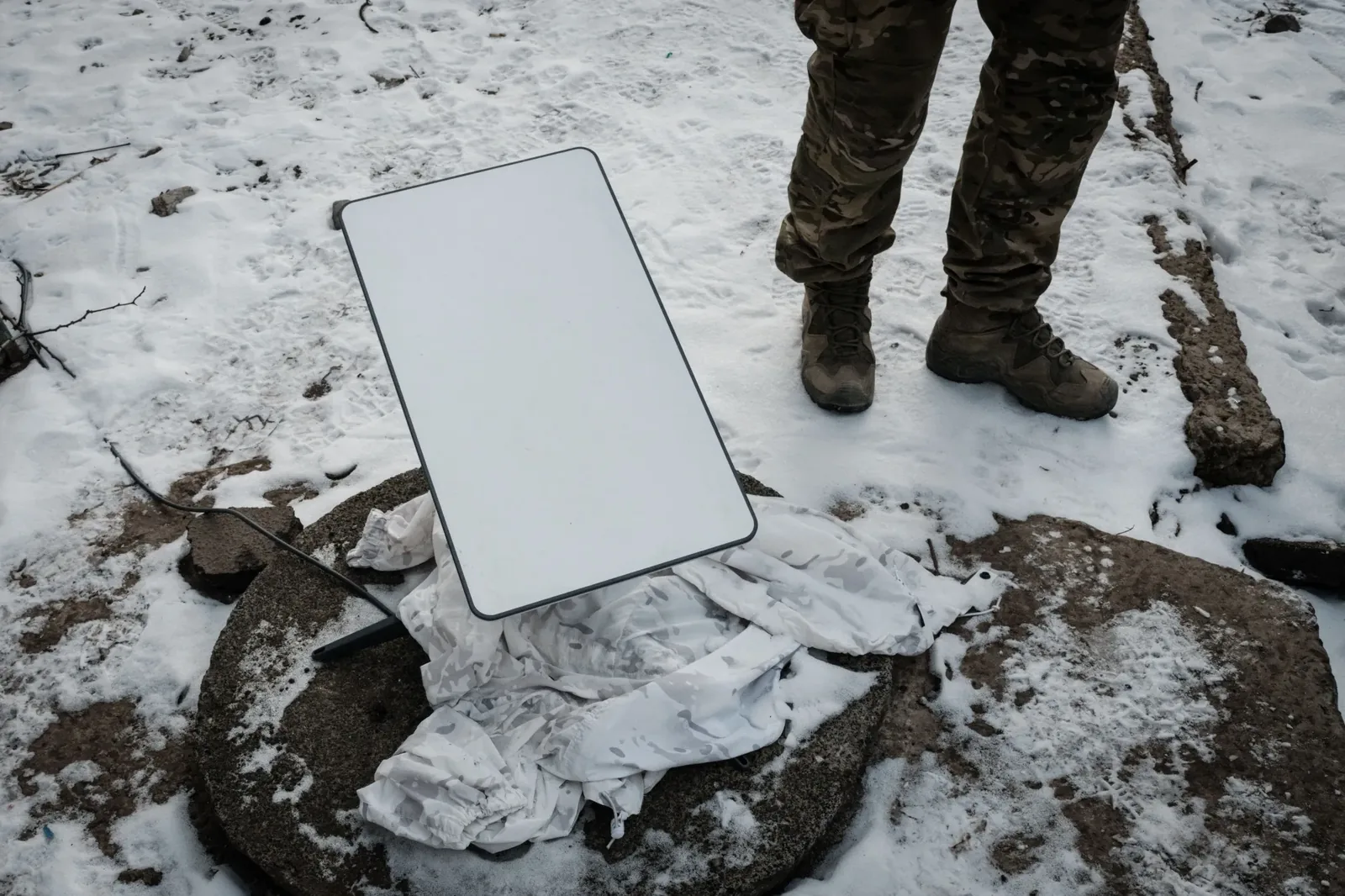
Ukrainian President Volodymyr Zelensky said SpaceX's Starshield satellite communications system has again faced systematic speed restrictions across Ukraine's front line and occupied territories, limiting terminals to 161 kilometers per hour and hindering interception of Russian jet-powered drones. Ukraine is seeking details from the American side. The reports coincided with U.S. envoys Steve Witkoff and Jared Kushner arriving in Moscow for talks with Vladimir Putin, after Abu Dhabi talks ended without a breakthrough.
5 reports · 3 sources
· Signal 132.8
Russia, Ukraine and US to Hold Trilateral Talks in Abu Dhabi on Nov. 10-11
Delegations from Russia, Ukraine and the United States are set to meet in Abu Dhabi on November 10-11 for their first trilateral negotiations since February, aimed at ending nearly five years of war. Washington is represented by envoys Steve Witkoff and Jared Kushner, Ukraine by negotiator Rustem Umerov alongside Presidential Office head Kyrylo Budanov, and Russia by Vladimir Medinsky. Postwar security guarantees, territorial control and de-escalation dominate an agenda clouded by continued Russian strikes on Ukrainian energy infrastructure and deep disagreements over NATO and the Donbas.
Russian forces launched a major offensive targeting critical infrastructure in Ukraine, striking two major bridges over the Dnipro River in Kyiv and damaging energy facilities across 12 regions. The attacks caused widespread blackouts affecting hundreds of thousands, disrupted water and heating supplies, and injured at least nine people. In reciprocal escalation, Ukrainian forces targeted the Kerch Strait Bridge connecting Russia to occupied Crimea, causing a section to collapse, while also striking Russian oil refineries. These military actions occurred amidst heightened diplomatic activity, including scheduled trilateral peace talks in Abu Dhabi and discussions involving US officials regarding future security guarantees.
German Chancellor Friedrich Merz has issued an ultimatum linking Germany's approval of the 2028-2034 EU budget to a unified financial commitment from all member states for Ukraine. Facing a projected €70 billion funding gap for Kyiv, Merz demands that every EU nation contribute, threatening to block broader fiscal negotiations if consensus is not reached. This stance has sparked intense friction, with Slovakia, Hungary, Bulgaria, and the Czech Republic labeling the move as extortion and refusing new contributions. The dispute coincides with a 'Coalition of the Willing' summit in Berlin and parallel high-stakes talks between US, Russian, and Chinese leaders, highlighting deep divisions within the EU over burden-sharing and strategic alignment.
Following the 2026 midterm elections where Democrats retaken Congress, President Donald Trump terminated ongoing diplomatic negotiations with Iran, declaring a formal deal unnecessary. The administration shifted strategy to sustained economic pressure and a naval blockade in the Strait of Hormuz while Vice President JD Vance was redirected to focus on domestic corruption issues. This decision followed Vance's public attribution of Republican election losses to the unpopular war, sparking internal GOP friction as Trump maintained the conflict was justified despite rising fuel costs and $49 billion in expenditures.
US Special Envoy Steve Witkoff and Jared Kushner met Russian President Vladimir Putin in Moscow on November 12, 2026, following trilateral talks in Abu Dhabi that secured a prisoner exchange. While US mediators reported Putin's willingness to include European representatives in future peace negotiations, the Kremlin maintained maximalist territorial demands and warned against foreign troops in Ukraine. Simultaneously, Ukrainian President Volodymyr Zelensky accused the US of imposing systematic speed restrictions on SpaceX's Starshield satellite system, hindering Ukraine's ability to intercept Russian drones ahead of winter. The diplomatic efforts occurred amidst continued military strikes on energy infrastructure in both nations.
Ukrainian President Volodymyr Zelenskyy disclosed that US envoys Jared Kushner and Steve Witkoff floated a proposal where Ukraine would withdraw from the Donbas region in exchange for NATO membership. This marks the first time such a territorial trade-off has been explicitly raised by American officials during recent peace talks in Abu Dhabi, Moscow, and Dublin. While Kyiv has long sought NATO security guarantees, it has historically rejected ceding sovereign territory. Zelenskyy stated he cannot decide unilaterally and would submit any comprehensive deal involving robust security guarantees, military support, and reconstruction funds to a national referendum. The US has not confirmed the specific offer, with officials noting many ideas are being discussed but no final deal exists.
Trilateral peace talks mediated by the United States between Russia and Ukraine concluded in Abu Dhabi with an agreement in principle for a large-scale prisoner exchange, potentially involving up to 3,000 soldiers. Despite this humanitarian breakthrough, negotiations failed to secure a ceasefire or resolve core territorial disputes, as Russia maintained maximalist demands for control over occupied regions and a new European security architecture. While US envoys Jared Kushner and Steve Witkoff facilitated the deal, European leaders remain divided on representation and were initially excluded from direct sessions, though Russia has reportedly agreed to their inclusion in future rounds. The stalemate persists as both sides continue military operations ahead of winter.
Russian aerial bombs struck a school used for weekly humanitarian aid distribution in the village of Komyshuvakha in Ukraine's Zaporizhzhia region, with a second strike hitting people who had taken shelter. Ukrainian officials reported casualty figures that rose over successive updates, from 18 to as many as 40 confirmed dead, with dozens more missing and injured. President Volodymyr Zelensky called the attack "utterly horrific" and said Russia could not have been unaware of the aid deliveries. The Russian military has not publicly commented. The strike came as Ukrainian, Russian and US teams were due to resume peace talks in Abu Dhabi.
US special envoy Steve Witkoff announced that the United States will mediate trilateral working-level talks between Ukraine and Russia in Abu Dhabi on November 10-11, aimed at brokering "next steps toward peace." Multiple outlets reported the announcement, and the Kremlin has confirmed the talks, described as the first such meetings since February. Ukrainian President Volodymyr Zelenskyy said he hopes the talks open a path to a meeting with Russian President Vladimir Putin, though no direct Putin-Zelenskyy meeting has been confirmed and no agenda, participant list, or expected outcomes were disclosed.
US President Donald Trump announced that a meeting with Russian President Vladimir Putin and Ukrainian President Volodymyr Zelensky will take place "very soon," voicing optimism about ending the war now in its fifth year. The Kremlin announced direct Russian-Ukrainian negotiations under US mediation in Abu Dhabi for the first half of November, which Zelensky confirmed. Meanwhile, a US-brokered local ceasefire around the Russian-occupied frontline town of Oleshky in southern Ukraine held without reported violations, with the truce area expanded into the Kherson region for humanitarian convoys. Both sides also exchanged prisoners.
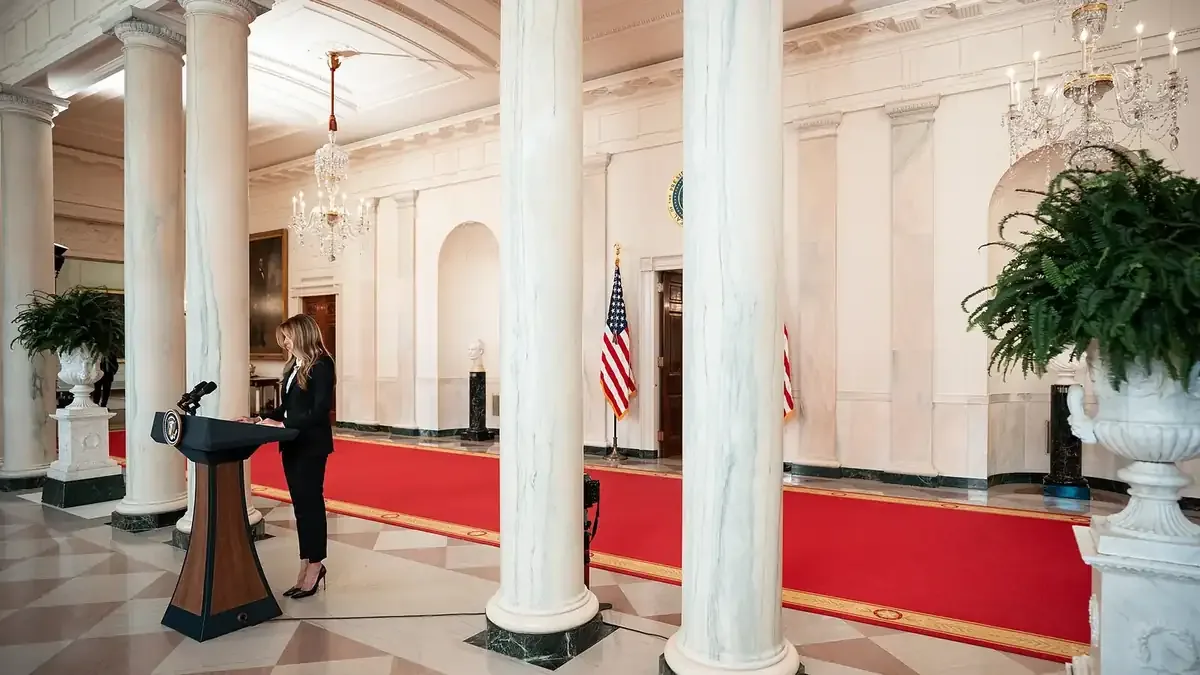
Russia and Ukraine began a localized ceasefire around the Russian-occupied frontline town of Oleshky in Ukraine's Kherson region, allowing food and medicine deliveries and a corridor for residents to leave. The White House said US First Lady Melania Trump secured the truce, with Pope Leo XIV also appealing to Vladimir Putin. Both sides reported the ceasefire was holding, though fighting continued elsewhere in Ukraine, including a missile strike that damaged a key bridge in Kyiv. The truce was later extended across the wider Kherson region.
US special envoy Steve Witkoff met Russian President Vladimir Putin in St. Petersburg after talks with Ukrainian President Volodymyr Zelensky in Oslo, presenting proposals for a Ukraine peace settlement. The Kremlin said Putin is ready in principle to resume trilateral talks with the US and Ukraine, possibly around November 10, focused on a post-conflict security system. Hours after the meeting, Russia launched missile strikes on Kyiv and other regions, killing at least two and injuring 34. Witkoff's description of Putin as a "humanitarian" drew criticism from UK officials and Republican lawmakers.
Russia released 74-year-old American Stephen Hubbard on Wednesday after more than four years in detention, during a St. Petersburg meeting between President Vladimir Putin and US special envoy Steve Witkoff. Hubbard, a retired Michigan teacher and Air Force veteran, was sentenced in 2024 to nearly seven years on disputed mercenary charges; the US had designated him wrongfully detained. Witkoff said the release was not an exchange and called Putin a "humanitarian," drawing bipartisan criticism. Putin also agreed to resume three-way peace talks involving Ukraine and the US.
Ukraine reported that SpaceX imposed speed limits on Starlink/Starshield terminals around October 14, 2026, restricting drones to 100mph (160km/h) and disrupting battlefield missions, including interception of Russian Shahed drones. Reuters, citing US and Western officials, reported the order came from inside the White House; President Trump denied it, Elon Musk said Starshield is US-government controlled, and a bipartisan group of senators demanded a Pentagon inspector general investigation. Connectivity was partially restored, but Ukraine said limits persisted.
Ukrainian President Volodymyr Zelenskyy accused the US government of delaying delivery of Patriot interceptor missiles already paid for by European partners through the PURL program, saying one package awaits Defense Secretary Pete Hegseth's signature and that European states ready to supply Patriots from their own stocks lack US authorization. He also cited Starshield restrictions, reduced Starlink speeds on some front lines, and three occasions in the past week without advance attack warnings. US Secretary of State Marco Rubio rejected the claims. Zelenskyy offered a 30-day halt to strikes on Russian oil refineries if Washington supplies Patriot interceptors, and expects talks with US envoys Steve Witkoff and Jared Kushner in Norway.
President Donald Trump has reportedly called allies to explore potential successors for White House Chief of Staff Susie Wiles, according to Politico, amid Republican fears of midterm losses. Insiders cited by Zeteo and Politico said Wiles has "burned a lot of people," and possible replacements include Stephen Miller, Randy Levine, Steve Witkoff, Bill Pulte and Kevin McCarthy. Trump publicly defended Wiles, calling the report "TOTAL FAKE NEWS" and expressing "COMPLETE confidence" in her, while CNN reported he said there is "zero chance" of a replacement.
President Donald Trump has rejected an Iranian proposal to reopen the Strait of Hormuz within seven days, which also included a ceasefire and nuclear talks. Multiple US officials report Trump told aides he expects to resume bombing Iran after the November midterm elections. Iran’s Foreign Minister Araghchi stated Iran is fully prepared for war but remains open to diplomacy, awaiting a formal US position via Qatari mediators. The conflict, ongoing since February, has disrupted global oil markets.
Former U.S. President Donald Trump stated that the U.S. held talks with Iran through a mediator on September 29, without specifying the mediator or topics. He also predicted the U.S. would soon win a war with Iran, leading to a sharp drop in oil prices, and reiterated that Iran will never possess nuclear weapons. No confirmation from Iranian officials or other sources has been provided.
Iran proposed reopening the Strait of Hormuz within seven days if the US lifts its naval blockade, ends oil sanctions, and unfreezes assets. US President Donald Trump rejected the proposal on September 26 but said on September 27 he expects more talks this week. Qatari mediators are shuttling between the sides in New York. The US has informed Iran it will not lift the maritime blockade, believing economic pressure will force concessions. Oil prices fell sharply on initial diplomatic hopes, then surged on the rejection.
Iranian Foreign Minister Abbas Araghchi warned Iran is fully prepared for a resumed war, even a "doomsday war," after President Trump rejected a proposal to reopen the Strait of Hormuz within seven days. The proposal, conveyed via Qatar, required the US to lift its naval blockade, unfreeze $12 billion in assets, and end regional hostilities. Trump called the deal unacceptable, claiming Iran is "losing badly." Iran awaits a definitive US response through mediators.
Qatar confirmed it is mediating indirect talks between the US and Iran, with multiple US officials expressing desire to reach an agreement. President Trump stated he is at a "decision-making stage" on Iran, not ruling out a meeting with Iranian President Pezeshkian. Iran proposed reopening the Strait of Hormuz if the US lifts its blockade, but the US rejected the proposal, questioning Iran's authority over the waterway. Technical consultations have reportedly begun in New York.
At the 81st UN General Assembly in New York, US President Donald Trump threatened to "obliterate" or "annihilate" Iran if no peace deal is reached, while also hinting at a possible agreement after the November US midterm elections. Trump confirmed rare direct US-Iran talks on the sidelines, calling a three-hour meeting "very good." Iran's leadership warned against new attacks, vowing a "more severe, more destructive, and unpredictable" response. The war has lasted seven months.
Ukrainian President Volodymyr Zelensky announced on September 20 that he spoke by phone with U.S. President Donald Trump and they agreed to meet in New York. Zelensky expressed hope the meeting could bring a significant change to the Russia-Ukraine war. He said Trump’s envoy Steve Witkoff and son-in-law Jared Kushner recently visited Kyiv for detailed discussions. Ukraine has proposed de-escalation measures and ideas on energy security, food security, and civilian protection, and is working with the U.S. team.