447 published Stories430 tracked events1 in 24hLatest event
Also known as United States, 美国, 美利坚合众国, 花旗国
Cross-source coverage
One-sided
Reporting on this entity comes mostly from Western sources (source distribution, not a stance rating).
79%
Western22400 · 79%
Regional3611 · 13%
Neutral / independent1589 · 6%
Eastern777 · 3%
Latest Stories
Periodic recap
What changed for this subject in each tracking window — generated from matched events, delta-first.
→· 1 event in window
In the window ending August 29, only one notable consumer market development emerged in the United States. Apple raised prices for several of its subscription services, continuing the streaming industry's recent trend of price hikes.
Apple raised the U.S. monthly price of Apple TV+ from $12.99 to $14.99, marking the fourth increase in four years.
The Apple One bundle rose to $21.95 per month, and the annual subscription increased from $99 to $119.
Earlier recaps
→· 1 event in window
In the window ending August 26, U.S.-Canada trade tensions took a dramatic turn. President Trump and Prime Minister Carney made last-minute progress in negotiations, temporarily averting 50% tariffs on $20 billion of Canadian goods. The tariffs, set to take effect Wednesday, were paused for three days to allow further talks.
→· 2 events in window
In the 24 hours ending August 8, U.S. developments shifted to a corporate legal settlement and a public safety incident. Johnson & Johnson announced a $5.5 billion settlement to resolve roughly 70,000 talc-related cancer lawsuits, one of the largest product liability resolutions in U.S. history. Separately, a mass shooting at a fast-food restaurant in Twin Falls, Idaho, left at least three people dead, with the suspect dying by suicide at the scene.
→· 2 events in window
In the 24 hours ending August 6, U.S. developments centered on public health personnel moves and the legal fallout from trade policy. A Senate committee advanced President Trump's nominees for the CDC and ASPR along party lines, with vaccine policy stances taking center stage. Separately, Amazon disclosed receiving $600 million in refunds after the Supreme Court invalidated certain Trump-era tariffs, and plans partial customer reimbursements.
→· 4 events in window
In the 24 hours ending August 5, U.S.-related developments centered on financial regulation and legal disputes, macroeconomic policy expectations, and international relations. Capital One publicly linked the closure of Trump Organization accounts to money laundering concerns for the first time, sparking a new legal clash. In currency markets, the dollar retreated from highs ahead of Fed decisions while the yen fluctuated amid suspected intervention. Additionally, an Indian opposition leader accused the Indian government of yielding to U.S. President Trump during a fuel policy protest, and China revised chip design protection rules in response to U.S. tech restrictions.
→· 5 events in window
Over the 24 hours ending August 4, U.S. developments centered on major defense contract awards, a new chapter in U.S.-China tech competition, and retail sector financial strain. The U.S. Navy awarded $76.6 billion in nuclear submarine contracts, while the Army advanced an autonomous resupply vehicle project. Alibaba's release of a new AI model intensified the U.S.-China AI rivalry. Meanwhile, fast-fashion retailer Shein reported a loss due to tariff changes and is pursuing a Hong Kong IPO at a reduced valuation.
Tracked events
Events matched to this subject by the tracking pipeline, with signal scores.
AAP's Kejriwal leads protest against E20 fuel policy in New Delhi
On August 1-4, 2026, AAP leader Arvind Kejriwal held a town hall and led a march to PM Modi's residence in New Delhi, demanding consumer choice between E20 blended fuel and pure petrol. He alleged the Indian government yielded to U.S. President Trump to promote ethanol imports. Over 230,000 signed petitions were submitted, but police stopped the march, leading to a sit-in. The BJP accused Kejriwal of making unsubstantiated claims.
Yen Volatility and Dollar Fluctuations Ahead of Fed Policy Decisions
In late July to early August 2026, the US dollar retreated from one-month highs as markets awaited Federal Reserve interest rate decisions and inflation data. The Japanese yen strengthened briefly to a one-week high of 162.88 per dollar but later weakened to near 158, holding gains from suspected Japanese intervention. Traders remained alert for further official action to support the yen amid ongoing policy divergence between the Bank of Japan and the Fed.
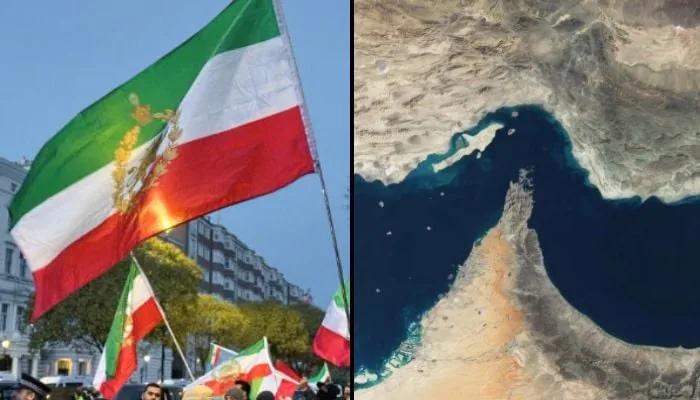
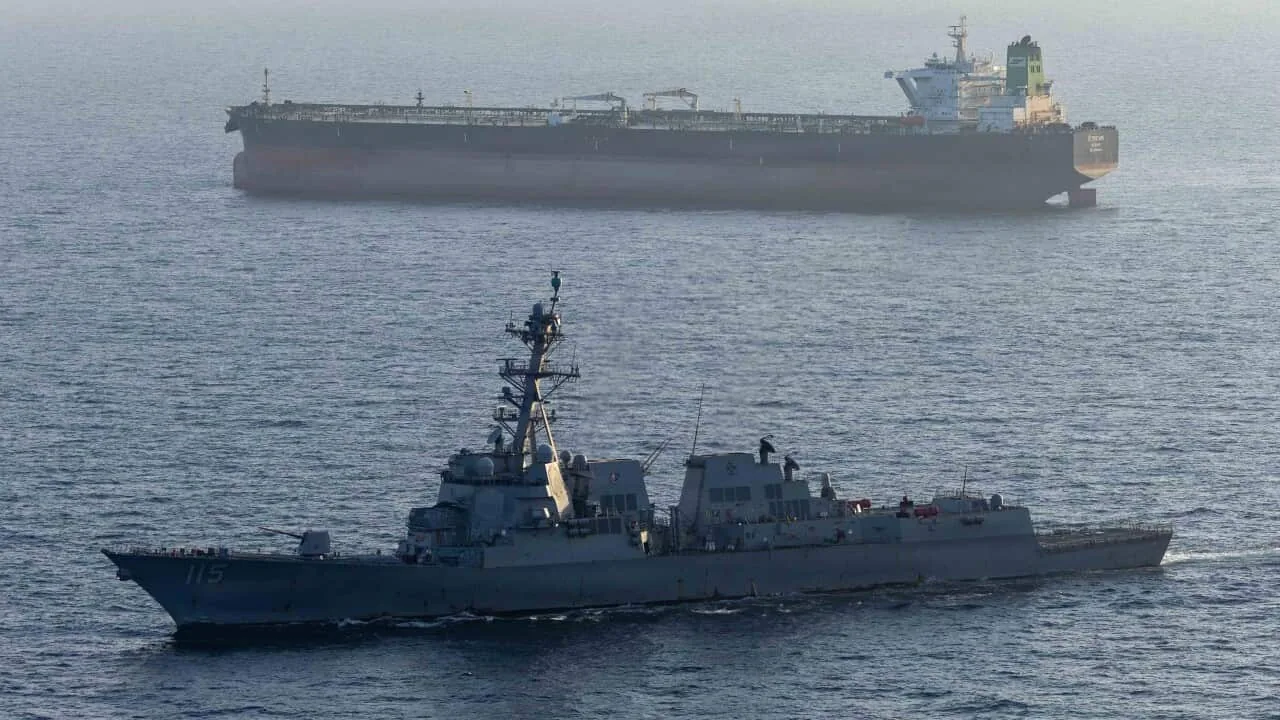
Former US President Donald Trump posted a map on Truth Social on August 18-19, 2026, labeling the Strait of Hormuz as "new US territory," escalating tensions with Iran. Iran dismissed the claim as delusional, asserting sole control over the strategic waterway. Oil prices surged toward $92 per barrel as the strait—through which 20% of global oil passes—remained effectively closed, with only two vessels passing on Friday. Multiple ship attacks were reported, and no talks are scheduled between the US and Iran.
Apple raised the monthly price of Apple TV+ in the United States from $12.99 to $14.99, effective immediately, marking the fourth price hike in four years. The annual subscription rose from $99 to $119, and the Apple One bundle increased to $21.95 per month. The move reflects broader "streaming inflation" as services raise prices to improve profitability amid rising licensing costs and competitive pressures.
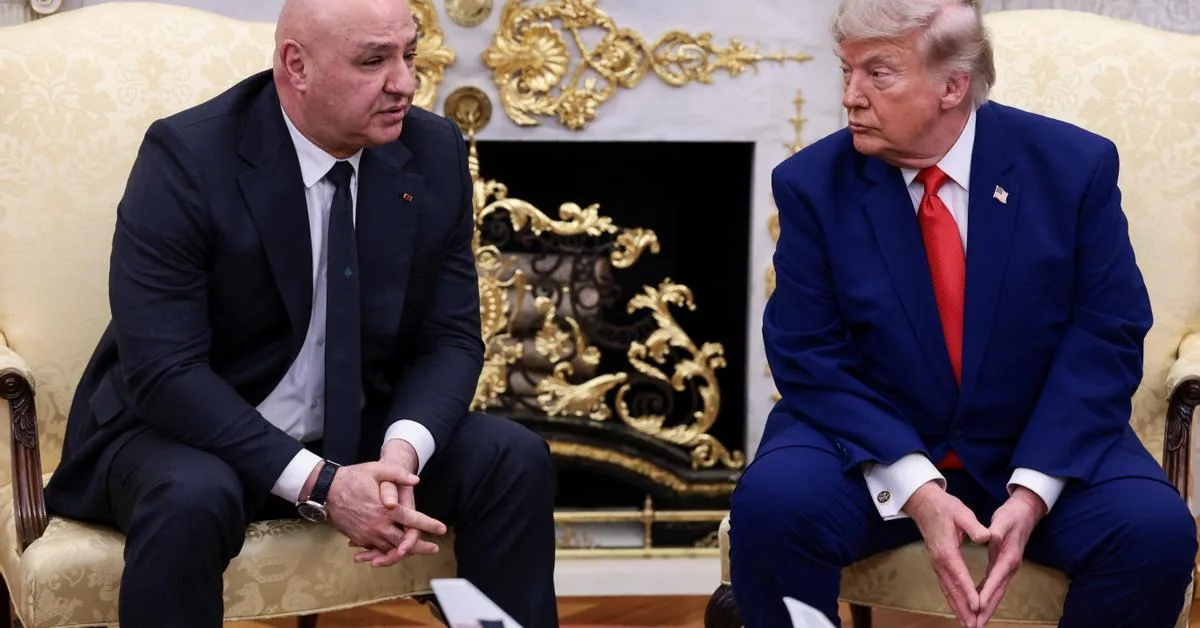
Canadian Prime Minister Mark Carney and U.S. President Donald Trump held last-minute negotiations to avoid 50% U.S. tariffs on $20 billion of Canadian exports, including hockey sticks and liquor, set for a Wednesday deadline. The tariffs, invoked under the rarely-used Section 338 of the Tariff Act of 1930, were paused for three days after progress toward a deal. The dispute stems from U.S. allegations of Canadian trade discrimination in alcohol, autos, and dairy. Existing tariffs already cover Canadian steel, aluminum, and lumber.
On August 1-2, 2026, U.S. President Donald Trump announced a temporary suspension of planned U.S.-Israeli strikes on Iran, claiming Tehran and other Middle Eastern states requested the halt after agreeing on a basic deal framework. The proposed deal demands immediate opening of the Strait of Hormuz and an end to Iran’s nuclear threat. Iran’s state media denied requesting the pause and warned of proportionate retaliation. The conflict, ongoing since February 28, 2026, has seen tit-for-tat attacks, with a previous June ceasefire collapsing. Trump threatened massive retaliation if no deal is reached quickly.
US Treasury Secretary Scott Bessent has joined Japanese authorities in a rare coordinated effort to strengthen the yen, reportedly proposing a $5-10 billion US purchase of Japanese yen. This marks the first joint US-Japan currency intervention since 2011, aimed at reversing months of yen depreciation that has given Japan a trade advantage. The move signals a major shift in US foreign exchange policy and has already impacted currency and bond markets.
FIFA President Gianni Infantino proposes creating FIFA Forward Enterprise (FFE), a $20 billion subsidiary to manage World Cup and Club World Cup commercial rights, selling minority stakes to private investors like Joshua Kushner's Thrive Eternal, with JPMorgan advising. The plan, reportedly worth over $4 billion, could expand the World Cup beyond 48 teams and increase tournament frequency. UEFA issued a fiery statement condemning the move, arguing football governance is not a commodity and warning of lost transparency and integrity. The rift highlights a major clash over football's future commercialization.
UK-based AstraZeneca and US-based Bristol Myers Squibb are reportedly in talks for a potential $400 billion merger, which would create one of the world's largest pharmaceutical companies. The deal, discussed over several months, raises questions about AstraZeneca's commitment to the UK as CEO Pascal Soriot pivots toward America. AstraZeneca shares fell 7% on the news. Both companies declined to comment, and the deal may not materialize.
At the July 2026 FOMC meeting, the Federal Reserve voted 9-3 to hold interest rates at 3.5%-3.75%, but three regional presidents—Beth Hammack, Neel Kashkari, and Lorie Logan—dissented, arguing for an immediate quarter-point hike to combat inflation persisting above 2% for over five years. They cited broadening price pressures from tariffs, Middle East energy spikes, and AI investment. Chairman Kevin Warsh held rates, citing higher bond yields as a tightening mechanism, but markets now price a 65% chance of a September hike.
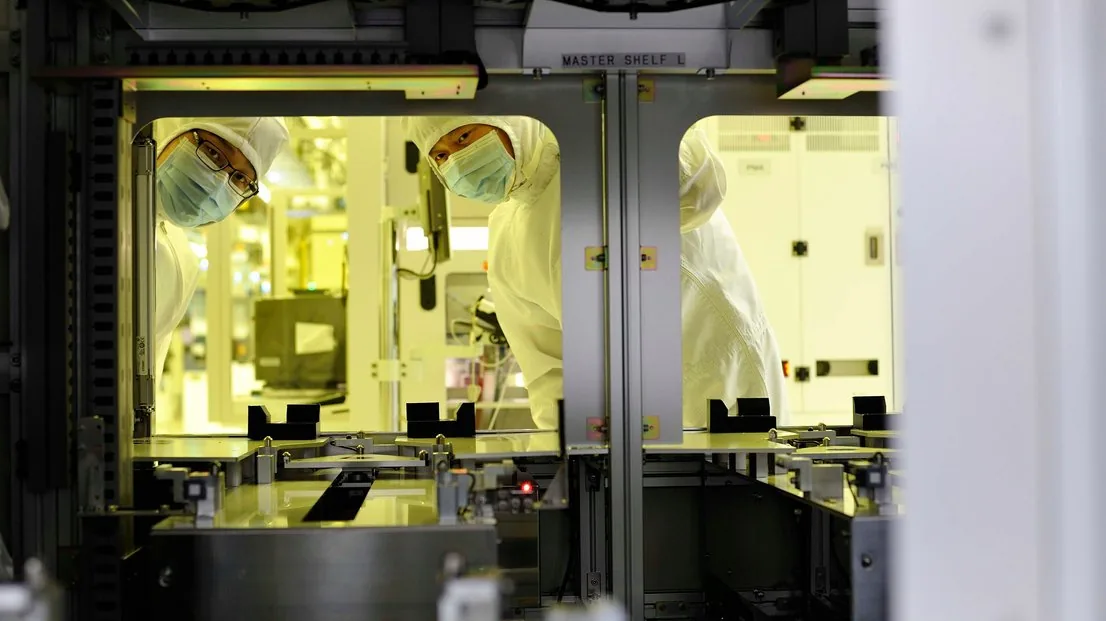
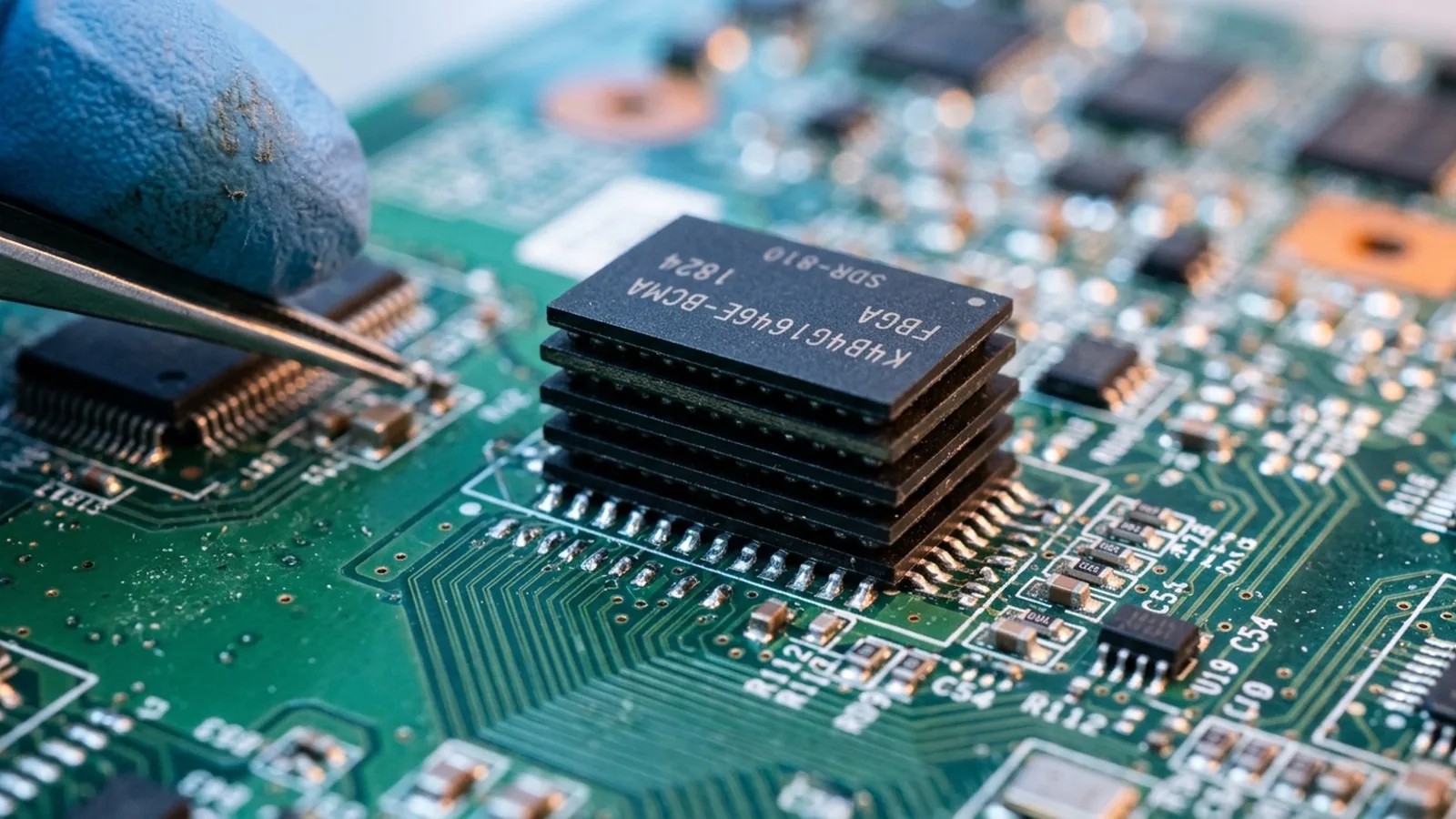
Chinese memory chipmaker ChangXin Memory Technologies (CXMT) debuted on Shanghai's STAR Market on July 27, 2026, raising $8.6 billion in Asia's largest IPO this year. Shares surged over 470%, giving CXMT a market cap exceeding $484 billion—making it mainland China's most valuable listed firm. The Hefei-based company, now the world's fourth-largest DRAM maker with 8% global market share, swung to profit amid AI-driven demand. The IPO highlights China's state-led tech push but raises concerns about liquidity drain and economic rebalancing.
President Trump suggested temporarily withdrawing Todd Blanche’s nomination for U.S. Attorney General after Republican Senators Cornyn and Tillis blocked a committee vote. The holdouts demand changes to a $1.8 billion IRS settlement granting Trump immunity from audits. Blanche can remain acting AG, but Trump may wait until the senators leave office next year, risking a Democratic Senate takeover.
On August 3, 2026, former U.S. President Donald Trump announced on Truth Social that he had canceled a planned military strike on Iran, opting instead for talks to reopen the Strait of Hormuz and end Iran’s nuclear threat. Oil prices fell sharply—Brent crude dropped up to 7.3% and WTI over 5%—as geopolitical risk premiums eased. The decision followed a 20% surge in July due to U.S.-Iran hostilities and tanker attacks. OPEC+ approved a modest production increase, but analysts warn of potential renewed escalation.
WWE SummerSlam 2026 took place on August 1-2 at U.S. Bank Stadium in Minneapolis, Minnesota, featuring 12 matches across two nights. Night One included CM Punk retaining the WWE Championship against Cody Rhodes, Oba Femi defeating Brock Lesnar in a Hell in a Cell match (likely Lesnar’s retirement), and Liv Morgan retaining the Women’s World Championship. Night Two featured Roman Reigns defending the World Heavyweight Championship against Seth Rollins. The event drew 35,759 fans on Night One and streamed on ESPN Unlimited and Netflix.
On July 21, 2026, President Trump announced 50% tariffs on select Canadian imports—including wine, hockey sticks, dairy, and autos—under Section 338 of the Tariff Act of 1930, citing discriminatory treatment by Canada. The move exempts energy, potash, and critical minerals but covers USMCA goods. Canada’s PM Carney signaled readiness for talks while threatening retaliation. Legal challenges are expected, as experts deem the law defunct. The tariffs follow the USMCA’s non-renewal and prior threats over wildfire smoke, deepening bilateral trade tensions.
On July 30-31, 2026, an avalanche struck Broad Peak in Pakistan’s Karakoram range, leaving 10 international climbers missing, including renowned mountaineer Nirmal Purja. Four bodies have been recovered, including climbers from Oman, Nepal, and the United States. Search and rescue operations by the Pakistani Army and Alpine Club are ongoing, hampered by weather. The incident has also halted summit attempts on nearby K2 in solidarity.
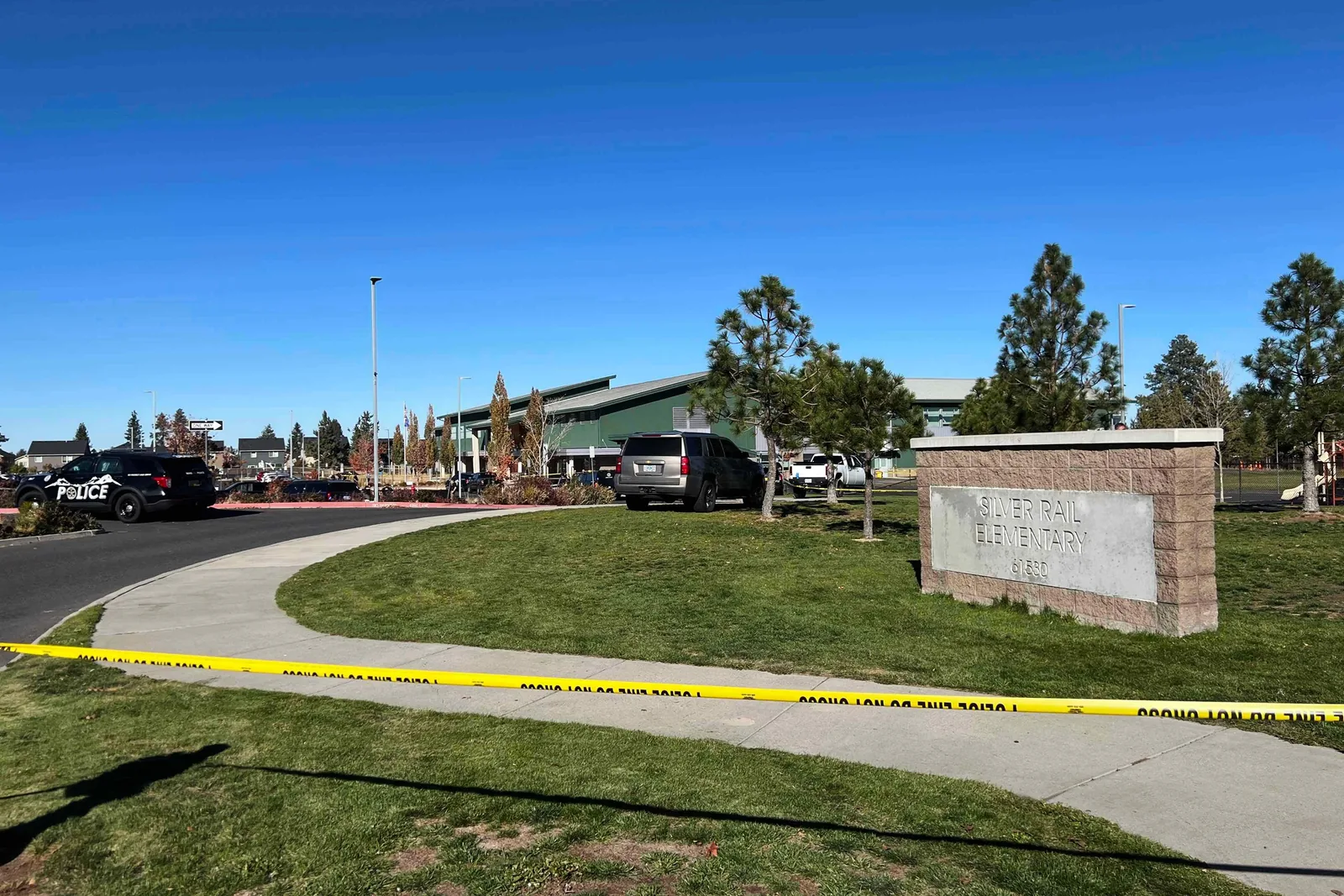
On August 1-2, 2026, a gunman opened fire at an In-N-Out Burger in Twin Falls, Idaho, killing at least three people and wounding several others. The suspect, identified as Chad Williams, died from a self-inflicted gunshot wound. An armed bystander distracted the shooter, potentially preventing more casualties. Victims included manager Ashley Garibay from California. The incident is part of a recurring pattern of mass shootings in the United States.
Ukrainian President Zelenskyy announced that President Trump agreed to grant Ukraine a license to produce Patriot PAC-3 MSE missiles, a capability currently held only by Japan. However, Trump later backtracked, stating the U.S. had not agreed and expressing concerns about giving away advanced technology. The reversal, reported by multiple outlets, deals a significant setback to Ukraine’s efforts to address critical missile shortages amid its war with Russia. Zelenskyy said Ukraine would proceed based on the initial commitment, but building production infrastructure would take years.
On July 30, 2026, US President Donald Trump announced a phased agreement brokered by his "Board of Peace" for the complete disarmament of Hamas and other armed groups in Gaza. The deal includes Israeli troop withdrawal, deployment of an International Stabilization Force, and a new Palestinian police force. Mediators Egypt, Qatar, and Turkey facilitated the talks. Despite the announcement, Israeli strikes killed at least six Palestinians, including children, on the same day, highlighting ongoing violence.
On July 31–August 1, 2026, Kyiv was hit by a massive Russian ballistic missile attack, killing at least four people and injuring 15, including teenagers. Over ten explosions damaged residential and commercial buildings, setting cars on fire. Ukrainian President Zelenskyy had warned of the impending attack and urged Western allies, including the US, to deliver Patriot air defense missiles. Poland scrambled fighter jets as a precaution. The attack follows a pattern of recent strikes on the capital.
The Trump administration, via the FCC, banned imports of new Chinese-made humanoid and quadruped robots and connected power inverters, citing national security risks such as surveillance, data exfiltration, and supply chain vulnerabilities. The move, based on National Security Determinations, aims to protect the domestic AI and robotics industry. China condemned the ban as smearing its companies. Existing devices are unaffected, and exemptions are possible through the Department of War.
President Donald Trump imposed 10-12.5% tariffs on imports from over 80 countries under Section 301 of the Trade Act of 1974, citing forced-labor violations. Legal experts note these tariffs are harder to overturn than previous ones due to a formal investigation requirement. Two lawsuits have been filed—by the Liberty Justice Center and by Learning Resources—challenging the tariffs as overbroad and unconstitutional, though experts are skeptical of success. The policy may represent a new normal for U.S. trade.
White House Press Secretary Karoline Leavitt stated President Trump’s “patience is running out” with Senate Majority Leader John Thune over the stalled SAVE Act, which would require voter ID and proof of citizenship. Thune pushed back, urging the White House to secure votes themselves amid a 50-50 Senate. The dispute highlights intra-party tensions as the bill faces a 60-vote threshold, with a potential government shutdown looming in September. Trump has tied the bill’s passage to other legislation, causing a broader legislative stalemate.
On July 29, 2025, the Japan Maritime Self-Defense Force (JMSDF) conducted its first live-fire test of a Tomahawk cruise missile from the Aegis destroyer JS Chokai in the Pacific Ocean, supported by the U.S. Navy. Japan becomes the third country outside the U.S. to fire a Tomahawk from a surface combatant, after Australia and the Netherlands. The test marks a milestone in Japan’s long-range strike capability under its revised National Security Strategy. Japan plans to equip five Aegis destroyers with Tomahawks and is purchasing up to 400 missiles (Block IV and Block V) as a bridge to indigenous weapons.
Yemen’s Houthi rebels escalated the Middle East conflict by threatening shipping companies and striking Saudi oil tankers in the Red Sea, forcing reroutes and pushing Brent crude above $98 per barrel. Saudi Aramco shipped record volumes from Yanbu port to preempt disruptions. Two tankers reversed course to avoid Houthi drones and missiles. The attacks, linked to the Israel-Hamas war, threaten global energy supply through the Bab el-Mandeb Strait, with oil prices rising nearly 20% in two weeks.
On July 29-30, 2026, a drone struck the US-owned floating LNG storage tanker *Energos Winter* at Egypt's Damietta port, causing a fire that spread to the *Gaslog Salem*. No casualties were reported. The attack, unclaimed but attributed by experts to Iran or proxies, occurs amid the US-Iran conflict, with Iran blockading the Strait of Hormuz and Houthis attacking Red Sea shipping. Egypt is pursuing diplomatic containment while avoiding retaliation, as the strike threatens global energy routes and the Suez Canal region.
Rafael Advanced Defense Systems delivered its 1,000th TYPHOON remotely operated naval weapon station to the Israeli Navy, marking a global production milestone. The system, operational since 2000, is used by 25 navies including the US, Canada, and Australia. Recent deliveries include Mk-30c units for Sa'ar 6 corvettes. The combat-proven system engages surface and aerial threats like drones, supporting advanced munitions. Rafael CEO Yoav Tourgeman highlighted its strategic importance in contested maritime environments.
Ukrainian President Volodymyr Zelensky met with U.S. President Donald Trump at the White House on July 28, 2026, ahead of Senator Lindsey Graham’s funeral, focusing on Ukraine’s licensed production of Patriot missile systems. Separately, Zelensky met Raytheon executives in Kyiv and gave an interview to far-right influencer Laura Loomer, who apologized for past anti-Ukraine remarks. Trump shared Loomer’s clip on Truth Social, signaling shifting MAGA attitudes. Zelensky also warned that Russia is sharing satellite imagery of U.S. bases with Iran.
Chinese DRAM maker CXMT (ChangXin Memory Technologies) debuted on the Shanghai Stock Exchange on July 27, 2026, surging 472% after a US$9.8 billion IPO—China's second-largest ever. The listing gave CXMT a US$487 billion market cap, making it China's most valuable publicly traded company and roughly half the value of global leaders Micron and SK Hynix. The event underscores Beijing's push for semiconductor self-sufficiency amid geopolitical tensions and strong investor appetite for domestic chip champions.
On July 24, 2026, a coalition of 25 major U.S. tech companies including Nvidia, Microsoft, Meta, and Palantir released an open letter urging policymakers to avoid premature restrictions on open-weight AI models. The letter warns that such restrictions would stifle competition and drive innovation overseas, especially as Chinese models like Moonshot AI's Kimi K3 rival U.S. offerings. The debate centers on AI distillation, which U.S. officials accuse China of using for IP theft. Notably, OpenAI and Anthropic did not sign.
On 30 July 2026, Iran's IRGC declared the Strait of Hormuz closed indefinitely, citing U.S. threats and interference, after two oil tankers turned back when one caught fire in a U.S.-protected lane. The IRGC blamed U.S. aircraft and called the route unsafe. U.S. CENTCOM denied a blockade breach and blamed IRGC attacks for endangering vessels. The escalating conflict pushed Brent crude above $92/barrel, highlighting severe geopolitical risk to global oil shipments.
On July 23, 2026, the U.S. House of Representatives passed a war powers resolution (214-208) directing President Trump to end hostilities against Iran. Four Republicans joined Democrats in the non-binding vote, reflecting growing bipartisan concern over rising U.S. casualties—including four troops killed in recent attacks—and the administration’s resumed military operations after a brief truce. The Senate plans a binding vote, though a veto is likely. The conflict threatens key straits and has involved 12 consecutive nights of U.S. strikes.