Iran Denies Nuclear Flexibility Reports, Accuses US of Stalemate in Strait of Hormuz
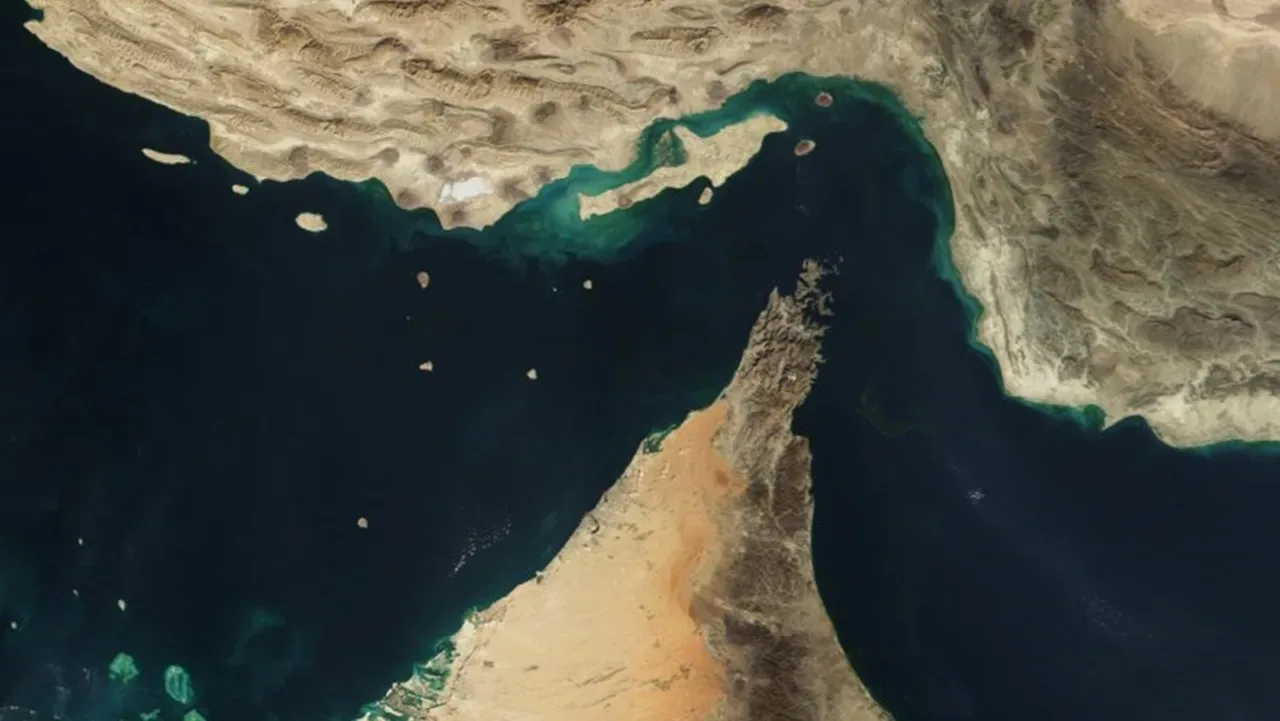
An informed Iranian official, speaking through state-affiliated Press TV, has denied Saudi media reports that Tehran showed flexibility in its nuclear stance. The official described the reports as false psychological warfare and accused the US government of being deadlocked in the Strait of Hormuz, using the nuclear issue as a distraction. Iran's Foreign Minister separately rejected any suggestion of flexibility, stating Iran's position remains unchanged and its conditions for reopening the Strait of Hormuz are clear.
 Illustration
Editorial responsibility
- No named human review is recorded for this page.
- Reports are grouped by semantic similarity and deterministic rules. Language models may assist titles, summaries, translation and cross-source analysis; the page reads the event directly, while its address stays stable when the title changes.
- Summary covers the current reports
Cross-source coverage
Common ground
- The US is struggling to maintain influence in the Strait of Hormuz and the broader region, with its naval coalition efforts failing.
- Iran's nuclear rights under the NPT are a consistent and sovereign position that Tehran has not wavered on.
- The JCPOA betrayal by the US in 2018 created deep mistrust and economic hardship for Iran.
- Ordinary Iranians bear the brunt of geopolitical conflicts, facing inflation, sanctions, and environmental crises.
Points of contention
- Whether the nuclear flexibility narrative is a genuine sign of Iranian vulnerability or a manufactured distraction from US failures.
- Whether Iran's internal debates and protests show weakness or are normal for any sovereign state.
- Whether the suffering of ordinary Iranians is primarily caused by US sanctions or also by domestic mismanagement and corruption.
- Whether Iran is 'winning' strategically or merely surviving with significant internal contradictions.
Blind spots
- The debate largely ignores the role of other regional powers like China and Russia in shaping Iran's strategic options.
- There is little discussion of how environmental degradation in Iran, beyond sanctions, affects long-term stability.
- The impact of Iran's domestic political factions and their potential backchannel negotiations is underexplored.
- The perspective of non-Iranian regional actors, such as Gulf citizens or Kurdish communities, is absent.
WorldAttention’s read
This roundtable revealed a deep divide between viewing Iran as a resilient sovereign power adapting to a multipolar world and seeing it as a state struggling with internal contradictions and a widening gap between its leadership and its people. Both sides agree that US sanctions and the JCPOA betrayal have caused immense suffering, but they disagree on whether Iran's nuclear stance is a sign of strength or nervousness. The debate also highlighted that ordinary Iranians are caught between geopolitical games and domestic failures, with their lived reality often overlooked in favor of strategic narratives. Ultimately, the discussion shows that neither a purely geopolitical nor a purely humanitarian lens captures the full picture—Iran's situation is a complex mix of external pressure, internal challenges, and a shifting global order that demands more nuanced analysis.
Reporting timeline
Iranian Foreign Minister Strongly Rejects Claims of Flexibility on Nuclear Issue, Says Stance Unchanged
Iran's Foreign Minister has issued a strong denial of any suggestion that Iran has shown flexibility in its nuclear negotiations, asserting that the country's position remains unchanged. He also stated that Iran's conditions for reopening the strategic Strait of Hormuz are clear, though the specific conditions were not detailed in the report. The statement, carried by the domestic source tradealpha, reaffirms Tehran's hardline stance amid ongoing international discussions over its nuclear program and regional maritime security. The remarks come as global attention remains focused on Iran's nuclear activities and its control over the Hormuz Strait, a critical chokepoint for global oil shipments.
Read sourceIranian Official Denies Saudi Media Report of Nuclear Flexibility, Calls It Psychological Warfare
An Iranian official has categorically denied a report by Saudi media outlet Hadath that claimed Tehran had shown flexibility in its nuclear stance. Speaking to Iran's Press TV on Monday evening, the official described the report as false and part of a consistent psychological warfare campaign. The official further alleged that the U.S. government is trapped in the Strait of Hormuz and is using the nuclear issue as a distraction. Press TV noted that Hadath and related media have repeatedly published unverified claims about Iranian concessions on uranium enrichment, nuclear material stockpiles, or inspections. Iranian media have previously labeled such reports as disinformation and part of U.S. psychological operations, not based on any genuine Iranian sources. Iranian Parliament Speaker Mohammad Bagher Ghalibaf and other senior officials have reiterated that Iran's nuclear rights and missile capabilities are not open to negotiation.
Read sourceIranian Official Denies Reports of Flexibility in Nuclear Stance, Accuses US of Distraction
An informed Iranian official has denied media reports suggesting that Iran has shown flexibility in its nuclear position. According to the official, who spoke on condition of anonymity, the United States government is 'in a stalemate' in the Strait of Hormuz and is attempting to divert attention from that predicament by hyping the nuclear issue. The official reiterated that Iran's stance on the nuclear matter remains unchanged and emphasized that no discussions on the topic are currently taking place. The denial comes amid ongoing tensions between Iran and the US over both the nuclear program and maritime security in the Persian Gulf.
Read sourceShow 2 older updatesHide older updates
Iranian official denies nuclear flexibility reports, accuses US of distraction over Hormuz Strait
An informed Iranian official, speaking through Iran's state-affiliated PressTV, has denied recent media reports suggesting that Iran has shown flexibility in its nuclear stance. The official accused the US government of being 'in a stalemate' in the Strait of Hormuz and attempting to divert attention from that predicament by hyping the nuclear issue. The official reiterated that Iran's position on the nuclear matter remains unchanged and emphasized that no discussions are currently underway on the topic. The statement appears aimed at countering narratives of potential diplomatic movement, while framing US media focus on Iran's nuclear program as a strategic distraction from Washington's challenges in the strategic waterway.
Read sourceIranian Official Denies Nuclear Flexibility, Accuses US of Distraction Over Strait of Hormuz
An informed Iranian official, speaking through Iran's PressTV, has denied recent media reports suggesting Iran has shown flexibility in its nuclear stance. The official accused the United States government of being 'deadlocked' in the Strait of Hormuz and attempting to divert attention from this predicament by hyping the nuclear issue. The official reiterated that Iran's position on the nuclear matter remains unchanged and emphasized that no discussions on the topic are currently underway. The statement, reported by financial news outlet Jin10, pushes back against narratives of potential diplomatic movement on Iran's nuclear program, framing them as a US tactic to mask a strategic failure in the strategic waterway.