Oil prices plunge as Iran offers conditional reopening of Strait of Hormuz
Crude oil prices fell sharply on September 21-22, with WTI dropping below $90 per barrel and Brent falling over 3%, after reports that Iran proposed reopening the Strait of Hormuz within seven days if the US lifts its military blockade on Iranian ports. The proposal, reported by Kyodo News citing a senior Iranian official, comes as Iranian President Pezeshkian travels to the UN General Assembly. US Secretary of State Rubio expressed willingness to meet, while analysts caution similar talks previously collapsed.
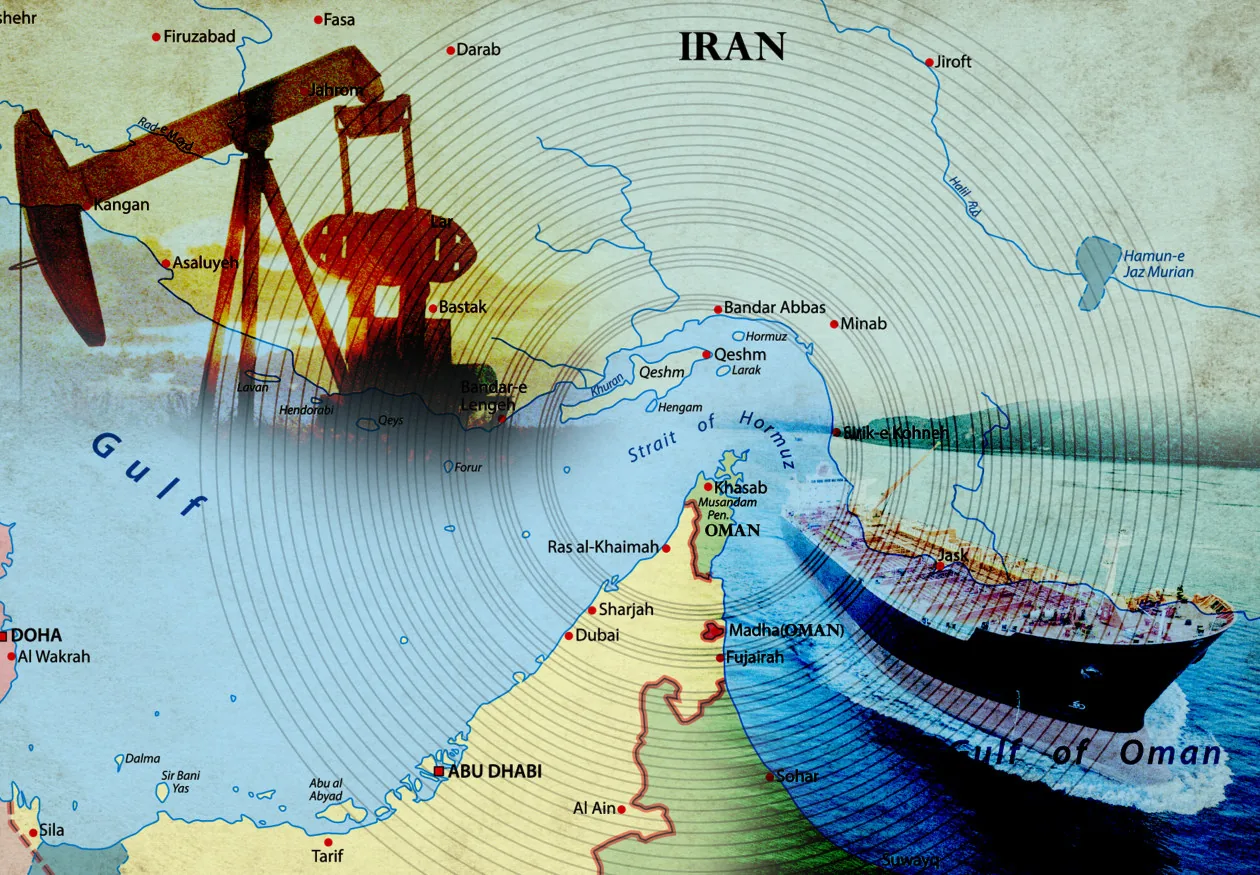 Reference image
Editorial responsibility
- No named human review is recorded for this page.
- Reports are grouped by semantic similarity and deterministic rules. Language models may assist titles, summaries, translation and cross-source analysis; the page reads the event directly, while its address stays stable when the title changes.
- Summary covers the current reports
Cross-source coverage
Reporting timeline
Oil Falls on Hopes of US-Iran Talks to Reopen Strait of Hormuz
Crude oil prices fell, with WTI futures dropping about 2.3% to settle near $92 a barrel, as traders weighed preliminary signs of progress in US-Iran negotiations to reopen the Strait of Hormuz, the world's most important energy transit chokepoint. According to the report, the US and Iran are reportedly pushing for a breakthrough where Iran would reopen the strait and the US would lift its blockade on Iranian ports. However, the article notes that similar talks have previously appeared close to a deal but ultimately collapsed. A White House official stated that President Donald Trump remains willing to negotiate but emphasized that the US is in a strong position due to sanctions and the blockade. Analysts, including Standard Chartered's head of energy research Emily Ashford, expressed skepticism, noting that such agreements have been announced before without much progress and that even a diplomatic breakthrough would not immediately restore disrupted oil shipments or replenish falling inventories. Despite the weekly decline, Brent crude's year-to-date gain remains over 70%, and market indicators like the Brent spot spread show persistent supply tightness. WTI November futures settled at $92.41 a barrel, while Brent November futures closed at $104.32.
Read sourceOil Prices Plunge as Iran Signals Conditional Opening of Strait of Hormuz
On September 22, crude oil prices experienced a sharp decline, with WTI crude dropping from $93.8 to below $90 and Brent crude falling over 3% to below $97. The move was triggered by reports that Iran has proposed a conditional exchange to the US: if Washington lifts military blockades on Iranian ports and halts military operations around the Strait of Hormuz, Tehran will fully reopen the strait within seven days. The report, attributed by Kyodo News to a senior Iranian official, comes as Iranian President Pezeshkian travels to New York for the UN General Assembly. US Secretary of State Rubio expressed willingness to meet with Iranian officials during the UN session. The analysis compares this to a June 2023 episode when a similar memorandum led to a $22 drop in WTI crude before negotiations stalled. The article notes this represents a shift in Iranian strategy toward phased, conditional exchanges rather than comprehensive negotiations. However, it cautions that deep structural conflicts remain, Israel remains an independent variable capable of disrupting talks, and no formal agreement has been reached. The analysis forecasts that the oil market may shift from geopolitical risk pricing to fundamentals-driven volatility, with potential positive implications for tech stocks as inflation expectations ease.
Read sourceIran Offers Staged Exchange on Strait of Hormuz; Oil Prices Plunge on De-escalation Hopes
On September 22, crude oil prices experienced a sharp decline, with WTI crude dropping from $93.8 to below $90 and Brent crude falling over 3%, following reports that Iran offered a staged exchange proposal to the United States. According to Kyodo News, a senior Iranian official stated that if the US lifts military blockades on Iranian ports and halts military operations around the Strait of Hormuz, Iran would fully reopen the strait within seven days. The article, attributed to analyst '独行侠' from 格隆汇, compares this to a June 2023 memorandum that collapsed due to lack of enforcement and Israeli actions. The analyst notes that while this new approach reduces extreme risk premiums, deep structural conflicts remain, and Israel remains a major external variable. The piece forecasts that de-escalation could trigger a market style rotation away from energy and toward tech/growth sectors, but cautions that the adjustment is a risk repricing, not a trend reversal, with the UN General Assembly week as a key observation window.
Read sourceShow 2 older updatesHide older updates
WTI crude oil falls below $90 per barrel for first time since September 8 on Iran Strait of Hormuz proposal
On September 22, WTI crude oil prices continued to decline, breaking below $90 per barrel for the first time since September 8, with an intraday drop of 1.7%. The price movement was attributed to a report that Iran has proposed opening the Strait of Hormuz within '7 days' after the United States lifts its blockade. The Strait of Hormuz is a critical chokepoint for global oil shipments, and any change in its accessibility could significantly impact oil supply and prices. The report suggests that the market is reacting to the potential for increased oil supply if the strait is reopened, putting downward pressure on crude prices.
Read sourceCrude Prices Sink on Larger Flows of Oil Through the Strait of Hormuz
Crude oil prices fell sharply on September 21, 2026, with October WTI crude down 4.77% to a 1.5-week low, driven by hopes that diplomacy will end the US-Iran war and signs of increased crude flows through the Strait of Hormuz easing supply concerns. President Trump said he would 'probably' be open to meeting Iranian President Masoud Pezeshkian at the UN General Assembly. Admiral Brad Cooper, head of US Central Command, reported crude and LNG flows through the Strait over the past two weeks at a six-month high. Losses accelerated after EU satellite data showed oil supertankers with capacity for 14 million bbl at Saudi export installations in the Persian Gulf, signaling a shift back toward the Strait after the shutdown of the East-West pipeline. The IEA warned high oil prices and restricted supply will cause the biggest drop in global oil demand since the Covid-19 pandemic, but raised its global oil deficit estimate to 1.7 million bpd. OPEC delegates approved a final production increase of 188,000 bpd for September, though actual output fell 900,000 bpd in August due to regional conflict.
Read source