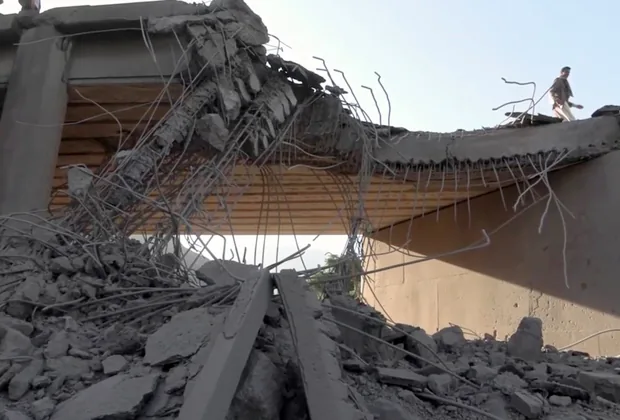
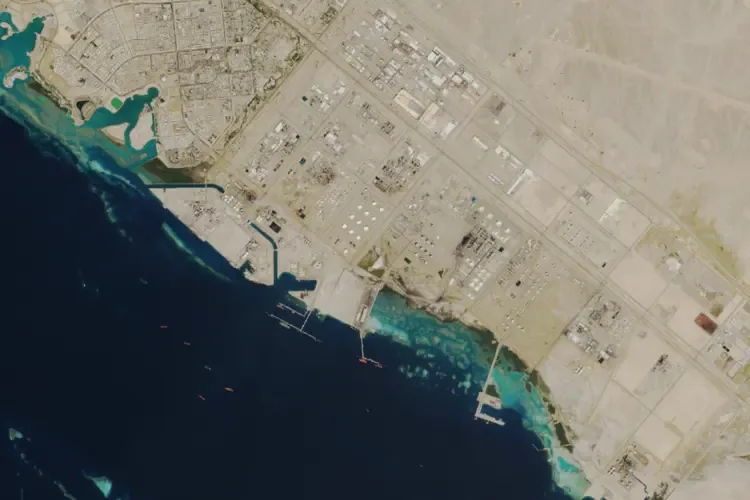
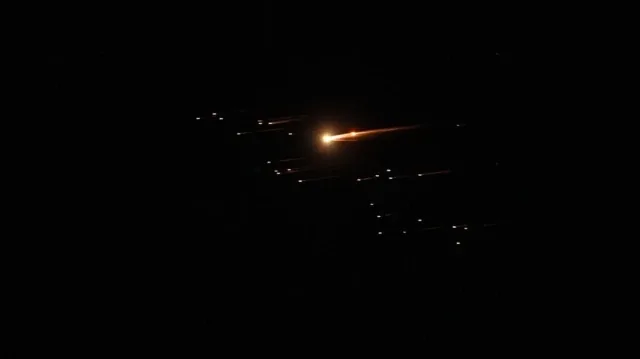
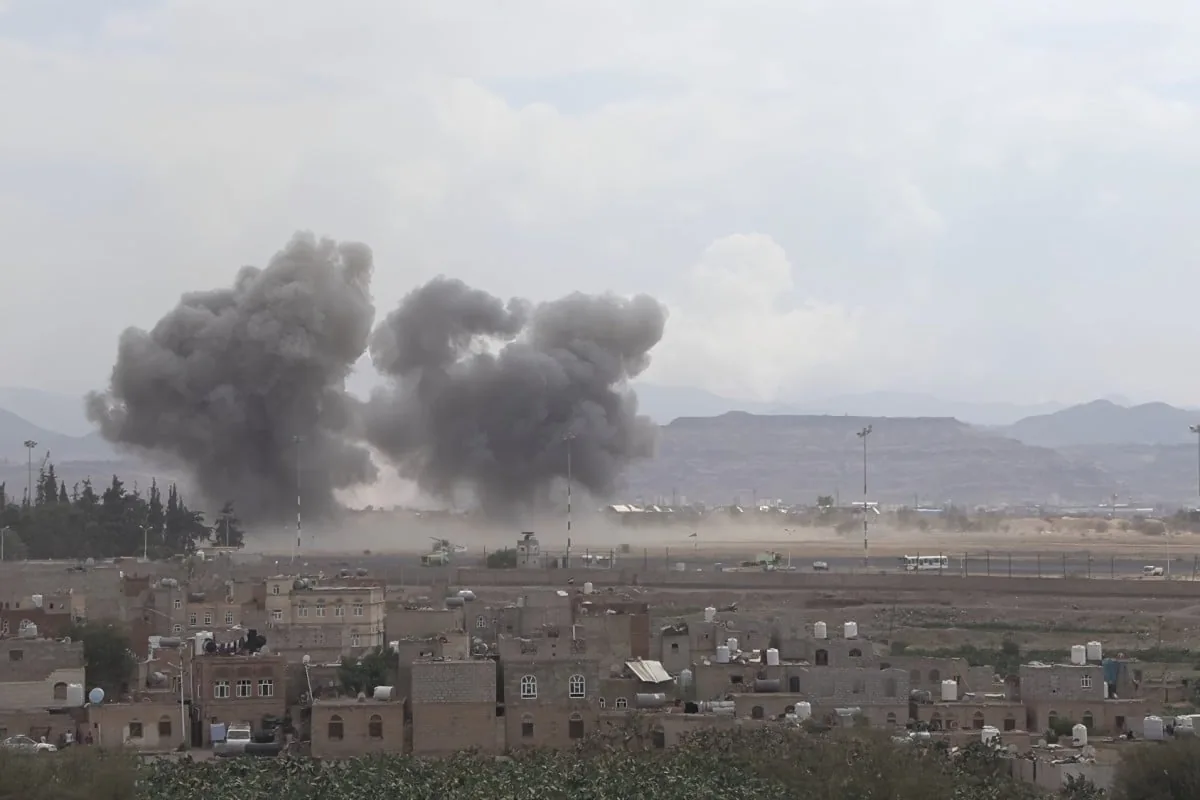
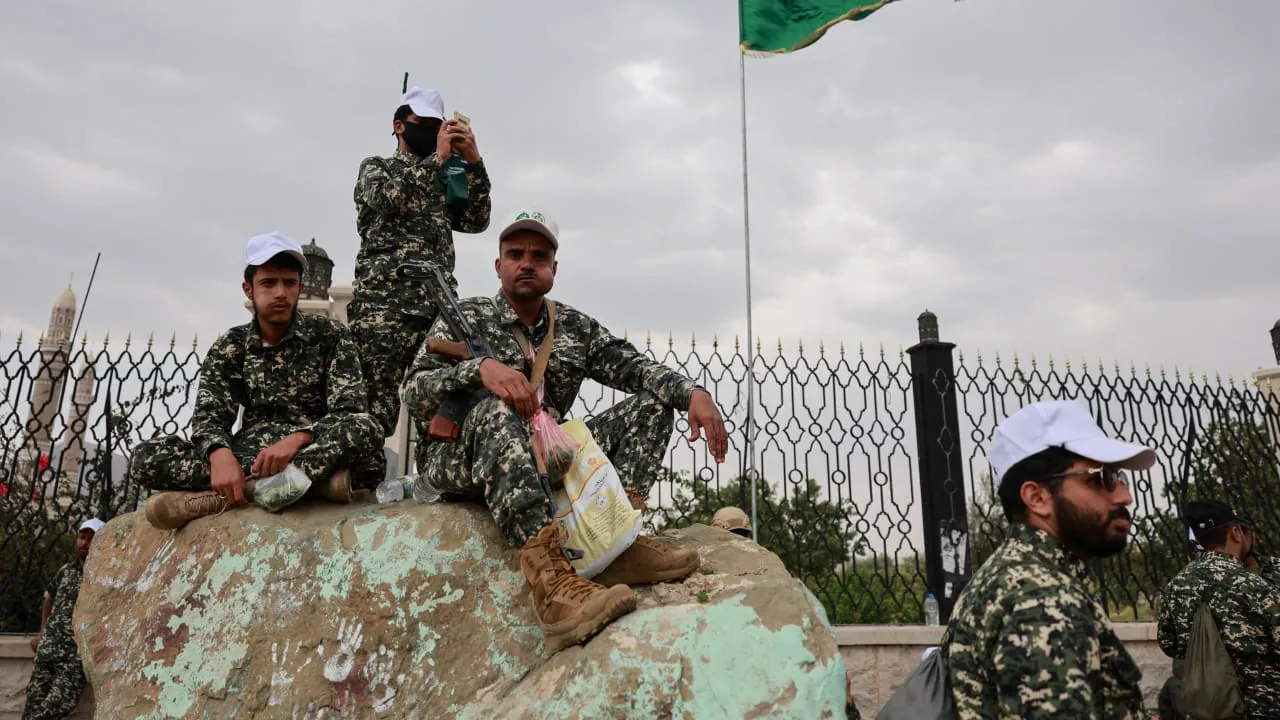
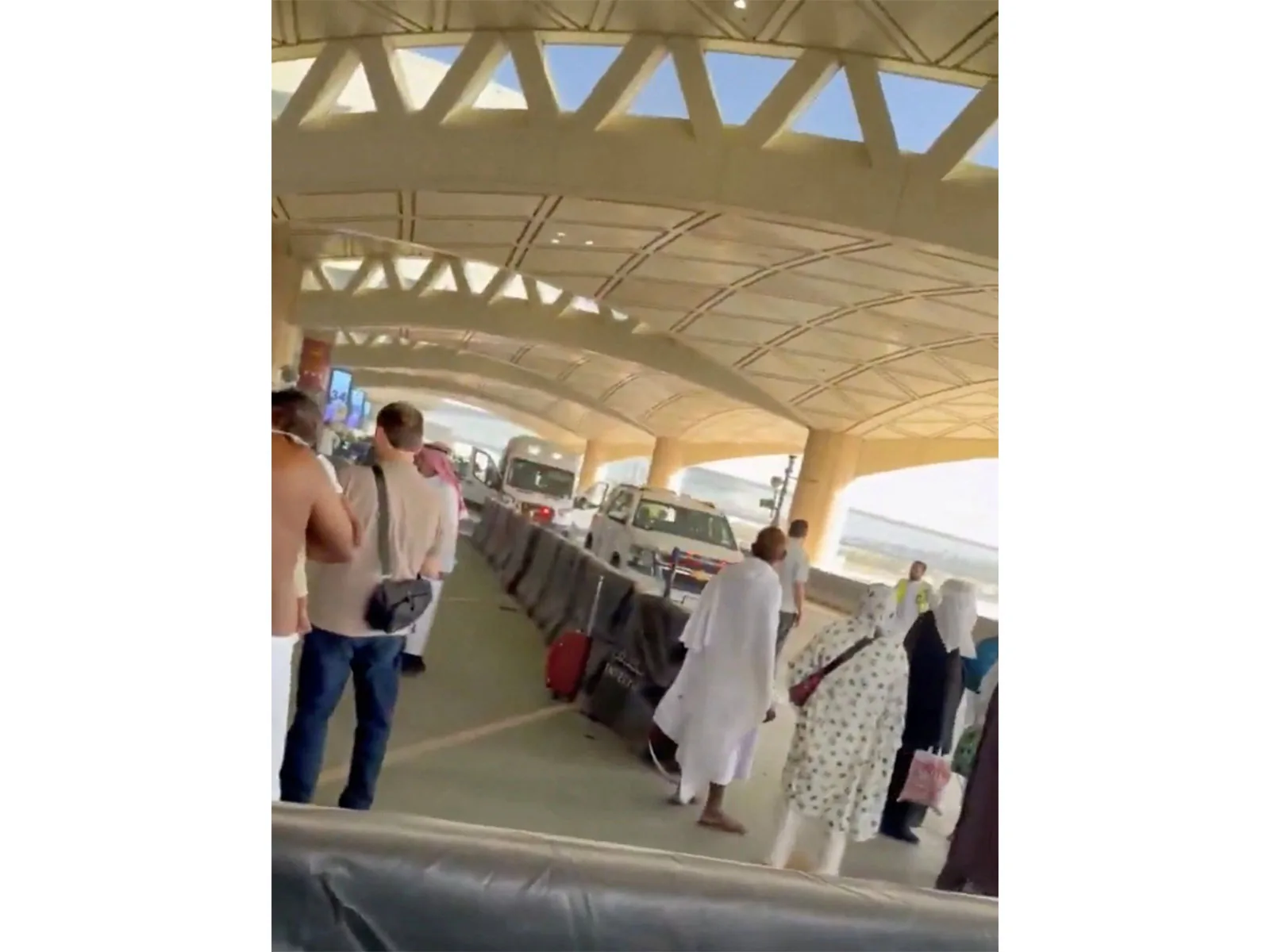
Houthi forces launched missile and drone attacks on Saudi Arabia's King Khalid International Airport in Riyadh, killing at least 12 to 14 people and injuring more than 300, including foreign nationals from the US, Bangladesh, Egypt, Jordan, Syria, Sudan, and Palestine. The attacks, which also targeted Dammam airport and oil facilities, prompted the airport's closure, flight suspensions, and an FAA warning to US airlines. Saudi Arabia blamed the Houthis and struck Sanaa airport in apparent retaliation, while President Trump weighed US military action in Yemen.
Yemen's internationally recognized government, backed by a Saudi-led coalition, has announced a major military operation to retake all territory held by the Iran-backed Houthi movement, including the capital Sanaa. The offensive marks a significant escalation in the long-running civil war. The Saudi-led coalition has pledged support, with fighter jets bombing Houthi positions, while the United States will not join for now. The Houthis have claimed an attack on Saudi Aramco facilities, and Iran says it is ready for potential US attacks.
Houthi militants launched ballistic missile and drone attacks on multiple Saudi airports, including Riyadh's King Khalid International Airport, killing three foreign nationals and wounding 36. Saudi Arabia retaliated with airstrikes on Houthi positions in Yemen. The attacks mark a significant escalation in the Yemen conflict, with Houthis also targeting military bases and claiming dozens of casualties among Saudi forces.
Yemen's Houthi group reported varying numbers of Saudi airstrikes (26 to 94) across multiple provinces in the past 24 hours, claiming civilian casualties and infrastructure damage. Separately, Yemeni government forces claimed 761 strikes against Houthi targets over 72 hours, killing or wounding 361 fighters and four Iranian experts. The reports are unverified and conflicting.
The US-Iran standoff, ongoing since February 28, has entered its seventh month with the Strait of Hormuz blocked. Diplomatic efforts continue, with Trump expecting talks this week after rejecting an Iranian proposal. Iran's foreign minister stated readiness for war but openness to diplomacy. The IRGC seized a US underwater drone in the Strait. Regional spillover includes intensified Saudi-Houthi clashes, with Houthi authorities reporting 67 deaths since September 3.
On September 27, Yemen’s Houthi group reported 26 Saudi airstrikes across five provinces, claiming 1,085 total strikes since the latest escalation. Separately, Yemeni government forces announced 761 strikes against Houthi targets over 72 hours, killing 361 Houthi fighters, including four alleged Iranian experts. Neither the Houthis nor Iran have responded to government claims.
On September 26, 2026, Yemen's Houthi militia launched drones and ballistic missiles targeting Riyadh and Khamis Mushait, Saudi Arabia. The Saudi-led coalition reported intercepting two drones and two ballistic missiles, with no casualties or damage confirmed. The attacks follow a series of recent Houthi strikes, including six ballistic missiles intercepted on September 24 and a claimed attack on Aramco facilities in Yanbu. The escalation underscores ongoing cross-border hostilities amid the Yemen conflict.
The G7 foreign ministers and a separate coalition of 80 countries issued coordinated demands at the UN, calling on Iran to cease arming Yemen's Houthi rebels and demanding the Houthis halt attacks on Saudi Arabia and civilian shipping. The G7 warned the escalating conflict, including Houthi seizure of the Bab al-Mandab Strait, threatens global energy security. The UK and France pledged defensive support for Saudi Arabia, while the US remains undecided on a Saudi military request.
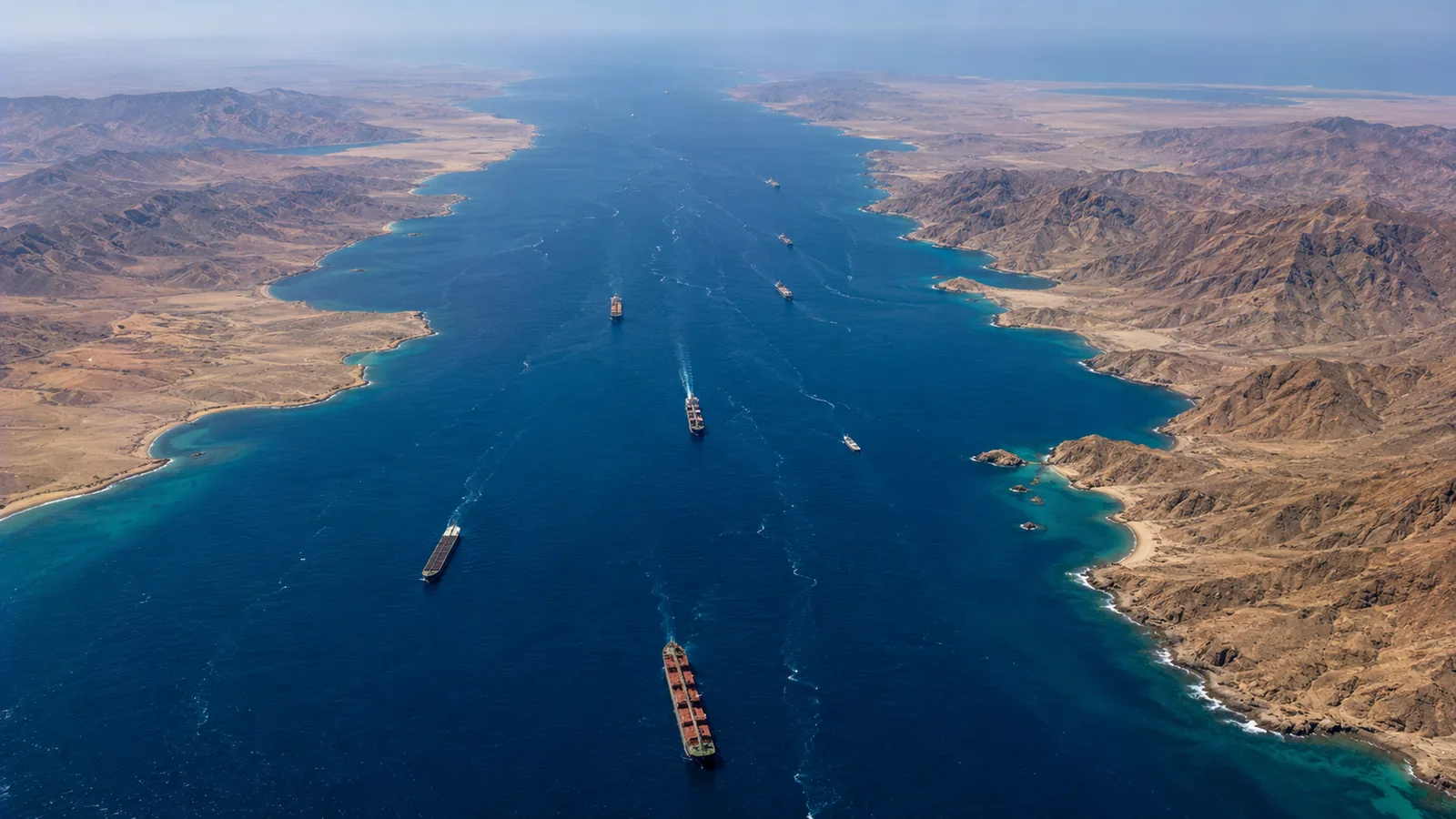
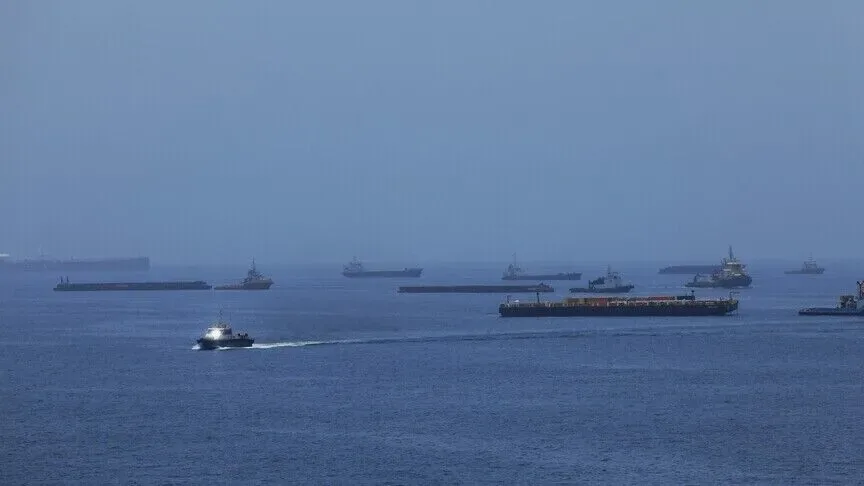
Yemen's Houthi group announced on September 23 that 408 commercial ships passed through the Bab el-Mandeb Strait between September 11 and 21, up from 393 in the prior 11-day period. The Houthi-controlled Masirah TV reported the group claimed international shipping, except for Saudi vessels, continues normally. However, independent ship tracking data cited in reports indicates traffic has fluctuated, with significant daily declines at times. The Houthis have recently intensified their offensive, capturing Mocha and Perim Island, and declared a maritime embargo on Saudi Arabia.
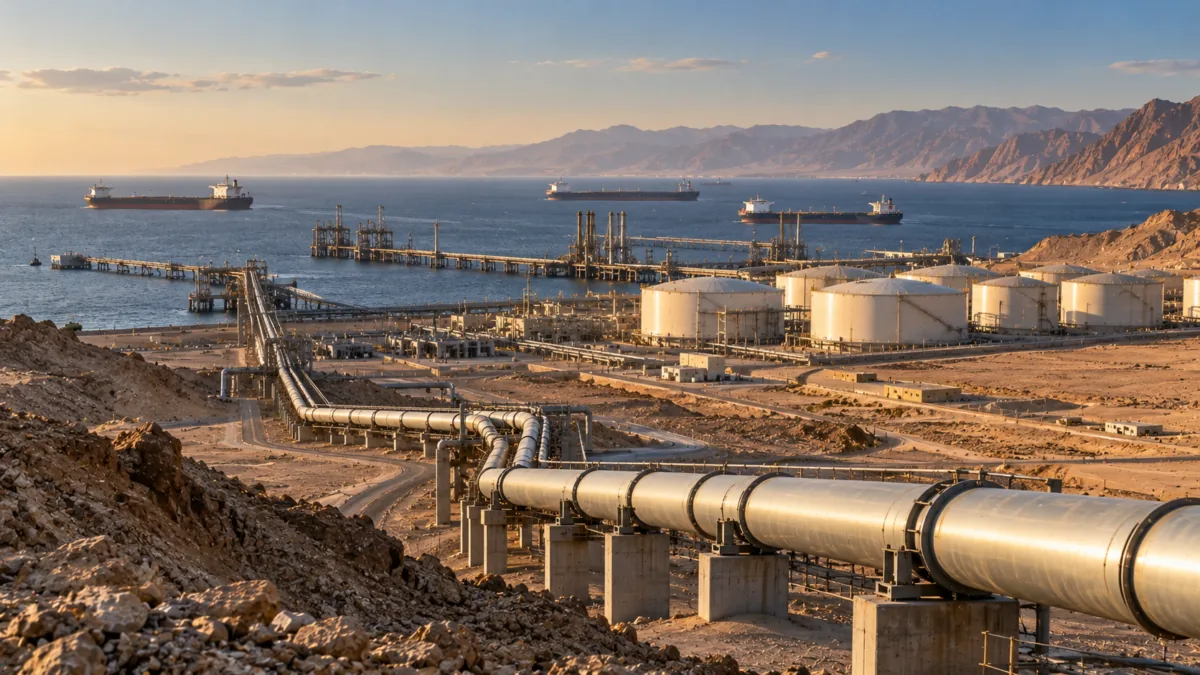
Saudi Arabia resumed operations on its East-West crude pipeline, shut after a drone attack, capable of transporting about 4 million barrels per day. Concurrently, US President Trump reported "very good progress" after a three-hour meeting between his envoy and Iranian mediators at the UN. These developments, plus rising US crude inventories and Iraqi exports, pushed Brent crude below $100 per barrel for the first time since September 8, with oil heading for its longest losing streak in a year.
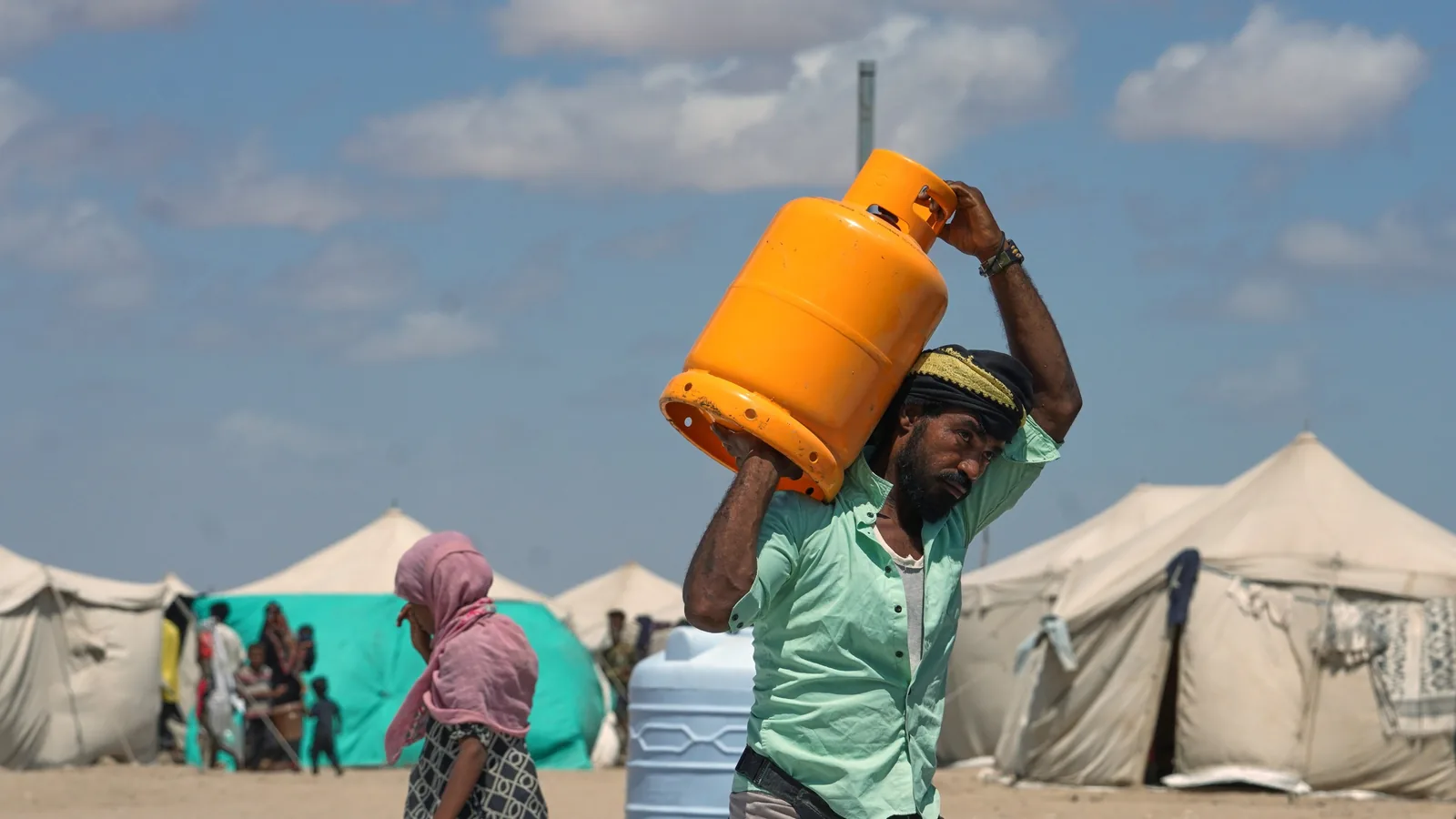
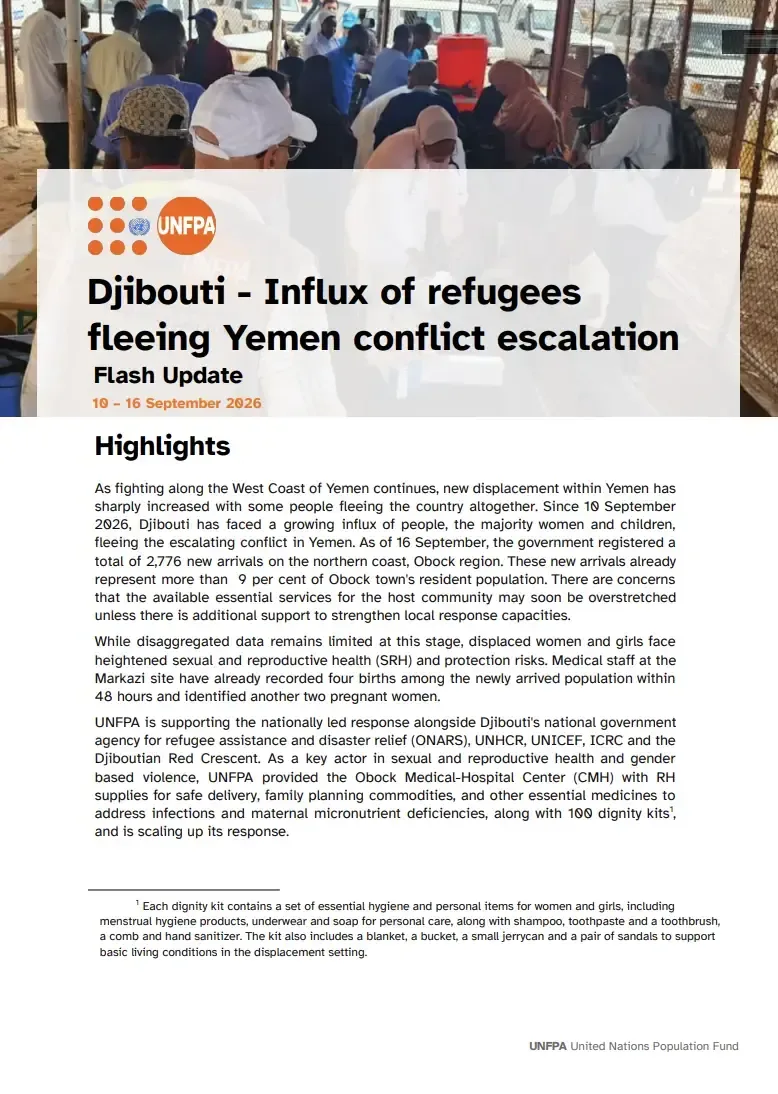
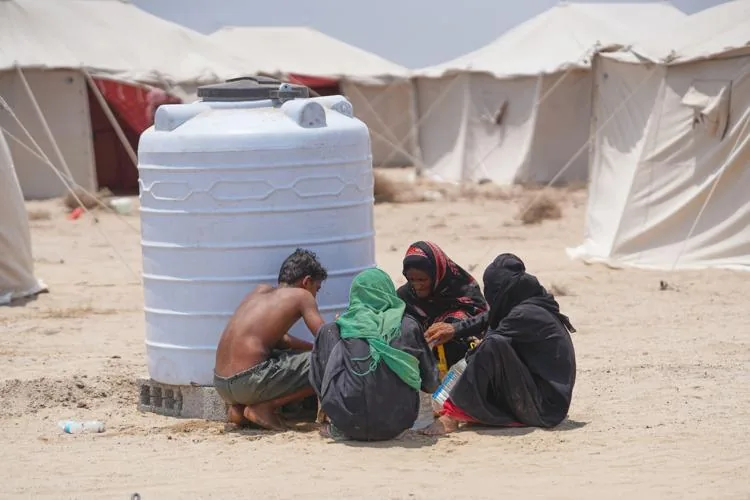
Since early September 2026, escalating fighting in Yemen, driven by a Houthi offensive on the west coast, has displaced over 130,000 people internally. Thousands more have fled by boat across the Bab al-Mandab Strait to Djibouti, where a refugee camp in Obock is preparing for up to 10,000 arrivals. The UN reports overcrowded boats and severe humanitarian needs.
U.S. President Donald Trump stated the U.S. is in talks with Yemen's Houthi rebels, who agreed not to attack the U.S., but declined to pledge military support to Yemen's president. Trump considered airstrikes against the Houthis over the weekend but shelved the plan, according to U.S. officials. Houthi forces subsequently seized strategic highland terrain, prompting thousands to flee. Saudi Arabia is rattled by U.S. reluctance to engage, while U.S. military leaders remain divided.
Between September 15-22, 2024, Yemen's Houthi movement accused Saudi Arabia of launching hundreds of airstrikes across multiple Yemeni governorates, including Taiz, Saada, and Hajjah. On September 22, Houthi-controlled Al Masirah TV reported three airstrikes on Mukha port in Taiz, killing six and wounding eight, including women and children. The Houthis also claimed to have retaliated on September 19 with missile and drone attacks on Riyadh and a Saudi Aramco facility in Yanbu. Saudi authorities have not responded to the allegations, which remain unverified by independent sources.
US officials met with Houthi representatives in Muscat, Oman, over the weekend of September 12-13, 2025. The Houthis pledged not to attack US or Israeli vessels, only Saudi Arabian ships, and expressed willingness to maintain a ceasefire. The talks followed a Houthi offensive that seized strategic Red Sea coastal areas.
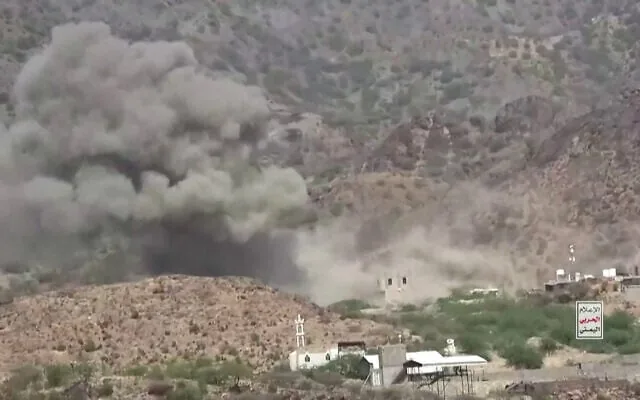
Yemen's Houthi forces reported that the Saudi-led coalition conducted 300 airstrikes this week, using F-15 and Typhoon fighter jets from Khamis Mushait and Taif air bases. The strikes allegedly targeted eight governorates: Taiz, Hajjah, Marib, Al Jawf, Al Bayda, Amran, Hodeidah, and Saada. Another Houthi report claims the total since escalation reached 760 airstrikes. These claims are unverified and represent the Houthi perspective.
On September 19, Turkish Foreign Minister Hakan Fidan stated Turkey does not accept Saudi Arabia being drawn into the US-Iran conflict, noting Saudi Arabia has no intention of joining. He described recent attacks on Saudi territorial integrity and infrastructure as extremely serious. Fidan added proposals to end hostilities have been conveyed to all parties, and Turkey may assess Saudi military needs within a trilateral defense mechanism.
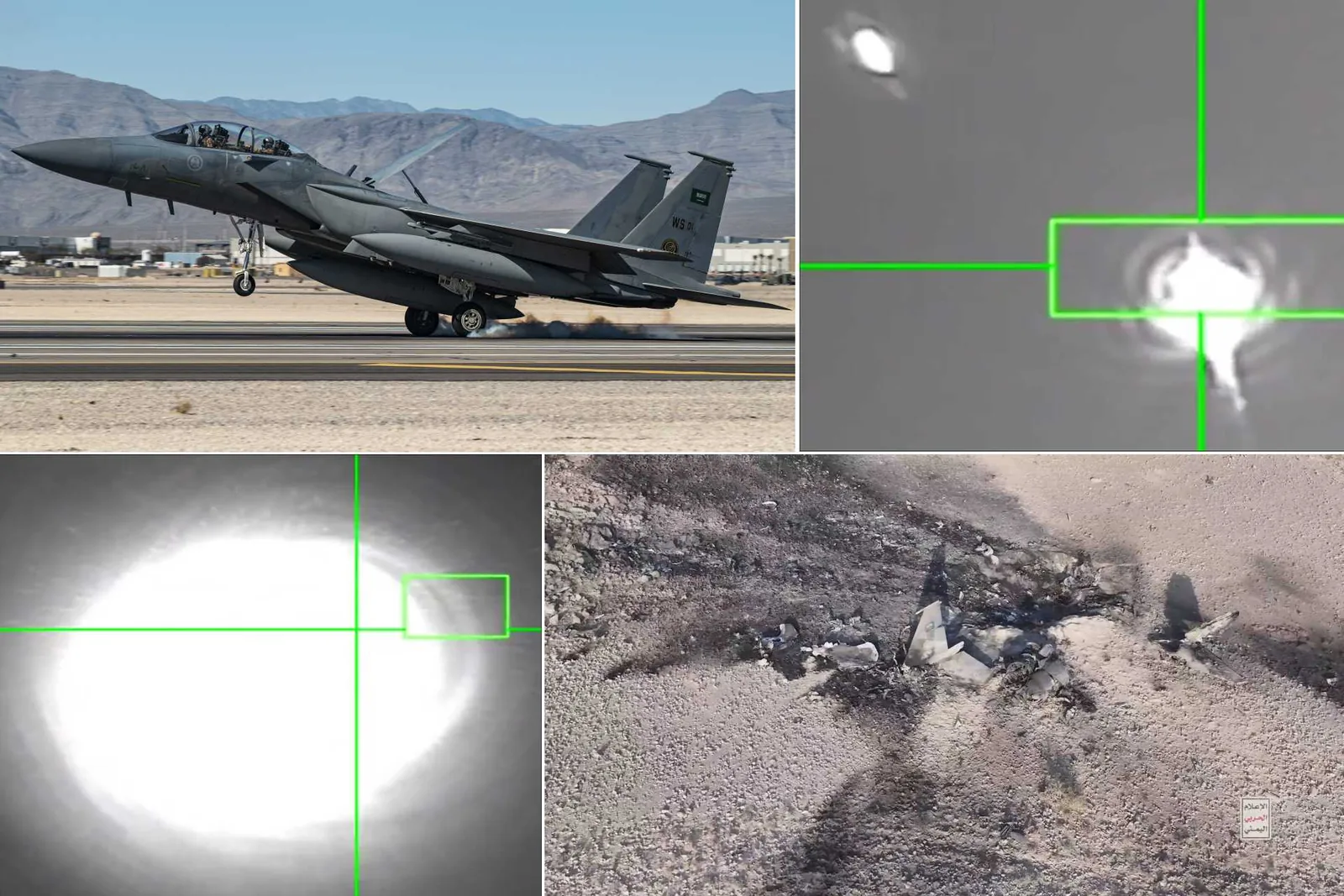
The Houthi movement in Yemen accused Saudi Arabia of launching over 450 airstrikes across multiple Yemeni provinces in one week, using F-15 and Typhoon jets. In retaliation, the Houthis claimed to have attacked Saudi Aramco facilities in Yanbu and Khamis Mushait Air Base with ballistic missiles and drones, and to have shot down a Saudi F-15. Saudi authorities have not confirmed the attacks. The Houthis vowed to continue escalation until Saudi Arabia halts operations and lifts the blockade.
Iran-backed Houthi rebels captured the strategic Red Sea port city of Mocha and Perim Island from Saudi-backed Yemeni government forces, advancing within 75 km of the Bab el-Mandeb Strait. The rapid offensive broke a years-long defensive line, giving the Houthis de facto control over the critical chokepoint for global oil and trade. Saudi Arabia shut down a pipeline in response. At least 46,000 civilians have been displaced, and oil prices surged above $100 per barrel.
Iran-backed Houthi militants have seized Perim Island and the port city of Mocha in Yemen, gaining effective control over the Bab al-Mandeb strait, a critical chokepoint linking the Red Sea to the Gulf of Aden. The advance threatens global maritime trade and oil shipments, with diesel prices reaching a record $6 per gallon in the U.S. The United Nations reports at least 46,000 people displaced in Yemen since fighting escalated last week.
7 reports · 5 sources · Updated
Illustration
Periodic recap
What changed for this subject in each tracking window — generated from matched events, delta-first.
· 2 events in window
The Yemen conflict escalated further this period as Houthi forces struck Riyadh's King Khalid International Airport with missiles and drones, killing at least 12 people and injuring 309, including eight foreign nationals; a second strike hit Terminal 4 on Sunday, causing a fire, while Saudi air defenses intercepted a cruise missile nearby. In response, the Saudi-led coalition conducted hundreds of airstrikes on Houthi targets in Yemen, with Saudi jets reportedly bombing Sanaa airport. The escalation disrupted regional aviation, shipping and energy activity, with airlines suspending flights and tankers evacuating Fujairah; Iran's Revolutionary Guard reported a supertanker attacked in the Strait of Hormuz, and Tehran continued indirect message exchanges with Washington over ending the war. The US is weighing military support for Saudi Arabia. Two core events were reported this period by multiple sources, a significant increase in coverage from the previous period.
Houthi forces struck Riyadh's King Khalid International Airport, killing at least 12 and injuring 309, including eight foreign nationals; a second strike hit Terminal 4 on Sunday, causing a fire.
The Saudi-led coalition conducted hundreds of airstrikes on Houthi targets in Yemen, with Saudi jets reportedly bombing Sanaa airport in retaliation.
The attacks disrupted regional aviation, shipping and energy activity, with airlines suspending flights and tankers evacuating Fujairah.
Iran's Revolutionary Guard reported a supertanker attacked in the Strait of Hormuz, and Tehran continued indirect message exchanges with Washington over ending the war.
The US is weighing military support for Saudi Arabia as the conflict escalates.
Earlier recaps
· 1 event in window
The Yemen conflict escalated sharply this period as Houthi forces launched ballistic missile and drone attacks on multiple targets inside Saudi Arabia, killing three foreign nationals and injuring dozens, a concrete escalation from the previous period's Houthi claims of strikes on Saudi Aramco facilities. The Saudi-led coalition intercepted some projectiles, and Saudi authorities confirmed civilian deaths but have not verified all Houthi claims. This period saw one core event, reported by two sources across seven articles, an increase in coverage from the previous period.
· 1 event in window
The situation in Yemen continues the escalation seen in the previous period, though new reporting is limited. Saudi-backed Yemeni government forces are pressing their offensive aimed at retaking Houthi-held territory, including the capital Sanaa. The Houthis have claimed attacks on Saudi Aramco facilities in response. The United States still says it will not join the operation, while Iran says it is ready for potential conflict. This period saw only one core event, reported by two sources across five articles, a slight increase in coverage but still a single-event narrative.
· 1 event in window
This period marks a major escalation: Saudi-backed Yemeni government forces launched a large-scale offensive aimed at retaking all Houthi-held territory, including the capital Sanaa. In response, the Houthis claimed an attack on Saudi Aramco facilities. The United States said it will not join the operation for now, while Tehran stated it is ready for potential US attacks. Only one core event was reported this period from a single source, but the scale and stated objectives of the offensive represent a clear step up from the previous period's reported intensity.
· 2 events in window
This period saw continued military confrontation in Yemen, with signs of the conflict spilling into the wider regional picture. Yemeni government forces reported 356 precision strikes against Houthi targets in 24 hours, killing 476 members, while the Houthis claimed 26-38 Saudi airstrikes in the same window, bringing their cumulative total since the escalation to 1,085-1,123. Separately, Houthi attacks on Saudi targets were folded into reporting on escalating Iran-US tensions, alongside Strait of Hormuz incidents and reported US-Iran talks that collapsed. Neither side's figures are independently verified; compared with the previous period, reported intensity rose further and new regional dimensions involving Iran emerged.
Tracked events
Events matched to this subject by the tracking pipeline, with signal scores.
· Signal 169.3
Houthis Strike Riyadh Airport as Saudi Coalition Escalates Yemen Airstrikes
Yemen's Houthi forces launched missile and drone attacks on Saudi airports including Riyadh's King Khalid International Airport, causing casualties and flight disruptions, while the Saudi-led coalition conducted hundreds of airstrikes on Houthi targets in Yemen. Iran's Revolutionary Guard reported a supertanker attacked in the Strait of Hormuz, and Tehran continued indirect message exchanges with Washington over ending the war. The escalation disrupted regional aviation, shipping and energy events, with airlines suspending flights and tankers evacuating Fujairah.
This period was dominated by military confrontation in Yemen, with humanitarian issues receding from view. The Houthis reported 26 Saudi airstrikes across five provinces in 24 hours, while Yemeni government forces claimed hundreds of strikes against Houthi targets over three days. Neither side's account has been independently verified, and Saudi Arabia has not responded. Compared with the previous period, no new diplomatic progress or humanitarian developments emerged, and the reported intensity of fighting rose without verifiable detail.
 Reference image