Strait of Hormuz vessel traffic plunges to 12 ships over weekend, down from 35
Shipping data shows a sharp decline in vessel traffic through the Strait of Hormuz, with only 12 ships transiting over the past weekend compared to 35 the previous week. Separate data from ship-tracking firm Kepler indicates just two commercial vessels passed on September 21, down from 10 the day before. The reasons for the drop remain unspecified.
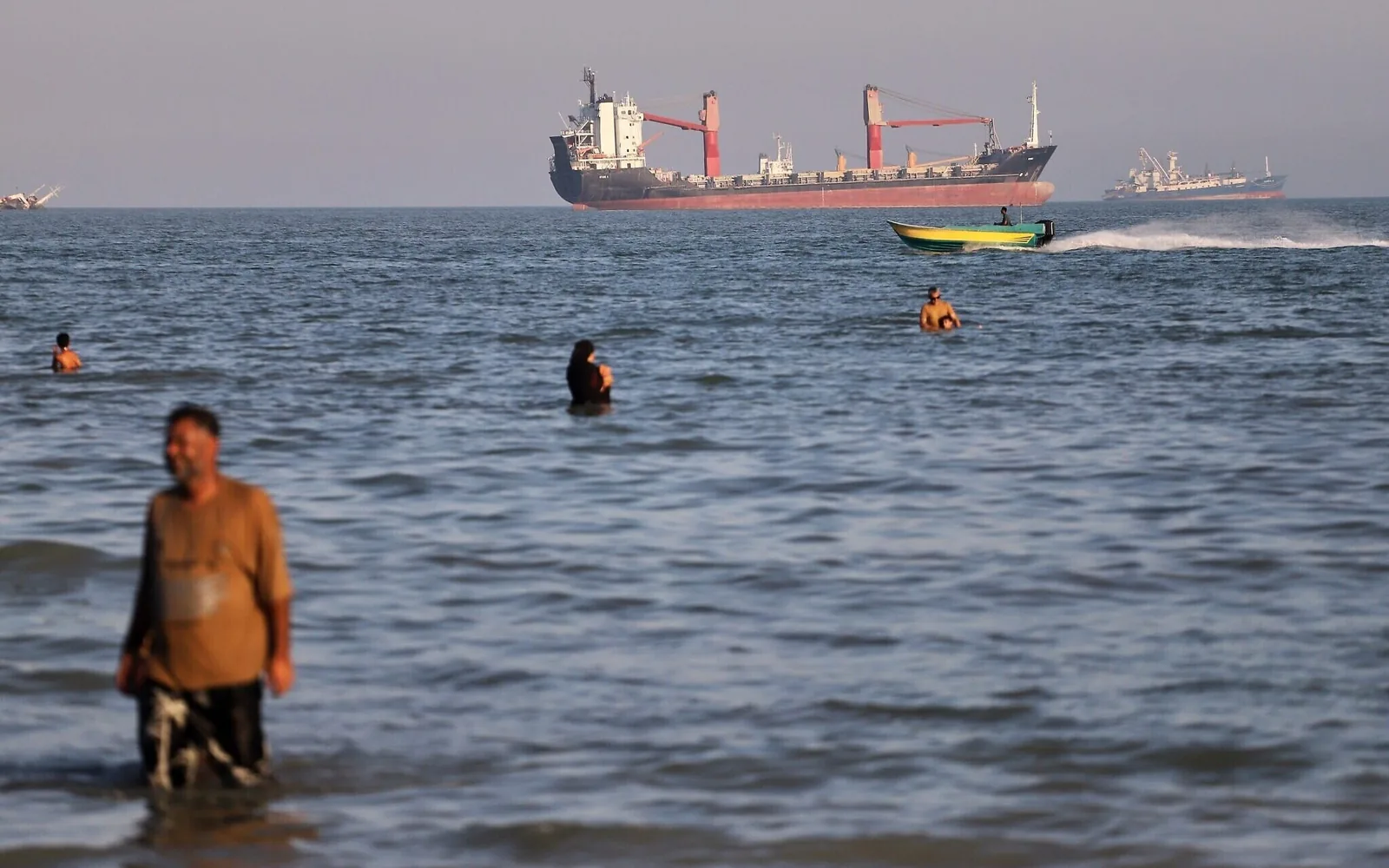 Reference image
Editorial responsibility
- No named human review is recorded for this page.
- Reports are grouped by semantic similarity and deterministic rules. Language models may assist titles, summaries, translation and cross-source analysis; the page reads the event directly, while its address stays stable when the title changes.
- Summary covers the current reports
Cross-source coverage
Common ground
- Both sides agree that the Strait of Hormuz is a critical global chokepoint and that any drop in traffic deserves attention.
- Both agree that vessel-type breakdowns and longer-term data would help clarify what the weekend snapshot really means.
- Both acknowledge that real-world decision-makers often have to act on incomplete information, not perfect data.
Points of contention
- The Neutral Agent says a single weekend drop is likely just a normal scheduling blip, while the Eastern Agent says it's a warning sign of a broken security system.
- The Neutral Agent argues that without insurance spikes or sustained declines, there's no evidence of real risk, while the Eastern Agent says operators adjust behavior before those official signals appear.
- The Eastern Agent blames U.S. policy for instability in the Gulf, while the Neutral Agent says that's a political leap unsupported by the data.
Blind spots
- Neither side has asked the tracking firm for the average weekend transit count over the past year, which would settle whether this drop is truly unusual.
- Both sides ignore the possibility that a simple operational factor—like a port holiday or terminal maintenance—caused the drop, rather than geopolitics.
- The debate overlooks the role of shipping companies' own internal risk assessments, which could explain the drop without either a U.S. failure or a Chinese conspiracy.
WorldAttention’s read
This debate shows how easy it is to build big arguments on a tiny data point. The weekend drop from 35 to 12 vessels through the Strait of Hormuz could be a normal scheduling fluctuation, a canary in the coal mine, or something in between—but without vessel types, weekly averages, or insurance data, we're all just guessing. The real takeaway is that both sides let their political views fill in the gaps the data left open. To move forward, we need more information, not more narratives.
Reporting timeline
Shipping Data: Commercial Vessel Transits Through Strait of Hormuz Drop to 2
According to preliminary data released on September 22 by ship-tracking firm Kepler, only two commercial vessels transited the Strait of Hormuz on September 21, a sharp decline from 10 vessels the previous day. The two ships identified were a bulk carrier carrying mineral products flying the Panamanian flag and another bulk carrier flying the Liberian flag. The data does not include vessels that may have turned off their Automatic Identification Systems (AIS) to avoid being tracked. The report, sourced from Chinese state media CCTV, highlights a significant reduction in maritime traffic through the strategic waterway, which is a critical chokepoint for global oil and gas shipments.
Read sourceOnly 2 Commercial Ships Pass Strait of Hormuz on Sept 21, Down from 10 Day Before
According to preliminary data released on September 22 by ship-tracking firm Kepler, only two commercial vessels transited the Strait of Hormuz on September 21, a sharp decline from 10 ships the previous day. The two ships were a Panama-flagged bulk carrier loaded with mineral products and a Liberia-flagged bulk carrier. The data does not include vessels that may have turned off their Automatic Identification Systems (AIS) to avoid detection. The report, published by Xinhua via TradeAlpha, highlights a significant drop in traffic through the strategic waterway, which is a critical chokepoint for global oil and gas shipments. The reasons for the decline are not specified in the report, but the low number could reflect heightened regional tensions or other operational factors.
Commodity vessel traffic through Strait of Hormuz drops to 12 this weekend from 35 last week
A post on Polymarket reports that only 12 trackable commodity vessels crossed the Strait of Hormuz this weekend, a sharp decline from 35 vessels recorded the previous weekend. The data point suggests a significant reduction in maritime traffic through the strategic waterway, which is a critical chokepoint for global oil and gas shipments. The post does not attribute the drop to any specific cause, such as geopolitical tensions, weather conditions, or operational changes. The information is presented as a raw observation without further analysis or commentary.
Read sourceShow 3 older updatesHide older updates
Shipping Data Shows Sharp Drop in Vessels Transiting Strait of Hormuz
Market sources report that shipping data indicates a significant decline in vessel traffic through the Strait of Hormuz. Over the past weekend, only 12 ships transited the strategic waterway, compared to 35 vessels in the previous week. The data, cited by tradealpha, highlights a sharp week-over-week reduction of approximately 66% in crossings. The Strait of Hormuz is a critical chokepoint for global oil shipments, and such a drop could signal potential disruptions or shifts in maritime traffic patterns, though the report does not specify a cause. The information is attributed to market sources and shipping data, without further elaboration on the reasons behind the decline.
Read sourceMarket Data Shows Sharp Drop in Vessel Traffic Through Strait of Hormuz
According to shipping data cited by market news source Jin10, only 12 vessels traversed the Strait of Hormuz over the past weekend, a significant decline from 35 vessels in the previous week. The report, attributed to market sources, provides a quantitative snapshot of maritime activity through this critical chokepoint for global oil and gas shipments. The sharp reduction in traffic could indicate heightened geopolitical tensions, security concerns, or operational disruptions in the region, though the brief report does not specify a cause. The Strait of Hormuz, located between Iran and Oman, is a vital waterway through which about 20% of the world's oil passes. The data point is presented as a market signal, potentially affecting energy supply assessments and risk premiums in commodity markets. No further context or analysis is provided in the original source.
Shipping Data Shows 12 Vessels Crossed Strait of Hormuz Last Weekend, Down from 35
Shipping data reported by stockstar_stock_live indicates that 12 vessels traversed the Strait of Hormuz over the past weekend, a significant decrease from 35 vessels recorded in the previous week. The report provides no further context, analysis, or attribution for the decline. The Strait of Hormuz is a critical chokepoint for global oil and gas shipments, and changes in traffic volume can reflect geopolitical tensions, security concerns, or shifts in maritime trade patterns. However, the source does not specify the types of vessels, their cargo, or any reasons for the drop. The data point is presented without commentary or forecast.
Read source