Trump Rejects Iran’s Seven-Day Strait of Hormuz Ceasefire, Plans Post-Midterm Bombing
President Donald Trump has rejected an Iranian proposal to reopen the Strait of Hormuz within seven days, which also included a ceasefire and nuclear talks. Multiple US officials report Trump told aides he expects to resume bombing Iran after the November midterm elections. Iran’s Foreign Minister Araghchi stated Iran is fully prepared for war but remains open to diplomacy, awaiting a formal US position via Qatari mediators. The conflict, ongoing since February, has disrupted global oil markets.
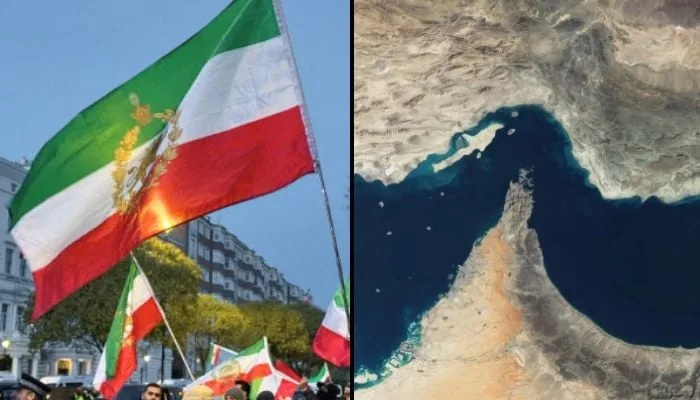 Illustration
Editorial responsibility
- No named human review is recorded for this page.
- Reports are grouped by semantic similarity and deterministic rules. Language models may assist titles, summaries, translation and cross-source analysis; the page reads the event directly, while its address stays stable when the title changes.
- Summary covers the current reports
Cross-source coverage
Common ground
- The U.S. withdrawal from the JCPOA in 2018 is widely seen as the original trigger for the current crisis.
- Trump's 'resume bombing after the midterms' timeline is viewed as driven by domestic politics, not genuine strategy.
- Both the U.S. and Iran have factions that benefit from continued conflict, making de-escalation difficult.
- The Strait of Hormuz is a symptom of deeper issues, not the core problem itself.
- Trust between the U.S. and Iran is severely damaged, with a history of broken agreements on both sides.
Points of contention
- Whether the U.S. is the primary aggressor or both sides share equal blame for the escalation.
- Whether Iran's proposal to lift the blockade upfront was a reasonable diplomatic offer or a non-starter precondition.
- Whether the IRGC's rejection of the ceasefire framework shows bad faith or a rational response to U.S. hostility.
- Whether Trump's mixed signals are deliberate strategy or chaotic incompetence.
- Whether the crisis is fundamentally about U.S. refusal to accept a multipolar world or about mutual miscalculations of leverage.
Blind spots
- The human cost of sanctions on ordinary Iranians, especially access to medicine, is often treated as a secondary concern.
- The role of domestic politics in both the U.S. (midterms) and Iran (IRGC's institutional interests) is acknowledged but not fully explored.
- The possibility of a catastrophic miscalculation leading to full-scale war is raised but not deeply analyzed.
- The international community's responsibility to mediate or enforce agreements is largely ignored.
- The long-term economic and geopolitical consequences of a prolonged stalemate are not fully considered.
WorldAttention’s read
This debate reveals a deep stalemate where both the U.S. and Iran are trapped in a cycle of blame and escalation, with no credible off-ramp. The U.S. withdrawal from the JCPOA is the root cause, but both sides have since made choices that prioritize short-term leverage over long-term peace. Trump's midterm-driven timeline and Iran's hardliner rejection of ceasefires show that domestic politics on both sides fuel the conflict. The real tragedy is that ordinary Iranians and global stability pay the price for a power struggle neither side is willing to resolve. Until both parties accept shared responsibility and rebuild trust through verifiable, phased agreements, the crisis will continue to simmer, with the risk of a catastrophic miscalculation always looming.
Reporting timeline
Iranian President Says Iran Will Not Avoid Dialogue with the United States
On October 1, Iranian President Masoud Pezeshkian stated that Iran is not avoiding dialogue with the United States, countering claims that Tehran is unwilling to engage. He noted that the US has not sought talks. This comes after US President Donald Trump said he may increase pressure on Iran following the US midterm elections. Pezeshkian added that Iran is currently evaluating the US response to its latest proposal regarding the reopening of the Strait of Hormuz. The previous day, Iran confirmed receiving an official US reply to its proposal on the strategic waterway. The statements highlight ongoing tensions and diplomatic signals between the two countries, with Iran positioning itself as open to negotiation while accusing the US of not pursuing dialogue.
Iran says it received U.S. counterproposal after Trump rejected 7-day ceasefire plan
Iran has announced it received a U.S. counterproposal following President Trump's rejection of a 7-day ceasefire plan. The development comes amid ongoing diplomatic efforts mediated by Qatar and other parties to broker a US-Iran deal, though major hurdles remain. Qatar has warned that the global economic impact of a war with Iran would be 'unbearable.' The U.S. has also reportedly begun pulling out of Iraq, adding a new dimension to the regional situation. Al Jazeera reports that Trump is seeking a 'better deal' than the truce offer presented by Iran. The negotiations continue as multiple news outlets cover the back-and-forth between the two nations.
Iran says it received U.S. response to peace proposal as currency hits record low
Iran has announced that it received a U.S. response to its peace proposal, which includes a seven-day ceasefire plan to reopen the Strait of Hormuz, contingent on the U.S. meeting certain conditions. The development comes as Iran's currency hits a new record low seven months into the ongoing war. The U.S. response was reportedly mediated by Qatar, and Iran is currently reviewing the counterproposal. The proposal was previously rejected by former President Trump. Multiple news outlets, including Fortune, CBS News, and Al Jazeera, report that Iran's offer aims to de-escalate tensions and address economic pressures, though the specific conditions and U.S. stance remain unclear.
Read sourceShow 17 older updatesHide older updates
U.S.-Iran talks yield little progress, raising odds of renewed combat
Recent U.S.-Iran talks have yielded little progress, increasing the likelihood of renewed military confrontation, according to an Axios report. The discussions, mediated by Qatar, involved Iran proposing a deal to reopen the Strait of Hormuz within seven days if the U.S. meets its conditions, as reported by AP News. Iran has stated it received a U.S. response to its latest proposal, per The Times of Israel. Al Jazeera reports that the U.S. response is under review after Qatar's mediation. Meanwhile, The Washington Post analysis notes that President Trump has an off-ramp to a major political problem but refuses to take it, likely referring to the Iran situation. The talks appear to have failed to bridge key differences, with both sides maintaining firm positions, thereby raising the odds of renewed combat in the region.
Read sourceTrump says US officials spoke with mediators in US-Iran talks on September 28
On September 28, US President Donald Trump stated that American officials had held discussions that day with mediators working to end hostilities between the US and Iran. Earlier, a source familiar with the negotiations indicated that the US and Iran were expected to hold another round of talks via mediators on September 28 or 29. Iranian Foreign Minister Abbas Araghchi and a Qatari mediator are currently in the United States. The talks are expected to focus on revising an Iranian proposal made during the UN General Assembly to reopen the Strait of Hormuz within seven days. The report, sourced from CCTV and published by Jin10 Data, highlights ongoing diplomatic efforts to de-escalate tensions and address key maritime security issues in the region.
Read sourceUS and Iran to hold separate talks with mediators this week, Reuters reports
According to a Reuters report, the United States and Iran are set to hold separate talks with mediators on Monday or Tuesday, as indicated by an official. This development comes amid heightened tensions, with Iran stating that President Trump must choose between war and diplomacy. Multiple news outlets, including CBS News, Politico, and the Wall Street Journal, report that both sides have complained about each other's stances. Iran is reportedly being pressed to make nuclear concessions to revive peace talks with the U.S. An analysis by the Washington Post suggests that President Trump has an off-ramp to a major political problem but refuses to take it. The talks are expected to resume this week, with mediators meeting with the Iranian Foreign Minister.
Read sourceTrump Offers Sanctions Relief for Iran Nuclear Progress, Talks Continue via Intermediaries
According to a report by Al Jazeera on September 29, US President Donald Trump is willing to consider easing sanctions on Iran and releasing frozen funds if 'concrete progress' is made on the Iranian nuclear issue. US officials stated that the two countries are engaged in 'positive and constructive' discussions through intermediaries, but no agreement will be reached if the nuclear issue remains unresolved. Iran has indicated some flexibility on the nuclear matter, but the two sides have not yet agreed on the timeline for implementing commitments. Trump previously rejected Iran's proposal to reopen the Strait of Hormuz, calling it 'unacceptable.' Trump indicated that more talks with Iran are expected this week. The US side is leading negotiations through Middle East envoy Steve Witkoff, Jared Kushner, Vice President JD Vance, and Secretary of State Marco Rubio. US Ambassador to the UN Mike Waltz said Trump is skeptical of Iran's proposal, believing Iran wants to receive all conditions upfront before further negotiations. White House officials also expressed caution about Iran's commitments, noting that Iran previously violated a July US-Iran memorandum of understanding by attacking commercial vessels.
Read sourceTrump Open to Iran Sanctions Relief for Substantial Nuclear Progress, US Officials Say
According to a report by Al Jazeera cited by Jin10, US President Donald Trump is willing to consider easing sanctions on Iran and releasing frozen funds if 'concrete progress' is made on the Iranian nuclear issue. US officials stated that discussions between the US and Iran are ongoing through intermediaries and are described as 'positive and constructive,' but no agreement will be reached if the nuclear issue remains unresolved. The officials noted that Iran has shown some flexibility on the nuclear issue, but the two sides have not yet agreed on the timeline for implementing commitments. Trump previously rejected Iran's proposal to reopen the Strait of Hormuz, calling it 'unacceptable.' Trump indicated that more talks with Iran are expected this week. The US negotiating team is led by Middle East envoy Steve Witkoff, Jared Kushner, Vice President JD Vance, and Secretary of State Marco Rubio. US Ambassador to the UN Mike Waltz said Trump is skeptical of Iran's proposal, believing Iran wants to receive all concessions upfront before further negotiations. White House officials also expressed caution about Iran's commitments, noting that Iran violated a July US-Iran memorandum of understanding by attacking commercial vessels.
Read sourceUS and Iran expected to hold separate talks with mediators amid rising pressure on Tehran
According to a Google News aggregation of multiple reports, the United States and Iran are expected to hold separate talks with mediators as pressure mounts on Tehran. The Times of Israel reports that separate mediated talks are anticipated. Al Jazeera explores the rationale behind Trump's rejection of an Iranian truce offer, citing his pursuit of a 'better deal'. The Wall Street Journal notes that Iran is being pressed to make nuclear concessions to revive peace talks with the U.S. NPR reports that President Trump has called an Iranian plan to reopen the Strait of Hormuz 'not acceptable'. The Washington Post offers analysis suggesting Trump has an off-ramp to a major political problem but refuses to take it. These reports collectively indicate a tense diplomatic situation with indirect negotiations and conflicting positions on nuclear issues and regional security.
Read sourceIran Warns of Doomsday War After Trump Rejects Truce Offer at UN
Iranian Foreign Minister Abbas Araghchi stated that Iran is fully prepared for war to resume, warning of a 'doomsday war' if the U.S. launches new aggression. This follows President Trump's UN General Assembly speech where he threatened to 'annihilate' Iran, prompting walkouts by Iranian delegates. Despite Trump's optimism for a peace deal, his administration rejected an Iranian truce proposal that included reopening the Strait of Hormuz in exchange for the U.S. ending its blockade, lifting sanctions, unfreezing $12 billion in assets, and a region-wide ceasefire. Trump claimed Iran is 'losing so badly' and the deal was unacceptable. The article notes that Iran believes it is operating from strength and remains defiant, while the war continues to harm U.S., global economies, and Middle Eastern civilians. The report also mentions Trump's handling of the conflict may affect his support ahead of midterm elections.
Read sourceIran Warns of Doomsday War After Trump Rejects Truce Offer at UN
Iranian Foreign Minister Abbas Araghchi warned that Iran is 'fully prepared for the war to be resumed' after President Trump threatened to 'annihilate' Iran during his UN General Assembly speech. Araghchi stated on NBC's Meet the Press that Iran will stand firm 'even if it comes to a doomsday war,' and that a new aggression would be similar to the previous eight-month conflict with no result. Trump's UN speech included apocalyptic language about driving Iran 'into hell,' prompting walkouts by delegates including Iran's contingent. Despite this, U.S. envoys Steve Witkoff and Jared Kushner held a three-hour meeting with Iranian representatives, where Iran offered a truce involving reopening the Strait of Hormuz in exchange for ending the U.S. blockade, lifting oil sanctions, unfreezing $12 billion in assets, and a region-wide ceasefire. Trump rejected the proposal, claiming Iran is 'losing so badly.' The article notes that Iran believes it is operating from a position of strength and that the war continues to harm U.S., global economies, and Middle Eastern civilians, with midterm elections failing to push Trump toward resolution.
Iran says Trump must choose war or diplomacy as nuclear talks resume this week
Iran has stated that U.S. President Donald Trump must choose between war and diplomacy, as nuclear talks between the two countries are expected to resume this week. According to multiple reports, Iran is being pressed to make nuclear concessions to revive peace talks with the U.S. However, Iran has said it will not soften its demands, and Trump has rejected Iran's latest ceasefire proposal, which reportedly involved the Strait of Hormuz. The Washington Post analysis suggests Trump has an off-ramp to a major political problem but refuses to take it. The situation remains tense, with both sides holding firm positions ahead of the anticipated negotiations.
Read sourceTrump Rejects Iran Ceasefire Proposal, Says Iran Lost Too Badly; Experts Warn Waiting May Backfire
Former President Donald Trump has rejected an Iranian ceasefire proposal, stating that Iran has lost too badly to deserve a deal. Experts cited in the report suggest Trump believes waiting will yield better negotiating terms. Meanwhile, Iran is reportedly betting that in a few weeks or months, Trump will be more desperate for an agreement. However, analysts warn that Trump may be conflating Iran's economic pain with a willingness to surrender, a miscalculation that could prove counterproductive. The report, sourced from tradealpha, highlights a standoff where both sides are calculating that time favors their position, with no immediate resolution in sight.
Read sourceTrump Says US-Iran Talks Expected to Resume Within Days, Rejects Tehran's Proposal
President Donald Trump stated on April 27 that he expects the United States and Iran to resume negotiations within the next week. In a phone interview with Axios, Trump said he is 'constantly considering' whether to resume military strikes against Iran, while U.S. forces are assisting in shipping 'large amounts of oil' through the Strait of Hormuz. Regional sources cited by Axios indicate that indirect talks could begin as early as April 28, mediated by Qatar and other parties, though significant differences remain. Iran wants negotiations focused on freedom of navigation through the Strait of Hormuz and the lifting of U.S. maritime blockades, while the Trump administration demands Iranian concessions on its nuclear program. On April 22, U.S. envoy Steve Witkoff and Trump's son-in-law Jared Kushner held indirect talks with Iranian Foreign Minister Abbas Araghchi on the sidelines of the UN General Assembly in New York. Iran proposed reopening the Strait of Hormuz and restarting nuclear talks within seven days if the U.S. lifts its maritime blockade, removes oil sanctions, and restores a regional ceasefire. Trump confirmed on April 26 that he rejected this offer. Araghchi told NBC News that the U.S. has not formally communicated its rejection through mediators, and that Iran is prepared for both war and diplomacy, emphasizing that U.S. midterm elections are not a factor in Iran's decision-making.
Read sourceAfter rejecting Iran proposal, Trump tells Axios he expects talks this week
Former President Donald Trump has rejected a proposal from Iran regarding the Strait of Hormuz, according to multiple news reports. However, in an interview with Axios, Trump stated he expects talks with Iran to resume this week. Iran's leadership has responded by insisting on a diplomatic solution while also warning that Trump must choose between war and diplomacy. Reports from the Wall Street Journal indicate that Iran is being pressed to make nuclear concessions to revive peace talks with the U.S. Meanwhile, Bloomberg reports that Iran says it will not soften its demands following Trump's rejection of the Hormuz offer. The situation remains tense as both sides signal willingness to negotiate but maintain firm positions on key issues.
Read sourceTrump Rejects Iran Peace Plan; Iran FM Awaits Mediator's Response on Final US Position
President Donald Trump has rejected a peace proposal from Iran that aimed to end hostilities, reopen the Strait of Hormuz within seven days, and resume nuclear negotiations. Trump stated he would not let the US midterm elections influence his decision-making on Iran, emphasizing his sole concern is preventing Iran from acquiring nuclear weapons. In response, Iranian Foreign Minister Araghchi expressed regret over what he called contradictory statements from the US president and said Tehran is waiting for mediators to convey the White House's final position before responding. The article notes that the conflict has lasted nearly seven months, with both sides far apart on a peace deal. The US is intensifying economic sanctions and pressuring allies like Turkey, Oman, and the UAE to isolate Iran economically. Analysts describe the situation as a 'critical state' between war and peace, with the White House reluctant to launch major military operations due to depleted ammunition reserves. Iran's president expressed openness to dialogue but cited distrust of the US. The stalemate over the Strait of Hormuz is affecting global oil prices, with US gasoline prices rising 50% since the conflict began.
US-Iran Tensions: Trump Expects Talks This Week, Iran Says Ready for War but Open to Diplomacy
According to a report by 财联社 citing Chinese state media, Iranian Foreign Minister Abbas Araghchi stated on Sunday that Iran is fully prepared for a resumption of war with the United States but remains open to diplomatic engagement to avoid missing any chance for peace. The two countries have been in an intermittent state of war since February 28, triggering a global oil crisis and rising inflation. Araghchi emphasized Iran's readiness for both negotiation and confrontation, depending on President Trump's choice. Meanwhile, Trump said he expects to continue negotiations with Iran this week, but rejected a specific seven-day plan proposed by Iran to reopen the Strait of Hormuz, calling it not the deal he wants. Trump also stated he is considering military action and may resume bombing after the November midterm elections. Indirect talks mediated by Qatar are expected as early as Monday, but major differences remain: Iran wants to focus on navigation in the Strait and lifting the naval blockade, while the U.S. demands nuclear concessions. Iran insists its conditions, including an end to U.S. aggression and economic war, have been clearly communicated through mediators, and that only negotiations can break the deadlock.
Read sourceTrump Says U.S.-Iran Talks Could Resume Within Days, Does Not Rule Out Military Action
President Donald Trump said in a phone interview with Axios on September 27, 2026, that he expects the United States and Iran to resume negotiations within the next week. When asked about the possibility of renewed military strikes on Iran, Trump stated he is 'always thinking about it.' Trump also claimed that U.S. forces are assisting in moving 'large amounts of oil' through the Strait of Hormuz, with over 20 million barrels passing through the previous weekend—a figure confirmed by a U.S. defense official who reported 22 million barrels on Friday night. Regional sources cited by Axios indicated that indirect talks could begin as early as September 28, mediated by Qatar and other parties, but major disagreements persist. Iran wants negotiations focused on freedom of navigation in the Strait and lifting of the U.S. naval blockade, while the Trump administration demands Iranian concessions on its nuclear program. Trump confirmed on September 26 that he rejected an earlier Iranian proposal that offered to reopen the Strait and restart nuclear talks within seven days if the U.S. lifted the blockade and oil sanctions. Iranian Foreign Minister Araghchi said on September 27 that the U.S. has not formally communicated its rejection through mediators, and that Iran is prepared for both renewed war and diplomatic engagement, emphasizing that U.S. midterm elections are not a factor in Iran's decision-making.
Read sourceTrump Rejects Iran Proposal but Expects More Talks This Week on Nuclear Issue
President Donald Trump said Sunday he rejected Iran's ceasefire proposal but expects further talks this week, as Qatari mediators shuttle between the sides. Iran's proposal demanded the U.S. lift its naval blockade and sanctions on Iranian oil sales and restore regional ceasefires, in exchange for reopening the Strait of Hormuz and restarting nuclear negotiations within a week. Trump rejected the plan, with U.S. envoy Mike Waltz stating the president does not trust Iran's intentions. Iran's Foreign Minister Araghchi said Tehran remains open to diplomacy but will retaliate against any aggression. The Strait of Hormuz saw record oil shipments of over 20 million barrels over the weekend, with U.S. military assistance. Analysts cited in the report suggest both sides are hardening positions: Iran believes it can withstand a prolonged blockade, while Washington appears to seek concessions on the nuclear program before easing pressure. A Middle Eastern official noted Iran may be willing to compromise on its nuclear program if guaranteed that Israel would not strike after any U.S.-Iran deal.
Read sourceTrump says US and Iran likely to resume negotiations within days
President Donald Trump said on September 27 that he expects the United States and Iran to restart negotiations within the next week. Speaking by phone to Axios, Trump also stated he has been 'considering' whether to resume military strikes against Iran, while the U.S. military is assisting in moving 'large amounts of oil' through the Strait of Hormuz. According to regional sources cited by Axios, indirect talks could begin as early as September 28, mediated by Qatar and other parties, though major differences remain. Iran wants negotiations focused on reopening the Strait of Hormuz and lifting U.S. maritime blockades, while the Trump administration demands Iranian concessions on its nuclear program. On September 22, U.S. envoy Steve Witkoff and Jared Kushner held indirect talks with Iranian Foreign Minister Abbas Araghchi on the sidelines of the UN General Assembly. Iran proposed that if the U.S. lifts its maritime blockade, cancels oil sanctions, and restores a regional ceasefire, it would reopen the Strait of Hormuz and restart nuclear talks within seven days. Trump confirmed on September 26 that he rejected that offer. Araghchi told NBC News on September 27 that the U.S. has not formally communicated its rejection through mediators, and that Iran is prepared for either renewed war or diplomatic engagement, emphasizing that U.S. midterm elections are not a factor in Iran's decision-making.
Read source