Reporting on this entity comes mostly from Eastern sources (source distribution, not a stance rating).
94%
Western5 · 0%
Regional42 · 2%
Neutral / independent88 · 4%
Eastern2313 · 94%
Latest Stories
Periodic recap
What changed for this subject in each tracking window — generated from matched events, delta-first.
· 1 event in window
This period saw one significant Huawei-related development: DeepSeek open-sourced six infrastructure components for Huawei's Ascend computing platform, including the TileLang programming language, achieving matrix kernel performance of 99.8% of the chip's theoretical peak speed. The move aims to reduce reliance on Nvidia's CUDA ecosystem amid US export restrictions. DeepSeek founder Liang Wenfeng told investors that Huawei could begin delivering training chips this quarter. Compared to the previous period's brief mention of the Ascend 950 cluster launch, this window brought more concrete ecosystem collaboration and delivery expectations.
DeepSeek open-sourced six infrastructure projects for Huawei's Ascend platform, including the TileLang programming language, achieving matrix kernel performance of 99.8% of the chip's theoretical peak speed.
DeepSeek founder Liang Wenfeng told investors that Huawei could begin delivering training chips this quarter.
The collaboration was reported as aiming to reduce reliance on Nvidia's CUDA ecosystem amid US export restrictions.
Earlier recaps
· 2 events in window
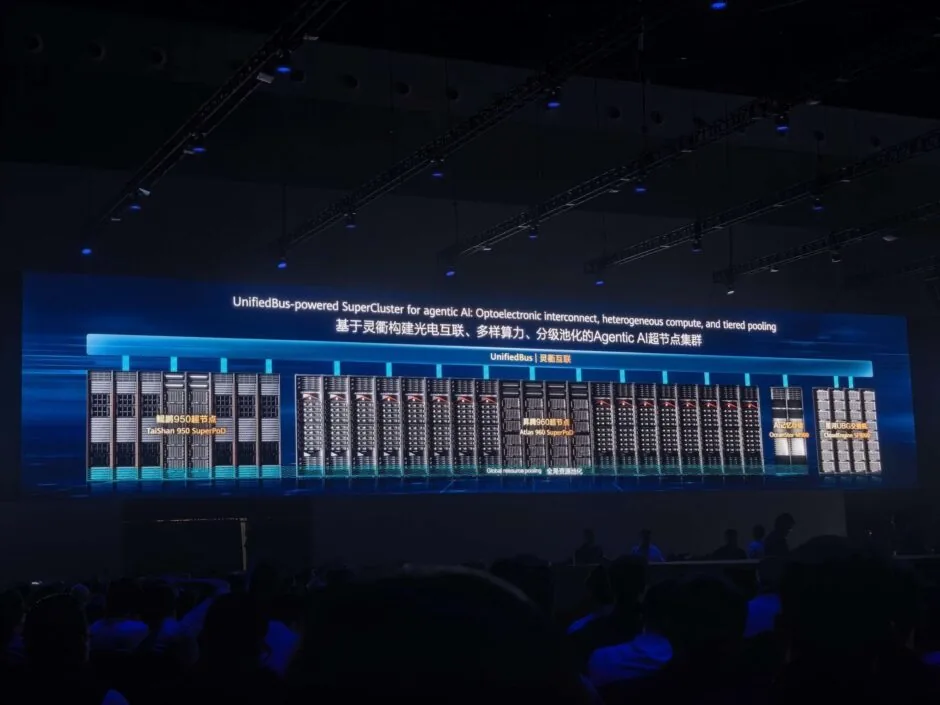
Huawei-related developments were limited this period, with the main item being the Ascend 950 AI computing cluster scheduled to begin service on September 30. A second report mentioned the cluster only as one of several upcoming tech events, without additional detail. Overall, no major business or strategic developments emerged in this window.
· 2 events in window
Huawei posted standout PC performance this period, with Q2 2026 shipments surging 82% year-on-year to capture 16% market share and second place in China. Commercial demand was strong, driven by the Xinchuang domestic IT initiative, though Omdia forecasts a full-year PC market decline. No new major developments emerged in the smart vehicle business.
· 5 events in window
Huawei's smart vehicle business underwent a significant model shift this period, as Seres formally took over operational leadership of the AITO brand, with Huawei retreating to a technology supplier role. Yu Chengdong confirmed that Seres proposed the change, and uncertainty remains over how long AITO display vehicles will stay in Hongmeng Zhixing stores. Other "Jie" brands continue under Huawei's full-process leadership for now. Separately, JAC Motors issued a stock anomaly announcement denying undisclosed material events while flagging operational risks from its first-half net loss.
· 10 events in window
Huawei's smart vehicle partnerships entered a product-launch phase this period, with multiple automakers unveiling new models. GAC and Huawei jointly launched the Qijing GX7 SUV featuring L3 autonomous driving architecture, while Lantu introduced the Dreamer 9 flagship MPV equipped with Huawei's Qiankun ADS 5 system. Dongfeng Motor's CEO met with Ren Zhengfei to deepen cooperation on jointly developed models and intelligent solutions. Separately, Apple's entry into the foldable phone market with the iPhone Duo poses new competitive pressure on Huawei's foldable segment share.
· 15 events in window
Huawei made several new moves in AI infrastructure and smart vehicles during this period. The company launched the OceanStor M900 AI memory storage for inference and unveiled the Ascend 960 supernode using near-packaged optics, with the latter's progress driving a rally in Chinese AI chip stocks. In automotive, BAIC BluePark confirmed its Stelato cooperation model with Huawei remains unchanged, while Stellantis was reported to be in talks with Huawei and JAC Motors for a Maserati smart platform partnership. Huawei also ranked among the top five private enterprises in China and led in R&D investment and patents.
Tracked events
Events matched to this subject by the tracking pipeline, with signal scores.
Chinese AI company DeepSeek has open-sourced six infrastructure components for Huawei's Ascend computing platform, including the TileLang programming language. The matrix kernels achieve 99.8% of the chip's theoretical peak speed. The collaboration aims to reduce reliance on Nvidia's CUDA ecosystem amid US export restrictions. DeepSeek founder Liang Wenfeng told investors Huawei could begin delivering training chips this quarter.
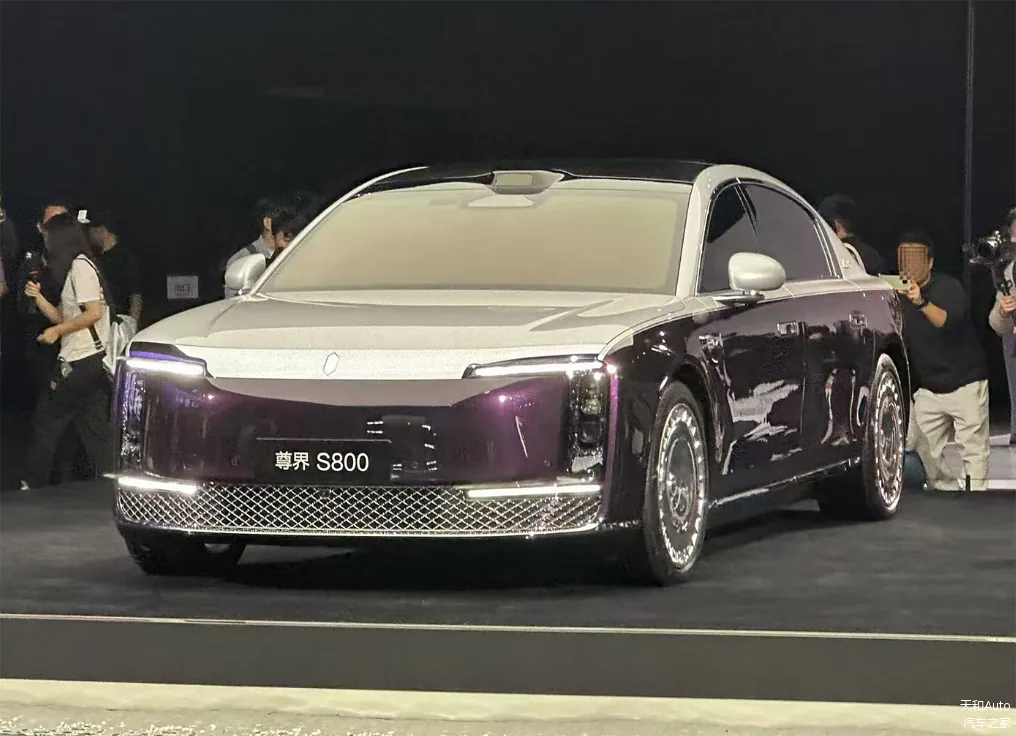
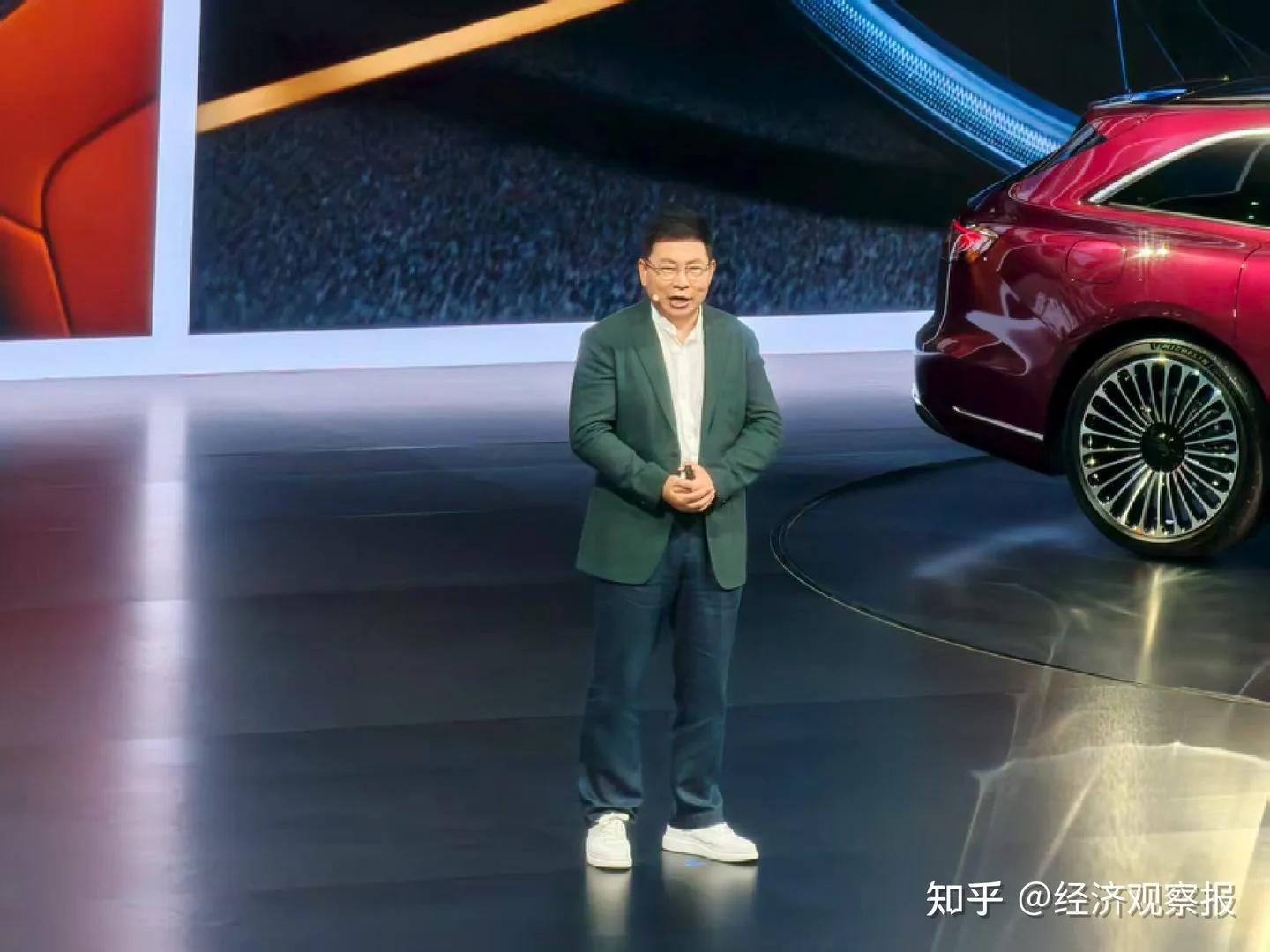
Huawei executive Richard Yu announced that the AITO brand, the first under the Harmony Intelligent Mobility ecosystem, will shift to a new cooperation model where Seres takes the lead in product definition, design, marketing, retail, and service, while Huawei Terminal provides enabling support. Yu assured existing AITO user rights and services remain unaffected. Harmony Intelligent Mobility will allocate more resources to its other four brands: Zunjie, Xiangjie, Zhijie, and Shangjie. The change follows Seres' acquisition of AITO trademarks and a stake in Huawei's smart car unit Yinwang.
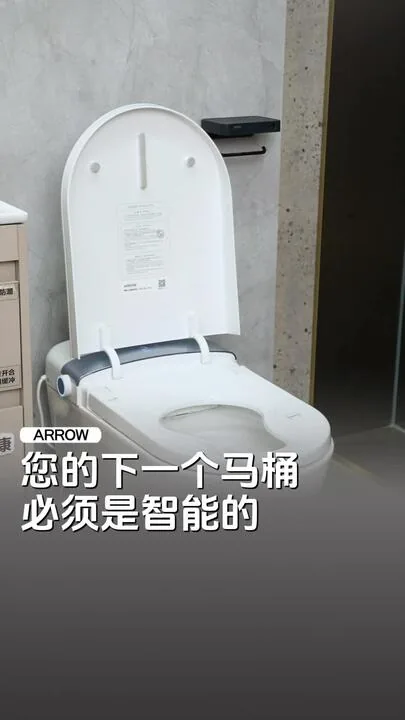
On September 24, 2026, at the HarmonyOS Smart Selection Autumn New Product Recommendation Conference in Shenzhen, Arrow Home unveiled the Clean Master P60 series smart toilet. The product features self-cleaning ceramic rings, UV sterilization, and IPX5 waterproofing, and integrates with Huawei's HarmonyOS ecosystem for cross-device control. The partnership, which began with HarmonyOS Connect in 2021, has evolved into co-creation of smart spaces. The P60 series is scheduled for release in November 2026.
US Treasury yields surged to multi-year highs, with the 10-year yield reaching 5.2297% (17-year high) and the 30-year yield hitting 5.5319% (21-year high). Former President Trump rejected Iran's proposal to reopen the Strait of Hormuz, causing oil prices to rise over 1% in early Asian trading. Markets are focused on upcoming US PCE inflation data and September nonfarm payrolls, with rate futures pricing a 66% probability of a 25-basis-point rate hike in October.
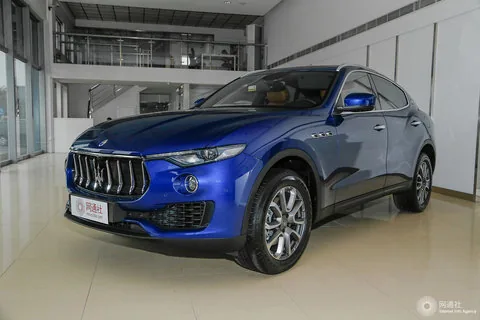
Shares of JAC Motors surged to multiple daily trading limits in late September 2025, driven by market speculation about a potential three-way partnership among Stellantis, Huawei, and JAC to produce Maserati electric vehicles using Huawei's HarmonyOS smart mobility platform. JAC confirmed ongoing cooperation with Huawei but did not confirm the Maserati rumors. Stellantis declined to comment, stating Maserati's strategy will be announced at an investor day in December.
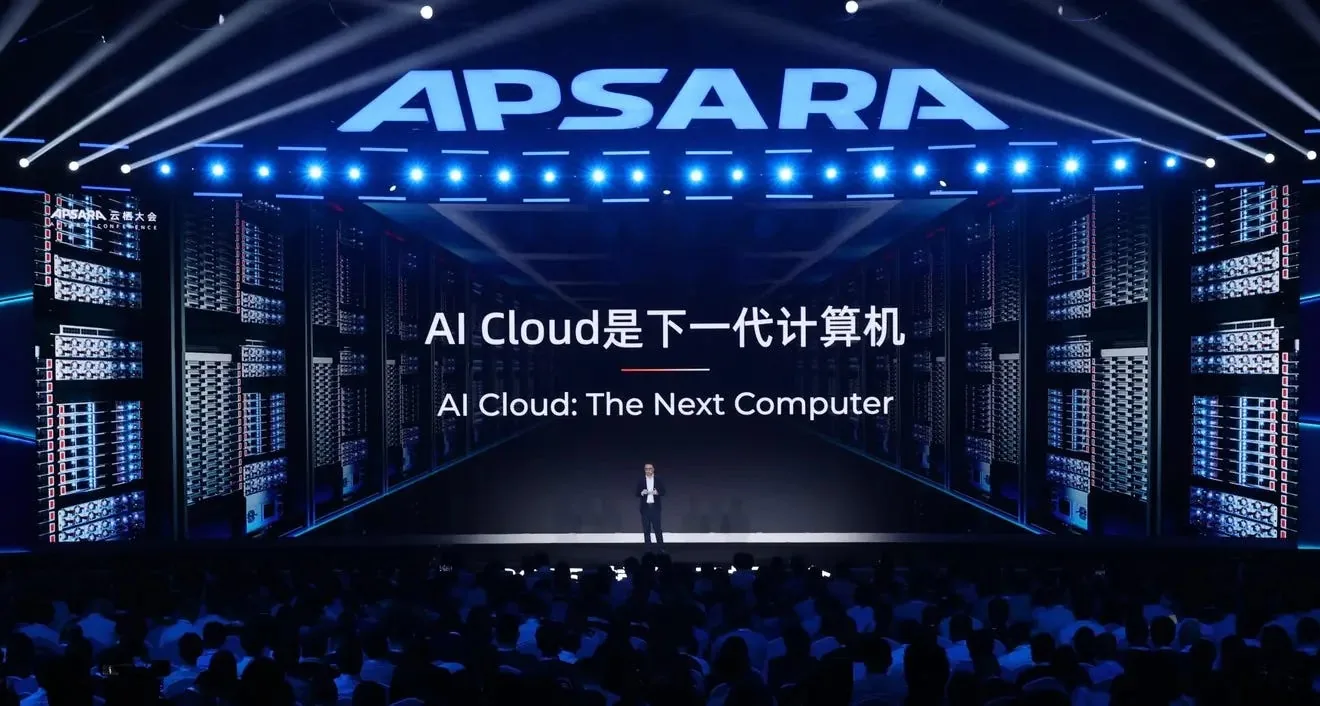
At the 2026 Apsara Conference in Hangzhou, Alibaba Group CEO Wu Yongming announced a major AI infrastructure push, unveiling the Zhenwu V900 AI chip with triple the performance of its predecessor, plans to train a 5-10 trillion parameter model, and a target for Alibaba Cloud to operate over 20GW of global data center capacity by 2032. The chip is set for mass production in Q1 2027.
China's PC market grew 11% year-on-year in Q2 2026 to 11.4 million units, driven by a 42% surge in desktop shipments, according to Omdia. Huawei led growth with an 82% shipment increase, capturing 16% market share behind Lenovo's 32%. Tablet shipments fell 13% to 8 million units. Omdia forecasts full-year 2026 PC shipments will decline 6% and tablets 10%.
China's A-share market will have only three trading days from September 28-30 before the National Day holiday. Key events include the release of August industrial profit data and September PMI, two State Council press conferences on the 15th Five-Year Plan, PBOC overnight reverse repo operations with a daily cap of 1 trillion yuan, the launch of two new SSE indices, and two IPOs. Huawei's Ascend 950 AI cluster will begin service on September 30.
China's State Administration for Market Regulation reported 15.502 million new business entities were registered from January to August 2024, including 6.001 million enterprises and 9.474 million individual businesses. The service sector led with 13.788 million new entities. The 'Four New' economy—encompassing new industries, business forms, models, and technologies—reached 29.301 million registered enterprises by end of August, up 5.4% year-on-year, accounting for 44% of all enterprises.
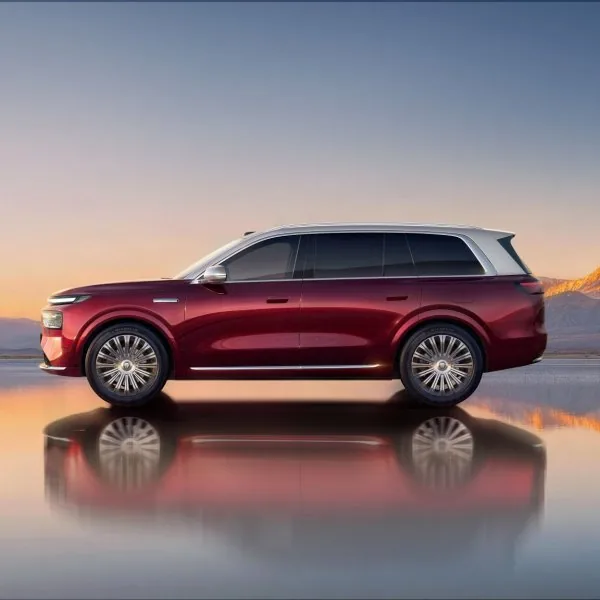
On September 24, the Yijing X9, a large six-seat extended-range electric SUV co-developed by Dongfeng Motor and Huawei's Qiankun division, launched with a limited-time starting price of 279,800 yuan. The vehicle features Huawei's full suite of intelligent solutions, including ADS 5 autonomous driving and HarmonySpace 6 cockpit. Within 24 hours, it received over 9,157 firm orders. Yijing Auto aims for top-three sales in its segment, with plans for five models over three years.
Global AI glasses shipments surged 263% year-on-year in the first half of 2026, driven by Meta's dominant 94% share of the display-less segment. Display-less models accounted for 96% of total shipments. The AR & AI glasses segment grew 449% from a small base, with Chinese manufacturers like Rokid, Even Realities, and Alibaba leading commercialization. The market remains supply-driven, with challenges including rising component costs and privacy concerns.
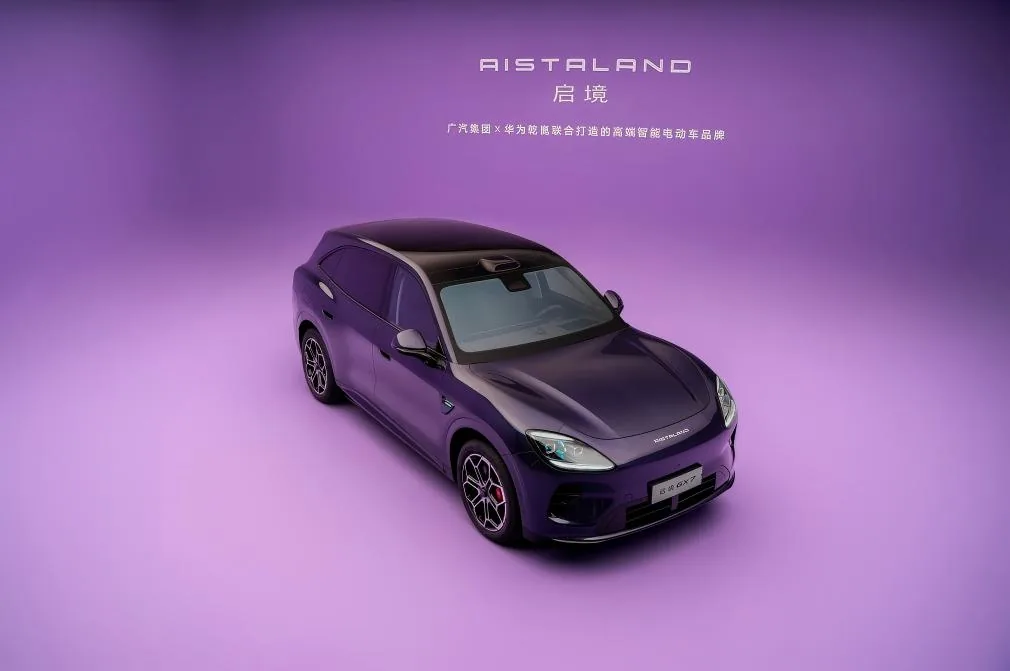
On September 23, GAC Group and Huawei Qiankun jointly launched the Qijing GX7, a "wide five-seat" extended-range electric SUV priced between 229,900 and 291,900 yuan. The vehicle features an L3-level autonomous driving architecture, four LiDAR sensors, and CATL batteries with 5C fast charging. Within 18 hours of launch, Qijing reported 15,318 firm orders. The GX7 targets the competitive 250,000-300,000 yuan SUV segment in China.
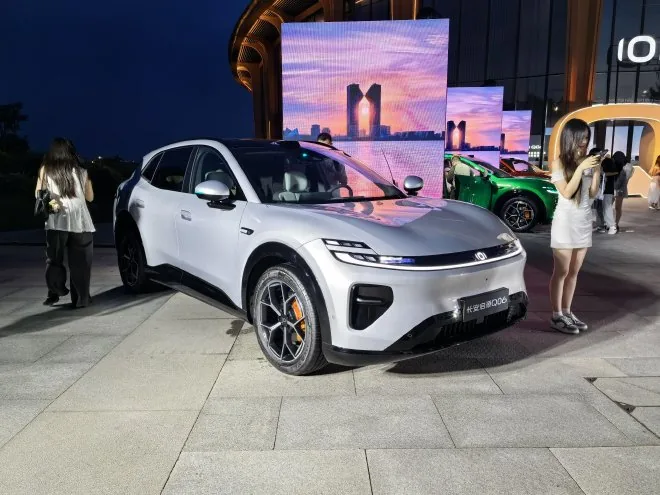
On September 23, Changan Automobile launched the Qiyuan Q06 in Hangzhou, featuring its self-developed Tianshu Linghang high-level intelligent driving assistance system, rejecting full-stack third-party supplier solutions. The vehicle uses Horizon's Journey 6P chip for computing, while Changan handles algorithm development and integration. Changan has invested over 60 billion yuan over a decade, including 22.5 billion in intelligent products, and built a 7,500-person R&D team. The Q06 starts at 135,900 yuan, aiming to scale up data collection for its self-driving system.
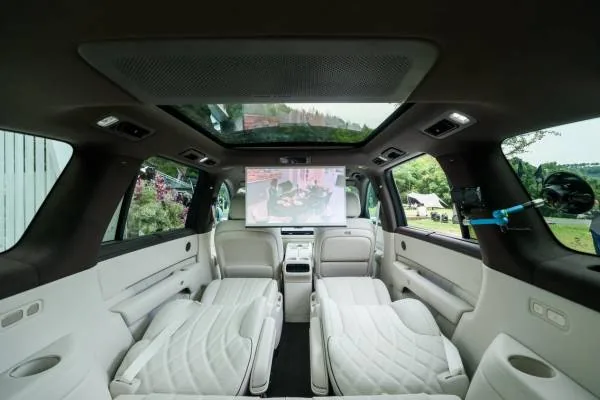
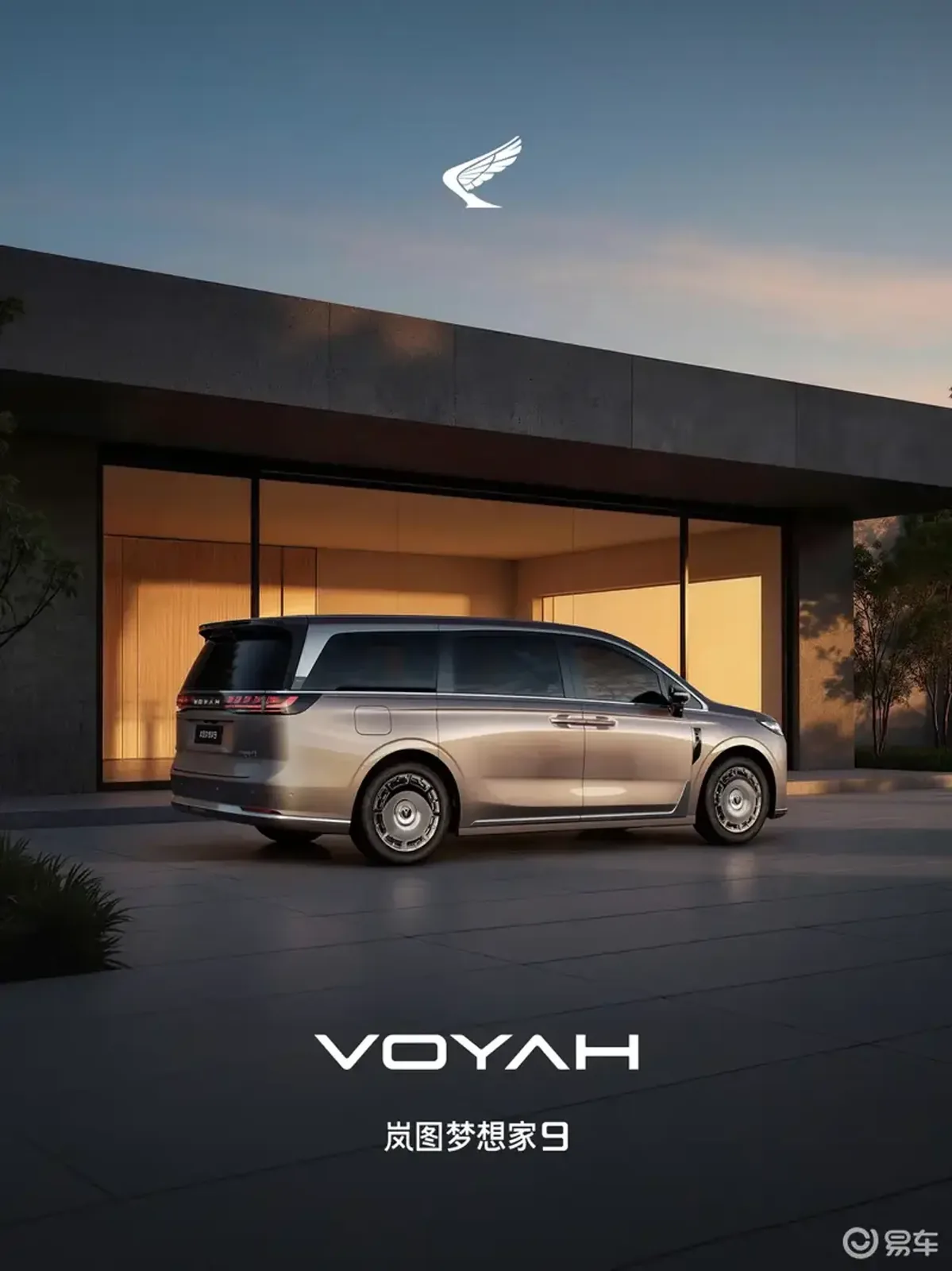
On September 22, 2026, Chinese state-owned automaker Lantu launched its flagship MPV, the Dreamer 9, priced between 419,900 and 529,900 yuan. The vehicle features Huawei's Qiankun ADS 5 autonomous driving system, HarmonySpace 6 cockpit, and an 800V platform. To generate buzz, Lantu executed extreme stunts including stacking six vehicles into an 11-meter tower and driving the bottom car. The Dreamer 9 and competing Zhijie V9 share over 70% user overlap. Lantu reported a net loss of 389 million yuan in H1 2026.
On September 22, Dongfeng Motor General Manager Feng Changjun met with Huawei founder Ren Zhengfei in Shenzhen to deepen strategic cooperation on intelligent vehicles. They discussed jointly developed models including the Yijing X9, Mengshi X700, and Voyah Dreamer 9. Ren emphasized safety and quality as foundations of car manufacturing, reiterating Huawei will not build cars. The Yijing X9, featuring Huawei's Qiankun full-stack smart car solution, launched on September 24 with deliveries starting in December 2024.
On September 15, 2025, AITO and Harmony Intelligent Mobility announced a new cooperation model where Seres will lead product definition, design, marketing, retail, and service for the AITO brand, with Huawei Terminal providing enabling support. Huawei executive Yu Chengdong confirmed on September 24 that Seres proposed the change after building its capabilities, and Huawei supports the decision. Seres Chairman Zhang Xinghai described the shift as an upgrade to an exclusive franchise model, denying a breakup. The change does not affect other HarmonyOS brands. Seres' controlling shareholder increased its stake by 4.15 million shares between July 15 and September 24.
JAC Motors issued a stock price anomaly announcement on September 23, 2026, after its shares rose over 20% across three consecutive trading days (September 21-23). The company stated daily operations had not changed significantly, and neither the company nor its controlling shareholder had undisclosed major matters such as asset restructuring or business cooperation. Directors, senior management, and the controlling shareholder did not trade shares during the period. JAC also reiterated a planned investment in Yinwang Intelligent Technology and a share buyback program, while warning of a first-half 2026 net loss of 749 million yuan.
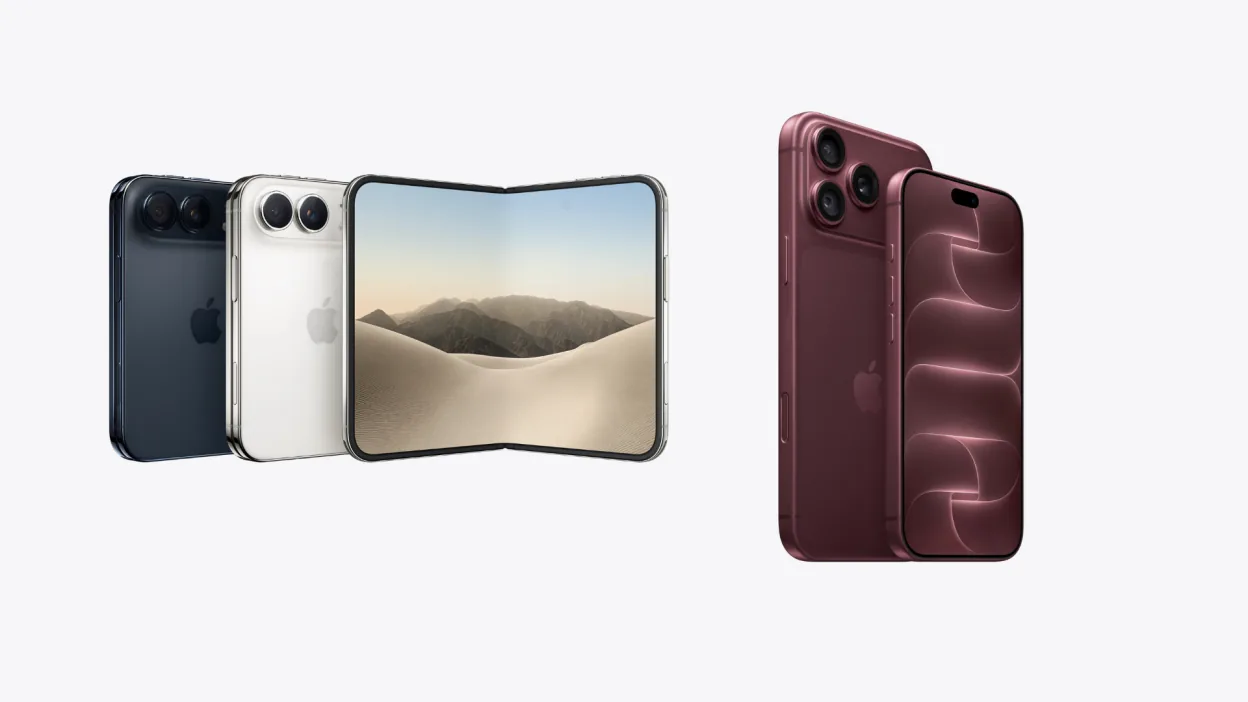
On September 10, 2026, Apple launched its first foldable smartphone, the iPhone Duo, priced from 15,999 yuan in China with a 7.6-inch unfolded display. Counterpoint Research forecasts Apple will capture 25% of the global foldable market in its first year, with Samsung at 38% and Huawei at 22%. The entry is expected to accelerate industry consolidation, with the top five manufacturers projected to command over 85% of the market by 2027. Chinese rivals Huawei, Xiaomi, OPPO, and vivo launched competing models within 72 hours of Apple's announcement.
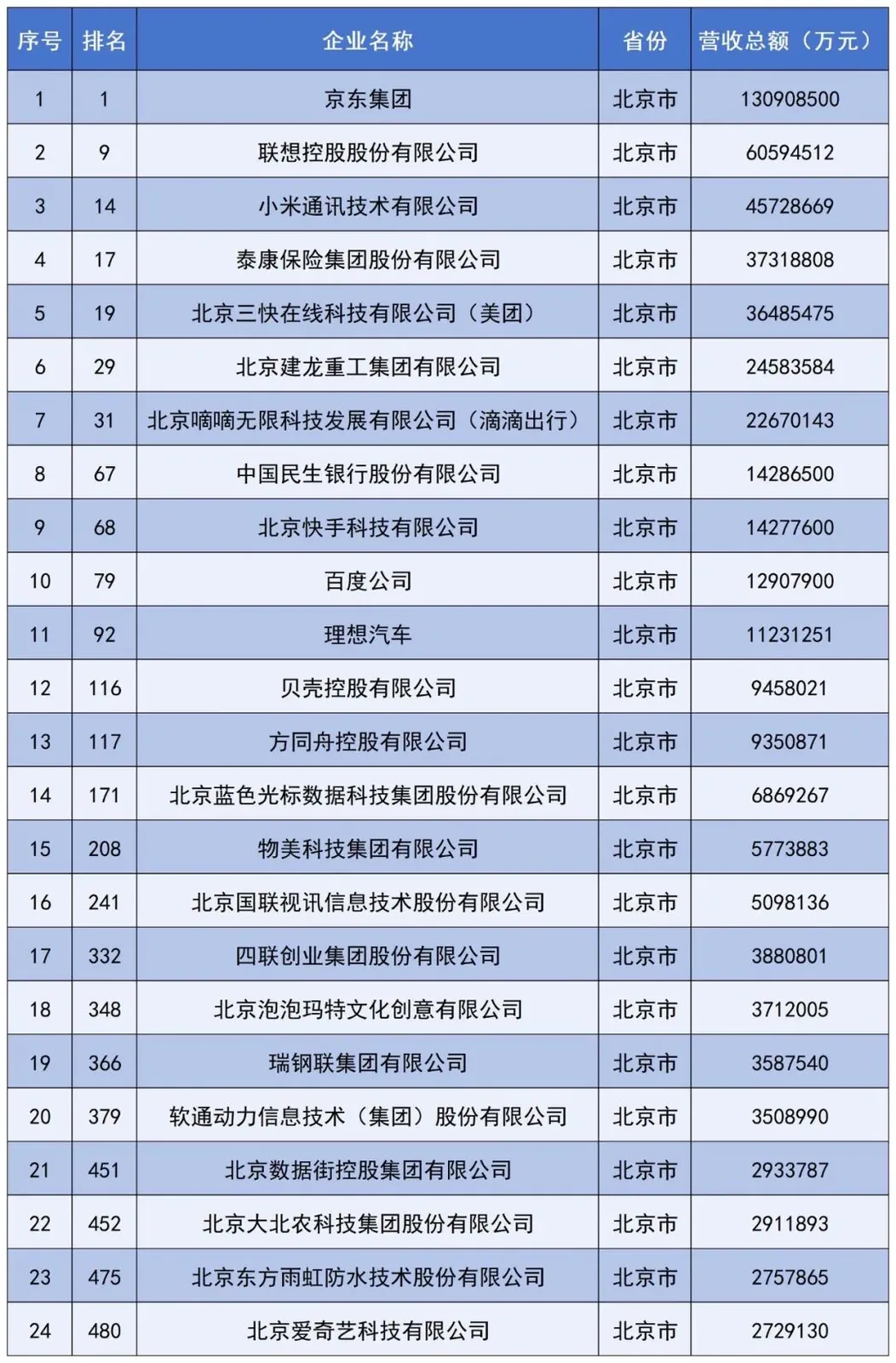
On September 22, the All-China Federation of Industry and Commerce released the 2026 China Top 500 Private Enterprises list in Tianjin, based on 2025 revenue data from 6,350 firms. JD.com, Alibaba, and Hengli Group led the ranking. The top 500 firms reported total revenue of 44.93 trillion yuan (up 4.35%), net profit of 1.83 trillion yuan (up 1.31%), and tax payments of 1.30 trillion yuan. 254 firms paid over 1 billion yuan in taxes. Zhejiang had the most listed firms (104), followed by Jiangsu (90) and Shandong (51).
On September 22, the All-China Federation of Industry and Commerce released the 2026 China Top 500 Private Enterprises list in Tianjin. JD.com, Alibaba, and Hengli Group secured the top three spots for the fifth consecutive year. The survey included 6,350 firms with 2025 revenues over 10 billion yuan. The top 500 reported total revenue of 44.93 trillion yuan (up 4.35% year-on-year), net profit of 1.83 trillion yuan (up 1.31%), and tax payments of 1.30 trillion yuan. 110 companies exceeded 100 billion yuan in revenue.
On September 22, the All-China Federation of Industry and Commerce released the 2026 China Top 500 Private Enterprises list, based on 2025 revenue data from 6,350 firms. Total revenue reached 44.93 trillion yuan, up 4.35% year-on-year, while net profit grew 1.31% to 1.83 trillion yuan. The entry threshold fell to 255.99 billion yuan. Manufacturing firms accounted for 70.6% of the list. R&D spending totaled 1.26 trillion yuan. The real estate sector shrank sharply, while new energy firms surged.
Physical AI startup XIRRA (息壤开物) completed consecutive seed and angel funding rounds totaling hundreds of millions of yuan, reaching a $500 million valuation. The rounds were led by Dunhong Asset, with participation from Huakong Fund, Sanhua Holdings, and others. Founded by former Huawei Cloud large model CTO Li Yin and Huawei multimodal chief scientist Zhang Hanwang, the company develops a native physical foundation model (LPM). Funds will support pre-training, data collection, and scenario validation. XIRRA achieved top global rankings in trajectory accuracy and physical compliance at the WorldArena 2.0 competition on September 16.
On September 23, the Beijing Stock Exchange Listing Committee approved the IPO application of Kejian Polymer Materials (Shanghai) Co., Ltd., a national-level "Little Giant" specializing in butyl rubber sealants and adhesives. The company plans to issue up to 15.6 million shares, raising approximately 185 million yuan, with Changjiang Securities as sponsor. Proceeds will fund manufacturing and R&D upgrades. Kejian reported 2025 revenue of 518.20 million yuan and net profit of 69.25 million yuan.
BAIC BluePark confirmed its partnership with Huawei for the Stelato luxury EV brand remains unchanged as a "carmaker + Huawei tech ecosystem" strategic community, following Huawei's cooperation model adjustment with Seres for the AITO brand. BAIC has invested over 20 billion yuan in Stelato, which reported 242,300 registrations in the first eight months of 2026, up 74.3%. A dedicated Stelato sales network under Harmony Intelligent Mobility is being built, with some stores already operational.
The All-China Federation of Industry and Commerce released the 2026 China Private Enterprise 500 list on September 22, showing total revenue of 44.93 trillion yuan (up 4.35%) but net profit growth of only 1.31%, a three-year low. The Yangtze River Delta region secured 224 spots. Real estate firms collapsed from 44 to 5 since 2021, while new energy companies doubled. Fujian and Anhui each added five firms, while Hubei lost seven and Chongqing lost five.
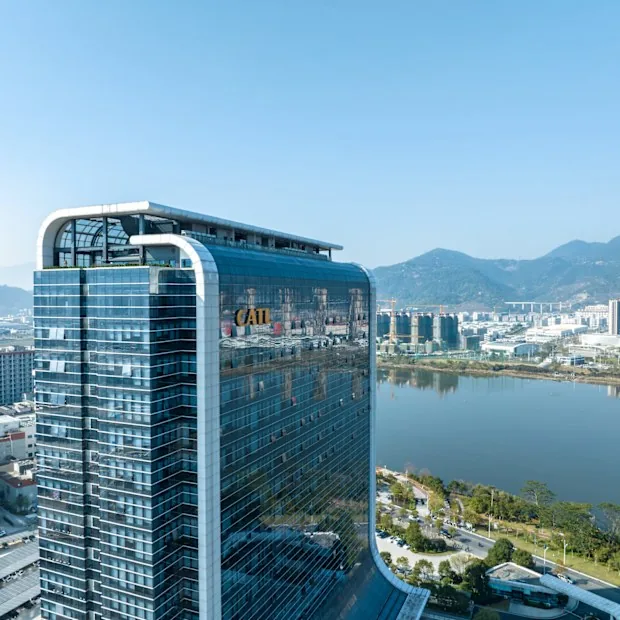
Chinese electric vehicle makers including Li Auto, Xiaomi, and XPeng are reducing dependence on dominant battery supplier CATL by investing in second-tier manufacturers, forming joint development partnerships, and developing in-house battery capabilities. Li Auto invested 2.65 billion yuan in Sunwoda Power, becoming its second-largest shareholder, while Xiaomi partnered with CALB and Sunwoda for its "Dragon Armor Battery." The shift is driven by cost pressures, as batteries account for 30-40% of vehicle costs, and a desire for supply chain security and product differentiation. CATL's stock has fallen over 35% from its 2026 high, losing more than 700 billion yuan in market value.
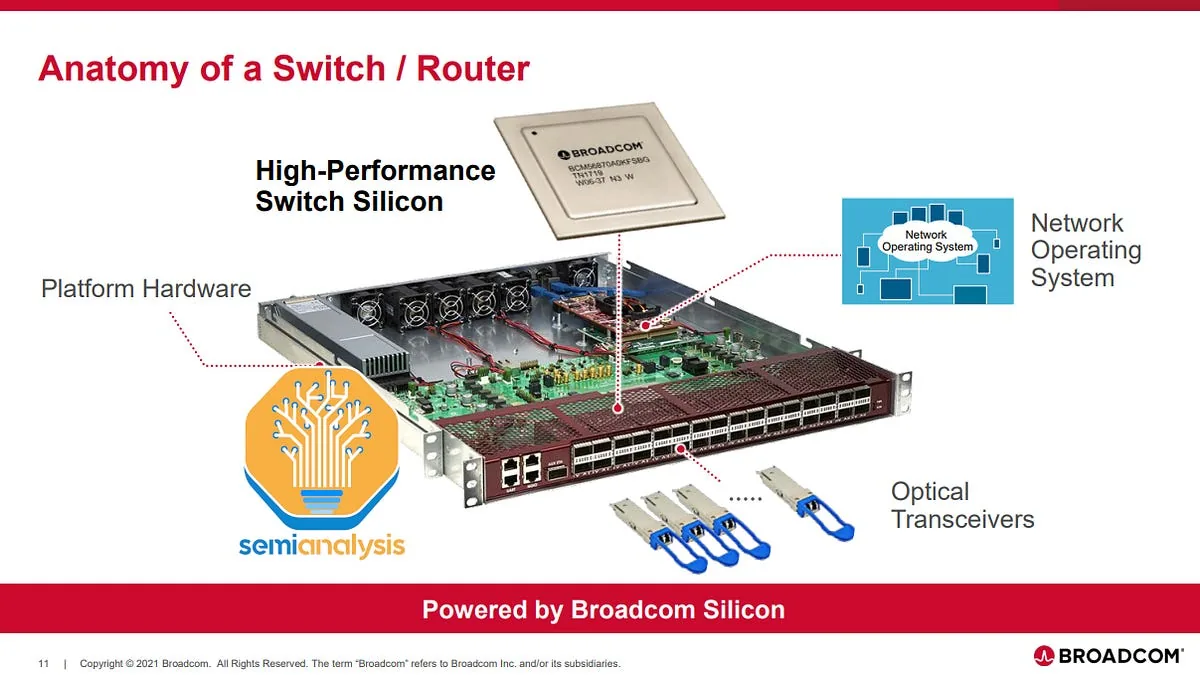
China's State-owned Assets Supervision and Administration Commission (SASAC) is investigating the use of Broadcom switches in state-owned data centers, which may account for up to 90% of equipment. The probe aims to reduce reliance on foreign AI infrastructure and promote domestic semiconductors under a "domestic chips for domestic use" policy. SASAC may issue non-binding guidance to cut Broadcom usage, though existing equipment will not be removed and private companies are exempt.
On September 22, China's A-share market closed mixed after an initial rally faded, with the Shanghai Composite edging up 0.06% to 3952.13. AI application and hardware stocks led gains, driven by the 2026 Yunqi Conference where Alibaba's T-Head unveiled the Zhenwu V900 AI chip, and by Meta's launch of the Muse AI agent. Pharmaceutical stocks also rose on policy support and mRNA vaccine optimism. Total turnover reached 2.1537 trillion yuan. On September 23, markets fell broadly, with pharma continuing to shine and AI hardware showing underlying strength.
On September 22, Zhongsu Co., Ltd. and Century Digital surged up to 949% and 850% respectively on their first trading day on Chinese exchanges, triggering multiple trading halts. The next day, both stocks reversed sharply, with Century Digital falling 30% and Zhongsu Plastics dropping 34.53%. The companies issued risk warnings about high valuations and raw material cost exposure.
At Huawei Connect 2026, Huawei launched the Ascend 960 supernode, the industry's first to use Near-Packaged Optics (NPO) technology. The system uses 5,500 Hi-ONE optical engines to replace 48,000 800G optical modules, cutting power consumption by over 550 kW and achieving 99.8% system availability. The Hi-ONE delivers 7.2T per engine. Analysts expect small-scale volume ramp-up in 2027 and mass production by 2028. Huawei has also signed a strategic agreement with Xi'an Institute of Optics and led the OPEN NPO standardization project.