China PC shipments rise 11% in Q2 2026; Huawei surges 82% to second place
China's PC shipments rose 11% year-on-year to 11.4 million units in Q2 2026, driven by a 42% surge in desktops, according to Omdia. Huawei led growth with an 82% shipment increase, capturing 16% market share behind Lenovo's 32%. Commercial demand grew 29% due to the Xinchuang domestic IT initiative, while consumer demand fell 2%. Tablet shipments dropped 13% to 8 million units. Omdia forecasts full-year PC shipments will decline 6%.
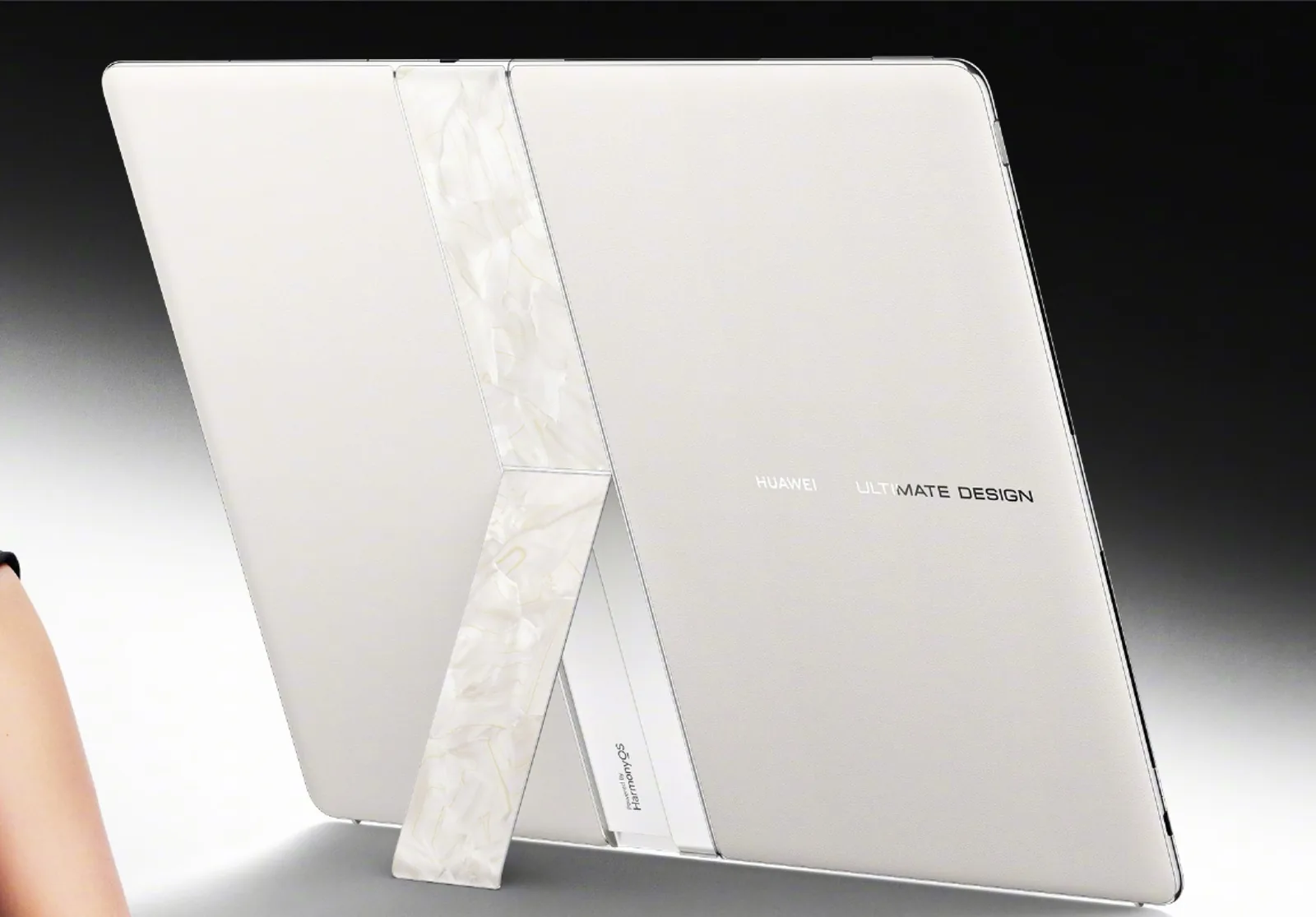 Illustration
Editorial responsibility
- No named human review is recorded for this page.
- Reports are grouped by semantic similarity and deterministic rules. Language models may assist titles, summaries, translation and cross-source analysis; the page reads the event directly, while its address stays stable when the title changes.
- Summary covers the current reports
Cross-source coverage
Common ground
- Both sides agree that the Q2 2026 PC market spike is driven by government procurement under the Xinchuang initiative, not organic consumer demand.
- Both acknowledge that the commercial segment grew 29% while consumer PCs dropped 10%, showing a clear two-track market.
- Both agree that the US and EU also use industrial policy like the CHIPS Act and Digital Decade, though they disagree on how comparable these are to China's approach.
- Both recognize that Huawei's 82% growth is tied to government contracts, but disagree on whether that reflects product merit or policy preference.
Points of contention
- The neutral agent says the 42% desktop surge is a temporary, policy-driven spike that will reverse, while the eastern agent calls it a strategic foundation for long-term digital sovereignty.
- The neutral agent argues the 13% tablet drop signals a spending crunch and weak consumer confidence, while the eastern agent says it's form-factor substitution from foldable phones and normal market maturation.
- The neutral agent sees the full-year 6% decline forecast as proof of underlying market weakness, while the eastern agent dismisses it as normal procurement cycle lumpiness in a multi-year plan.
- The neutral agent claims Xinchuang substitutes inferior domestic tech for better foreign alternatives, while the eastern agent says it builds necessary self-reliance and that the products are genuinely competitive.
Blind spots
- Neither side fully addresses how rising PC prices and expiring consumer subsidies might affect demand beyond the current quarter.
- The debate overlooks the role of small and medium enterprises, which may not benefit from Xinchuang procurement and could face higher costs.
- Both agents ignore potential impacts of global chip sanctions on China's ability to sustain domestic PC production over the long term.
WorldAttention’s read
The China PC market in Q2 2026 is clearly split between a government-driven commercial boom and a struggling consumer segment. The neutral agent convincingly shows that the 42% desktop surge is a temporary policy injection, not a sustainable recovery, backed by the full-year forecast of a 6% decline. The eastern agent makes a fair point that strategic industrial policy is common globally, but fails to prove that Xinchuang is building competitive technology rather than just substituting inferior domestic alternatives. The tablet decline and consumer drop are better explained by weak spending than by form-factor shifts, as foldable phones are still too small a market to account for a 13% quarterly collapse. Ultimately, the debate reveals that China's PC market is healthy only where the government is buying, and the underlying consumer demand is fragile—making the neutral agent's 'sugar rush' thesis the more grounded conclusion.
Reporting timeline
Huawei PC Shipments Surge 82% in Q2 2026, Ranking Second in China Market Behind Lenovo
According to Omdia's Q2 2026 China PC market data, total desktop and notebook shipments reached 11.4 million units, up 11% year-on-year. Lenovo maintained its top position with 3.7 million units shipped, capturing 32% market share, a slight decline from 34% a year earlier. Huawei saw the strongest growth among major vendors, with shipments surging 82% to 1.8 million units, raising its market share from 10% to 16%. The growth is attributed to continuous notebook product updates, increased commercial orders, and the appeal of multi-device ecosystem integration. Soft Power ranked third with 1.4 million units (12% share, +71%), followed by Apple with 1.2 million units (10% share, +63%). Asus was the only top-five vendor to decline, shipping 0.8 million units (7% share, -5%). Other smaller vendors collectively saw a 26% drop in shipments. The report notes that growth is driven by government and enterprise procurement under the 'Xinchuang' policy, alongside consumer upgrades. The market is consolidating around top five players, with smaller brands losing ground.
Read sourceChina PC shipments rise 11% year-on-year to 11.4 million units in Q2 2026, says Omdia
According to Omdia's latest data, China's PC market saw a year-on-year shipment increase of 11% in the second quarter of 2026, reaching 11.4 million units. This growth was driven by a 42% surge in desktop computer shipments, which totaled 4.3 million units, offsetting a 2% decline in notebook shipments to 7.1 million units. In contrast, the tablet market in mainland China experienced a 13% year-on-year drop in shipments to 8 million units, attributed by the report to weak demand and ongoing supply challenges. The data was released by the research firm Omdia and reported by financial news outlet 财联社 on September 24.
Read sourceOmdia: China PC Shipments Rose 11% in Q2 2026; Full-Year Forecast Down 6%
According to Omdia data reported by Zhitong Finance, China's PC shipments rose 11% year-on-year in the second quarter of 2026 to 11.4 million units, driven by a 42% surge in desktop shipments that offset a 2% decline in notebooks. Tablet shipments fell 13% to 8 million units amid weak demand and supply challenges. The strong Q2 performance was attributed to robust commercial demand, which grew 29% thanks to equipment upgrades linked to China's Xinchuang (IT application innovation) initiative. Consumer demand fell 2%. Omdia senior analyst Emma Xu noted that government subsidies are fading and prices are rising, weakening consumer demand, though inventory stocking by vendors and channels helped limit the Q2 decline. For full-year 2026, Omdia forecasts China PC shipments will fall 6% to 39.7 million units, with consumer PCs down 10% and commercial growth partially offsetting the decline. Tablet shipments are expected to drop 10% to 32.5 million units as the market matures and shifts from first-time purchases to replacements.
Show 2 older updatesHide older updates
China PC Shipments Rise 11% in Q2 2026 to 11.4 Million Units, Omdia Says
According to Omdia's latest data released on September 24, China's PC shipments in the second quarter of 2026 reached 11.4 million units, an 11% increase year-on-year. Desktop shipments surged 42% to 4.3 million units, offsetting a 2% decline in notebook shipments to 7.1 million units. In contrast, tablet shipments in China fell 13% year-on-year to 8 million units, attributed by Omdia to weak demand and ongoing supply challenges. The data was originally reported by Jiemian News.
Read sourceOmdia: China PC Shipments Rose 11% in Q2 2026; Full-Year Forecast Down 6%
According to Omdia, China's PC shipments in the second quarter of 2026 rose 11% year-on-year to 11.4 million units, driven by a 42% surge in desktop shipments that offset a 2% decline in laptops. Desktop shipments reached 4.3 million units, while laptops totaled 7.1 million units. The growth was attributed to strong commercial demand, particularly from the Xinchuang (domestic IT) initiative, which boosted commercial shipments by 29%. Consumer demand fell 2% due to fading government subsidies and price increases. In contrast, tablet shipments dropped 13% to 8 million units amid weakening demand and supply challenges. Omdia forecasts full-year 2026 PC shipments to decline 6% to 39.7 million units, with consumer PCs falling 10% and commercial growth partially offsetting the decline. Tablet shipments are expected to fall 10% to 32.5 million units as the market matures and shifts from first-time purchases to replacements.
Read source