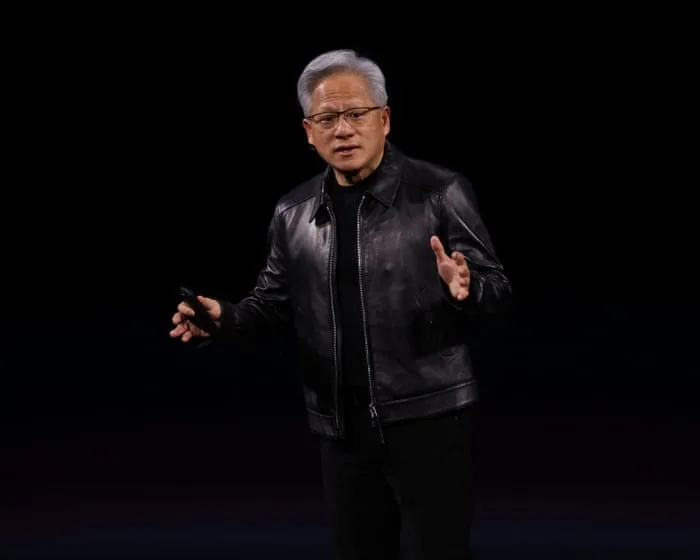
Nvidia's board launched an independent investigation after CEO Jensen Huang admitted in a staff email that he was unfaithful to his wife, confirming a relationship with Alice Huang, a former Megaspeed executive whom US intelligence suspects was recruited by China's Ministry of State Security. Nvidia said it has no reason to believe secrets or national security were compromised, and Huang remains CEO. China's Foreign Ministry dismissed the espionage claims as groundless. Nvidia shares fell in premarket trading, and three House committee chairs requested a closed-door briefing with Huang on November 18.
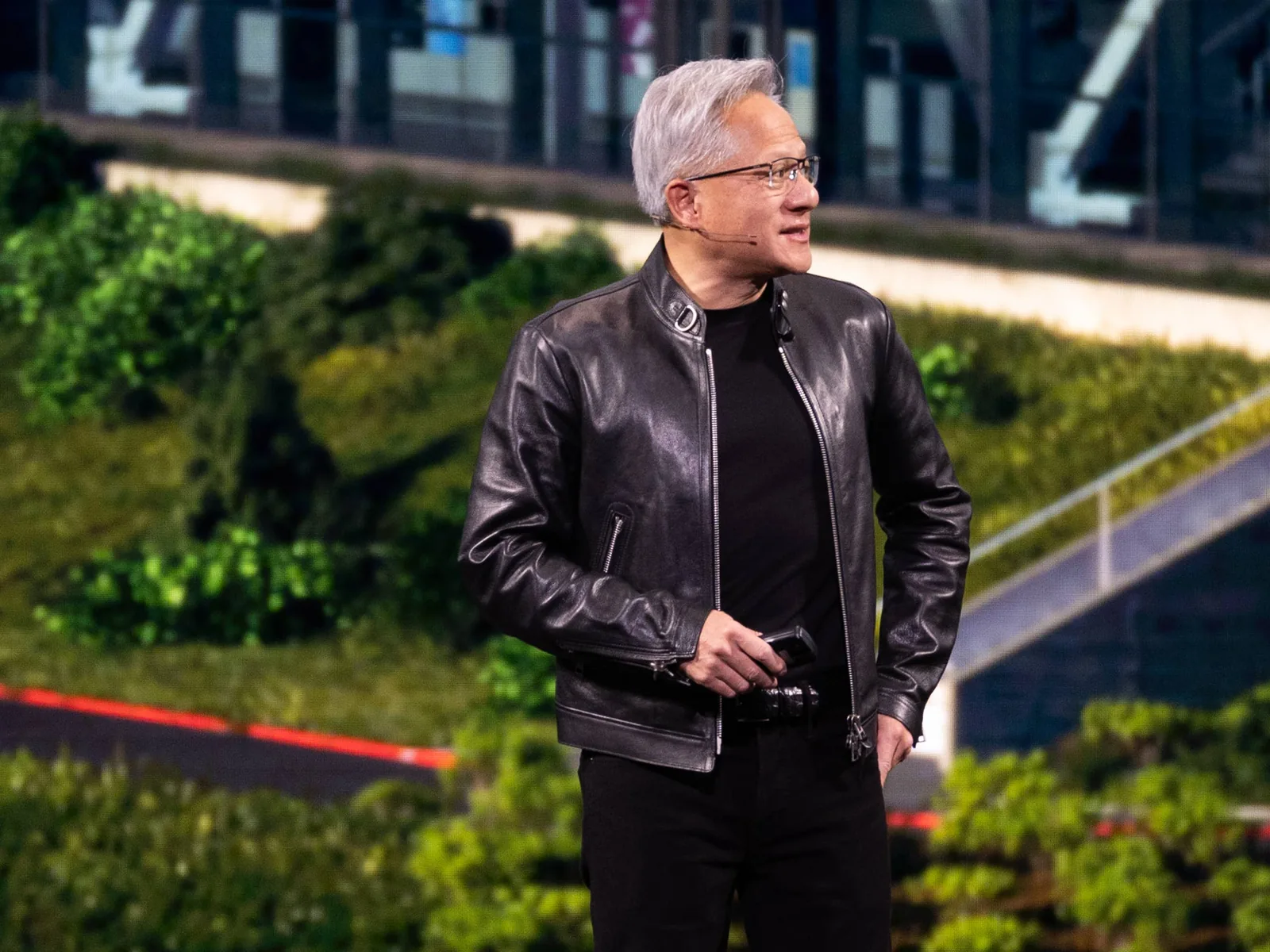
Nvidia's board of directors launched an independent investigation after reports that CEO Jensen Huang was targeted in a Chinese intelligence operation involving Alice Huang, a former Megaspeed executive U.S. officials suspect was recruited by the Ministry of State Security. Jensen Huang admitted an extramarital affair in a company memo and apologized, pledging cooperation. The board said it has no reason to believe company secrets or national security were compromised and expressed confidence in Huang. Nvidia shares fell about 5.7% to $176.24, and China's Foreign Ministry dismissed the spy allegations as baseless.
China's producer price index rose 5.7% year-on-year in October, the fastest pace since June 2022 and above the 5.3% median forecast in a Reuters poll, according to National Bureau of Statistics data. The reading was up from 5% in September and marked a third consecutive monthly gain. Consumer prices rose 0.7% year-on-year, a three-month low and below the 0.8% poll median, while core CPI slipped to 0.8%. The data show factory-gate inflation accelerating while consumer-level price pressures eased.
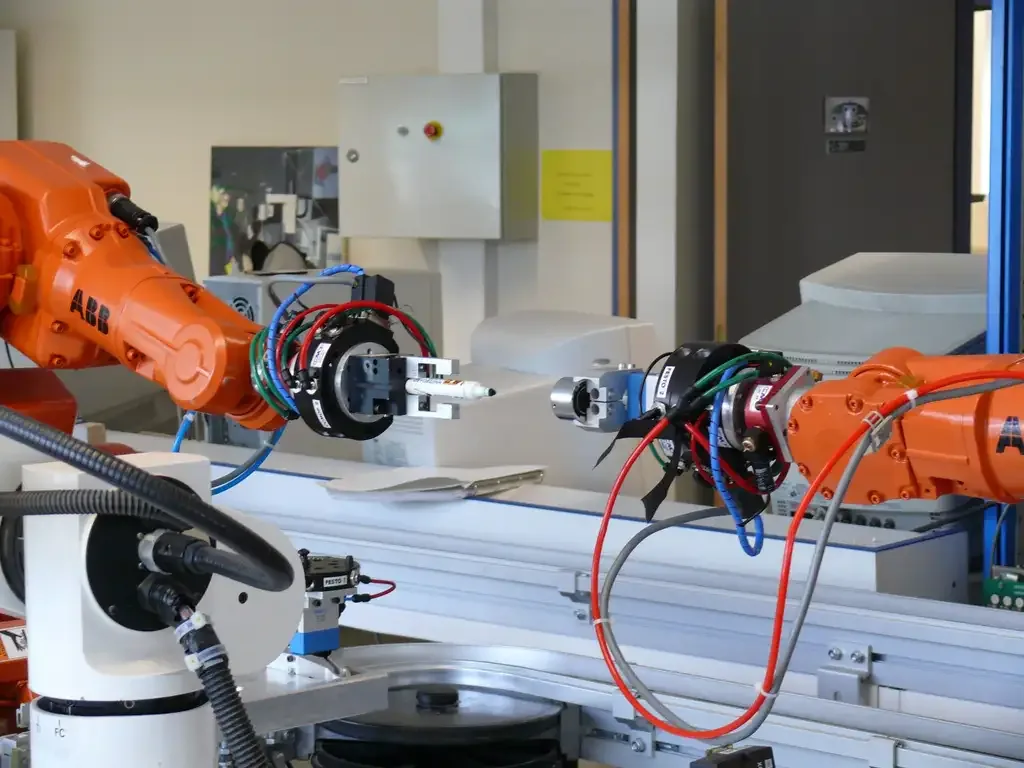
China's foreign investment security review office blocked SoftBank's $5.4 billion acquisition of ABB's industrial robotics division, according to reports from the Financial Times, Reuters, The Wall Street Journal, The New York Times and Bloomberg. ABB confirmed the block and issued an update on the divestment of ABB Robotics. Chinese authorities did not immediately disclose specific reasons. The decision impedes a major cross-border transaction in industrial robotics and reflects Beijing's tightening scrutiny of foreign deals involving AI and advanced technology. SoftBank and ABB reportedly discussed carving out Chinese operations to salvage the transaction.
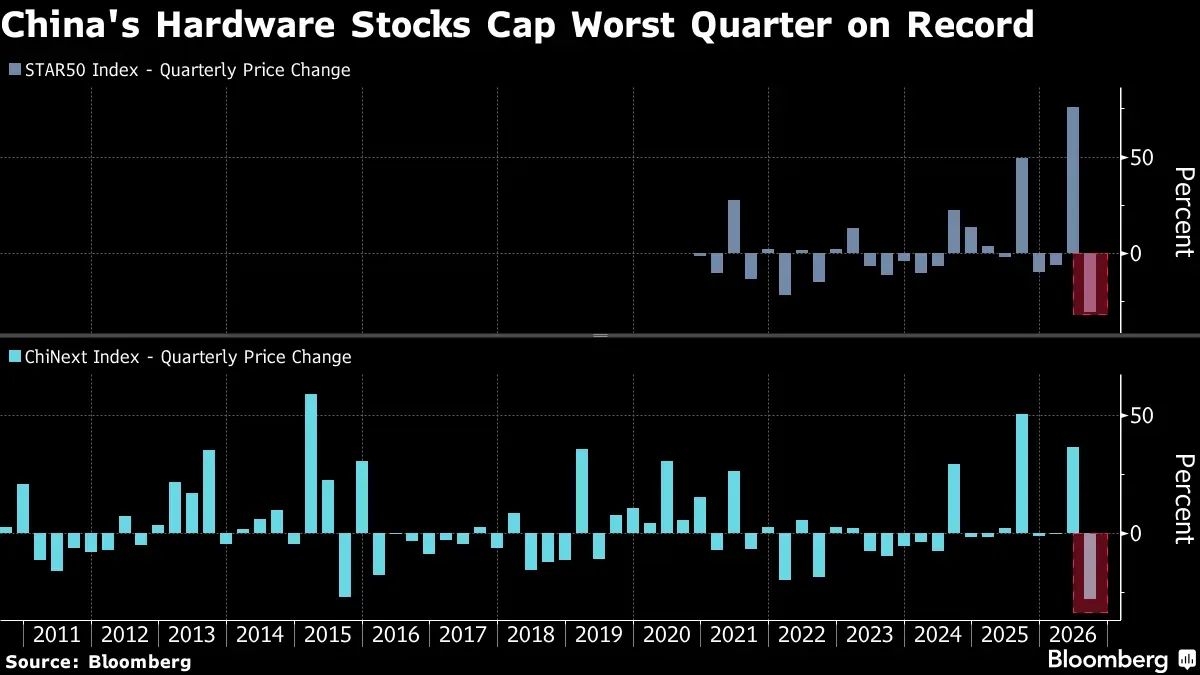
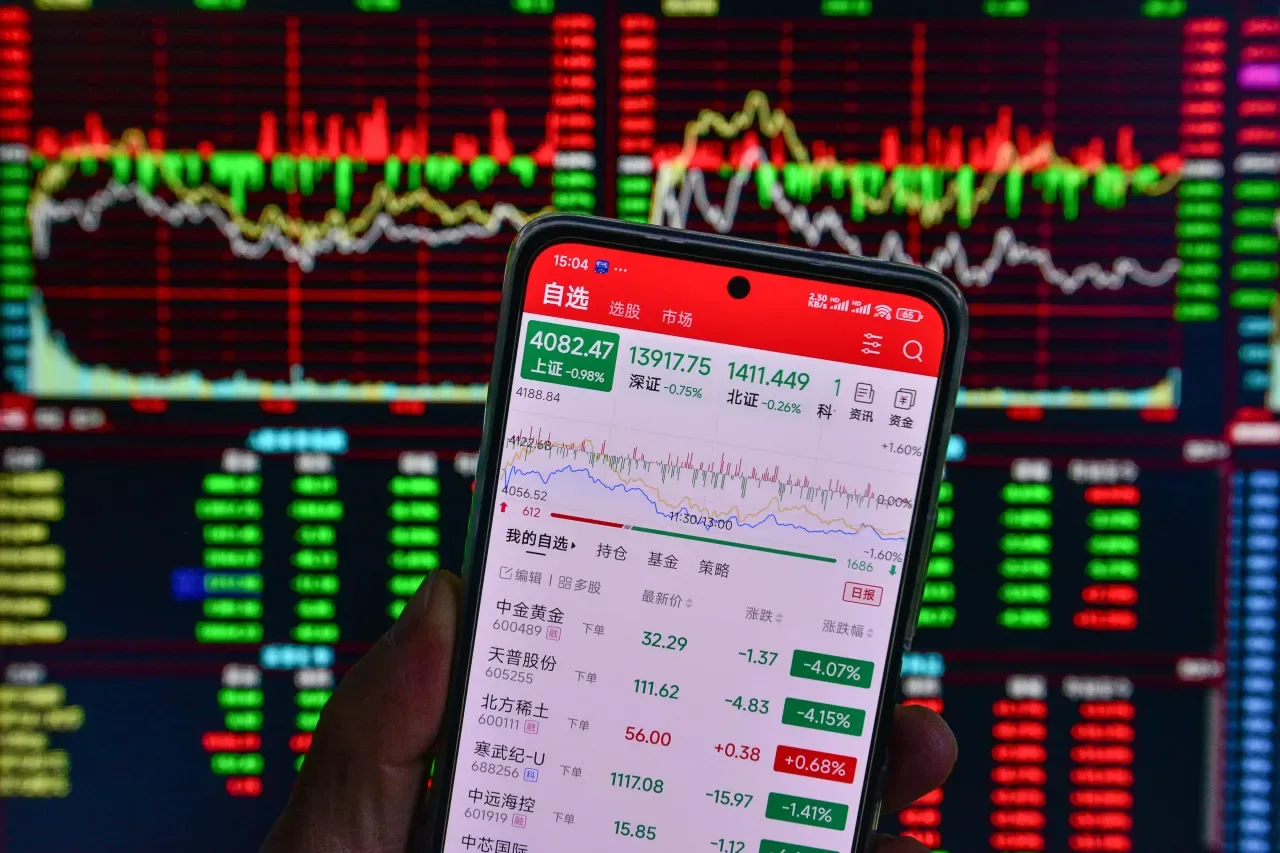
China's STAR 50 Index, which tracks science and technology companies on Shanghai's STAR Market, fell more than 5% in late and afternoon trading, with constituent Western Superconducting Technologies dropping over 18% and Hua Hong Semiconductor's Shanghai-listed shares falling more than 8%. The index had opened 3% lower at a 14-month low, and Reuters reported it closed down 24.1% for the month, its second-largest monthly decline on record. The sources did not specify drivers of the selloff.
Apple announced on October 31 a partnership with Alibaba to integrate its Qwen AI model into Apple Intelligence for users in China. The features, spanning Siri, writing tools and visual intelligence, will open for testing on November 4 with the iOS 27.3 developer beta and reach Chinese users with the official iOS 27.3 release in December. Reports link the announcement to a 6% rise in Alibaba shares.
U.S. intelligence agencies reportedly concluded that Alice Huang, an executive at Singapore-based data center firm Megaspeed, was acting as a Chinese intelligence asset and gathering information on Nvidia CEO Jensen Huang, according to The New York Times. China's foreign ministry dismissed the report as "groundless speculation." Nvidia said Jensen Huang's interactions with Alice Huang were routine customer engagements and that Megaspeed received no trade secrets or national-security information. Megaspeed appointed external legal advisers and offered to cooperate with U.S. authorities. Nvidia shares fell about 4%.
China's Communist Party concluded its fifth plenum in Beijing with a record 33 members expelled, including 16 from the military, and attendance falling below 300 for the first time in Xi Jinping's 14-year leadership. The gathering focused on party discipline rather than economic reform, with Xi framing anti-corruption as central to his rule since 2012. Officials said more than two million people have been disciplined for related cases, and 680,000 were disciplined in the first nine months of this year. Among those purged are former Xinjiang party chief Ma Xingrui and ex-generals Zhang Youxia and Liu Zhenli. A military general who led a purge of China's military was elevated to the Politburo.
China's Ministry of Finance reported that fiscal revenue rose 5.1% year-on-year in the first three quarters while fiscal expenditure grew 1%, both slower than earlier in the year. Nationwide government fund budget revenue fell 18.6% to 2.501 trillion yuan, with local government fund revenue down 22.3% to 2.1328 trillion yuan. Revenue from state-owned land use rights transfers dropped 27.9% to 1.6087 trillion yuan, underscoring continued pressure on local finances from the property downturn.
China's Ministry of Commerce and Ministry of Science and Technology opened public consultation on October 16, 2026, for revisions to the Catalogue of Technologies Prohibited or Restricted from Export, proposing 40 additions across artificial intelligence, biomedicine and solar photovoltaics. The draft designates 14 technologies for export bans and 26 for restrictions or licensing, with temporary pre-export registration already in effect. The AI section covers 23 technologies including large models, intelligent agents and computing clusters; photovoltaics covers 12 manufacturing technologies; biomedicine covers five. Comments run until November 15.
The US Department of Homeland Security has banned federal civilian agencies from procuring and using DeepSeek, a Chinese AI model, according to multiple reports citing Reuters, CNBC, BBC and The Register. The ban covers government agency IT systems and federal civilian agencies, with reports citing national security risks. China's Foreign Ministry responded that Beijing opposes overstretching the concept of national security and politicizing science, technology and trade issues, while China defended DeepSeek. The reports did not specify the ban's timing, legal basis or detailed security concerns.
Russian President Vladimir Putin has reportedly proposed a trilateral summit with US President Donald Trump and Chinese President Xi Jinping to discuss a Ukraine deal, according to Wall Street Journal reporting cited by multiple outlets. The proposal would exclude Ukrainian President Volodymyr Zelensky. Trump said he would be open to such talks, while the Kremlin confirmed the idea had been discussed but said no concrete proposals or agreements exist. Ukraine's foreign minister criticized any format excluding Kyiv.
China's economy grew 4.5% year-on-year in the third quarter, up from 4.3% in the second quarter and above market expectations, according to National Bureau of Statistics data released Monday. The rebound was driven mainly by an export boom, including AI-related goods, while domestic demand remained weak. Growth for the first three quarters reached 4.6%, within the government's 4.5%-5% annual target range. The stronger performance eased pressure for additional stimulus, though analysts warned the export boom masks deep domestic economic problems.
Katie Zacharia left her role as White House press secretary less than five days after starting, the BBC confirmed, following a widely criticized first briefing that lasted under 15 minutes and took only three questions. She had faced scrutiny over her legal credentials and admitted Thursday she had not passed the bar exam, though she said she practiced international transaction law in China with appropriate credentials. President Donald Trump said he advised her she could reconsider the job, saying she had been treated "pretty nastily" by the media. Democrats seized on the departure ahead of November midterm elections.
On October 9, the China Securities Regulatory Commission released a draft revision of the Publicly Offered Securities Investment Fund Operation Management Measures and supporting rules for public comment, the first systematic revision since 2014. The proposals would lower the establishment threshold for equity funds and funds of funds from 2 billion yuan to 50 million yuan, raise the cap on non-FOF fund investments in other funds from 10% to 30%, allow FOFs to invest in ETF feeder funds, and strengthen counter-cyclical and style-stability requirements. Fixed-income fund thresholds remain unchanged.
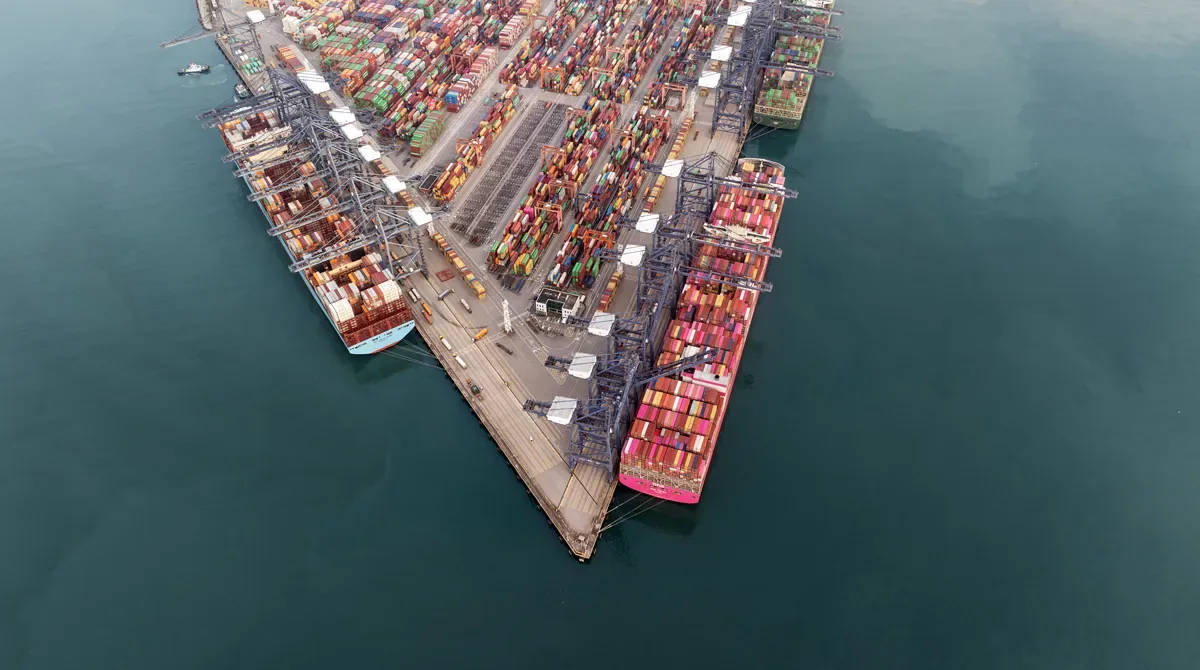
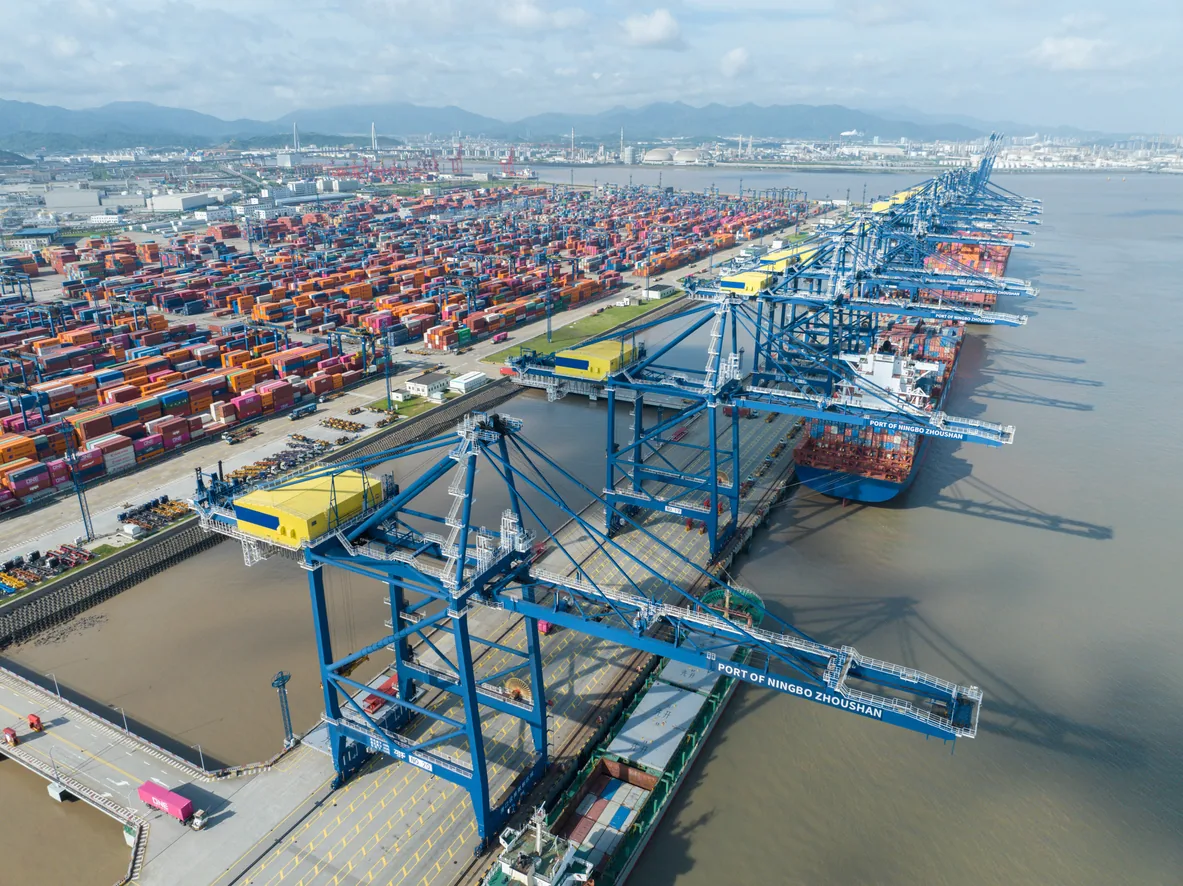
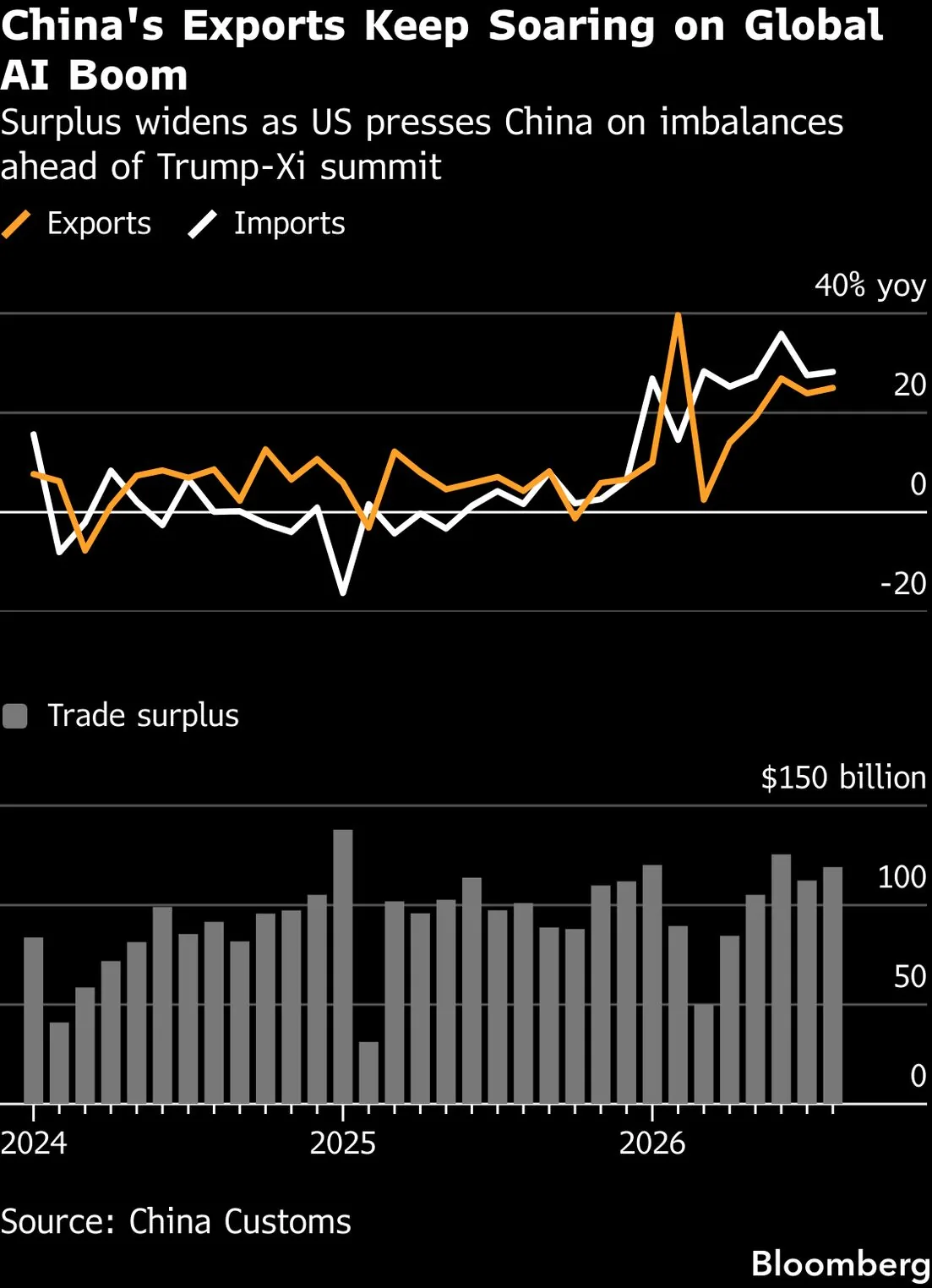
China's exports rose 36.3% year-on-year in September in US dollar terms, beating a 25.7% forecast, while imports grew 31.0%, above the 25.0% estimate, according to customs data reported by Reuters and other outlets. The monthly trade surplus reached $133.53 billion, and the January–September surplus reached $938 billion, putting a record annual surplus in sight. AI-related shipments were cited as a key driver. In yuan terms, September exports rose 29.6% and total trade exceeded 5 trillion yuan for the first time.
The European Union and China reached an interim agreement to cap Chinese hybrid vehicle imports at 350,000 units annually, rising 6% per year over four years, with safeguard measures potentially effective December 1. The deal, negotiated in Beijing between EU Trade Commissioner Maroš Šefčovič and Chinese Commerce Minister Wang Wentao, aims to halve Chinese hybrid exports to the EU from a projected 800,000 units in 2026. Germany is pushing for broader restrictions on additional Chinese imports including chemicals and machinery, while EU leaders discuss the trade deficit exceeding €1 billion daily.
China's passenger vehicle retail sales fell 24% year-on-year in September to 1.702 million units, according to the China Passenger Car Association, with cumulative 2026 retail sales down 21% to 13.42 million units. New energy vehicle retail sales declined 12% year-on-year to 1.141 million units but rose 14% month-on-month, giving NEVs a 67.1% share of retail sales. CAAM separately reported overall auto sales down 8.4% while NEV sales rose 13.6%, and exports climbed 73.2% to 923,000 units.
The FBI arrested a 34-year-old Southern California real estate agent at Los Angeles International Airport (LAX) on charges of acting as an unregistered agent for China. She is accused of surveilling the son of Taiwan’s president and communicating with handlers in Beijing. The suspect appeared in federal court. The case underscores U.S.-China tensions over espionage and Taiwan.
Germany and France have jointly proposed a new EU rapid-response trade tool, modeled on the US Section 301, to counter cheap Chinese imports. China's Ministry of Commerce condemned the plan as protectionist and unilateral, warning it would disrupt trade stability and global supply chains. Beijing vowed a "resolute response" if the EU imposes discriminatory restrictions on Chinese firms, potentially including anti-discrimination investigations and supply chain security reviews.
Federal prosecutors charged Greg Lui, owner of Earthmade Computer in City of Industry, California, with smuggling over $300 million in export-controlled GPU servers containing Nvidia H100 AI chips to China between 2023 and 2024. Lui and unnamed co-conspirators allegedly shipped servers to Malaysia and Singapore before rerouting them to Chinese end users, using false documents to conceal the final destination. Lui faces charges of conspiracy to violate export controls, smuggling, and money laundering, and could face over 20 years in prison if convicted.
Taiwan took delivery of its first two F-16V Block 70 fighter jets at Chihhang Air Base in Taitung on October 2, 2026, after months of software-related delays. The jets are part of a 66-aircraft, $8 billion sale approved by the U.S. in 2019. The delivery strengthens Taiwan's air force, which regularly scrambles to monitor Chinese military activity. Taiwan's President Lai Ching-te thanked the U.S., while Defense Minister Wellington Koo stated more jets will arrive soon. The delivery occurred roughly a week after President Trump met Chinese President Xi Jinping.
China's State Administration of Foreign Exchange reported a current account surplus of $378 billion for the first half of 2026, with total receipts and payments reaching $4.6 trillion, up 16% year-on-year. Goods trade rose 18%, driven by AI and green energy sectors, while services exports grew 21%. The capital and financial account recorded a deficit of $157.1 billion in Q2, revised down from an initial $195.1 billion estimate.
The People's Bank of China (PBOC) announced a 1.2 trillion yuan outright reverse repo operation for October 8, 2026, with a 3-month term. Concurrently, it conducted daily overnight and 7-day reverse repos, including an 833.5 billion yuan overnight operation on September 30, resulting in a net injection of 127 billion yuan that day. These routine liquidity management tools aim to maintain stable banking system conditions.
The China Coast Guard and the People's Liberation Army Southern Theater Command conducted synchronized law enforcement and combat readiness patrols at Scarborough Shoal (Huangyan Island) on September 30, three days after a similar deployment. On September 27, the Coast Guard held a drill focusing on boarding inspections, interception, and forced towing. China states it will increase enforcement in the area to safeguard territorial claims.
The People's Liberation Army Southern Theater Command conducted joint air-naval drills on September 27 and a combat readiness patrol on September 30 near Scarborough Shoal (Huangyan Dao), a feature also claimed by the Philippines. During the drills, China deployed a new-type unmanned aerial vehicle for reconnaissance. The exercises are described as a necessary response to certain countries undermining regional peace and stability, without naming specific nations.
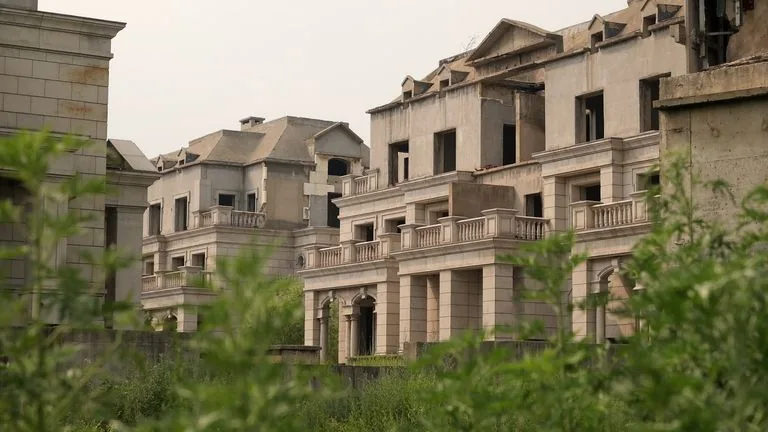
On September 24, 2026, Beijing became the first Chinese city to issue detailed implementation rules for the national August 28 housing sales system reform. The rules require new projects to achieve structural topping-out before presale permits, cap presale deposits at 1% of the total price, and allow land payments in installments over two years interest-free. A transition period until end of 2027 applies to existing projects. Analysts say the policy balances strict oversight with market stability but will extend developer capital recovery cycles.
Chinese President Xi Jinping’s first US state visit in 11 years to Washington produced a two-month extension of the trade truce to January 10, 2027, and agreements on an AI dialogue channel and $30 billion in tariff reductions. However, no breakthroughs were reached on Taiwan, where Xi urged the US to oppose independence, or on technology competition, rare earths, and geopolitical issues like Iran and North Korea. The summit was heavy on pageantry but light on substance.
President Donald Trump denied discussing or offering US weapons to Chinese President Xi Jinping, directly contradicting US Ambassador to China David Perdue, who told Fox News that Trump had asked Xi if China wanted to buy American arms. Trump said he had "never heard of" such an offer. The White House later denied any plans to sell weapons to Beijing, with officials noting such sales are illegal under the Taiwan Relations Act. China's Foreign Ministry responded cautiously, stating Beijing strengthens defense based on its own needs.
On September 29, the combined trading volume of the Shanghai and Shenzhen stock exchanges fell sharply, with the first half-hour volume contracting by over 160 billion yuan compared to the prior session, and the full-day volume forecast below 1.3 trillion yuan. This followed several days of high turnover, including 1.7 trillion yuan on September 28 and 1.65 trillion on September 24, according to data from Cailianshe, Jin10, and East Money.
12 reports · 4 sources · Updated
Illustration
Periodic recap
What changed for this subject in each tracking window — generated from matched events, delta-first.
· 3 events in window
The focus shifted from the previous period's cross-border deal scrutiny to Nvidia's board opening an independent investigation into CEO Jensen Huang: the board said reports alleged Huang was targeted by Chinese intelligence through his relationship with former Megaspeed executive Alice Huang, Huang acknowledged an affair to employees, the board said it has no current reason to believe trade secrets or national security were compromised and expressed confidence in him, and China's Foreign Ministry called the spy allegations baseless. On the economic side, China's October PPI rose 5.7% year-on-year, the fastest since June 2022 and above the Reuters poll median, while CPI growth cooled to a three-month low of 0.7%.
Nvidia's board launched an independent investigation led by independent directors with outside legal counsel into reports that CEO Jensen Huang was targeted by a Chinese spy operation; the board said it has no reason to believe national security or company secrets were compromised and expressed confidence in Huang.
Huang acknowledged an affair with former Megaspeed executive Alice Huang in an email to employees and apologized; a memo circulating among U.S. policymakers claimed Alice Huang was recruited by China's Ministry of State Security, and China's Foreign Ministry called the allegations baseless.
Congress has requested a closed-door briefing on the matter, and Huang faces bipartisan congressional scrutiny.
China's October PPI rose 5.7% year-on-year, above the 5.3% Reuters poll median and the fastest since June 2022, marking a third consecutive monthly gain driven by energy costs; CPI rose 0.7%, below the 0.8% forecast, while core CPI fell to 0.8%.
Tracked events
Events matched to this subject by the tracking pipeline, with signal scores.
This period brings a regulatory signal entirely distinct from the previous period's market selloff: China's foreign investment security review office blocked SoftBank's $5.4 billion acquisition of ABB's industrial robotics division. ABB confirmed the decision, though Chinese authorities did not immediately disclose specific reasons. Multiple international outlets reported the move and said the two sides had discussed carving out Chinese operations to salvage the transaction. Compared with the previous period's STAR 50 slump, the focus has shifted from market moves to cross-border deal scrutiny.
· 1 event in window
This period's China developments are confined to the market, and to a single signal. The STAR 50 Index fell more than 5% intraday, opened 3% lower at a 14-month low, and Reuters reported it closed the month down 24.1%, its second-largest monthly decline on record. Among constituents, Western Superconducting Technologies dropped over 18% and Hua Hong Semiconductor's Shanghai-listed shares fell more than 8%, though the sources did not specify what drove the selloff. There was no follow-through on the Apple-Alibaba AI partnership or the security allegations that dominated the previous period.
· 2 events in window
This period's China developments move from party personnel and discipline to technology and security. The most notable change is Apple's announcement of a partnership with Alibaba to integrate the Qwen model into Apple Intelligence for users in China, with features opening for testing on November 4 in the iOS 27.3 developer beta and launching officially in December, though reports differ on supported devices and feature scope. Separately, The New York Times, citing anonymous sources, reported that US intelligence agencies surveilled Megaspeed executive Alice Huang over suspicions she was gathering information on Nvidia CEO Jensen Huang for China; China's foreign ministry called the allegations "groundless speculation," and Nvidia said the interactions were routine customer engagements.
· 2 events in window
This period's China developments shift from the stock market to party personnel and discipline. The Communist Party confirmed the expulsion of 33 officials at a conclave focused on tightening discipline, a figure reports described as a record; Xi Jinping demanded greater loyalty and leaders vowed a tougher corruption crackdown. Separately, General Zhang Shengmin, who led the military purge, was promoted to the Politburo. Much of this rests on single-source reporting, and the second event carries no usable title or summary.
· 1 event in window
This period's China-related developments center on the stock market, a clear shift from the previous digest's focus on fiscal data and the Tibet earthquake. An AI-driven equity selloff deepened, with reports citing trillions of dollars in losses; Beijing stepped in with state-backed "national team" buying and other stabilization measures, but stocks kept falling. Several of the characterizations come from single-source reporting and forecasts, including Reuters declaring China's AI bubble has burst and Morgan Stanley projecting further downside before a bottom.
· Signal 196.4
Nvidia Board Investigates CEO Jensen Huang Over Alleged Chinese Spy Relationship
Nvidia has launched an independent board-led investigation into reports that CEO Jensen Huang was targeted by Chinese intelligence through a relationship with Alice Huang, an executive at Nvidia customer Megaspeed. Jensen Huang confirmed in an email to employees that he had an affair, apologizing to his family and staff. U.S. intelligence reportedly assessed that Alice Huang was recruited by China's Ministry of State Security to gather information on American chips and possibly influence Nvidia. The board said it has no current reason to believe trade secrets or national security were compromised and expressed confidence in Huang. Congress has requested a closed-door briefing.
China AI Stock Selloff Deepens as Beijing Steps In to Stabilize Falling Markets
Chinese equity markets are under severe pressure as an AI-driven stock selloff deepens, with reports of trillions of dollars in losses and investor skepticism over whether the country's AI boom will deliver returns. Beijing has moved to shore up markets through state-backed "national team" buying and other stabilization measures, but stocks have continued to fall. Reuters declared China's AI bubble has already burst, while Bloomberg reported AI hardware firms now face an earnings test. Morgan Stanley forecast further downside before a bottom.
Magnitude 7 earthquake in Tibet kills 16 and collapses hundreds of homes
A magnitude 7.0 earthquake struck China's Tibet region, killing at least 16 people and injuring dozens, with hundreds of homes destroyed. Reports from Xinhua, Reuters, AP and other outlets confirmed the deaths, while injury figures varied across sources from 32 to 65. The quake hit the Xizang-Qinghai border region and was described as strong and shallow. Rescuers searched for survivors as authorities assessed damage in the remote area.
 Reference image