Reporting on this entity comes mostly from Western sources (source distribution, not a stance rating).
86%
Western793 · 86%
Regional10 · 1%
Neutral / independent75 · 8%
Eastern39 · 4%
Latest Stories
Periodic recap
What changed for this subject in each tracking window — generated from matched events, delta-first.
· 1 event in window
Germany-related news in this period again consisted of a single item with no direct continuity from the previous period: a Court of Arbitration for Sport ruling dated 30 October overturned the IIHF's suspension of Russian national teams and requires Russia to be admitted to the May 2027 Ice Hockey World Championship in Germany. The German ice hockey federation is weighing whether to return hosting rights, sponsors are reviewing their commitments, and the German government is seeking a diplomatic solution, while Finland, Norway, Czechia, Latvia, Denmark and Sweden have said they will boycott games against Russia. The presidential succession consultations and the supermarket refrigeration cyber-attack investigation noted previously saw no new developments.
A 30 October Court of Arbitration for Sport ruling found the IIHF lacked sufficient evidence for suspending Russian national teams and requires Russia's admission to the May 2027 Ice Hockey World Championship in Germany
The German ice hockey federation is weighing whether to return hosting rights, sponsors are reviewing commitments, and the German government is seeking a diplomatic solution
Finland, Norway, Czechia, Latvia, Denmark and Sweden have said they will boycott games against Russia, and Putin criticized the boycott movement
Earlier recaps
· 1 event in window
Germany-related news in this period was limited to a single item, unrelated to the presidential succession consultations and cyber-attack investigation that dominated the previous period: German children's author and illustrator Janosch died on Tenerife at 95, a death confirmed by his publisher to dpa on behalf of the family. The presidential succession and the supermarket refrigeration cyber-attack saw no new developments.
· 2 events in window
Germany's news focus shifted from domestic security and family policy to the presidential succession: Chancellor Merz committed to nominating a centrist woman to succeed Steinmeier and began consultations within the CDU and with coalition partners. Separately, a cyber-attack that disabled supermarket refrigeration systems in at least nine European countries also touched Germany, with police investigating in three federal states. The Frankfurt riot fallout and parental allowance reform saw no new developments this period.
· 2 events in window
Germany's news moved from the previous day's protest riots to two threads: the fallout from the Frankfurt unrest and a family policy reform. Hesse Interior Minister Poseck announced a special commission, Federal Interior Minister Dobrindt blamed violent left-wing groups and "thugs from the migrant milieu," and police figures were notably more detailed than before. Separately, the Federal Family Ministry drafted the first increase in parental allowance since 2007 and dropped a previously floated cut to the payment period; the draft remains in internal government consultation.
· 1 event in window
This period's Germany news shifted to the nationwide "Gen Z regelt" cost-of-living protests held in roughly 30 cities on October 31, with no direct carryover from the previous period's contest over the federal presidency and the Left party candidate. Daytime rallies were largely peaceful, but riots broke out after dark in Frankfurt, Berlin, Cologne, Hamburg, Stuttgart, Bremen and Karlsruhe; Frankfurt's Zeil shopping street saw smashed windows and looting, and police sealed off the city center. Hesse's interior minister said about 100 left-wing extremists infiltrated the Frankfurt protest, and police reported injuries and arrests.
· 3 events in window
This period Germany's news focus moved from the AfD ban controversy to a contest within the governing parties over the federal presidency succession. The CSU has promoted Bavarian state parliament president Ilse Aigner, backed by SPD and Greens figures, while the CDU insists on its own nomination right; Chancellor Friedrich Merz floated Hesse CDU leader Ines Claus without committing, and the CDU presidium meets November 9. In Berlin, Left party lead candidate Elif Eralp is under pressure after Der Spiegel reported internal annotations accidentally sent with an authorized interview, with CDU, SPD, Green and Jewish community figures questioning her fitness to govern. Separately, a Hamburg court partially revoked its search order against Die Zeit.
Tracked events
Events matched to this subject by the tracking pipeline, with signal scores.
Leaked AfD Emails Published Online as Lawyers Debate Party Ban Evidence
More than 420,000 internal AfD emails, reportedly around 280 GB, have been published online since Monday, spanning 2013 to 2026. The party called it a "hacker attack" but declined to answer questions about the content. Würzburg IT law specialist Chan-jo Jun told taz the leak could be a "gamechanger" for a party ban procedure if authentic, potentially supplying missing proof that party organs knew about and tolerated anti-constitutional activities. Other lawyers and a Green MP also backed allowing the Federal Constitutional Court to examine a ban.
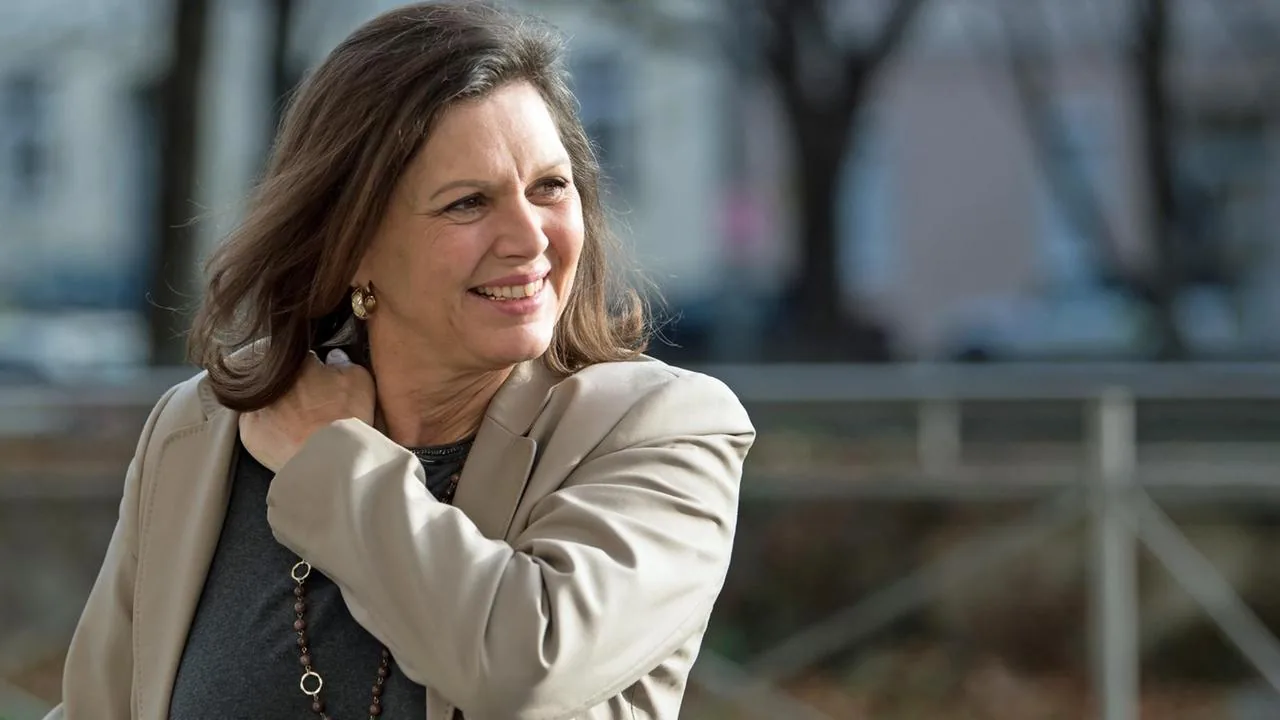
German Chancellor and CDU leader Friedrich Merz officially nominated Bavarian state parliament president Ilse Aigner (CSU) as the governing coalition's candidate for federal president, succeeding Frank-Walter Steinmeier. The CDU board approved the proposal with prolonged applause in Berlin. The SPD presidium and Greens leadership endorsed Aigner, citing her experience and ability to bridge party divides. The CDU, CSU and SPD hold a roughly 50-vote majority in the Federal Assembly, making her election on January 30, 2027 highly likely. If elected, the 61-year-old would become Germany's first female federal president and the first from the CSU. The AfD plans its own candidate, while the Left criticized the coalition's closed selection process.
The Court of Arbitration for Sport ruled on 30 October 2026 that the IIHF must allow Russian national teams to compete internationally, overturning a four-year suspension imposed after Russia's 2022 invasion of Ukraine. The decision throws the May 2027 Ice Hockey World Championship in Germany into turmoil: Finland, Sweden, Czechia, Denmark, Norway and Latvia have said they will not play Russia, sponsors are reviewing their commitments, and the German federation initially floated returning hosting rights before ruling it out. The German government is seeking a solution, while the CAS defended its ruling as based on insufficient IIHF evidence.
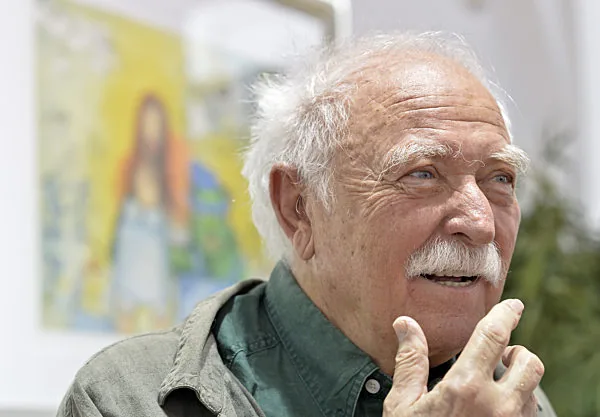
Janosch, the German author and illustrator whose real name was Horst Eckert, died Tuesday on Tenerife at age 95, according to his Tübingen publisher Bernhard Feil, speaking on behalf of the artist's wife to the German Press Agency (dpa). Creator of "Oh, How Beautiful Is Panama" and the characters Little Tiger, Little Bear and the Tiger Duck, he wrote and illustrated more than 150 books translated into some 40 languages, with millions of copies sold. His breakthrough came in 1978, and his characters became a licensed merchandising brand. Born in 1931 in Upper Silesia, he lived on Tenerife with his wife Ines.
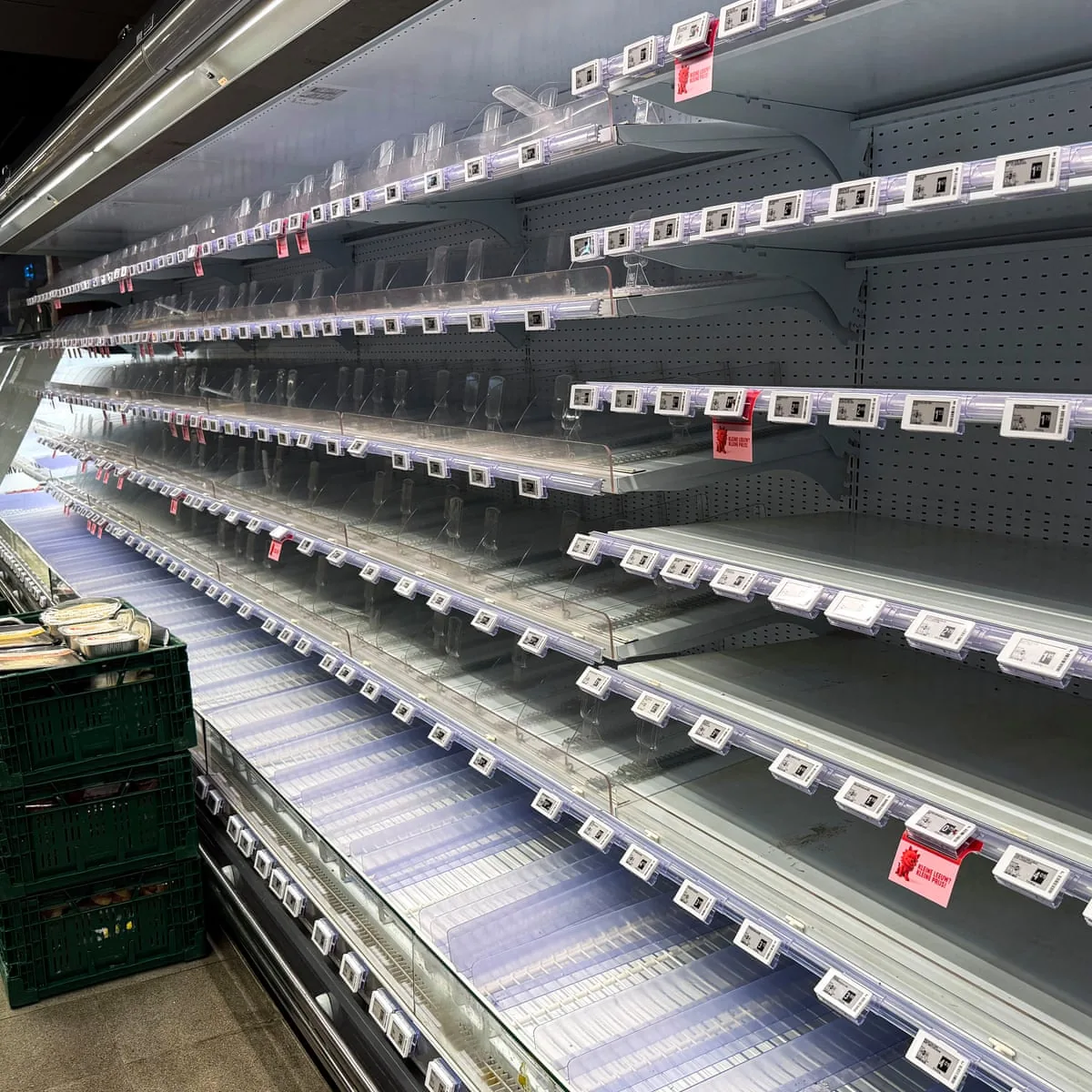
A coordinated series of cyber-attacks disabled supermarket refrigeration systems across at least nine European countries, with temperatures reportedly rising as high as 50C and forcing retailers to discard large quantities of food. Belgium, Estonia, Finland, Ireland, Italy, Luxembourg, the Netherlands, Portugal and Sweden reported problems, while Germany's police investigated cases in Bavaria, North Rhine-Westphalia and Lower Saxony. EU Agriculture Commissioner Christophe Hansen called it a deliberate attempt to disrupt the food supply chain. No group claimed responsibility. The method resembled an October attack on hundreds of French grocery stores.
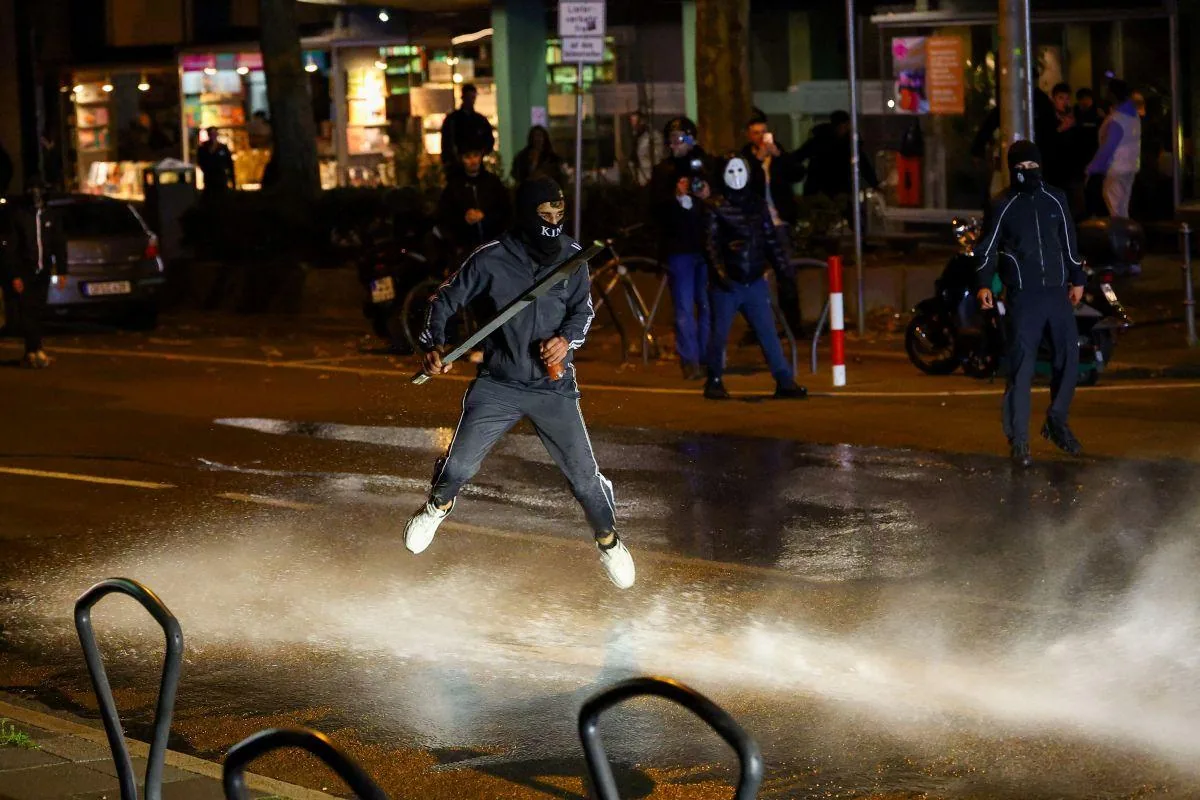
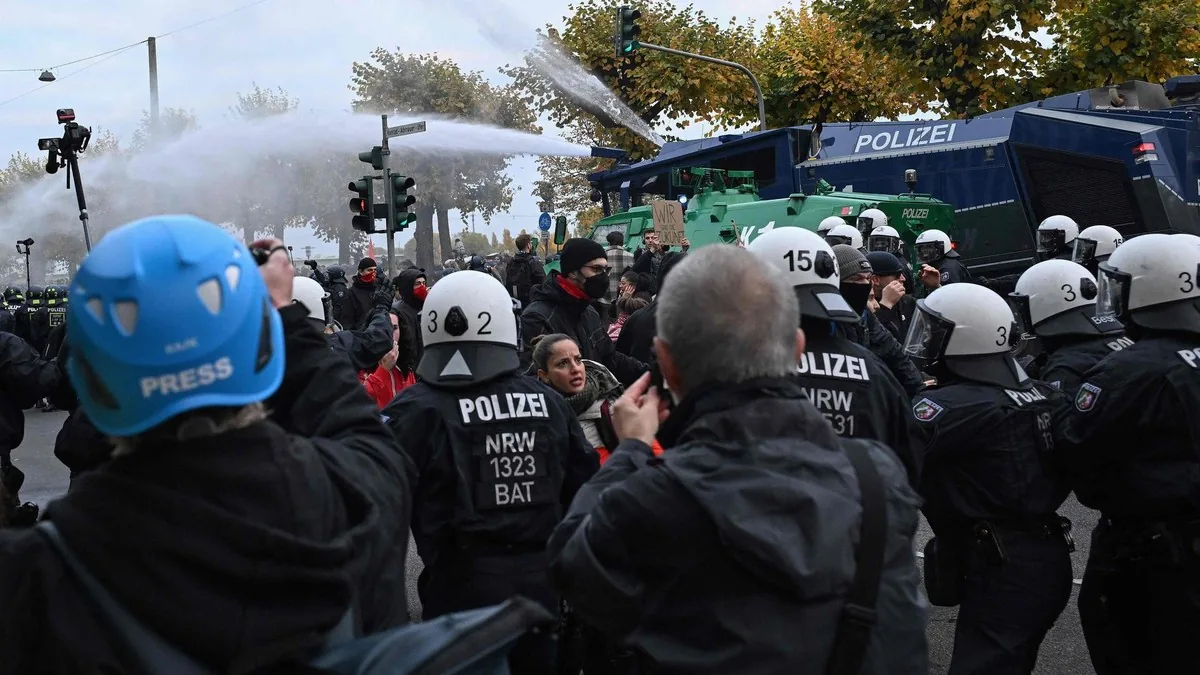
Nationwide "Gen Z regelt" protests against education underfunding, high living costs and conscription took place in around 30 German cities on Saturday, drawing tens of thousands. After largely peaceful daytime rallies, riots broke out after dark, especially in Frankfurt, where masked rioters looted shops, smashed windows including a gun shop's, and threw fireworks and Molotov cocktails at police. More than 100 officers were injured, 54 people aged 13 to 29 were arrested and 17 shops damaged. Interior Minister Alexander Dobrindt blamed left-wing groups and the "migrant milieu" and vowed harsh penalties and a massive police presence, drawing criticism from migrant organizations and SPD politicians.
German Justice Minister Stefanie Hubig (SPD) has finalized a draft bill to tighten sexual criminal law, sent to federal states and associations for comment on Monday. It would criminalize sexually specific remarks or gestures suited to intimidating or pressuring a victim, punishable by up to one year in prison or a fine, while excluding "failed compliments." The draft also raises the statute of limitations for rape and jointly committed sexual assaults uniformly to twenty years, sets a five-year minimum for gang rape, and increases minimum penalties for rape resulting in pregnancy.
Germany's Federal Family Ministry, led by Karin Prien (CDU), has drafted a reform raising parental allowance for the first time since its 2007 introduction, lifting the minimum rate from 300 to 330 euros and the maximum from 1,800 to 1,900 euros. A previously floated cut of the payment period from 14 to 12 months has been dropped. Under the plan, each parent receives 80 percent of pre-birth net income for four reserved months and 50 percent for additional months, replacing the current roughly 65 percent. The draft is in internal government consultation, with the effective date still open.
Berlin Left Party top candidate Elif Eralp faced a party congress amid a controversy over internal notes leaked to Der Spiegel in which she and her husband reportedly expressed fear of Hamas sympathizers, including activist Ibrahim Ibrahim, who attended a Left election party in Neukölln. Eralp pledged a "protection promise" for Berliners, vowed not to be intimidated and to fight antisemitism, organized crime and terror. The congress was to decide on coalition talks with the Greens and SPD, which had already approved. Critics from CDU, SPD and the Jewish community questioned her fitness to govern.
Nationwide "Gen Z regelt" protests against the cost of living, underfunded schools, spending cuts and conscription drew tens of thousands across roughly 30 to 34 German cities on Saturday, October 31, 2026, with organizers counting 120,000 participants. Daytime rallies were largely peaceful, but after dark riots broke out, most severely in Frankfurt, where shop windows on the Zeil were smashed, stores looted and a gun shop broken into, with two weapons seized. Police reported 54 arrests in Frankfurt and over 100 injured officers; violence also occurred in Berlin, Cologne, Hamburg and other cities. Officials blamed infiltrators, including about 100 left-wing extremists, while organizers distanced themselves from the violence.
Germany's CDU and its Bavarian sister party CSU are competing over who should succeed Federal President Frank-Walter Steinmeier, whose second term ends with the Federal Convention vote on January 30. CSU leader Markus Söder backs Bavarian parliament president Ilse Aigner, who has drawn support from SPD and Green figures. CDU leader and Chancellor Friedrich Merz has not committed, while Hesse CDU leader Ines Claus has signaled interest and reportedly has his favor. The CDU presidium meets November 9.
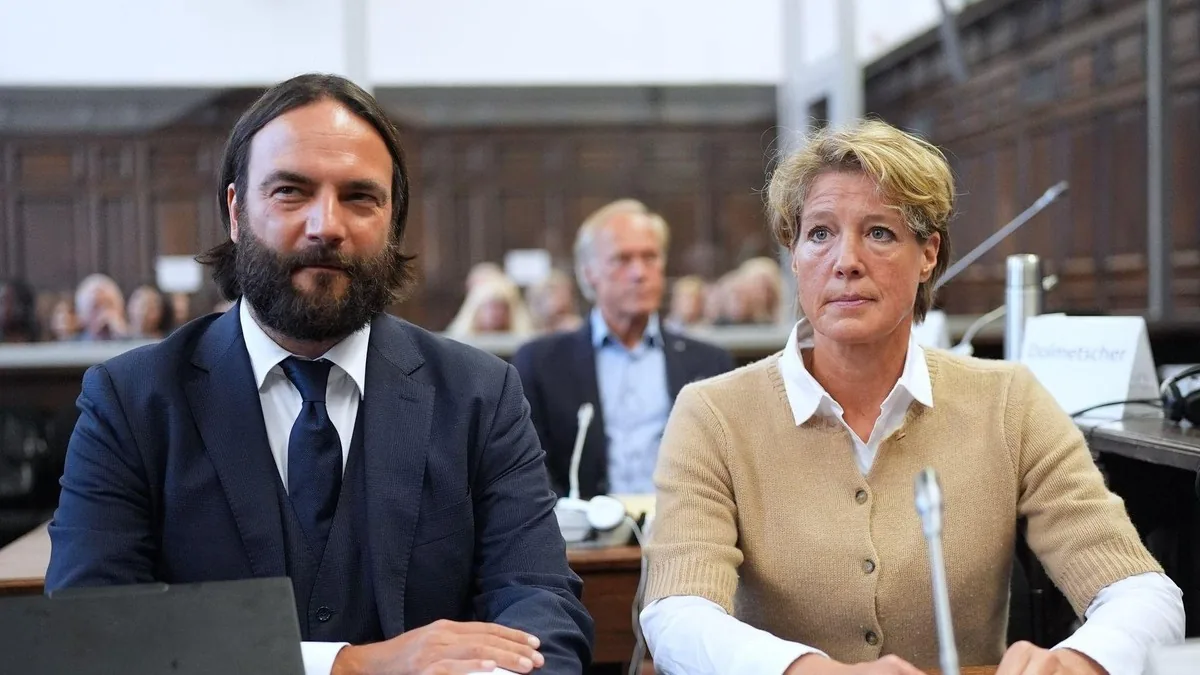
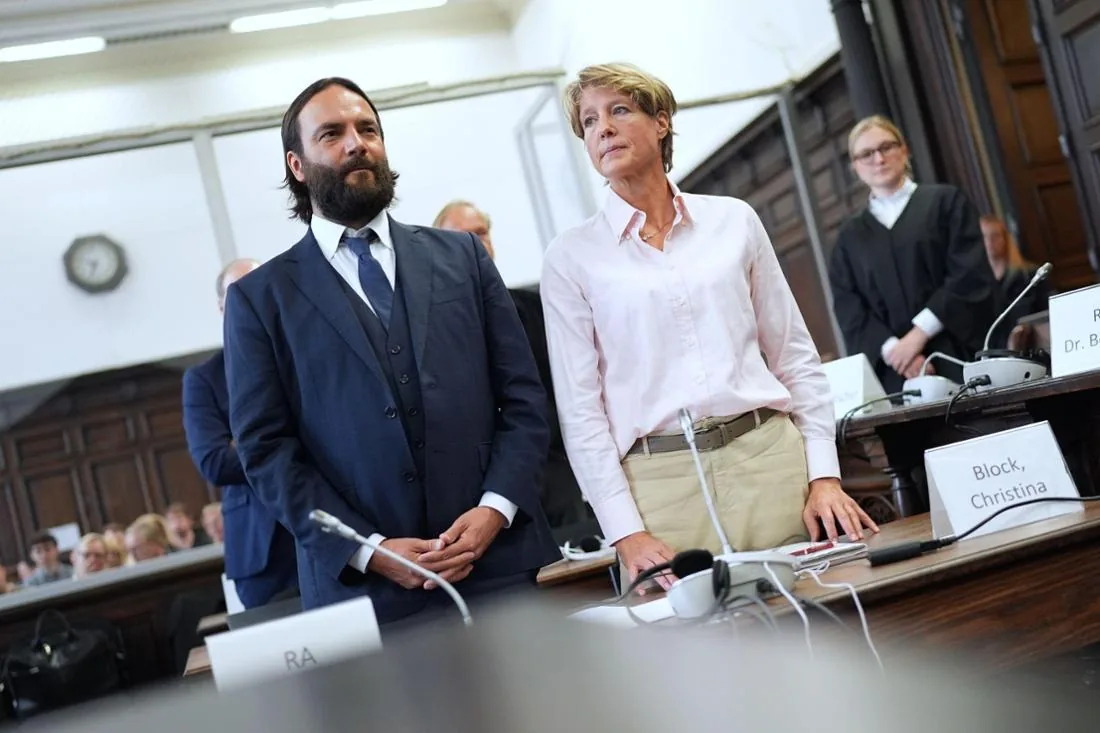
The Hamburg Regional Court's 32nd Grand Criminal Chamber partially revoked its own search and seizure order against Die Zeit in the trial of Christina Block, who is accused of commissioning the abduction of her two youngest children from their father in Denmark. The court dropped the justification of suspected payments or written contracts after journalist Anne Kunze's assurances, and declared the seizure of recordings involving the older daughter unlawful. It maintained that recordings of the then-13-year-old abducted daughter remain relevant, citing possible suggestive influence on her later police statements. The recordings stay sealed pending a Hanseatic Higher Regional Court ruling.
Alice Schwarzer, Germany's most prominent feminist, announced that her magazine Emma will publish its final issue on December 8, 2026, ending a nearly 50-year run. Founded in 1977, Emma shaped German feminist discourse across three generations, covering topics from abortion rights to child sexual abuse. Schwarzer said economic reasons were not decisive, stating revenues still cover costs but that the team is exhausted. The archive will transfer to the German Literature Archive in Marbach. Commentators debate her legacy, citing both pioneering achievements and controversial positions on trans issues and the Ukraine war.
Germany and France agreed on a joint position to weaken the EU's 2035 combustion engine phase-out, lowering the CO2 reduction target for new cars from 100 percent to 90 percent versus 2021 without requiring automakers to offset the remaining emissions. European Parliament negotiators from the EPP, S&D and Renew Europe reportedly went further, agreeing to an 87.5 percent cut with an extra 7.5 percentage point allowance for climate-friendly steel. The compromise would let combustion and hybrid cars be sold after 2035 without billions in fines. Environmental groups and some MEPs criticized the deal; approval from Parliament and member states remains pending.
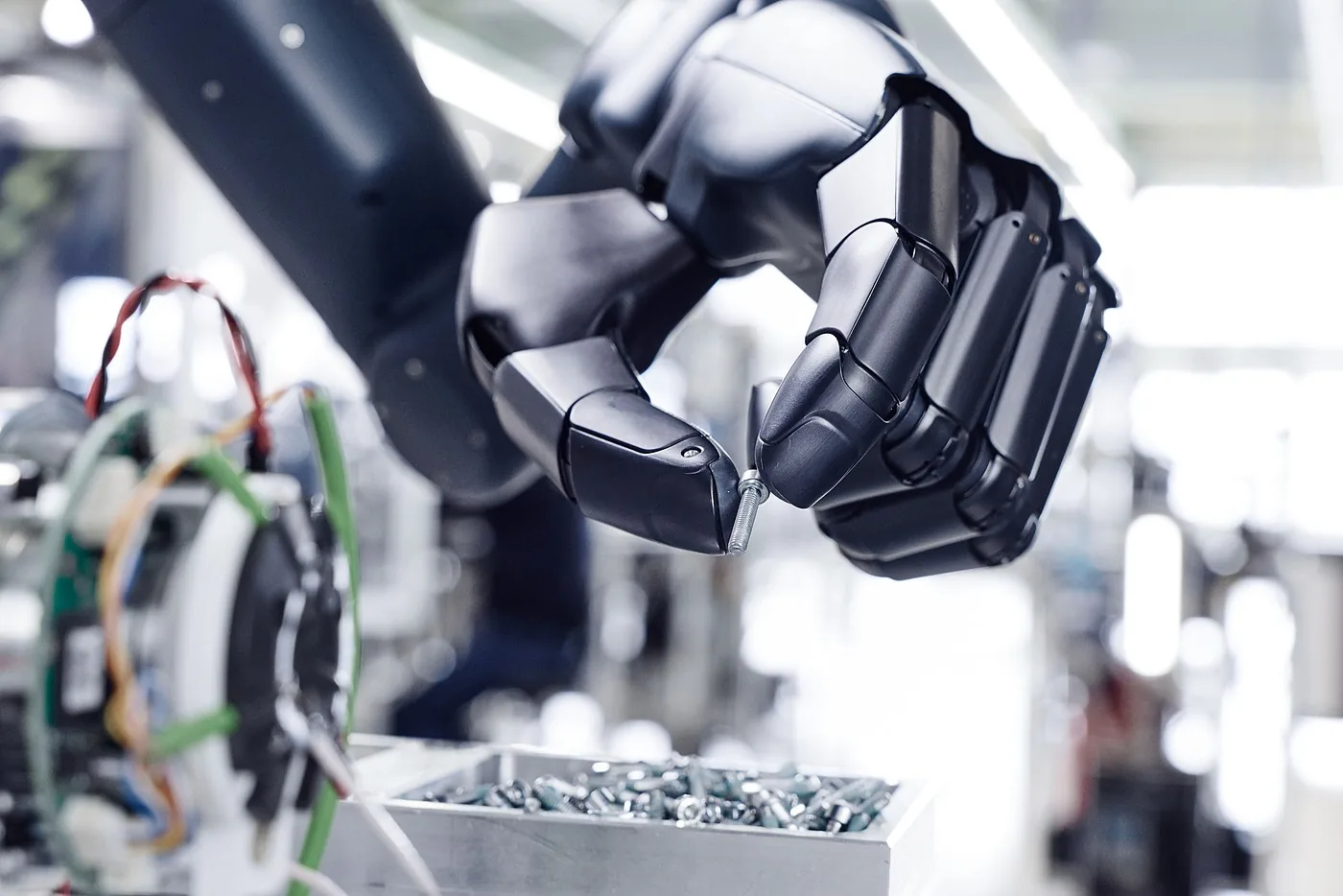
The German government signed a memorandum of understanding with Nvidia at the Invest in Germany Summit in Berlin to develop advanced AI models for Physical AI, integrating AI into physical systems such as robots. The initiative aims to bring industrial AI into broad application and establish a "state-of-the-art AI ecosystem in Europe," building on Germany's industrial data, manufacturing, and engineering expertise. Nvidia will expand its engagement with German partners and make its AI models accessible to SMEs and research institutions. Nvidia also announced planned investments in four German companies: Agile Robots SE, Avelios Medical, Mirelo AI, and Reflex Aerospace.
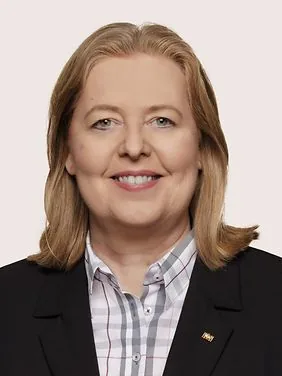
Bärbel Bas resigned as Germany's Labor Minister and co-leader of the SPD in October 2026, citing grief over the death of her stepdaughter and public attacks from within the coalition partner CDU/CSU. SPD co-leader Lars Klingbeil called the attacks indecent and announced a federal party congress to elect the entire leadership. Alexander Schweitzer, former Minister-President of Rhineland-Palatinate, was appointed as her successor. The resignation strained the black-red coalition under Chancellor Friedrich Merz, with SPD figures calling the Union's conduct inhumane and CDU leaders rejecting the accusations.
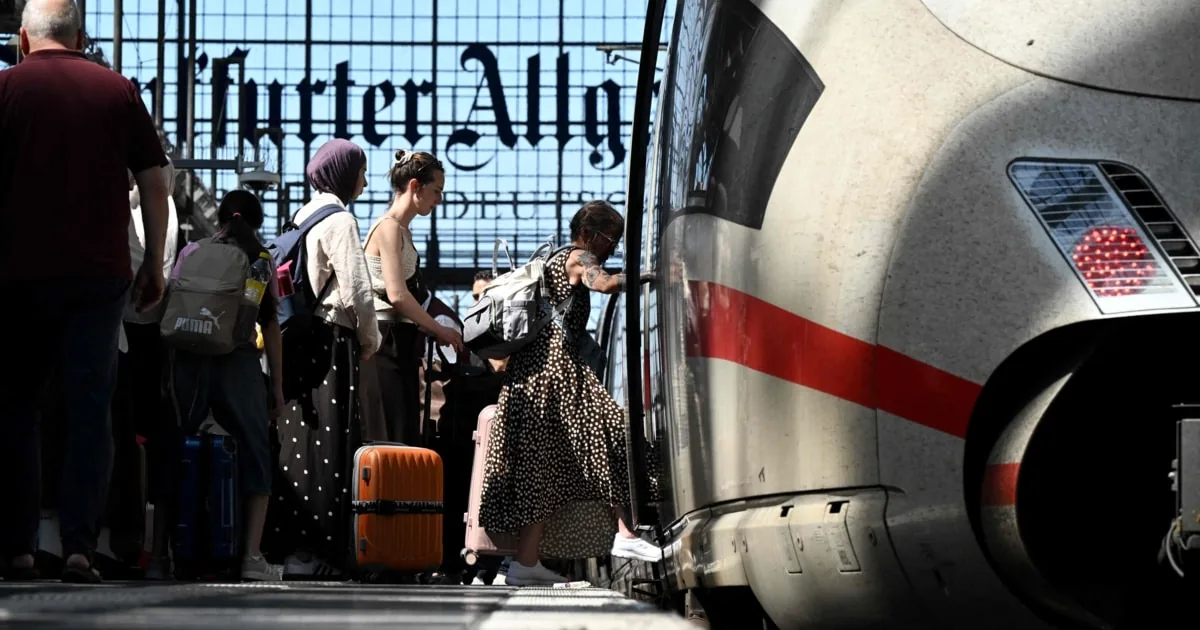
Deutsche Bahn's nationwide alcohol consumption ban took effect on October 15, 2026, at approximately 5,700 train stations across Germany, including platforms. The measure, part of DB's house rules, aims to improve safety and cleanliness, and follows a July incident in Baden-Württemberg in which an allegedly intoxicated passenger assaulted a security employee. Station restaurants remain exempt, sealed alcohol may still be carried, and alcohol is generally permitted on trains. DB cited positive experience at roughly 40 major stations and a survey showing about 80 percent support. Critics warn of displacement and discrimination risks.
A fire broke out on September 23, 2026, at a Starlink ground station in Wola Krobowska, about 50 kilometers south of Warsaw, damaging the power supply and generator and briefly disrupting service. Polish officials called it sabotage and said Russian intelligence was behind it. German police arrested two Turkish nationals in Nürtingen, Baden-Württemberg, and a third suspect in Berlin; Polish authorities seek their transfer on charges of sabotage and working for a foreign intelligence service. Investigators are also examining possible links to a Turkish mafia group and a separate Starlink antenna fire near Sofia, Bulgaria.
Alice Weidel, co-leader of the Alternative for Germany (AfD), said in an interview with The Economist that Ukraine has "already lost" its war against Russia and that Germany should end all support for Kyiv. She argued Ukraine is "too small" to win, urged pressure on President Zelensky toward peace, and said Russian security interests must be considered. The AfD is currently leading German opinion polls, making her position a notable opposition policy stance amid ongoing debate over German backing for Ukraine.
The Hamburg Regional Court ordered the seizure of audio recordings made by Die Zeit journalist Anne Kunze for the podcast "House of Block," based on interviews with the children of Christina Block, who is on trial over the 2022/2023 New Year's Eve abduction of her two children from Denmark. Die Zeit handed over the material sealed and filed a complaint, calling the move a disproportionate attack on press freedom. The court says the recordings may contain new evidence and help assess witness credibility. The dispute could delay the trial and may reach higher courts.
On October 9, 2026, the seventh anniversary of the 2019 antisemitic attack on the Halle synagogue, members of the Jewish Student Union of Germany formed a human chain to block Hans-Thomas Tillschneider, newly elected AfD vice president of the Saxony-Anhalt state parliament, from entering the memorial. Tillschneider left after about ten minutes of discussion. Police later opened an ex officio investigation into suspected insult after he was allegedly called a "Nazi." Jewish leaders criticized his attempt to instrumentalize the commemoration.
Germany's CDU/CSU-SPD coalition agreed on a scaled-back two-tier tax on sugar-sweetened beverages, and the cabinet approved a draft bill on Wednesday. From July 1, 2027, drinks with 5 to under 8 grams of sugar per 100 milliliters face 26 cents per liter, and those with 8 grams or more face 32 cents. Small producers are exempt, pending EU approval for larger exemptions. Projected revenues are 690 million euros in 2027 and 925 million in 2028.
The European Union and China reached an interim agreement to cap Chinese hybrid vehicle imports at 350,000 units annually, rising 6% per year over four years, with safeguard measures potentially effective December 1. The deal, negotiated in Beijing between EU Trade Commissioner Maroš Šefčovič and Chinese Commerce Minister Wang Wentao, aims to halve Chinese hybrid exports to the EU from a projected 800,000 units in 2026. Germany is pushing for broader restrictions on additional Chinese imports including chemicals and machinery, while EU leaders discuss the trade deficit exceeding €1 billion daily.
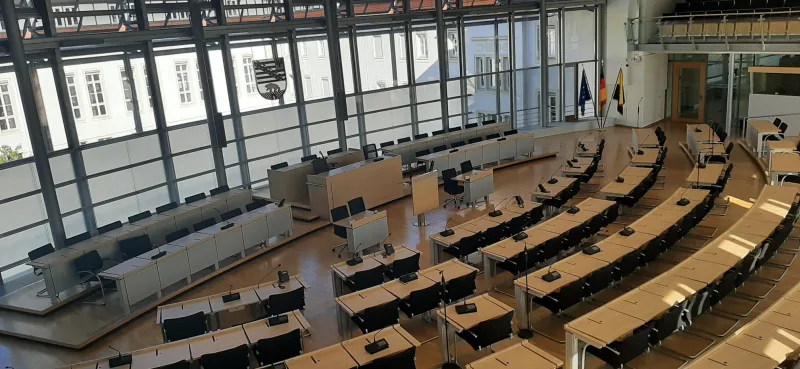
On October 6, 2026, the Saxony-Anhalt state parliament in Magdeburg elected AfD politician Tobias Rausch as its president with 48 votes, four more than the combined AfD and BSW seats, making him the first far-right Landtag president in Germany since 1945. AfD hardliner Hans-Thomas Tillschneider was elected vice president with 44 votes. The surplus votes triggered accusations that CDU lawmakers supported the AfD, prompting a Bundestag debate, internal CDU crisis, and calls for expulsions.
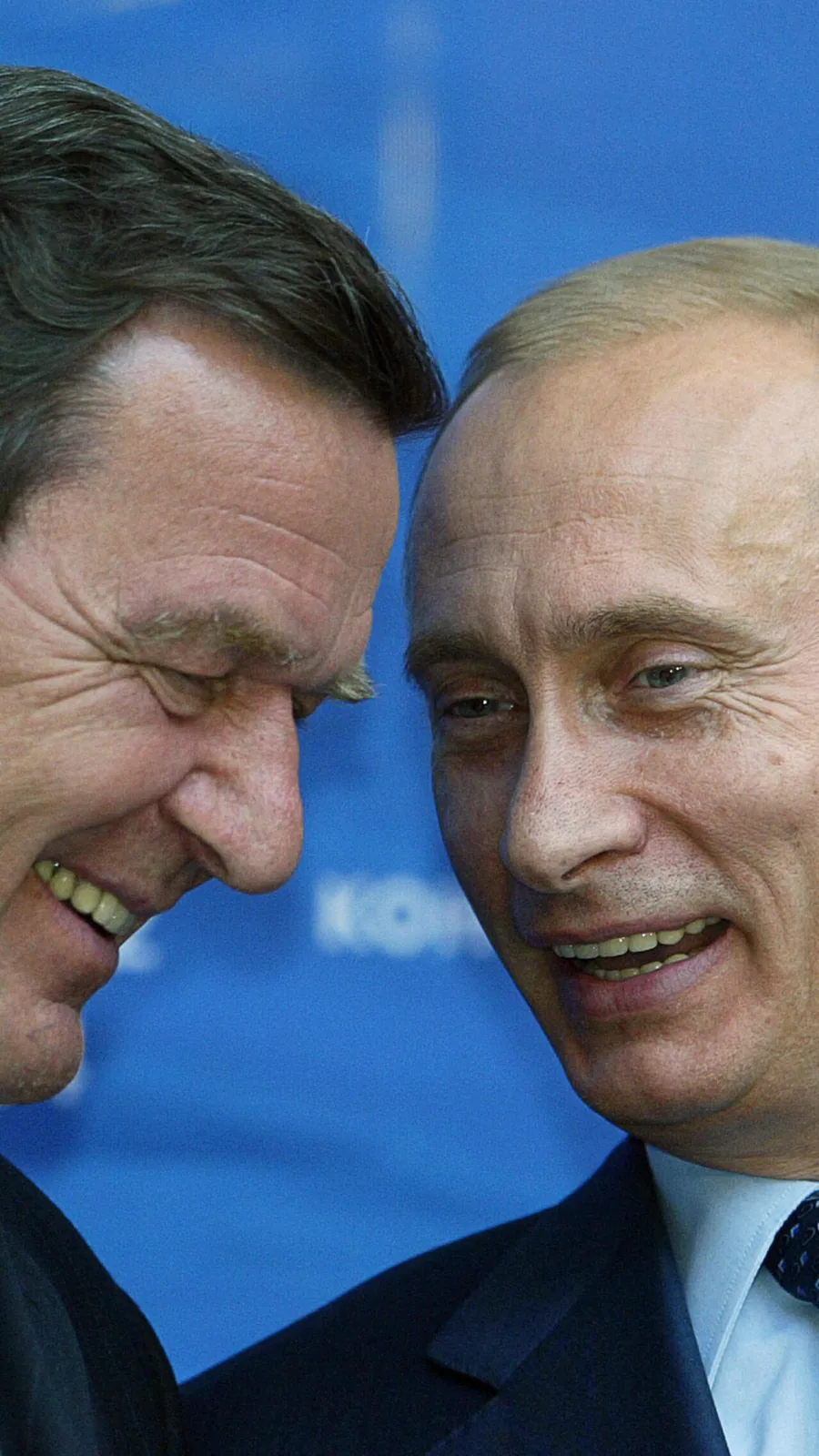
Former German Chancellor Gerhard Schröder visited Moscow on October 7, 2026, to attend Russian President Vladimir Putin's 74th birthday celebration at Putin's home. The Kremlin released photos of the two men shaking hands. The visit drew widespread condemnation from German politicians across parties, including Chancellor Friedrich Merz, who called it "almost immoral," and Greens leader Franziska Brantner, who demanded new SPD expulsion proceedings against Schröder. SPD politician Ralf Stegner defended the visit, citing Schröder's potential as a mediator in the Ukraine war.
August Hanning, former president of Germany's Federal Intelligence Service (BND), has been arrested on suspicion of espionage, attempted high treason, and acting as a foreign agent. His former office manager, Manfred D., was also arrested, accused of passing Hanning approximately 2,000 classified BND documents for payment. Prosecutors allege Hanning used the documents for consulting work and passed political information to a foreign intelligence service. The case emerged from a separate investigation into Christina Block.
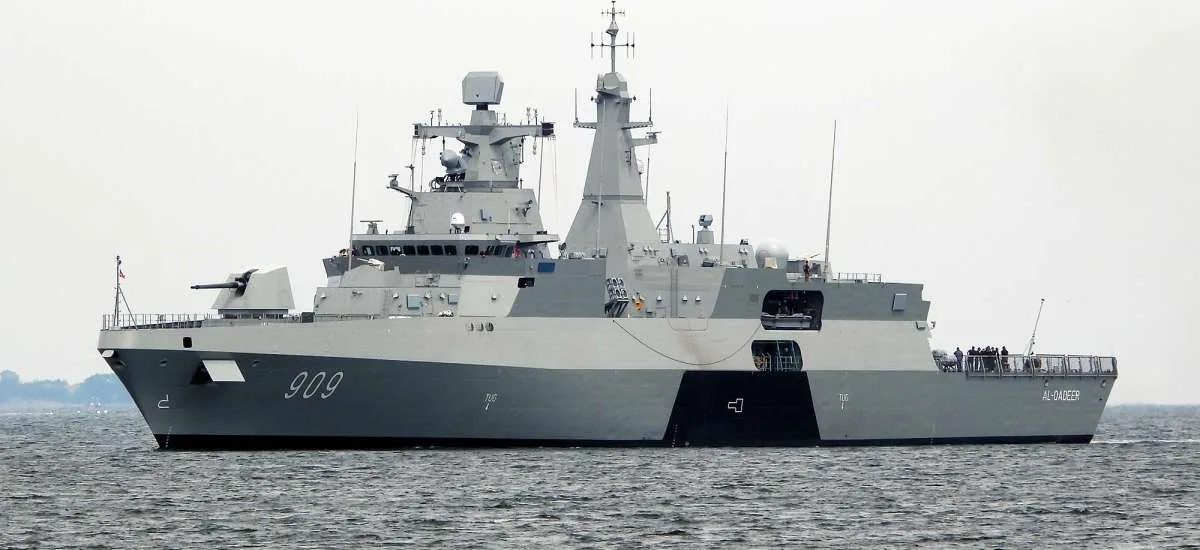
On October 8, 2026, the Budget Committee of the German Bundestag approved the procurement of four additional MEKO A-200 DEU-class frigates from TKMS, bringing the planned fleet to eight identical vessels. The first four were approved on July 8, 2026. The ships are primarily intended for anti-submarine warfare and will support NATO missions in the North and Baltic Seas, the Atlantic, and the High North, with first delivery set for 2029. The purchase follows Germany's withdrawal from the troubled F126 frigate contract with Damen Naval, which is now seeking €4.7 billion in damages.
Tobias Rausch of the far-right Alternative for Germany (AfD) was elected president of the Saxony-Anhalt state parliament on October 6, 2026, the first time a far-right party has held the post in a German state parliament since World War Two. Rausch won with 48 votes, four more than the combined seats of the AfD and BSW, indicating cross-party support. The election has sparked widespread criticism and political turmoil, with Bundestag President Julia Klöckner calling on Rausch to give up his party role, and CDU lawmakers threatening to split from their faction.
Germany and France have jointly proposed a new EU rapid-response trade tool, modeled on the US Section 301, to counter cheap Chinese imports. China's Ministry of Commerce condemned the plan as protectionist and unilateral, warning it would disrupt trade stability and global supply chains. Beijing vowed a "resolute response" if the EU imposes discriminatory restrictions on Chinese firms, potentially including anti-discrimination investigations and supply chain security reviews.
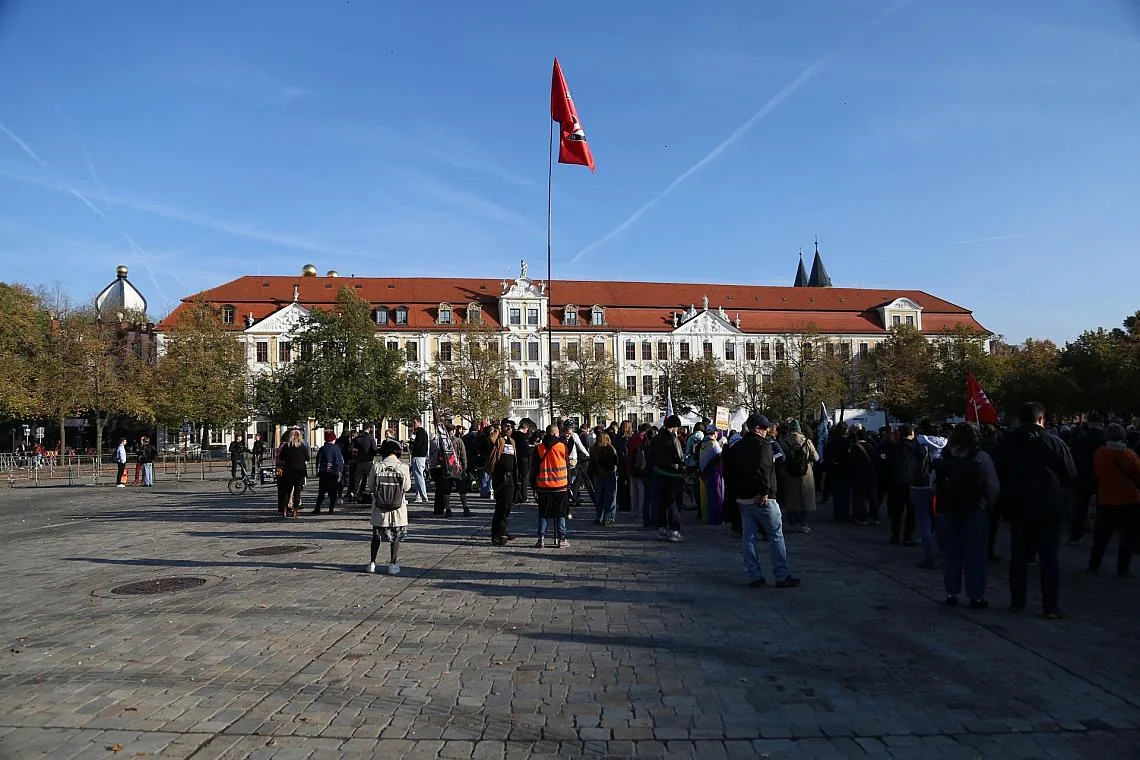
On October 6, 2026, the newly elected Saxony-Anhalt state parliament in Magdeburg elected Tobias Rausch of the far-right Alternative for Germany (AfD) as its president, the first time an AfD politician has held this office in any German state. Rausch received 48 votes in a secret ballot, four more than the combined seats of the AfD and the Sahra Wagenknecht Alliance (BSW), which together hold 44 seats. Twenty-nine members voted against him, with five abstentions. The BSW had announced it would support Rausch, citing parliamentary tradition that the strongest faction should hold the presidency. The CDU abstained. The election took place during the constituent session, opened by age president Eva von Angern of The Left party, who gave a politically charged speech criticizing the AfD. A protest of about 300 people reading the German Basic Law occurred outside the parliament building. The AfD has also nominated Ulrich Siegmund as its candidate for minister-president, with an election expected in December.
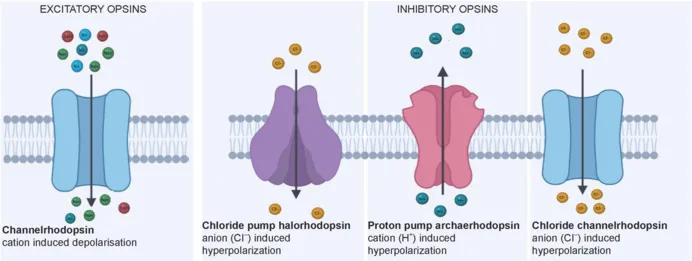
The 2026 Nobel Prize in Physiology or Medicine was awarded to Peter Hegemann, Georg Nagel, and Karl Deisseroth for their discoveries in optogenetics, a technique using light to control neurons. Hegemann and Nagel discovered the light-sensitive protein channelrhodopsin in algae; Deisseroth applied it to nerve cells. The prize, announced October 5 by the Karolinska Institute, is worth 12 million Swedish kronor. The award ceremony is December 10.