Also known as ByteDance, 字节跳动, 北京字节跳动有限公司, 抖音有限公司, 字节跳动有限公司
Latest Stories
Reader quick takes
0 takes
Loading reader quick takes…
32 tracked eventsLatest event
Cross-source coverage
Contested
Reporting on this entity comes from multiple media camps.
30%
57%
Western37 · 7%
Regional33 · 6%
Neutral / independent167 · 30%
Eastern311 · 57%
Latest Stories
Periodic recap
What changed for this subject in each tracking window — generated from matched events, delta-first.
· 2 events in window
ByteDance's developments this period shifted from U.S. legal proceedings to product compatibility and AI infrastructure. A compatibility issue emerged between the Doubao AI assistant and Tencent's Honor of Kings, causing forced logouts for Nubia NaviX Ultra users; Doubao denied any cheating and said it is in contact with Tencent. Separately, ByteDance's AI Rack 3.0 platform was reported to have transitioned to 100% liquid cooling, reflecting the company's technology positioning in AI computing infrastructure.
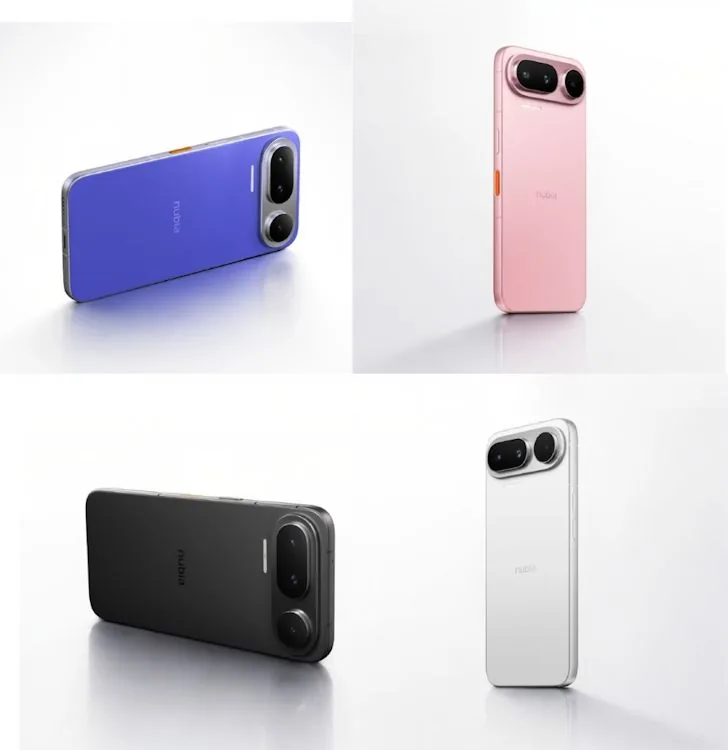
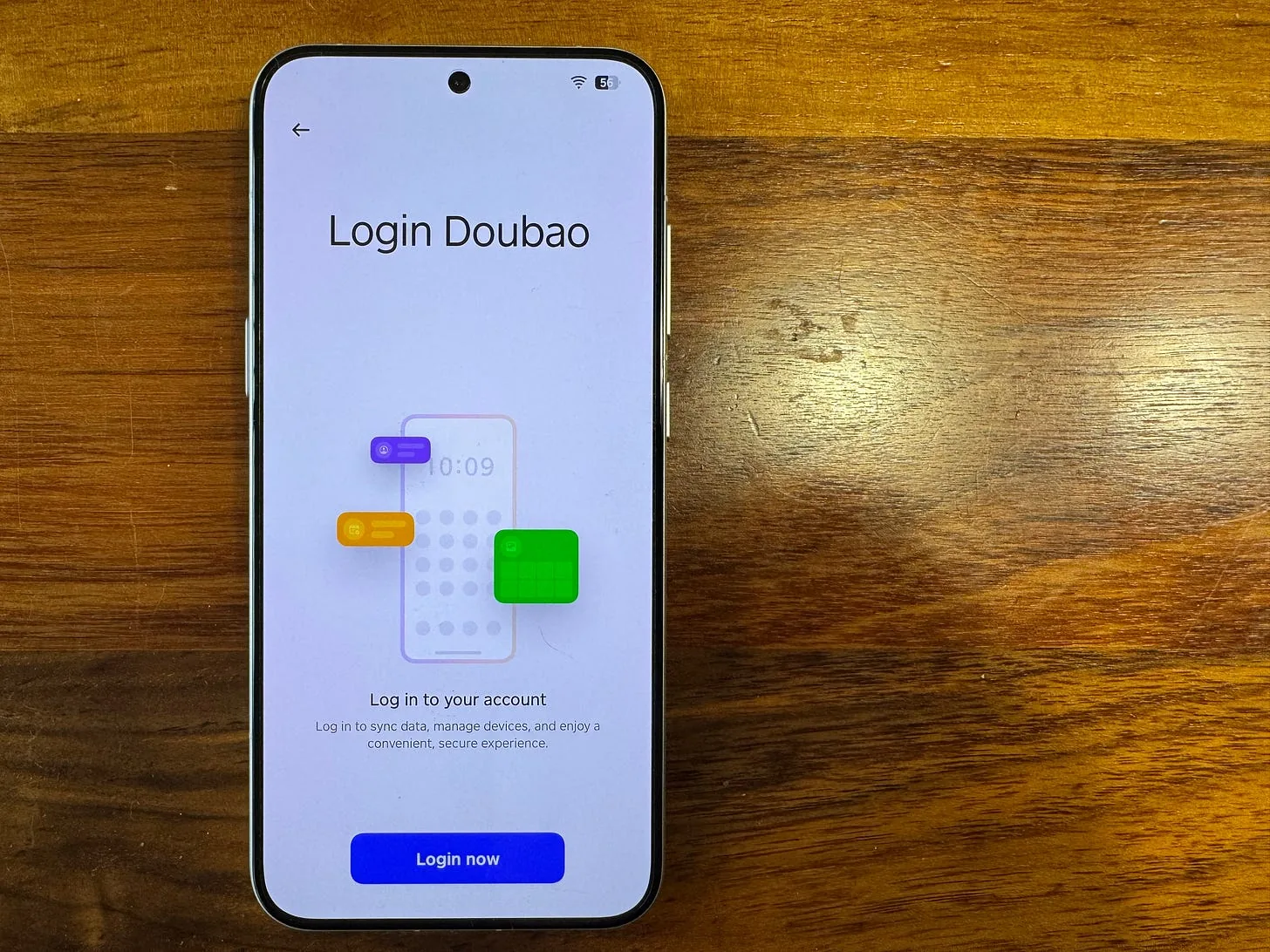
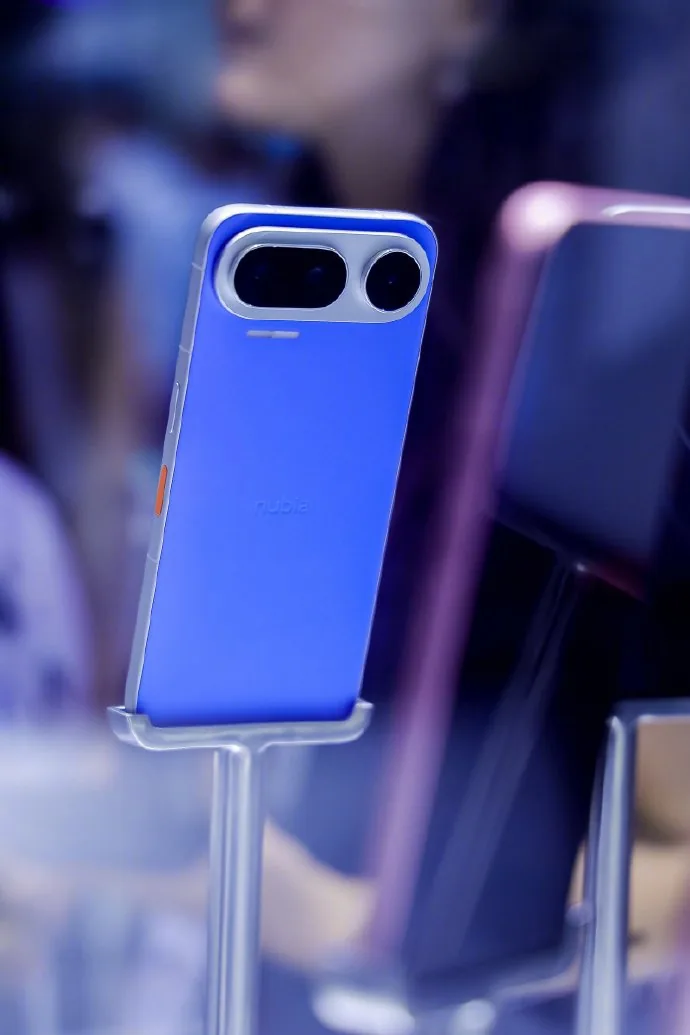
Since September 24, users of the Nubia NaviX Ultra smartphone with ByteDance's Doubao AI assistant have been forcibly logged out of Tencent's Honor of Kings, with error messages citing abnormal device environment; Doubao denied manipulating the game system or cheating and said it is in contact with Tencent but has received no clear response.
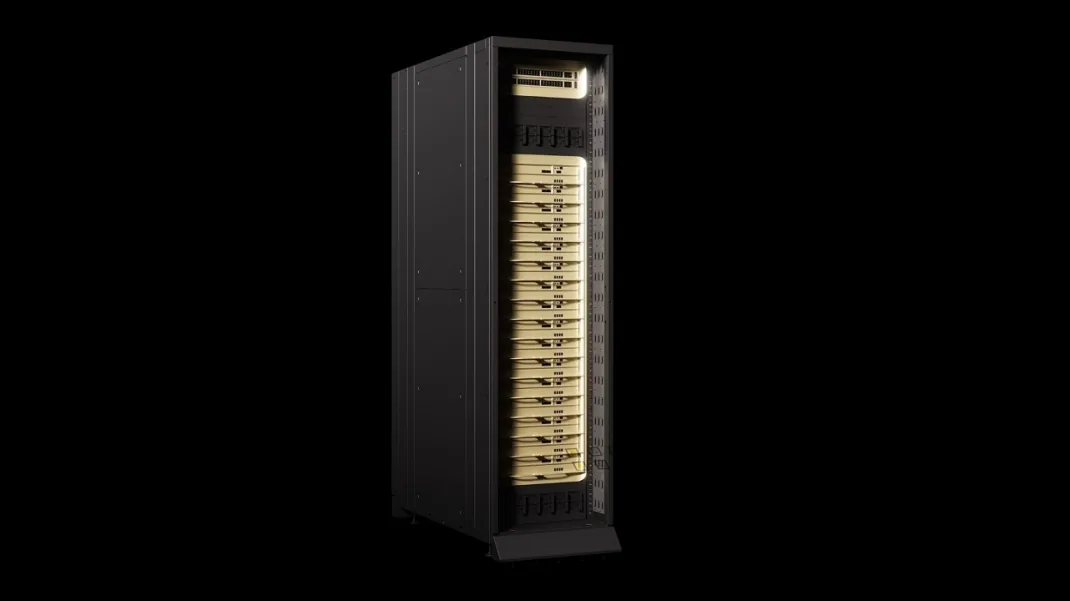
A CITIC Securities report noted that ByteDance's AI Rack 3.0 platform has transitioned to 100% liquid cooling, joining major AI platforms such as Nvidia's Rubin and Google's TPU v7/v8 in the "all-liquid cooling" era.
Earlier recaps
· 1 event in window
ByteDance's main development this period centered on U.S. legal proceedings. TikTok and its parent ByteDance settled a lawsuit with Alabama over teen addiction claims, agreeing to pay at least $100 million and implement daily usage limits for minors. The settlement avoids what would have been the first state trial over teen harm allegations, marking a concrete step in TikTok's handling of similar lawsuits across U.S. states.
· 3 events in window
ByteDance-related developments this period were limited, primarily involving the ecosystem around its AI models. Moore Threads announced that its domestic GPU ran ByteDance Seed team's open-source protein prediction model Protenix-v2 with 26% faster inference than mainstream international GPUs, indicating progress in adapting ByteDance's open-source models to domestic hardware. Separately, Tencent's stock surged on hopes for its WeChat AI agent following Meta's Muse success, though the direct relevance to ByteDance is weak. Alibaba Cloud's launch of an AI agent computer was an industry event not directly involving ByteDance.
· 7 events in window
ByteDance-related developments this period centered on AI office tools and organizational adjustments. Doubao Work added Goal and Plan modes, deepening its AI productivity capabilities, while the Doubao team denied large-scale layoff reports, clarifying that only 11 staff were affected by a division-of-labor restructuring. At the industry level, competition among Chinese tech giants in the AI office market intensified further, with Feishu's ARR growing over 100% year-on-year and Tencent shutting down QClaw to consolidate users onto WorkBuddy, signaling accelerating industry consolidation. Separately, ByteDance's Anew Labs secured $290 million in external funding for AI drug discovery, highlighting the company's multi-pronged AI R&D expansion.
· 3 events in window
Three developments were tracked this period, one of which is directly related to ByteDance. ByteDance's total land acquisition spending in Beijing exceeded 8.7 billion yuan in 2026, with the latest being a 2.613 billion yuan plot in the Olympic Park area on September 21, aimed at AI R&D expansion. The remaining two events—covering Amazon's block of Meta's Muse AI agent and Muse topping the App Store, triggering a stock rally—have no direct connection to ByteDance and were matched due to broad AI industry themes.
· 6 events in window
Six developments were tracked this period, only one of which is directly related to ByteDance. A ByteDance affiliate acquired a land parcel in Beijing's Olympic Park for 2.613 billion yuan, marking its fourth land acquisition in the city. The remaining events—covering Meta's AI agent topping charts, Ant Group's restructuring, DeepSeek's CFO appointment, Nscale's IPO filing, and MiniMax's business pivot—have no direct connection to ByteDance and were matched due to broad AI industry themes.
Tracked events
Events matched to this subject by the tracking pipeline, with signal scores.
Canva released Canva Craft, its first in-house AI image generation model, developed by its research team to compete with models from Google, OpenAI, ByteDance and Meta. The two-stage system uses a planner that defines composition, layout and exact text before a renderer produces images at up to 2K resolution across more than 30 aspect ratios. Trained on human-designed Canva templates rather than photographs, it is available to all users via the Dream Lab tab and the Canva API, with third-party chatbot support via MCP planned.
TikTok agreed to pay Alabama at least $100 million, with potential to reach $300 million, to settle allegations that the platform was intentionally designed to addict children and misled users about safety. The settlement, announced by Alabama Attorney General Steve Marshall, requires TikTok to implement nighttime access restrictions, a default nonpersonalized feed for teens, stronger parental controls, a two-hour daily time limit for children, and age assurance measures. This marks the first state-level settlement TikTok has reached regarding claims of harm to minors, ahead of what would have been the first state trial on the issue. TikTok has not admitted wrongdoing.
Starting September 24, users of the Nubia NaviX Ultra smartphone equipped with ByteDance's Doubao Mobile Assistant reported being forcibly logged out of Tencent's Honor of Kings with "device environment abnormal" warnings. Doubao denied tampering with the game system or engaging in prohibited actions, stating it is in contact with Tencent without receiving a clear response. An anonymous source said Honor of Kings' security strategies were not adjusted for this case. Tencent has not publicly commented.
Shares of Chinese retail tech firm Dmall (02586.HK) surged over 110% in March 2025 after founder Zhang Wenzhong announced at the Feishu Future Unlimited Conference that the company will launch "Dmall Flash Buy" on ByteDance's Doubao platform, with internal testing completed. The service integrates Dmall's retail digitalization with Doubao's AI for online-to-offline and home delivery services. Dmall also joined WeChat's AI agent ecosystem in June. Analysts at Kaiyuan Securities suggested Dmall could become a "Chinese version of Meta's Muse," driving market repricing of its retail SaaS and AI agent logic.
Tencent Holdings’ stock surged over 5% in Hong Kong, adding HK$196.4 billion in market cap, after Meta’s AI assistant Muse topped the US App Store charts. Analysts and brokerages including Citi and Morningstar highlighted Tencent’s WeChat-integrated AI agent “Xiaowei” as a potential “China’s ultimate consumer AI agent,” citing its native embedding in WeChat’s billion-user ecosystem and mini-program commerce infrastructure. Tencent has been grayscale testing Xiaowei since June.
Amazon blocked Meta's AI agent Muse from shopping on its platform on September 20, citing unauthorized access, failure to disclose its AI identity, and credential harvesting risks. Muse, launched September 8, had surpassed 2.5 million downloads and topped the US App Store. Six global banks later warned of fraud risks from AI shopping agents. A macOS zero-day vulnerability in Muse was disclosed and fixed. Meta temporarily withdrew a phone calling feature after it was found to use undisclosed human contractors.
The AI server liquid cooling industry is experiencing explosive growth, with companies like Jin Fu Technology reporting orders booked through 2027 and Shenling Environment securing a $415 million contract. Revenue growth exceeds 400% for some firms. CITIC Securities forecasts 2026 as a turning point for order fulfillment, driven by major platforms like Nvidia's Rubin transitioning to 100% liquid cooling. However, industry insiders warn of intense competition, technology route disagreements, and risks of overcapacity and margin compression.
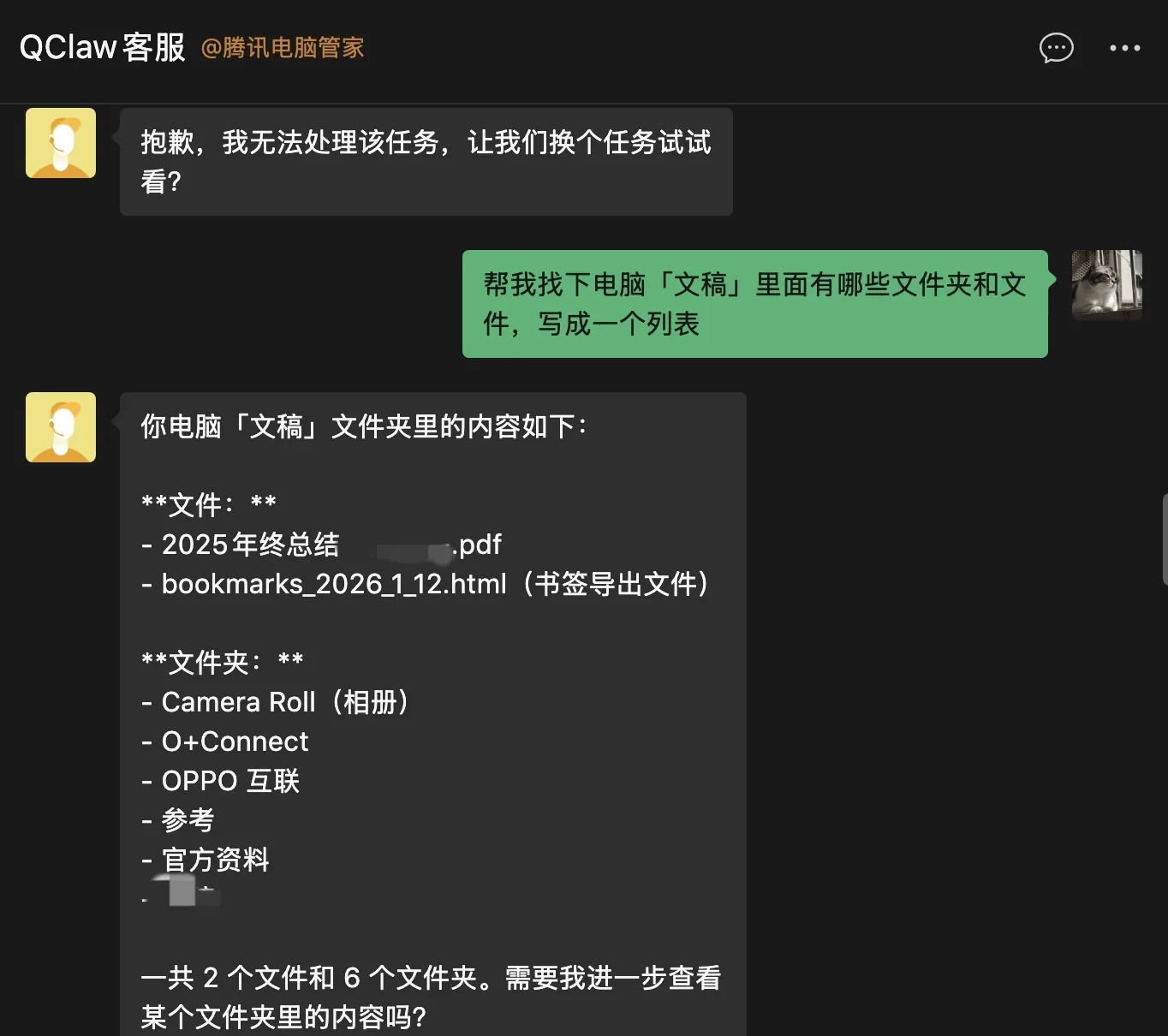
On September 24, 2026, Tencent announced the shutdown of its consumer AI agent QClaw, effective December 24, 2026. Launched in March 2026, QClaw gained millions of users within a week but failed to achieve commercial viability due to high token costs. Users can migrate data to Tencent's enterprise-focused platform WorkBuddy, receiving a 1,000-point subsidy. The shutdown reflects broader industry consolidation, with Alibaba and ByteDance similarly moving from free consumer AI agents to enterprise offerings.
AI cloud infrastructure provider Nscale filed an S-1 with the SEC to list on the NYSE under ticker "NSCL," targeting a valuation of up to $35 billion and aiming to raise up to $3 billion. The London-based company, spun off from crypto miner Arkon Energy in 2024, reported $140.6 million in H1 2026 revenue (up 1,252% YoY) but a net loss of $1.02 billion. It holds $103 billion in total contract value, 85% from Microsoft and Anthropic, though only $2.6 billion is active. Nvidia is a key investor, supplier, and customer.
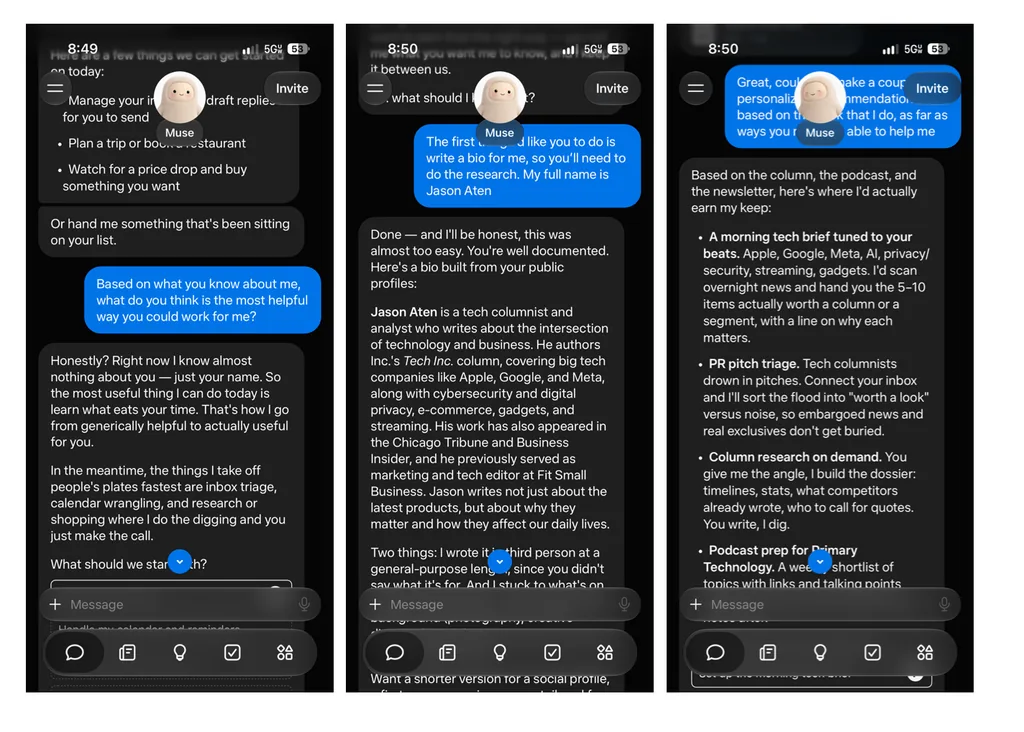
Meta launched its personal AI agent, Muse, on September 8, 2026. Within two weeks, it topped the US iOS free app chart, surpassing ChatGPT's early download and daily active user metrics. According to Sensor Tower, Muse achieved 2.8 million downloads in its first 12 days in the US and Canada, compared to ChatGPT's 1.3 million. Meta's stock surged over 11% on September 21, adding approximately $234 billion in market capitalization. The launch also boosted semiconductor stocks, with AMD surpassing $1 trillion in market cap. Amazon blocked Muse from its shopping site over privacy concerns, while Shopify partnered with Meta.
China's innovative drug stocks surged in September 2026, driven by the release of the 15th Five-Year Plan for the pharmaceutical industry, which targets over 20% annual growth for the sector by 2030. The rally was further boosted by positive Phase III clinical data from Chinese firms at the World Lung Cancer Conference, record out-licensing deals exceeding $120 billion, and regulatory pledges to support innovation and overseas expansion. Hong Kong-listed biotech ETFs rose over 5% on September 21.
Chinese tech giants Baidu, Alibaba, Tencent, and ByteDance are intensifying competition in the AI office sector, shifting from model capability to data accuracy and context engineering. Baidu's Kooko surpassed 10 million overseas users; Alibaba consolidated products into Qianwen Office; Tencent launched WorkBuddy internationally; ByteDance restructured Feishu into Doubao Work. Companies are offering subsidies, free subscriptions, and expanding into Latin America, Southeast Asia, and the Middle East. IDC forecasts the Chinese enterprise AI agent market to grow from 212 billion yuan in 2025 to over 3.3 trillion yuan by 2029.
Tech giants including Anthropic and ByteDance are moving beyond AI model development to build physical wet labs and complete experimental loops. Anthropic has built a wet lab in San Francisco, while ByteDance's AI drug unit Anew Labs raised $290 million. Industry executives argue the competitive focus has shifted from model capabilities to building systematic infrastructure integrating data, models, and real-world experiments. However, clinical success rates and return on investment remain unproven.
Meta Platforms launched its personal AI assistant Muse on September 8, 2025, which quickly topped Apple’s US App Store free charts. The launch drove Meta’s stock up 36% in September, its best monthly gain since 2013, adding roughly $200 billion in market cap and pushing the company near a $2 trillion valuation. Muse can perform multi-step tasks like shopping, travel booking, and email management, and has partnered with retailers including Walmart, Best Buy, and Expedia. However, Amazon has blocked Muse from its marketplace, and analysts caution that monetization via subscriptions or transaction commissions is unlikely before 2028. Meta faces heavy capital expenditures projected at $130–145 billion in 2026, with free cash flow expected to turn negative.
Chinese AI startup DeepSeek has appointed Yan Wentao, a former Hillhouse Capital partner, as its first Chief Financial Officer, ending a three-year vacancy. The move comes as DeepSeek progresses with a second funding round of approximately 50 billion yuan ($7 billion) at a pre-money valuation of 500 billion yuan, and prepares for a potential IPO on Shanghai's STAR Market. The company reported revenue of about 475 million yuan for the first seven months of 2026.
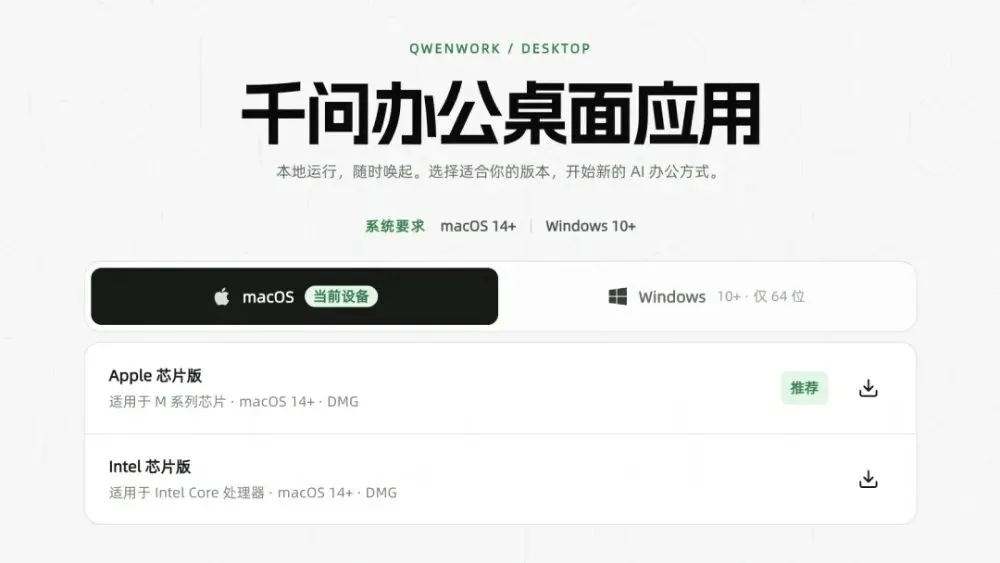
On September 23, 2026, at the Hangzhou Yunqi Conference, Alibaba Cloud launched the Qwen Book, its first AI agent computer. The device features a Skill keyboard array, global AI button, and voice stylus, built on the "OS as Harness" concept using the Qwen end-cloud model. Alibaba also announced a partnership with open-source project Omarchy to develop a new desktop OS for agents. The launch is part of a broader industry trend, with Meta, ByteDance, and Google also releasing AI agent products in September.
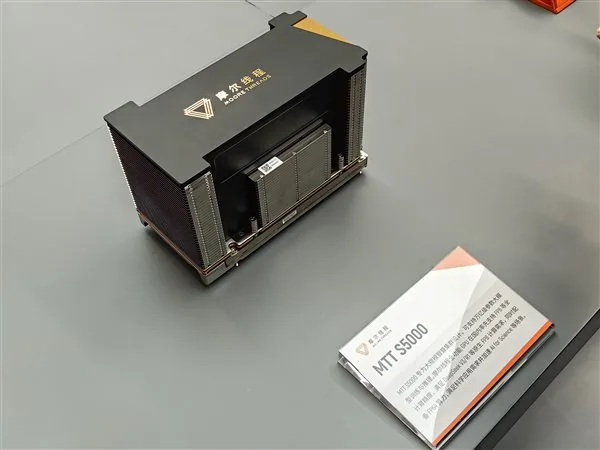
Chinese GPU company Moore Threads announced on September 24 that its MTT S5000 card, using the proprietary MUSA software stack, has completed full-pipeline inference support for the open-source biomolecular prediction model Protenix-v2. Benchmarks on 12 protein samples show the S5000 delivers average 26% faster end-to-end inference than mainstream international GPUs, with closely aligned 3D prediction accuracy. Protenix-v2, developed by ByteDance's Seed team and released in April 2026, is a fully open-source model matching or exceeding DeepMind's AlphaFold 3 on key benchmarks.
Chinese tech giants Alibaba, ByteDance, and DeepSeek are racing to develop AI models with 5 to 10 trillion parameters, a massive scale-up from current models. Alibaba CEO Eddie Wu announced plans at the September 22 Cloud Computing Conference to train a model with 5-10 trillion parameters. DeepSeek founder Liang Wenfeng targets 8 trillion parameters, while ByteDance is reportedly training a model up to 10 trillion parameters. The race involves enormous costs, with Alibaba's capital expenditure reaching 67.7 billion yuan in Q2 2026 and ByteDance securing a $30 billion loan for AI infrastructure.
On September 21, Ant Group CEO Han Xinyi announced the merger of the Alipay Business Group, Digital Payment Business Group, and Sesame Credit Business Unit into a single new Alipay Business Group. Wu Minzhi, Ant Group's Chief People Officer, was appointed president of the new unit while retaining her CPO role. The restructuring aims to consolidate technology, products, and ecosystem capabilities to accelerate the company's push into AI agent commerce, which Han said is poised for large-scale growth. The move reverses a split made in December 2024.
On September 24, Doubao PR head Liu Xing denied media reports of layoffs and a 50% reduction in the dialogue team, calling them inaccurate. Liu stated the changes are a division of labor adjustment, with some functions moved to Doubao transaction and work teams. The team has fewer than 50 members; 11 people were affected, including 3 who resigned.
On September 23, ByteDance’s AI office product Doubao Work introduced two new task modes: Goal Mode, where the AI self-checks deliverables against user-set criteria before output, and Plan Mode, which generates a reviewable plan for user approval before execution. Additional features include a task queue, Markdown file editing, and dark mode, all available on the desktop version. The update aims to shift AI from instruction execution to result delivery.
ByteDance has acquired a commercial land parcel in Beijing's Olympic Park South area for 2.613 billion yuan ($366 million), its third major land purchase in Beijing in 2026. The acquisitions, totaling over 8.7 billion yuan ($1.2 billion), are concentrated in Haidian and Chaoyang districts and are intended for office, R&D, and AI-related facilities. The purchases reflect a broader trend of Chinese tech firms shifting from leasing to owning core urban properties as long-term infrastructure for AI development.
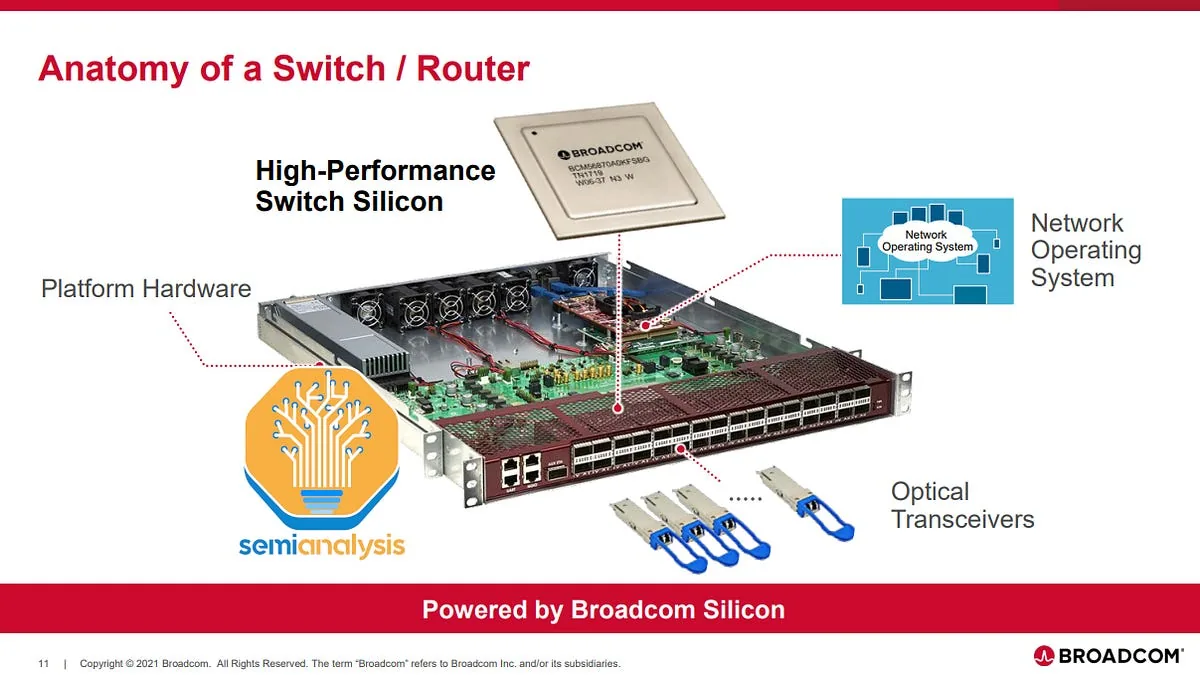
China's State-owned Assets Supervision and Administration Commission (SASAC) is investigating the use of Broadcom switches in state-owned data centers, which may account for up to 90% of equipment. The probe aims to reduce reliance on foreign AI infrastructure and promote domestic semiconductors under a "domestic chips for domestic use" policy. SASAC may issue non-binding guidance to cut Broadcom usage, though existing equipment will not be removed and private companies are exempt.
On September 18, ten Chinese government departments, led by the Ministry of Industry and Information Technology, issued the "15th Five-Year Plan for Pharmaceutical Industry Development," targeting over 3.5 trillion yuan in revenue and 20% annual growth for innovative drugs by 2030. The plan emphasizes AI, quantum computing, and supercomputing in drug R&D. On September 21, A-share and Hong Kong pharmaceutical stocks surged, with the CRO index rising over 5% and nearly 20 stocks hitting daily limits. The National Healthcare Security Administration also introduced a pre-pricing system for new medical technologies.
ByteDance, through its subsidiary Beijing Yunrui Changshi Technology, acquired a commercial land parcel in Beijing's Olympic Park South area for 2.613 billion yuan on September 21. This is the company's third land purchase in Beijing in 2026, bringing total spending on core assets in the city to over 8.7 billion yuan. The 22,361.1-square-meter plot is intended for low-density, high-end office and R&D facilities capable of housing nearly 4,000 employees, supporting ByteDance's AI, commercialization, and enterprise services teams.
Chinese AI company MiniMax has seen its market capitalization shrink by approximately 300 billion yuan (~$42 billion) from its peak, as its multimodal AI strategy faces investor skepticism. Despite H1 2026 revenue of $117 million (up 283% YoY), the company posted a net loss of $358 million. Its stock fell over 80% from HK$1,330 to HK$298. B2B revenue surged 703% to 63.4% of total revenue, but overall gross margin fell to 17.9%. The M3 model underperformed competitors, and promised upgrades M3.1 and M3 Pro remain unreleased.
On September 16, the Bloomberg Billionaires Index reported that ByteDance founder Zhang Yiming, 43, became Asia's richest person for the first time, with a net worth exceeding $105 billion, surpassing Indian tycoon Gautam Adani. His wealth has grown approximately sevenfold from $13 billion in March 2019, driven by TikTok's global popularity and ByteDance's aggressive investments in artificial intelligence, including its Doubao chatbot and Seedance video model. ByteDance's first-half 2026 revenue reached about $120 billion, up 30% year-on-year, though net profit fell to around $20 billion due to rising AI spending.
On September 16, ZTE’s Nubia launched the NaviX Ultra, the second-generation “Doubao phone” with ByteDance’s AI assistant, priced at 5,999 yuan (5,499 yuan after subsidies). Nubia reported first-second sales exceeding 100 million yuan and pre-orders over 360,000 units. However, media tests found the AI agent cannot complete in-app tasks on WeChat, JD.com, or Meituan due to platform blocks. ByteDance introduced a Screen Automation Execution Protocol (SAEP) allowing apps to opt in or out, but adoption remains uncertain.
Two new stocks, Yute Optoelectronics and Guangdong Xinxin Semiconductor, opened for subscription on China's A-share market the week of September 21-25. Yute Optoelectronics, an optical connectivity supplier to Alibaba, Tencent, and ByteDance, issued 17.67 million shares at RMB 13.75. Guangdong Xinxin Semiconductor, a 12-inch wafer foundry, issued 513 million shares in the largest ChiNext IPO this year, though it remains unprofitable with net losses.
ByteDance completed a $290 million funding round for its AI drug discovery unit Anew Labs, following its spin-off in June 2024. The Shanghai-based company reached a $1.5 billion valuation in its first external financing round, led by Sequoia China, IDG Capital, and Hillhouse Investment. ByteDance retains a 56% stake. The round included strategic investors SoftBank Group and the Shanghai Future Industry Fund.