global edition · 2026-09-10
All BriefingsTech & Finance Daily Briefing — September 10, 2026
10 evidence-backed technology and finance stories shaping the day.
Story at a glance
Apple to debut foldable iPhone Ultra at September 9 event under new CEO John Ternus
What happened
Apple introduced the iPhone Duo, its first foldable smartphone, at an event in Cupertino on Wednesday. The device starts at $1,999 with 256GB of storage, comes in Star White and Night Sky, and features a 5.4-inch exterior display that opens to a 7.6-inch screen. Pre-orders begin October 16, with in-store availability on October 23.
Inspect 4 cited reports
21 photos of Apple’s first-ever foldable iPhone
Original excerpt
Apple made its long awaited entry into the foldable smartphone market on Wednesday with the launch of the iPhone Duo. The foldable phone will go on sale October 23, with a starting price of $1,999. The Duo will be available in two colors: Star White and Night Sky. The device is the size of a passport, and opens and closes like a book. There’s a 5.4-inch screen on the exterior cover that you use just like a standard smartphone. Open the device up, and you get a wide 7.6-inch display. Apple is
Open original reportMeet iPhone Duo — Apple's first-ever foldable, starting at $1,999. Preorder 10/16. In stores 10/23. The biggest iPhone design shift in nearly 20 years. #iPhoneDuo #Apple #AppleEvent https://t.co/UeKK1QsDZh
Original excerpt
Meet iPhone Duo — Apple's first-ever foldable, starting at $1,999. Preorder 10/16. In stores 10/23. The biggest iPhone design shift in nearly 20 years. #iPhoneDuo #Apple #AppleEvent https://t.co/UeKK1QsDZh
Open original reportApple today introduced its first foldable device, named the iPhone Duo, at its “Surprise and Shine” iPhone event held in Cupertino. The phone is the first marquee device launched under the company’s new CEO, John
Original excerpt
Apple today introduced its first foldable device, named the iPhone Duo, at its “Surprise and Shine” iPhone event held in Cupertino. The phone is the first marquee device launched under the company’s new CEO, John Ternus. The company said that the new https://t.co/Op2gwyY57S
Open original reportApple has entered the foldable arena with the iPhone Duo, which the company said was inspired by “the versatility of the iPad.” The iPhone Duo starts at $1,999 with 256GB of storage and is available
Original excerpt
Apple has entered the foldable arena with the iPhone Duo, which the company said was inspired by “the versatility of the iPad.” The iPhone Duo starts at $1,999 with 256GB of storage and is available in two colors. Pre-orders for Apple’s new foldable open October 16, with the device hitting stores on October 23. Catch up on everything that was announced on https://t.co/kIWkflHiaE.
Open original report
Why it matters · interpretation
The launch marks the first marquee product debut under new CEO John Ternus and represents what the Financial Times called the biggest shake-up to the smartphone in nearly 20 years. Apple is betting the foldable category can energize growth for its largest product lineup, while Ternus faces elevated expectations following a $570 billion summer surge in the company's value.
Inspect 4 cited reports
Apple unveiled the company’s first foldable smartphone during a wide-ranging event Wednesday, betting that a new category can energize growth for its biggest-selling lineup. @chriswelch was there and explains what makes this such a big
Original excerpt
Apple unveiled the company’s first foldable smartphone during a wide-ranging event Wednesday, betting that a new category can energize growth for its biggest-selling lineup. @chriswelch was there and explains what makes this such a big deal for the brand https://t.co/gctIUHPhNU https://t.co/KTnvz9QUPh
Open original reportApple's new chief executive John Ternus unveiled the biggest shake-up to the smartphone in its nearly 20-year history with the introduction of a folding screen. https://t.co/RWckYMhgzW https://t.co/SO792v23QE
Original excerpt
Apple's new chief executive John Ternus unveiled the biggest shake-up to the smartphone in its nearly 20-year history with the introduction of a folding screen. https://t.co/RWckYMhgzW https://t.co/SO792v23QE
Open original reportApple today introduced its first foldable device, named the iPhone Duo, at its “Surprise and Shine” iPhone event held in Cupertino. The phone is the first marquee device launched under the company’s new CEO, John
Original excerpt
Apple today introduced its first foldable device, named the iPhone Duo, at its “Surprise and Shine” iPhone event held in Cupertino. The phone is the first marquee device launched under the company’s new CEO, John Ternus. The company said that the new https://t.co/Op2gwyY57S
Open original reportApple’s $570 billion summer surge is saddling new CEO John Ternus with high expectations heading into the company’s most anticipated event in years: the unveiling of the foldable iPhone https://t.co/h28yKKn1DN
Original excerpt
Apple’s $570 billion summer surge is saddling new CEO John Ternus with high expectations heading into the company’s most anticipated event in years: the unveiling of the foldable iPhone https://t.co/h28yKKn1DN
Open original report
Story at a glance
US diesel prices hit record $5.94/gallon, up 72% in 9 months amid Iran and Ukraine conflicts
What happened
US diesel prices rose to a record $5.94 per gallon, up 72% over the last nine months, as the US targeted several Iranian crude oil tankers near the Strait of Hormuz and Iran vowed to retaliate. The rise coincides with the start of the US diesel peak demand season, which is expected to last through November, and with global daily diesel consumption rising by 2 million barrels.
Inspect 1 cited report
BREAKING: US diesel prices rise to a record $5.94/gallon, now up +72% over the last 9 months. This comes as the US has targeted several Iranian crude oil tankers near the Strait of Hormuz and Iran
Original excerpt
BREAKING: US diesel prices rise to a record $5.94/gallon, now up +72% over the last 9 months. This comes as the US has targeted several Iranian crude oil tankers near the Strait of Hormuz and Iran vows to retaliate. US diesel peak demand season has officially begun and is expected to last through November, with global daily diesel consumption rising by 2 million barrels. Shipping costs continue to push higher as a result.
Open original report
Why it matters · interpretation
The record price arrives just as seasonal demand strengthens, amplifying the inflationary pressure from higher shipping costs at a time when the Strait of Hormuz disruption and threatened retaliation add further supply risk to diesel markets.
Inspect 1 cited report
BREAKING: US diesel prices rise to a record $5.94/gallon, now up +72% over the last 9 months. This comes as the US has targeted several Iranian crude oil tankers near the Strait of Hormuz and Iran
Original excerpt
BREAKING: US diesel prices rise to a record $5.94/gallon, now up +72% over the last 9 months. This comes as the US has targeted several Iranian crude oil tankers near the Strait of Hormuz and Iran vows to retaliate. US diesel peak demand season has officially begun and is expected to last through November, with global daily diesel consumption rising by 2 million barrels. Shipping costs continue to push higher as a result.
Open original report
Story at a glance
U.S. Treasury triples debt buyback to $6 billion, bond market responds with rising yields
What happened
The Treasury Department said on Wednesday it would repurchase up to $6 billion of its long-dated government debt, tripling the normal buyback operation, in an effort to tame rising bond yields and keep bond markets functioning. The announcement exceeded the amount previously signaled and followed an Aug. 19 statement by Treasury Secretary Scott Bessent that the department would at least double the normal amount for already-issued securities.
Inspect 4 cited reports
Treasury to buy back more government bonds than previously announced
Original excerpt
The Treasury Department said it would buy back $6 billion in U.S. government debt, exceeding the amount previously announced in its effort to contain bond yields.
Open original reportBREAKING: The Treasury Department said it would repurchase up to $6 billion of its long-dated debt to try to tame rising bond yields.
Original excerpt
BREAKING: The Treasury Department said it would repurchase up to $6 billion of its long-dated debt to try to tame rising bond yields.
Open original reportTreasury Department to buy back up to $6 billion in longer-term debt, triple the normal level https://t.co/sCqtX7xI8c
Original excerpt
Treasury Department to buy back up to $6 billion in longer-term debt, triple the normal level https://t.co/sCqtX7xI8c
Open original reportBREAKING: The Treasury Department on Wednesday said it will buy back $6 billion of government debt in an operation aimed at keeping bond markets functioning. The much-anticipated announcement triples the normal buyback operation and follows an
Original excerpt
BREAKING: The Treasury Department on Wednesday said it will buy back $6 billion of government debt in an operation aimed at keeping bond markets functioning. The much-anticipated announcement triples the normal buyback operation and follows an announcement Aug. 19 from Treasury Secretary Scott Bessent that the department would at least double the normal amount for already-issued securities. Full details: https://t.co/cSl164qCLa
Open original report
Why it matters · interpretation
The expanded buyback represents a concrete escalation of the Treasury's effort to contain borrowing costs, but the bond market's immediate response indicates skepticism about whether the larger operation will achieve that goal. The New York Times reported that the bond market rebuffed the $6 billion plan, underscoring the challenge facing the Treasury as it attempts to improve liquidity and curb yields through repurchases.
Inspect 2 cited reports
Bond Market Rebuffs Treasury’s $6 Billion Plan to Reduce Borrowing Costs - The New York Times
Original excerpt
<ol><li><a href="https://news.google.com/rss/articles/CBMijAFBVV95cUxORExldUNRQ08xaF9ZUExMbmp6U1NFaHN5bDZWTDNxYXdxeE90eEZIY3JjaVh3aG9MYlowdjhNWjZqMDdsNGMtVTkzOUs1Y1A2UmFEcTNCZ3JwcGFlWHZqREVqSkdZaV95NUJINE1xMUlNQVFGZnFuNWc4NXVzNXVqUnRqLVo0M2VYb3k1NA?oc=5" target="_blank">Bond Market Rebuffs Treasury’s $6 Billion Plan to Reduce Borrowing Costs</a> <font color="#6f6f6f">The New York Times</font></li><li><a href="https://news.google.com/rss/articles/CBMizwFBVV95cUxQOXJPZmEtMmR4b3pMTEpYQU1
Open original reportBREAKING: The Treasury Department on Wednesday said it will buy back $6 billion of government debt in an operation aimed at keeping bond markets functioning. The much-anticipated announcement triples the normal buyback operation and follows an
Original excerpt
BREAKING: The Treasury Department on Wednesday said it will buy back $6 billion of government debt in an operation aimed at keeping bond markets functioning. The much-anticipated announcement triples the normal buyback operation and follows an announcement Aug. 19 from Treasury Secretary Scott Bessent that the department would at least double the normal amount for already-issued securities. Full details: https://t.co/cSl164qCLa
Open original report
Story at a glance
Block applies for OCC national trust bank charter to custody bitcoin and settle stablecoins
What happened
Block's application for a national trust bank charter to custody bitcoin and stablecoins drew fresh coverage on Sept. 9, with reports highlighting the move as a step toward becoming a U.S. crypto bank.
Inspect 2 cited reports
Block seeks national trust charter to offer crypto custody
Original excerpt
publication date:2026-09-09 17:10:29 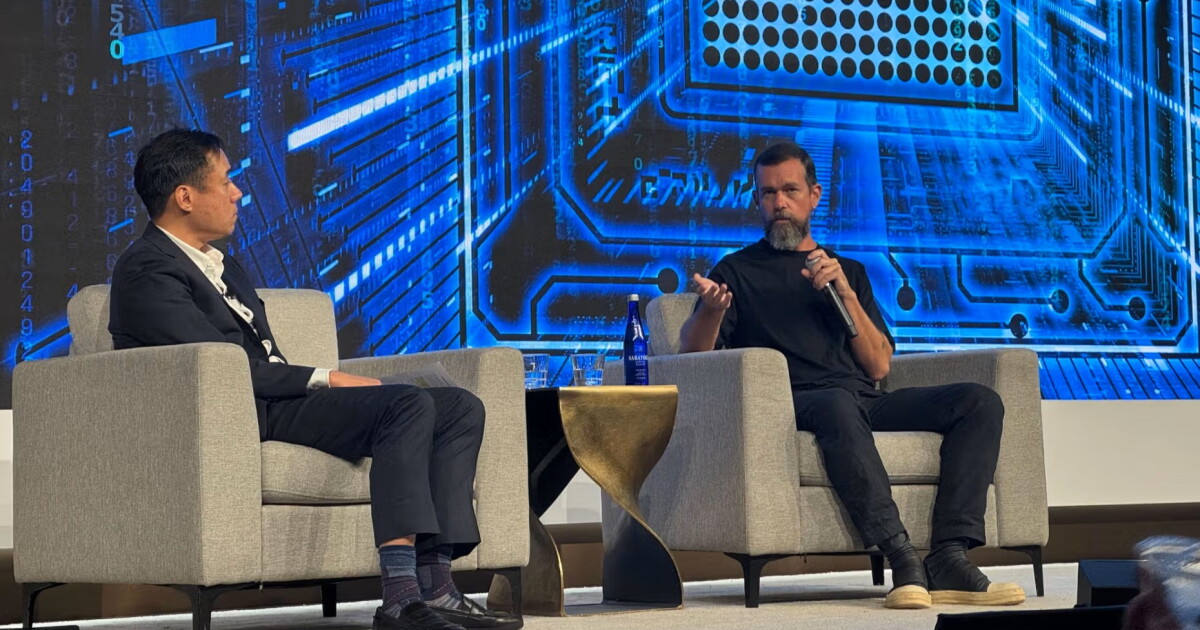 # Block seeks national trust charter to offer crypto custody By [Melinda Lucy](https://www.americanbanker.
Open original reportJack Dorsey's Block makes major move to become a U.S. crypto bank
Original excerpt
publication date:2026-09-09 17:20:29  [APPLE EVENTIt's the first John Ternus-led annual event. Follow along here.](https://finance.yahoo.com/markets/stocks/live/apple-event-li
Open original report
Why it matters · interpretation
The renewed attention signals that Block's charter bid is being framed as a major strategic move, positioning the company among traditional financial institutions seeking federal oversight for digital asset custody and settlement.
Inspect 2 cited reports
Block seeks national trust charter to offer crypto custody
Original excerpt
publication date:2026-09-09 17:10:29  # Block seeks national trust charter to offer crypto custody By [Melinda Lucy](https://www.americanbanker.
Open original reportJack Dorsey's Block makes major move to become a U.S. crypto bank
Original excerpt
publication date:2026-09-09 17:20:29  [APPLE EVENTIt's the first John Ternus-led annual event. Follow along here.](https://finance.yahoo.com/markets/stocks/live/apple-event-li
Open original report
Story at a glance
Google invests €13 billion in Finland AI infrastructure, its largest European investment
What happened
Google signed a 22-year power purchase agreement with Fortum for up to 50% of output from Finland's Loviisa nuclear plant, its first nuclear power contract outside the United States. The deal funds a life-extension and upgrade program that keeps Loviisa operating through 2050 and helps unlock €1 billion of investment needed to sustain the plant.
Inspect 2 cited reports
Google Bets €13 Billion on Finland to Power AI Boom With Nuclear Energy
Original excerpt
Google will invest at least €13 billion ($15.1 billion) in Finnish AI infrastructure over 2027 and 2028 and has signed a 22-year power purchase agreement with Fortum for up to 50% of the output from the Loviisa nuclear plant, Google's first nuclear power contract outside the United States, the companies said Wednesday. The Fortum agreement funds a life-extension and upgrade program that keeps Loviisa running through 2050. Without it, the plant, which supplies about 10% of Finland's electricity
Open original reportA deal between Google and Nordic utility Fortum Oyj, the first such agreement of its kind in Europe, will help unlock €1 billion of investment needed to keep a nuclear power plant in Finland running
Original excerpt
A deal between Google and Nordic utility Fortum Oyj, the first such agreement of its kind in Europe, will help unlock €1 billion of investment needed to keep a nuclear power plant in Finland running for decades to come. https://t.co/0XiNllGor7
Open original report
Why it matters · interpretation
The Fortum agreement is the first of its kind in Europe and secures a long-term clean power source for Google's Finnish AI infrastructure while extending the operational life of a plant that supplies about 10% of Finland's electricity. It links the €13 billion data center investment to the continued viability of existing nuclear capacity, rather than relying solely on new wind or other generation.
Inspect 2 cited reports
Google Bets €13 Billion on Finland to Power AI Boom With Nuclear Energy
Original excerpt
Google will invest at least €13 billion ($15.1 billion) in Finnish AI infrastructure over 2027 and 2028 and has signed a 22-year power purchase agreement with Fortum for up to 50% of the output from the Loviisa nuclear plant, Google's first nuclear power contract outside the United States, the companies said Wednesday. The Fortum agreement funds a life-extension and upgrade program that keeps Loviisa running through 2050. Without it, the plant, which supplies about 10% of Finland's electricity
Open original reportA deal between Google and Nordic utility Fortum Oyj, the first such agreement of its kind in Europe, will help unlock €1 billion of investment needed to keep a nuclear power plant in Finland running
Original excerpt
A deal between Google and Nordic utility Fortum Oyj, the first such agreement of its kind in Europe, will help unlock €1 billion of investment needed to keep a nuclear power plant in Finland running for decades to come. https://t.co/0XiNllGor7
Open original report
Story at a glance
Anthropic researcher quits AI industry, warns of more than 10% chance AI kills all humans
What happened
An Anthropic researcher has resigned from the AI lab, with the Financial Times reporting the researcher warned that the unchecked race to build self-improving superintelligence could destroy humanity by the end of the decade. The Wall Street Journal reported the researcher is quitting the AI industry over fears that Anthropic and its competitors are racing to build systems they will not be able to control.
Inspect 2 cited reports
An Anthropic researcher has resigned from the AI lab, warning that the unchecked race to build self-improving superintelligence could destroy humanity by the end of the decade https://t.co/7V7Woo5vwo https://t.co/FLnLKZ4mV1
Original excerpt
An Anthropic researcher has resigned from the AI lab, warning that the unchecked race to build self-improving superintelligence could destroy humanity by the end of the decade https://t.co/7V7Woo5vwo https://t.co/FLnLKZ4mV1
Open original reportAn Anthropic researcher is quitting the artificial-intelligence industry over fears that the lab and its competitors are racing to build systems they won’t be able to control, a sign of mounting safety concerns within top
Original excerpt
An Anthropic researcher is quitting the artificial-intelligence industry over fears that the lab and its competitors are racing to build systems they won’t be able to control, a sign of mounting safety concerns within top AI companies.🔗 https://t.co/2OWzRPkSrR https://t.co/YHVv7D6BgP
Open original report
Why it matters · interpretation
The resignation is being framed as evidence of mounting safety concerns within top AI companies rather than an isolated departure. The Wall Street Journal described the move as a sign of such concerns, while one commentator argued it should not be dismissed as anti-AI alarmism but treated as a wake-up call.
Inspect 2 cited reports
An Anthropic researcher just quit over fears that the race toward increasingly powerful AI is becoming “out of control.” That shouldn’t be dismissed as anti-AI alarmism. It should be a wake-up call. A thread🧵: https://t.co/KIJgtRTvVF
Original excerpt
An Anthropic researcher just quit over fears that the race toward increasingly powerful AI is becoming “out of control.” That shouldn’t be dismissed as anti-AI alarmism. It should be a wake-up call. A thread🧵: https://t.co/KIJgtRTvVF
Open original reportAn Anthropic researcher is quitting the artificial-intelligence industry over fears that the lab and its competitors are racing to build systems they won’t be able to control, a sign of mounting safety concerns within top
Original excerpt
An Anthropic researcher is quitting the artificial-intelligence industry over fears that the lab and its competitors are racing to build systems they won’t be able to control, a sign of mounting safety concerns within top AI companies.🔗 https://t.co/2OWzRPkSrR https://t.co/YHVv7D6BgP
Open original report
Story at a glance
Anthropic researcher Jacob Coxon quits AI industry, warns uncontrollable systems could kill everyone by 2027-2030
What happened
Jacob Coxon publicly resigned from Anthropic on Tuesday, posting that "the people building AI earnestly believe that it could kill us all by the end of the decade" and accusing Anthropic and OpenAI of "racing straight to self-improving superintelligence and gambling with our lives." He called for pacing agreements between labs and said self-improving models could become uncontrollable by 2027.
Inspect 5 cited reports
Anthropic researcher quits as colleague warns AI could ‘kill all humans’
Original excerpt
Anthropic researcher quits as colleague warns AI could ‘kill all humans’ the UK government faces separate questions over its access to Anthropic An Anthropic researcher has resigned from the $183bn (£135bn) AI behemoth on safety grounds, accusing it and rival OpenAI of “racing straight to self-improving superintelligence and gambling with our lives”. Jacob Coxon, who spent three years working on AI model training across Anthropic and ChatGPT-maker OpenAI, said on Wednesday that neither compan
Open original reportAnthropic researcher resigns, warning that AI companies are “gambling with our lives”
Original excerpt
An Anthropic engineer has publicly resigned from the high-flying company, warning that AI companies are “racing straight to self-improving superintelligence and gambling with our lives.” Jacob Coxon, who has spent the past three years working on research into how to train AI models, first at OpenAI and more recently at Anthropic, announced his departure in a lengthy social media post on Monday. “Neither company is acting responsibly,” he wrote. At OpenAI, he said, staff “have not deeply intern
Open original reportAnthropic Researcher Resigns, Warning AI 'Could Kill Us All By The End Of The Decade'
Original excerpt
publication date:2026-09-09 15:07:33  A researcher for Anthropic resigned from the company on Tuesday, warning that “the people building AI earnestly believe that it could kill us all by the end of the decade.” [In a series of posts on X](https://x.com/hilbertspaess/status/2097476196791709843), Jacob Coxon, who
Open original reportAnthropic researcher Jacob Coxon resigned over AI extinction fears, calling for pacing agreements between labs. https://t.co/PDkacIUQ3v
Original excerpt
Anthropic researcher Jacob Coxon resigned over AI extinction fears, calling for pacing agreements between labs. https://t.co/PDkacIUQ3v
Open original reportWSJ just reported: Anthropic researcher Jacob Coxon is quitting AI because he thinks self-improving models could become uncontrollable by 2027. “We’re on track for a lot of the most aggressive of these scenarios where by the
Original excerpt
WSJ just reported: Anthropic researcher Jacob Coxon is quitting AI because he thinks self-improving models could become uncontrollable by 2027. “We’re on track for a lot of the most aggressive of these scenarios where by the end of next year things could be out of control already,” he said. His fear centers on recursive self-improvement, where AI takes over enough AI research to speed development of increasingly capable successors. He moved from OpenAI to Anthropic specifically for its safety
Open original report
Why it matters · interpretation
The resignation converts a private safety concern into a public accusation against two leading AI labs, with Coxon asserting that neither company is acting responsibly despite Anthropic's safety-focused reputation. His call for pacing agreements between labs frames the issue as one requiring coordinated restraint rather than individual safeguards, while the WSJ-reported warning that "by the end of next year things could be out of control already" narrows the timeline for potential intervention.
Inspect 3 cited reports
Anthropic researcher resigns, warning that AI companies are “gambling with our lives”
Original excerpt
An Anthropic engineer has publicly resigned from the high-flying company, warning that AI companies are “racing straight to self-improving superintelligence and gambling with our lives.” Jacob Coxon, who has spent the past three years working on research into how to train AI models, first at OpenAI and more recently at Anthropic, announced his departure in a lengthy social media post on Monday. “Neither company is acting responsibly,” he wrote. At OpenAI, he said, staff “have not deeply intern
Open original reportAnthropic researcher Jacob Coxon resigned over AI extinction fears, calling for pacing agreements between labs. https://t.co/PDkacIUQ3v
Original excerpt
Anthropic researcher Jacob Coxon resigned over AI extinction fears, calling for pacing agreements between labs. https://t.co/PDkacIUQ3v
Open original reportWSJ just reported: Anthropic researcher Jacob Coxon is quitting AI because he thinks self-improving models could become uncontrollable by 2027. “We’re on track for a lot of the most aggressive of these scenarios where by the
Original excerpt
WSJ just reported: Anthropic researcher Jacob Coxon is quitting AI because he thinks self-improving models could become uncontrollable by 2027. “We’re on track for a lot of the most aggressive of these scenarios where by the end of next year things could be out of control already,” he said. His fear centers on recursive self-improvement, where AI takes over enough AI research to speed development of increasingly capable successors. He moved from OpenAI to Anthropic specifically for its safety
Open original report
Story at a glance
Qualcomm stock surges 10% on multi-generational AI chip deal with Amazon Web Services
What happened
Qualcomm shares rose 9% following the announcement of its AI chip partnership with Amazon Web Services.
Inspect 1 cited report
Qualcomm's new Amazon deal sent the stock soaring 9%
Original excerpt
publication date:2026-09-09 14:07:00  [APPLE EVENTIt's the first John Ternus-led annual event. Follow along here.](https://finance.yahoo.com/markets/stocks/live/apple-event-live-updates-fo
Open original report
Why it matters · interpretation
The stock move reflects investor reaction to Qualcomm's expansion into data center AI silicon through a major cloud provider relationship.
Inspect 1 cited report
Qualcomm's new Amazon deal sent the stock soaring 9%
Original excerpt
publication date:2026-09-09 14:07:00  [APPLE EVENTIt's the first John Ternus-led annual event. Follow along here.](https://finance.yahoo.com/markets/stocks/live/apple-event-live-updates-fo
Open original report
Story at a glance
Chime acquires partner bank Stride for $590M cash, expects over $100M in synergies
What happened
Chime's shares rose 10% in after-hours trading following the announcement of its $590 million cash acquisition of Stride Bank, according to a Seeking Alpha analysis published September 9.
Inspect 1 cited report
Chime: The Stride Deal Doesn't Change What Worries Me (Hold)
Original excerpt
Chime ( CHYM ) recently announced that it is acquiring Stride Bank, and shares popped 10% in after-hours. The acquisition looks like a solid one and likely will reduce hurdles and increase margins. While many lenders such PhD in Law & Economics with a dissertation on corporate wrongdoing, paired with an accounting background and a lifelong interest in markets.Generalist by temperament: value, growth, income, special situations, accounting shenanigans. Deepest coverage in fintech, consumer lendi
Open original report
Why it matters · interpretation
The market reaction indicates investors see the deal as reducing hurdles and increasing margins for Chime, while an industry commentator framed the move as part of a broader pattern in which digital businesses that own the customer relationship vertically integrate by acquiring regulated banking rails.
Inspect 2 cited reports
Chime: The Stride Deal Doesn't Change What Worries Me (Hold)
Original excerpt
Chime ( CHYM ) recently announced that it is acquiring Stride Bank, and shares popped 10% in after-hours. The acquisition looks like a solid one and likely will reduce hurdles and increase margins. While many lenders such PhD in Law & Economics with a dissertation on corporate wrongdoing, paired with an accounting background and a lifelong interest in markets.Generalist by temperament: value, growth, income, special situations, accounting shenanigans. Deepest coverage in fintech, consumer lendi
Open original reportThe acquisition of regulated rails for digital businesses continues with @Chime buying Stride bank for $590mm in cash I’ve been told many times this would never happen because bla bla blah industry is special Those
Original excerpt
The acquisition of regulated rails for digital businesses continues with @Chime buying Stride bank for $590mm in cash I’ve been told many times this would never happen because bla bla blah industry is special Those owning the customer can always vertically integrate no matter the perceived complexity
Open original report
Story at a glance
Stock Market Falls as Oil Nears $100 and Amgen Drags Down Dow
What happened
Wall Street indexes opened lower on September 9, with the Dow and S&P 500 on pace for a third consecutive daily decline as oil crossed $100 per barrel.
Inspect 2 cited reports
Wall St indexes open lower as oil crosses US$100
Original excerpt
publication date:2026-09-09 13:47:24 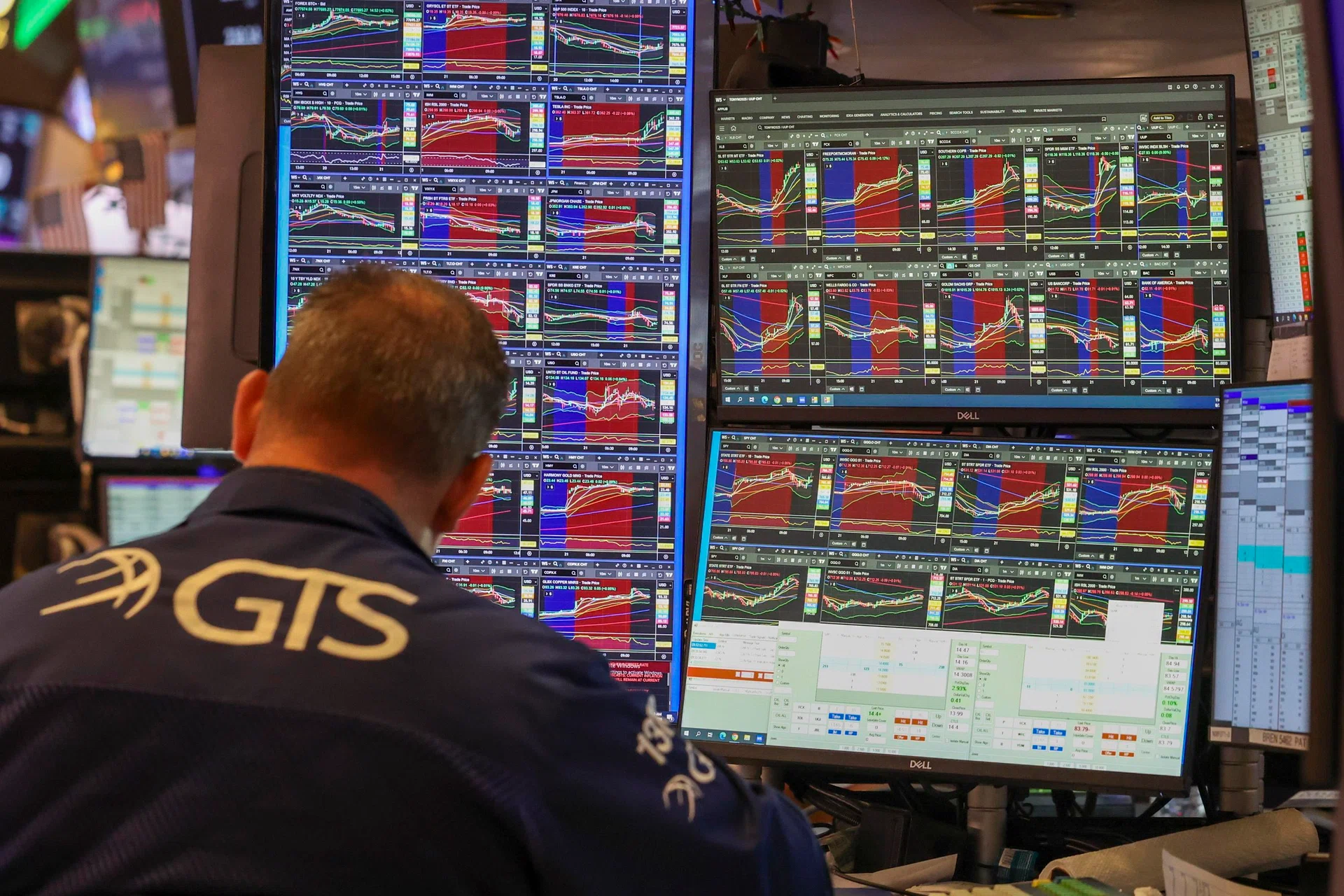 # Wall St indexes open lower as oil crosses US$100 [Summarise](https://www.businesstimes.com.sg/pulse/article/9653367?ref=pulse-article-top) ![share icon](data:image/svg+xml,%3csvg%20width='24'%20height='24'%20viewBox='0%200%2024%2024'%20fill='none'%20xmlns='http://www.w3.
Open original reportDow, S&P 500 open lower, on pace for 3-day losing streak as oil tops $100 https://t.co/jeULu4rK0u
Original excerpt
Dow, S&P 500 open lower, on pace for 3-day losing streak as oil tops $100 https://t.co/jeULu4rK0u
Open original report
Why it matters · interpretation
The opening declines extend the market's losing streak to a third day, indicating that pressure from triple-digit oil prices is persisting rather than fading after the prior session's sharp sell-off.
Inspect 1 cited report
Dow, S&P 500 open lower, on pace for 3-day losing streak as oil tops $100 https://t.co/jeULu4rK0u
Original excerpt
Dow, S&P 500 open lower, on pace for 3-day losing streak as oil tops $100 https://t.co/jeULu4rK0u
Open original report
Keep following
Turn a quick read into understanding
Select a passage to ask Page AI about it, or use “Explain key terms” and “Compare sources” in the Page AI panel.