Reporting on this entity comes from multiple media camps.
36%
28%
35%
Western137 · 36%
Regional6 · 2%
Neutral / independent105 · 28%
Eastern133 · 35%
Latest Stories
Reader quick takes
0 takes
Loading reader quick takes…
Periodic recap
What changed for this subject in each tracking window — generated from matched events, delta-first.
· 1 event in window
Coverage around Nasdaq shifted this period from Anthropic's IPO pricing details to broad market performance: US stocks closed higher on November 11, with the Nasdaq Composite up 1.60% and the S&P 500 up 1.31%, as CoreWeave's earnings eased concerns about the durability of the AI trade. CoreWeave shares surged 24.7% after the company said it would become profitable on an adjusted basis in the first half of 2028; the Philadelphia SE Semiconductor index jumped 5.7% and Nvidia rebounded after two sessions of sharp declines. Investors also weighed Anthropic's IPO terms and hotter-than-expected inflation data that cemented expectations of a Fed rate hike. The item was carried by a single source across five articles.
The Nasdaq Composite rose 1.60% and the S&P 500 gained 1.31% on November 11 as CoreWeave's earnings reignited the AI trade.
CoreWeave shares surged 24.7% after the company said it would become profitable on an adjusted basis in the first half of 2028.
The Philadelphia SE Semiconductor index jumped 5.7%, and Nvidia rebounded after two sessions of sharp declines.
Investors also weighed Anthropic's IPO terms and hotter-than-expected inflation data that cemented expectations of a Fed rate hike.
Earlier recaps
· 1 event in window
NASDAQ-related coverage again consisted of a single story this period, but it marked concrete progress over the prior period: Anthropic formally set a $70-$78 per-share range for its Nasdaq IPO, offering 825 million Class A shares under ticker "ANT," with pricing expected November 18 and trading November 19. At the top of the range the offering would raise about $64.35 billion and value the company at up to roughly $1.4 trillion on a fully diluted basis, above the $965 billion of May but below earlier $2 trillion expectations. Separately, Google, Nvidia, AMD, Broadcom, Micron, Microsoft and TSMC agreed to buy $26 billion of non-voting Class N stock at the IPO price. The item was carried by three sources across six articles.
· 1 event in window
NASDAQ-related coverage this period again consisted of a single story, continuing the Anthropic listing thread from last period, but the event itself lacks a verifiable title or summary. The item was carried by four sources across eight articles, a higher signal level than last period, yet beyond the scale of coverage there are no new facts to gauge progress. Overall, this was a thin and repetitive period.
· 1 event in window
NASDAQ-related coverage this period was again a single story, but it shifted away from last period's broad rally to a listing process: Anthropic has publicly filed its S-1 for a Nasdaq IPO under ticker ANT, targeting a mid-November debut. The report said investors, amid a Nasdaq selloff and post-midterm backlash against AI data centers, have pushed expected valuation down from about $2 trillion to $1.5 trillion to $1.6 trillion, with some discussions at $1.2 trillion to $1.3 trillion. The item was reported by five sources, though the range of valuation figures itself indicates pricing has not converged.
· 1 event in window
NASDAQ-related coverage remained a single report this period, but the content marked a clear shift from last period: US stocks rallied sharply after Democrats won the midterms and took control of Congress, with the Nasdaq gaining about 2%. The report attributed the move to expectations that divided government would reduce policy uncertainty, alongside an oil price plunge. The account came from a single source, however, and noted that stock futures subsequently whipsawed, with outlets giving conflicting directional signals on the market's verdict.
· 1 event in window
NASDAQ-related news thinned out sharply this period, with only one report from a single source. Compared with last period's Big Tech earnings selloff, the tone shifted to choppy trading: disappointing Apple earnings weighed on the Dow, while Nvidia and other Big Tech names plus a chip-stock rebound lifted Wall Street. The report listed midterm election uncertainty, AMD earnings and the October jobs report as the week's main catalysts, and said the AI trade is becoming a "show me" story.
Tracked events
Events matched to this subject by the tracking pipeline, with signal scores.
· Signal 88.0
CoreWeave earnings reignite AI trade as S&P 500 and Nasdaq rally over 1%
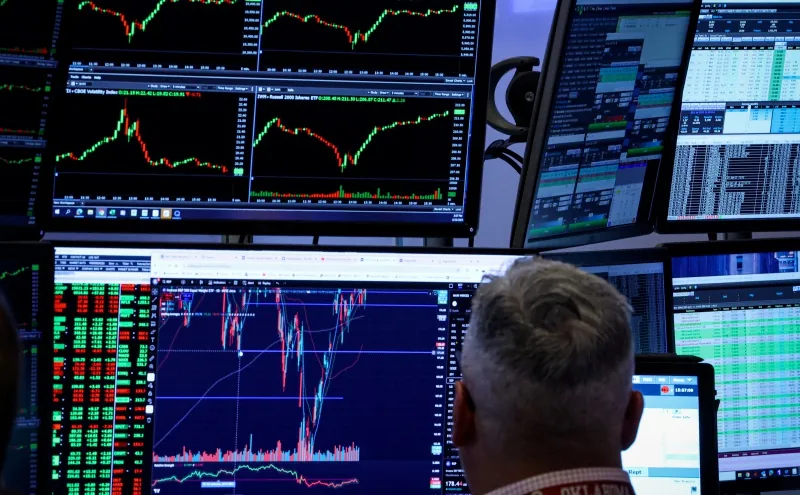
US stocks closed higher on Wednesday, November 11, 2026, with the S&P 500 up 1.31% and the Nasdaq Composite up 1.60%, as CoreWeave's earnings reassured investors about the durability of the AI trade. CoreWeave shares surged 24.7% after the company said it would become profitable on an adjusted basis in the first half of 2028. AI infrastructure and semiconductor stocks rallied broadly, with the Philadelphia SE Semiconductor index jumping 5.7% and Nvidia rebounding after two sessions of sharp declines. Investors also weighed Anthropic's IPO terms and hotter-than-expected inflation data that cemented expectations of a Fed rate hike.
Dow Rallies 1,500 Points as Democrats Win Control of Congress
US stock markets rallied sharply after Democrats won midterm elections and took control of Congress, with the Dow Jones Industrial Average surging roughly 1,200 to 1,600 points depending on the report, while the S&P 500 and Nasdaq gained about 2%. Reports attributed the move to expectations that divided government would reduce policy uncertainty, alongside an oil price plunge. Coverage also noted stock futures whipsawed and were mixed afterward, with outlets offering conflicting directional signals on the market's verdict.
6 reports · 1 sources
· Signal 106.8
Apple Earnings Disappoint as US Stock Futures Waver Ahead of Midterms
US stock futures traded mixed to lower as investors weighed disappointing Apple earnings against upcoming midterm elections, AMD earnings, and the October jobs report. Apple shares fell after results fell short of expectations, weighing on the Dow, while Nvidia and other Big Tech stocks lifted Wall Street and chip stocks rebounded. Bloomberg noted election uncertainty and AI bubble concerns weighing on the outlook, with the AI trade becoming a "show me" story. Markets were described as facing a jolting week of political and corporate catalysts.
Nasdaq climbs more than 1% as AI trade rebounds after Friday's tech selloff
US technology and AI-related stocks rebounded after a sharp Friday selloff, with the Nasdaq climbing more than 1% and the S&P 500 also rallying while the Dow wavered or slipped. Investors bought the dip in AI names ahead of a busy Q3 earnings week, though Barron's said the bounce was "nothing to celebrate" and CNBC reported Asian markets were not yet buying into the recovery. Oil prices slipped and Treasury yields ticked up, while European markets dropped following protests.
5 reports · 1 sources
· Signal 94.6
Nasdaq Falls Over 2% as AI Debt Fears and $110 Oil Erase $1 Trillion in Tech Wealth
A broad technology-led selloff hit U.S. markets as the Nasdaq fell more than 2% on Friday, posting its worst week since June, according to CNBC and CNN. Investors raised questions about AI-related debt and credit risk, while a memory-chip rout and cybersecurity declines added pressure. NBC News reported tech stocks erased about $1 trillion in wealth as oil surged to $110 a barrel for the first time since May. Some outlets, including Yahoo Finance and Barron's, framed the pullback as a buying opportunity rather than a durable reversal.
Anthropic has set terms for its initial public offering, planning to sell 825 million Class A shares at $70 to $78 each on the Nasdaq under the ticker "ANT," with pricing expected November 18 and trading to begin November 19. At the top of the range, the offering would raise about $64.4 billion and value the Claude developer at up to roughly $1.4 trillion on a fully diluted basis, below earlier expectations of up to $2 trillion. Seven compute suppliers, including Google and Nvidia, agreed to buy $26 billion of non-voting stock in a concurrent private placement. The IPO is seen as a key test of Wall Street confidence in the AI boom.
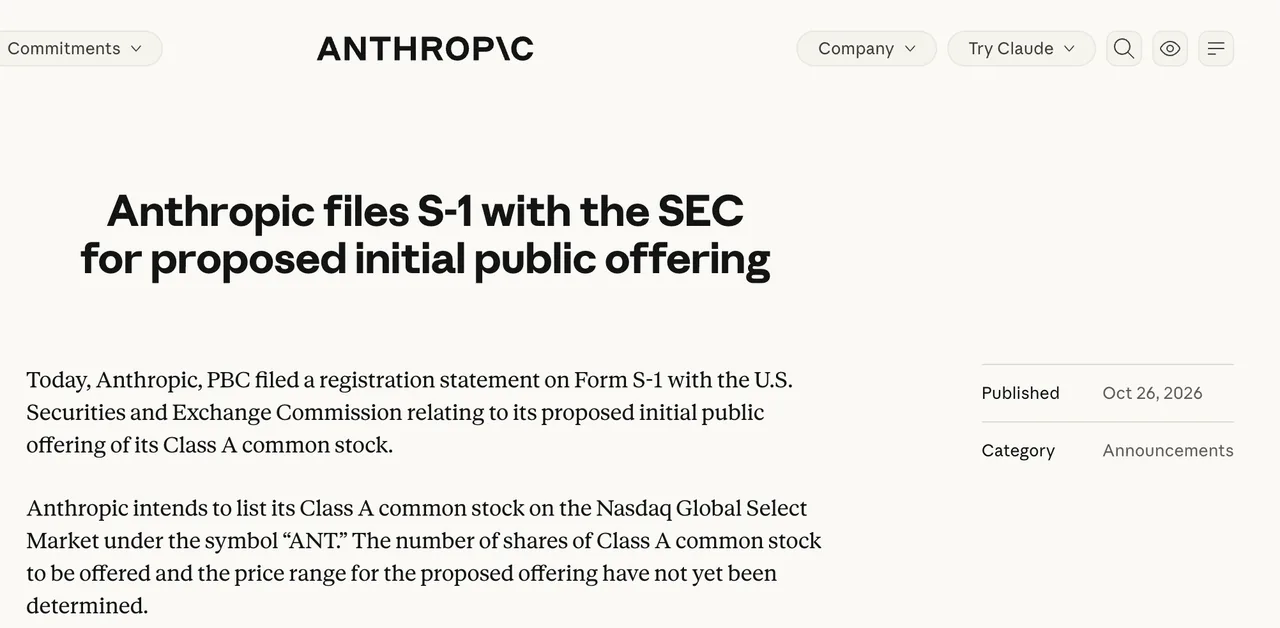
Anthropic has publicly filed an S-1 for a Nasdaq IPO under ticker ANT, targeting a debut as soon as the week of Nov. 16. The Claude developer reported $33.2 billion in revenue through the first nine months of the year and disclosed $895.4 billion in spending commitments, mostly for compute and infrastructure. Amid a sharp AI stock sell-off and investor caution over slowing sequential growth, prospective buyers have discussed lowering the valuation to $1.2–$1.3 trillion, down from as high as $2 trillion floated in early October.
US technology stocks fell sharply on October 30, 2026, with the Nasdaq dropping 2.86% for its largest one-day decline since June 5 after disappointing results from Intel and Amazon intensified investor concerns about massive AI-related spending. Intel plunged 28.6% on a weak outlook and higher AI investment plans, while Amazon fell after reporting negative free cash flow and committing to about $220 billion in 2026 capital expenditures. The selloff erased hundreds of billions in market value and left the Nasdaq with its worst monthly slide since March 2025.
Alphabet shares fell nearly 13% on Thursday, October 29, 2026, after third-quarter results, wiping out $475 billion in market value — the steepest one-day decline since its 2004 IPO and the second-largest single-day loss ever for a US-listed company. Search revenue grew 12% to about $63 billion, short of Wall Street's roughly $65 billion estimate, and free cash flow swung to a loss of about $9 billion as AI spending climbed, even as Google Cloud revenue more than doubled to about $31 billion. The selloff spread across tech, with the Nasdaq hitting a near three-month low.
Anthropic, the San Francisco-based AI company behind the Claude chatbot, filed an S-1 registration statement with the U.S. Securities and Exchange Commission for an initial public offering on the Nasdaq Global Select Market under the ticker "ANT." The 335-page filing discloses $16.3 billion in first-half 2026 revenue against a net loss of more than $80.7 billion, much of it an accounting charge tied to convertible bond valuations. Reports suggest the offering could raise up to $100 billion and reach a $1.5 trillion to $2 trillion valuation, potentially surpassing SpaceX's record listing.
South Korean data-center and AI company Elice fell sharply in its trading debut on the Korean market, with declines reported between roughly 30% and 33% across outlets including Bloomberg, CNBC, the Financial Times and the Wall Street Journal. One report described it as the worst opening-day performance for a major IPO in South Korea's history. The weak listing weighed on tech investors and Nasdaq futures slipped, with Reuters calling the Korean listing a "canary in the AI coalmine" as investors reassessed AI-sector valuations.
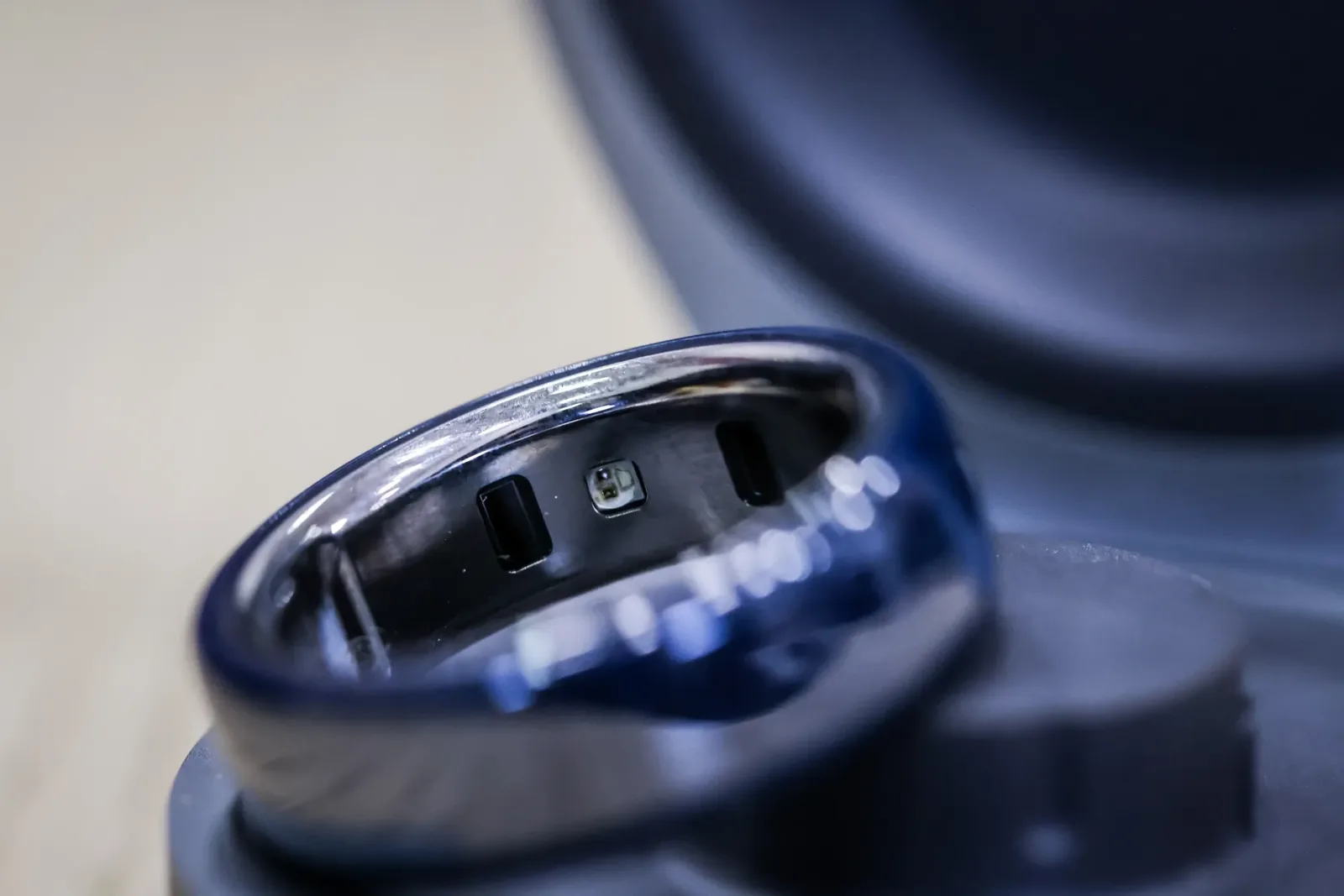
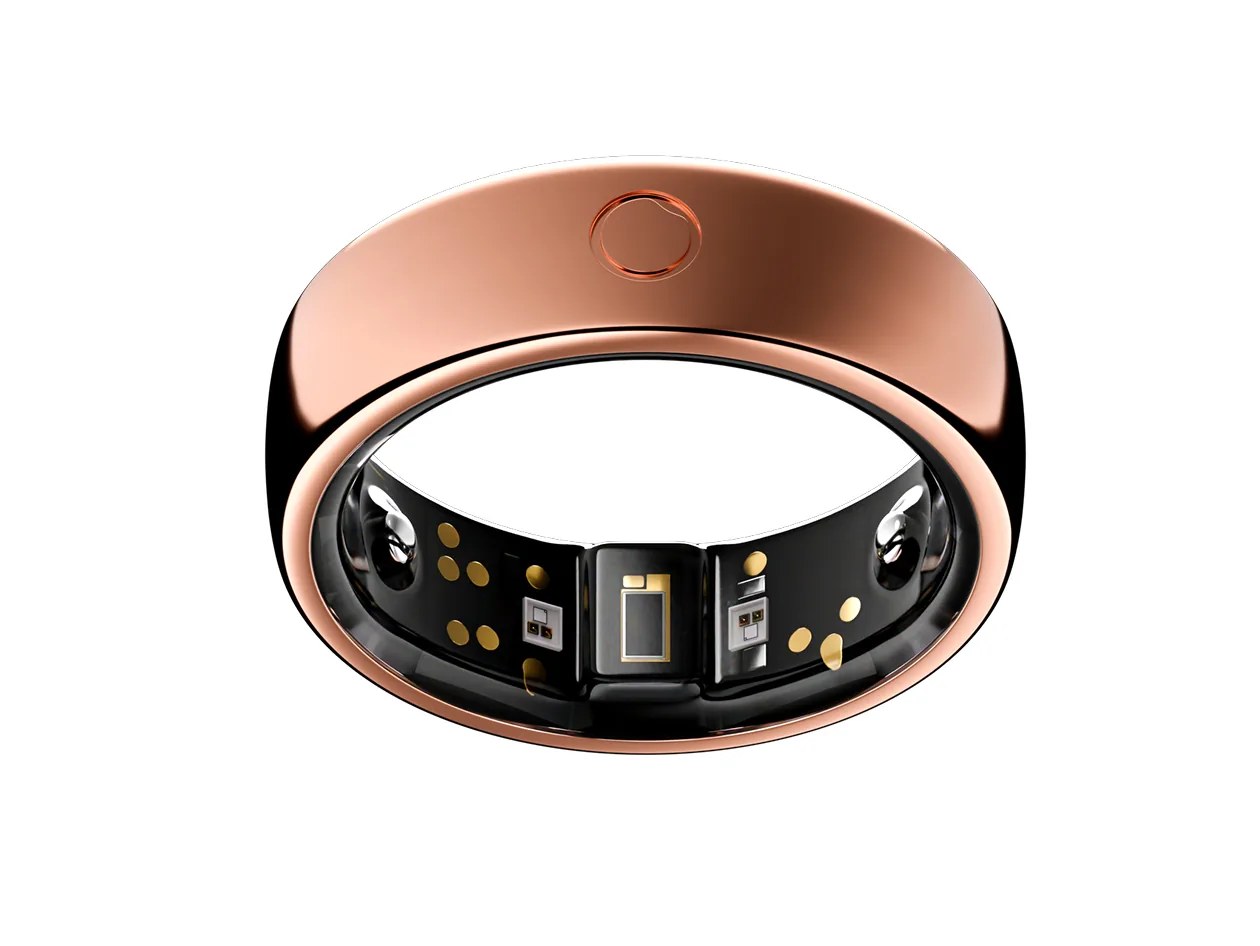
Smart ring maker Oura has postponed its initial public offering, citing market uncertainty. The decision comes despite reports that the IPO was about four times oversubscribed, with cornerstone investors Eli Lilly and Dragoneer committing $400 million. The company had planned to list on Nasdaq under the ticker OURA, offering 50 million shares at $40-$44 each, targeting a valuation of up to $14.9 billion. No new timeline has been provided.
US stock markets fell on September 24 and 29, 2024, with the Nasdaq dropping 0.75% and 0.92%, the S&P 500 declining 0.51% and 0.77%, and the Dow falling 0.19% and 0.67% respectively. Technology and semiconductor stocks led the declines, with Oracle falling over 5%, ARM plunging over 8%, and Qualcomm dropping over 7%. Memory chip and optical communication sectors were among the worst performers.
U.S. stock index futures and cash indices experienced broad declines across multiple trading sessions in late September 2024. The Nasdaq 100 led losses, falling up to 1% in both futures and cash trading, while the S&P 500 and Dow Jones also declined. Reports from Cailianshe and Jin10 noted no specific catalyst for the moves, attributing the declines to general risk-off sentiment.
Smart ring maker Oura launched its US IPO roadshow on September 21, 2026, targeting a fully diluted valuation of $15.62 billion. The offering of 50 million shares at $40-$44 each aims to raise up to $2.2 billion. The IPO has received approximately 4x oversubscription, with pricing set for September 29 and trading on Nasdaq under ticker "OURA." Eli Lilly and Dragoneer have indicated interest in purchasing up to $100 million and $300 million of shares respectively. Oura reported $1.21 billion in revenue for the nine months ended June 30, a 74% year-over-year increase.
On September 21, 2026, U.S. stocks rallied sharply, with the Nasdaq Composite surging 2.26% to a record close of 27,122.09. The rally was fueled by a drop in oil prices, easing Treasury yields, and surging AI optimism. Meta jumped over 11% after its AI agent Muse topped app charts, while AMD rose nearly 10%, surpassing a $1 trillion market capitalization for the first time. The Philadelphia Semiconductor Index gained 4.29%.
Iranian Foreign Minister Abbas Araghchi stated on September 24 that Iran submitted a new draft proposal to the U.S. via Qatar to reopen the Strait of Hormuz within seven days if the U.S. meets conditions from a June memorandum. U.S. officials described talks as "positive and constructive." The development drove international oil prices down over 2%, with WTI crude falling to $92.44 per barrel and Brent crude dropping below $98, boosting U.S. stock markets.
U.S. stock markets experienced a volatile week from September 21 to 25. Major indices rallied on Monday, with the Dow closing up 367 points and the Nasdaq gaining 2.26%. Markets then saw mixed results midweek, with the Dow falling 161 points on Thursday. The week ended on a positive note Friday, as the Dow closed at 51,828.59, up 478 points, while the S&P 500 and Nasdaq also posted gains.
Deloitte China forecasts that Hong Kong's IPO market will break its 2010 fundraising record in 2026, driven by strong AI demand and hard-tech listings. In the first three quarters, Hong Kong is expected to see 116 new listings raising HK$387.9 billion, a 112% increase year-on-year. Full-year projections estimate 160 IPOs raising approximately HK$480 billion. The A-share market is also surging, with 122 IPOs raising 212.3 billion yuan, a 175% increase. The report attributes growth to market reforms, faster regulatory approvals, and policy support for AI and hard-tech sectors.
Finnish smart ring maker Oura filed for an IPO on the Nasdaq, seeking up to $2.2 billion by offering 50 million shares at $40-$44 each. The company, founded in 2013, reported $1.21 billion in revenue for the nine months ending June 2026, up 74% year-over-year. Existing shareholders, including Forerunner Ventures, plan to sell 36.5 million shares, representing 73% of the offering. Oura faces a proposed class action lawsuit over sleep tracking accuracy and FDA regulatory uncertainty.
On September 23, U.S. stock indices fell sharply, with the S&P 500 dropping nearly 0.8% in its largest single-day decline in over a month. The tech-heavy Nasdaq fell 1.13%, and the "Magnificent Seven" tech index dropped 1.18%, led by a 3% decline in Google. Semiconductor and optical communication stocks also fell broadly. In commodities, international gold prices declined while oil prices rose. Analysts attributed the tech selloff to interest rate pressures on valuations rather than a change in AI industry trends.
Invesco's Nasdaq Technology ETF (ticker: 159509) will temporarily halt trading at the market open on September 23, 2026, and resume at 10:30 AM the same day. Redemption services will continue normally during the suspension. No reason for the halt was provided in the brief announcement.
U.S. stocks closed mixed on Tuesday, September 22, with the Nasdaq Composite rising 0.45% to a record 27,244.28, driven by semiconductor and storage chip gains. The Dow fell 0.36% to 51,863.69, pressured by bank stocks as the yield curve flattened. Oil fell for a fifth day, with WTI at $94.59. Richmond Fed President Barkin said the economy is strengthening and inflation risks justify the recent rate hike.
The Nasdaq Composite closed at a record high, driven by easing geopolitical tensions and AI optimism, with AMD surpassing a $1 trillion market cap and Meta surging over 11%. The People's Bank of China (PBOC) held a symposium with foreign financial institutions, where Governor Pan Gongsheng pledged to implement moderately loose monetary policy and expand financial market opening. Nearly 40 A-share companies pre-announced strong Q3 results, led by the AI supply chain. The Shanghai Stock Exchange warned against speculative trading in Shengu Group shares.
The Philadelphia Semiconductor Index (SOX) surged 4% to 12,398.17 points on September 22, driven by broad gains in major chip stocks. Intel jumped 11.97%, AMD rose 8.82%, and Arm Holdings climbed 15.91%. The rally extended a multi-day advance that began September 17, with the index reaching its highest level in over a month. The Nasdaq Composite rose over 2%, while the Dow and S&P 500 also gained.
The Federal Reserve unanimously raised its benchmark interest rate by 25 basis points to 3.75%-4.00% on September 16, 2026, the first increase since July 2023. Fed Chair Kevin Warsh cited persistent inflation above the 2% target for over five years. President Donald Trump publicly demanded rates of 1% or less, but the Fed proceeded with the hike. Updated projections show 16 of 18 policymakers expect at least one more quarter-point increase by year-end. Markets reacted with falling equities and rising Treasury yields.
Nvidia is in discussions to invest up to $10 billion as an anchor investor in Anthropic's upcoming initial public offering, which could raise up to $100 billion at a valuation near $2 trillion, potentially making it the largest IPO in history. Anthropic has selected Nasdaq for listing and confidentially filed with the SEC. The IPO is targeted before the U.S. midterm elections in November 2026. Terms remain under negotiation and subject to change.
On September 14, 2026, U.S. stock indexes fell sharply after Anthropic CEO Dario Amodei published an essay urging AI companies to slow the pace of improving advanced models due to safety risks, with OpenAI CEO Sam Altman and xAI’s Elon Musk publicly supporting the call. Chip stocks led declines, with the iShares Semiconductor ETF falling about 5.5% and Nvidia dropping nearly 3.5%. Concurrently, oil prices surged over 3% after Saudi Arabia shut a key pipeline following drone attacks, and the 10-year Treasury yield briefly surpassed 5%. Markets priced an 86-93% probability of a Federal Reserve rate hike at its September meeting.
Between September 10 and 17, U.S. stock indices experienced significant volatility, opening lower on multiple days. The Dow Jones Industrial Average fell as much as 630.56 points on September 16, closing at 51,462.55. The Nasdaq Composite dropped 1.26% on September 14, while the S&P 500 declined up to 0.71%. A brief recovery occurred on September 17, with indices opening higher.
On September 8, 2026, U.S. stock markets fell sharply, with the Dow Jones Industrial Average dropping 628 points, as Brent crude oil surged past $100 per barrel for the first time since July, driven by attacks on Saudi Arabia and deepening Middle East tensions. The sell-off, which also hit the S&P 500 and Nasdaq, was fueled by inflation fears and increased Federal Reserve rate hike bets. Amgen and Salesforce led declines. Later sessions saw further volatility amid hot PPI data and rising Treasury yields.
Anthropic, the AI model maker behind Claude, is preparing to go public in fall 2026, selecting Nasdaq as its exchange with an October target. The IPO could be the world's largest, with bankers discussing a deal raising up to $100 billion at a $2 trillion valuation. The company has raised $130 billion from 300 institutional investors, including Amazon and Alphabet. Despite AI safety concerns and a researcher resignation, institutional demand remains high, and the timeline is unchanged.