US approves $2.1bn sale of 500 Patriot missiles to Ukraine, funded by allies
The US State Department approved a possible Foreign Military Sale of 500 Patriot PAC-3 MSE interceptor missiles and associated support to Ukraine, estimated at $2.1 billion, on October 30, 2026. Canada, Germany and Norway fund the purchase through the JUMPSTART program, while Ukrainian national funds financed by an EU loan cover the rest; no US funds are involved and Lockheed Martin is the principal contractor. The deal still requires congressional review and no delivery date was given. President Volodymyr Zelensky welcomed the approval but warned deliveries could take years, urging allies to release missiles from existing stockpiles.
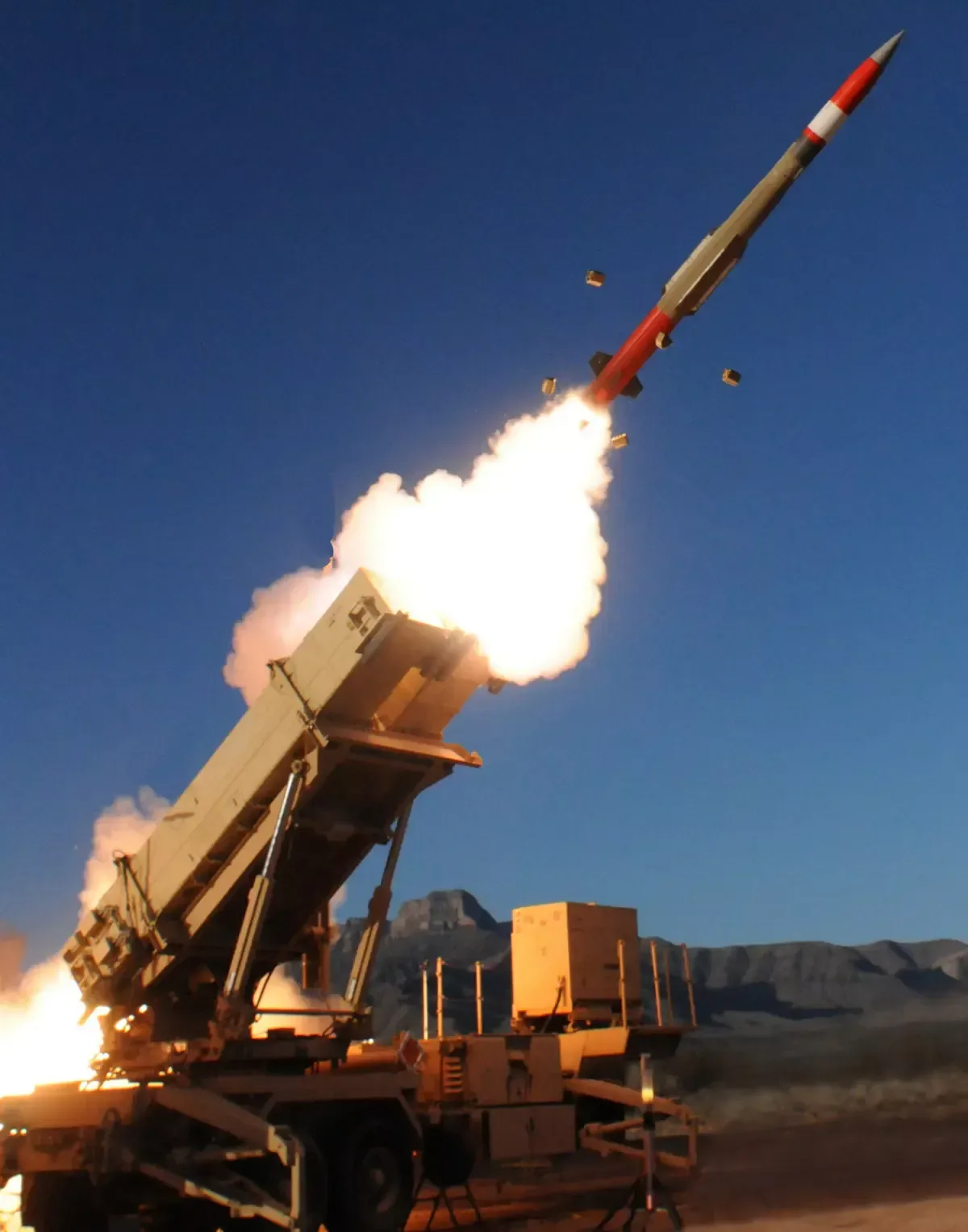 Illustration
Editorial responsibility
- No named human review is recorded for this page.
- Reports are grouped by semantic similarity and deterministic rules. Language models may assist titles, summaries, translation and cross-source analysis; the page reads the event directly, while its address stays stable when the title changes.
- Summary covers the current reports
Cross-source coverage
Common ground
- The $2.1 billion package is a procurement receipt, not an immediate air defense capability.
- The delivery timeline (early 2030s) means the missiles will not affect the war for years.
- The funding structure (JUMPSTART) cleverly avoids U.S. appropriations fights but does not create interceptors.
- The queue for delivery is contested, and domestic U.S. demand (Army objective of 13,773 missiles) will likely take priority.
- The accurate headline should have been 'Ukraine joins a waiting list behind the US Army,' not 'US approves missiles for Ukraine.'
- Cheaper layers (guns, drones) conserve interceptors but do not stop ballistic missiles.
- The key variable for changing the delivery date is European co-production and the 2,000-a-year target, which must be tracked.
Points of contention
- Whether the money or political will is the primary obstacle: Western says political will, Neutral says money and politics are the same bottleneck.
- Whether 'empty our stockpiles now' is feasible: Western says it's a matter of will, Neutral says it's physically impossible due to production limits.
- Whether the 13,773 Army objective is a rigged queue (Western) or an unfunded wish (Neutral).
- Whether European production is a real lever (Neutral) or a phantom aspiration (Western).
- Whether naming the signature block (DSCA/PEO) changes accountability or just labels a permanent structural dodge.
Blind spots
- Russia's own missile production trends (e.g., Iskander output under sanctions) were not examined, which could change the demand-side math.
- Ukraine's intercept rate is treated as fixed, but it depends on launcher survivability and cheaper interceptor fielding.
- The role of European gun systems (like Skyranger) in conserving interceptors was under-discussed until late in the debate.
- No one addressed what Ukraine does specifically in 2027–2028 beyond hoping for European production.
WorldAttention’s read
The roundtable agreed that the $2.1 billion Patriot package is a financing workaround, not a near-term air defense solution. The missiles will arrive years after they are needed, and the delivery queue is contested by U.S. domestic demand. The funding structure is clever but does not manufacture interceptors. The debate exposed a key disagreement over whether political will or money is the root obstacle, and whether European production is a realistic lever or a hopeful aspiration. Blind spots include Russia's missile production trends and Ukraine's adaptive tactics. Ultimately, the deal is a promise, not a capability, and the framing of it as an air defense win obscures that reality.
Reporting timeline
Ukraine's $2.1B Patriot Deal Secures Funding but Missiles May Not Arrive Until 2030s
On October 30, the U.S. State Department approved a possible Foreign Military Sale to Ukraine of 500 Patriot PAC-3 MSE interceptors and associated support, estimated at $2.1 billion, funded by Canada, Germany, and Norway through JUMPSTART and by Ukrainian funds financed by an EU loan, with no U.S. funds involved. The article argues the approval secures funding and a legal path but not the missiles themselves: they must come from a single Lockheed Martin production line that delivered 620 missiles in 2025 and also serves U.S. Army and export orders. Reuters, cited by the article, reported deliveries expected only in the early 2030s, though no date is officially confirmed. The piece models package price, production time, supply-versus-need, stock duration, and cost-exchange ratios, concluding that delivery timing and Ukraine's queue priority will determine the deal's real value.
Ukraine's $2.1B Patriot Deal Secures Funding, Not Missiles Until 2030s
The U.S. State Department approved a $2.1 billion Foreign Military Sale of 500 PAC-3 MSE Patriot interceptors to Ukraine on October 30, funded by Canada, Germany, Norway, and an EU loan. However, the approval secures funding and a legal path, not the missiles themselves. Production is constrained to a single Lockheed Martin line that delivered 620 missiles in 2025 and must also supply the U.S. Army and other export customers. Reuters reports, citing unnamed sources, that deliveries may not occur until the early 2030s. The deal addresses Ukraine's funding gap but leaves the timing of missile deliveries and Ukraine's priority in the production queue as critical unknowns, with near-term air defense shortages persisting.
US Approves Sale of 500 Patriot Missiles to Ukraine, Funded by Allies
The US government under President Donald Trump approved the sale of 500 Patriot interceptor missiles to Ukraine, valued at two billion dollars, to be funded by Germany, Canada, Norway, and an EU loan, with no US funds involved. The State Department said the sale would strengthen Ukraine's air and missile defense, but the deal still requires congressional review and no delivery date was given. Ukrainian President Volodymyr Zelensky welcomed the decision but warned deliveries might only begin in a few years, urging the US and European allies to transfer missiles from existing stockpiles now and replenish them later. The article also reports that over 200 people were evacuated from the Russian-occupied frontline city of Oleshky, that two people were killed in a Ukrainian drone attack in Russia's Bryansk region, and that Russian Foreign Minister Sergey Lavrov said there is no thaw in relations with the US ahead of the G20 summit.
Show 2 older updatesHide older updates
US approves $2.1bn sale of 500 Patriot missiles to Ukraine
The US State Department approved the sale of 500 PAC-3 Patriot interceptor missiles to Ukraine at a cost of $2.1bn, to be funded entirely by Kyiv's allies in Europe and Canada through the JUMPSTART program and the EU's Ukraine Support Loan, with Lockheed Martin as principal contractor and no US funds involved. The approval follows Ukrainian President Volodymyr Zelensky's repeated appeals to speed up deliveries of Patriots, which he has called the only effective weapon against Russian ballistic missiles, and his recent admission that Ukraine was critically low on interceptors as Russia intensifies attacks on energy infrastructure ahead of winter. The move comes days after a row between Zelensky and Donald Trump, who said Ukraine should get a new leader. The order is reportedly for new-build missiles, and with only about 600 produced annually and a global shortage, rapid delivery is unlikely.
Read sourceUS Approves Sale of 500 Patriot Missiles to Ukraine, Funded by Germany, Canada, Norway
The US government has approved the sale of 500 PAC-3 Patriot missiles to Ukraine, valued at an estimated $2.1 billion. According to the US State Department, the purchase is financed by contributions from Canada, Germany, and Norway, as well as Ukrainian funds financed through an EU loan. The main contractor is US defense company Lockheed Martin. Ukrainian President Volodymyr Zelensky had said earlier in the week that his country had been waiting nearly a month for approval of the missile deliveries amid intensified Russian attacks on infrastructure, and had repeatedly urged the US to speed up deliveries before winter. Zelensky said Ukraine is receiving on average only twelve Patriot interceptor missiles per month this year, far fewer than in previous years, and publicly blamed US Defense Secretary Pete Hegseth for the delays. Patriot systems are considered particularly effective against ballistic missiles, which Russia uses in its war against Ukraine.