Reporting on this entity comes mostly from Western sources (source distribution, not a stance rating).
80%
Western5367 · 80%
Regional637 · 9%
Neutral / independent237 · 4%
Eastern468 · 7%
93 tracked eventsLatest event
Latest Stories
Periodic recap
What changed for this subject in each tracking window — generated from matched events, delta-first.
→· 3 events in window
This period's developments centered on Zelenskyy's warning about the safety of Russian airspace and Putin's sharp rebuttal, signaling an escalation in both rhetoric and strategy in the drone war. Concurrently, diplomatic maneuvering was evident, with interactions among China, India, and Russia at the SCO summit and a European-led boycott of Russia at the G20 finance ministers' meeting. Overall, the events highlight the sustained tension in the conflict through both military threats and diplomatic isolation.
Zelenskyy warned airlines that Russian airspace is becoming unsafe due to Ukraine's drone attacks and threatened to deploy up to 1,000 long-range drones daily.
Putin labeled Ukraine's drone campaign 'state terrorism' and ruled out negotiations with Kyiv.
At the SCO summit, Indian PM Modi made a rare public divergence by urging Putin to end the war in Ukraine for humanity's sake.
Germany's Vice Chancellor organized a European boycott of the G20 group photo with Russia's finance minister, sparking a diplomatic rift.
Earlier recaps
→· 1 event in window
This period centered on Ukraine's all-drone military parade on Independence Day, highlighting the operational progress of its Unmanned Systems Forces. The event served as a symbolic demonstration of Ukraine's technological shift in warfare amid the ongoing conflict, accompanied by pledges of continued support and peace plan collaboration from Western partners. Overall, the development extends the existing narrative of Western backing and Ukrainian capability display, without introducing new battlefield or diplomatic breakthroughs.
→· 4 events in window
This period was marked by UK Prime Minister Burnham's visit to Kyiv on Ukraine's Independence Day, where he authorized the transfer of Storm Shadow missile technology. Concurrently, Ukraine launched large-scale drone strikes deep inside Russia, hitting military targets including a MiG-29 fighter jet and radars, as well as e-commerce logistics hubs. These actions demonstrate the continued expansion of Ukraine's long-range strike capabilities and the deepening of Western military support.
→· 1 event in window
This period was marked by German Foreign Minister Wadephul's unannounced visit to Kyiv. On the eve of Ukraine's Independence Day, Wadephul reaffirmed German support, condemned Russian attacks on civilians and energy infrastructure, and pledged 50 million euros in humanitarian aid plus additional winter support. The visit coincided with a Russian drone strike on a Kryvyi Rih shopping center that killed at least 16 people, underscoring the ongoing civilian toll.
→· 1 event in window
The focus on Ukraine shifted back from internal political fissures to high-intensity military confrontation. Russia launched a massive ballistic missile strike on Kyiv, killing at least 12 civilians in one of the deadliest single attacks in recent weeks. Ukraine simultaneously struck energy infrastructure in occupied Crimea, cutting power to Sevastopol and deepening a weeks-long fuel crisis. Both sides markedly escalated attacks, while Ukraine continues to face a shortage of air defense missiles.
→· 2 events in window
The focus on Ukraine shifted this period from battlefield operations to internal political fissures and external diplomatic friction. Dismissed former Defense Minister Fedorov publicly challenged Zelenskyy by calling for wartime elections, highlighting tensions within the leadership. Meanwhile, Russia threatened retaliation against the UK over the use of British drones in strikes on its territory, escalating confrontation between Moscow and NATO.
Tracked events
Events matched to this subject by the tracking pipeline, with signal scores.
Ukraine Drones Strike 66 Russian Targets Including MiG-29, Radars, and Bases
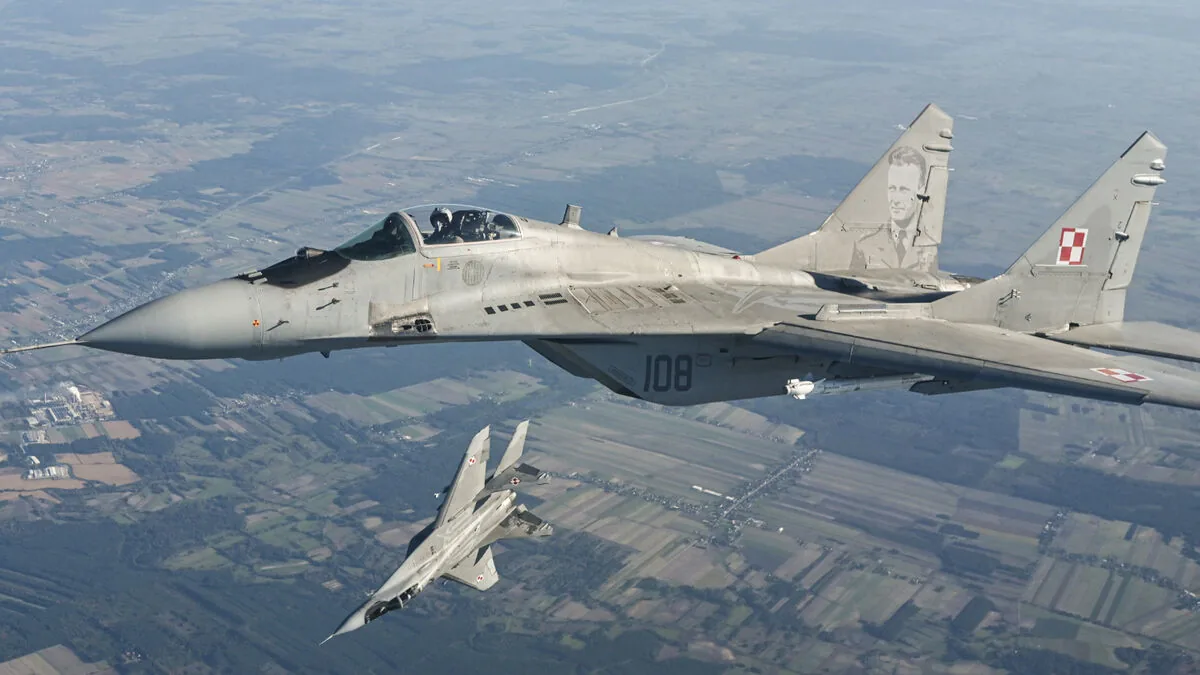
Ukraine’s Unmanned Systems Forces conducted a large-scale overnight drone attack on 66 Russian military targets across multiple regions, including Rostov, Crimea, and occupied territories. Strikes hit a MiG-29 fighter jet at Millerovo airbase, radars (Kasta-2E2, Nebo-SV, ST-68), a SOBR special forces base, a rocket fuel plant, and command posts. The operation aims to degrade Russian air power, air defenses, and logistics deep inside Russia and occupied Ukraine.
Ukrainian President Volodymyr Zelenskyy warned airlines that Russian airspace is becoming completely unsafe due to Ukraine's drone attacks, effectively closing it de facto. He stated Ukraine does not threaten civilian aviation but that drones will be so numerous airlines must take this into account. Russian President Vladimir Putin labeled the drone campaign "state terrorism" and ruled out negotiations with Kyiv. Zelenskyy recently threatened to deploy up to 1,000 long-range drones daily.
Ukraine's former defense minister Mykhailo Fedorov, ousted in July 2026, announced a new defense technology company with Palantir CEO Alex Karp as its first lead investor. The venture aims to develop technologies to strengthen Ukraine and its allies, leveraging Fedorov's wartime experience with the Delta battlefield system. Karp's backing could mean billions in investment, as Palantir's valuation has surpassed $440 billion. Fedorov stated Ukraine remains his priority despite the international venture.
At the G20 finance ministers' meeting in Asheville, North Carolina, German Vice Chancellor Lars Klingbeil organized a European boycott that prevented the traditional group photo from including Russian Finance Minister Anton Siluanov, who attended in person for the first time since the Ukraine invasion. The U.S. invited Russia under former President Donald Trump, sparking a diplomatic rift. European ministers condemned Russia’s presence, while U.S. Treasury Secretary Scott Bessent met separately with Siluanov.
Leaders of China, Russia, and India met at the Shanghai Cooperation Organisation (SCO) summit in Kyrgyzstan, focusing on countering US influence and regional cooperation. Chinese President Xi Jinping told Putin their bilateral ties will strengthen. Indian Prime Minister Modi urged Putin to end the war in Ukraine for humanity’s sake, a rare public divergence from Russia’s position. The summit also included discussions on security and economic cooperation.
On August 19-20, 2026, Russia launched massive ballistic missile strikes on Kyiv and surrounding areas, killing at least 12 people and injuring 34. Residential buildings, a medical facility, and an educational institution were hit. In occupied Crimea, Sevastopol cut power after Ukrainian strikes on energy infrastructure, exacerbating weeks of outages and a fuel crisis. Both sides have intensified attacks, with Ukraine lacking sufficient air defense missiles. Kyiv declared a day of mourning.
Russia warned the United Kingdom of "consequences" after reports that Ukrainian forces used British-made drones to strike targets deep inside Russian territory. The Russian embassy accused Britain of escalating the conflict and becoming an "accomplice." The UK government dismissed the threats, reaffirming support for Ukraine. The incident highlights rising tensions between Moscow and NATO, as Ukraine intensifies long-range strikes on Russian military and industrial sites.
On August 24, 2026, Ukraine marked its 35th Independence Day with the world's first military parade composed entirely of unmanned systems in Kyiv. The event featured ground robots, aerial drones, and naval kamikaze drones on the Dnipro River, showcasing Ukraine's Unmanned Systems Forces—a dedicated branch established in 2024. Amid the ongoing war with Russia, the parade highlighted Ukraine's technological shift in warfare, while Western partners pledged continued support and collaborated on a peace plan.
UK Prime Minister Andy Burnham made his first overseas trip to Kyiv on Ukraine’s 35th Independence Day, meeting President Zelenskyy and co-chairing the Coalition of the Willing. He authorized MBDA to declassify UK components of SCALP/Storm Shadow missiles, enabling Ukraine to locally assemble long-range missiles with a 550 km range. Russia accused the UK of escalating the war, warning of consequences. The visit underscores continued Western military support amid heightened tensions.
Ukraine has deployed the Alexa Spatium, a jet-powered interceptor drone developed by Ukrainian engineers, to counter Russian attack drones like the Geran-3 and Shahed-131. The drone features a turbojet engine, TV/infrared targeting, interchangeable warheads, and a reusable design. It launches from a mobile catapult and can return to base if a mission fails. This deployment, announced on 21 August 2026, marks a significant upgrade in Ukraine’s unmanned air defense capabilities amid increasing Russian use of jet-powered strike drones.
Former Ukrainian Defense Minister Mykhailo Fedorov, dismissed in July 2026, publicly called for holding elections during the ongoing war with Russia, arguing that democracy cannot be held hostage by Moscow. His statement challenges President Zelenskyy, who has suspended elections under martial law since Russia’s 2022 invasion. Fedorov’s call follows his sacking, which sparked protests in Kyiv, and comes as Zelenskyy nominated Yevhen Khmara as the new defense minister. The demand highlights growing political tensions within Ukraine’s wartime leadership.
German Foreign Minister Johann Wadephul made an unannounced visit to Kyiv on August 22, 2026, ahead of Ukraine’s 35th Independence Day, reaffirming Germany’s support in Ukraine’s defensive war against Russia. He condemned Russian attacks on civilians and energy infrastructure, noting July and August were the deadliest months for Ukrainian civilians in over four years. Wadephul pledged 50 million euros in humanitarian aid and additional winter support. The visit coincided with a Russian drone attack on a Kryvyi Rih shopping center killing at least 16 people.
Ukrainian President Volodymyr Zelenskyy made his first official visit to Belgrade, Serbia, on August 8-9, 2026, meeting President Aleksandar Vucic. The visit challenges Russia’s traditional influence over Serbia, which has refused EU sanctions on Moscow but provided non-military aid to Ukraine. Talks covered economic ties, EU relations, and security. Ukraine reaffirmed Serbia’s claim to Kosovo in exchange for Serbia’s recognition of Ukraine’s territorial integrity. The visit coincides with intensified Russian strikes on Kyiv, killing at least four people.
A Spanish F-18 fighter jet on NATO air policing duty shot down a drone that entered Romanian airspace from Moldova early Sunday, marking the fourth such intercept this year. The drone was detected near Galați and destroyed over an unpopulated area, with no injuries or damage. The incident follows a pattern of Russian drone incursions linked to the war in Ukraine, including a July incident where Romanian F-16s downed three Russian drones. Romania recently authorized its military to destroy unidentified aircraft. The drone's origin remains under investigation.
Ukraine conducted long-range drone strikes on several major Russian oil refineries, including the Slavneft-Yanos refinery in Yaroslavl, the Taneco refinery in Tatarstan, and the Orsknefteorgsintez refinery in Orenburg. The attacks caused fires, injuries, and significant damage, with all 11 of Russia’s largest refineries now hit at least once. Ukraine aims to disrupt Russia’s oil revenues and fuel supply for its war effort, while Russia has intensified retaliatory strikes on Ukrainian energy infrastructure.
U.S. President Donald Trump threatened to bomb Oman if it interferes with U.S. naval operations or a potential U.S.-Iran deal regarding the Strait of Hormuz. The threat follows Iran’s closure of the strait in late February amid ongoing U.S.-Israeli attacks, and as Iran negotiates with Oman over shipping regulations. Trump also claimed a backchannel with Iran’s Revolutionary Guard and plans to declare the strait U.S. territory. The conflict has driven up global energy prices and remains deeply unpopular ahead of U.S. midterm elections.
Since mid-July 2026, Ukraine has launched repeated drone strikes on logistics centers of Wildberries, Russia’s largest online retailer, damaging or destroying 17–27% of its warehouse capacity. The attacks, including a record-distance strike on a facility in Yekaterinburg 1,700 km from the border, have caused direct damages of €1–2.1 billion and losses of €2.3–3 billion for sellers. Sales at pickup points have dropped 50%, threatening tens of thousands of small businesses and potentially forcing a government bailout or triggering bankruptcies.
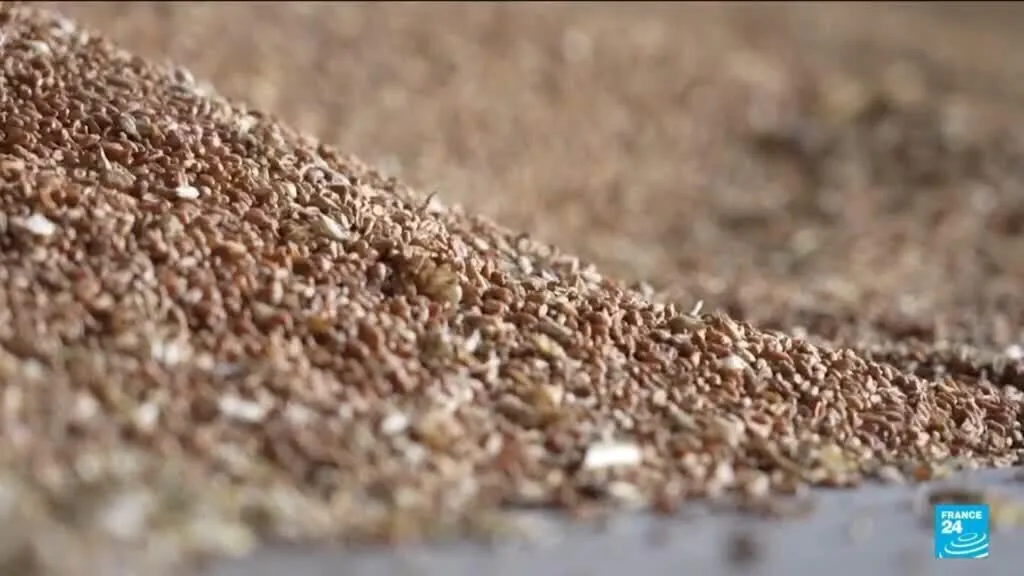
On August 12-13, 2026, Ukraine launched a major drone and missile attack on the Russian Black Sea port of Novorossiysk, damaging key grain export terminals and at least four Russian warships, including frigates Admiral Essen and Admiral Makarov. The attack killed three civilians, including a child, and injured 24. Ukrainian President Zelenskyy confirmed the operation, which targeted military and economic infrastructure. The strikes disrupted global grain supplies, halted operations at major terminals, and drove up wheat prices, escalating the conflict’s impact on Black Sea shipping.
The Trump administration, via Vice President JD Vance, requested Ukraine cease drone strikes on oil tankers at Russia’s Novorossiysk port, part of the Caspian Pipeline Consortium (CPC) terminal. Ukraine agreed, pausing attacks that had caused a 20% drop in CPC oil loadings and a 14% decline in Kazakhstan’s oil production. Washington feared global energy market destabilization, as the pipeline carries Kazakh crude for Western firms like Chevron and ExxonMobil. Ukraine now seeks to leverage this concession for greater US involvement in peace talks.
Russia launched a massive overnight attack on Ukraine with over 70 missiles and 280 drones, striking Kyiv, Lviv, Kryvyi Rih, and other cities. At least eight people were killed, including three children, and dozens were injured. An unknown object—likely a Russian missile—entered Polish airspace, creating a 10-meter crater near Tarnawa-Kolonia. Poland scrambled fighter jets and placed air defenses on alert. Ukraine retaliated with a drone strike on a Russian Wildberries warehouse in Penza. President Zelenskyy renewed calls for Western Patriot air defense systems.
A video from Kherson, Ukraine, shows a suspected Russian drone chasing a 52-year-old vegetable vendor across a market for nearly a minute before exploding near him, causing shrapnel injuries and a concussion. Ukrainian President Zelenskyy condemned the attack as a deliberate "drone safari" on civilians, part of a systematic pattern of war crimes. UN investigators confirm ongoing targeted attacks on non-combatants in the region, where Russian and Ukrainian forces face off across the Dnipro River.
On July 31–August 1, 2026, Kyiv was hit by a massive Russian ballistic missile attack, killing at least four people and injuring 15, including teenagers. Over ten explosions damaged residential and commercial buildings, setting cars on fire. Ukrainian President Zelenskyy had warned of the impending attack and urged Western allies, including the US, to deliver Patriot air defense missiles. Poland scrambled fighter jets as a precaution. The attack follows a pattern of recent strikes on the capital.
Following a deadly Russian missile and drone barrage on Kyiv that killed at least 17 people, the European Commission announced the transfer of €1.4 billion to Ukraine, raised from windfall profits on frozen Russian central bank assets. This fifth tranche brings total transfers to €8 billion since 2022. The funds will support Ukraine’s economy and defense, though only 5% goes to military aid. Ukraine faces critical air defense shortages as Russian attacks intensify.
Ukraine launched multiple drone attacks on Wildberries logistics centers in Russia’s Krasnodar and Stavropol regions, injuring at least eight people and causing massive fires. President Zelenskyy framed the strikes as “long-range sanctions” targeting facilities supplying the Russian military with drone components and navigation gear. The Kremlin condemned the attacks as terrorism. Wildberries, Russia’s largest online retailer, suffered an estimated $2 billion in damage, with about 7% of its warehouse capacity destroyed. The strikes are part of Ukraine’s strategy to bring the war back to Russian territory.
On July 26, 2026, Iran condemned a Ukrainian attack on an Iranian commercial vessel in the Caspian Sea, killing one sailor and injuring another. Ukraine’s President Zelenskyy confirmed strikes on Russian warships and Iranian-linked cargo vessels, accusing Russia of sharing satellite data with Iran for Middle Eastern strikes. The incident escalates tensions amid Iran’s drone supply to Russia, coinciding with Saudi strikes on Houthis, U.S. naval blockade, and Israeli threats against Iran’s nuclear program.
Chelsea winger Mykhailo Mudryk, 25, is eligible to return to competitive football immediately after the English FA lifted his suspension on July 30, 2026, with WADA’s agreement. Mudryk had been banned for four years in January 2026 after testing positive for low-concentration meldonium in October 2024. However, WADA’s revised technical document (TD2027MRL) meant the concentration would no longer be a violation. Mudryk accepted a suspension equal to time already served, and Chelsea expressed relief, prioritizing his reintegration.
Ukrainian President Zelenskyy announced that President Trump agreed to grant Ukraine a license to produce Patriot PAC-3 MSE missiles, a capability currently held only by Japan. However, Trump later backtracked, stating the U.S. had not agreed and expressing concerns about giving away advanced technology. The reversal, reported by multiple outlets, deals a significant setback to Ukraine’s efforts to address critical missile shortages amid its war with Russia. Zelenskyy said Ukraine would proceed based on the initial commitment, but building production infrastructure would take years.
Yemen’s Houthi rebels escalated the Middle East conflict by threatening shipping companies and striking Saudi oil tankers in the Red Sea, forcing reroutes and pushing Brent crude above $98 per barrel. Saudi Aramco shipped record volumes from Yanbu port to preempt disruptions. Two tankers reversed course to avoid Houthi drones and missiles. The attacks, linked to the Israel-Hamas war, threaten global energy supply through the Bab el-Mandeb Strait, with oil prices rising nearly 20% in two weeks.
Ukrainian President Volodymyr Zelensky met with U.S. President Donald Trump at the White House on July 28, 2026, ahead of Senator Lindsey Graham’s funeral, focusing on Ukraine’s licensed production of Patriot missile systems. Separately, Zelensky met Raytheon executives in Kyiv and gave an interview to far-right influencer Laura Loomer, who apologized for past anti-Ukraine remarks. Trump shared Loomer’s clip on Truth Social, signaling shifting MAGA attitudes. Zelensky also warned that Russia is sharing satellite imagery of U.S. bases with Iran.
On July 30, 2026, a Russian Kh-101 cruise missile breached Polish airspace during a massive overnight attack on Ukraine, flying roughly 60 miles into Poland before crashing near Tarnawa-Kolonia in the Lublin Voivodeship. NATO and Polish forces scrambled F-16s and other aircraft in response. Polish PM Donald Tusk confirmed the missile was Russian but stated it was not a deliberate attack. No casualties were reported. The incident, one of the deepest NATO airspace violations since the war began, drew condemnation from German Chancellor Friedrich Merz and EU Commission President Ursula von der Leyen.
On July 29, 2026, Russia’s FSB charged Telegram founder Pavel Durov with aiding terrorism under Article 205.1 of the Russian Criminal Code, placing him on an international wanted list. The FSB alleges Telegram failed to remove channels used by Ukrainian intelligence and terrorist groups to coordinate sabotage, terrorism, and cyber fraud in Russia. Durov, who holds multiple citizenships and lives abroad, denies the politically motivated charges. The move escalates Kremlin efforts to control internet platforms ahead of State Duma elections.