282 published Stories19 tracked eventsLatest event
Also known as Volodymyr Zelensky, 弗拉基米尔·泽连斯基, 泽连斯基, 泽伦斯基
Cross-source coverage
One-sided
Reporting on this entity comes mostly from Western sources (source distribution, not a stance rating).
82%
Western628 · 82%
Regional41 · 5%
Neutral / independent18 · 2%
Eastern79 · 10%
Latest Stories
Periodic recap
What changed for this subject in each tracking window — generated from matched events, delta-first.
→· 1 event in window
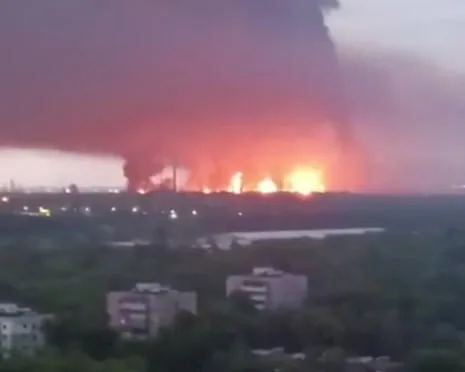
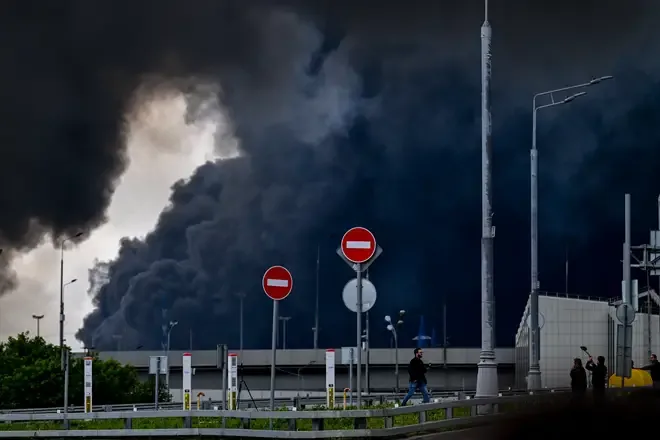
This period recorded one major development: Ukraine launched long-range drone strikes against multiple oil refineries deep inside Russia. The attacks hit facilities in Yaroslavl, Tatarstan, and Orenburg, causing fires and damage, and marking the point where all 11 of Russia’s largest refineries have now been struck at least once. In contrast to the previous period’s defensive posture during the Kyiv attack, this event highlights Ukraine’s ongoing offensive strategy of targeting Russia’s energy lifeline.
Ukrainian long-range drones struck three major refineries in Yaroslavl, Tatarstan, and Orenburg, causing fires and injuries.
The operation means all 11 of Russia’s largest refineries have now been hit at least once, aiming to disrupt oil revenues and fuel supplies for the war.
Russia intensified retaliatory strikes on Ukrainian energy infrastructure in response.
Earlier recaps
→· 1 event in window
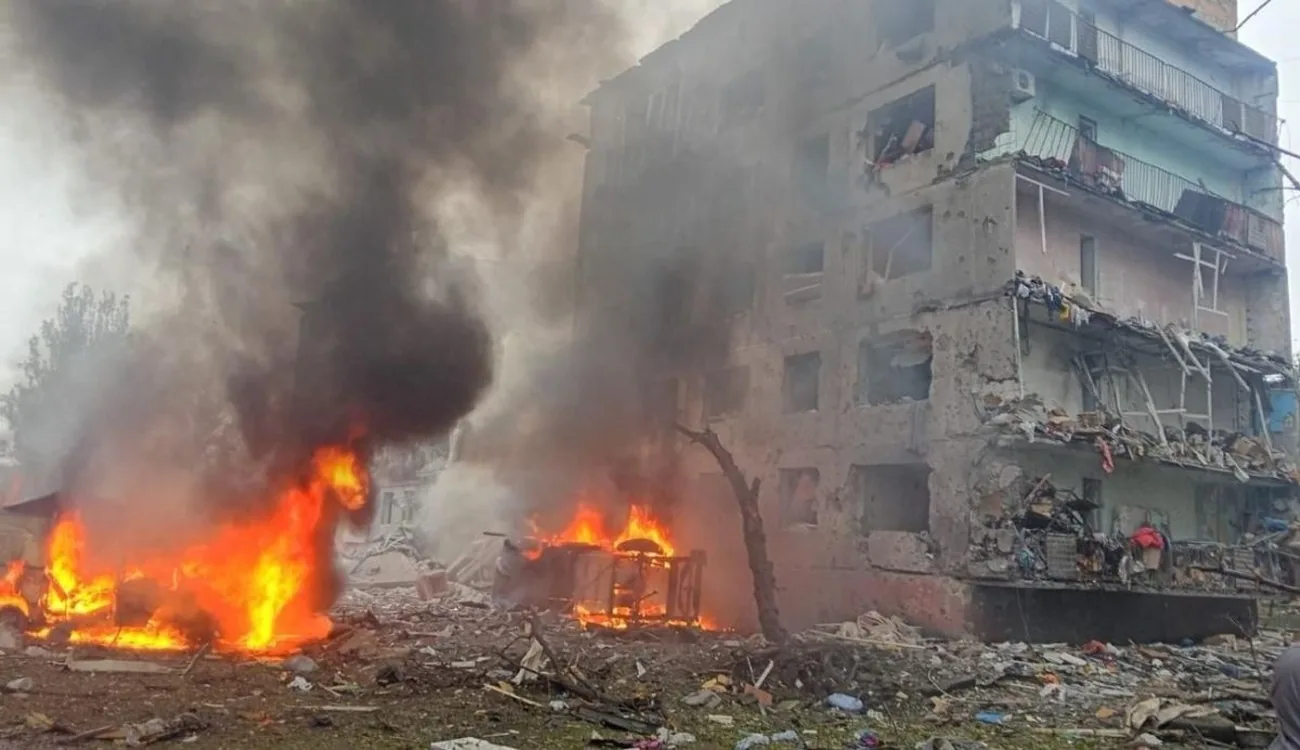
On the night of July 31 to August 1, Russia launched a massive ballistic missile attack on Kyiv, killing at least four people and injuring 15, with multiple buildings damaged. President Zelensky had warned of the impending strike and renewed his call for Western Patriot air defense missiles. Poland scrambled fighter jets as a precautionary measure.
→· 2 events in window
On the night of July 30, Russia launched a large-scale missile and drone attack on Ukraine, killing at least eight people, prompting Zelensky to renew calls for Western Patriot air defense systems. During the assault, a Russian Kh-101 cruise missile penetrated Polish airspace for roughly 60 miles before crashing, marking one of the most serious NATO airspace violations since the war began; Polish and NATO forces scrambled fighter jets in response. Polish PM Tusk confirmed the missile was Russian but not a deliberate attack, while German Chancellor Merz and EU Commission President von der Leyen issued condemnations.
→· 1 event in window
On July 26, Iran condemned a Ukrainian attack on an Iranian commercial vessel in the Caspian Sea that killed one sailor and wounded another. Zelensky confirmed strikes on Russian warships and Iran-linked cargo vessels, accusing Russia of sharing satellite data with Iran for Middle Eastern operations. The incident escalates tensions against the backdrop of Iran's ongoing drone supply to Russia.
→· 2 events in window
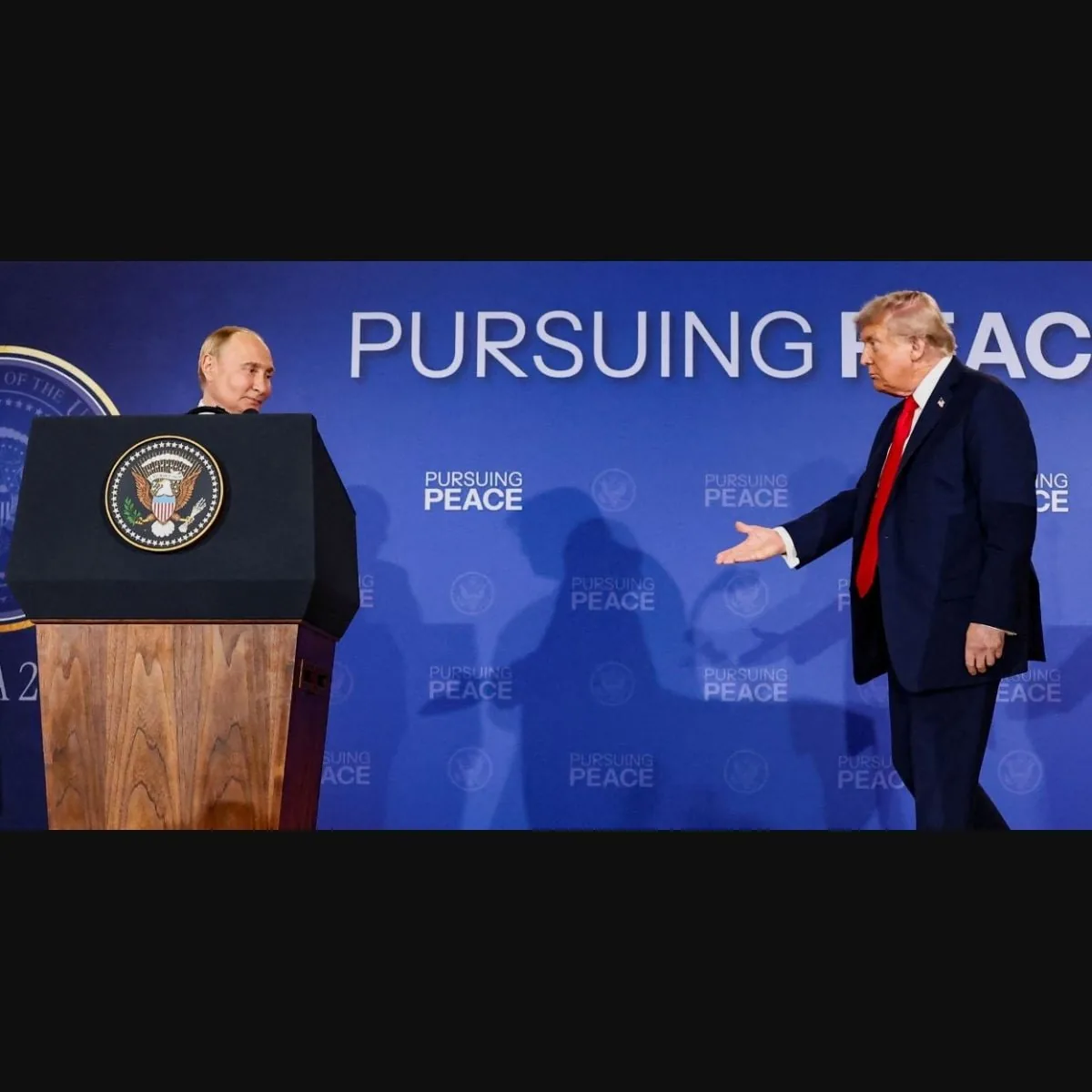
Zelensky met with Trump in Washington on July 28, focusing on licensed production of Patriot missile systems, while Raytheon executives held parallel talks in Kyiv. Zelensky gave an interview to far-right influencer Laura Loomer, who apologized for past remarks; Trump shared the clip, signaling a shift in MAGA sentiment. Separately, a bipartisan US bill imposing steep tariffs on Russian oil buyers marked a major escalation in economic pressure on Russia.
→· 1 event in window
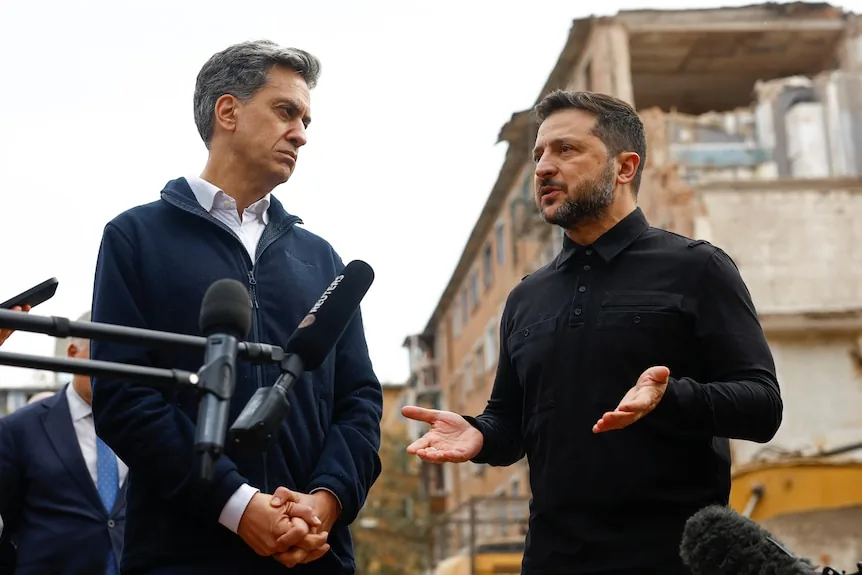
Ukrainian President Zelensky visited the UK on July 27, meeting Prime Minister Burnham at Portsmouth Naval Base. This marked Burnham's first foreign leader visit since taking office, with discussions focused on military technology cooperation. The UK announced the transfer of intellectual property for the 'Stone Cloak' drone jammer to enable mass production in Ukraine.
Tracked events
Events matched to this subject by the tracking pipeline, with signal scores.
Ukraine conducted long-range drone strikes on several major Russian oil refineries, including the Slavneft-Yanos refinery in Yaroslavl, the Taneco refinery in Tatarstan, and the Orsknefteorgsintez refinery in Orenburg. The attacks caused fires, injuries, and significant damage, with all 11 of Russia’s largest refineries now hit at least once. Ukraine aims to disrupt Russia’s oil revenues and fuel supply for its war effort, while Russia has intensified retaliatory strikes on Ukrainian energy infrastructure.
Following a deadly Russian missile and drone barrage on Kyiv that killed at least 17 people, the European Commission announced the transfer of €1.4 billion to Ukraine, raised from windfall profits on frozen Russian central bank assets. This fifth tranche brings total transfers to €8 billion since 2022. The funds will support Ukraine’s economy and defense, though only 5% goes to military aid. Ukraine faces critical air defense shortages as Russian attacks intensify.
Russia launched a massive overnight attack on Ukraine with over 70 missiles and 280 drones, striking Kyiv, Lviv, Kryvyi Rih, and other cities. At least eight people were killed, including three children, and dozens were injured. An unknown object—likely a Russian missile—entered Polish airspace, creating a 10-meter crater near Tarnawa-Kolonia. Poland scrambled fighter jets and placed air defenses on alert. Ukraine retaliated with a drone strike on a Russian Wildberries warehouse in Penza. President Zelenskyy renewed calls for Western Patriot air defense systems.
Ukraine launched multiple drone attacks on Wildberries logistics centers in Russia’s Krasnodar and Stavropol regions, injuring at least eight people and causing massive fires. President Zelenskyy framed the strikes as “long-range sanctions” targeting facilities supplying the Russian military with drone components and navigation gear. The Kremlin condemned the attacks as terrorism. Wildberries, Russia’s largest online retailer, suffered an estimated $2 billion in damage, with about 7% of its warehouse capacity destroyed. The strikes are part of Ukraine’s strategy to bring the war back to Russian territory.
On July 30, 2026, a Russian Kh-101 cruise missile breached Polish airspace during a massive overnight attack on Ukraine, flying roughly 60 miles into Poland before crashing near Tarnawa-Kolonia in the Lublin Voivodeship. NATO and Polish forces scrambled F-16s and other aircraft in response. Polish PM Donald Tusk confirmed the missile was Russian but stated it was not a deliberate attack. No casualties were reported. The incident, one of the deepest NATO airspace violations since the war began, drew condemnation from German Chancellor Friedrich Merz and EU Commission President Ursula von der Leyen.
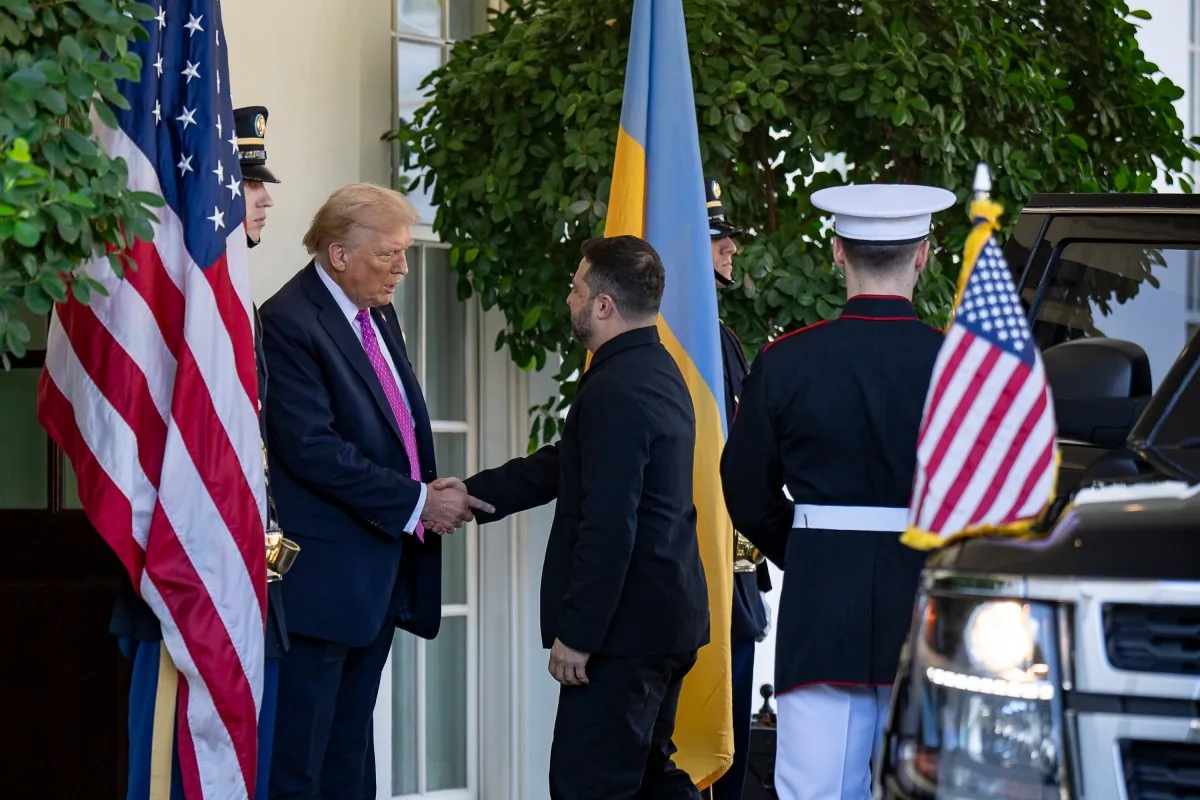
Ukrainian President Volodymyr Zelensky met with U.S. President Donald Trump at the White House on July 28, 2026, ahead of Senator Lindsey Graham’s funeral, focusing on Ukraine’s licensed production of Patriot missile systems. Separately, Zelensky met Raytheon executives in Kyiv and gave an interview to far-right influencer Laura Loomer, who apologized for past anti-Ukraine remarks. Trump shared Loomer’s clip on Truth Social, signaling shifting MAGA attitudes. Zelensky also warned that Russia is sharing satellite imagery of U.S. bases with Iran.
Ukrainian President Volodymyr Zelensky met with U.S. senators at the Capitol on Tuesday to request additional American military support, particularly anti-ballistic missile systems, and to highlight Ukraine's battlefield progress against Russian forces. The meeting took place just before senators voted to advance a legislative package that would impose new sanctions on Russia and introduce steep tariffs on countries supporting Moscow's war effort. Zelensky's visit underscores Ukraine's urgent need for advanced air defense capabilities to counter Russian missile strikes, while also signaling Kyiv's confidence in its ongoing counteroffensive. The session reflects continued bipartisan U.S. engagement with Ukraine amid the protracted conflict.
President Trump's top peace negotiators, Steve Witkoff and Jared Kushner, are reportedly in discussions to visit Ukraine, according to a Ukrainian official cited by The Hill. The potential trip follows a meeting between Trump and Ukrainian President Volodymyr Zelensky, signaling a revival of U.S. efforts to broker a settlement to end Russia's war against Ukraine. The visit would aim to advance peace negotiations and address the ongoing conflict.
President Trump is scheduled to deliver remarks at the funeral of the late Senator Lindsey Graham (R-S.C.) on Tuesday afternoon at the Washington National Cathedral. The service is expected to draw high-profile international figures, including Israeli Prime Minister Benjamin Netanyahu and Ukrainian President Volodymyr Zelensky. The two world leaders reportedly met with President Trump ahead of the memorial service. The event underscores the bipartisan and international respect for Graham, a longtime senator known for his foreign policy influence. The funeral brings together key political figures amid ongoing global tensions.
UK Prime Minister Andy Burnham hosted Ukrainian President Volodymyr Zelenskyy at Portsmouth Naval Base, his first foreign leader visit since taking office. Burnham reaffirmed unwavering support for Ukraine, announcing the transfer of intellectual property for the 'Stone Cloak' drone jammer to enable Ukrainian mass production. The leaders met 200 Ukrainian personnel training in Exercise Sea Breeze for Black Sea missions. The UK’s total aid to Ukraine has reached £25 billion since Russia’s 2022 invasion.
All 100 U.S. senators have been invited to a meeting with Ukrainian President Volodymyr Zelensky on Tuesday evening at 6 p.m. in the U.S. Capitol, according to multiple sources confirmed to The Hill. The meeting, first reported by Punchbowl News, comes as the Senate considers legislation that would impose harsher sanctions on Russia and its trading partners. The gathering underscores the ongoing U.S. support for Ukraine amid the war with Russia and the legislative push to tighten economic pressure on Moscow. The meeting is expected to involve discussions on the sanctions bill and broader security assistance to Ukraine.
On July 24, 2026, a Russian missile attack on an open-air weapons exhibition near Bucha, Ukraine, killed 10 people and injured around 100. The event, organized by the Association of Manufacturers of Unmanned Systems (Armady), was held without military authorization, lacked adequate shelters (nearest was 100 meters away and only 34 sqm), and was publicly advertised online nine days in advance, allowing Russian intelligence to easily identify the target. Ukrainian President Zelensky called it a 'costly mistake' and said such exhibitions are unacceptable under wartime conditions. The organizer, Vasyl Honcharuk, was arrested and charged with criminal negligence, facing 5-8 years in prison. Victims included Valentyna Savytska, head of the Centre for International Cooperation and Strategic Communications at the State Security Service.
On July 24, 2026, a Russian missile strike hit an open-air weapons exhibition near Bucha, Kyiv region, killing 10 people and injuring around 100. The event, organized by the Armady association without military authorization, lacked adequate shelters and was publicly advertised online, allowing Russian intelligence to easily identify the target. Ukrainian President Zelensky called it a 'costly mistake' and condemned holding such events during wartime. The organizer, Vasyl Honcharuk, was arrested and charged with criminal negligence. Investigators identified four fundamental failures: lack of authorization from local military administration, insufficient shelters (nearest was 100 meters away and only 34 sqm), lack of secrecy despite claims of confidentiality, and early disclosure of the venue on social media. The attack highlights ongoing security lapses in Ukraine despite daily Russian shelling.
On July 24, 2026, a Russian missile attack on an open-air weapons exhibition near Bucha, Kyiv region, killed 10 people and injured around 100. Investigators identified four fundamental failures: the event was organized without military authorization, lacked sufficient shelters (nearest was 100 meters away and too small), was publicly advertised online allowing Russian intelligence to identify the target, and was held next to civilian homes. The organizer, Vasyl Honcharuk of the Armady association, was arrested and charged with criminal negligence, facing five to eight years in prison. Ukrainian President Zelensky condemned the attack as a 'costly mistake' and said such exhibitions are unacceptable under wartime conditions. The victims included Valentyna Savytska, head of the Centre for International Cooperation and Strategic Communications at the State Security Service.
Ukrainian President Volodymyr Zelensky announced that the United States and Ukraine plan to build a drone factory in the U.S. as part of a new defense partnership. The agreement combines American manufacturing capabilities with Ukraine's battlefield-tested drone technology, which has been refined during the war with Russia. Zelensky made the announcement in an interview with far-right influencer Laura Zoomer, stating that the deal expands on an initial drone cooperation agreement. The partnership aims to leverage Ukraine's practical combat experience in drone warfare to produce advanced systems in the U.S., potentially accelerating production and deployment. The announcement signals deepening defense industrial cooperation between the two countries amid the ongoing conflict.
Ukrainian President Volodymyr Zelensky fired General Oleksandr Syrskyi, the commander-in-chief of the Ukrainian armed forces, on Tuesday. The decision came under pressure from nationwide citizen protests demanding a change in top military leadership. Protesters criticized Syrskyi for representing an older, allegedly brutal style of leadership, with one demonstrator calling him 'the butcher-commander-in-chief.' The dismissal marks a significant shift in Ukraine's military command amid the ongoing war with Russia.
Mykhailo Drapatyi has been appointed as Ukraine's new commander-in-chief, replacing Oleksandr Syrskyi after protests and army pressure. Drapatyi, a reformer close to former defense minister Mykhailo Fedorov, advocates three priorities for victory: high-quality training for soldiers, maintaining Ukraine's technological edge through mass use of FPV drones and AI systems, and changing the army's internal culture to combat corruption and bureaucracy. He previously created the Drone Line as Land Forces commander. Ukrainian commentators praise his appointment, while Russian military bloggers view him as a threat. The article also notes continued Ukrainian attacks on Russian Wildberries warehouses and a Russian advance in Rai-Oleksandrivka.
Ukraine's President Volodymyr Zelensky has fired the commander-in-chief of the armed forces, Oleksandr Syrsky, following days of public protests over the earlier sacking of Defense Minister Mykhailo Fedorov. The reshuffle has provoked outrage among ordinary Ukrainians, signaling a deep domestic political battle over the military's ethos and war strategy. The Economist's defense editor analyzes the fallout, noting the controversy surrounding Syrsky and the implications for Ukraine's war effort. The podcast also covers two other topics: rising American police killings despite a falling murder rate, and a growing demand in Japan for haunted houses (jiko bukken), where deaths have occurred, reflecting a shift in cultural taboos.
Ukraine's President Volodymyr Zelensky has fired the commander-in-chief of the armed forces, Oleksandr Syrsky, following days of protests over the sacking of Defense Minister Mykhailo Fedorov. The reshuffle has sparked public outrage and signals a deep domestic political battle over the ethos of the Ukrainian military and its war effort. The article also covers two other topics: rising police killings in the United States despite falling murder rates, and a growing demand in Japan for haunted houses (jiko bukken), where people have died. The podcast features defense editor Shashank Joshi, US Midwest correspondent Daniel Knowles, and East Asia reporter Moeka Iida.
Ukrainian President Zelenskyy dismissed Defense Minister Mykhailo Fedorov after six months, part of a broader government reshuffle following the Prime Minister's resignation. Fedorov, a modernizer credited with drone warfare successes and anti-corruption reforms, faced internal conflicts with military leadership. His removal sparked large protests in Kyiv and other cities, with accusations of infighting and fears of destabilizing the war effort against Russia. No successor has been named.
A unilateral Russian ceasefire for Victory Day in May 2026 collapsed as Ukraine and Russia exchanged massive drone and missile attacks. Kyiv targeted Russian oil facilities and Moscow, while Russia struck Ukrainian cities, causing damage and injuries. Both sides accused each other of violating the truce, with Moscow claiming thousands of Ukrainian violations and Kyiv citing continued Russian assaults. The escalation highlighted deep distrust and the fragility of diplomatic efforts, including US-mediated pauses, as heavy aerial bombardment resumed across multiple regions immediately following the brief humanitarian pause.
Ukrainian President Volodymyr Zelenskyy announced a sweeping cabinet reshuffle on July 12, 2026, with Prime Minister Yuliia Svyrydenko stepping down after just one year in office. The overhaul, driven by an "updated political strategy," aims to improve governance amid Russia's ongoing invasion, corruption allegations, and US pressure. Svyrydenko is expected to become ambassador to the US, while Serhii Koretskyi may become prime minister. Changes also target law enforcement and several ministries, with parliament needing to approve the new lineup before its summer recess.
Ukrainian President Volodymyr Zelensky is conducting a major government reshuffle, replacing Prime Minister Yulia Svyrydenko and likely the defense minister, less than a year after appointing them. Svyrydenko is expected to become ambassador to the United States, while energy sector expert Sergii Koretskyi, director of Naftogaz, is a leading candidate for prime minister. The changes come as Ukraine prepares for a critical phase of the war, with Russian forces expected to target the energy grid. Zelensky stated the reshuffle aims to place true experts in key positions, particularly in foreign policy. The moves also affect relations with Poland and Hungary and minority education policies. The reshuffle is seen as part of Zelensky's strategy ahead of potential elections and the next phase of the conflict.
Ukrainian President Volodymyr Zelensky has initiated a major government reshuffle, replacing Prime Minister Yulia Svyrydenko and likely the defense minister, less than a year after appointing them. Svyrydenko is expected to become ambassador to the United States, while energy sector expert Sergii Koretskyi, head of Naftogaz, is the leading candidate for prime minister. The changes come as Ukraine prepares for a critical autumn phase of the war, with Russian forces expected to target the energy grid. Zelensky stated the reshuffle aims to place true experts in key positions, particularly in foreign policy and security. The move also signals preparations for upcoming elections and addresses strained relations with Poland and Hungary, as well as domestic issues like minority education and frontline energy security.
The article analyzes the shifting geopolitical dynamics in Central Europe as the war in Ukraine enters its fifth year. It highlights a growing German-Ukrainian partnership, with Berlin positioning itself as Kyiv's chief postwar patron through economic investment, reconstruction contracts, and defense industry collaboration. Simultaneously, Polish-Ukrainian relations have sharply deteriorated after Kyiv named a military unit after the Ukrainian Insurgent Army (UPA), responsible for WWII massacres of Poles. In response, Polish President Karol Nawrocki revoked President Zelensky's Order of the White Eagle in June 2026. The article argues that Germany's larger economy, greater financial capacity, and strategic positioning within the EU give it a decisive advantage over Poland in shaping Ukraine's future, while warning that the strained Warsaw-Kyiv partnership cannot be allowed to collapse entirely.
Russia has modified its ballistic missiles to perform steep dives and rapid maneuvers in the terminal phase, successfully evading Ukraine's Patriot and other interceptor systems, according to a report from October 2025. A Ukrainian official called this a 'game-changer' for Russia. This weekend, Russia launched one of its largest ballistic missile attacks since the invasion began, firing over 40 missiles and 120 drones, primarily targeting Kyiv. Despite Ukraine's high intercept rate of nearly 90% in June 2026, 23 missiles and 10 drones hit targets, killing 16 civilians and wounding 77 across the country. The modifications exploit data collected from previous interceptions, and a global shortage of interceptors is compounding Ukraine's defense challenges. Ukraine's own advanced air defense systems remain years from deployment.
Russia has modified its ballistic missiles to dive and maneuver unpredictably in the terminal phase, evading Ukraine's Patriot and other interceptor systems, according to a report by Reuben Johnson on 19FortyFive. A Ukrainian official called this a 'game-changer' for Russia. The modification exploits data from thousands of intercepts during the war. In a recent massive strike, Russia launched over 40 missiles and 120 drones at Kyiv, with 23 missiles and 10 drones hitting targets, killing 16 civilians and wounding 77 across Ukraine. Despite Ukraine's high intercept rate of nearly 90% in June 2026, a global shortage of interceptors and the new Russian tactics are straining defenses. Ukraine's own advanced missile defense systems remain years from deployment.
Russia has modified its ballistic missiles to perform steep dives and rapid maneuvers in the terminal phase, successfully evading Ukraine's Patriot and other interceptor systems, according to a report from October 2025. Ukrainian officials describe the modification as a 'game-changer' for Russia. This weekend, Russia launched one of its largest ballistic missile attacks since the invasion began, firing over 40 missiles and 120 drones, primarily targeting Kyiv. Despite Ukraine's high overall intercept rate of nearly 90% in June 2026, the new missile tactics are causing more hits. The attack killed 16 civilians and wounded 77 across Ukraine. A global shortage of interceptors and the fact that Ukraine's home-built defenses remain years away compound the challenge.
Following his election victory in Makerfield, Prime Minister Burnham has announced a major cabinet reshuffle, described as a 'culling of the old guard'. Key appointments include John Healey as Chancellor of the Exchequer, seen as a market-reassuring choice; Shabana Mahmood retained as Home Secretary to continue reducing net migration; and Ed Miliband appointed as Foreign Secretary, a move interpreted as sidelining a potential rival. Louise Haigh returns as Chancellor of the Duchy of Lancaster. The article notes Rachel Reeves rejected the Defence Secretary role, raising questions about the position's appeal. Burnham's new regime is committed to moving power out of Westminster. The analysis, from Conservative Home, focuses on the implications for the Conservative Party and internal Labour dynamics.
Ukraine is stockpiling domestically produced interceptors to counter a record pace of Russian ballistic missile attacks, which President Zelensky described as one of the largest such barrages on Kyiv. The Ukrainian firm Fire Point is manufacturing cruise missiles called Flamingo, but experts caution that intercepting ballistic missiles is extremely complex, likening it to 'the Champions League of missile manufacturing.' Nine European nations have endorsed helping produce Ukraine's Freyja air defense system, while Greece faces pressure from NATO and the EU to transfer Patriot missiles. Over the weekend, Russia launched 41 ballistic missiles at Kyiv, with Ukrainian air defenses shooting down 18. Ukraine retaliated by hitting three Russian oil tankers in the Black Sea and three oil depots in Stavropol, as well as launching drone attacks on Wildberries warehouses in Russia, killing eight people.