Trump Rejects Iran's Strait of Hormuz Proposal, Oil Surges Above $106
President Donald Trump rejected Iran's proposal to reopen the Strait of Hormuz, dashing hopes for a diplomatic resolution. Oil prices surged over 2%, with Brent crude topping $106 per barrel and WTI above $93. Global bond yields rose, Asian and US stock futures fell, and gold dropped below $4,180 per ounce. Iran stated it is ready for war but open to diplomacy. The rejection reversed market gains from the prior week driven by optimism over talks.
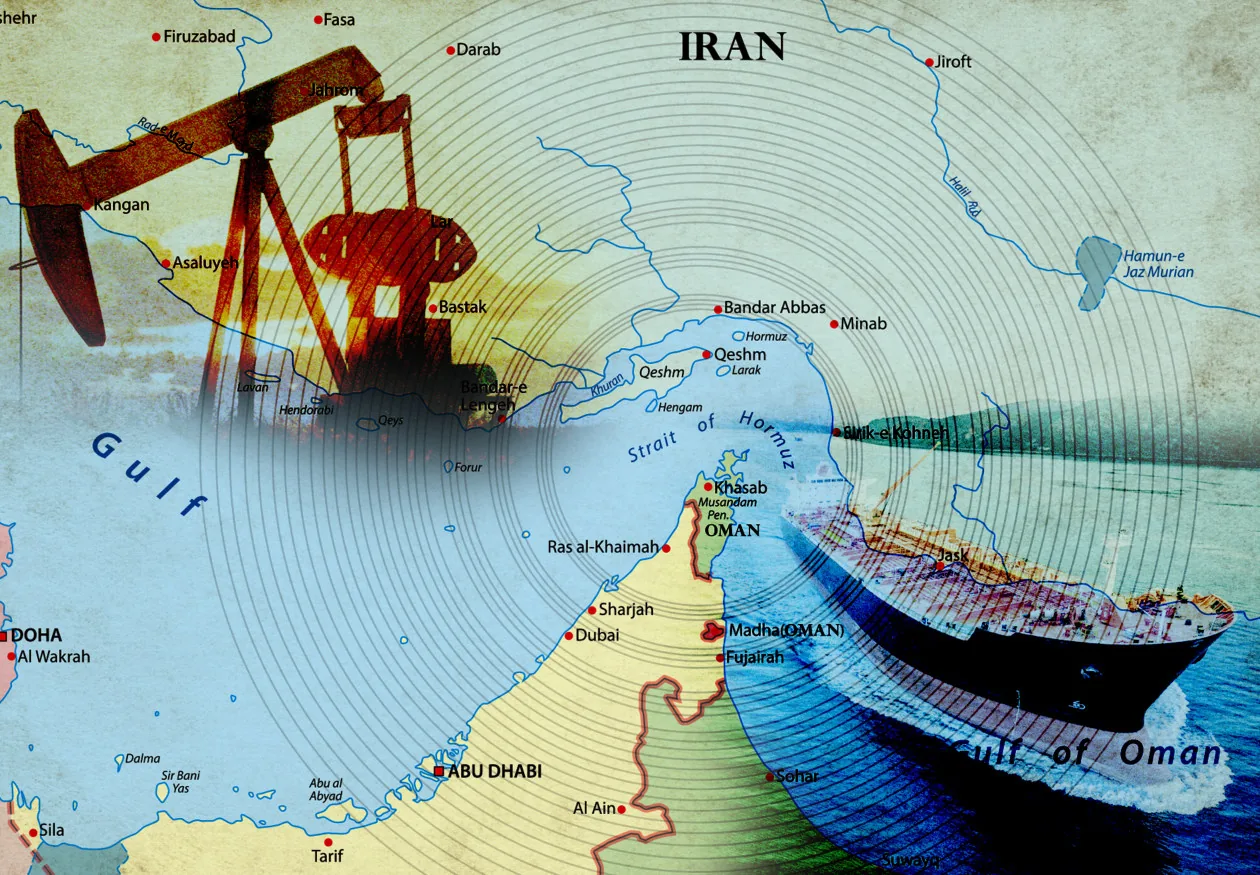 Reference image
Editorial responsibility
- No named human review is recorded for this page.
- Reports are grouped by semantic similarity and deterministic rules. Language models may assist titles, summaries, translation and cross-source analysis; the page reads the event directly, while its address stays stable when the title changes.
- Summary covers the current reports
Cross-source coverage
Common ground
- The US tearing up the JCPOA with no plan B destroyed the only credible diplomatic framework, and both sides are now posturing without a real off-ramp.
- The structural supply deficit in global oil markets is real and will keep prices elevated regardless of any short-term diplomatic breakthrough.
- Ordinary people—Iranian cancer patients, Yemeni children, Indian commuters—are the ones suffering most from this crisis, not the political leaders.
- Neither the US nor Iran is fully serious about peace; both are using the Strait of Hormuz as a bargaining chip in a dangerous game.
Points of contention
- Whether Iran's proposal to reopen the Strait was a genuine peace offer or just a test balloon to gain leverage.
- Whether the US or Iran is primarily responsible for the escalation—the US for tearing up the deal and imposing sanctions, or Iran for threatening the Strait and arming proxies.
- Whether China's oil purchases from Iran are principled engagement against illegal sanctions or just profiteering at a discount.
- Whether the structural supply deficit is a natural market condition or a direct result of US policy choices like sanctions and trade wars.
Blind spots
- The debate largely ignores the colonial history of how Middle Eastern borders were drawn, which fuels Iran's sense of sovereignty over the Strait.
- There is little discussion of the humanitarian impact on non-Iranian civilians in Pakistan, India, and East Africa who depend on oil through the Strait.
- The role of other global powers like Europe and Russia in either enabling or resolving the crisis is barely mentioned.
- The market's consistent pricing of a prolonged low-grade conflict—rather than war or peace—is treated as a side note rather than the main signal.
WorldAttention’s read
This debate shows that everyone is partly right and partly wrong. The US destroyed the JCPOA with no backup plan, and Iran has real grievances from decades of sanctions and pressure. But Iran's threats to close the Strait hurt the global poor most, not just the US. The oil market is structurally tight no matter who is in power, so prices will stay high even if diplomacy somehow works. The real tragedy is that neither side is truly committed to peace—they're both playing to domestic audiences while ordinary people in Iran, Yemen, India, and beyond pay the price. Until leaders admit their own mistakes and treat each other as equals, this cycle of escalation and suffering will continue.
Reporting timeline
Trump Rejects Iran Strait Proposal, Oil Surges, Global Bonds and Stocks Fall
President Donald Trump rejected Iran's latest proposal to reopen the Strait of Hormuz over the weekend, reversing market gains from the previous Friday that were driven by hopes of diplomatic progress. Oil prices jumped over 2%, with Brent crude rising and WTI following, while spot gold fell over 2.5% below $4,180 per ounce and silver dropped 4%. Global bond markets weakened as U.S. 2-year and 10-year Treasury yields rose 5 and 4 basis points respectively, erasing Friday's declines. Asian stock markets opened lower on Monday, with South Korea's KOSPI falling over 2.5%, and U.S. equity futures also declined. Analysts cited renewed disappointment over the lack of diplomatic progress. Iran's Foreign Minister Araghchi stated Iran is ready for war but has not closed the door to diplomacy. The oil price surge has reignited inflation concerns, with markets now fully pricing in at least one more 25-basis-point rate hike by the Federal Reserve this year. Treasury Secretary Bessent offered a more moderate view, suggesting policymakers should keep an open mind on rates due to potential productivity gains from AI and deregulation. Market focus now shifts to upcoming U.S. economic data, including the PCE price index and nonfarm payrolls report.
Read sourceIran Refuses to Soften Strait of Hormuz Conditions, Oil Prices Rise on Rejected Proposal
Oil prices rose as Iran stated it will not soften its conditions for reopening the Strait of Hormuz, following US President Donald Trump's rejection of its proposal, dashing hopes for a quick resumption of traffic through the key waterway. Brent crude climbed to around $106 per barrel, and West Texas Intermediate rose above $93. Trump told Axios that Tehran's conditions might have been acceptable a year ago but that Iran overestimated its leverage, adding that negotiations are expected to resume this week. DBS energy research head Suvro Sarkar said price gains may be limited as the market did not expect the strait to reopen within a week. Oil prices have been volatile amid mixed negotiation signals, supply recovery, and uncertainty over US measures to curb record diesel prices. Trump said the White House is 'very seriously' considering limiting diesel exports. The path back to negotiations remains uncertain; negotiators had explored a deal similar to a June memorandum that led to a fragile but broken ceasefire. Treasury Secretary Scott Bessent stated Iran may deliver its last oil shipment to China within two weeks, with only about 15 million barrels of Iranian crude remaining at sea, increasing pressure on Tehran. Traders are monitoring physical shipments through the strait, which carried about one-fifth of global crude and LNG before the conflict. Middle East tensions remain high, with the Saudi-led coalition intercepting Houthi drones and missiles targeting Riyadh and other areas housing Aramco energy facilities.
Read sourceOil Prices Surge, Gold Drops as Iran Says Ready for War with US
On September 28, international oil prices opened higher, with Brent crude rising over 1.4% to $98.84 per barrel and WTI up 1.3% to $93.61 per barrel. Spot gold fell 0.49% to $4,264.08 per ounce, and silver dropped 0.78%. US stock index futures declined, and over 70,000 cryptocurrency traders were liquidated in 24 hours. The CME FedWatch tool shows a 64.8% probability of a 25-basis-point rate hike in October. In the Middle East, Iranian Foreign Minister Araghchi stated that Iran is fully prepared for a renewed war with the US but remains open to diplomatic engagement, depending on President Trump's choice. Trump said he is considering military action against Iran and expects further talks, though he rejected Iran's latest proposal. Mediators including Qatar are facilitating indirect talks, but major differences remain, with Iran focusing on navigation in the Strait of Hormuz and lifting of maritime blockades, while the US demands nuclear concessions.
Read sourceShow 17 older updatesHide older updates
Trump's rejection of Iranian peace plan drives oil prices higher
Oil prices rose more than one percent on Monday after US President Donald Trump rejected an Iranian peace plan to open the Strait of Hormuz. Brent crude increased by 1.3 percent to $105.64 per barrel, while US light crude WTI rose 0.8 percent to $93.11. Iran had submitted the proposal through Qatari mediators the previous week. Trump rejected the plan over the weekend but indicated in an interview that further negotiations could take place this week. According to analysts, geopolitical risks in the region remain high due to ongoing rocket and drone attacks by Houthi rebels on Saudi Arabia. Despite the stalled diplomacy, crude oil exports from the Middle East have recovered slightly, rising to 12.8 million barrels per day in September, the highest level since the war began in February, according to data from analytics firm Kpler. The increase is mainly due to redirected shipments from Saudi Arabia and the United Arab Emirates. However, exports from the region remain about six million barrels per day below pre-war levels. Before the conflict, approximately 20 percent of global oil and gas supply passed through the Strait of Hormuz.
Read sourceGold and Silver Fall as Oil Rises; Iran and US Signal Possible Talks
On September 28, international oil prices opened higher while gold and silver prices fell. As of 6:35 Beijing time, WTI crude rose 1.3% to $93.61/barrel, Brent crude gained over 1.4% to $98.84/barrel, spot gold dropped 0.49% to $4,264.08/ounce, and spot silver fell 0.78% to $63.8/ounce. U.S. stock index futures declined, with Dow futures down 0.29%, S&P 500 futures down 0.27%, and Nasdaq 100 futures down 0.28%. Cryptocurrencies were mostly lower, with Bitcoin at $84,193.2, and nearly 70,000 traders liquidated in the past 24 hours. CME FedWatch data shows a 64.8% probability of a 25-basis-point rate hike at the Fed's October meeting, and a 50.9% probability of a cumulative 50-basis-point hike by December. In the Middle East, Iranian Foreign Minister Araghchi stated Iran is prepared for war with the U.S. but remains open to diplomatic contact, depending on President Trump's choice. Trump said he expects further talks with Iran this week, rejected Iran's proposed end-of-war plan, and did not rule out military action. Mediators including Qatar are facilitating indirect talks as early as September 28, but major differences remain: Iran wants to focus on navigation in the Strait of Hormuz and lifting the U.S. naval blockade, while the Trump administration demands Iranian concessions on nuclear issues.
Read sourceGold Drops, Brent Oil Tops $99 as US-Iran Tensions Escalate; Trump Rejects Proposal
This market news summary from September 28, 2026, reports significant movements in precious metals, energy, and financial futures amid escalating US-Iran tensions. New York gold futures fell below $4,300 per ounce, while spot gold dropped under $4,260. Brent crude oil broke above $99 per barrel, rising 1.62%, while US natural gas futures fell over 3%. The summary highlights that the US-Iran standoff has lasted seven months, blocking the Strait of Hormuz, and that Saudi-Houthi clashes are intensifying. US Treasury Secretary Bessent stated only 15 million barrels of Iranian oil remain at sea. Former President Trump predicted a quick victory in the Iran-related war and blamed Ukraine for diesel shortages by attacking Russian refineries. Iran's Parliament Speaker Qalibaf threatened to return US interest rates to 1970s levels. S&P 500 futures fell 0.3% after Trump rejected an Iranian peace proposal. The US 10-year Treasury yield reached 5.1%, which Qalibaf called a future baseline. Despite the rejection, Trump said talks may continue this week, and Iran's foreign minister stated readiness for both negotiations and defense.
Read sourceChina A-Share Market Key News Summary: Oil Surges, Gold Falls Amid US-Iran Tensions
This article summarizes key market developments as of September 28, 2026, focusing on the impact of prolonged US-Iran tensions. The Strait of Hormuz remains disrupted seven months after the US-Israel-Iran conflict began on February 28, with a June memorandum of understanding broken. Spillover effects have intensified Saudi-Houthi clashes. US President Trump, after rejecting an Iranian proposal, stated he expects a quick victory in the war and that oil prices will fall afterward, attributing US diesel shortages to Ukrainian attacks on Russian refineries. Brent crude surged past $99/barrel (up 1.62%), while gold fell below $4,300/oz (down 0.47%). US 10-year Treasury yields reached 5.1%. Iranian Parliament Speaker Qalibaf warned of high oil prices and diesel shortages. US Treasury Secretary Bessent noted only 15 million barrels of Iranian oil remain at sea and described US core inflation as moderate. The article includes a disclaimer that it is AI-generated from public data and not investment advice.
Read sourceUS Futures, Gold, Silver Plunge as US-Iran Tensions and Oil Prices Surge
On September 28, global markets showed caution as US and European stock index futures fell sharply, with the Nasdaq 100 futures down 0.33% and the DAX 30 futures down 0.30%. Precious metals also dropped, with spot gold falling 0.60% to $4,259.55/oz and spot silver declining 0.76% to $63.77/oz. In contrast, international oil prices surged, with Brent crude rising 1.41% to $98.81/barrel and WTI crude up 1.25% to $93.60/barrel. The moves followed geopolitical developments: US President Donald Trump said he expects US-Iran negotiations to restart within a week but added he is 'always considering' resuming military strikes on Iran. Iranian Foreign Minister Araghchi stated Iran is 'fully prepared' for renewed war but has not abandoned diplomatic channels. The CME FedWatch tool showed a 64.8% probability of a 25-basis-point rate hike at the October Fed meeting. Additionally, Iran's Revolutionary Guard claimed to have captured a US 'Remus-600' unmanned underwater vehicle in the Strait of Hormuz, which it said remains under blockade. Saudi-led coalition airstrikes on Yemen continued, with Houthi forces reporting 26 strikes on five provinces.
Read sourceOil gains over 1% as Trump rejects Iranian proposal to reopen Hormuz Strait
Oil prices rose over 1% following reports that former President Donald Trump rejected an Iranian proposal to reopen the Strait of Hormuz, a critical chokepoint for global oil shipments. The rejection escalates tensions between the U.S. and Iran, with diplomatic efforts appearing to stall. Multiple financial news outlets reported the development, with CNBC and Bloomberg noting the immediate market reaction of rising crude prices and slipping stock futures. However, other sources such as Barchart.com and the Wall Street Journal reported that crude prices had fallen sharply earlier on hopes of a deal to reopen the strait, indicating volatile market sentiment. Reuters reported oil heading higher as U.S.-Iran peace talks remained in stalemate. The conflicting reports suggest significant uncertainty in the market as traders weigh the prospects of diplomatic resolution against the risk of continued disruption to oil supplies through the strategic waterway.
Read sourceChina Oil Price Cut Expected as US-Iran Talks Progress, Trump Says
China's next oil price adjustment is scheduled for October 15 at 24:00. Based on a crude oil change rate of around -4%, prices are forecast to drop by 210 yuan per ton, translating to a decrease of 0.16-0.19 yuan per liter for gasoline and diesel. This would mark a reversal from recent increases. Late on September 27, crude oil dark pool trading saw a sudden sharp decline amid news of progress in US-Iran negotiations. US President Donald Trump stated on September 27 that he expects the US and Iran to restart talks within the next week. Trump also said he has been considering whether to resume military strikes against Iran, while US forces are assisting in shipping 'large amounts of oil' from the Strait of Hormuz. According to regional sources cited by media, indirect talks could begin as early as September 28, mediated by Qatar and others, though major differences remain. Iran wants to focus on Strait of Hormuz navigation and lifting of the US maritime blockade, while the Trump administration demands Iranian concessions on nuclear issues. On September 22, US envoy Witkoff and Jared Kushner held indirect talks with Iranian Foreign Minister Araghchi in New York. Iran proposed reopening the Strait of Hormuz and restarting nuclear talks within seven days if the US lifts its maritime blockade and oil sanctions and restores a regional ceasefire. Trump confirmed on September 26 that he rejected this offer. Araghchi said on September 27 that the US has not formally communicated the rejection through mediators, and that Iran is prepared for war but also open to diplomacy.
Iran Says It Will Not Back Down on Strait of Hormuz Demands as Oil Prices Rise
Oil prices rose as Iran insisted on its seven-day proposal to reopen the Strait of Hormuz, a key waterway for global oil shipments. U.S. President Donald Trump rejected the proposal in an Axios interview, stating that the deal Iran now seeks might have been acceptable a year ago but that Tehran has 'overplayed its hand.' Trump said negotiations could restart this week. Brent crude climbed to around $106 per barrel, while WTI held above $93. Suvro Sarkar, head of energy research at DBS Bank, said the price impact may be limited because markets did not expect the Strait to reopen within seven days. Oil prices have been volatile due to mixed signals on talks, potential recovery of Middle Eastern supply, and uncertainty over U.S. measures to curb record diesel prices. Brent crude has risen about 75% this year amid the ongoing U.S.-Iran conflict. Negotiation prospects remain unclear; a source said envoys had discussed a deal involving reopening the Strait and lifting a U.S. blockade on Iranian ports, similar to a June memorandum that led to a brief ceasefire. Traders continue to monitor physical oil flows through the Strait, which before the conflict carried about one-fifth of global oil and LNG. Trump claimed a record volume of oil passed through the Strait on Saturday, while Iran's Fars news agency reported Iranian forces struck vessels using unauthorized routes. Regional tensions persist, with the Saudi-led coalition intercepting Houthi drones and a missile targeting Riyadh and southern areas.
Read sourceUS-Iran tensions spike oil prices, drag down stock futures and gold
On September 28, global markets reacted to heightened US-Iran tensions. US and European stock index futures fell, with Nasdaq 100 futures down 0.33% and DAX 30 futures down 0.30%. Gold and silver prices also dropped, with spot gold falling 0.60% to $4,259.55/oz and silver down 0.76% to $63.77/oz. Conversely, international oil prices surged, with Brent crude rising 1.41% to $98.81/barrel and WTI up 1.25% to $93.60/barrel. The market moves followed statements by US President Donald Trump on September 27, who said he expects US-Iran talks to resume within a week but also that he is 'always considering' whether to resume military strikes on Iran. Iranian Foreign Minister Araghchi stated Iran is ready for war but has not abandoned diplomatic contact, adding that Iran has proposed a plan to reopen the Strait of Hormuz in exchange for unfrozen assets and the ability to sell oil. The article also reports that Iran's Revolutionary Guard captured a US 'Remus-600' unmanned underwater vehicle in the Strait of Hormuz, which it says is under 'blockade'. Meanwhile, the Saudi-Yemen conflict continues, with Saudi warplanes conducting 26 airstrikes on five Yemeni provinces in 24 hours, according to Houthi sources.
Read sourceOil Rises as Iran Refuses to Concede on Strait of Hormuz, Trump Rejects Proposal
Oil prices rose as Iran maintained its stance on a seven-day proposal to reopen the Strait of Hormuz, which U.S. President Donald Trump rejected, potentially delaying the waterway's reopening. Brent crude climbed to around $106 per barrel, while West Texas Intermediate (WTI) exceeded $93. Trump stated that Tehran's conditions might have been acceptable a year ago but that Iran has overestimated its leverage. Axios reported that negotiations are expected to resume this week. Suvro Sarkar, head of energy research at DBS Bank, said the price increase may be limited because markets did not expect the strait to reopen within seven days, and Trump's rejection does not significantly change the situation. Over the past week, oil prices have been volatile due to shifting signals from negotiations. The resumption of Middle East crude shipping and U.S. plans to curb record-high diesel prices have added uncertainty. The U.S.-Iran conflict is in its eighth month, with Brent crude up about 75% year-to-date, potentially rising for a third consecutive month and exacerbating inflationary pressures. November Brent crude futures rose 1.9% to $106.25 per barrel, and November WTI futures rose 1.2% to $93.49 per barrel.
Read sourceOil prices surge, Brent crude tops $98; Iran says ready for war with US
On September 28, international oil prices opened higher, with Brent crude rising over 1.4% to $98.84 per barrel and US crude up 1.3% to $93.61. Precious metals fell, with spot gold down 0.49% and silver down 0.78%. US stock index futures declined. Cryptocurrency markets saw over 70,000 traders liquidated in 24 hours. CME FedWatch data shows a 64.8% probability of a 25-basis-point rate hike at the Fed's October meeting. In the Middle East, Iranian Foreign Minister Araghchi stated Iran is fully prepared for war with the US but remains open to diplomacy, depending on President Trump's choice. Trump said he expects further talks with Iran this week, rejected Iran's proposed end to the war, and said he is 'always considering' military action. Mediators expect new indirect talks as early as September 28, with major disagreements over the Strait of Hormuz and nuclear issues.
Read sourceTrump Rejects Iran's Seven-Day Hormuz Reopening Plan; Brent Crude Tops $106
Iran proposed a seven-day reopening of the Strait of Hormuz, but U.S. President Donald Trump rejected the offer, potentially delaying the waterway's full reopening. Trump told Axios that Iran's conditions might have been acceptable a year ago but that Tehran now overestimates its leverage. He expects negotiations to resume this week. Following the news, Brent crude oil rose above $106 per barrel, and West Texas Intermediate (WTI) crude approached $94. Oil prices have been volatile due to mixed diplomatic signals and uncertainty over supply flows from the Middle East. The U.S. is reportedly studying measures to curb record diesel prices. The conflict, now in its eighth month, has pushed Brent crude up over 70% this year, adding to inflationary pressures. Traders are monitoring actual shipping traffic through the Strait, which carried about one-fifth of global oil and LNG before the conflict. Trump claimed a record volume of oil passed through the strait on Saturday, while Iran's Fars news agency reported Iranian forces targeting vessels using unauthorized routes. Regional tensions remain high, with the Saudi-led coalition intercepting Houthi drones and missiles aimed at Riyadh and other cities hosting Saudi Aramco energy facilities.
Read sourceTrump Rejects Iran's Seven-Day Plan to Reopen Hormuz; Brent Oil Tops $106
Iran's proposal to reopen the Strait of Hormuz for a seven-day period has been rejected by U.S. President Donald Trump, according to an Axios interview. Trump stated that the conditions might have been acceptable a year ago but that Tehran now overestimates its leverage. Negotiations are expected to resume this week. The rejection has pushed Brent crude oil above $106 per barrel and U.S. WTI crude toward $94. The oil market has been volatile due to conflicting diplomatic signals, uncertainty over Middle East supply flows, and potential U.S. measures to curb record diesel prices. The conflict is now in its eighth month, with Brent crude up over 70% year-to-date, adding to inflationary pressures. Traders are monitoring actual shipping traffic through the Strait, which before the conflict carried about one-fifth of global crude and LNG. Trump claimed a record volume of oil passed through the strait on Saturday, while Iran's Fars news agency reported Iranian forces targeting vessels using unauthorized routes. Regional tensions remain high, with Saudi-led coalition forces intercepting Houthi drones and missiles targeting Riyadh and other cities.
Read sourceOil rebounds after Trump rejects Iran peace deal, markets react to renewed threats
Oil prices rebounded after U.S. President Donald Trump rejected an Iranian peace deal, according to Reuters. The rejection reversed earlier price declines that had been driven by hopes of a diplomatic resolution to reopen the Strait of Hormuz. Bloomberg reported that oil was up while stock futures slipped following the rejection of Iran's offer. Earlier in the week, U.S. crude oil fell nearly 8% after Tehran and Washington held talks at the United Nations, as reported by CNBC. Barchart.com noted that crude prices had fallen sharply on hopes of a deal to reopen Hormuz. CBS News reported that oil prices backed up as the U.S. and Iran traded fresh threats to expand their 7-month war. The market movements reflect high sensitivity to geopolitical developments between the two countries, with traders reacting to both diplomatic signals and renewed hostilities.
Read sourceOil Rises, Stock Futures Fall After Trump Rejects Iran's Hormuz Proposal
Oil prices rose and U.S. stock futures slipped after President Donald Trump rejected an Iranian proposal regarding the Strait of Hormuz, according to a Bloomberg Markets Wrap. The rejection ended hopes for a diplomatic resolution to reopen the key waterway, leading to a stalemate in U.S.-Iran peace talks. Multiple sources reported contrasting market movements: Bloomberg noted oil up and stock futures down, while Reuters said oil headed higher amid the stalemate. Barchart.com indicated crude prices had fallen sharply earlier on hopes of a deal, but CNBC reported U.S. crude oil fell nearly 8% for the week after Tehran and Washington held talks at the U.N. Seeking Alpha confirmed oil climbed and stock futures slipped as Trump rejected the Hormuz proposal. The conflicting reports reflect market volatility driven by geopolitical tensions and shifting expectations for a resolution.
Oil Prices Expected to Fall at October 15 Adjustment After International Drop
International oil prices experienced a sharp decline, with USOIL falling 2.63% to $91.349 per barrel as of September 26. The next oil price adjustment in China is scheduled for October 15 at 24:00, and due to a five-day consecutive drop in international oil prices before Thursday, domestic prices are expected to decrease by approximately 210 yuan per ton, with a current estimated decline of around 4%. In related geopolitical developments, US President Donald Trump stated on September 26 that he rejected a proposal from Iran to reopen the Strait of Hormuz, claiming the US has full control over the waterway. Meanwhile, Iran's President expressed that the country no longer trusts dialogue with the US, citing US attacks and sanctions after each round of negotiations. Additionally, the Israeli military announced an airstrike on a weapons storage facility in southern Lebanon on September 26. The information is sourced from Chinese media outlets including National Business Daily, CCTV News, and Today's Oil Price Inquiry.
Oil Prices Drop as Trump Rejects Iran's Offer to Reopen Hormuz Strait Within Seven Days
On September 27, crude oil prices fell in dark trading, with NY crude dropping below $95/barrel and Brent at $99.22, following geopolitical developments. US President Donald Trump stated he rejected an Iranian proposal to reopen the Strait of Hormuz within seven days, claiming the US fully controls the waterway. Iran's Foreign Minister Araghchi said Iran will not compromise on conditions for reopening the strait, and is awaiting a final response via mediators. Iranian President Pezeshkian expressed distrust of US dialogue, noting past failures to uphold agreements, and stressed that the Hormuz issue must be resolved through negotiation, not force. Saudi Foreign Minister Prince Faisal called for the strait to return to its pre-February 28 status without fees or restrictions, emphasizing the need for international cooperation to ensure freedom of navigation in key waterways. The article also notes a slight uptick in cryptocurrency prices as a risk-on signal.
Read source