Trump backs US diesel export ban to curb record prices; analysts warn of backfire
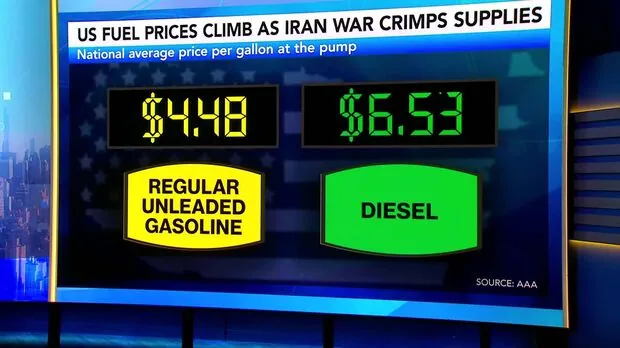
President Donald Trump has stated he is "very seriously" considering a ban on US diesel exports to combat record-high domestic prices averaging $6.52 per gallon. The proposal has divided his administration, with Energy Secretary Chris Wright opposing a mandatory ban and advocating voluntary export reductions instead. The White House is conducting a formal economic assessment of a potential short-term ban. The EU, which sourced over 60% of its diesel imports from the US in August, has expressed concern. No final decision has been made.
 Illustration
Editorial responsibility
- No named human review is recorded for this page.
- Reports are grouped by semantic similarity and deterministic rules. Language models may assist titles, summaries, translation and cross-source analysis; the page reads the event directly, while its address stays stable when the title changes.
- Summary covers the current reports
Cross-source coverage
Common ground
- A diesel export ban is a short-term political fix that won't solve the underlying problem of low diesel supplies.
- US refining capacity has shrunk by about 1 million barrels per day since 2020, so a ban can't create new fuel—it just shifts shortages around.
- The Global South—places like Pakistan, Nigeria, and Lebanon—will suffer the most from price spikes and supply disruptions, even though they had no part in causing the crisis.
- Every country, including the US, China, and India, has used export controls in a crisis, so no single nation is uniquely hypocritical.
Points of contention
- Whether the US diesel ban is a uniquely American betrayal of allies or just standard behavior that every country does in a pinch.
- Whether China's energy partnerships are a fair and predictable alternative or just another form of strategic leverage with debt traps and opaque deals.
- Whether the main cause of high diesel prices is US foreign policy (sanctions, wars) or a global supply crunch from wars in Iran and Ukraine plus underinvestment in refineries.
- Whether 'messy democracy' and transparency make bad policy more acceptable, or whether a public train wreck is still a train wreck.
Blind spots
- No one fully addressed how to rebuild global refining capacity when investors are fleeing fossil fuels due to the energy transition.
- The debate focused on great-power politics but didn't offer concrete solutions for the developing countries that are hit hardest by fuel price spikes.
- The long-term impact of the 90-day ban ending—with inventories still low and no new capacity—was raised but never really resolved.
WorldAttention’s read
This debate showed that a diesel export ban is a panic-driven, short-term move that won't fix the real problem: the world is running low on refining capacity, and no amount of bans or blame-shifting can create more fuel. Every country—the US, China, India, and others—has used export controls when things get tight at home, so pointing fingers at any one nation misses the point. The people who suffer most are in the Global South, where fuel price spikes can shut down hospitals and farms, yet they have no voice in these decisions. The deeper issue is that no one—not Washington, Beijing, or Brussels—is willing to have the hard conversation about how to rebuild refining capacity in a world that's trying to move away from fossil fuels. Until that changes, every policy response is just rearranging deck chairs while the developing world pays the price.
Reporting timeline
White House seeks European diesel reserves release as Trump considers export ban
According to a Politico report highlighted in Google News, the White House is looking to Europe to release diesel from strategic reserves. This comes as President Donald Trump has floated the idea of a partial or full ban on U.S. diesel exports, which he is reportedly considering 'very seriously' amid a worsening global supply crunch. The New York Times notes that some Republicans have called on Trump to enact such a ban. However, analysts cited by Yahoo Finance warn that the unintended consequences of such actions would be catastrophic. The Washington Post reports that Trump's proposed diesel export ban is spurring fear of an energy crunch in Europe, which relies on U.S. diesel supplies. The situation presents a diplomatic tension between U.S. domestic energy policy and European energy security.
Trump's proposed diesel export ban criticized as 'terrible idea' by analysts
A proposed ban on U.S. diesel exports by former President Donald Trump has drawn sharp criticism from analysts, who call it a 'terrible idea.' The proposal, supported by some Republicans, aims to lower domestic fuel prices but is feared to have unintended consequences. Analysts warn the ban could send California gas prices soaring due to the state's reliance on imported diesel and unique refining requirements. In Europe, the proposal has sparked fears of an energy crunch, as the continent depends on U.S. diesel exports. Meanwhile, the White House is reportedly considering red-dyed diesel tax relief as an alternative measure to lower fuel prices. The proposal highlights tensions between domestic energy policy goals and international market dependencies.
Read sourceTrump considers diesel export ban that could raise California gas prices
President Donald Trump has stated he is 'very seriously' considering a partial or full ban on diesel exports, according to multiple news reports. The proposal is being weighed as a global supply crunch worsens, with the aim of lowering domestic fuel prices. However, analysts and reports from Politico, CNBC, and Yahoo Finance warn that such a ban could have unintended consequences, potentially sending California gas prices soaring due to the state's unique fuel market and refinery configurations. The White House is also reportedly considering red-dyed diesel tax relief as an alternative measure to lower fuel prices. Critics, including CNN, note that this approach mirrors actions taken by the Biden administration, which also faced criticism for similar energy policies. The proposal remains under consideration with no final decision announced.
Read sourceShow 17 older updatesHide older updates
What Trump's potential US diesel export ban could mean for you
This Google News aggregation presents multiple news articles reporting that former President Donald Trump is 'very seriously' considering a partial or full ban on US diesel exports amid a worsening global supply crunch. The BBC article explores what such a ban could mean for consumers. Reuters reports the White House is weighing red-dyed diesel tax relief to lower fuel prices. CNBC confirms Trump's serious consideration of the ban. Yahoo Finance warns that unintended consequences of such a ban could be catastrophic. Politico analyzes why a diesel export ban could send California gas prices soaring. The collection highlights the potential domestic and international impacts of this policy proposal.
Read sourceTrump team weighs three options short of a diesel export ban, report says
According to a Yahoo Finance report, former President Donald Trump appears less than fully committed to a diesel export embargo, as his team considers three alternative policy options short of a complete ban. The report is part of a broader news cycle on the topic, with CNBC reporting that Trump is 'very seriously' considering a diesel export ban amid a worsening global supply crunch. Reuters adds that the White House is weighing red-dyed diesel tax relief to lower fuel prices. The New York Times analyzes why a U.S. diesel export ban may backfire, and Politico warns that Trump's diesel threat risks burning U.S. credibility. The summaries indicate a debate within the Trump team and among analysts about the potential consequences of restricting diesel exports, with concerns about domestic fuel prices and international credibility.
Read sourceTrump seriously considers diesel export ban as global supply crunch worsens
Multiple news outlets report that former President Donald Trump is 'very seriously' considering a ban on U.S. diesel exports as a global supply crunch intensifies. The CNBC article leads with this headline, while CBS News quotes experts warning that such a ban could cause gasoline prices to soar. Reuters reports that the White House is weighing red-dyed diesel tax relief as an alternative to lower fuel prices. Yahoo Finance notes that Trump sounds less than sold on a full embargo, as his team evaluates three options short of a ban. Politico warns that Trump's diesel threat risks burning U.S. credibility. The reports collectively indicate a policy debate within the administration over how to address rising fuel costs, with a potential export ban being the most drastic measure under consideration.
Goldman Warns Trump Diesel Export Ban Would Raise Gasoline Prices
A Goldman Sachs analysis warns that a potential U.S. diesel export ban, which President Trump is reportedly considering 'very seriously' amid a global supply crunch, would likely lead to higher gasoline prices for American consumers. The bank forecasts an initial decline in diesel prices domestically due to increased supply, but warns that the resulting disruption to global refining markets would ultimately push gasoline costs higher. Multiple news outlets, including CNBC, Reuters, CNN, and Deseret News, report on the proposal and its potential unintended consequences, with some commentators noting the irony of Trump adopting a policy similar to the Biden administration's energy playbook. The analysis highlights the complex interdependencies in global fuel markets and the risk of policy backfiring on domestic drivers.
Read sourceUS Diesel Export Policy Uncertain, EU and South America Watch Closely
The United States, the world's largest diesel exporter, is considering a potential ban on diesel exports to combat record-high domestic prices. President Donald Trump expressed support for a ban on October 22, and a subsequent report from Politico claimed the White House was drafting a 90-day ban, which was quickly denied. On October 26, Politico reported that the administration is weighing alternatives to lower prices without an export ban, but no final decision has been made. The average US diesel price hit $6.528 per gallon, a record, according to the American Automobile Association. Experts are divided on the impact: some predict a ban would lower prices, while others warn it could reduce refinery output and push prices higher. The EU, which sourced over 60% of its diesel imports from the US in August, and South America are expected to be most affected. The EU has reportedly contacted the US about the issue. As the US midterm elections approach, measures under consideration include tax breaks for specific diesel uses, encouraging states to waive fuel taxes, and voluntary export restrictions by refiners.
Read sourceTrump Says 'Very Seriously' Considering Diesel Export Ban; Goldman Sachs Models Five Key Impacts
President Donald Trump stated on September 27 that he is 'very seriously' considering a ban on U.S. diesel exports, as domestic retail diesel prices hit a record high of $6.5 per gallon. The potential ban is driven by record prices, surging exports, and pressure from agricultural-state lawmakers during the harvest season. Goldman Sachs analysts, led by Daan Struyven, published a model on September 26 assessing a hypothetical 90-day ban starting in October 2026, calling it a 'very possible scenario' but not their base case. The model projects five key impacts: first, U.S. diesel prices would fall by about $0.25 per gallon weekly initially as inventories build. Second, once storage tanks fill in 9-10 weeks, gasoline prices would rise by about $0.30 per gallon weekly due to reduced refinery runs. Third, European diesel prices would rise by about $2 per barrel weekly, with spillover effects to Asia. Fourth, after the ban lifts, U.S. diesel prices would rebound as global markets reconnect. Fifth, Goldman reiterates a long position on European gasoline (EBOB Jun27), citing tightening markets. Policy alternatives, such as suspending the federal diesel tax, are under debate but face procedural hurdles.
Read sourceTrump Says He Is 'Very Seriously' Considering a US Diesel Export Ban to Lower Prices
President Donald Trump stated on Sunday that he is 'very seriously' considering implementing a ban on US diesel exports as a measure to combat high fuel prices, which have reached record levels ahead of the midterm elections. The proposal is being analyzed by top economic advisors including National Economic Council Director Kevin Hassett, Treasury Secretary Scott Bessent, and Trade Representative Jamieson Greer. The potential ban aims to lower domestic diesel costs, which averaged about $6.50 per gallon, but faces strong opposition from the oil industry and analysts who warn it could erode trust among foreign buyers, reduce production, and ultimately push prices higher. US diesel exports recently neared 2 million barrels per week, making the country a key global supplier amid disruptions from the Strait of Hormuz and Ukrainian attacks on Russian refineries. Alternative measures, such as a temporary suspension of the federal diesel excise tax or voluntary export reductions by refiners, are also being discussed within the administration. Some companies have already added protective clauses to contracts in case of an export halt.
Read sourceTrump Says He Is 'Very Seriously' Considering a Diesel Export Ban
Former President Donald Trump has stated he is 'very seriously' considering a ban on diesel exports from the United States, according to a Bloomberg report. This potential policy move comes as a global supply crunch for diesel worsens, as noted by CNBC. The proposal has drawn analysis from financial institutions, with Goldman Sachs reportedly expecting an initial decline in diesel prices under such US export curbs. However, the idea has also sparked debate, with CNN framing it as Trump taking a page from the Biden energy playbook, while an opinion piece in the Deseret News warns that the proposed ban could backfire on American drivers. The story is being widely covered by major news outlets, indicating its significance in the energy and political landscape.
Read sourceTrump says he is 'very seriously' considering banning US diesel exports amid record prices
Former President Donald Trump announced that he is 'very seriously' considering a ban on U.S. diesel exports, citing record high prices. The statement, made via a social media post, signals a potential major policy shift aimed at addressing domestic fuel costs. Trump did not provide a timeline or specific mechanism for the proposed ban. The announcement comes amid ongoing concerns over energy prices and supply chain pressures in the United States. The proposal would likely have significant implications for global diesel markets and U.S. trade relations, particularly with European and Latin American buyers who rely on American diesel exports. No further details or conditions were provided in the statement.
Read sourceTrump Says He Is 'Very Seriously' Considering Banning Diesel Exports, Blames Ukraine
On September 28, President Donald Trump stated that he has spoken with Ukrainian President Volodymyr Zelenskyy, asking him to 'go easy' on attacks against Russian oil refineries. Trump attributed the current diesel shortage to these Ukrainian strikes. He announced that he is 'very seriously' considering a ban on U.S. diesel exports as a potential remedy, though he acknowledged that such a measure could lead to a slight increase in gasoline prices. The statement reflects a direct policy consideration by the U.S. president linking a domestic energy issue to the ongoing conflict in Ukraine.
Read sourceTrump Says He Is 'Very Seriously' Considering Banning Diesel Exports, Blames Ukraine
On September 28, U.S. President Donald Trump stated that he is 'very seriously' considering a ban on diesel exports from the United States. He attributed the domestic diesel shortage to Ukrainian attacks on Russian oil refineries and said he had spoken with Ukrainian President Volodymyr Zelenskyy, asking him to 'ease up' on strikes against refineries. Trump warned that the potential export ban could lead to a slight increase in gasoline prices. The statement reflects a direct link between the ongoing conflict in Ukraine and U.S. energy policy, with the administration weighing a measure that would keep more diesel fuel within the domestic market.
UK minister warns potential US diesel export ban is a 'significant concern'
UK Business Minister has warned that a potential US diesel export ban, which former President Donald Trump says he is 'very seriously' considering, is a 'significant concern'. The warning comes amid reports that such a ban could aggravate energy crises in Europe and Latin America, which rely on US diesel imports. Multiple news outlets, including Politico, The New York Times, Bloomberg, EL PAÍS, and Al Jazeera, are covering the story. While Trump's stated goal is to lower domestic fuel prices, analysts cited by The New York Times question whether a ban would actually achieve that. The potential policy has raised alarms among US allies and global fuel markets, with concerns about supply disruptions and price increases for diesel-dependent economies.
Read sourceTrump Says He Is 'Very Seriously' Considering a US Diesel Export Ban to Address High Prices
President Donald Trump stated he is 'very seriously' considering a ban on US diesel exports to combat high fuel prices, according to a report from East Money citing financial media. The proposal has gained traction among lawmakers from agricultural states who are concerned about fuel costs during the autumn harvest season. Key White House officials, including National Economic Council Director Kevin Hassett, Treasury Secretary Scott Bessent, and Trade Representative Jamieson Greer, have been analyzing the potential impact of a short-term export ban. The oil industry and analysts strongly oppose the idea, warning it could erode buyer trust, cause economic losses, and potentially reduce refinery output, which might push prices higher. Alternative measures, such as a temporary suspension of the federal diesel excise tax, have been proposed by industry groups but face internal government debate. Energy Secretary Chris Wright indicated the administration is also exploring voluntary export reductions by refiners as a substitute for a mandatory ban. If implemented, the ban would likely lower US diesel prices in the short term but could disrupt supply for allies like the UK.
Read sourceTrump says he is considering a ban on US diesel exports amid record fuel prices
Former President Donald Trump stated that he is considering a ban on diesel exports from the United States, a move that comes amid record-high prices for the fuel. The announcement was made via a social media post, which also directed readers to register for free to learn why such a policy would be unwise, according to The Economist. The post does not provide further details on the rationale or potential timeline for the proposed ban, but it signals a significant potential shift in US energy policy that could impact domestic fuel markets and international trade. The record diesel prices referenced highlight the current economic pressure on consumers and industries reliant on diesel fuel. The Economist, the source of the post, characterizes the proposed ban as unwise, though the post itself does not elaborate on the reasoning behind this assessment.
White House considers suspending diesel tax and other measures to curb high fuel prices
Trump administration officials have proposed several measures to curb soaring diesel prices, including suspending the federal diesel tax and lifting restrictions on red-dyed diesel sales for non-highway use. Vice President JD Vance, Energy Secretary Chris Wright, Interior Secretary Doug Burgum, and Treasury Secretary Scott Bessent are involved in the discussions. Vance has urged action, including a potential ban on diesel exports, a move President Trump has supported. However, Energy Secretary Wright said the government is working with refiners on voluntary export limits to avoid intervention. U.S. diesel prices remain near record highs at about $6.50 per gallon. The federal diesel tax is about 24 cents per gallon, with state taxes averaging 36 cents. Industry executives have urged a tax suspension as a more effective alternative to an export ban, which has drawn strong opposition. The discussions remain broad and no decisions are expected soon.
Read sourceTrump administration weighs diesel export ban as prices hit record high
The Trump administration is conducting a formal economic assessment of a potential short-term diesel export ban, as U.S. diesel prices surge to a record $6.51 per gallon. The analysis, led by National Economic Council Director Hassett, Treasury Secretary Bessent, and Trade Representative Jamieson Greer, was confirmed by Republican Senator John Hoeven of North Dakota, who said a ban should be considered if it helps lower prices. However, internal divisions are emerging: Energy Secretary Chris Wright favors voluntary agreements with refiners to boost domestic supply instead of a ban. The supply crisis stems from geopolitical disruptions, including the Iran war in February that blocked the Strait of Hormuz and Ukrainian drone strikes on Russian refineries that halted Russian diesel exports in July. U.S. exports have surged over 20% since March to fill global gaps, draining domestic inventories to 40-year lows. Analysts warn that an export ban could backfire: while prices might temporarily drop, refiners would be forced to cut output once domestic storage fills, leading to a sharper price rebound. Republican Senator Alan Armstrong called the ban a 'band-aid' that would not help Midwest farmers or East Coast truckers. The White House faces political pressure from agricultural states ahead of midterm elections, but the ban risks damaging U.S. credibility as a reliable energy supplier and contradicting Trump's 'energy dominance' strategy. Trump has told reporters he recommended the measure, but a final decision remains uncertain.
Read sourceEU warns Trump's proposed US diesel export ban would harm both sides, reports say
The European Union has stated that former President Donald Trump's reported plan to ban US diesel exports would negatively impact both the United States and its trading partners, according to a Guardian article aggregated by Google News. The plan, which the White House is reportedly preparing as a 90-day ban, has drawn widespread criticism. Big business groups have warned against the move in a joint letter, arguing it would disrupt markets. Bloomberg reports the ban could initially cut diesel prices in the US. Even a former Trump energy secretary has publicly warned the proposal 'makes very little economic sense.' The EU's comment underscores the potential for transatlantic trade friction, as the bloc is a major importer of US diesel. The reports indicate the proposal is still under consideration, with significant opposition from industry and international allies.
Read source