Iran Military Advisor: Strait of Hormuz Will Never Return to Previous State
Major General Yahya Rahim Safavi, a military advisor to Iran's Supreme Leader, stated that the Strait of Hormuz will never return to its previous state and that Iran will always control and manage the waterway. He also claimed Iran and Oman reached a traffic management mechanism for the strait, which Washington disrupted. No details on the mechanism or U.S. interference were provided.
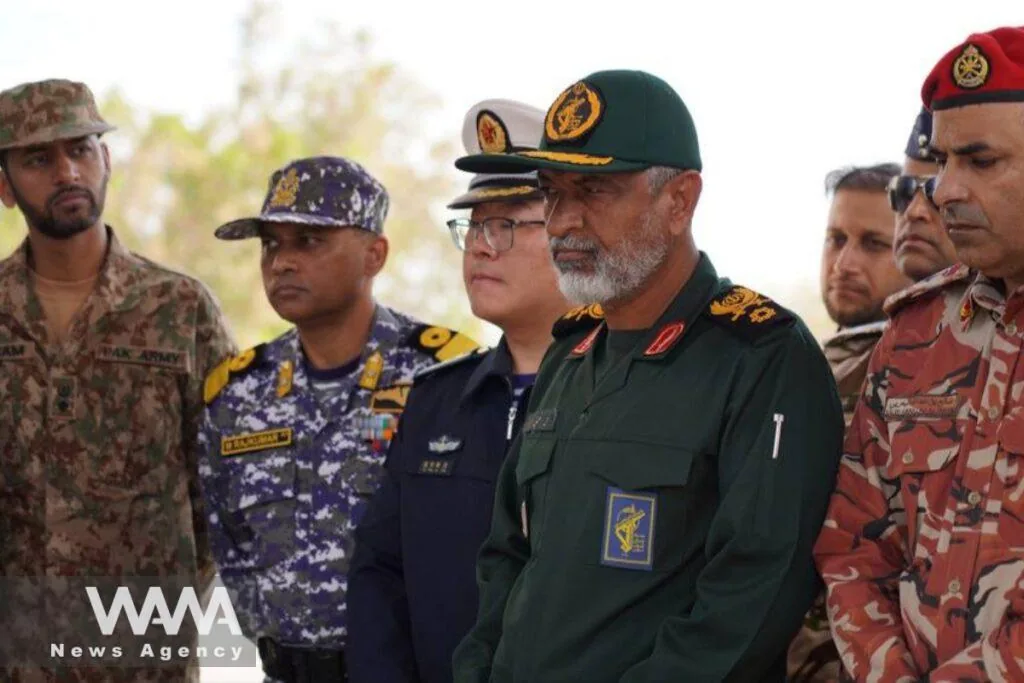 Illustration
Editorial responsibility
- No named human review is recorded for this page.
- Reports are grouped by semantic similarity and deterministic rules. Language models may assist titles, summaries, translation and cross-source analysis; the page reads the event directly, while its address stays stable when the title changes.
- Summary awaiting refresh
Summary awaiting refresh
Cross-source coverage
Reporting timeline
Iran Supreme Leader Advisor: Linking Hormuz and Bab el-Mandeb Straits Would Change War Situation
Yahya Rahim Safavi, a senior military advisor to Iran's Supreme Leader Ayatollah Ali Khamenei, stated that connecting the Strait of Hormuz and the Bab el-Mandeb Strait would alter the dynamics of a war. The remark, reported by the financial data platform Jin10, suggests a strategic consideration by Iran regarding control over key maritime chokepoints in the Persian Gulf and the Red Sea. Safavi's comment implies that such a connection could be used as a military or geopolitical lever, potentially impacting global energy transit and regional conflict scenarios. The statement does not provide specific details on how this connection would be achieved or under what circumstances it would be implemented, but it signals a heightened focus on maritime strategy by Iranian military leadership.
Read sourceIran's Supreme Leader Military Advisor Safavi: Strait of Hormuz Will Never Return to Previous State
Iran's Supreme Leader military advisor, Major General Yahya Rahim Safavi, stated that the Strait of Hormuz will never return to its previous state. The remark, reported by domestic source tradealpha, suggests a permanent shift in the strategic status of the vital oil shipping chokepoint. Safavi's forecast implies ongoing or heightened tensions in the region, potentially affecting global energy markets and maritime security. The statement does not specify the cause or timeline for this change, but it reflects a hardline Iranian position regarding the waterway, through which about a fifth of the world's oil passes. The comment comes amid continued geopolitical friction between Iran and Western powers, including the United States, over nuclear issues and regional influence.
Read sourceIran's Top Leader Military Advisor Safavi: Hormuz Strait Will Never Return to Previous State
In a statement reported by financial news outlet Jin10, Iran's Supreme Leader military advisor Major General Yahya Rahim Safavi declared that the Strait of Hormuz will never return to its previous state. The remark, attributed directly to Safavi, suggests a permanent change in the status of the strategic waterway, through which about a fifth of the world's oil passes. No further context, conditions, or specific threats were provided in the brief report. The statement comes amid ongoing tensions between Iran and the United States over maritime security and Iran's nuclear program. Safavi's position as a senior military advisor to Supreme Leader Ayatollah Ali Khamenei gives the forecast significant weight in signaling Iran's long-term strategic posture regarding the Strait, a critical chokepoint for global energy supplies.
Read sourceShow 4 older updatesHide older updates
Iran's Supreme Leader Military Advisor Safavi Says Iran Will Always Control and Manage Strait of Hormuz
In a statement reported by tradealpha, Iranian Supreme Leader's military advisor, Major General Yahya Rahim Safavi, asserted that Iran will always control and manage the Strait of Hormuz. The Strait of Hormuz is a strategically vital waterway through which about 20% of the world's oil passes. Safavi's comment underscores Iran's long-standing position on maintaining influence over this chokepoint, which has been a source of tension with the United States and other nations. The statement does not specify any new actions or changes in policy but reaffirms Iran's claim to operational authority over the strait, which is partially within its territorial waters under international law. This declaration comes amid ongoing regional tensions and could have implications for global energy security and maritime navigation.
Read sourceIran's Supreme Leader Advisor Says Tehran and Oman Reached Hormuz Traffic Mechanism, Disrupted by Washington
Iran's Supreme Leader military advisor, Major General Yahya Rahim Safavi, stated that Iran and Oman had reached a mechanism for managing traffic through the strategic Strait of Hormuz, but that Washington interfered to disrupt this agreement. The claim, reported by the domestic Iranian outlet tradealpha, attributes to Safavi a direct accusation of U.S. obstruction of a bilateral arrangement between Tehran and Muscat. The Strait of Hormuz is a critical chokepoint for global oil shipments, and any disruption to traffic there has significant geopolitical and economic implications. The statement reflects ongoing tensions between Iran and the United States over maritime security in the Persian Gulf, though no independent confirmation or details of the alleged mechanism or the nature of U.S. interference were provided in the source text.
Iran's top leader military advisor says Tehran and Oman reached Strait of Hormuz traffic mechanism, US disrupted it
Yahya Rahim Safavi, a senior military advisor to Iran's Supreme Leader Ayatollah Ali Khamenei, stated that Iran and Oman had established a mechanism for managing traffic through the strategic Strait of Hormuz. However, he alleged that Washington interfered with and disrupted this arrangement. The claim, reported by the Chinese financial news platform Jin10, highlights ongoing tensions in the region over the vital oil shipping chokepoint, though no further details on the mechanism or the nature of the alleged US interference were provided in the brief statement.
Read sourceIran Supreme Leader's Military Advisor Says Iran Will Always Control Strait of Hormuz
In a statement reported by financial news outlet Jin10, Brigadier General Yahya Rahim Safavi, a senior military advisor to Iran's Supreme Leader Ayatollah Ali Khamenei, declared that Iran will always control and manage the Strait of Hormuz. The Strait of Hormuz is a strategically vital waterway connecting the Persian Gulf to the open ocean, through which approximately 20% of the world's oil passes. Safavi's assertion reaffirms Iran's longstanding position of asserting dominance over this chokepoint, a stance that has historically led to tensions with the United States and its regional allies. The statement comes amid ongoing geopolitical friction in the region, including disputes over nuclear negotiations and maritime security. While the brief announcement does not specify any new military or policy actions, it signals Tehran's continued intent to project power in the strategic waterway, which could have implications for global energy markets and regional stability.
Read source