Hang Seng Index reclaims 25,000 on shrinking volume; analysts question rally sustainability
Hong Kong's Hang Seng Index rose over 1% on September 21, closing above the 25,000-point mark, driven by afternoon strength in tech stocks such as Xiaomi, Alibaba, and Tencent. However, total turnover fell to HK$202.73 billion, indicating reduced conviction behind the rebound. Short-selling remained near average levels at 13.46% of turnover. Analysts at CITIC Securities and Huatai Securities offered cautious outlooks, noting that the rally's sustainability is uncertain given high US bond yields near 5% and unresolved inflation risks. Defensive sectors like banks and oil outperformed, while growth-oriented AI hardware and gold miners declined.
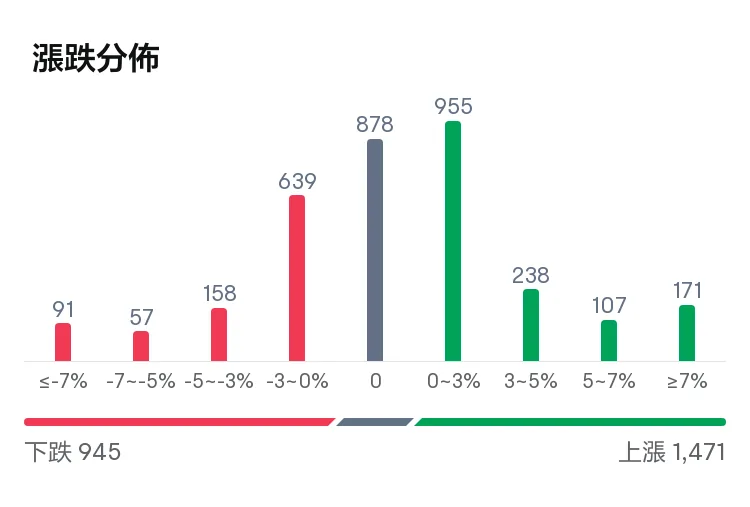 Reference image
Editorial responsibility
- No named human review is recorded for this page.
- Reports are grouped by semantic similarity and deterministic rules. Language models may assist titles, summaries, translation and cross-source analysis; the page reads the event directly, while its address stays stable when the title changes.
- Summary covers the current reports
Cross-source coverage
Reporting timeline
Hang Seng Index Expands Gain to 1%; Huatai Warns of Holiday Liquidity Pressure
The Hang Seng Index expanded its gain to 1%, while the Hang Seng Tech Index fell 0.06%. Huatai Securities provided a cautious outlook, stating that while service consumption data during the long holiday may be noteworthy, overall earnings data is likely to remain lackluster. Historical patterns suggest Hong Kong stocks may see short-term rebounds during holidays, but the market has not accumulated enough short-selling power to create high-odds opportunities, making short-term speculation unattractive. For sector allocation, Huatai recommends maintaining dividend stocks as a core position, but advises reducing exposure to banks and coal where the dividend yield advantage over A-shares is narrowing and payout ratio increases are difficult. It suggests focusing on oil and gas for better value. Innovative drug and CXO leaders have already recovered on expectations of a US rate cut, but beta upside is limited; investors should select stocks carefully and set profit targets. Essential consumer sectors like beverages and dairy are at the bottom of the fundamentals cycle but lack catalysts, requiring patience.
Hong Kong Stocks Stall at 25,000 as US Bond Risks Cool Sentiment; Analysts Advise Caution
Hong Kong stocks fell for a second consecutive day on September 24, with the Hang Seng Index dropping 0.29% and the Hang Seng Tech Index losing 0.41%. The market's attempt to breach the 25,000-point level faced resistance, and trading volume fell below HK$160 billion to HK$159.55 billion, partly due to holiday effects. Short-selling activity remained elevated at 15.56% of turnover. The decline was attributed to rising US Treasury yields, with 10-year and 30-year yields both exceeding 5%, reaching levels not seen since 2007, prompting concerns about potential liquidity issues in the US bond market. Defensive sectors like banks, power, and oil stocks rose, while growth-oriented assets such as AI hardware, semiconductors, and gold miners fell. In mainland China, the A-share market also declined, with the Shanghai and Shenzhen indices falling and trading volume shrinking. Dongwu Securities commented that the current Hong Kong rally is more likely a short-covering bounce following the resolution of overseas risks rather than a fundamental improvement, and advised investors to maintain dynamic allocation and avoid chasing highs, noting that a clear turning point requires fundamental improvement.
Read sourceHong Kong Stocks Stall at 25,000 as US Bond Risk Dampens Sentiment, Analysts Warn
Hong Kong stocks fell for a second consecutive session on September 24, with the Hang Seng Index declining 0.29%, the Hang Seng China Enterprises Index down 0.09%, and the Hang Seng Tech Index losing 0.41%. The index faced resistance at the 25,000-point level, with daily turnover dropping below HK$160 billion to HK$159.552 billion, partly attributed to holiday effects. Short-selling remained active at HK$24.827 billion, representing 15.56% of turnover. Market sentiment was dampened by a surge in US Treasury yields, with 10-year and 30-year yields both exceeding 5%, reaching levels not seen since 2007. Some institutional sources warned of potential liquidity collapse in the US bond market. Defensive sectors such as banks, power, and oil stocks outperformed, while growth-oriented sectors including AI hardware, semiconductors, and brokerages declined. In mainland China, the A-share market also fell, with over 4,300 stocks declining. Looking ahead, Dongwu Securities advised caution, characterizing the recent Hong Kong rally as short-covering following the easing of overseas risks rather than fundamental improvement, and warned that overseas risks could continue to cause volatility, recommending dynamic allocation and avoiding chasing highs.
Show 17 older updatesHide older updates
Hong Kong's Hang Seng Index Recovers 25,000 Points on Shrinking Volume; Analysts Say Stabilization Needs Observation
Hong Kong's stock market saw a short-term recovery on September 21, with the Hang Seng Index and the Hang Seng China Enterprises Index both rising over 1%, while the Hang Seng Tech Index gained 0.4%. Large tech stocks strengthened in the afternoon, with Xiaomi up over 4%, Alibaba up 3%, and Tencent and Baidu rising over 2%. The biotech and AI hardware sectors also rallied, while gold and non-ferrous metal stocks declined. The Hang Seng Index closed above the 25,000-point mark, but total turnover fell to 202.731 billion Hong Kong dollars, suggesting the rebound's sustainability is uncertain. Short-selling amounted to 27.283 billion Hong Kong dollars, or 13.46% of turnover, near recent averages. CITIC Securities noted that with high interest rates, market divergence may widen in the final offensive window of the year, with AI potentially regaining dominance. Huatai Securities believes the market may stabilize and rebound short-term, but the duration and extent require observation, especially with US bond yields near 5% and oil prices and inflation determining the path. Huatai recommends holding dividend stocks as a base, increasing exposure to petrochemicals and gas, and continuing to hold innovative drug and CXO leaders.
Read sourceHong Kong Stocks Recover 25,000 Points on Shrinking Volume; Analysts Say Stability Needs Watching
Hong Kong's Hang Seng Index rose over 1% on September 21, closing above the 25,000-point mark, driven by afternoon strength in tech stocks such as Xiaomi, Alibaba, and Tencent. The broader market saw a broad rally, with biotech, AI hardware, property, solar, and coal sectors gaining, while gold and non-ferrous metals declined. Total turnover fell to 202.731 billion Hong Kong dollars, indicating reduced conviction behind the rebound. Short selling accounted for 13.46% of turnover, near average levels. CITIC Securities noted that in a high-interest-rate environment, market divergence may widen, with AI regaining dominance. Huatai Securities commented that while a short-term rebound is possible, its duration and extent remain uncertain given that US bond yields are still near 5% and inflation and oil prices will determine the path forward. The firm recommended holding dividend stocks as a base, but shifting from banks and coal to petrochemicals and gas, while maintaining positions in innovative drug and CXO leaders.
Read sourceHong Kong Stocks Reclaim 25000 Points on Shrinking Volume; Analysts Say Rally Needs Monitoring
Hong Kong's Hang Seng Index rose over 1% on September 21, closing above the 25,000-point mark, driven by afternoon strength in tech stocks such as Xiaomi, Alibaba, and Tencent. The broader market saw a broad rally, with biotech, AI hardware, property, solar, and coal sectors gaining, while gold and non-ferrous metals retreated. However, total turnover fell to HK$202.73 billion, indicating a shrinking volume that raises questions about the rally's sustainability. Short-selling amounted to HK$27.28 billion, or 13.46% of turnover, near recent averages. CITIC Securities noted that in a high-interest-rate environment, market divergence may widen, with AI potentially regaining dominance. Huatai Securities commented that while a short-term rebound is possible, its duration and extent remain uncertain given that US bond yields are still near 5% and inflation and oil prices will determine the path forward. Huatai recommended holding dividend stocks as a base, but advised reducing exposure to banks and coal in favor of petrochemicals and gas, while maintaining positions in innovative drugs and CXO leaders.
Read sourceHong Kong Stocks Recover 25,000 Points on Shrinking Volume; Analysts Say Stability Needs Monitoring
Hong Kong's Hang Seng Index rose over 1% on September 21, closing above the 25,000-point mark on shrinking turnover of 202.73 billion Hong Kong dollars, as tech stocks led a broad afternoon rally. The Hang Seng Tech Index gained 0.4%. Short-selling amounted to 27.28 billion Hong Kong dollars, or 13.46% of turnover, near recent averages. Tencent, Alibaba, and Xiaomi were the top three short-sold stocks. Most sectors rose except gold and non-ferrous metals, which retreated from earlier safe-haven positions. CITIC Securities forecast that market divergence may widen in the final offensive window of the year, with AI stocks regaining dominance amid high interest rates. The biotech sector also drew attention, with data showing Chinese drug firms' out-licensing deals exceeded $120 billion year-to-date, up 36% year-on-year. In mainland China, the A-share market also rose with over 4,500 stocks advancing, though trading volume shrank. Huatai Securities commented that while Hong Kong stocks may see short-term stabilization and rebound, the duration and extent remain uncertain given that U.S. Treasury yields are still near 5% and oil prices and inflation will determine the path forward. Huatai recommended holding dividend stocks as a base, reducing exposure to banks and coal, and increasing positions in petrochemicals and gas, while continuing to hold innovative drug and CXO leaders.
Read sourceHong Kong Stocks Recover 25,000 Points on Shrinking Volume; Analysts Say Stability Needs Watching
Hong Kong's Hang Seng Index rose over 1% on September 21, recovering the 25,000-point mark, driven by afternoon strength in tech stocks such as Xiaomi, Alibaba, and Tencent. The broader market saw a broad rally, with biotech, AI hardware, property, solar, and coal sectors gaining, while gold and non-ferrous metals declined. However, total turnover fell to 202.73 billion Hong Kong dollars, suggesting the rebound's sustainability is uncertain. Short selling amounted to 27.28 billion Hong Kong dollars, or 13.46% of turnover, near recent averages. CITIC Securities noted that with high interest rates, market divergence may widen in the final offensive window of the year, with AI potentially regaining dominance. Huatai Securities commented that while short-term stabilization and rebound are possible, the timing and extent remain to be seen, given that US bond yields remain near 5% and oil prices and inflation will determine the path forward. The firm recommends holding dividend stocks as a base, but reducing exposure to banks and coal, and increasing positions in petrochemicals and gas. It also suggests holding innovative drug and CXO leaders, which have already recovered in the rate-hike trade.
Read sourceHong Kong Stocks Recover 25,000 Points on Shrinking Volume; Analysts Say Stabilization Needs Watching
Hong Kong stock markets saw a short-term recovery on September 21, with the Hang Seng Index closing above the 25,000-point mark, gaining over 1%, while the Hang Seng Tech Index rose 0.4%. The rebound was driven by afternoon strength in large tech stocks, with Xiaomi up over 4% and Alibaba up 3%. However, total turnover fell to 202.731 billion Hong Kong dollars, indicating shrinking volume that raises questions about the rally's sustainability. Short selling amounted to 27.283 billion Hong Kong dollars, or 13.46% of turnover, near recent average levels. Sector-wise, biotech, AI hardware, property, solar, and coal stocks rose, while gold and non-ferrous metals declined. CITIC Securities noted that with high interest rates, market divergence may widen in the final offensive window of the year, with AI potentially regaining dominance. Huatai Securities commented that while short-term stabilization and rebound are possible, the timing and extent remain uncertain given that US bond yields are still near 5% and oil prices and inflation will determine the path forward. The firm recommended adding positions in petrochemicals and gas while holding innovative drug and CXO leaders.
Read sourceHong Kong Stocks Recover 25,000 Points on Shrinking Volume; Analysts Say Stability Needs Observation
Hong Kong's Hang Seng Index rose over 1% on September 21, recovering the 25,000-point mark, driven by afternoon strength in tech stocks such as Xiaomi, Alibaba, and Tencent. The biotech and AI hardware sectors also rallied, while gold and non-ferrous metals declined. Total turnover fell to 202.73 billion Hong Kong dollars, raising questions about the sustainability of the rebound. Short selling amounted to 27.28 billion Hong Kong dollars, or 13.46% of turnover, near recent averages. CITIC Securities noted that in a high-interest-rate environment, market divergence may widen and AI could regain dominance. Huatai Securities said the market may see short-term stabilization and rebound, but the timing and extent require further observation, given that US bond yields remain near 5% and oil prices and inflation will determine the path ahead. Huatai recommended adding positions in petrochemicals and gas while controlling exposure to banks and coal, and suggested holding innovative drug and CXO leaders.
Read sourceHong Kong Stocks Reclaim 25000 on Shrinking Volume; Analysts Say Rally Needs Watching
Hong Kong's Hang Seng Index rose over 1% to close above the 25,000-point mark on September 21, driven by afternoon strength in tech stocks such as Xiaomi, Alibaba, and Tencent. The biotech, AI hardware, property, solar, and coal sectors also gained, while gold and non-ferrous metals declined. Total turnover fell to HK$202.73 billion, with short selling accounting for 13.46% of turnover. Analysts offered cautious views: CITIC Securities noted that high interest rates may widen market divergence and favor AI stocks in the final offensive window of the year. Huatai Securities said the Hang Seng may see short-term stabilization and rebound, but the duration and extent depend on U.S. Treasury yields near 5% and oil/inflation trends. Huatai recommended holding dividend stocks as a base, shifting from banks and coal to petrochemicals and gas, and continuing to hold innovative drug and CXO leaders. In mainland China, the A-share market also rose with over 4,500 stocks advancing, though trading volume shrank slightly.
Read sourceHong Kong Stocks Recover 25,000 Points on Shrinking Volume; Institutions Advise Caution
Hong Kong's Hang Seng Index rose over 1% on September 21, reclaiming the 25,000-point mark, driven by afternoon strength in tech stocks such as Xiaomi, Alibaba, and Tencent. The biotech and AI hardware sectors also rallied, while gold and non-ferrous metals declined. Total turnover fell to HK$202.73 billion, indicating the rebound's sustainability is uncertain. Short selling amounted to HK$27.28 billion, or 13.46% of turnover. CITIC Securities noted that AI may regain dominance in the final offensive window of the year amid high interest rates. Huatai Securities advised that while a short-term rebound is possible, its duration and extent require observation, as US bond yields near 5% and oil/inflation trends will determine the path forward. The firm recommended holding dividend stocks as a base, shifting from banks and coal to petrochemicals and gas, and continuing to hold innovative drug and CXO leaders.
Hong Kong Stocks Recover 25,000 Points on Shrinking Volume; Analysts Say Stability Needs Monitoring
Hong Kong's Hang Seng Index rose over 1% on September 21, recovering the 25,000-point mark, driven by afternoon strength in tech stocks such as Xiaomi, Alibaba, and Tencent. The broader market saw a broad rally, with biotech, AI hardware, property, solar, and coal sectors gaining, while gold and non-ferrous metals declined. Total turnover fell to 202.731 billion Hong Kong dollars, raising questions about the sustainability of the rebound. Short selling accounted for 13.46% of turnover, near recent averages. CITIC Securities noted that with high interest rates, market divergence may widen in the final offensive window of the year, with AI potentially regaining dominance. The innovation drug sector also drew attention, with out-licensing deals exceeding $120 billion year-to-date, up 36% year-on-year. Huatai Securities advised that while a short-term rebound is possible, its duration and extent remain uncertain given U.S. bond yields near 5% and the influence of oil prices and inflation. The firm recommended holding dividend stocks as a base, shifting from banks and coal to petrochemicals and gas, and maintaining positions in innovative drugs and CXO leaders.
Read sourceHong Kong Stocks Recover 25,000 Points on Shrinking Volume; Institutions Advise Caution
Hong Kong stocks saw a short-term recovery on September 21, with the Hang Seng Index closing above the 25,000-point mark, gaining over 1%, while the Hang Seng Tech Index rose 0.4%. The rebound was driven by afternoon strength in tech stocks, with Xiaomi up over 4% and Alibaba up 3%. However, total turnover shrank to HK$202.73 billion, raising questions about the sustainability of the rally. Short selling amounted to HK$27.28 billion, or 13.46% of turnover, near recent averages. A broad rally was observed across sectors, with biotech and AI hardware stocks performing well, while gold and non-ferrous metals retreated. CITIC Securities noted that AI may regain dominance in the final offensive window of the year amid high interest rates. Huatai Securities commented that while a short-term rebound is possible, the market's stability and duration remain uncertain given high US bond yields near 5% and unresolved profit expectations. The firm recommended holding dividend stocks as a base, but advised reducing exposure to banks and coal in favor of petrochemicals and gas. It also suggested holding innovative drug and CXO leaders, which have already seen some recovery.
Read sourceHong Kong Stocks Reclaim 25000 Points on Shrinking Volume; Analysts Say Stability Needs Watching
Hong Kong's Hang Seng Index rose over 1% on September 21, closing above the 25,000-point mark for the first time in a session with reduced turnover of 202.73 billion Hong Kong dollars. The rebound was led by afternoon strength in tech stocks, with Xiaomi up over 4% and Alibaba up 3%. Other sectors including biotech, AI hardware, property, solar, and coal also gained, while gold and non-ferrous metals declined. Short-selling amounted to 272.83 billion Hong Kong dollars, or 13.46% of turnover, near recent averages. Analysts offered cautious views: CITIC Securities noted that in a high-interest-rate environment, market divergence may widen and AI could regain dominance. Huatai Securities said the market may see short-term stabilization and rebound, but the duration and extent depend on factors such as U.S. bond yields near 5% and oil prices. Huatai recommended holding dividend stocks as a base, shifting from banks and coal to petrochemicals and gas, and continuing to hold innovative drug and CXO leaders. The article also noted that A-share markets rose with over 4,500 stocks advancing but with slightly lower turnover.
Read sourceHong Kong Stocks Reclaim 25000 Points on Shrinking Volume; Stability Needs Monitoring
Hong Kong's Hang Seng Index rose over 1% on September 21, reclaiming the 25,000-point mark, driven by afternoon strength in tech stocks such as Xiaomi, Alibaba, and Tencent. The broader market saw a broad rally, with biotech, AI hardware, property, solar, and coal sectors gaining, while gold and non-ferrous metals retreated. Total turnover fell to 202.731 billion Hong Kong dollars, indicating a potential lack of sustained momentum. Short-selling activity remained at average levels. In the A-share market, the Shanghai and Shenzhen indices also rose, but trading volume shrank slightly. Huatai Securities commented that while a short-term rebound is possible, the sustainability and extent of the rally require observation due to high US interest rates and unresolved profit expectations. The firm recommended holding dividend stocks as a base, but shifting from banks and coal to petrochemicals and gas. CITIC Securities noted that AI may regain dominance in the final offensive window of the year, while the biotech sector's independent momentum is gaining attention amid a surge in out-licensing deals.
Read sourceHong Kong Stocks Recover 25,000 Points on Shrinking Volume; Analysts Say Stability Needs Observation
Hong Kong's Hang Seng Index rose over 1% on September 21, recovering the 25,000-point mark, driven by afternoon strength in tech stocks such as Xiaomi, Alibaba, and Tencent. The broader market saw a broad rally, with biotech, AI hardware, property, solar, and coal sectors gaining, while gold and non-ferrous metals declined. Total turnover fell to 202.731 billion Hong Kong dollars, indicating reduced conviction in the rebound's sustainability. Short selling amounted to 27.283 billion Hong Kong dollars, or 13.46% of turnover, near recent averages. Analysts offered cautious views: CITIC Securities noted that in a high-interest-rate environment, market divergence may widen and AI could regain dominance. Huatai Securities stated that while short-term stabilization and rebound are possible, the timing and extent require observation, as US bond yields remain near 5% and oil prices and inflation will determine the path. Huatai recommended holding dividend stocks as a base, but reducing exposure to banks and coal in favor of petrochemicals and gas, and continuing to hold innovative drug and CXO leaders.
Read sourceHong Kong Stocks Reclaim 25000 Points on Shrinking Volume; Analysts Say Stabilization Needs Watching
Hong Kong's Hang Seng Index rose over 1% on September 21, closing above the 25,000-point mark on shrinking turnover of 202.73 billion HKD, as tech stocks led a broad afternoon rally. The Hang Seng Tech Index gained 0.4%. Sector rotation was evident, with biotech, AI hardware, property, solar, and coal stocks advancing, while gold and non-ferrous metals declined. Short-selling amounted to 272.83 billion HKD, or 13.46% of turnover, near recent averages. CITIC Securities noted that in a high-interest-rate environment, market divergence may widen and AI could regain dominance. Huatai Securities said the Hang Seng may see short-term stabilization and rebound, but the duration and extent remain uncertain given U.S. Treasury yields near 5% and the impact of oil prices and inflation. Huatai recommended holding dividend stocks as a base, shifting from banks and coal to petrochemicals and gas, and continuing to hold innovative drug and CXO leaders. The article also noted that A-share markets rose with over 4,500 stocks advancing, but turnover also shrank slightly.
Read sourceHong Kong Stocks Recover 25,000 Points on Shrinking Volume; Institutions Advise Caution
Hong Kong's Hang Seng Index rose over 1% on September 21, reclaiming the 25,000-point mark, driven by afternoon strength in tech stocks such as Xiaomi, Alibaba, and Tencent. The broader market saw a broad rally, with biotech and AI hardware sectors gaining, while gold and non-ferrous metals declined. Total turnover fell to 202.731 billion Hong Kong dollars, indicating reduced conviction behind the rebound. Short selling accounted for 13.46% of turnover, near average levels. CITIC Securities noted that AI may regain dominance in the final offensive window of the year amid high interest rates. Huatai Securities commented that while a short-term stabilization and rebound is possible, its duration and extent remain uncertain given that US bond yields are still near 5% and inflation and oil prices will determine the path forward. Huatai recommended holding dividend stocks as a base, shifting from banks and coal to petrochemicals and gas, and continuing to hold innovative drug and CXO leaders.
Read sourceHong Kong Stocks Reclaim 25000 Points on Shrinking Volume; Analysts Say Stabilization Needs Watching
Hong Kong's Hang Seng Index rose over 1% on September 21, closing above the 25,000-point mark, driven by afternoon strength in tech stocks such as Xiaomi, Alibaba, and Tencent. The broader market saw a broad rally, with biotech, AI hardware, property, solar, and coal sectors all gaining, while gold and non-ferrous metals retreated. Total turnover fell to HK$202.73 billion, indicating reduced conviction behind the rebound. Short selling accounted for 13.46% of turnover, near recent averages. Analysts offered cautious views: CITIC Securities noted that in a high-interest-rate environment, market divergence may widen and AI could regain dominance. Huatai Securities stated that while short-term stabilization and rebound are possible, the duration and extent remain uncertain given that US bond yields are still near 5% and inflation and oil prices will determine the path forward. On the mainland, A-shares also rallied but with shrinking volume. The article also highlights growing interest in the innovation drug sector, with out-licensing deals exceeding $120 billion year-to-date, up 36%.
Read source