Reporting on this entity comes mostly from Eastern sources (source distribution, not a stance rating).
81%
Western4 · 0%
Regional240 · 9%
Neutral / independent235 · 9%
Eastern2105 · 81%
1 of 2585 reports not classified by camp.
Latest Stories
Periodic recap
What changed for this subject in each tracking window — generated from matched events, delta-first.
· 1 event in window
This period saw limited Xiaomi-related developments, with only one indirectly related event. Memory module maker Biwin Storage announced a ¥4.5 billion investment to expand its wafer-level advanced packaging and testing capacity, citing AI demand. The event has no direct business link to Xiaomi and serves as background information at the supply-chain level.
Biwin Storage announced a ¥4.5 billion investment in a third-phase wafer-level advanced packaging and testing project in Dongguan's Songshan Lake, targeting 10,000 wafers/month capacity by end-2027.
The company's H1 2026 revenue surged 298% to ¥155.75 billion on AI demand, but it posted negative operating cash flow of ¥6.261 billion and its stock has fallen over 50% from its June 2026 peak.
Earlier recaps
· 3 events in window
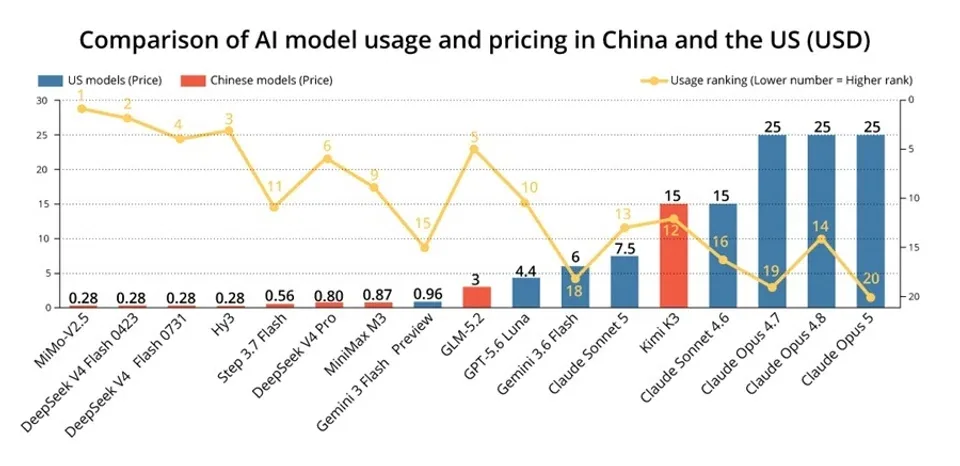
Three market developments relevant to Xiaomi were captured this period. The global AI glasses market saw explosive growth, with Meta dominating but Chinese manufacturers growing rapidly in the AR & AI glasses segment. In the EV sector, Li Auto detailed progress on its self-developed ultra-fast charging and solid-state batteries. Additionally, the intensifying global AI model price war was highlighted, with Xiaomi named among competitors slashing API prices, contributing to a sharp decline in Zhipu AI's market cap.
· 1 event in window
Only one event with indirect relevance to Xiaomi was captured this period. Hong Kong stocks fell over 1% amid thin holiday trading, with the Hang Seng Index closing at 24,510.09, though the report did not mention Xiaomi's individual stock performance. There were no direct developments related to Xiaomi's business, products, or financials.
· 5 events in window
Xiaomi's stock was pressured by the broader market decline this period, while the company continued its share buyback program. Xiaomi shares fell about 2.6% alongside the Hang Seng Tech Index, and the company spent nearly HK$49 million on share repurchases on September 22, maintaining its focus on shareholder returns. Broader PC market data showed industry growth, though Xiaomi's performance in that segment was not mentioned.
· 4 events in window
Xiaomi saw new developments in supply chain and industry rankings this period. The 'de-CATLization' trend, with multiple automakers shifting to self-developed batteries, continued to unfold, with Xiaomi named among the major participants, putting pressure on CATL's stock. Additionally, supply chain details for the 18 Pro series emerged, with O-Film confirmed as the supplier of its periscope telephoto modules. On the industry front, Xiaomi was listed among China's top 500 private enterprises for 2026.
· 15 events in window
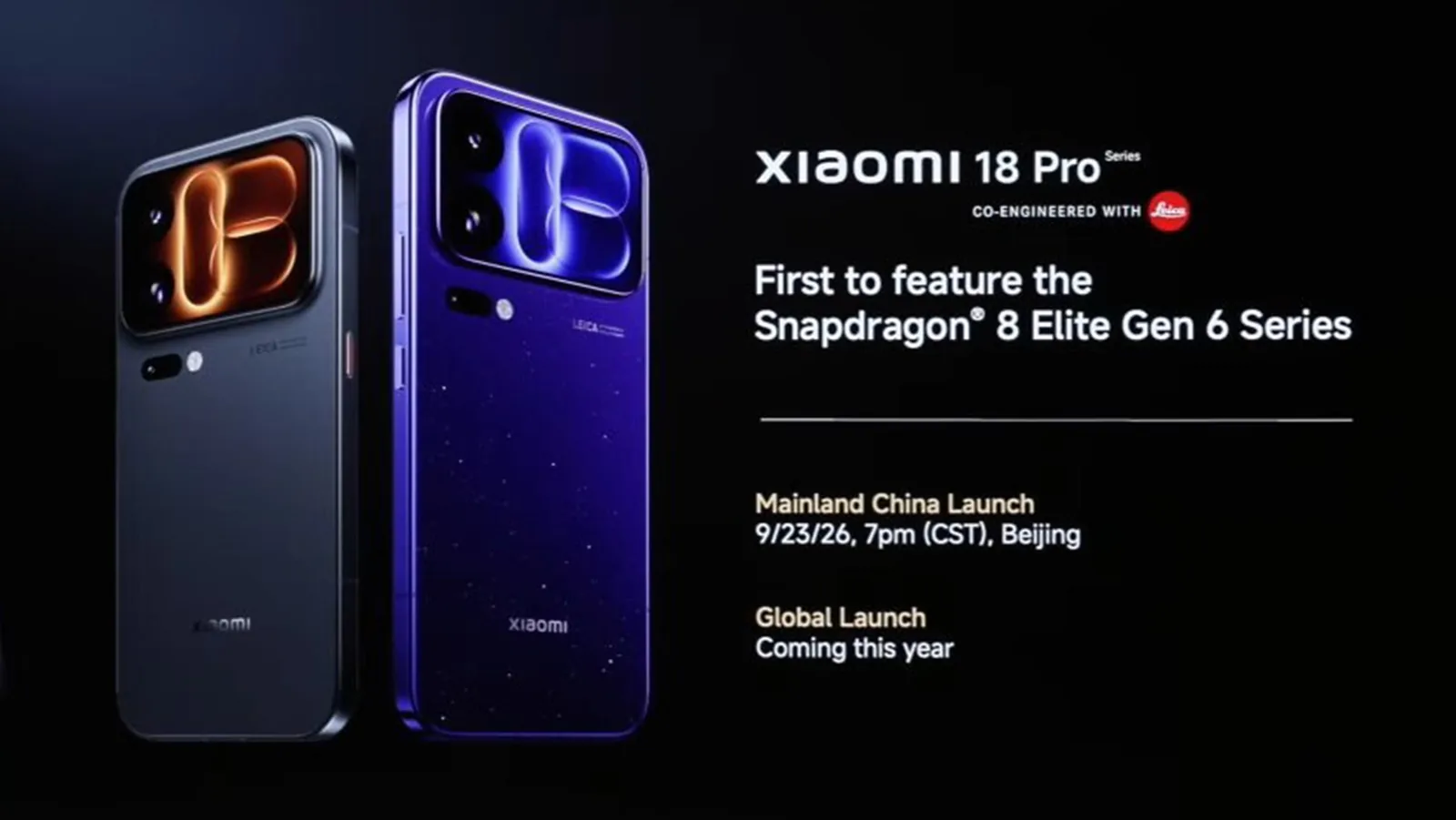
Xiaomi made moves in both hardware and AI this period. The company launched the 18 Pro series featuring Qualcomm's 2nm Snapdragon chips and Leica dual 200MP cameras, securing global first-launch rights for the new flagship processors. On the AI front, its on-device generative AI service 'miclaw' received regulatory registration, though former AI lead Chen Long departed to co-found a startup in Silicon Valley. Xiaomi was also reported to be adjusting its battery supply chain to reduce reliance on CATL, and it conducted share buybacks over two consecutive days.
Tracked events
Events matched to this subject by the tracking pipeline, with signal scores.
Tencent Holdings has been conducting daily share buybacks on the Hong Kong Stock Exchange, repurchasing between 227,000 and 231,000 shares per day from September 22 to 28, with each transaction costing approximately HK$100 million. The company has executed buybacks for 29 consecutive trading days since August 17, spending a cumulative HK$4.911 billion during that period. Year-to-date, Tencent has repurchased 64.9747 million shares for a total of HK$31.039 billion, leading all Hong Kong-listed companies in buyback value.
Chinese electric vehicle makers including Xiaomi, Li Auto, Leapmotor, and XPeng are moving from purchasing standardized battery cells to defining and controlling battery technology, a shift termed "white-boxing." This trend, driven by cost pressures (batteries account for 30-40% of EV costs) and profit imbalances, involves automakers taking full responsibility for battery safety and performance. Key moves include Xiaomi's strategic partnership with Sunwoda and CALB for its "Dragon Armor Battery," and Li Auto's 2.65 billion yuan investment in Sunwoda. The shift is enabled by technology parity among leading battery manufacturers.
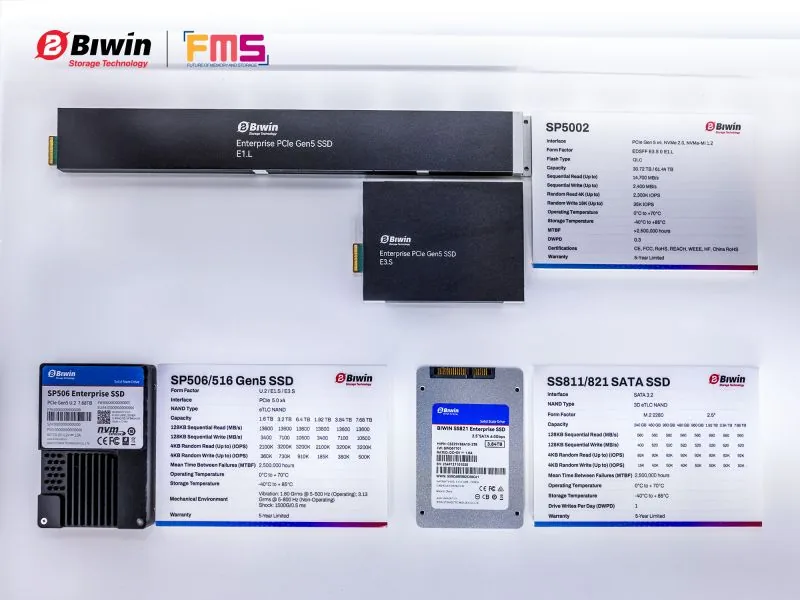
Chinese memory module maker Biwin Storage announced a ¥4.5 billion investment in a third-phase wafer-level advanced packaging and testing project in Dongguan's Songshan Lake, despite its first two phases (¥3.09 billion) not yet generating mass production revenue. The company aims to reach 10,000 wafers/month capacity by end-2027, targeting revenue contribution from late 2026. The move follows a 298% revenue surge to ¥155.75 billion in H1 2026, driven by AI demand, but comes amid negative operating cash flow of ¥6.261 billion and a stock price decline of over 50% from its June 2026 peak.
Transsion Holdings, the Shenzhen-based smartphone maker known as the "King of African Phones," has passed the Hong Kong Stock Exchange listing hearing as of September 25, 2026, clearing a key hurdle for its dual listing. The company plans to start pre-marketing during the week of September 28, aiming to raise between $400 million and $500 million. In the first half of 2026, Transsion reported revenue of 35.43 billion yuan, up 21.85% year-on-year, and net profit attributable to shareholders of 1.773 billion yuan, up 46.22%. The IPO proceeds will fund AI R&D, marketing, and mobile internet services.
Chinese AI large language models have maintained the top global position in weekly token usage for 22 consecutive weeks, according to OpenRouter data for September 21-27. Global total call volume reached 146 trillion tokens, up 13.18% week-over-week. Chinese models accounted for 62.22 trillion tokens, while US models had 14.2 trillion tokens. An anonymous model named Space Bunny (or Space Bunny Alpha) surged to third place with 13.9 trillion tokens. Tokenizer tests suggest it may originate from Chinese AI company MiniMax, though MiniMax has not confirmed this. MiniMax released its M3.1-Flash-Preview model on September 28.
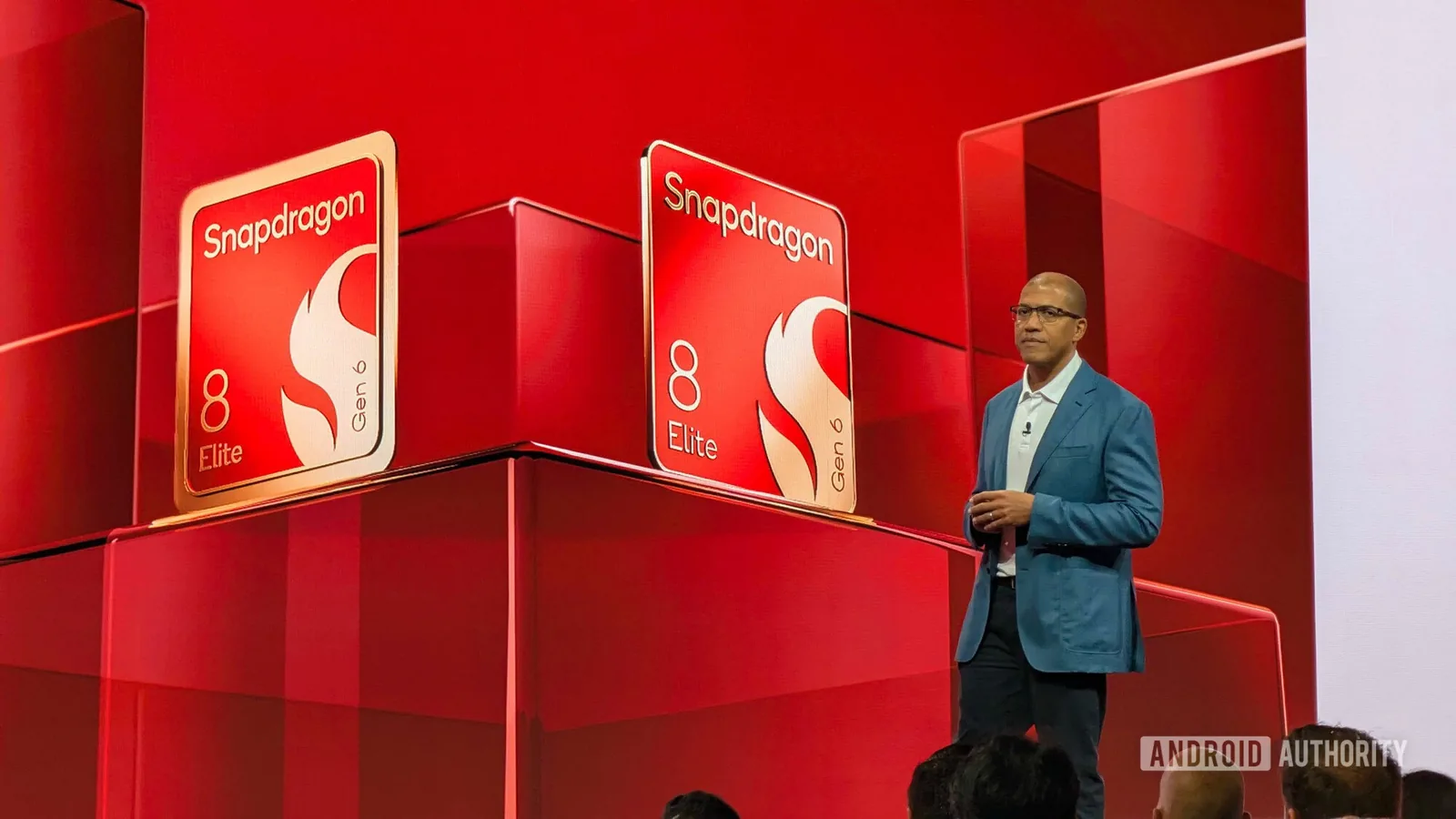
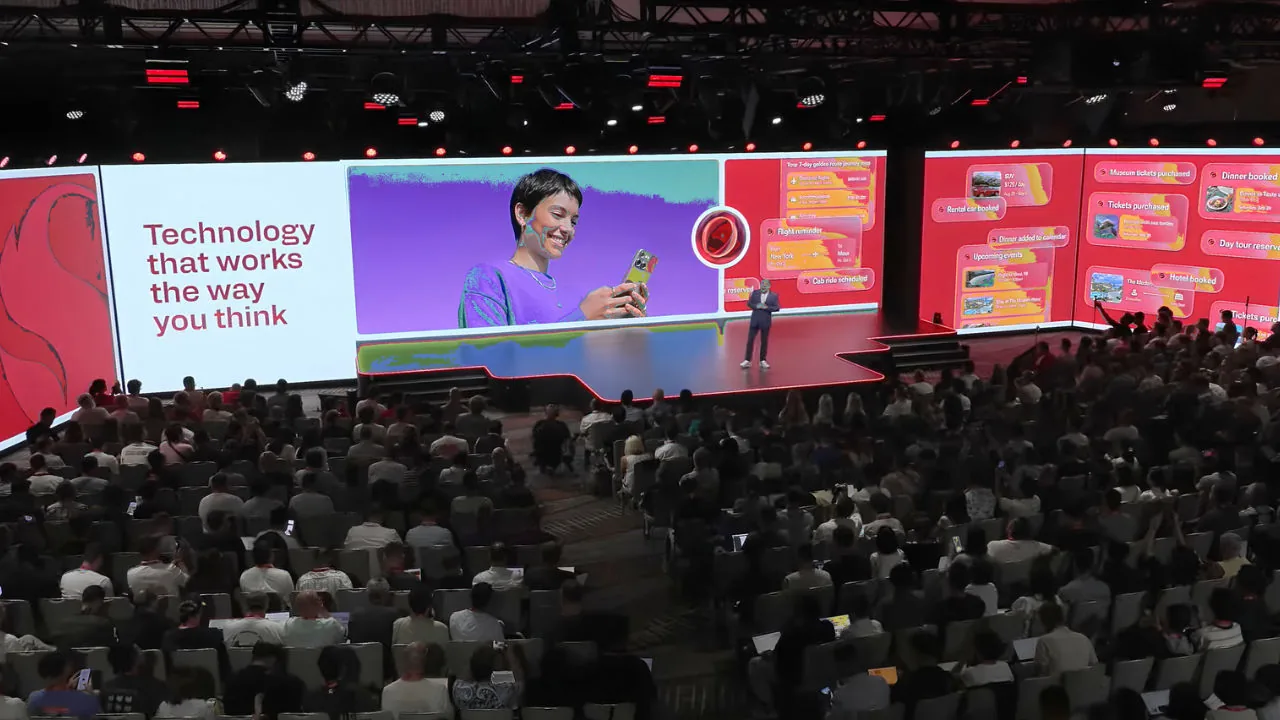
At the 2026 Snapdragon Summit in Maui, Hawaii, Qualcomm launched its first-ever dual flagship mobile platform strategy, unveiling the sixth-generation Snapdragon 8 Super Elite and Snapdragon 8 Elite. Both chips are built on a 2nm process and feature a custom Oryon CPU reaching 5GHz, the first mobile CPU to exceed that threshold. Qualcomm CEO Cristiano Amon declared a shift from phone-centric to agent-centric mobile experiences, with AI agents understanding user intent and executing tasks across devices. The company demonstrated a 30-billion-parameter MoE model running entirely on-device, partnering with Chinese firms StepFun, Wulianghuo, and Jiangbo Long. Xiaomi announced its 18 Pro series will be the global first to adopt the new platforms.
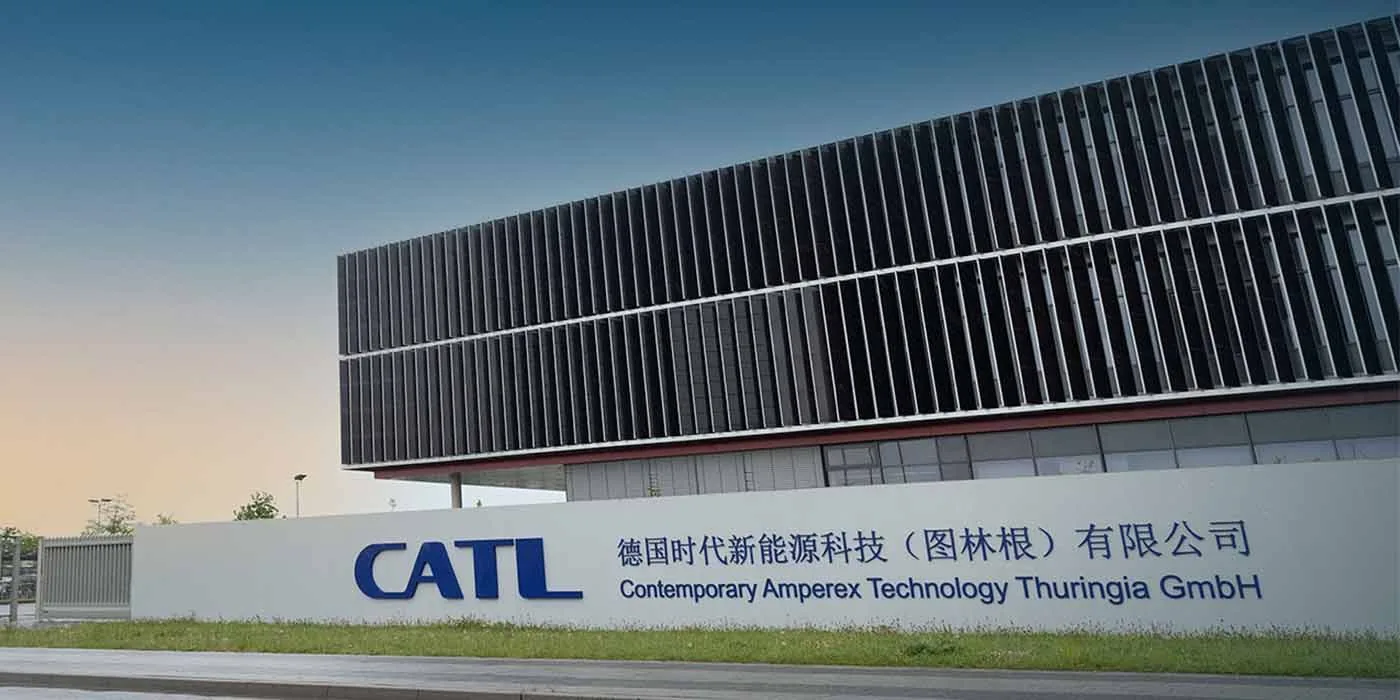
Chinese electric vehicle makers including Li Auto, Xiaomi, XPeng, Leapmotor, and Seres are expanding battery supplier lists beyond dominant supplier CATL, investing in or partnering with second-tier firms like Sunwoda and CALB. The trend, termed "de-CATLization" or "de-Ninghua," aims to reduce CATL's pricing power amid a profit imbalance where CATL's net profit more than doubled the combined profit of 15 major automakers in H1 2026. China's MIIT has rejected the narrative as a media-driven farce, while Citi Research confirms the trend is occurring but considers CATL oversold.
Hong Kong's Hang Seng Index rose over 1% on September 21, closing above the 25,000-point mark, driven by afternoon strength in tech stocks such as Xiaomi, Alibaba, and Tencent. However, total turnover fell to HK$202.73 billion, indicating reduced conviction behind the rebound. Short-selling remained near average levels at 13.46% of turnover. Analysts at CITIC Securities and Huatai Securities offered cautious outlooks, noting that the rally's sustainability is uncertain given high US bond yields near 5% and unresolved inflation risks. Defensive sectors like banks and oil outperformed, while growth-oriented AI hardware and gold miners declined.
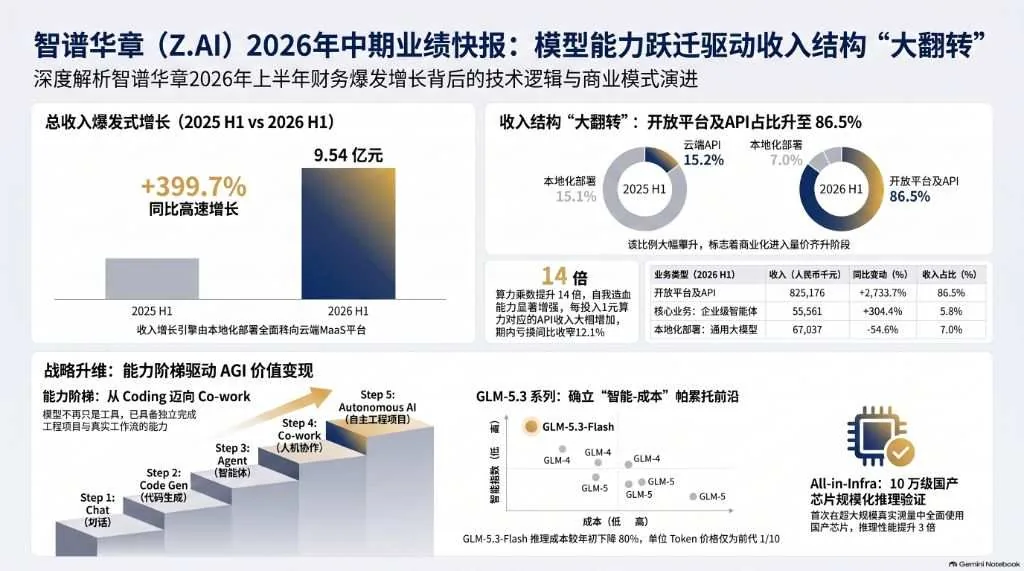
Chinese AI company Zhipu AI raised approximately $50 billion (400 billion HKD) in September 2026 through share placement and zero-coupon convertible bonds, primarily for next-generation GLM model development and computing infrastructure. Despite revenue surging 399.7% to 9.54 billion yuan in H1 2026, the company reported a net loss of 2.071 billion yuan. Zhipu's market capitalization fell from a peak of 1.33 trillion HKD to around 300-360 billion HKD amid an intensifying global AI model price war involving DeepSeek, Xiaomi, OpenAI, and Anthropic.
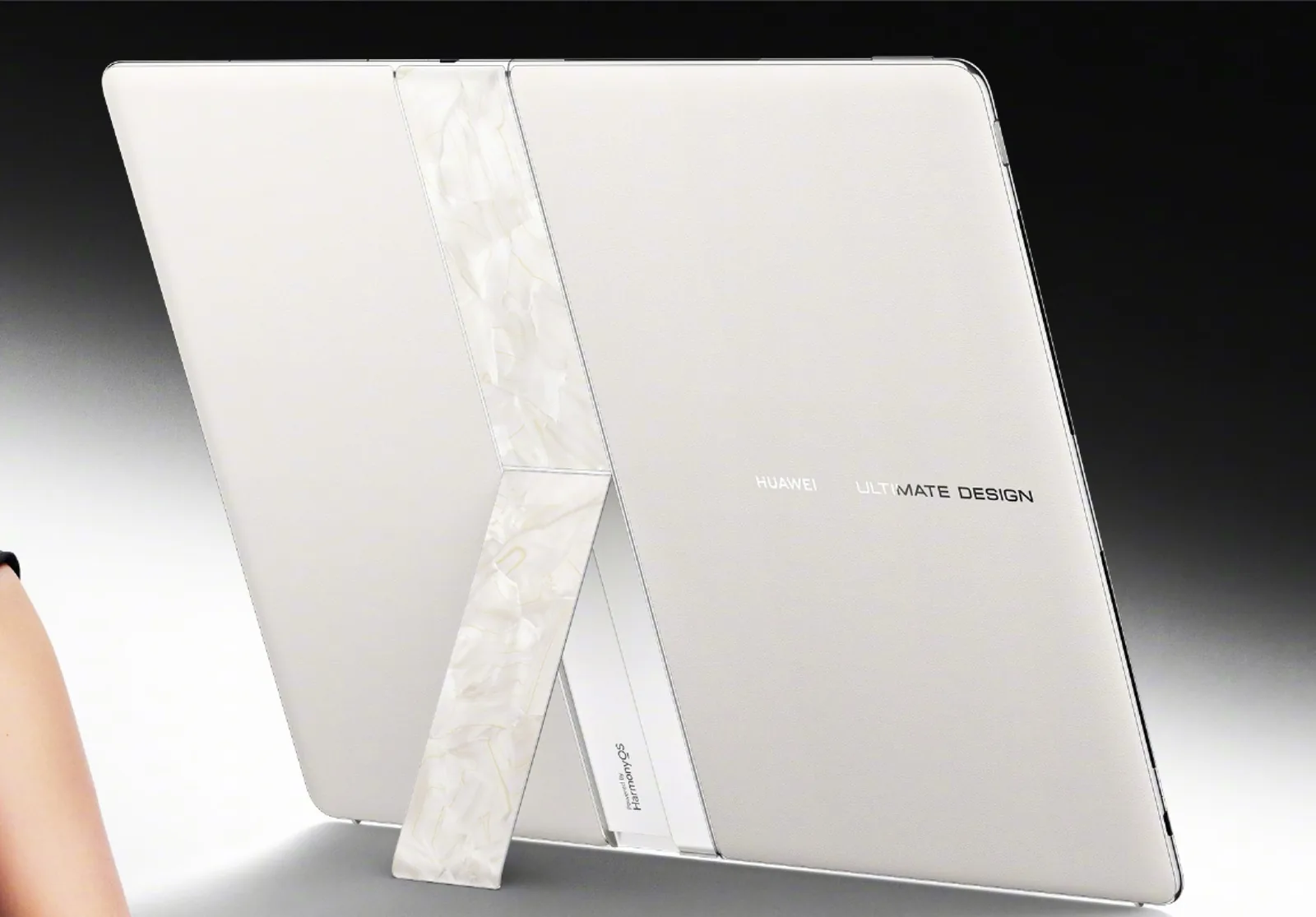
China's PC market grew 11% year-on-year in Q2 2026 to 11.4 million units, driven by a 42% surge in desktop shipments, according to Omdia. Huawei led growth with an 82% shipment increase, capturing 16% market share behind Lenovo's 32%. Tablet shipments fell 13% to 8 million units. Omdia forecasts full-year 2026 PC shipments will decline 6% and tablets 10%.
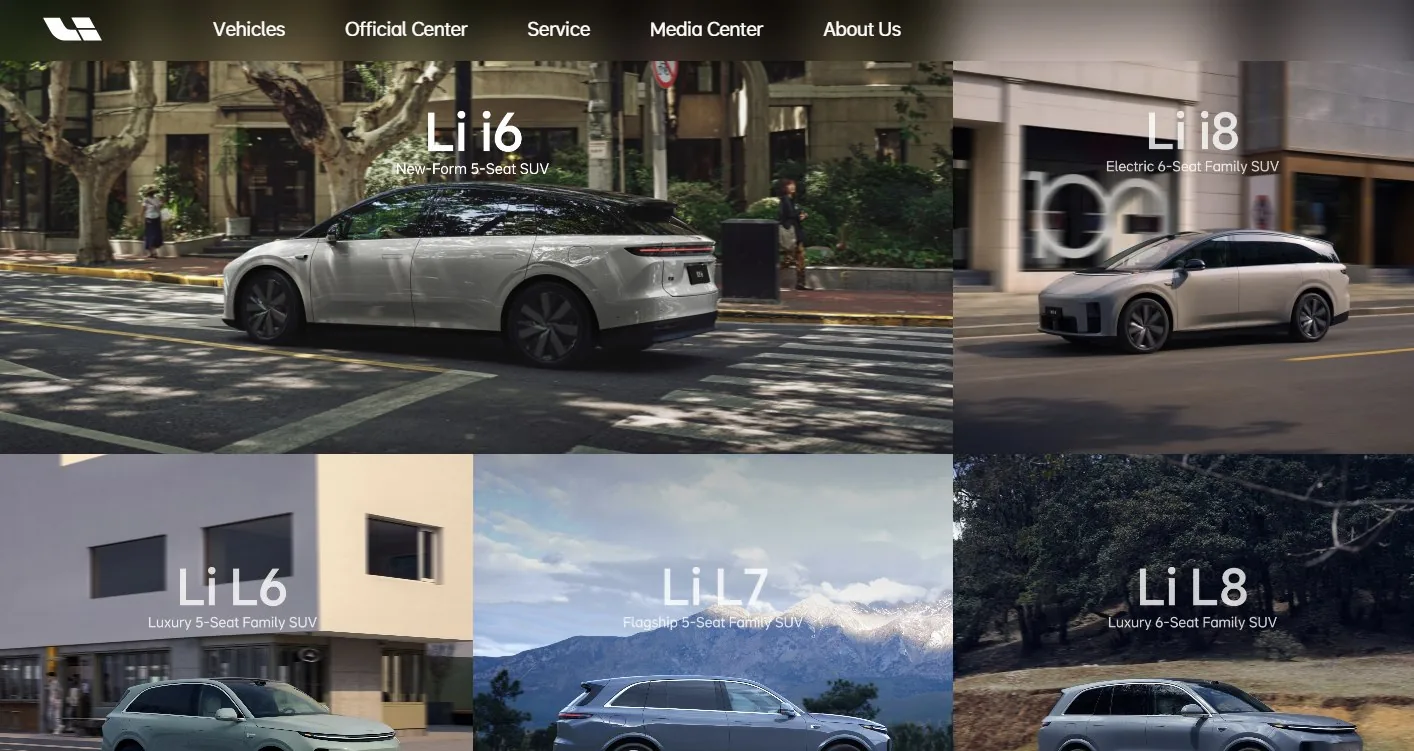
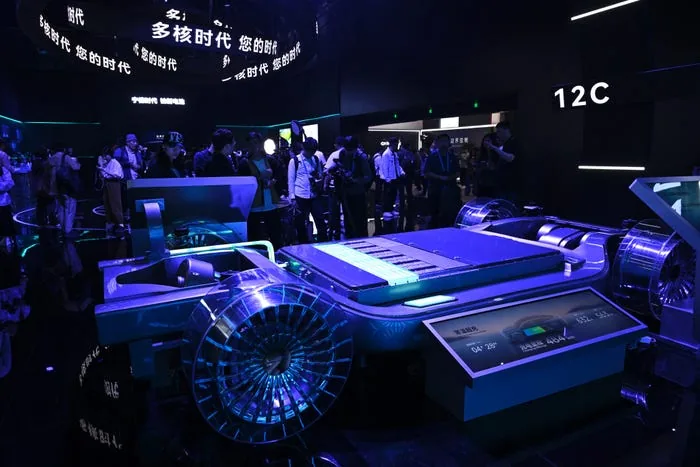
Li Auto executives outlined a battery strategy distinguishing self-research from in-house manufacturing. The company will self-develop and manufacture battery packs while designing cells but outsourcing mass production to partners like Sunwoda, in which it invested 2.65 billion yuan. The core goal is full data sovereignty across the battery value chain for safety, performance, and unified after-sales service. Li Auto is also developing 15C ultra-fast charging technology, with test vehicles on the road, and solid-state batteries, targeting small-scale production by 2027-2028.
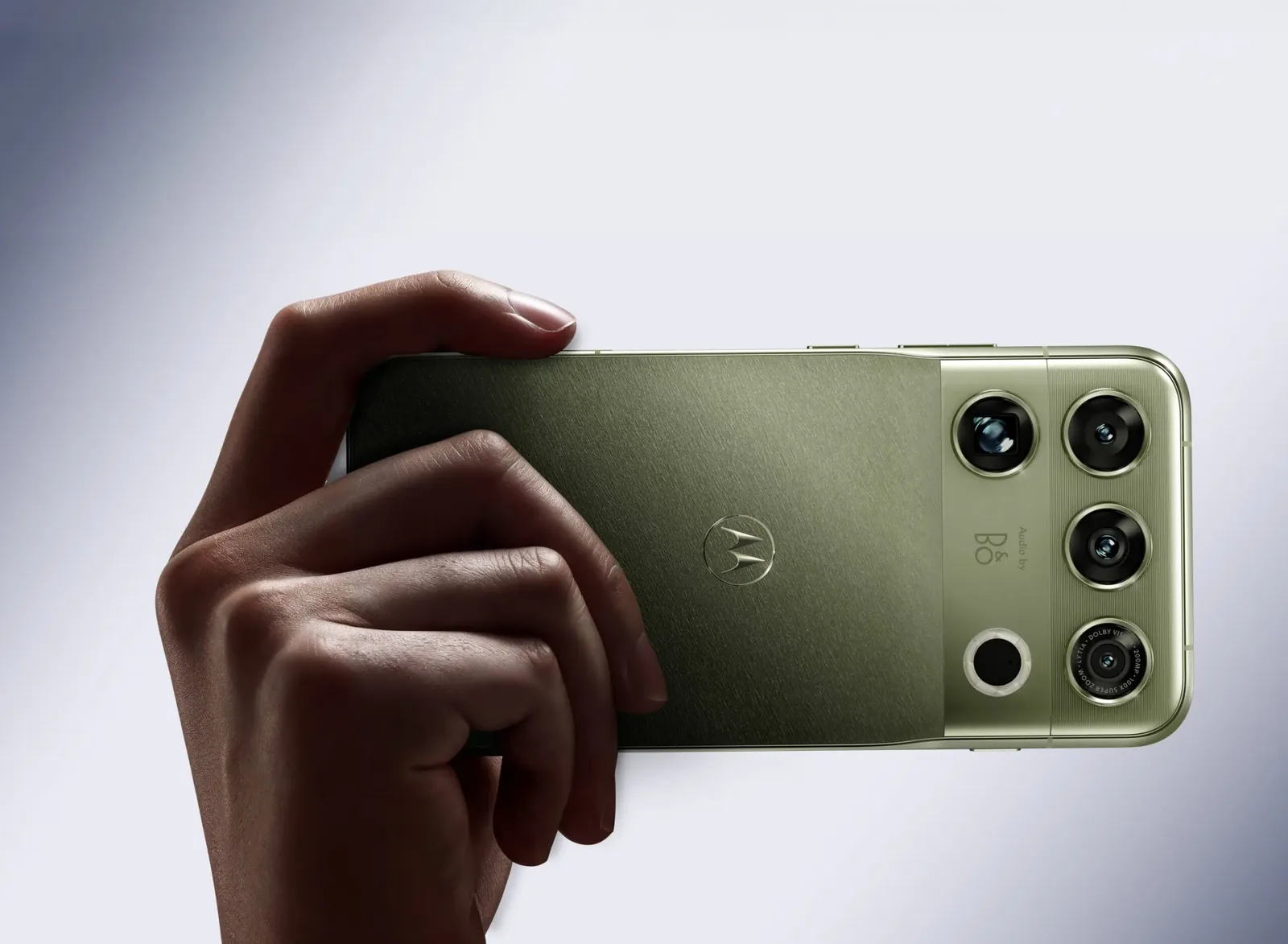
At the 2026 Snapdragon Summit in Hawaii, Qualcomm launched two sixth-generation Snapdragon 8 flagship mobile platforms—the Super Elite and Elite—both built on a 2nm process with custom Oryon CPU, new Adreno GPU, and Hexagon NPU. CEO Cristiano Amon declared the industry is moving to an "agentic AI era." OEMs including Xiaomi, vivo, OPPO, OnePlus, Motorola, and Honor will adopt the platforms. Qualcomm also announced partnerships with Google, Mastercard, and Douyin's phone assistant, and a collaboration with StepFun, Wulianghuo, and Longsys to optimize a 30B-MoE model for on-device inference.
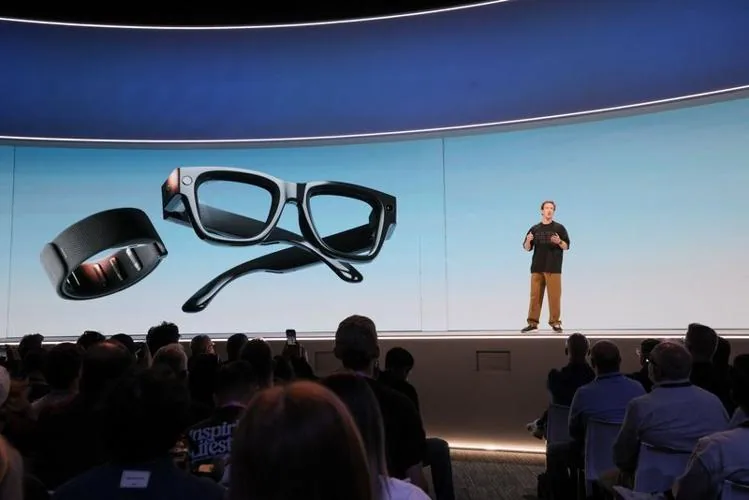
Global AI glasses shipments surged 263% year-on-year in the first half of 2026, driven by Meta's dominant 94% share of the display-less segment. Display-less models accounted for 96% of total shipments. The AR & AI glasses segment grew 449% from a small base, with Chinese manufacturers like Rokid, Even Realities, and Alibaba leading commercialization. The market remains supply-driven, with challenges including rising component costs and privacy concerns.
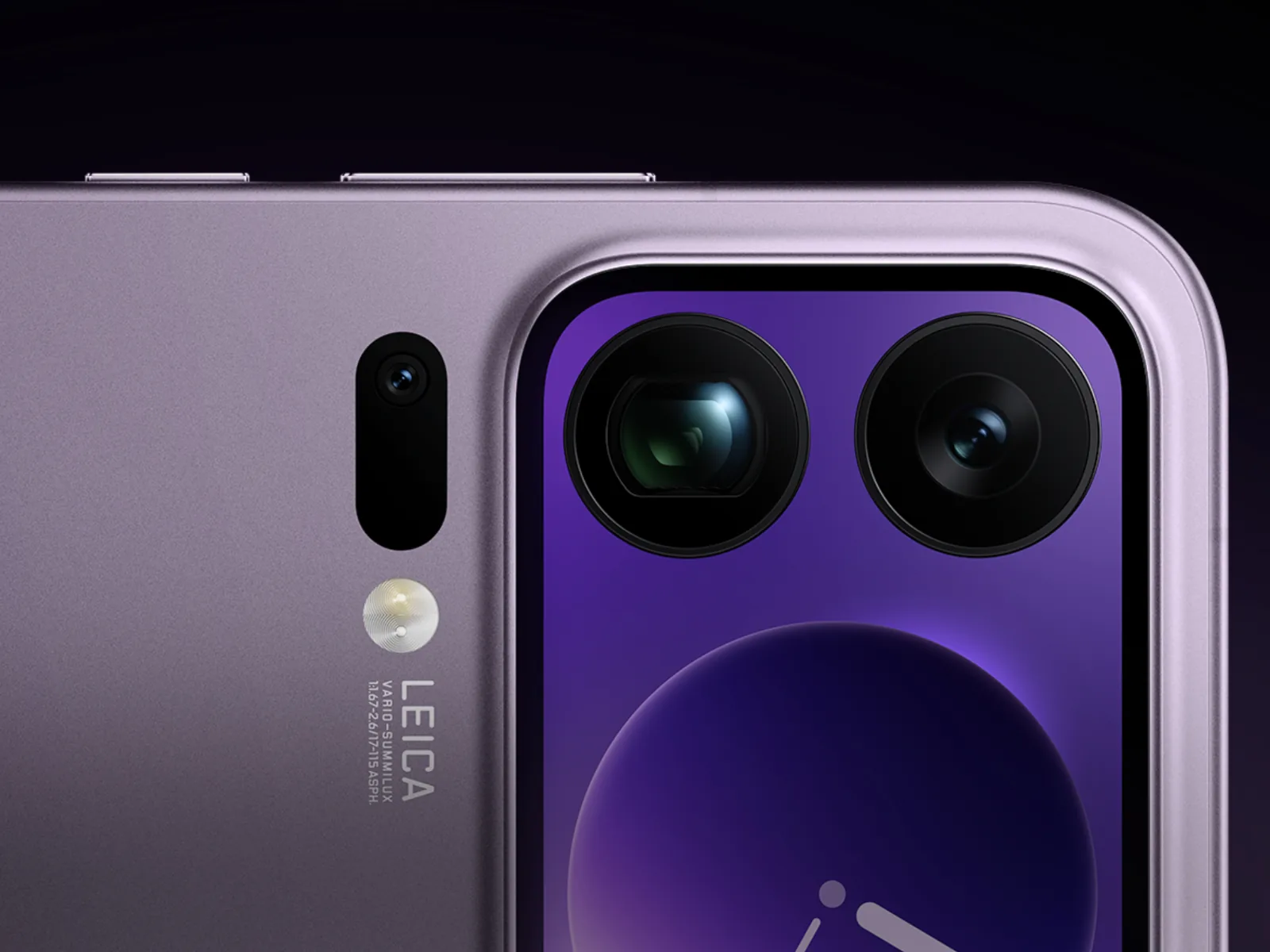
On September 23, Xiaomi held its autumn product launch in Beijing, unveiling the Xiaomi 18 Pro and 18 Pro Max smartphones, alongside tablets, wearables, and AI-enhanced home appliances. The series features Qualcomm's 2nm Snapdragon 8 Gen 6 chips, Leica dual 200MP cameras, hardware-level privacy screens, and the Super Xiao Ai 2.0 assistant powered by Xiaomi's MiMo large model. Pricing starts at 5,999 yuan for the Pro and 6,999 yuan for the Pro Max, a 1,000 yuan increase over the previous generation. Xiaomi President Lu Weibing stated the series marks the beginning of the company's comprehensive AI transformation of smartphones.
Multiple Chinese semiconductor supply chain companies, including Pioneer Precision, Kema Technology, Hengyunchang, and Biwin Storage, reported record order backlogs and strong revenue growth in the first half of 2026, driven by AI demand and domestic substitution efforts. Pioneer Precision's orders surged over 80% year-on-year, while Biwin Storage's AI edge storage revenue jumped 433.58%. Global semiconductor revenue exceeded $425 billion in Q2 2026, up 31.4% quarter-on-quarter, according to Omdia.
On September 22-23, 2025, Anthropic released Claude Opus 5.5, claiming Fable 5.1-level performance at 40% lower cost than Opus 5, while OpenAI launched GPT-6 Sol and GPT-6 Luna with API prices 50% lower than predecessors. Both companies emphasized cost efficiency and safety improvements, with Anthropic planning additional 5.5 series models and OpenAI positioning Sol and Luna as affordable alternatives to its flagship Astra model.
Xiaomi Group repurchased 1.9 million Class B shares on September 25, 2024, for HK$50.1 million, according to a Hong Kong Stock Exchange filing. This follows a September 23 buyback of 2.4 million shares for HK$62.4 million and a September 22 buyback of 1.8 million shares for HK$48.9 million. The transactions are part of the company's ongoing capital management strategy.
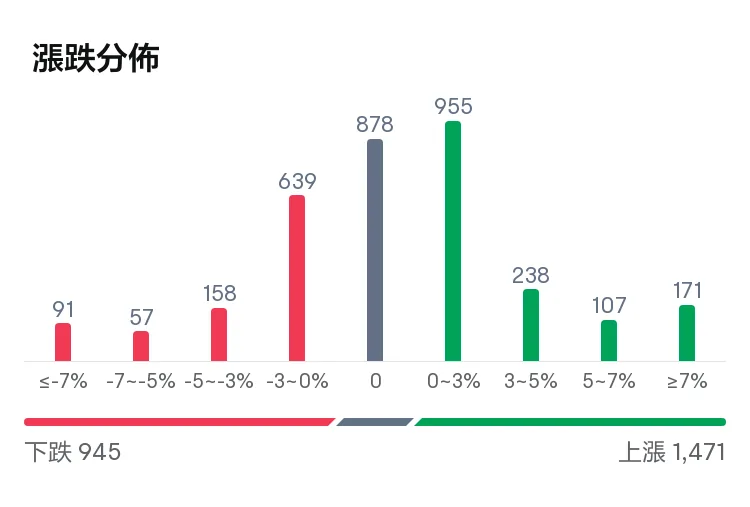
Hong Kong stocks fell on September 25, with the Hang Seng Index closing down 1.01% at 24,510.09 points, as the Mid-Autumn Festival holiday closed the Stock Connect channel, reducing trading volume to HK$102.2 billion. The Hang Seng Tech Index dropped 1.13%. The innovative drug sector rallied, led by Genscript Biotech, which surged over 8% to a record high. Separately, Huanchuang Technology's Hong Kong IPO was oversubscribed by about 3,551 times, with listing set for September 30. Tech, oil, and auto stocks broadly declined.
Hong Kong stocks fell on September 25, 2025, with the Hang Seng Index closing down 1.01% at 24,510.09 and the Tech Index dropping 1.13%. Trading volume shrank to HK$102.2 billion due to the Mid-Autumn Festival holiday closure of the Stock Connect. The innovative drug sector bucked the trend, led by Genscript Biotech surging over 8% to a record high. Tech, property, and oil stocks broadly declined.
Hong Kong's three major stock indices fell sharply on September 25, with the Hang Seng Index dropping 1.17% to 24,470 points, its lowest in two months. The sell-off was driven by hawkish Federal Reserve comments that raised expectations for an October rate hike to nearly 71%, and a surge in US Treasury yields. High-valuation tech and AI stocks were hit hardest. The decline was amplified by the absence of southbound Stock Connect trading due to a Chinese holiday.
US stock indexes closed mixed on September 24, with the Dow down 0.31%, the S&P 500 flat, and the Nasdaq up 0.01%. Memory chip stocks led declines, with ARM dropping nearly 8% and Western Digital falling nearly 5%. Meta surged 4.5% to a one-year high after launching a handheld AI device called Muse Charm. Intel gained nearly 4% on a reported collaboration with Alibaba Cloud. International oil prices rose sharply, with Brent crude up 3.41% to $106.60 per barrel.
On September 22, 2025, Xiaomi released and open-sourced its MiMo-V2.6 series of AI models, including the Pro and Flash variants. The MiMo-V2.6-Pro scored 46 points on the Artificial Analysis Intelligence Index, ranking first among open-weight models globally, surpassing Kimi K3 and Qwen3.8 Max. The model costs $0.13 per Intelligence Index task, with API pricing unchanged from the V2.5 series. The reinforcement learning post-training cost $3.47 million over six days. Xiaomi also open-sourced the model weights, technical report, and training code.
CATL’s stock has fallen 35% from its May high, erasing 700 billion yuan in market value, despite strong profit growth. The decline is driven by a “de-CATL” trend where major Chinese automakers like Li Auto, Xiaomi, and Geely are diversifying battery suppliers or developing in-house batteries to reduce dependency, cut costs, and reclaim product control. CATL retains a dominant market share and manufacturing advantages, but faces a structural shift from monopoly to competitive leader.
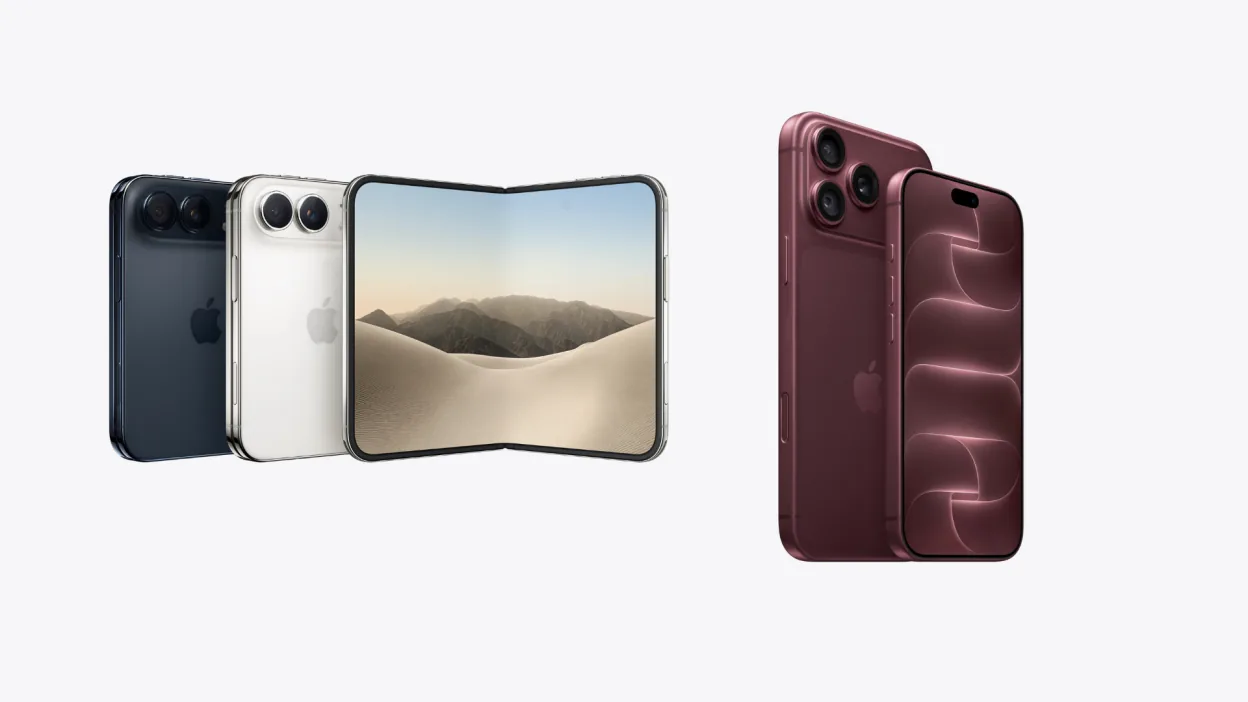
On September 10, 2026, Apple launched its first foldable smartphone, the iPhone Duo, priced from 15,999 yuan in China with a 7.6-inch unfolded display. Counterpoint Research forecasts Apple will capture 25% of the global foldable market in its first year, with Samsung at 38% and Huawei at 22%. The entry is expected to accelerate industry consolidation, with the top five manufacturers projected to command over 85% of the market by 2027. Chinese rivals Huawei, Xiaomi, OPPO, and vivo launched competing models within 72 hours of Apple's announcement.
Qualcomm launched two flagship mobile platforms, the Snapdragon 8 Elite Gen 6 and Snapdragon 8 Elite Extreme Gen 6, at its Snapdragon Summit in Maui, Hawaii. Both chips are built on TSMC's 2nm process and feature Qualcomm's custom Oryon CPU with clock speeds up to 5GHz. The chips are designed for on-device agentic AI, with the Extreme version capable of running over 30-billion-parameter AI models locally. Xiaomi, Motorola, and other Android manufacturers are confirmed partners.
On September 22, the All-China Federation of Industry and Commerce released the 2026 China Top 500 Private Enterprises list in Tianjin, based on 2025 revenue data from 6,350 firms. JD.com, Alibaba, and Hengli Group led the ranking. The top 500 firms reported total revenue of 44.93 trillion yuan (up 4.35%), net profit of 1.83 trillion yuan (up 1.31%), and tax payments of 1.30 trillion yuan. 254 firms paid over 1 billion yuan in taxes. Zhejiang had the most listed firms (104), followed by Jiangsu (90) and Shandong (51).
On September 22, the All-China Federation of Industry and Commerce released the 2026 China Top 500 Private Enterprises list in Tianjin. JD.com, Alibaba, and Hengli Group secured the top three spots for the fifth consecutive year. The survey included 6,350 firms with 2025 revenues over 10 billion yuan. The top 500 reported total revenue of 44.93 trillion yuan (up 4.35% year-on-year), net profit of 1.83 trillion yuan (up 1.31%), and tax payments of 1.30 trillion yuan. 110 companies exceeded 100 billion yuan in revenue.
On September 22, the All-China Federation of Industry and Commerce released the 2026 China Top 500 Private Enterprises list, based on 2025 revenue data from 6,350 firms. Total revenue reached 44.93 trillion yuan, up 4.35% year-on-year, while net profit grew 1.31% to 1.83 trillion yuan. The entry threshold fell to 255.99 billion yuan. Manufacturing firms accounted for 70.6% of the list. R&D spending totaled 1.26 trillion yuan. The real estate sector shrank sharply, while new energy firms surged.
Chinese component maker O-Film has secured an order to supply next-generation periscope telephoto camera modules for Xiaomi's 18 Pro and 18 Pro Max smartphones, according to industry supply chain sources. The modules use an internal focusing solution for clear high-zoom focusing while maintaining a slim design. Xiaomi launched the 18 Pro series on September 23, featuring a Leica triple-camera system with 200-megapixel sensors. O-Film previously supplied modules for Xiaomi's 17 Pro Max.
On September 22-23, OpenAI released GPT-6 Sol and GPT-6 Luna, two new AI models with API prices permanently reduced by 50% compared to GPT-5.6 promotional pricing. GPT-6 Sol costs $2 per million input tokens and $10 output; GPT-6 Luna costs $0.10 input and $0.50 output. The models are available to Plus, Pro, Business, and Enterprise users via ChatGPT Work and Codex, but not yet in standard chat. Anthropic simultaneously launched Claude Opus 5.5 with similar cost reductions, escalating the AI token price war.