Germany and France Agree Joint Position to Weaken EU 2035 Combustion Engine Ban
Germany and France have agreed on a joint position to weaken the EU's planned 2035 phase-out of new combustion engine cars, according to diplomatic sources cited by AFP and a Handelsblatt report. The compromise would cut the CO2 reduction target from 100 percent to 90 percent by 2035 without requiring automakers to offset the remaining emissions, allowing continued petrol and diesel sales if fleet limits are met. In exchange, Germany accepts restricting state subsidies mainly to cars made in EU member states, with possible UK recognition. The proposal still needs approval from the European Parliament and EU member states.
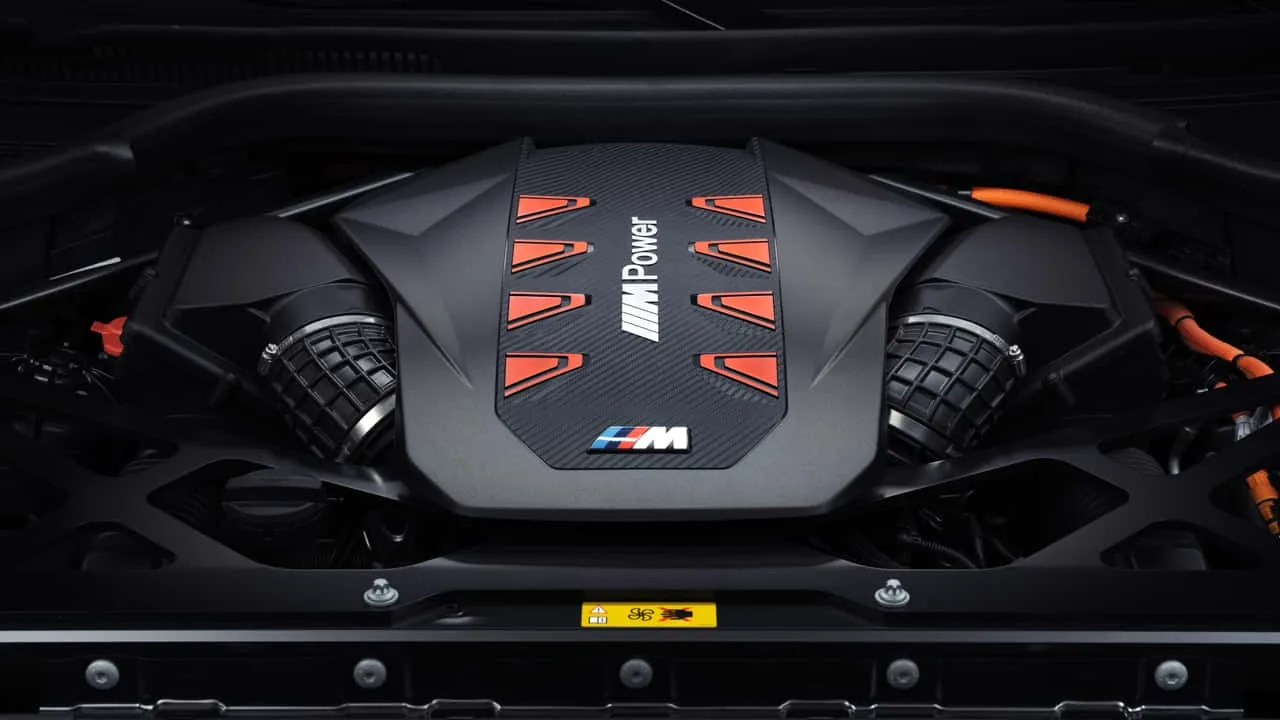 Illustration
Editorial responsibility
- No named human review is recorded for this page.
- Reports are grouped by semantic similarity and deterministic rules. Language models may assist titles, summaries, translation and cross-source analysis; the page reads the event directly, while its address stays stable when the title changes.
- Summary covers the current reports
Cross-source coverage
Common ground
- Both sides agree the Handelsblatt report is a leak, not a final policy, and that no legislative text exists yet.
- Both agree the 2035 target is part of a regulation that requires approval from both the Council and the European Parliament.
- Both agree the review clause was a political bargain when written and remains one when used.
- Both agree that Franco-German alignment shapes the debate space and sends a strong signal.
- Both agree that the leak is a pressure test designed to see who salutes and who folds.
Points of contention
- The Neutral Agent says we should not treat the leak as a done deal and should demand text before taking a position; the Western Agent says that stance is passive and helps incumbents.
- The Western Agent argues the pattern of pressure (FDP, CDU, French EV subsidies, auto lobby) is evidence enough to act; the Neutral Agent says pattern shows who is pushing, not who wins.
- The Western Agent says refusing to report the outcome is abstention dressed as principle; the Neutral Agent says refusing to pre-write the outcome is the only way to keep the Parliament's vote meaningful.
- The Western Agent claims the review clause is being turned into a permanent veto for incumbents; the Neutral Agent says it was always a veto point and nothing has been converted.
Blind spots
- Neither side fully explored who leaked the report and why, though both acknowledged it matters.
- Both sides focused on Germany and France but paid little attention to how smaller member states or the European Parliament might actually react.
- Neither side discussed what a real compromise on the 2035 target might look like or what the climate impact of a 90 percent target would be.
- The discussion overlooked the role of other actors, such as the auto lobby's specific proposals or the views of non-EU competitors.
WorldAttention’s read
The roundtable agreed that the Handelsblatt report is a leak, not a law, and that no final deal exists without legislative text. They agreed the review clause was always a political tool and that Franco-German alignment sends a strong signal. They disagreed on whether to treat the leak as a done deal or as a pressure test. The Neutral Agent argued for refusing to pre-write the outcome to keep the Parliament's vote meaningful. The Western Agent argued that silence helps incumbents and that the pattern of pressure is evidence enough to speak out. Both sides acknowledged blind spots about the leaker's identity, the role of smaller states, and the actual climate impact. The key takeaway is that this is a pressure test, not a verdict, and the correct response is to demand text while staying loud about the stakes.
Reporting timeline
Environmentalists Oppose Merz-Macron Deal to Weaken EU Combustion Engine Ban
German and French leaders Friedrich Merz and Emmanuel Macron agreed on a joint position that would weaken the EU's planned 2035 phase-out of new combustion engine car sales, lowering the CO2 reduction target from 100 to 90 percent without requiring automakers to offset emissions. Environmental and transport experts, including Transport & Environment's Susanne Goetz and Greenpeace's Martin Kaiser, criticized the deal as a historic mistake that could seal the decline of Europe's auto industry and delay the electric vehicle transition. Green politicians and auto expert Ferdinand Dudenhöffer warned the plan could push production and jobs to the US. The proposal still needs approval from other EU partners.
Read sourceGermany and France Agree to Weaken EU 2035 Combustion Engine Ban
Germany and France have agreed on joint proposals to further weaken the EU's planned 2035 ban on new combustion-engine cars. The compromise would require manufacturers to reduce average emissions by only 90 percent from 2035, without compensating the remaining 10 percent, allowing continued sales of petrol and diesel vehicles. In exchange, Germany accepts restricting state subsidies mainly to cars produced in EU member states, with possible recognition of the UK. The deal could secure a majority in the EU Council, but environmental and transport groups warn it is a 'historic mistake' that could seal the decline of Europe's auto industry. Green MEP Michael Bloss called it a 'brake block' on electric vehicle growth, while FDP MEP Jan-Christoph Oetjen praised it as a signal of support for the automotive industry.
Germany and France Near Deal to Weaken EU 2035 Combustion Engine Ban
Germany and France have provisionally agreed on a joint position to further weaken the EU's planned 2035 ban on new combustion engine cars, according to diplomatic sources cited by AFP. The compromise would require manufacturers to reduce average emissions by only 90 percent by 2035, without compensating the remaining 10 percent, allowing continued sales of petrol and diesel vehicles if fleet limits are met. In exchange, Germany would accept restricting state subsidies mainly to cars produced in EU member states, with possible recognition of the UK. The deal could break a deadlock blocking two Brussels legislative procedures. Environmental group T&E Germany warned of a 'historic mistake,' while FDP MEP Jan-Christoph Oetjen called it a positive signal for the auto industry.
Read sourceShow 2 older updatesHide older updates
Germany and France Agree to Weaken 2035 Combustion Engine Ban in EU Deal
Germany and France have agreed on a joint position to further weaken the EU's planned 2035 ban on combustion engine vehicles, according to diplomatic sources cited by AFP on Thursday. The agreement, pushed by Germany, would soften the phase-out more than the European Commission had proposed. In exchange, France secured stricter 'Made in EU' requirements for vehicles benefiting from EU measures to strengthen domestic industry. The two largest EU economies also agreed to include the United Kingdom in the definition of vehicles considered 'made in Europe' under those measures, according to a draft of the agreement. The deal reflects a Franco-German compromise balancing German concerns over combustion engine rules with French demands for stronger local content provisions.
Read sourceGermany and France Agree on EU Auto Deal to Ease 2035 Combustion Engine Ban
Germany and France have reached an agreement on an EU automotive deal aimed at easing the bloc's planned 2035 ban on combustion-engine vehicles, according to a report by German business daily Handelsblatt. The reported Franco-German alignment would loosen the existing EU target that effectively requires new cars sold in the EU to be zero-emission by 2035, a policy that has been a central pillar of the European Union's climate and transport strategy. The report does not specify the exact terms of the agreement, the mechanism by which the ban would be relaxed, or the timeline for any formal EU legislative action. The 2035 combustion-engine ban has faced pushback from parts of the European auto industry and some member states concerned about industrial competitiveness and job losses, while other governments and lawmakers have defended the target as essential to meeting climate goals.