Reporting on this entity comes mostly from Western sources (source distribution, not a stance rating).
89%
Western674 · 89%
Regional5 · 1%
Neutral / independent52 · 7%
Eastern23 · 3%
Latest Stories
Reader quick takes
0 takes
Loading reader quick takes…
Periodic recap
What changed for this subject in each tracking window — generated from matched events, delta-first.
· 1 event in window
The only Merz-related development this period came from the coalition's budget negotiations: the CDU/CSU Union and SPD failed to agree on financing the electricity tax cut in the 2027 budget, with Union parliamentary leader Thorsten Frei saying the cut is postponed, possibly to early 2028. Reports also noted the plastics tax was shelved and the sugar tax delayed to 2028, while the SPD blocked cuts to family and housing benefits. More than 30 Union MPs voiced anger at a special session, with Paul Ziemiak warning the party is losing all credibility; the event did not directly involve statements by Merz himself.
The CDU/CSU Union and SPD failed to agree on financing the electricity tax cut in the 2027 budget talks; Union parliamentary leader Thorsten Frei said the cut is postponed, possibly to early 2028.
The coalition shelved the planned plastics tax and delayed the sugar tax to 2028, while the SPD blocked cuts to family and housing benefits.
More than 30 Union MPs reportedly voiced anger at a special session, with Paul Ziemiak warning the party is "losing all credibility."
Earlier recaps
· 1 event in window
The only Merz-related development this period was his reaction to the nomination of Ilse Aigner as the CDU/CSU candidate for German federal president. A day after her nomination, Aigner introduced herself to the CDU/CSU, SPD and Greens Bundestag parliamentary groups and declined an AfD invitation; Merz and CSU leader Markus Söder welcomed the prospect of broad support that could secure a large majority in the Federal Assembly. Beyond that, there were no other new developments concerning Merz himself.
· 1 event in window
There was again no Merz-specific development this period. The only matched event was the Russia-Ukraine-US trilateral talks in Abu Dhabi on November 10, the first since February; Ukrainian negotiators consulted European allies including Germany beforehand, but the reporting made no mention of any statement or role by Merz himself. As in the previous digest, there were no new Merz developments to track.
· 1 event in window
There was no Merz-specific development this period. The only matched event was the shooting in Krakow's Main Market Square, which killed six people and injured at least 15, and has no connection to Merz. The federal presidential nomination consultations mentioned in the previous digest again saw no follow-up coverage, and Merz made no new statements or moves.
· 1 event in window
There was no Merz-specific development this period: the only matched event was a Russian strike on an aid centre in the village of Komyshuvakha in Ukraine's Zaporizhzhia region, which has no connection to Merz. The federal presidential nomination consultations reported in the previous digest saw no follow-up coverage, and Merz made no new statements or moves.
· 1 event in window
A substantive Merz-related development emerged this period: he committed to nominating a female centrist to succeed Frank-Walter Steinmeier as federal president, telling CDU district chairmen in Berlin that "it must be a woman." Unlike the previous period, which lacked any statement from Merz himself, this marks the start of nomination consultations: Merz plans talks with CDU state chairmen, minister-presidents, the presidium and the CSU, followed by contacts with the SPD and Greens after a November 9 presidium meeting to build broad support in the Federal Assembly. The reporting comes from a single source, and the candidate remains under discussion, with CSU leader Söder proposing Bavarian State Parliament President Ilse Aigner and Karin Prien and Julia Klöckner also mentioned.
Tracked events
Events matched to this subject by the tracking pipeline, with signal scores.
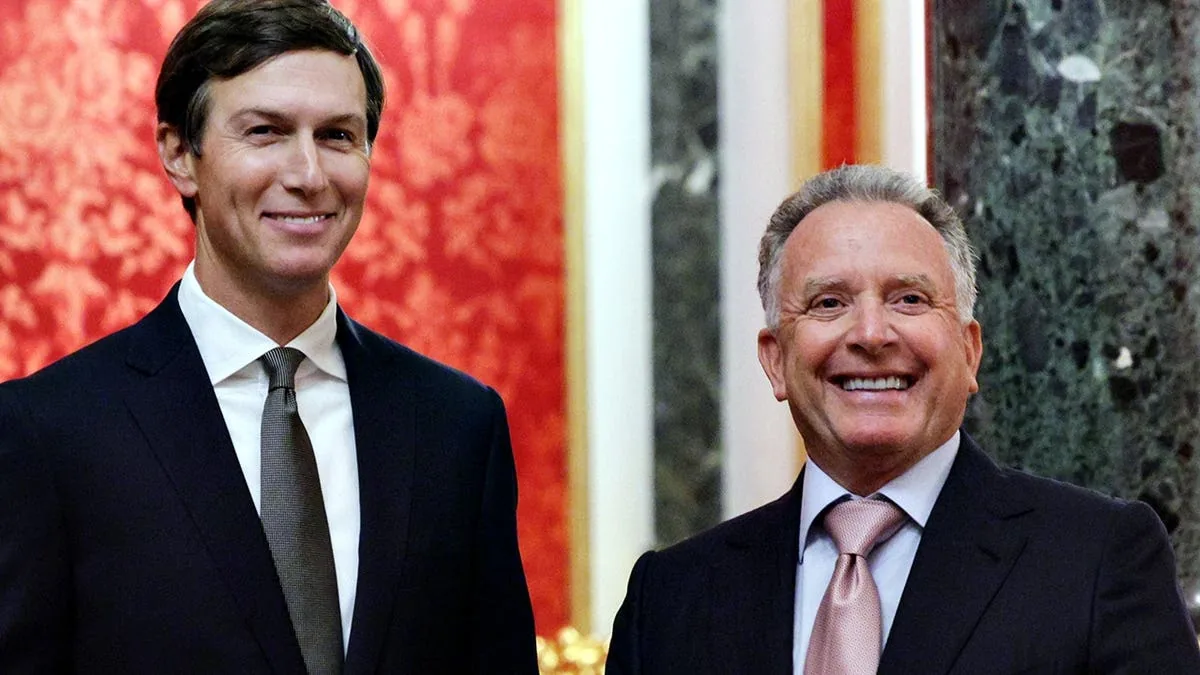
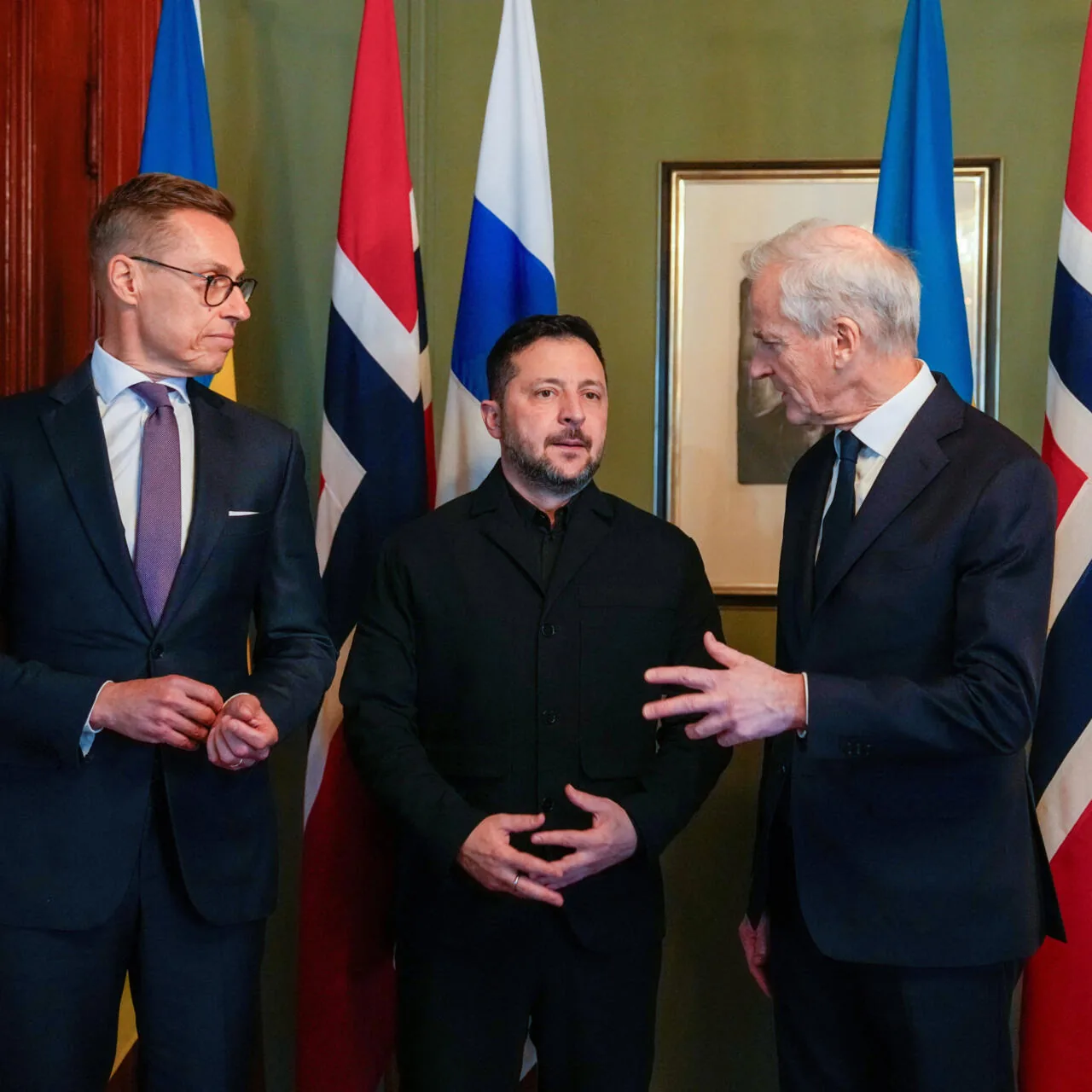
Trilateral talks between the United States, Russia and Ukraine were held in Abu Dhabi on November 10-11, 2026, the first direct negotiations since February. The two days ended without a breakthrough on a ceasefire or territory, though the sides agreed in principle to a large-scale prisoner exchange. US envoys Jared Kushner and Steve Witkoff then flew to Moscow to brief Vladimir Putin, who insisted his territorial demands were unchanged and rejected European troop deployments, before traveling to Dublin to meet Volodymyr Zelensky and European leaders.
Germany's CDU/CSU Union and SPD coalition failed to agree on financing a promised cut to the electricity tax, leaving the measure unfunded despite its inclusion in the coalition agreement. Union parliamentary leader Thorsten Frei said the cut is postponed, possibly to early 2028, while the plastics tax was scrapped and the sugar tax delayed to 2028. The SPD secured reversals of planned cuts to housing benefits and the child supplement. More than 30 Union MPs criticized the outcome, with Paul Ziemiak warning the party is "losing all credibility."
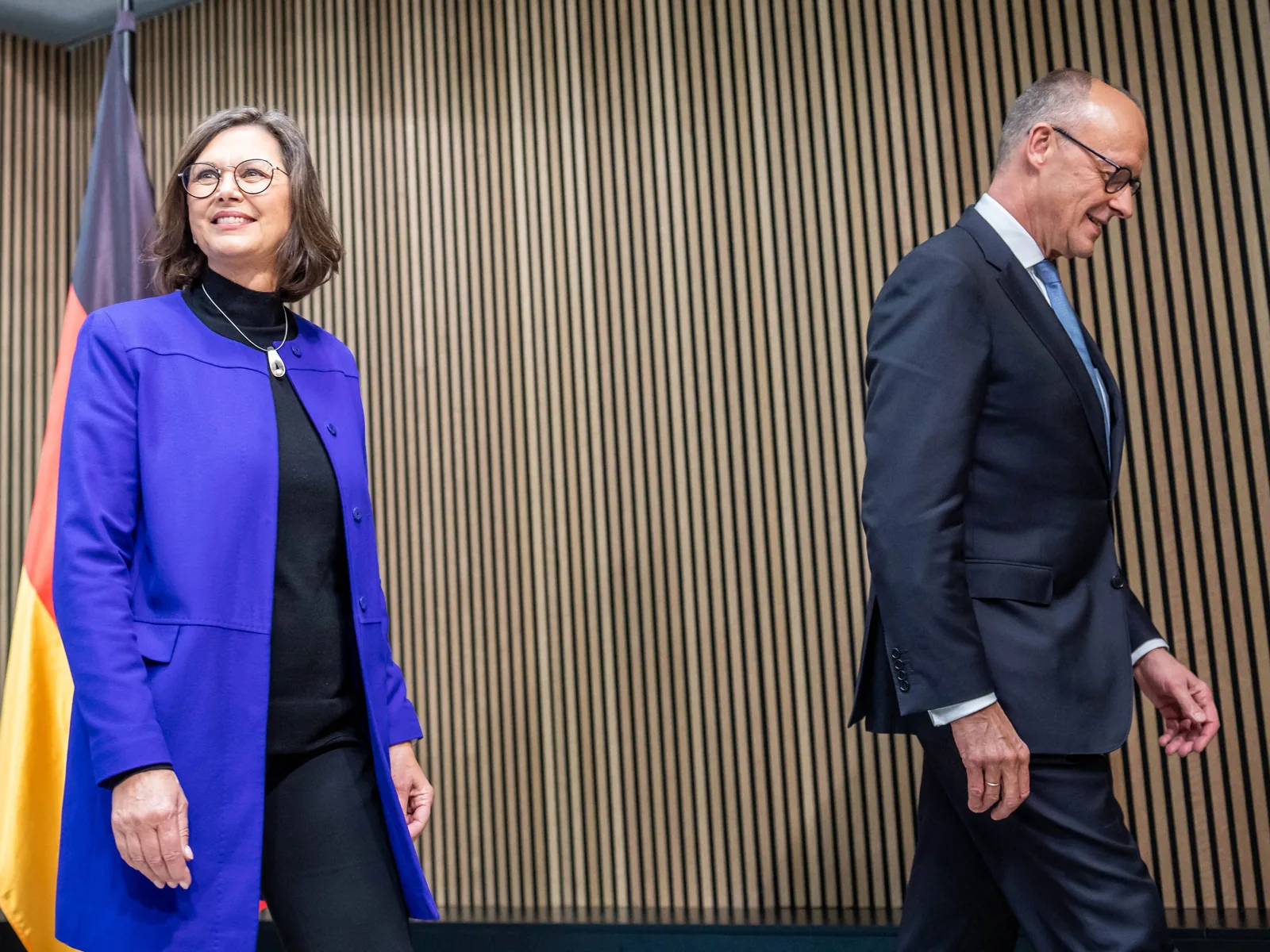
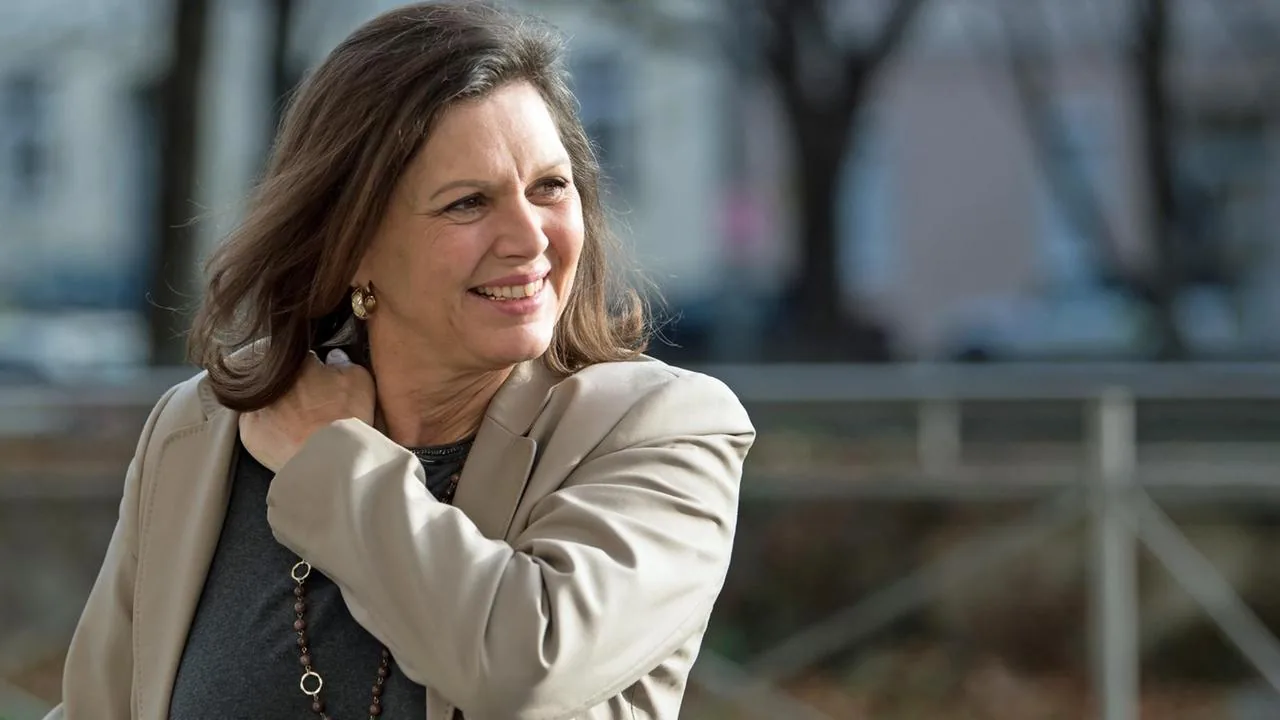
One day after her nomination as the CDU/CSU candidate for German federal president, CSU politician Ilse Aigner presented herself to the CDU/CSU, SPD and Greens Bundestag parliamentary groups on Tuesday. She declined an AfD invitation after AfD MP Beatrix von Storch called her nomination a "poor testimonial." Chancellor Friedrich Merz and CSU leader Markus Söder welcomed broad support that could secure a large majority in the Federal Assembly, which elects the successor to Frank-Walter Steinmeier on January 30, 2027. The AfD accused Aigner of lacking impartiality; the Left Party said it had not invited her.
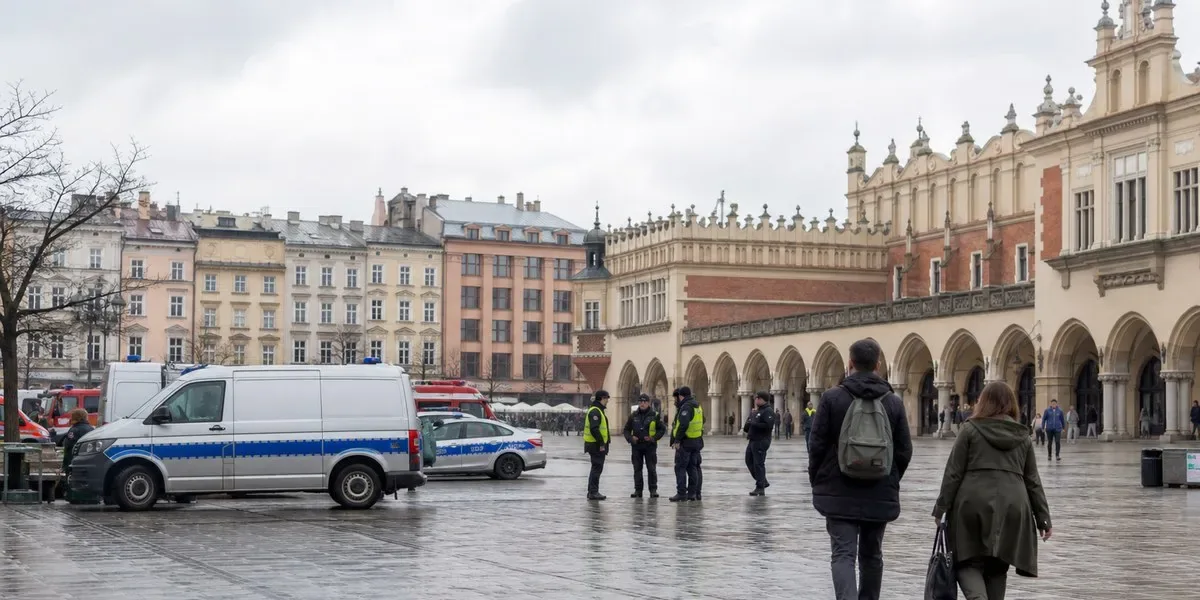
A 24-year-old Polish man opened fire on crowds in Krakow's Main Market Square on Saturday afternoon, killing six people and injuring 16, including two police officers and foreign nationals. Police shot and wounded him within minutes; he died in hospital on Monday. Three more bodies—his parents and sister—were found at the family home in Ostrowiec Świętokrzyski, bringing the total to nine dead. Prosecutors opened a terrorism investigation; the interior minister cited a fascination with far-right ideologies, though motive remains under investigation. Poland observed two days of national mourning.
German Chancellor and CDU leader Friedrich Merz officially nominated Bavarian state parliament president Ilse Aigner (CSU) as the governing coalition's candidate for federal president, succeeding Frank-Walter Steinmeier. The CDU board approved the proposal with prolonged applause in Berlin. The SPD presidium and Greens leadership endorsed Aigner, citing her experience and ability to bridge party divides. The CDU, CSU and SPD hold a roughly 50-vote majority in the Federal Assembly, making her election on January 30, 2027 highly likely. If elected, the 61-year-old would become Germany's first female federal president and the first from the CSU. The AfD plans its own candidate, while the Left criticized the coalition's closed selection process.
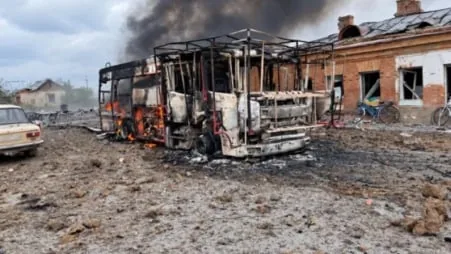
Russian aerial bombs struck a school used for humanitarian aid distribution and a nearby shelter in the village of Komyshuvakha in Ukraine's Zaporizhzhia region on Monday, killing dozens of people, according to Ukrainian officials. President Volodymyr Zelensky said nine bombs were dropped, with a second strike hitting people who had taken cover after the first. Casualty figures rose through the week, from 18 to 40 confirmed dead, with more than 30 feared under the rubble. Russia's military has not publicly commented; the Defense Ministry separately claimed a strike targeted Ukrainian military personnel. The attack came days before trilateral talks in Abu Dhabi.
A Renfe high-speed train struck a stationary Iryo train near Urda in Toledo province, Spain, on 28 October 2026, killing at least 69 people and injuring dozens. Investigators focused on an LZB signalling failure and control-centre instructions that cleared the Renfe train to proceed at speed despite the stalled train ahead. The government approved rail safety measures and a €30 million aid package, and Transport Minister Óscar Puente resigned on 3 November amid opposition pressure over the second serious crash in under a year.
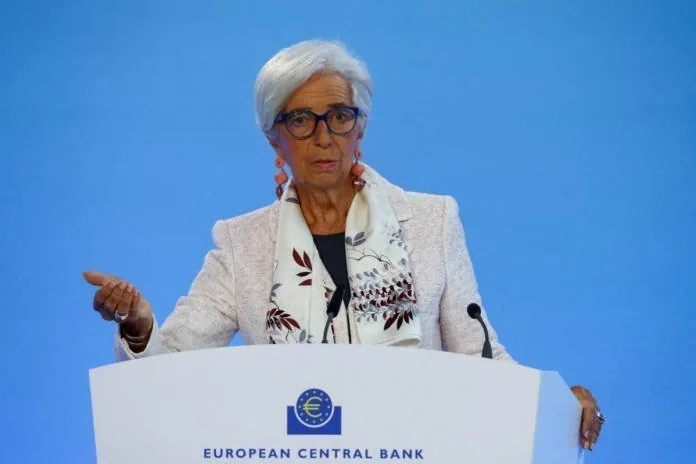
European Central Bank President Christine Lagarde will step down on February 7, 2027, roughly eight to nine months before her eight-year term was due to end in October 2027, the ECB announced in Frankfurt. Lagarde said she wants freedom to speak publicly on subjects beyond monetary policy, fueling speculation about a role in France's 2027 presidential campaign. Eurogroup President Kyriakos Pierrakakis has asked eurozone governments to submit successor nominations by November 6, with finance ministers set to discuss candidates on November 9. Klaas Knot and Pablo Hernández de Cos are seen as favorites.
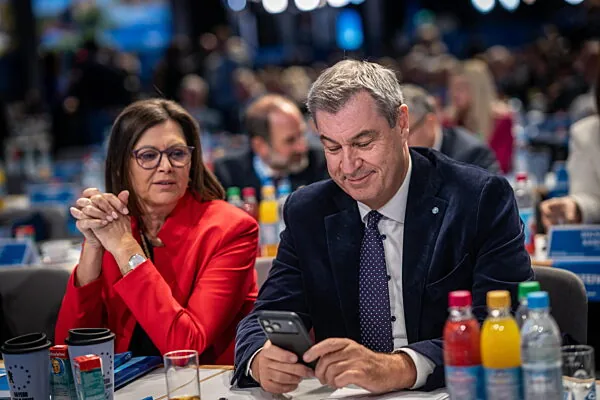
Germany's CDU and its Bavarian sister party CSU are competing over who should succeed Federal President Frank-Walter Steinmeier, whose second term ends with the Federal Convention vote on January 30. CSU leader Markus Söder backs Bavarian parliament president Ilse Aigner, who has drawn support from SPD and Green figures. CDU leader and Chancellor Friedrich Merz has not committed, while Hesse CDU leader Ines Claus has signaled interest and reportedly has his favor. The CDU presidium meets November 9.
US special envoy Steve Witkoff met Russian President Vladimir Putin in St. Petersburg after talks with Ukrainian President Volodymyr Zelensky in Oslo, presenting proposals for a Ukraine peace settlement. The Kremlin said Putin is ready in principle to resume trilateral talks with the US and Ukraine, possibly around November 10, focused on a post-conflict security system. Hours after the meeting, Russia launched missile strikes on Kyiv and other regions, killing at least two and injuring 34. Witkoff's description of Putin as a "humanitarian" drew criticism from UK officials and Republican lawmakers.
Germany and France agreed on a joint position to weaken the EU's 2035 combustion engine phase-out, lowering the CO2 reduction target for new cars from 100 percent to 90 percent versus 2021 without requiring automakers to offset the remaining emissions. European Parliament negotiators from the EPP, S&D and Renew Europe reportedly went further, agreeing to an 87.5 percent cut with an extra 7.5 percentage point allowance for climate-friendly steel. The compromise would let combustion and hybrid cars be sold after 2035 without billions in fines. Environmental groups and some MEPs criticized the deal; approval from Parliament and member states remains pending.
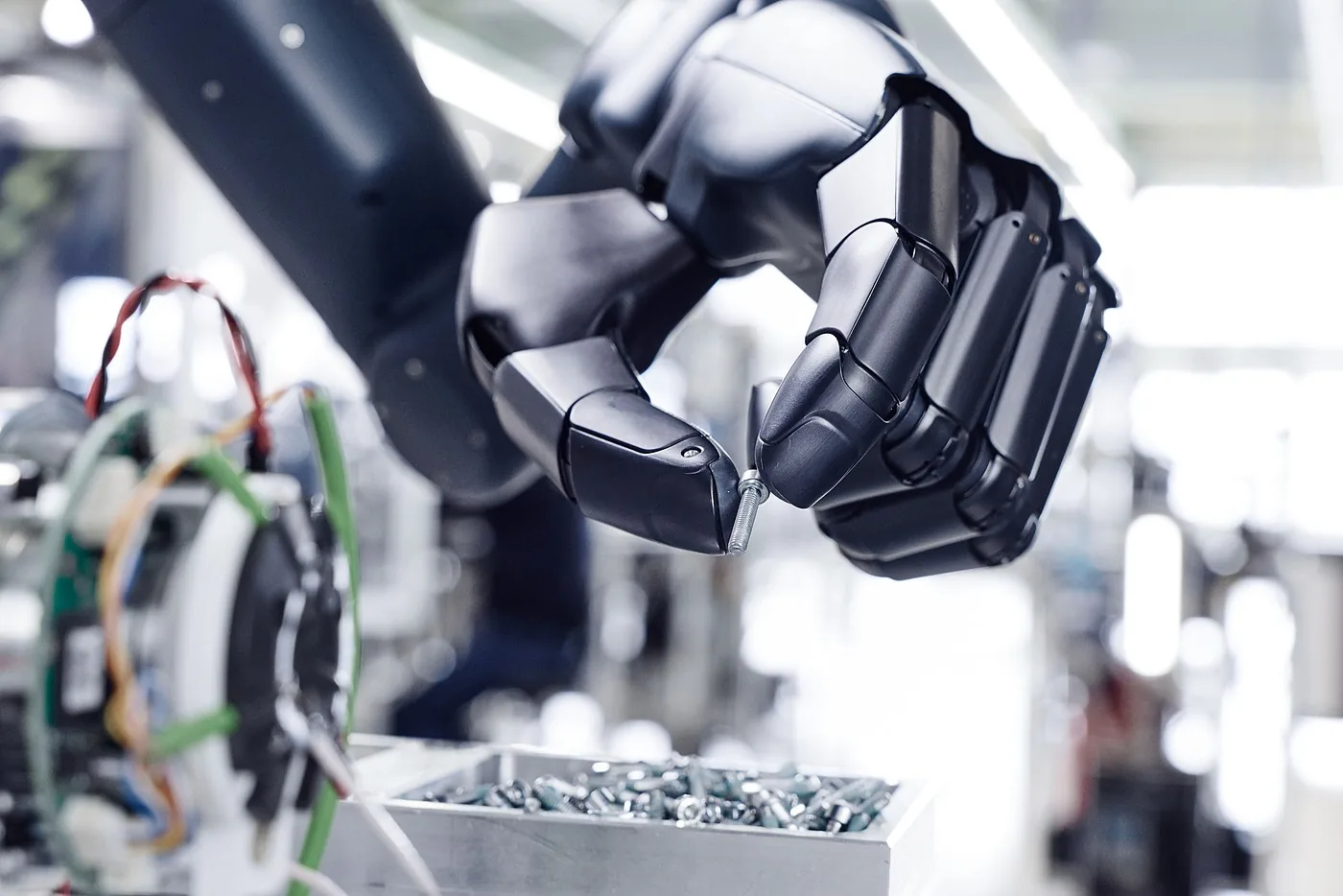
The German government signed a memorandum of understanding with Nvidia at the Invest in Germany Summit in Berlin to develop advanced AI models for Physical AI, integrating AI into physical systems such as robots. The initiative aims to bring industrial AI into broad application and establish a "state-of-the-art AI ecosystem in Europe," building on Germany's industrial data, manufacturing, and engineering expertise. Nvidia will expand its engagement with German partners and make its AI models accessible to SMEs and research institutions. Nvidia also announced planned investments in four German companies: Agile Robots SE, Avelios Medical, Mirelo AI, and Reflex Aerospace.
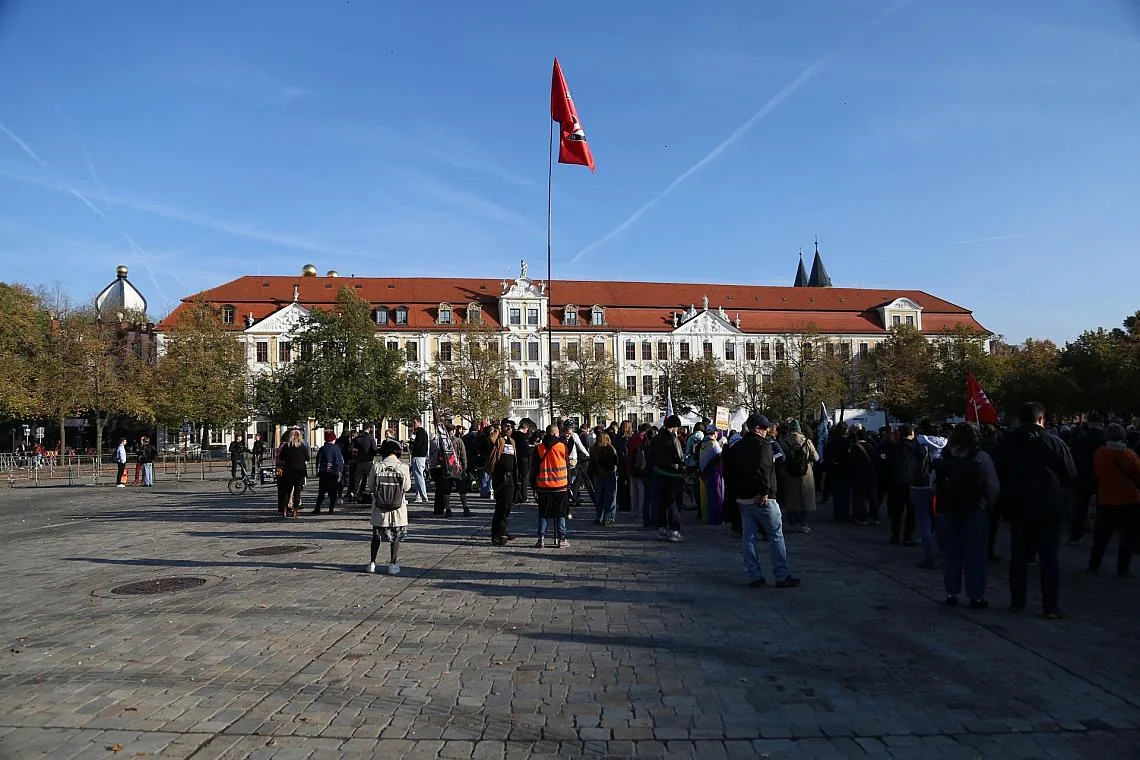
Four migrant organizations in Germany sent an open letter to Chancellor Friedrich Merz and state leaders demanding a binding protection plan for minorities ahead of a possible AfD-led government in Saxony-Anhalt. At a Berlin press conference, leaders from the Turkish Community in Germany, BKMO, DaMOst and Lamsa called for a federal-state commission, a protection fund for threatened civil society groups, and exemptions from residency requirements for refugees facing racist violence. They reported rising hostility, with Lamsa recording 85 racist threat cases this year, and warned that skilled workers are considering leaving the region.
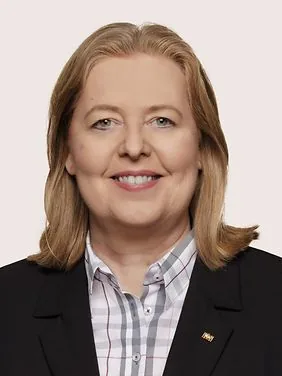
Bärbel Bas resigned as Germany's Labor Minister and co-leader of the SPD in October 2026, citing grief over the death of her stepdaughter and public attacks from within the coalition partner CDU/CSU. SPD co-leader Lars Klingbeil called the attacks indecent and announced a federal party congress to elect the entire leadership. Alexander Schweitzer, former Minister-President of Rhineland-Palatinate, was appointed as her successor. The resignation strained the black-red coalition under Chancellor Friedrich Merz, with SPD figures calling the Union's conduct inhumane and CDU leaders rejecting the accusations.
The Green Youth (Grüne Jugend) held its 60th federal congress in Leipzig, re-electing Henriette Held and Luis Bobga as federal spokespersons with 86.29% and 73.20% of votes, both weaker results than a year earlier. Delegates sharply rejected governing alliances with the CDU and attacked Chancellor Friedrich Merz's black-red government, while Green Party leader Felix Banaszak warned against ruling out cooperation with the CDU. The congress passed an "East Strategy" and raised the age limit from 28 to 30.
The Junge Union held its annual Deutschlandtag in Bonn on October 17, 2026, where Chancellor Friedrich Merz faced a delegate's public call to resign over pension policy and lost trust. Merz pledged to implement the pension commission's proposals, including abolishing the "pension at 63," by year-end. JU chairman Johannes Winkel was re-elected with about 95 percent support and pressed for the full reform package. Speakers including Merz, Wüst and Söder distanced themselves from the AfD and the Left Party, while the JU passed a resolution opposing any SPD-Green coalition with the Left.
Germany's CDU/CSU-SPD coalition agreed on a scaled-back two-tier tax on sugar-sweetened beverages, and the cabinet approved a draft bill on Wednesday. From July 1, 2027, drinks with 5 to under 8 grams of sugar per 100 milliliters face 26 cents per liter, and those with 8 grams or more face 32 cents. Small producers are exempt, pending EU approval for larger exemptions. Projected revenues are 690 million euros in 2027 and 925 million in 2028.
The European Union and China reached an interim agreement to cap Chinese hybrid vehicle imports at 350,000 units annually, rising 6% per year over four years, with safeguard measures potentially effective December 1. The deal, negotiated in Beijing between EU Trade Commissioner Maroš Šefčovič and Chinese Commerce Minister Wang Wentao, aims to halve Chinese hybrid exports to the EU from a projected 800,000 units in 2026. Germany is pushing for broader restrictions on additional Chinese imports including chemicals and machinery, while EU leaders discuss the trade deficit exceeding €1 billion daily.
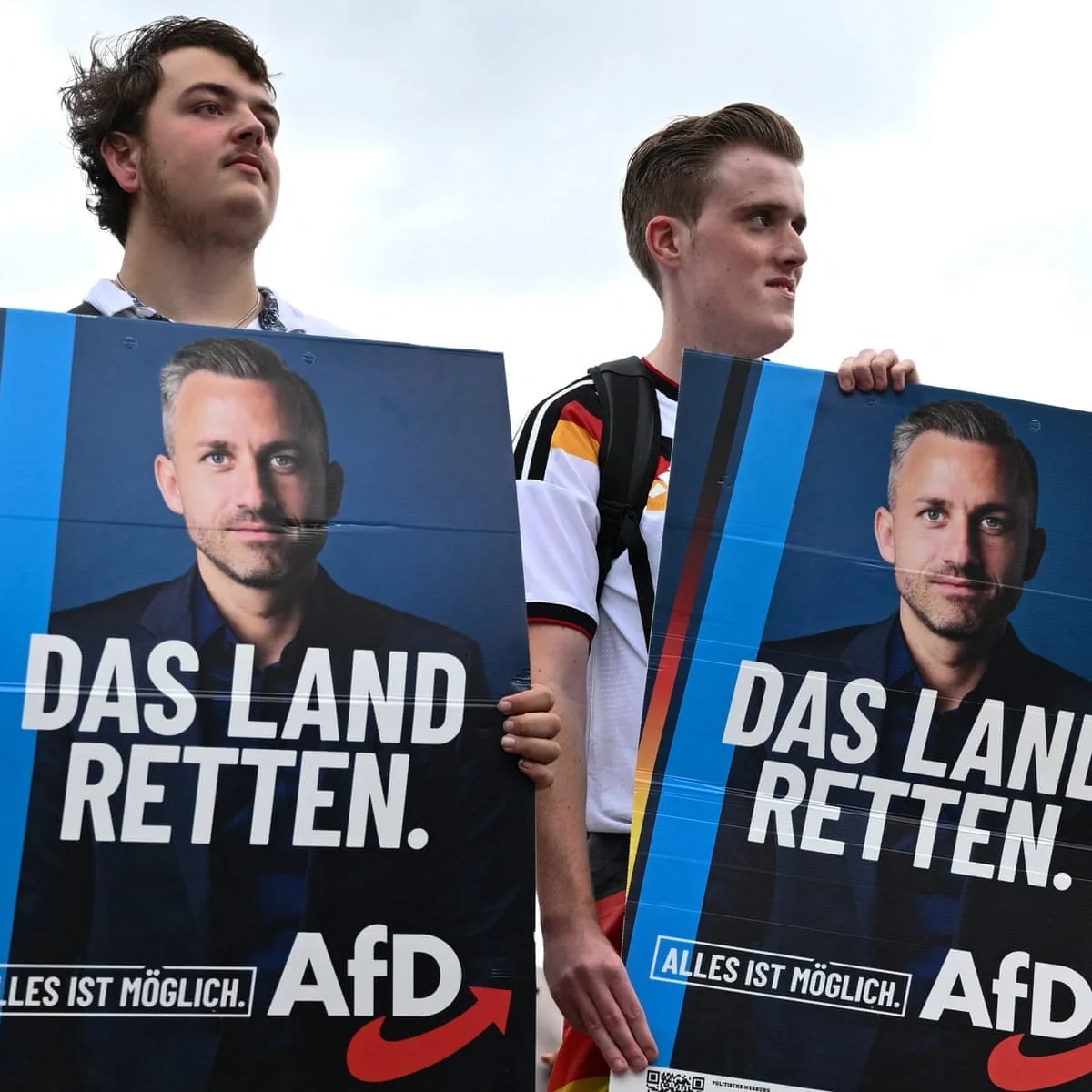
The CDU leadership held a two-day retreat in Berlin to address catastrophic state election results and deepening internal divisions over its "firewall" policy of refusing cooperation with the far-right AfD. Manfred Weber, Karin Prien, Günter Krings, Markus Söder and others publicly clashed over whether to maintain, rename or abandon the firewall. The AfD became the strongest force in Saxony-Anhalt and Thuringia, and an AfD politician was elected state parliament president in Saxony-Anhalt for the first time. An Insa poll found 53 percent of Germans support political firewalls.
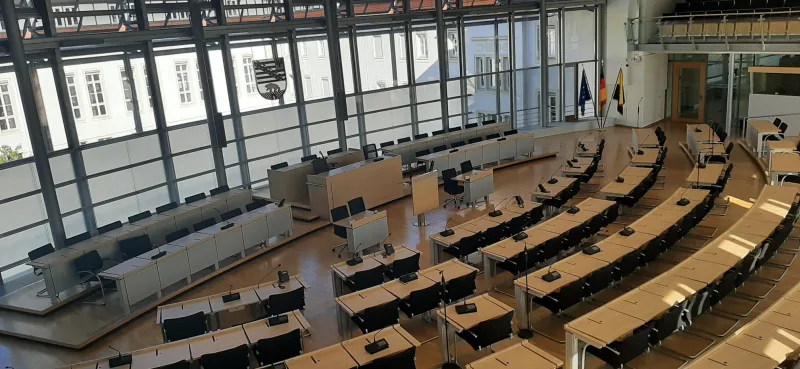
On October 6, 2026, the Saxony-Anhalt state parliament in Magdeburg elected AfD politician Tobias Rausch as its president with 48 votes, four more than the combined AfD and BSW seats, making him the first far-right Landtag president in Germany since 1945. AfD hardliner Hans-Thomas Tillschneider was elected vice president with 44 votes. The surplus votes triggered accusations that CDU lawmakers supported the AfD, prompting a Bundestag debate, internal CDU crisis, and calls for expulsions.
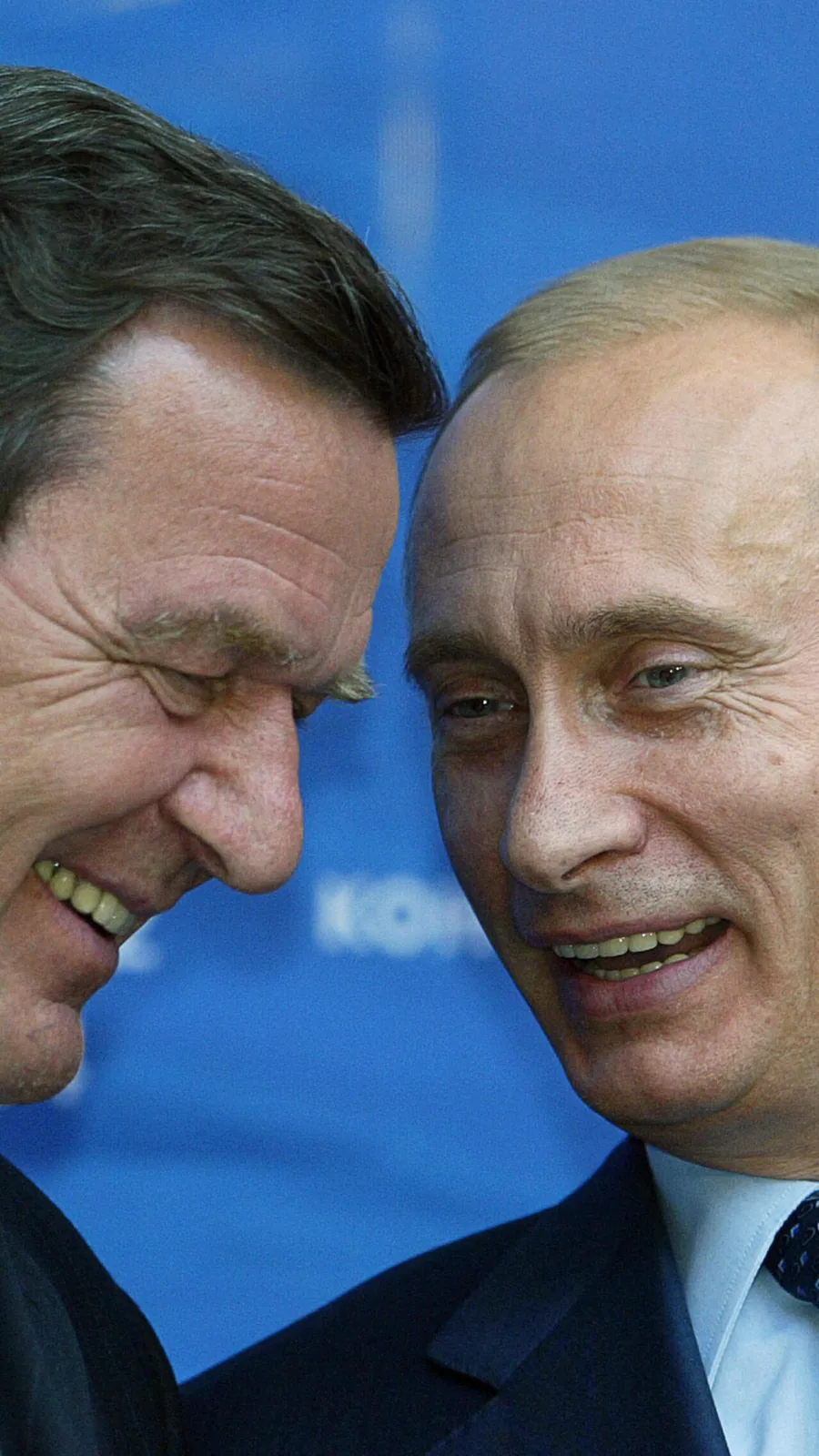
Former German Chancellor Gerhard Schröder visited Moscow on October 7, 2026, to attend Russian President Vladimir Putin's 74th birthday celebration at Putin's home. The Kremlin released photos of the two men shaking hands. The visit drew widespread condemnation from German politicians across parties, including Chancellor Friedrich Merz, who called it "almost immoral," and Greens leader Franziska Brantner, who demanded new SPD expulsion proceedings against Schröder. SPD politician Ralf Stegner defended the visit, citing Schröder's potential as a mediator in the Ukraine war.
Tobias Rausch of the far-right Alternative for Germany (AfD) was elected president of the Saxony-Anhalt state parliament on October 6, 2026, the first time a far-right party has held the post in a German state parliament since World War Two. Rausch won with 48 votes, four more than the combined seats of the AfD and BSW, indicating cross-party support. The election has sparked widespread criticism and political turmoil, with Bundestag President Julia Klöckner calling on Rausch to give up his party role, and CDU lawmakers threatening to split from their faction.
Germany and France have jointly proposed a new EU rapid-response trade tool, modeled on the US Section 301, to counter cheap Chinese imports. China's Ministry of Commerce condemned the plan as protectionist and unilateral, warning it would disrupt trade stability and global supply chains. Beijing vowed a "resolute response" if the EU imposes discriminatory restrictions on Chinese firms, potentially including anti-discrimination investigations and supply chain security reviews.
German Chancellor Friedrich Merz made an unannounced solidarity visit to Kyiv on October 4, 2026, amid Russian drone and missile attacks that struck a key bridge in the capital. Merz announced €1 billion in military aid and €350 million for energy infrastructure repairs, and oversaw the signing of over a dozen cooperation agreements between German and Ukrainian defense firms valued at €8.5 billion. Merz called on President Putin to end the war, stating Germany will not be intimidated.
The German Chancellery has blocked a draft law by Finance Minister and Vice Chancellor Lars Klingbeil (SPD) to introduce a sugar tax on soft drinks, delivering an unusually public rebuke. The Chancellery argues the proposal deviates from a government expert commission's recommendation, with higher tax rates and projected revenues of €1 billion versus the commission's €450 million. The block highlights coalition tensions, with Union politicians and agricultural lobby opposing the tax.
The German cabinet approved a contested nursing care reform on September 30, 2026, after last-minute negotiations between the CDU/CSU and SPD. Health Minister Carsten Linnemann (CDU) pushed through the bill despite SPD threats to block it as a "pure austerity package." Key measures include raising the childless surcharge to 0.9% from January 2027, increasing the contribution assessment ceiling, and introducing a spousal co-insurance surcharge. The reform aims to avert a projected 8 billion euro deficit. Fundamental structural changes were deferred to an expert commission.
North Rhine-Westphalia Minister-President Hendrik Wüst met Turkish President Recep Tayyip Erdogan in Ankara on September 28, 2026, in a rare 50-90 minute meeting. The visit, marking the 65th anniversary of the German-Turkish labor recruitment agreement, focused on economic ties, EU-Turkey customs union modernization, and visa facilitation. Wüst, a potential successor to Chancellor Friedrich Merz, praised Turkish migrants' contributions and reaffirmed his intention to remain state premier.
Russian Foreign Minister Sergey Lavrov and German Foreign Minister Annalena Baerbock held their first face-to-face meeting since Russia's 2022 invasion of Ukraine, meeting for about 20 minutes on the sidelines of the UN General Assembly in New York. Lavrov described the talks as yielding "nothing new," while Baerbock characterized the atmosphere as tense. No agreements were reached on key issues, and both sides reported fundamental disagreements over the war in Ukraine.
Hesse Minister-President Boris Rhein (CDU) has called for reviving the 'cityscape' (Stadtbild) migration debate initiated by Chancellor Friedrich Merz a year ago, arguing it was prematurely shut down. He cited unresolved issues including immigration into social welfare systems and crime by migrants. The push follows far-right AfD electoral victories in Mecklenburg-Vorpommern (38.2%) and Saxony-Anhalt (43.8%), with national polls showing AfD at 29% and CDU-led Union at 19%. Interior Minister Herbert Reul (CDU) backed the call, while Family Minister Karin Prien and the Greens criticized it.
After winning 25.7% of the vote in Berlin's state election on September 20, 2026, the Left Party (Die Linke) has invited the SPD and Greens to exploratory coalition talks. The talks face major hurdles over the Left Party's demand to socialize large housing corporations, its call to abolish the domestic intelligence agency, and accusations of antisemitism and ties to organized crime. The SPD and Greens have set conditions including a clear stance against antisemitism and rejection of the Left Party's security proposals. The CDU has warned against the coalition, calling it a security risk.