China’s NEV market floods with large cars, sparking parking and safety crisis
Nearly 100 new energy vehicles over 5 meters long have launched in China in the past year, driven by consumer demand, profit margins, and technology. The trend is causing parking difficulties, door-opening anxiety, and safety risks as vehicles outgrow standard urban spaces. Industry executives and analysts warn of a conflict between market-driven enlargement and urban livability.
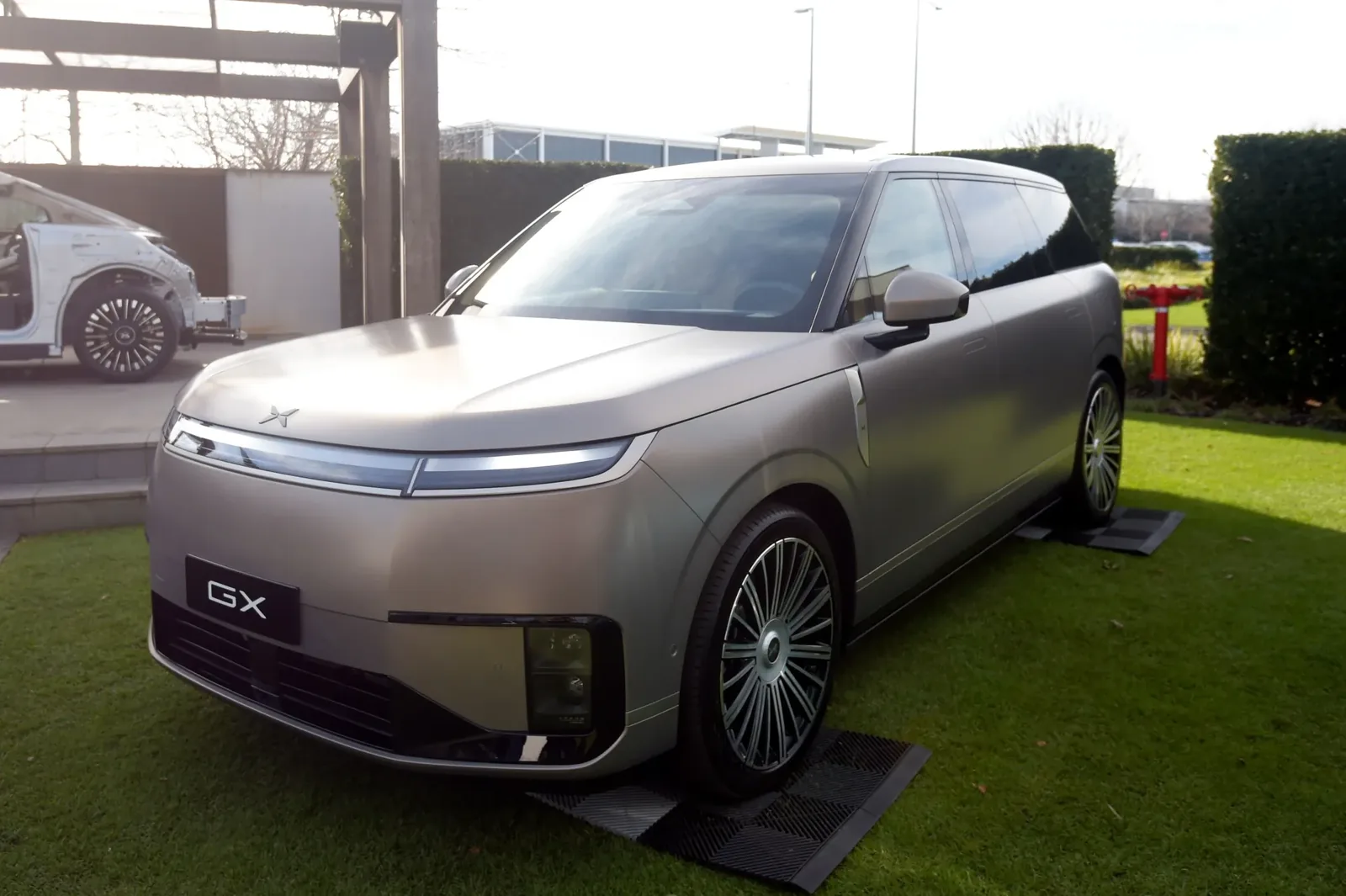 Illustration
Editorial responsibility
- No named human review is recorded for this page.
- Reports are grouped by semantic similarity and deterministic rules. Language models may assist titles, summaries, translation and cross-source analysis; the page reads the event directly, while its address stays stable when the title changes.
- Summary covers the current reports
Cross-source coverage
Reporting timeline
China's new energy vehicle trend toward larger cars creates parking and safety challenges
The Chinese new energy vehicle (NEV) market is experiencing a surge in large vehicles, with nearly 100 models over 5 meters in length launched in the past year. Executives from BYD, XPeng, Huawei, and others attribute this to consumer demand for space, higher profit margins, and technological advances in autonomous parking and steering that mitigate driving difficulty. However, the trend has sparked consumer backlash over parking difficulties, door-opening space, and compatibility with aging urban infrastructure. Analysts and executives, including Huawei's Richard Yu and Li Auto's Li Xiang, warn that simply enlarging vehicles is not a sustainable solution, as it increases weight, cost, and safety risks. The article notes that while large cars now dominate new NEV launches, the optimal vehicle footprint for urban use is estimated at 8-10 square meters, and the industry may eventually shift back to more compact designs as pure electric architectures allow for better space utilization without larger exteriors.
Read sourceChina's new energy vehicle trend toward larger cars creates parking space crisis
The Chinese new energy vehicle market is experiencing a surge in large vehicles, with nearly 100 models over 5 meters in length launched in the past year. This trend, driven by consumer preference, higher profit margins, and technological advances like improved autonomous parking, has led to a conflict with existing urban infrastructure. Industry executives, including BYD's He Zhiqi and Huawei's Richard Yu, offer contrasting views: He predicts sub-2.8m wheelbase cars will disappear, while Yu argues that making cars larger is easy but parking difficulties are a real problem. Data from the China Passenger Car Association shows that 78% of new energy vehicles launched in the first eight months of this year are over 5 meters long, while only 2% are under 4.5 meters. Analysts warn that these large vehicles, occupying over 10 square meters, struggle with standard parking spaces (11.5 sq m), increase accident risks, and raise costs for consumers through higher fuel consumption, reduced EV range, and increased manufacturing expenses. The optimal vehicle footprint for urban use is suggested to be 8-10 square meters.
Read sourceChina's New Energy Vehicle Trend: Oversized Cars Flood Market, Parking Spaces Struggle
A surge of large new energy vehicles (NEVs), defined as '532-type' (5m length, 3m wheelbase, 2m width), is overwhelming China's new car market, with nearly 100 such models launched in the past year. Executives from BYD, XPeng, NIO, and others attribute this trend to consumer demand for space, higher profit margins, and technological advances like improved autonomous parking and steering that mitigate driving challenges. However, the trend has sparked consumer backlash over parking difficulties, tight door clearance, and increased accident risks in narrow urban streets and aging parking lots. Industry figures like Huawei's Richard Yu and Li Auto's Li Xiang argue that vehicle size should be restrained, noting that pure electric architectures can offer spacious interiors without excessive exterior dimensions. Analyst Cui Dongshu warns that oversized vehicles (over 10 sqm footprint) conflict with existing urban infrastructure, raising costs and safety concerns, and recommends an optimal household vehicle footprint of 8-10 sqm. The article highlights a growing tension between market-driven vehicle enlargement and urban livability.
Read sourceShow 2 older updatesHide older updates
China's new energy vehicle trend toward larger cars creates parking and safety challenges
A surge of large new energy vehicles (NEVs) in China, with nearly 100 models over 5 meters long launched in the past year, is creating a 'parking crisis' and raising safety concerns. Executives from BYD, Xiaopeng, Huawei, and others acknowledge the trend, driven by consumer demand for space, higher profit margins, and technological advances in autonomous parking and steering. However, critics like Huawei's Yu Chengdong and Li Auto's Li Xiang argue that simply enlarging cars is not true innovation and that pure electric architectures will eventually end the 'size arms race.' Data from the China Passenger Car Association shows that 78% of new NEVs in the first eight months of 2025 were over 5 meters, while models under 4.5 meters dropped to just 2%. Analysts warn that oversized vehicles (over 10 square meters footprint) conflict with existing urban parking spaces (averaging 11.5 square meters) and narrow roads, increasing parking difficulty, accident risks, and costs. The optimal household vehicle footprint is suggested to be 8-10 square meters to balance space needs with urban compatibility.
China's New Energy Vehicle Trend: Oversized Cars Strain Parking Spaces and City Infrastructure
A growing trend in China's new energy vehicle (NEV) market sees automakers flooding the market with large cars, often exceeding 5 meters in length and 2 meters in width, dubbed '532-type' vehicles. According to a report by East Money citing First Financial, nearly 100 such large models have been launched in the past year, driven by factors like relaxed fuel economy regulations, strong electric powertrains, and consumer acceptance of large SUVs. However, this trend is creating significant urban challenges. Experts and executives, including Huawei's Richard Yu and Li Auto's Li Xiang, warn that oversized vehicles cause parking difficulties, door-opening anxiety, and increased accident risks in standard parking spaces and narrow streets. Analyst Cui Dongshu notes that while large cars offer visual prestige and interior space, their footprint (over 10 square meters) conflicts with existing city infrastructure, leading to higher costs, weight, and energy consumption. He recommends an optimal vehicle footprint of 8-10 square meters for family use. The article highlights a market paradox: automakers pursue large cars for profit and trend alignment, while consumers face daily usability pains.
Read source