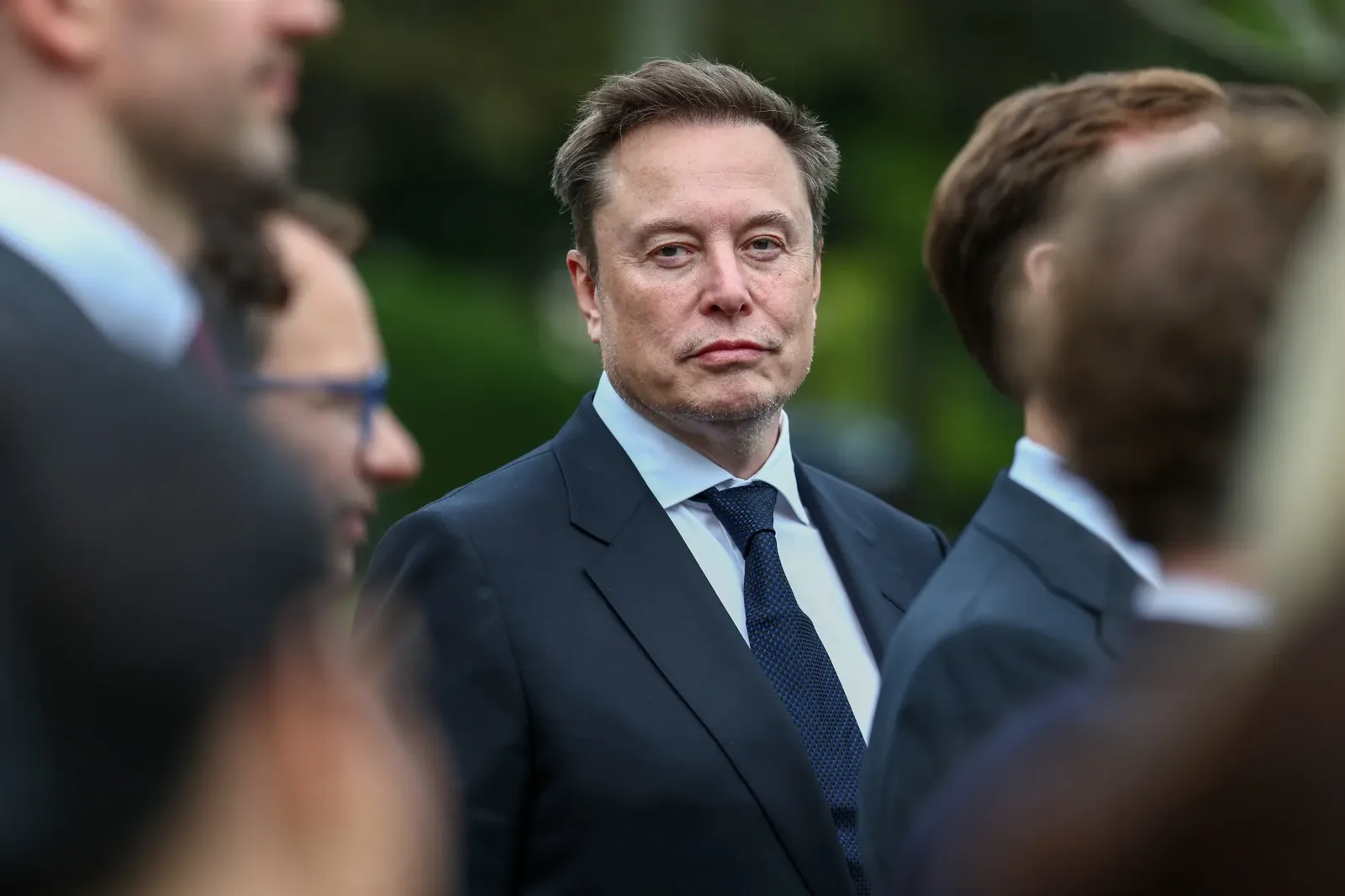
Elon Musk confirmed on SpaceX's third-quarter earnings call that SpaceX and Tesla have each formed special committees of independent directors to evaluate a potential merger. Musk, who leads and holds major stakes in both companies, called a combination "a good idea" but stressed no terms have been agreed and no deal is guaranteed. A merger would require approval from at least 50% of all Tesla shareholders. With Tesla valued around $1.5 trillion and SpaceX around $2 trillion, a combination would be among the largest mergers ever. SpaceX separately reported a $4.4 billion quarterly profit on surging AI and Starlink revenue.
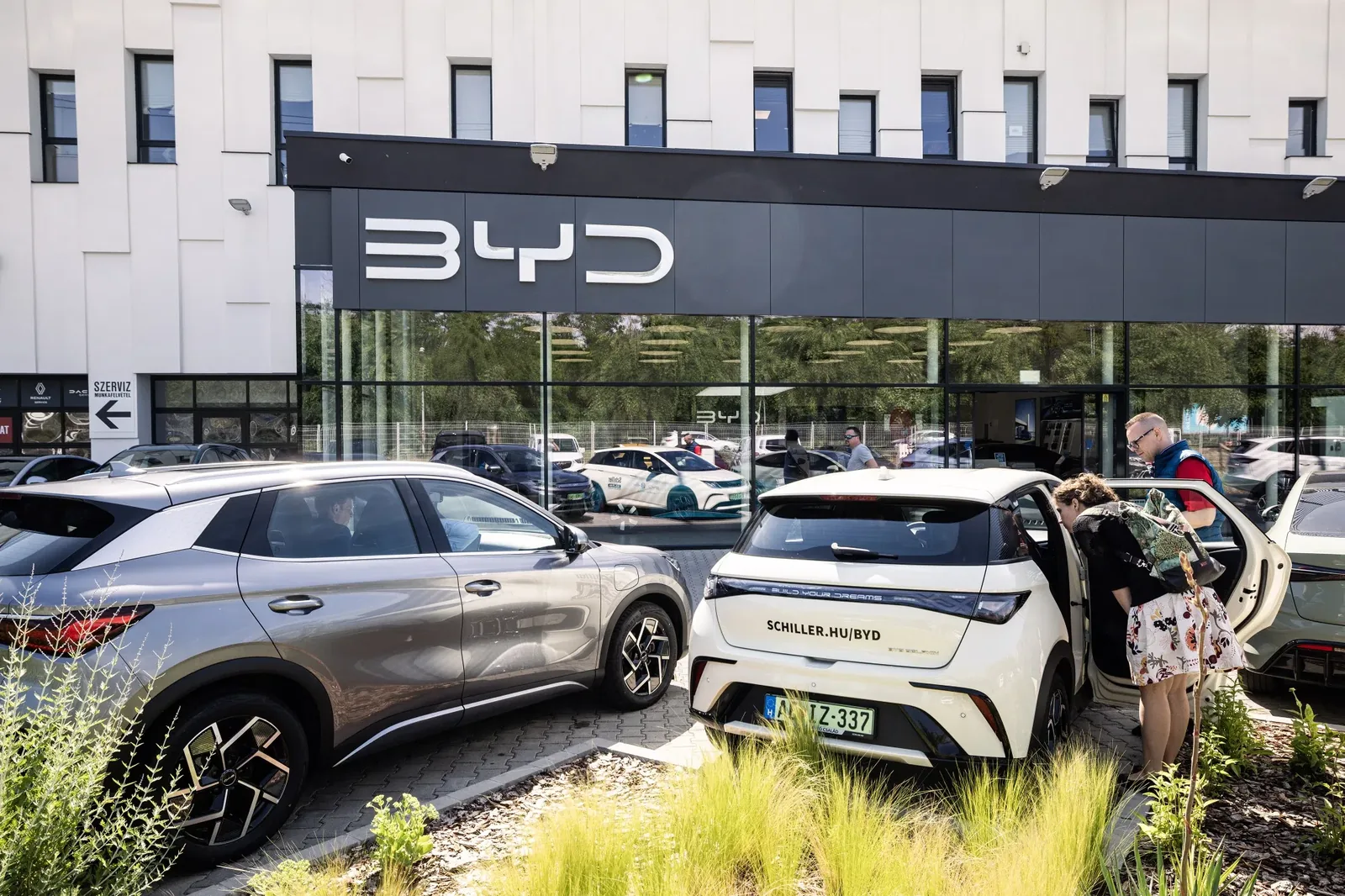
Chinese automakers accounted for 84% of Europe’s new car registration growth in the first eight months of 2026, with total registrations surpassing 1 million for the first time, reaching 1,034,685 units—a 68.1% year-on-year increase. BYD and Chery each outsold Tesla in Europe. Battery electric vehicles (BEVs) overtook petrol cars in registrations for the first time, capturing a 23.2% market share. The European Automobile Manufacturers Association (ACEA) reported EU registrations rose 4.5% in August, the seventh consecutive month of growth, with BEVs accounting for 21.7% of new EU registrations.
European all-electric vehicle registrations surged 52% year-on-year in August, driven by record-high gasoline prices. Germany saw a 75% increase and French sales more than doubled, with over one in three new cars now having a plug. Geopolitical tensions, including US-Israeli actions disrupting Strait of Hormuz traffic and Ukrainian strikes on Russian refineries, pushed German gasoline to €2.31 per liter. Chinese brands captured a record 12% market share. European automakers Stellantis and Volkswagen face financial strain, with Volkswagen planning 100,000 layoffs.
Chinese car brands, including BYD, achieved a record 11.7%–12% market share in Europe in August 2024, with new registrations exceeding 97,000 units—double the prior year. Growth was driven by hybrid and electric vehicle demand, with Chinese brands capturing one-quarter of hybrid sales and one-third of plug-in hybrid sales. The overall European market grew 4.6%, while Chinese brands reached 6.4% in Germany.
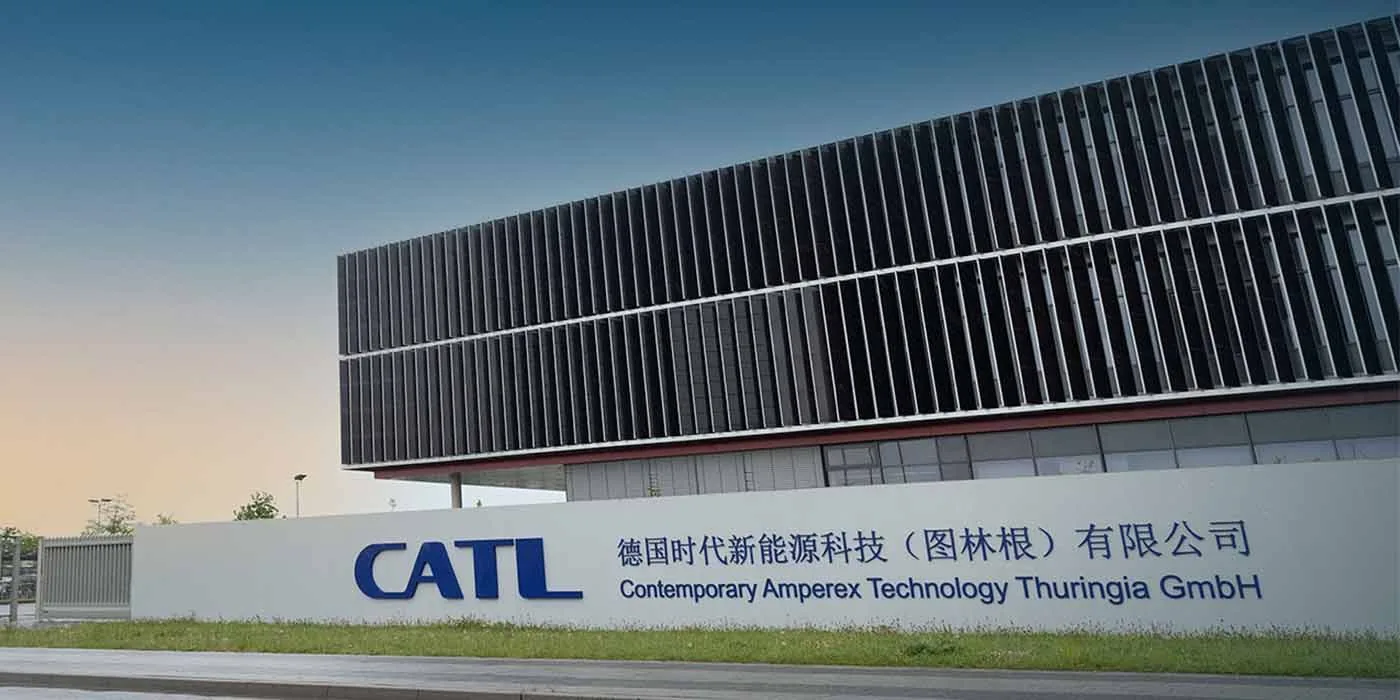
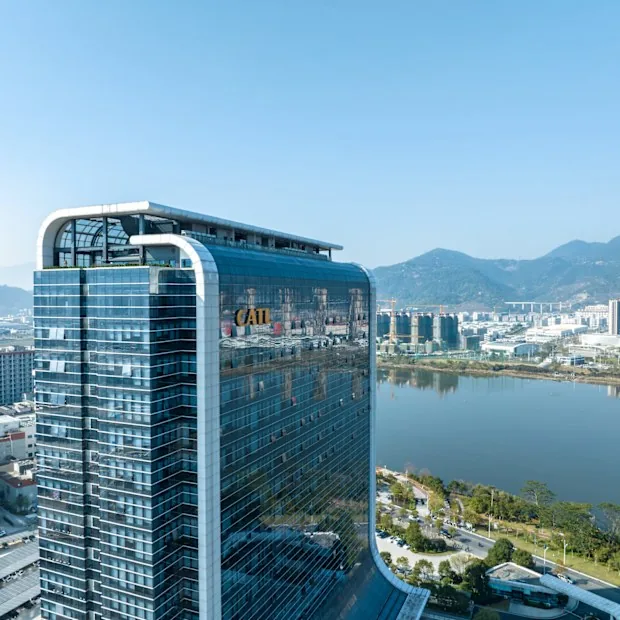
Chinese electric vehicle makers including Li Auto, Xiaomi, XPeng, Leapmotor, and Seres are expanding battery supplier lists beyond dominant supplier CATL, investing in or partnering with second-tier firms like Sunwoda and CALB. The trend, termed "de-CATLization" or "de-Ninghua," aims to reduce CATL's pricing power amid a profit imbalance where CATL's net profit more than doubled the combined profit of 15 major automakers in H1 2026. China's MIIT has rejected the narrative as a media-driven farce, while Citi Research confirms the trend is occurring but considers CATL oversold.
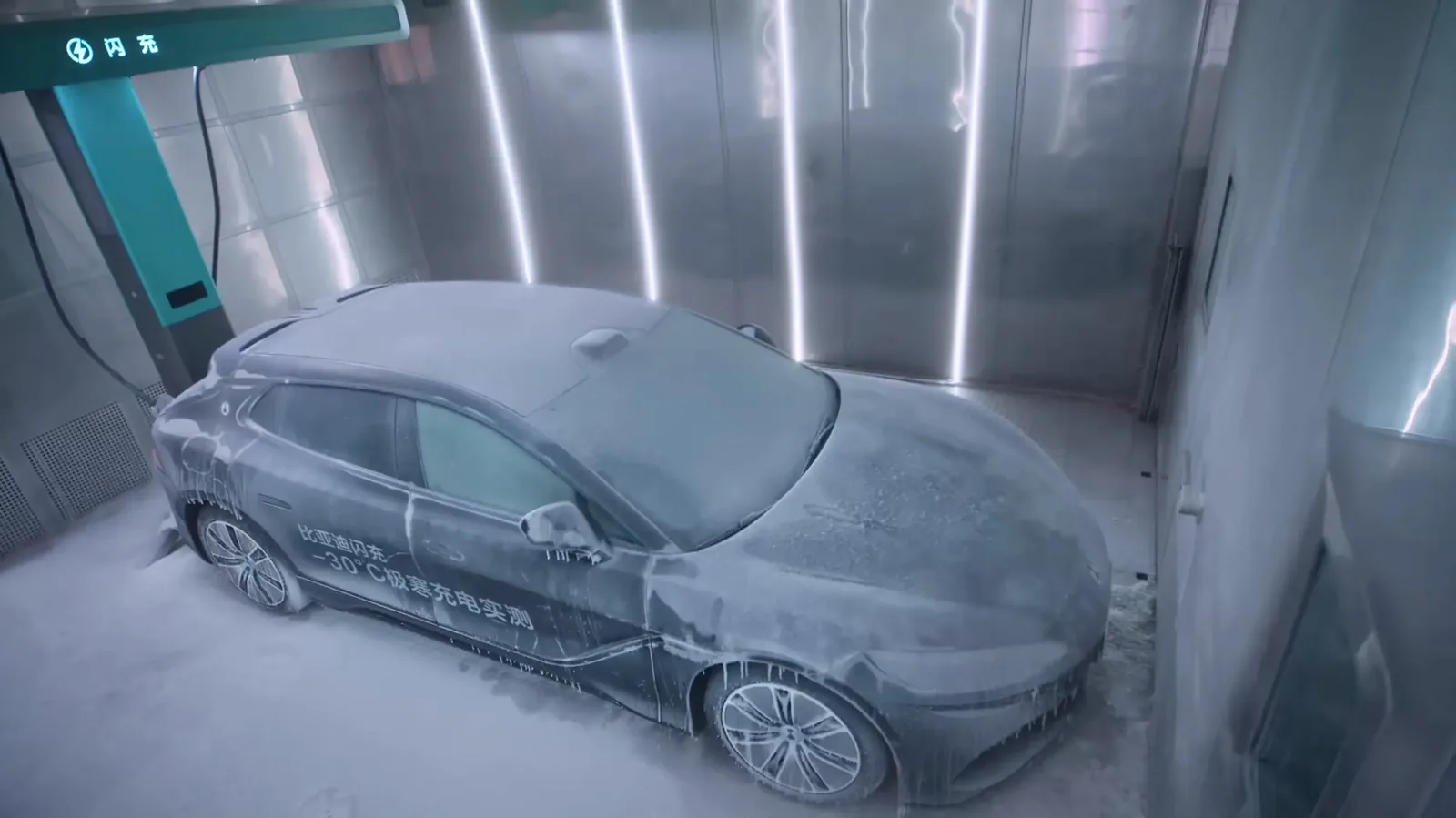
On September 24, BYD inaugurated its 2,000th highway flash charging station in Yangzhou, Jiangsu, achieving its annual target ahead of schedule. The company has built 11,586 flash charging stations across 341 Chinese cities. BYD Chief Scientist Lian Yubo announced plans to build 90,000 charging stations within two years to match China's gas station density, covering cities, highways, and remote areas.
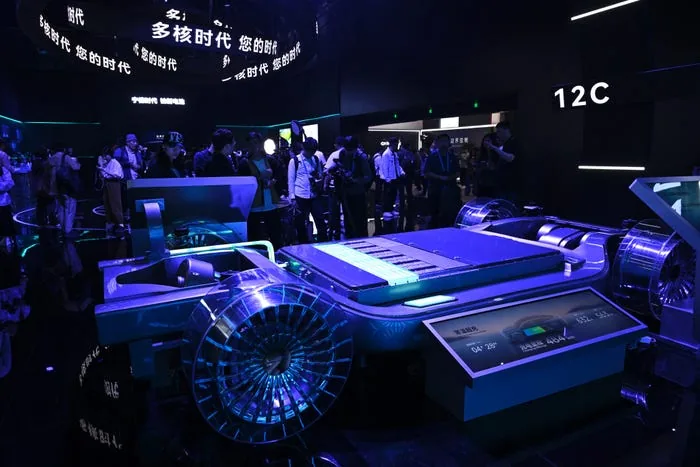
On September 23, Geely Auto Group unveiled its "Geely Smart Charge" system, featuring a peak single-gun power of 2.2 MW (2250 kW) and the industry's first full-domain energy AI model, StarRui PowerMind. The system includes a new Shield Golden Brick ultra-short blade LFP battery with a 12C charge rate, enabling the Lynk & Co 10 to charge from 10% to 70% in 4 minutes 30 seconds. Geely plans over 22,000 charging stations by 2027.
Li Auto executives outlined a battery strategy distinguishing self-research from in-house manufacturing. The company will self-develop and manufacture battery packs while designing cells but outsourcing mass production to partners like Sunwoda, in which it invested 2.65 billion yuan. The core goal is full data sovereignty across the battery value chain for safety, performance, and unified after-sales service. Li Auto is also developing 15C ultra-fast charging technology, with test vehicles on the road, and solid-state batteries, targeting small-scale production by 2027-2028.
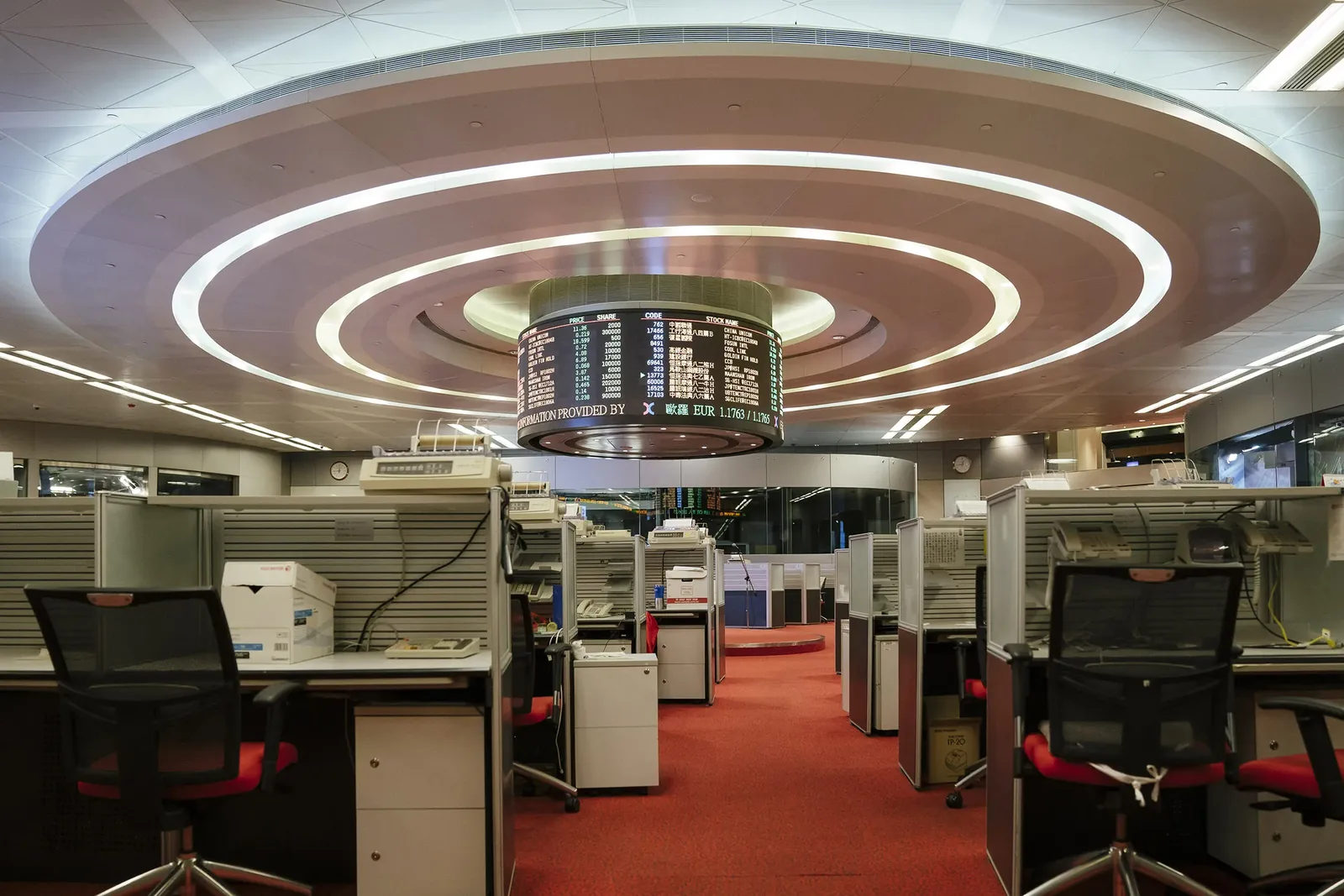
Hong Kong stocks closed lower on September 25, with the Hang Seng Index falling 1.01% to 24,510.09 and the Hang Seng Tech Index dropping 1.13% to 4,311.78. Major losers included Weichai Power, NetEase, and Li Auto, while Lenovo Group and WuXi AppTec posted gains. The market also opened lower on September 25, with the Hang Seng Index down 0.96% and the Tech Index down 0.99%. By September 28, the market showed mixed performance, with the Hang Seng Index rising 0.64% while the Tech Index fell 0.54%.
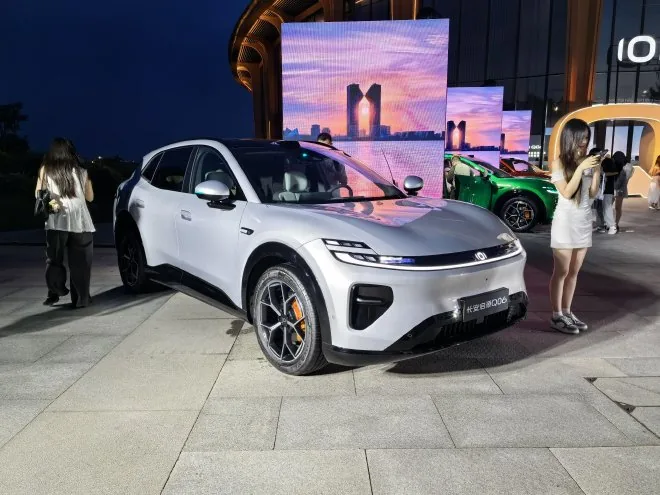
On September 23, Changan Automobile launched the Qiyuan Q06 in Hangzhou, featuring its self-developed Tianshu Linghang high-level intelligent driving assistance system, rejecting full-stack third-party supplier solutions. The vehicle uses Horizon's Journey 6P chip for computing, while Changan handles algorithm development and integration. Changan has invested over 60 billion yuan over a decade, including 22.5 billion in intelligent products, and built a 7,500-person R&D team. The Q06 starts at 135,900 yuan, aiming to scale up data collection for its self-driving system.
PaxiNi Artificial Intelligence Technology (Beijing) Co., Ltd., a Chinese tactile sensing and humanoid robotics unicorn valued at over 10 billion yuan, has filed for an initial public offering on the A-share market. The company filed IPO tutoring registration with the Beijing Securities Regulatory Bureau on September 20, with Guotai Haitong Securities as sponsor. Founded in 2021, PaxiNi has raised over 4 billion yuan cumulatively from industrial investors including BYD, JD.com, and Samsung. BYD is the largest external investor and has a strategic cooperation agreement for robotics in manufacturing. The company has shipped over 1 million tactile sensor chips.
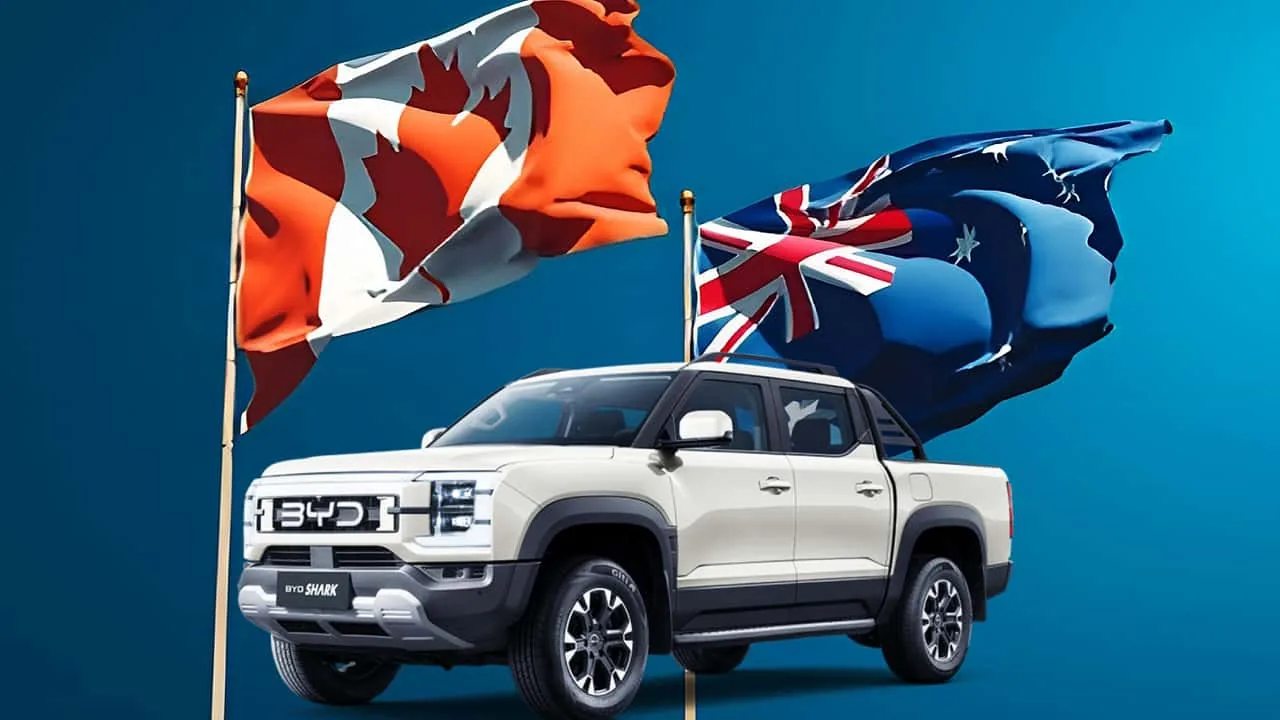
China’s pickup truck market sold 54,000 units in August 2026, a 37% year-on-year increase and a five-year high for the month, according to CPCA data. Exports surged 82% to 38,000 units, accounting for 70% of total sales. New energy pickup sales reached 9,000 units, up 150% year-on-year. Great Wall Motors held nearly 50% domestic share, while BYD led overseas NEV sales at 4,300 units. Cumulative January–August sales totaled 454,000 units, up 22%.
Over the 10 trading days to September 24, overseas institutions surveyed 66 of 380 Chinese companies receiving institutional visits. Guanghe Technology led with 62 overseas institutions, forecasting small-batch PCIe 6.0 server PCB shipments this year and mass shipments next year. Anker Innovations, surveyed by 44 institutions, reported positive feedback for its AI chip earphones. Leveraged funds bought heavily in several surveyed stocks, with WUS Printed Circuit seeing net margin buying of 683 million yuan, followed by PuRan, Jereh Group, and BYD, each exceeding 100 million yuan.
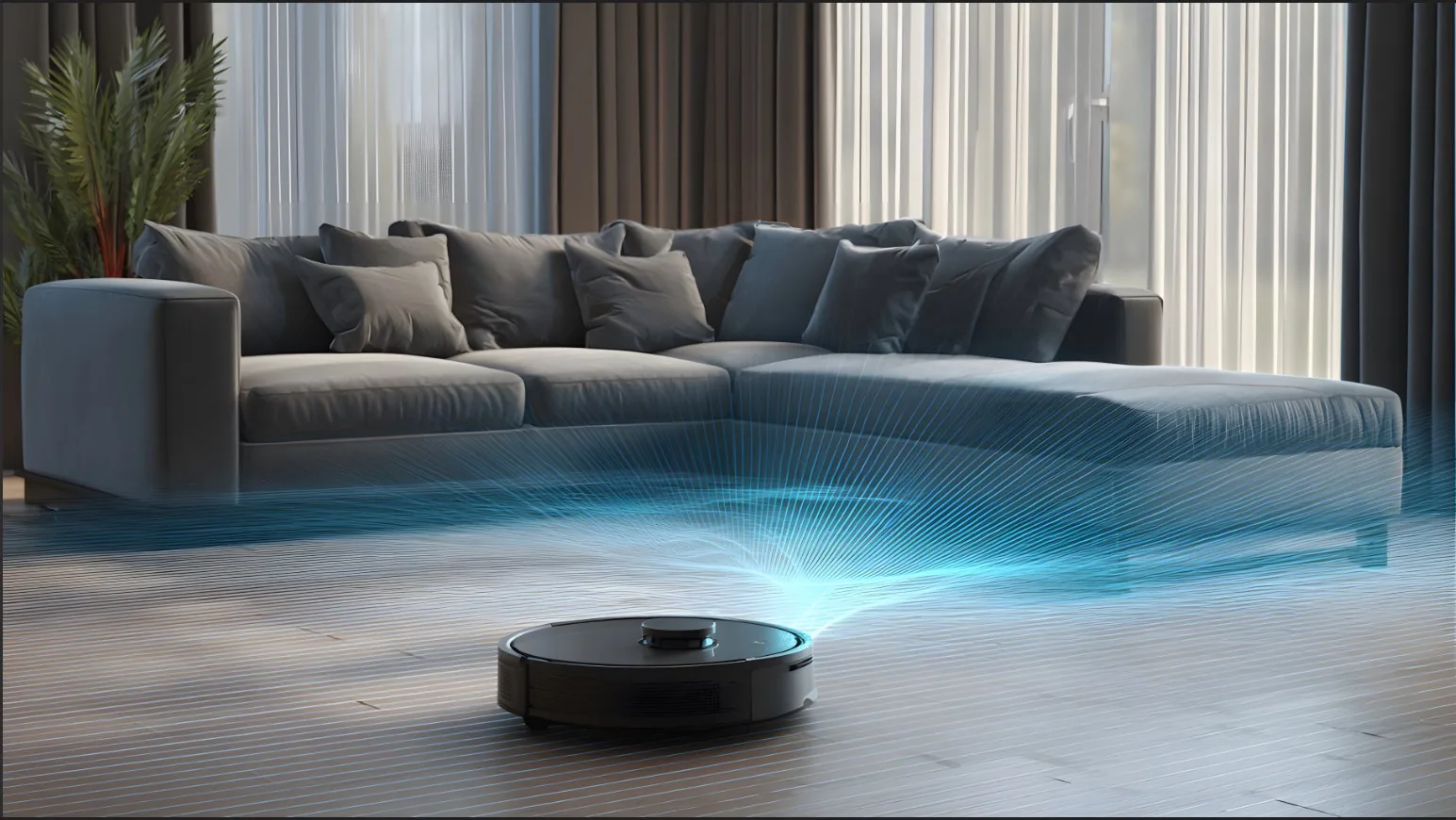
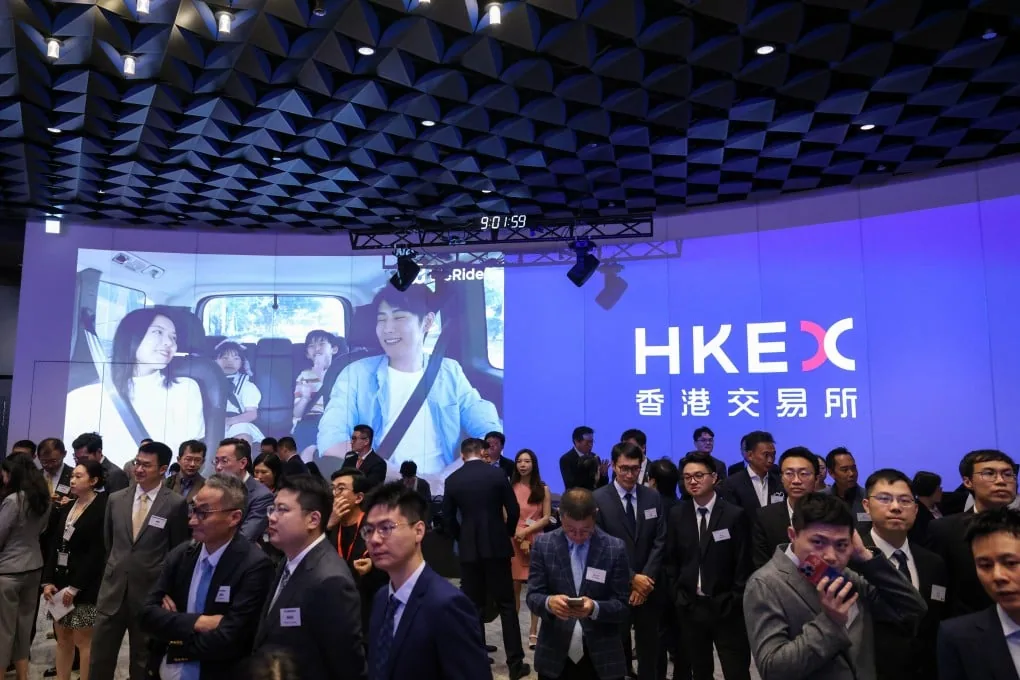
Huanchuang Technology (06802.HK), a Shenzhen-based spatial perception solutions provider for robotic vacuum cleaners, saw its Hong Kong IPO public tranche oversubscribed by approximately 3,551 times, attracting about 160,000 investors and HK$250 billion in subscription funds. The company is offering 11.5888 million H-shares at HK$58.85 each, with net proceeds estimated at HK$615 million. Trading is expected to begin on September 30. Two cornerstone investors, BYD subsidiary Golden Link (HK$100 million) and Zhongrun Optoelectronics (HK$10 million), have committed HK$110 million. The company turned profitable in 2025 with a net profit of approximately RMB 2.2 million.
Hong Kong's three major stock indices fell sharply on September 25, with the Hang Seng Index dropping 1.17% to 24,470 points, its lowest in two months. The sell-off was driven by hawkish Federal Reserve comments that raised expectations for an October rate hike to nearly 71%, and a surge in US Treasury yields. High-valuation tech and AI stocks were hit hardest. The decline was amplified by the absence of southbound Stock Connect trading due to a Chinese holiday.
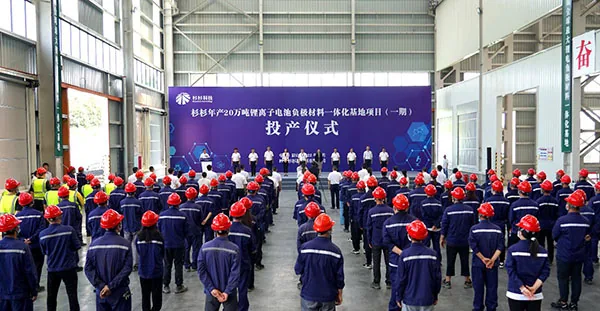
Two months after Anhui state-owned assets took control, Shanshan Co. announced a 5.106 billion yuan investment to build a 150,000-ton-per-year integrated anode material base in Baotou, Inner Mongolia. The project aims to fill a graphite processing capacity gap and meet surging EV and energy storage demand. Shanshan's 2026 first-half net profit surged 296.73% year-on-year to 822 million yuan, reversing a 2024 loss. However, the company faces 17.14 billion yuan in interest-bearing debt, a 1.9 billion yuan lawsuit from Yunnan state-owned entities, and intensifying industry competition.
Beijing-based Tashan Technology, a tactile sensor firm for robots, completed a shareholding reform and raised hundreds of millions of yuan in Series B funding from Taiping Innovation and Junsheng Electronics. The company holds over 80% of the global market for tactile fingertips in humanoid robots, with monthly deliveries of tens of thousands of units and H1 2026 orders quadrupling year-on-year. Revenue exceeded 100 million yuan in 2025 and is projected to reach hundreds of millions in 2026. Tashan faces competition from rival PaxiNi, which has completed IPO guidance at a valuation over 10 billion yuan.
A NielsenIQ report released September 17, 2026, based on a global survey of 10,090 respondents, reveals that Chinese battery brands CATL and BYD have overtaken Japanese and Korean rivals in consumer mindshare. CATL leads overseas unaided brand recall at 26.7%, followed by BYD at 14.0%, surpassing LGES (12.6%) and Panasonic (8.7%). In China, 37.1% of consumers would abandon a desired car without a CATL battery. Over 80% of global consumers believe batteries determine EV safety, and 79% are more willing to pay for vehicles with trusted batteries. The report also notes that Chinese battery companies hold over 70% of the global top-10 market share.
Fuxiang Co., Ltd. (300497.SZ) forecast net profit of 350-430 million yuan for the first three quarters of 2026, a 658%-785% year-on-year increase, reversing four consecutive years of losses totaling nearly 670 million yuan. The turnaround is driven by surging prices and volumes of lithium battery electrolyte additives VC and FEC, with VC prices rising from 110,000 yuan/ton in late 2025 to 235,000 yuan/ton by September 2026. Demand is boosted by China's new battery safety standard effective July 2026 and booming energy storage production. Supply remains tight due to hazardous chemical production constraints and low inventories.
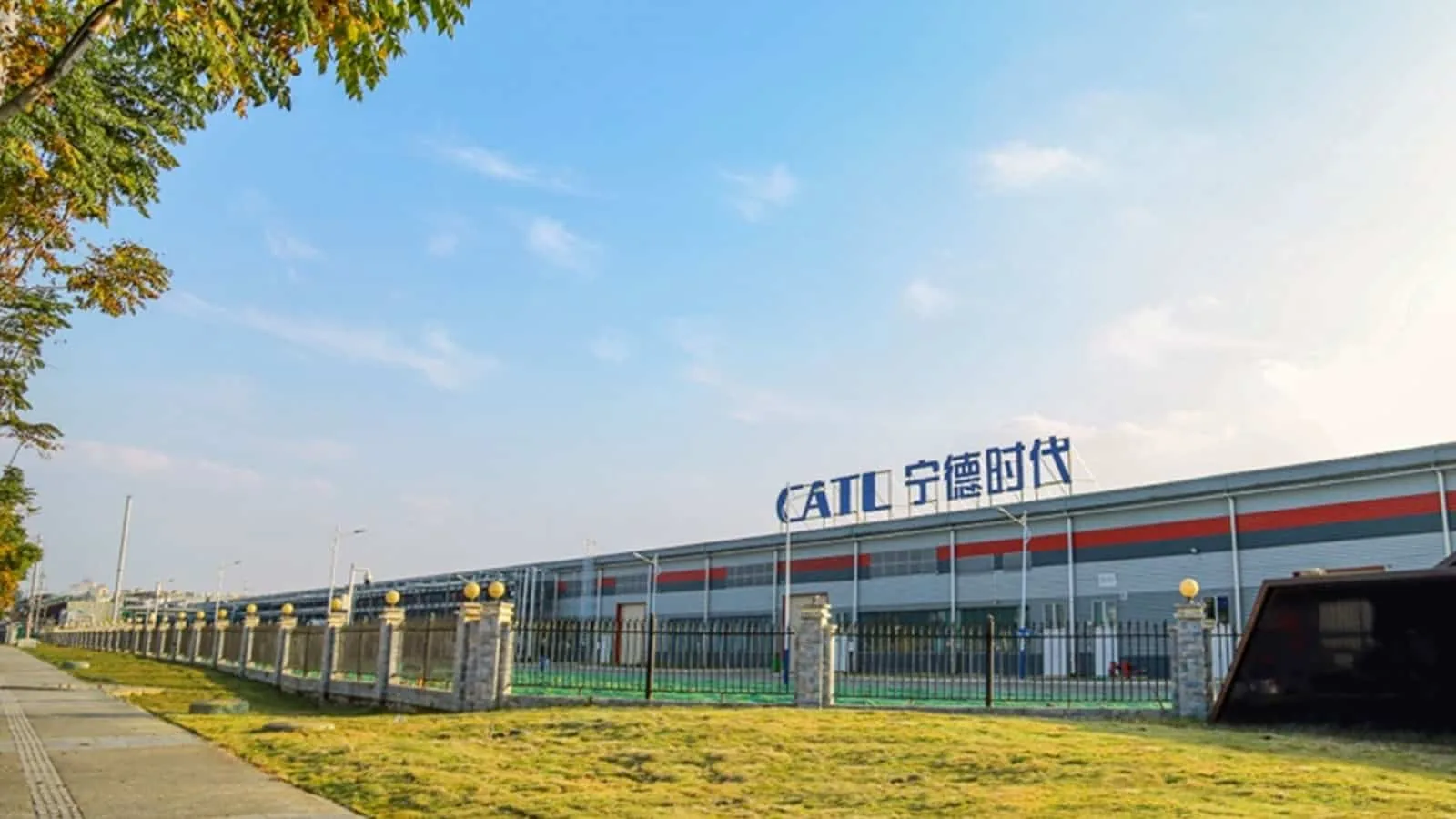
CATL’s stock has fallen 35% from its May high, erasing 700 billion yuan in market value, despite strong profit growth. The decline is driven by a “de-CATL” trend where major Chinese automakers like Li Auto, Xiaomi, and Geely are diversifying battery suppliers or developing in-house batteries to reduce dependency, cut costs, and reclaim product control. CATL retains a dominant market share and manufacturing advantages, but faces a structural shift from monopoly to competitive leader.
Chinese EV maker BYD responded to investor concerns on September 24, attributing 2-3 month delivery delays for some models to strong demand for its flash-charging vehicles and the ongoing production ramp-up of its second-generation blade battery. The company stated it is advancing capacity construction and optimizing production scheduling to accelerate deliveries. Regarding declining profits and falling stock price despite rising sales, BYD advised investors to rationally assess risks and refer to periodic reports.
Chinese automaker Zotye Auto, halted since 2020 due to a debt crisis, has resumed limited operations at its Yongkang headquarters. A Securities Times reporter observed night shifts in assembly workshops and the company posted job openings. However, former employees and suppliers express deep skepticism, citing severe cash shortages (259 million yuan cash vs. 2.3 billion yuan liabilities), a collapsed supply chain, and intense competition from BYD and Geely. Zotye’s previous 2022 restart attempt quickly failed.
At the 2026 Yunqi Conference in Hangzhou, Alibaba CEO Wu Yongming declared the arrival of a "machine intelligence" era, predicting total machine thinking will exceed human thinking by 1,000 times. He identified AI models, AI chips, and AI cloud as three foundational pillars for this era. Alibaba announced its Zhenwu V900 AI chip with triple the computing power of its predecessor, plans to scale Qwen models to 5-10 trillion parameters, and a target for Alibaba Cloud to operate over 20GW of global data center capacity by 2032.
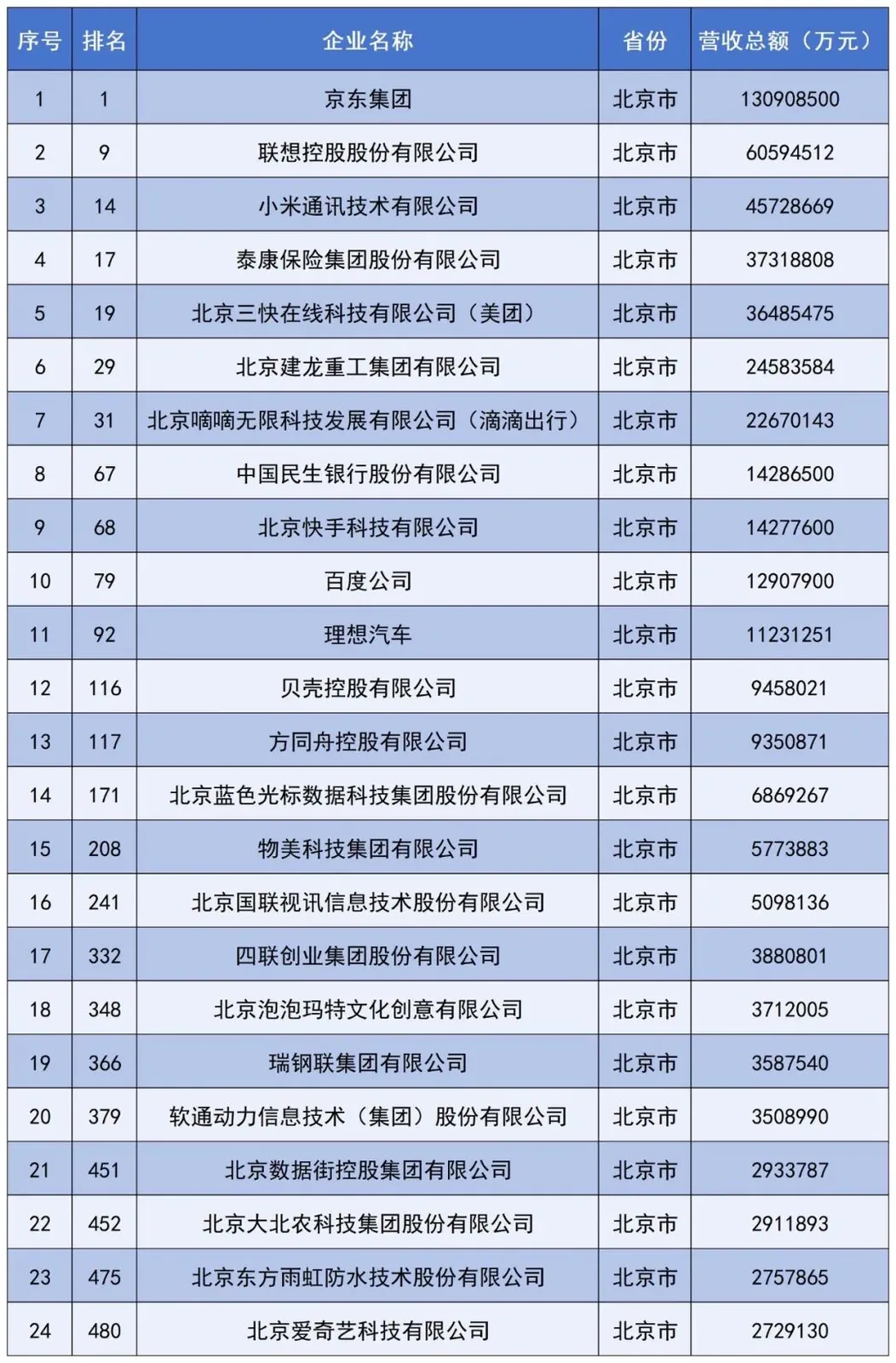
On September 22, the All-China Federation of Industry and Commerce released the 2026 China Top 500 Private Enterprises list in Tianjin, based on 2025 revenue data from 6,350 firms. JD.com, Alibaba, and Hengli Group led the ranking. The top 500 firms reported total revenue of 44.93 trillion yuan (up 4.35%), net profit of 1.83 trillion yuan (up 1.31%), and tax payments of 1.30 trillion yuan. 254 firms paid over 1 billion yuan in taxes. Zhejiang had the most listed firms (104), followed by Jiangsu (90) and Shandong (51).
On September 22, the All-China Federation of Industry and Commerce released the 2026 China Top 500 Private Enterprises list in Tianjin. JD.com, Alibaba, and Hengli Group secured the top three spots for the fifth consecutive year. The survey included 6,350 firms with 2025 revenues over 10 billion yuan. The top 500 reported total revenue of 44.93 trillion yuan (up 4.35% year-on-year), net profit of 1.83 trillion yuan (up 1.31%), and tax payments of 1.30 trillion yuan. 110 companies exceeded 100 billion yuan in revenue.
On September 22, the All-China Federation of Industry and Commerce released the 2026 China Top 500 Private Enterprises list, based on 2025 revenue data from 6,350 firms. Total revenue reached 44.93 trillion yuan, up 4.35% year-on-year, while net profit grew 1.31% to 1.83 trillion yuan. The entry threshold fell to 255.99 billion yuan. Manufacturing firms accounted for 70.6% of the list. R&D spending totaled 1.26 trillion yuan. The real estate sector shrank sharply, while new energy firms surged.
The All-China Federation of Industry and Commerce released the 2026 China Private Enterprise 500 list on September 22, showing total revenue of 44.93 trillion yuan (up 4.35%) but net profit growth of only 1.31%, a three-year low. The Yangtze River Delta region secured 224 spots. Real estate firms collapsed from 44 to 5 since 2021, while new energy companies doubled. Fujian and Anhui each added five firms, while Hubei lost seven and Chongqing lost five.
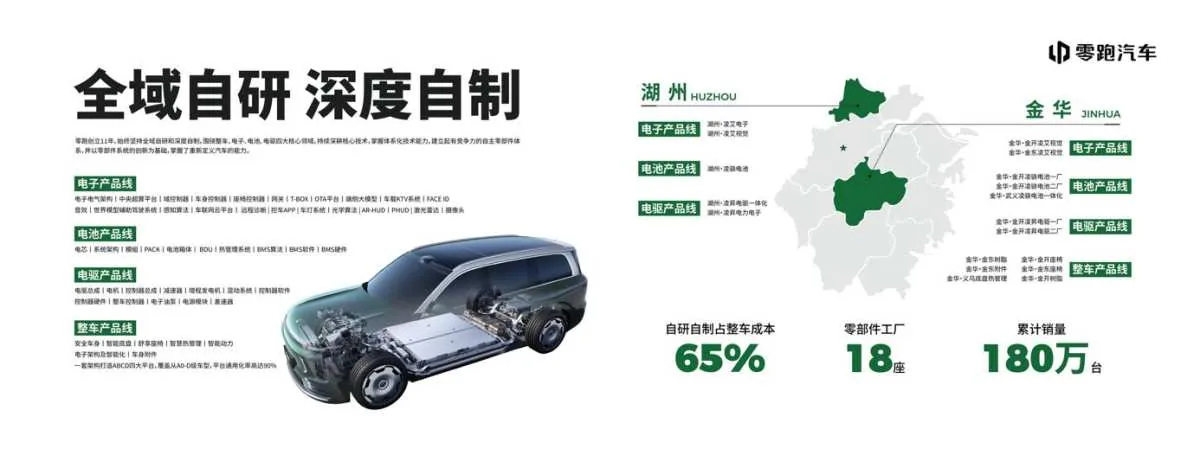
At its 2026 Technology Day in Huzhou, Zhejiang, Chinese EV maker Leapmotor unveiled the LEAP 5.0 vehicle architecture, LWM world model for assisted driving, MM-i hybrid powertrain, and CTC 3.0 battery technology. CEO Zhu Jiangming announced a second premium brand targeting the over-300,000 yuan market, set to launch in late 2027. Leapmotor also disclosed platform-level partnerships with FAW and Stellantis, with one FAW project in mass production. Zhu compared the company's strategy to Apple's, aiming to become the "Apple of the automotive industry" through system-level innovation.
Chinese electric vehicle makers including Li Auto, Xiaomi, and XPeng are reducing dependence on dominant battery supplier CATL by investing in second-tier manufacturers, forming joint development partnerships, and developing in-house battery capabilities. Li Auto invested 2.65 billion yuan in Sunwoda Power, becoming its second-largest shareholder, while Xiaomi partnered with CALB and Sunwoda for its "Dragon Armor Battery." The shift is driven by cost pressures, as batteries account for 30-40% of vehicle costs, and a desire for supply chain security and product differentiation. CATL's stock has fallen over 35% from its 2026 high, losing more than 700 billion yuan in market value.
On September 22, Zhongsu Co., Ltd. and Century Digital surged up to 949% and 850% respectively on their first trading day on Chinese exchanges, triggering multiple trading halts. The next day, both stocks reversed sharply, with Century Digital falling 30% and Zhongsu Plastics dropping 34.53%. The companies issued risk warnings about high valuations and raw material cost exposure.
28 reports · 14 sources · Updated
Illustration
Periodic recap
What changed for this subject in each tracking window — generated from matched events, delta-first.
· 1 event in window
Direct developments for BYD were extremely limited this period, with only one tangentially related event. Elon Musk said on a SpaceX quarterly earnings call that merging SpaceX and Tesla would be "a good idea," confirming both companies have formed special committees of independent directors to evaluate a potential combination. Musk, who leads both firms, cannot participate due to his conflicted status, and any deal would require approval from at least 50% of Tesla shareholders. The story was covered by 6 sources across 21 articles but made no mention of BYD.
Musk said on a SpaceX earnings call that merging SpaceX and Tesla would be "a good idea," with both companies forming special committees of independent directors to evaluate a potential combination.
Musk cannot participate in the committees due to his conflicted status leading both firms, and any deal would require approval from at least 50% of Tesla shareholders.
The story was covered by 6 sources across 21 articles but made no mention of BYD, leaving no direct developments for the company this period.
Earlier recaps
· 2 events in window
Direct developments for BYD remained limited this period, with the main signals coming from industry competition and niche market performance. Li Auto unveiled an aggressive in-house battery roadmap targeting 15C ultra-fast charging and solid-state batteries, intensifying the technology race in the new energy sector. In the pickup truck market, BYD led overseas sales of new energy vehicles with 4,300 units sold in August.
· 3 events in window
Direct developments for BYD were limited this period, with the main signals coming from capital markets and the supply chain. Hong Kong tech stocks fell broadly, dragging down BYD as a constituent, though margin traders still added over 100 million yuan in positions. On the supply chain side, anode material supplier Shanshan Co. announced a major capacity expansion to meet demand from clients including BYD.
· 7 events in window
BYD's developments this period centered on rapid charging infrastructure expansion and delivery bottlenecks. The company hit its annual highway flash-charging station target ahead of schedule and unveiled larger-scale national and overseas deployment plans. Meanwhile, strong demand for flash-charging models and the production ramp-up of its second-generation blade battery have led to delivery delays for some models. Additionally, a global consumer survey showed BYD's battery brand has overtaken Japanese and Korean rivals in overseas mindshare, while EU market data confirmed its strong growth momentum in Europe.
· 5 events in window
BYD's developments this period centered on its European expansion plans and a cornerstone investment. Its European adviser revealed that the company plans to build three vehicle assembly plants and one battery factory in Europe to support growth and comply with EU local content rules. Additionally, BYD participated as a cornerstone investor in Huanchuang Technology's Hong Kong IPO. At the industry level, Chinese automakers are adjusting battery supply chain strategies to reduce reliance on CATL, though the direct impact on BYD remains unclear.
· 11 events in window
BYD's developments this period centered on supply chain events and its own operational adjustments. Its supplier Zhongsu Plastics surged on its ChiNext debut, while BYD's Xi'an base launched a large-scale recruitment drive driven by a surge in export orders. Additionally, BYD ranked among the top five in the 2026 China Top 500 Private Enterprises list, though the list itself is not a BYD-specific event.
Tracked events
Events matched to this subject by the tracking pipeline, with signal scores.
 Reference image