China’s 2026 Private Enterprise 500: Revenue up 4.35% but profit growth slumps to 1.31%
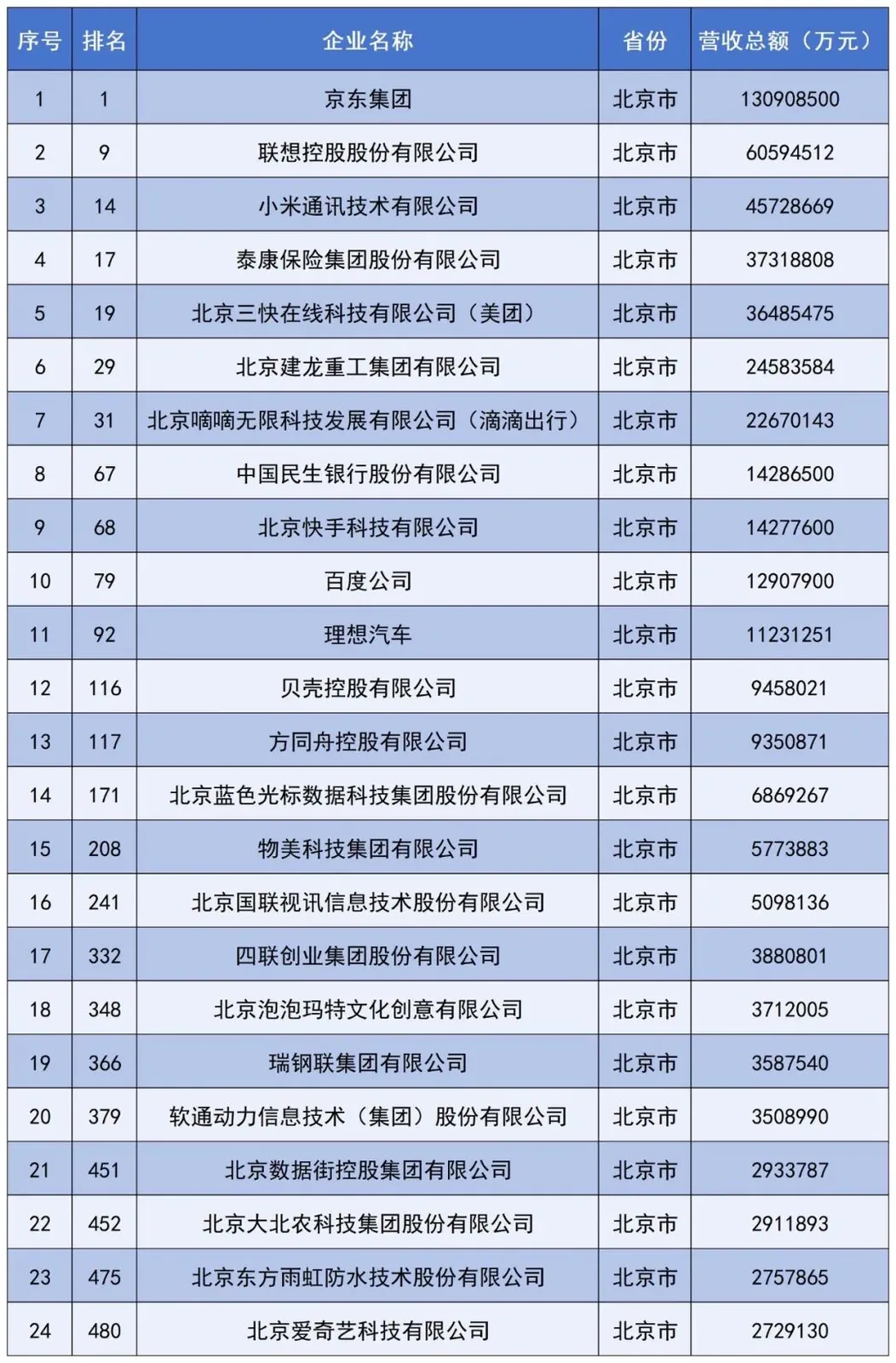
The All-China Federation of Industry and Commerce released the 2026 China Private Enterprise 500 list on September 22, showing total revenue of 44.93 trillion yuan (up 4.35%) but net profit growth of only 1.31%, a three-year low. The Yangtze River Delta region secured 224 spots. Real estate firms collapsed from 44 to 5 since 2021, while new energy companies doubled. Fujian and Anhui each added five firms, while Hubei lost seven and Chongqing lost five.
 Reference image
Editorial responsibility
- No named human review is recorded for this page.
- Reports are grouped by semantic similarity and deterministic rules. Language models may assist titles, summaries, translation and cross-source analysis; the page reads the event directly, while its address stays stable when the title changes.
- Summary covers the current reports
Cross-source coverage
Reporting timeline
Yangtze River Delta Claims 224 Spots on 2026 China Private Enterprise 500 List
The All-China Federation of Industry and Commerce released the '2026 China Private Enterprise 500' list on September 22, with the Yangtze River Delta region (Shanghai, Jiangsu, Zhejiang, Anhui) securing 224 spots, nearly half of the total. The top three are JD.com, Alibaba, and Hengli Group, with Alibaba and Hengli from the delta. Alibaba surpassed one trillion yuan in revenue, becoming Zhejiang's first 'trillion-level' private firm. Zhejiang leads with 104 firms, followed by Jiangsu (90), Shanghai (18), and Anhui (12). Anhui showed the fastest growth, adding 5 firms since 2022 and increasing total revenue by 115.3%. The article notes a structural shift toward manufacturing and strategic emerging industries, but highlights a 'revenue growth without profit growth' issue, with total revenue up 4.35% but net profit only up 1.31%. Regional policy coordination, including a new cross-provincial 'one-stop' government service regulation, is cited as supporting the private sector.
Read sourceYangtze River Delta Firms Claim 224 of 2026 China Private Enterprise Top 500 Seats
The All-China Federation of Industry and Commerce released the '2026 China Private Enterprise Top 500' list on September 22, with the Yangtze River Delta region (Shanghai, Jiangsu, Zhejiang, Anhui) securing 224 seats, nearly half of the total. The top three firms—JD.com, Alibaba, and Hengli Group—are all from the region. Alibaba became Zhejiang's first private firm to exceed one trillion yuan in revenue, the second nationally. Anhui showed the fastest improvement, adding five firms since 2022 and achieving a 115.3% revenue increase over five years. However, the report notes a structural 'revenue growth without profit growth' issue: total revenue of the 500 firms grew 4.35% while net profit grew only 1.31%. The article attributes this to price competition and calls for a shift to quality. It also highlights new regional policy coordination, including a unified 'one-stop government service' regulation effective May 1, 2026, and provincial-level private economy promotion laws and plans.
Read sourceChina's Top 500 Private Firms: Regional Shifts Reveal Winners and Losers
An analysis of the 2026 China Top 500 Private Enterprises list, released by the All-China Federation of Industry and Commerce on September 22, reveals significant regional shifts over the past five years (2022-2026). Zhejiang, Jiangsu, Shandong, and Guangdong remain the top four provinces, accounting for over 60% of listed firms, though their internal dynamics differ. Guangdong surpassed Jiangsu in total revenue despite having fewer firms, driven by super-enterprises like Huawei, BYD, and Tencent. Shandong saw the strongest revenue growth, fueled by petrochemical firms. The biggest gains occurred in mid-tier provinces: Fujian and Anhui each added five firms, the most of any province, following distinct growth paths—Anhui via hard-tech supply chains (solar, EVs, batteries, AI) and Fujian via a mix of manufacturing, consumer brands, and global trade. Conversely, Hubei lost seven firms and Chongqing lost five, largely due to the exit of real-estate companies. Shaanxi shrank from five to three firms, losing its only trillion-yuan revenue firm as the solar industry declined. The analysis concludes that the list reflects a transition from old industries (real estate, steel) to new ones (new energy, AI, recycling), with provinces that fail to cultivate new engines risking further decline.
Read sourceShow 11 older updatesHide older updates
China's Top 500 Private Firms Reshuffle: Who Rises, Who Bleeds?
An analysis of the 2026 China Private Enterprise 500 list, published by the All-China Federation of Industry and Commerce on September 22, reveals significant shifts in provincial economic vitality. Zhejiang, Jiangsu, Shandong, and Guangdong remain the top four provinces by number of listed firms, accounting for over 60% of the total. However, from 2022 to 2026, Zhejiang, Jiangsu, and Guangdong each lost 2-3 firms, while Shandong gained one. The most notable gains occurred in Fujian and Anhui, each adding five firms, driven by distinct growth paths: Anhui's hard-tech chain breakthroughs (e.g., Sungrow, NIO, Gotion High-tech) and Fujian's diversified model of manufacturing, consumer brands, and global trade (e.g., CATL, Luckin Coffee). Conversely, Hubei and Chongqing experienced the largest declines, losing seven and five firms respectively, primarily due to the exit of real estate-related companies. The analysis attributes these shifts to a structural transformation of regional economies, where old industries recede and new engines must emerge to maintain competitiveness.
Read sourceChina Private Enterprise 500: Zhejiang Leads, Strategic Industries Reshape Regional Competition
An analysis by 21st Century Business Herald of the 2026 China Private Enterprise 500 list, released by the All-China Federation of Industry and Commerce, reveals that the 500 firms generated total revenue of 44.9 trillion yuan, nearly 30% of China's 2025 GDP. The report highlights three key trends: First, regional disparity is stark, with eastern coastal provinces (Zhejiang, Jiangsu, Shanghai, Guangdong, Beijing) accounting for 79% of listed firms and 85% of total revenue, while central, western, and northeastern regions combined have only 105 firms. Second, Guangdong's firms exhibit the strongest technology profile, concentrated in new energy vehicles, electronics, and digital tech (e.g., Huawei, BYD, Tencent), but lack 'waist-level' support outside core cities. Third, strategic emerging industries are becoming the new competitive focus, with provinces like Anhui (concentrated in Hefei) and Jiangsu leveraging new energy and AI clusters, while traditional resource-heavy provinces like Shandong, Hebei, and Shanxi face transition pressure. The report attributes central and western provinces' success to 'strong capital city' strategies, but notes that energy-dependent regions lack advanced manufacturing to counter cyclical risks.
Read sourceChina's Top 500 Private Firms: Regional Shifts as Fujian and Anhui Rise, Hubei and Chongqing Decline
An analysis of the 2026 China Private Enterprise Top 500 list, published by the All-China Federation of Industry and Commerce on September 22, reveals significant regional shifts over the past five years. Zhejiang, Jiangsu, Shandong, and Guangdong remain the top four provinces by number of listed firms, accounting for over 60% of the total. However, the most notable changes are in the middle tier: Fujian and Anhui each added five firms, becoming the fastest-growing provinces, while Hubei lost seven firms and Chongqing lost five, marking the largest declines. The report attributes these shifts to industrial transformation. Anhui's growth is driven by a hard-tech chain breakthrough in new energy (solar, EVs, batteries) and AI/semiconductors. Fujian's model combines manufacturing (CATL, Fuyao Glass), consumer brands (Luckin Coffee), and global trade. In contrast, Hubei and Chongqing's losses are linked to the exit of real estate firms, partially offset by new entrants in recycling and manufacturing (e.g., Seres in Chongqing). Shaanxi saw a continued contraction, losing its last billion-yuan private firm as two former giants entered bankruptcy. The analysis concludes that the list reflects a broader 'old-to-new' economic transition across Chinese provinces.
China's Top 500 Private Firms: Regional Shifts Reveal Winners and Losers in Economic Transition
An analysis of the 2026 China Top 500 Private Enterprises list, published by the National Federation of Industry and Commerce on September 22, reveals significant regional shifts over the past five years (2022-2026). Zhejiang, Jiangsu, Shandong, and Guangdong remain the top four provinces, accounting for over 60% of listed firms, though their individual counts have slightly declined or stabilized. The most notable gains occurred in Fujian and Anhui, each adding five listed firms, driven by distinct growth models: Anhui's hard-tech chain breakthroughs (solar, EVs, batteries, AI) and Fujian's diversified mix of manufacturing, consumer brands, and global trade. The biggest declines were in Hubei (down 7 firms) and Chongqing (down 5 firms), largely due to the exit of real estate-related companies. Shaanxi also shrank from 5 to 3 firms, losing its last billion-dollar private firm. The report attributes these shifts to a structural economic transition from traditional sectors like real estate and steel toward new energy, technology, and consumer services, with provincial winners and losers reflecting their ability to adapt.
Read sourceChina Private Enterprise Top 500: Zhejiang, Jiangsu, Guangdong Lead; Strategic Emerging Industries Reshape Regional Competitiveness
On September 22, the All-China Federation of Industry and Commerce released the '2026 China Private Enterprise Top 500' list, with total revenue of 44.9 trillion yuan, nearly 30% of China's 2025 GDP. The list reveals a stark regional divide: eastern coastal provinces account for 79% of the firms and 85% of total revenue. Zhejiang leads with 104 firms, followed by Jiangsu (90), Shandong, and Guangdong (49). The article, attributed to 21st Century Business Herald researcher Li Guo, identifies three key trends: first, the east-west gap is pronounced, with central, western, and northeastern regions combined having only 105 firms; second, Guangdong's firms have the strongest technology profile, concentrated in EVs, electronics, and digital tech, but lack 'waist-level' support outside core cities; third, strategic emerging industries (new energy, AI, semiconductors) are becoming the new competitive focus, with provinces like Anhui and Sichuan leveraging strong capital-city strategies to foster advanced manufacturing clusters. Traditional resource-heavy provinces like Shandong, Hebei, and those in the northeast face transition pressure due to over-reliance on cyclical industries such as steel and coal.
Read sourceChina's Top 500 Private Firms: Zhejiang Leads, Strategic Industries Reshape Regional Competitiveness
An analysis by the 21st Century Business Herald, based on the All-China Federation of Industry and Commerce's '2026 China Top 500 Private Enterprises' list, reveals that the 500 firms generated total revenue of 44.9 trillion yuan, nearly 30% of China's 2025 GDP. The report highlights three key features of regional competition. First, eastern coastal regions dominate, accounting for 79% of listed firms and 85% of total revenue, with Zhejiang (104 firms), Jiangsu (90), and Guangdong (49) leading. Second, strategic emerging industries are becoming a new competitive focus, with provinces like Anhui (12 firms) concentrating on new energy, materials, and AI, while traditional resource-rich provinces like Shandong and Hebei face transition pressure. Third, the 'strong capital city' strategy in central and western regions is proving effective, with firms concentrated in cities like Hefei, Chengdu, and Wuhan. Guangdong's private firms are noted for the strongest tech profile, featuring Huawei, Tencent, and BYD, but lack 'waist-level' support outside the Pearl River Delta. The report concludes that the Yangtze River Delta and Pearl River Delta remain the dual cores of China's private economy.
Read sourceChina's Top 500 Private Firms: Revenue Up, Profit Slumps; Real Estate Fades, New Energy Rises
The All-China Federation of Industry and Commerce released the '2026 China Top 500 Private Enterprises' list on September 22, based on a survey of 6,350 firms with 2025 revenues over 1 billion yuan. Total revenue of the top 500 reached 44.93 trillion yuan, up 4.35% year-on-year, but average net profit was only 3.652 billion yuan, a 1.31% increase and a three-year low. The entry threshold fell to 25.599 billion yuan, the lowest in five years. Geographically, Zhejiang (109 firms), Jiangsu (95), Shandong (51), and Guangdong (49) lead, with eastern coastal provinces accounting for about 80% of the list. The report highlights a sharp industry shift: real estate firms on the list dropped from 44 in 2021 to just 5 in 2026, while new energy companies (solar, lithium batteries, electric vehicles) doubled. Economist Zhou Dewen attributed the 'revenue growth without profit growth' to past overemphasis on scale and ongoing industrial transformation, noting that firms are now pivoting toward technological innovation as a growth driver.
Read sourceChina's Top 500 Private Firms Show Regional Shifts: Fujian and Anhui Rise, Hubei and Chongqing Decline
An analysis of the 2026 China Private Enterprise 500 list, released by the National Federation of Industry and Commerce on September 22, reveals significant regional shifts. Zhejiang, Jiangsu, Shandong, and Guangdong remain the top four provinces, accounting for over 60% of listed firms, though their individual counts have slightly changed since 2022. The most notable changes are in mid-tier provinces: Fujian and Anhui each gained five listed firms, the largest increase, driven by different growth models. Anhui's rise is attributed to a hard-tech chain breakthrough in new energy and AI, while Fujian's growth stems from a mix of manufacturing, consumer brands, and global trade. Conversely, Hubei lost seven firms and Chongqing lost five, primarily due to the exit of real estate-related companies. The article notes that the overall entry threshold for the 500 list fell to 256 billion yuan in 2026 from 263.7 billion yuan in 2022, while total revenue grew 17.2%, indicating growth is concentrated among top-tier firms. The analysis presents these changes as a reflection of a broader economic transformation from traditional sectors like real estate to new industries such as new energy and technology.
Read sourceChina's Top 500 Private Firms: Regional Shifts Show Rise of Fujian and Anhui, Decline of Hubei and Chongqing
An analysis of the 2026 China Private Enterprise 500 list, released by the National Federation of Industry and Commerce on September 22, reveals significant regional shifts over the past five years (2022-2026). Zhejiang, Jiangsu, Shandong, and Guangdong remain the top four provinces, accounting for over 60% of listed firms, though their numbers have slightly declined except for Shandong. The most notable changes are in mid-tier provinces: Fujian and Anhui each added 5 firms, the highest net gain, driven by contrasting growth models. Anhui's rise is fueled by a hard-tech chain in new energy (e.g., Sungrow, NIO, Gotion High-tech) and AI/semiconductors (iFLYTEK). Fujian's growth stems from a diversified model combining manufacturing (CATL, Fuyao Glass), consumer brands (Luckin Coffee), and global trade. Conversely, Hubei lost 7 firms and Chongqing lost 5, primarily due to the exit of real estate companies. Shaanxi also saw a decline, with its two former billion-dollar firms entering bankruptcy. The report attributes these shifts to a structural transformation of regional economies, moving away from real estate towards new energy, technology, and advanced manufacturing.
China's Top 500 Private Firms: Regional Shifts Reveal Winners and Losers in Economic Transition
An analysis of the 2026 China Private Enterprise Top 500 list, published by the All-China Federation of Industry and Commerce on September 22, reveals significant regional shifts in the country's private sector. Zhejiang, Jiangsu, Shandong, and Guangdong remain the top four provinces by number of listed firms, accounting for over 60% of the total. However, the most notable changes are in the middle tier. Fujian and Anhui each added five firms over the past five years, becoming the fastest-growing provinces. Fujian's growth is driven by a mix of manufacturing (e.g., CATL), consumer brands (e.g., Luckin Coffee), and trade, while Anhui's rise is fueled by a hard-tech chain in new energy (e.g., Sungrow, NIO, Gotion High-tech) and AI/semiconductors (e.g., iFlytek). In contrast, Hubei lost seven firms and Chongqing lost five, primarily due to the exit of real estate-related companies. Shaanxi saw a continued decline, with its once-billion-yuan firms entering bankruptcy. The analysis attributes these shifts to a structural transition from traditional industries like real estate to emerging sectors such as new energy, AI, and recycling.
Read source2026 China Private Enterprise Top 500: Zhejiang, Jiangsu, Shandong, Guangdong Lead with 58.8% Share
The All-China Federation of Industry and Commerce released the '2026 China Private Enterprise Top 500' list in Tianjin on September 22, revealing a pronounced regional concentration. Eastern coastal provinces dominate, with Zhejiang (104 firms), Jiangsu (90), Shandong (51), and Guangdong (49) collectively accounting for 294 companies, or 58.8% of the total. A second tier includes Hebei (31), Beijing (24), Fujian (20), and Shanghai (18). Central provinces like Henan (16) show relative strength, while western and northeastern regions have minimal representation. Analysts attribute the distribution to marketization levels, industrial chains, and business environments in coastal areas, noting that central and western regions rely on resource-based and specialty manufacturing sectors. The top three firms are JD.com (Beijing), Alibaba (Zhejiang), and Hengli Group (Jiangsu).
Read source