US-Iran conflict drives Baltic Dirty Tanker Index to 5,250, a fivefold surge since early 2025
The Baltic Dirty Tanker Index (BDTI) surged to 5,250 points by September 24, 2026, more than doubling year-to-date and rising over fivefold from early 2025 levels, driven by the US-Iran conflict disrupting shipping routes. Chinese tanker firms COSCO Shipping Energy and China Merchants Energy Shipping reported H1 2026 net profit increases of 143% and 228% respectively. Analysts at CITIC Securities and Guotai Haitan forecast further upside, citing capacity losses from dark fleet operations, Red Sea diversions, and port congestion.
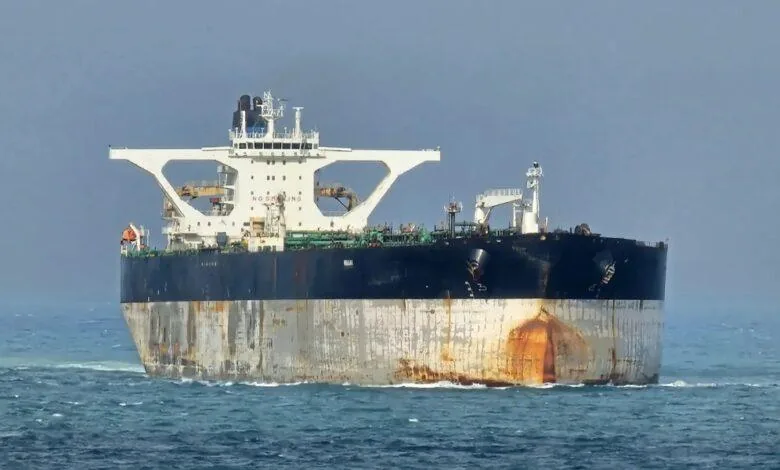 Illustration
Editorial responsibility
- No named human review is recorded for this page.
- Reports are grouped by semantic similarity and deterministic rules. Language models may assist titles, summaries, translation and cross-source analysis; the page reads the event directly, while its address stays stable when the title changes.
- Summary covers the current reports
Cross-source coverage
Common ground
- The US-Iran conflict and sanctions have created instability in the Strait of Hormuz, disrupting global shipping routes.
- The BDTI surge and record tanker rates are driven by geopolitical tensions, not just normal market forces.
- Chinese shipping companies like COSCO and China Merchants Energy have seen massive profit increases due to the crisis.
- The 'dark fleet' of vessels operating outside Western insurance and banking systems has grown significantly.
- The US has limited diplomatic off-ramps, making de-escalation difficult in the near term.
Points of contention
- Whether the current rate spike is a temporary supply shock or a permanent structural shift in global shipping.
- Whether Chinese shipping companies are providing a necessary lifeline or profiting from sanctions-busting and human suffering.
- Whether the US or China bears more responsibility for the crisis and its humanitarian costs.
- Whether historical patterns of rate collapses after past spikes will repeat this time.
- Whether the rise of yuan oil trades and parallel shipping systems represents a true multipolar shift or just a temporary adaptation.
Blind spots
- The debate largely ignores the human cost on local populations, such as Iranian fishermen, Yemeni families, and stranded seafarers.
- There is little discussion of how the crisis affects global energy access for developing nations beyond China.
- The long-term impact of peak oil demand forecasts on shipping infrastructure investments is overlooked.
- The role of other regional powers like India, Japan, or Gulf states in shaping outcomes is barely mentioned.
- The potential for environmental damage from dark fleet operations and aging vessels is not addressed.
WorldAttention’s read
This debate shows that the surge in tanker rates and shipping profits is a direct result of US-Iran tensions and sanctions, but there's no agreement on whether this is a temporary spike or a lasting change. The Eastern Agent argues it's a sign of a new multipolar world where China provides stability, while the Neutral Agent insists it's a panic-driven supply shock that will fade. The Regional Agent highlights the human suffering behind the numbers, blaming both US policy and Chinese profiteering. All sides agree the US has limited options for de-escalation, but they disagree on who is responsible and what comes next. The biggest blind spot is the real-world impact on ordinary people in the region, which gets lost in the debate over markets and geopolitics.
Reporting timeline
Oil Shipping Market Heats Up, Institutions See Short-Term Resilience in Freight Rates
The global crude oil transport market is experiencing a significant surge, with the Baltic Dirty Tanker Index (BDTI) reaching 5,250 points as of September 24, 2026, up over 100% year-to-date and more than five times its level at the start of 2025. Most of the gains have occurred in the past month. This rally has boosted the performance and stock prices of A-share oil shipping companies, with COSCO Shipping Energy Transportation reporting a 143.21% increase in net profit for the first half of the year and China Merchants Energy Shipping reporting a 227.57% increase. Multiple institutions maintain an optimistic outlook. Guotai Haitan Securities attributes the surge to improved supply-demand dynamics and high shipowner confidence. CITIC Securities believes the core contradiction is a spiral of effective capacity loss and cargo volume resonance, suggesting short-term freight rates have further upside resilience and have not yet fully reflected the tight supply-demand balance. Huachuang Securities expects the oil tanker freight rate center to remain high due to improved global crude flows, longer voyage distances, efficiency losses, and the approaching peak season. CITIC Securities forecasts that valuations and profits of oil tanker leaders could hit record highs in the fourth quarter of 2026.
Read sourceOil Tanker Rates Surge Over 5-Fold as US-Iran Conflict Drives Shipping Super Cycle
The US-Iran conflict has severely disrupted global oil shipping routes, causing tanker diversions and rising costs amid historically low vessel supply. The Baltic Dirty Tanker Index (BDTI) surged to 5,250 points by September 24, 2026, more than doubling year-to-date and rising over five-fold from early 2025 levels. Most of the recent gains occurred in the past month. CITIC Securities analysts state that current freight rates do not fully reflect supply-demand tightness and forecast record valuations and profits for tanker leaders in 2026. Chinese oil shipping firms like COSCO Shipping Energy and China Merchants Energy Shipping reported massive profit jumps in the first half of 2026, with net profit up 143% and 228% respectively. Their stock prices have also soared, with China Merchants Energy Shipping up over 136% year-to-date. Analysts from CITIC and Guotai Haitan remain optimistic, citing effective capacity losses from dark shipping, diversions, and port congestion, and expect further upside in the fourth quarter peak season.
Read sourceOil Tanker Rates Surge Over 5-Fold as US-Iran Conflict Drives Shipping Supercycle
The US-Iran conflict has severely disrupted global oil shipping routes, forcing tankers on longer voyages and driving up costs amid historically low vessel supply. According to Wind data, the Baltic Dirty Tanker Index (BDTI) surged to 5,250 points by September 24, 2026, a more than five-fold increase from ~850 points in early 2025, with most of the year's gains occurring in the last month. CITIC Securities analysts state that current freight rates do not fully reflect supply-demand tightness and predict record valuations and profits for tanker leaders in 2026. Major Chinese oil tanker firms reported massive profit jumps: COSCO Shipping Energy's H1 net profit rose 143% year-on-year, and China Merchants Energy Shipping's H1 net profit surged 227%. Their stock prices have also soared, with China Merchants Energy up over 136% year-to-date. Analysts from CITIC and Guotai Haitong remain bullish, citing effective capacity loss from dark shipping, diversions, and port congestion, and expect further upside in the fourth quarter peak season.
Read sourceShow 5 older updatesHide older updates
Oil shipping rates surge over 5-fold as US-Iran conflict drives super cycle
The US-Iran conflict has disrupted global oil shipping routes, causing tanker diversions and cost increases amid historically low vessel supply. According to Wind data, the Baltic Dirty Tanker Index (BDTI) surged to 5,250 points by September 24, 2026, more than doubling year-to-date and rising over five-fold from early 2025. CITIC Securities notes that current freight rates have not fully reflected supply-demand tightness, forecasting record profits and valuations for tanker leaders in 2026. Chinese listed firms like COSCO Shipping Energy and China Merchants Energy Shipping reported sharp profit increases in the first half of 2026, with net profit up 143% and 228% respectively. Their stock prices have also soared, with COSCO up 88% and China Merchants up 137% year-to-date. Analysts at Guotai Haitan and CITIC expect further upside, citing effective capacity losses from dark shipping, diversions, and port congestion, with some VLCC rates exceeding $1 million per day. The article attributes these views to the respective brokerages and conditions such as geopolitical tensions and seasonal demand.
Oil shipping rates surge over 5-fold as Iran-US conflict drives super cycle
The Iran-US conflict has disrupted global oil shipping routes, causing tanker diversions and cost increases amid historically low vessel supply. According to Wind data, the Baltic Dirty Tanker Index (BDTI) surged to 5,250 points by September 24, 2026, more than doubling year-to-date and rising over five-fold from early 2025. Most of this year's gains occurred in the past month. CITIC Securities analysts state that current freight rates have not fully reflected supply-demand tightness, and that traditional shipping cycle analysis needs adjustment, forecasting record-high profits and valuations for tanker leaders in 2026. Chinese listed shipping firms like COSCO Shipping Energy and China Merchants Energy Shipping reported sharp profit increases in the first half of 2026, with net profit up 143% and 228% respectively. Their stock prices have also soared, with COSCO up 88% and China Merchants up 137% year-to-date. Analysts from CITIC and Guotai Haitong remain optimistic, citing dark fleet operations, Red Sea diversions, and port congestion as factors sustaining high rates, with potential for further upside during the peak season.
Read sourceOil Tanker Rates Surge Over 500% as Super Cycle Drives Freight, Earnings, and Stocks Higher
The global oil tanker market is experiencing a super cycle driven by the US-Iran conflict, which has disrupted traditional shipping routes and forced vessels to take longer detours, increasing costs. The Baltic Dirty Tanker Index (BDTI) surged to 5,250 points by September 24, 2026, more than doubling in the past month and rising over fivefold from early 2025 levels. Chinese brokerages CITIC Securities and Guotai Haitan forecast further upside, citing effective capacity losses from shadow fleet operations, red-sea diversions, and port congestion. Major Chinese oil tanker firms like COSCO Shipping Energy and China Merchants Energy Shipping reported massive profit jumps in the first half of 2026, with net income rising 143% and 228% respectively. Analysts believe current freight rates do not fully reflect supply-demand tightness, and the peak season could push rates even higher, with some Very Large Crude Carrier (VLCC) time charter equivalents exceeding $1 million per day.
Read sourceOil Tanker Rates Surge Over 500% as Super Cycle Drives Freight, Earnings, and Stocks Higher
The global crude oil tanker market is experiencing a super cycle, with the Baltic Dirty Tanker Index (BDTI) surging to 5,250 points by September 24, 2026, a gain of over 500% from early 2025 and more than 100% year-to-date. The rally is driven by the US-Iran conflict disrupting traditional shipping routes, forcing tankers to take longer voyages, combined with historically low vessel supply. Analysts at CITIC Securities and Guotai Haitan forecast further upside, citing a 'spiral of effective capacity loss' from dark fleet operations, red sea diversions, and port congestion. Major Chinese oil tanker firms have seen huge profit gains: COSCO Shipping Energy reported a 143% net profit increase in H1 2026, while China Merchants Energy Shipping posted a 228% rise. CITIC Securities warns that current freight rates do not fully reflect supply-demand tightness and expects record earnings for tanker leaders in 2026.
Read sourceOil tanker rates surge over 5-fold as US-Iran conflict reshapes global shipping routes
The US-Iran conflict has severely disrupted global oil shipping routes, forcing tankers to take longer detours and driving up costs amid historically low vessel supply. The Baltic Dirty Tanker Index (BDTI) surged to 5,250 points by September 24, 2026, a five-fold increase from early 2025 and a 100% gain in the past month alone. CITIC Securities and Guotai Haitan analysts remain bullish, arguing current freight rates do not fully reflect supply-demand tightness. Key drivers include rising 'dark fleet' cargo volumes, Red Sea diversions, and congestion in the Gulf. Spot rates for VLCC tankers have hit record highs, with some exceeding $1 million per day. Chinese shipping firms Zhongyuan Hai Neng and China Merchants Energy Shipping reported massive profit jumps in the first half of 2026, with net income up 143% and 228% respectively. Their stock prices have also soared, with China Merchants Energy up 137% year-to-date. Analysts expect further upside as winter demand and geopolitical tensions sustain the super-cycle.