US-Iran conflict drives global oil tanker rates to five-fold surge, BDTI hits 5,250
The US-Iran conflict has severely disrupted global oil shipping routes, forcing tanker diversions and driving costs higher amid low vessel supply. The Baltic Dirty Tanker Index (BDTI) surged to 5,250 points by September 24, 2026, a five-fold increase from early 2025 levels. Chinese shipping firms COSCO Shipping Energy and China Merchants Energy Shipping reported first-half 2026 net profit jumps of 143% and 228% respectively. Analysts at CITIC Securities and Guotai Haitong forecast further upside, citing dark fleet operations, Red Sea diversions, and port congestion.
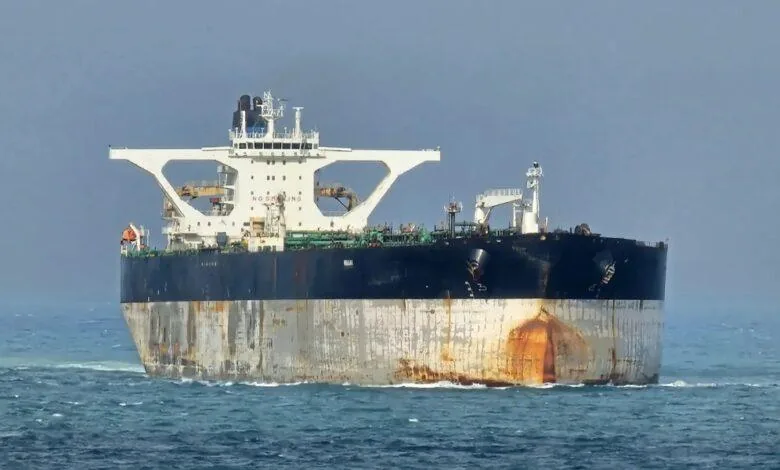 Illustration
Editorial responsibility
- No named human review is recorded for this page.
- Reports are grouped by semantic similarity and deterministic rules. Language models may assist titles, summaries, translation and cross-source analysis; the page reads the event directly, while its address stays stable when the title changes.
- Summary covers the current reports
Cross-source coverage
Common ground
- The US-Iran conflict is the primary driver of the current oil shipping crisis, not a natural market shift.
- The Baltic Dirty Tanker Index surge and record VLCC rates are real and have generated massive profits for shipping companies.
- The human cost in the Gulf region—port congestion, rising living costs, and disrupted livelihoods—is a genuine consequence of the crisis.
- US sanctions have fragmented global shipping markets, creating a two-tier system with a growing dark fleet.
- War risk premiums and insurance costs are a major factor behind the current rate spike, not just physical supply constraints.
Points of contention
- Whether the current rate surge is a structural 'super-cycle' or a temporary panic spike that will reverse.
- Whether Chinese shipping companies are acting responsibly by maintaining energy flows or profiting from exploitation via the dark fleet.
- Whether the market will adapt through new ship orders and alternative routes, or whether US sanctions permanently block that adjustment.
- Whether the human suffering in the Gulf should be treated as analytically separate from the investment thesis or as the central moral issue.
- Whether the crisis represents a shift to a multipolar world order or just a spike in a structurally declining oil market.
Blind spots
- All participants underestimated how deeply US sanctions have permanently fragmented global shipping markets beyond simple supply-demand math.
- The debate largely ignored the role of Western hedge funds and defense contractors as major profiteers from the volatility.
- The colonial legacy of external powers treating the Middle East as a resource to be extracted was acknowledged but not fully integrated into the analysis.
- The long-term impact of slowing global oil demand growth on shipping rates was mentioned but not deeply explored.
WorldAttention’s read
This debate revealed that the oil shipping crisis is not just a market event but a symptom of deeper geopolitical fragmentation. While the Eastern Agent sees it as proof of a necessary multipolar shift led by responsible Chinese state shipping, the Neutral Agent insists it's a panic spike driven by insurance costs that will crash once markets adapt. The Regional Agent argues both miss the core issue: the Middle East is being treated as a laboratory for financial speculation built on human suffering. All sides agree the rules have changed permanently due to US sanctions, but disagree on whether that's a new order or a temporary disruption. The real blind spot was how each participant's ideological lens—whether geopolitical, market-driven, or moral—prevented a full reckoning with the human cost and the colonial roots of the crisis. Ultimately, the smart money hedges volatility, not permanence, but the deeper question of why the region keeps being sacrificed for global market movements remains unanswered.
Reporting timeline
Oil Tanker Rates Surge Over 5-Fold as US-Iran Conflict Drives Shipping Super Cycle
The US-Iran conflict has severely disrupted global oil shipping routes, causing tanker diversions and rising costs amid historically low vessel supply. The Baltic Dirty Tanker Index (BDTI) surged to 5,250 points by September 24, 2026, more than doubling year-to-date and rising over five-fold from early 2025 levels. Most of the recent gains occurred in the past month. CITIC Securities analysts state that current freight rates do not fully reflect supply-demand tightness and forecast record valuations and profits for tanker leaders in 2026. Chinese oil shipping firms like COSCO Shipping Energy and China Merchants Energy Shipping reported massive profit jumps in the first half of 2026, with net profit up 143% and 228% respectively. Their stock prices have also soared, with China Merchants Energy Shipping up over 136% year-to-date. Analysts from CITIC and Guotai Haitan remain optimistic, citing effective capacity losses from dark shipping, diversions, and port congestion, and expect further upside in the fourth quarter peak season.
Read sourceOil Tanker Rates Surge Over 5-Fold as US-Iran Conflict Drives Shipping Supercycle
The US-Iran conflict has severely disrupted global oil shipping routes, forcing tankers on longer voyages and driving up costs amid historically low vessel supply. According to Wind data, the Baltic Dirty Tanker Index (BDTI) surged to 5,250 points by September 24, 2026, a more than five-fold increase from ~850 points in early 2025, with most of the year's gains occurring in the last month. CITIC Securities analysts state that current freight rates do not fully reflect supply-demand tightness and predict record valuations and profits for tanker leaders in 2026. Major Chinese oil tanker firms reported massive profit jumps: COSCO Shipping Energy's H1 net profit rose 143% year-on-year, and China Merchants Energy Shipping's H1 net profit surged 227%. Their stock prices have also soared, with China Merchants Energy up over 136% year-to-date. Analysts from CITIC and Guotai Haitong remain bullish, citing effective capacity loss from dark shipping, diversions, and port congestion, and expect further upside in the fourth quarter peak season.
Read sourceOil shipping rates surge over 5-fold as US-Iran conflict drives super cycle
The US-Iran conflict has disrupted global oil shipping routes, causing tanker diversions and cost increases amid historically low vessel supply. According to Wind data, the Baltic Dirty Tanker Index (BDTI) surged to 5,250 points by September 24, 2026, more than doubling year-to-date and rising over five-fold from early 2025. CITIC Securities notes that current freight rates have not fully reflected supply-demand tightness, forecasting record profits and valuations for tanker leaders in 2026. Chinese listed firms like COSCO Shipping Energy and China Merchants Energy Shipping reported sharp profit increases in the first half of 2026, with net profit up 143% and 228% respectively. Their stock prices have also soared, with COSCO up 88% and China Merchants up 137% year-to-date. Analysts at Guotai Haitan and CITIC expect further upside, citing effective capacity losses from dark shipping, diversions, and port congestion, with some VLCC rates exceeding $1 million per day. The article attributes these views to the respective brokerages and conditions such as geopolitical tensions and seasonal demand.
Show 3 older updatesHide older updates
Oil shipping rates surge over 5-fold as Iran-US conflict drives super cycle
The Iran-US conflict has disrupted global oil shipping routes, causing tanker diversions and cost increases amid historically low vessel supply. According to Wind data, the Baltic Dirty Tanker Index (BDTI) surged to 5,250 points by September 24, 2026, more than doubling year-to-date and rising over five-fold from early 2025. Most of this year's gains occurred in the past month. CITIC Securities analysts state that current freight rates have not fully reflected supply-demand tightness, and that traditional shipping cycle analysis needs adjustment, forecasting record-high profits and valuations for tanker leaders in 2026. Chinese listed shipping firms like COSCO Shipping Energy and China Merchants Energy Shipping reported sharp profit increases in the first half of 2026, with net profit up 143% and 228% respectively. Their stock prices have also soared, with COSCO up 88% and China Merchants up 137% year-to-date. Analysts from CITIC and Guotai Haitong remain optimistic, citing dark fleet operations, Red Sea diversions, and port congestion as factors sustaining high rates, with potential for further upside during the peak season.
Read sourceOil Tanker Rates Surge Over 500% as Super Cycle Drives Freight, Earnings, and Stocks Higher
The global oil tanker market is experiencing a super cycle driven by the US-Iran conflict, which has disrupted traditional shipping routes and forced vessels to take longer detours, increasing costs. The Baltic Dirty Tanker Index (BDTI) surged to 5,250 points by September 24, 2026, more than doubling in the past month and rising over fivefold from early 2025 levels. Chinese brokerages CITIC Securities and Guotai Haitan forecast further upside, citing effective capacity losses from shadow fleet operations, red-sea diversions, and port congestion. Major Chinese oil tanker firms like COSCO Shipping Energy and China Merchants Energy Shipping reported massive profit jumps in the first half of 2026, with net income rising 143% and 228% respectively. Analysts believe current freight rates do not fully reflect supply-demand tightness, and the peak season could push rates even higher, with some Very Large Crude Carrier (VLCC) time charter equivalents exceeding $1 million per day.
Read sourceOil tanker rates surge over 5-fold as US-Iran conflict reshapes global shipping routes
The US-Iran conflict has severely disrupted global oil shipping routes, forcing tankers to take longer detours and driving up costs amid historically low vessel supply. The Baltic Dirty Tanker Index (BDTI) surged to 5,250 points by September 24, 2026, a five-fold increase from early 2025 and a 100% gain in the past month alone. CITIC Securities and Guotai Haitan analysts remain bullish, arguing current freight rates do not fully reflect supply-demand tightness. Key drivers include rising 'dark fleet' cargo volumes, Red Sea diversions, and congestion in the Gulf. Spot rates for VLCC tankers have hit record highs, with some exceeding $1 million per day. Chinese shipping firms Zhongyuan Hai Neng and China Merchants Energy Shipping reported massive profit jumps in the first half of 2026, with net income up 143% and 228% respectively. Their stock prices have also soared, with China Merchants Energy up 137% year-to-date. Analysts expect further upside as winter demand and geopolitical tensions sustain the super-cycle.