Goldman Sachs: Big Tech AI spending to hit $1.2 trillion by 2027, up 50%
Goldman Sachs projects Amazon, Alphabet, Microsoft, Oracle, and Meta will increase AI infrastructure spending by over 50% next year, reaching $1.2 trillion in 2027 and $1.4 trillion in 2028. The firms are expected to spend $800 billion this year. To break even on 2026-2027 investments, they need roughly $300 billion in annual AI revenue. Spending growth is forecast to decelerate from nearly 100% this year to 54% by 2027.
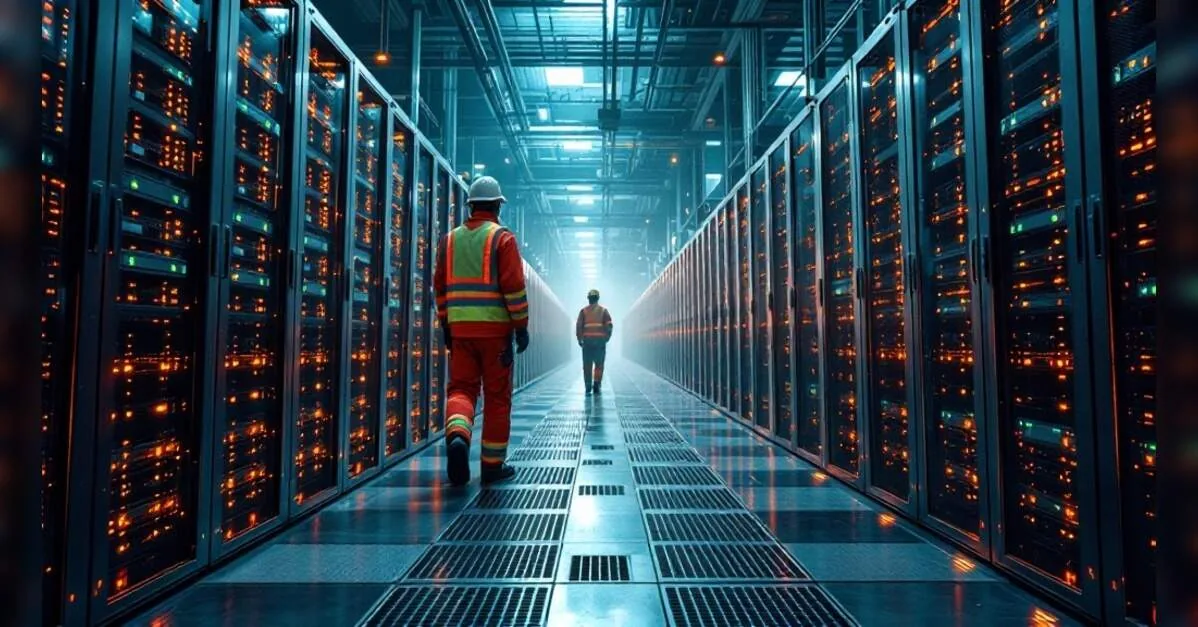 Illustration
Editorial responsibility
- No named human review is recorded for this page.
- Reports are grouped by semantic similarity and deterministic rules. Language models may assist titles, summaries, translation and cross-source analysis; the page reads the event directly, while its address stays stable when the title changes.
- Summary covers the current reports
Cross-source coverage
Reporting timeline
Goldman Sachs Forecasts 50% Surge in AI Infrastructure Spending to $1.2 Trillion by 2027
Goldman Sachs has released a new projection stating that major technology companies including Amazon, Meta, Google, Microsoft, and Oracle will increase their spending on AI infrastructure by more than 50%. The investment bank forecasts that this spending will reach $1.2 trillion in 2027 and $1.4 trillion in 2028. The report also notes that a surprise of $250 billion in either direction next year could impact S&P 500 earnings growth by approximately 6 percentage points in the same direction, highlighting the significant market influence of these capital expenditures.
Read sourceGoldman Sachs Forecasts 50% Surge in US Hyperscaler AI Spending to $1.2 Trillion in 2027
Goldman Sachs strategists, led by Ryan Hammond, project that the five largest US hyperscale cloud providers—Amazon, Alphabet, Microsoft, Oracle, and Meta Platforms—will increase their AI infrastructure capital expenditure by over 50% next year, reaching $1.2 trillion. This forecast exceeds Wall Street's consensus estimate of $1.1 trillion for 2027. The strategists note that to achieve a return on these investments, the companies will need to generate approximately $300 billion in annual AI revenue in the coming years. They also highlight that capital expenditure as a share of GDP is expected to surpass levels seen during any technology investment cycle since the 19th-century railroad boom. While spending is set to rise significantly, the growth rate is predicted to decelerate from nearly 100% this year to 54% in 2027 and further to 12% in 2028, when total spending is projected to reach $1.4 trillion.
Read sourceGoldman Sachs Sees AI Capital Expenditure Rising, Says Revenue Must Catch Up
Goldman Sachs strategists, led by Ryan Hammond, forecast that capital expenditure by US hyperscale cloud companies will rise to approximately $1.2 trillion by 2027, surpassing the market consensus of $1.1 trillion, and reach $1.4 trillion by 2028. However, they note that the pace of growth and upside surprises will slow compared to recent quarters, with spending expected to double to $800 billion this year. The report highlights that these companies' capital expenditure already exceeds their operating cash flow, meaning future growth will increasingly require debt and equity financing. To achieve breakeven on their 2026-2027 investments, the firms need roughly $300 billion in annual AI-related revenue. For robust returns, consumer and enterprise spending on AI applications must reach about $1 trillion annually. While current AI revenue is insufficient for breakeven, it is growing rapidly, with cloud revenue growth accelerating to 48% in Q2 for Amazon, Google, Microsoft, and Oracle, and combined cloud backlog reaching $1.7 trillion. The report notes that investor skepticism is partly reflected in lower AI infrastructure valuations and hyperscaler price-to-earnings ratios at decade lows.
Read sourceShow 5 older updatesHide older updates
Goldman Sachs Sees 50% Jump in Big Tech AI Spending to $1.2 Trillion Next Year
Goldman Sachs strategists, led by Ryan Hammond, forecast that the five largest US hyperscale cloud providers will increase their AI infrastructure spending by over 50% next year, reaching $1.2 trillion. This figure surpasses Wall Street's consensus estimate of $1.1 trillion for 2027. The analysts note that to break even on these investments, the companies will need to generate approximately $300 billion in annual AI revenue in the coming years. The report highlights that capital expenditure as a share of GDP is set to exceed any previous tech investment cycle since the late 19th-century railroad boom. Amazon, Alphabet, Microsoft, Oracle, and Meta are expected to spend $800 billion on AI capabilities this year. While spending will rise sharply in 2025, the growth rate is projected to slow. Potential constraints include shortages of electricity, labor, and memory chips, as well as data center construction limitations. The strategists expect spending growth to decelerate from nearly 100% this year to 54% by 2027 and 12% by 2028, when total spending is forecast to reach $1.4 trillion.
Read sourceGoldman Sachs Sees 50% Jump in Big Tech AI Spending to $1.2 Trillion Next Year
Goldman Sachs strategists, led by Ryan Hammond, forecast that the five largest US hyperscale cloud providers will increase their AI infrastructure spending by over 50% next year, reaching $1.2 trillion. This figure exceeds the Wall Street consensus estimate of $1.1 trillion for 2027. The report notes that to break even on these investments, the companies will need to generate approximately $300 billion in annual AI revenue in the coming years. The strategists compare the current investment cycle to the railroad boom of the late 19th century, stating that capital expenditure as a share of GDP is expected to surpass any tech investment cycle since then. Amazon, Alphabet, Microsoft, Oracle, and Meta are projected to spend $800 billion on AI capabilities this year. While spending will increase significantly next year, the growth rate is expected to slow from nearly 100% this year to 54% by 2027, and further to 12% in 2028, when total capital expenditure is projected to reach $1.4 trillion.
Read sourceGoldman Sachs Forecasts $800 Billion in AI Infrastructure Spending by Amazon, Alphabet, Microsoft, Oracle, Meta in 2025
According to a report from tradealpha citing Goldman Sachs, the investment bank projects that five major technology companies—Amazon, Google parent Alphabet, Microsoft, Oracle, and Meta—will collectively spend approximately $800 billion on artificial intelligence infrastructure this year. This forecast covers capital expenditures related to AI data centers, hardware, and other supporting infrastructure. The estimate underscores the massive scale of investment being directed toward AI development by the largest players in the tech industry, reflecting the sector's strategic priority on AI capabilities. The figure is attributed to Goldman Sachs' analysis and represents a projection for 2025 spending by these specific firms.
Read sourceGoldman Sachs Forecasts $800 Billion AI Infrastructure Spend by Big Tech in 2025
Goldman Sachs has projected that major technology companies, including Amazon, Alphabet (Google), Microsoft, Oracle, and Meta, will collectively spend $800 billion on artificial intelligence infrastructure this year. The investment bank also estimated that these hyperscale cloud providers would need to generate approximately $300 billion in annual AI revenue to break even on their massive capital outlays. However, the report noted that rising financing needs and infrastructure constraints could slow the pace of future spending growth. The forecast highlights the enormous scale of investment required to build out AI capabilities and the financial pressures that may accompany it.
Read sourceGoldman Sachs Forecasts $800 Billion AI Infrastructure Spending by Top Tech Firms in 2025
Goldman Sachs has released a forecast estimating that Amazon, Google's parent company Alphabet, Microsoft, Oracle, and Meta will collectively spend approximately $800 billion on artificial intelligence infrastructure this year. The projection covers investments in data centers, hardware, and other capital expenditures necessary to support the rapid expansion of AI capabilities. This figure underscores the massive scale of capital deployment by major technology companies as they compete to lead in the AI sector. The forecast is attributed to Goldman Sachs analysts and reflects their view on the current investment cycle. No specific breakdown by company or timeline beyond the current year was provided in the brief report. The estimate highlights the continued prioritization of AI infrastructure despite broader economic uncertainties.