Supreme Court Backs Trump Administration on Blocking Immigration Judges From Closing Deportation Cases
The U.S. Supreme Court denied an emergency request to reinstate administrative closure, the practice allowing immigration judges to temporarily pause deportation cases. The one-sentence denial, without explanation or reported dissents, leaves intact a June agreement between the Trump administration and Texas that ended the practice. The request came from Baltimore, New Haven, Columbus and nonprofit Centro Legal de la Raza, which argued the agreement reflected collusion between the White House and Texas. The ruling expands executive control over immigration enforcement and follows a federal appeals court decision that immigrants are not entitled to bond hearings.
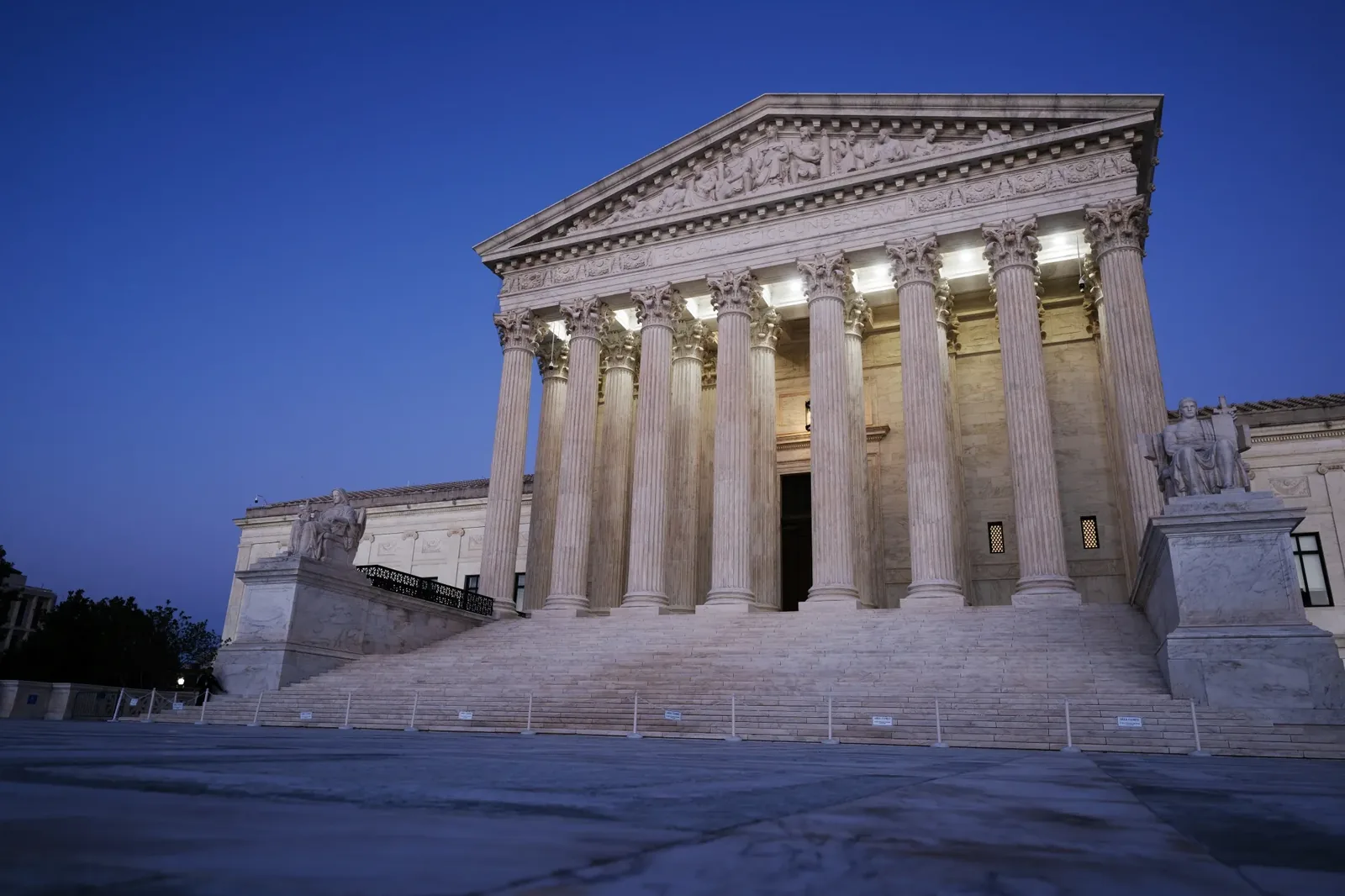 Reference image
Editorial responsibility
- No named human review is recorded for this page.
- Reports are grouped by semantic similarity and deterministic rules. Language models may assist titles, summaries, translation and cross-source analysis; the page reads the event directly, while its address stays stable when the title changes.
- Summary covers the current reports
Cross-source coverage
Reporting timeline
Supreme Court Backs Trump Administration on Blocking Immigration Judges From Closing Deportation Cases
The U.S. Supreme Court declined to disturb a Texas-Justice Department agreement, allowing the Trump administration to block immigration judges from closing deportation cases. The ruling, reported by Fox News, The Washington Post, SCOTUSblog, The New York Times, and Reuters, resolves a legal gambit by the Trump administration against a Biden-era deportation rule. The decision effectively denies immigration judges the power to shelve deportation proceedings, giving the administration greater control over the handling of deportation cases.
Read sourceSupreme Court Denies Immigration Judges Power to Pause Deportation Cases
The Supreme Court ruled Tuesday that immigration judges cannot postpone deportation cases, denying an emergency request to reinstate administrative closure. The practice, which allowed judges to temporarily delay proceedings, was ended after the Trump administration reached an agreement with Texas in June. The request came from Baltimore, New Haven, Columbus, and the nonprofit Centro Legal de la Raza, who argued the White House colluded with Texas to eliminate the rule. The one-sentence denial included no explanation or reported dissents. The ruling follows a federal appeals court decision that immigrants are not entitled to bond hearings, further expanding the administration's deportation tools.
Supreme Court Denies Bid to Restore Immigration Judges' Power to Pause Deportations
The Supreme Court ruled Tuesday that immigration judges cannot postpone deportation cases, denying an emergency request to reinstate administrative closure. The practice, which allowed judges to temporarily delay cases, was ended after the Trump administration reached an agreement with Texas in June. The request came from Baltimore, New Haven, Columbus, and the nonprofit Centro Legal de la Raza, who argued the agreement showed collusion between the White House and Texas. The court's one-sentence denial included no explanation and no reported dissents. Administrative closure had been used to clear crowded dockets, particularly when immigrants had pending visa petitions or criminal appeals. The Biden administration sought to make the practice permanent in 2024, but the Justice Department under Trump stopped defending it. The ruling follows a federal appeals court decision last week that immigrants are not entitled to bond hearings.
Show 2 older updatesHide older updates
Supreme Court Denies Immigration Judges Power to Pause Deportation Cases
The Supreme Court ruled Tuesday that immigration judges cannot postpone deportation cases, denying an emergency request to reinstate the practice of administrative closure. The request came from Baltimore, New Haven, Columbus, and the nonprofit Centro Legal de la Raza, after the Trump administration reached an agreement with Texas in June to end the practice. The court's one-sentence denial included no explanation and no reported dissents. The plaintiffs argued the agreement was the product of collusion between the White House and Texas, noting it was made the same day Texas sued to challenge administrative closure. Administrative closure had been used to clear crowded dockets, particularly when immigrants had pending visa petitions or criminal conviction appeals. The Biden administration sought to make the practice permanent in 2024, but the Justice Department under Trump stopped defending it. The ruling follows a federal appeals court decision last week that immigrants are not entitled to bond hearings.
Supreme Court Allows Trump Administration to Block Immigration Judges from Closing Deportation Cases
The U.S. Supreme Court has ruled in favor of the Trump administration, denying immigration judges the authority to indefinitely pause or close deportation cases. The decision, covered by multiple outlets including The Washington Post, Reuters, and AP News, means the administration can block judges from shelving deportation proceedings. The Court also allowed a Texas agreement with the Justice Department concerning deportation proceedings to proceed. This ruling expands executive control over immigration enforcement and limits judicial discretion in immigration courts.
Read source