Supreme Court divided in Suncor Energy climate lawsuit from Colorado
The U.S. Supreme Court heard oral arguments on October 5, 2026, in Suncor Energy v. Boulder County, appearing deeply divided over whether Colorado municipalities can sue oil companies in state court for climate change damages. Boulder County seeks compensation for wildfires allegedly worsened by climate change, accusing Suncor and ExxonMobil of downplaying risks. Conservative justices leaned toward the companies, citing federal preemption under the Clean Air Act, while Chief Justice Roberts and Justice Gorsuch expressed skepticism. Justice Alito recused himself. A decision is expected by June 2027.
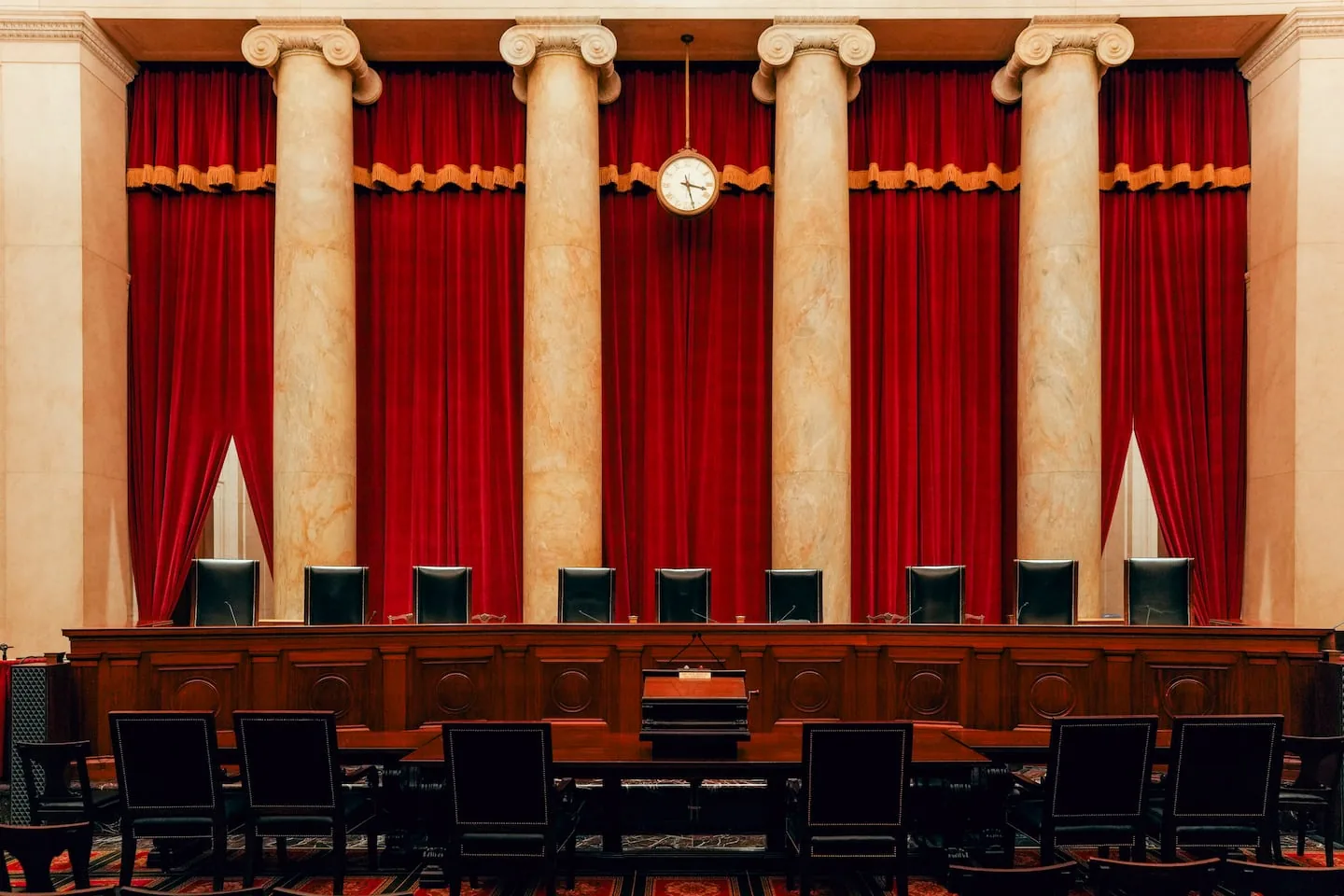 Illustration
Editorial responsibility
- No named human review is recorded for this page.
- Reports are grouped by semantic similarity and deterministic rules. Language models may assist titles, summaries, translation and cross-source analysis; the page reads the event directly, while its address stays stable when the title changes.
- Summary covers the current reports
Cross-source coverage
Reporting timeline
Supreme Court Splinters Over Climate Lawsuit From Colorado in Suncor Energy Case
The Supreme Court heard oral arguments in Suncor Energy v. County Commissioners of Boulder, a major climate litigation case, and appeared splintered with no clear consensus. The case pits fossil fuel companies Suncor and Exxon Mobil against Boulder, Colorado, which sued in state court in 2019 for damages over climate change harms, alleging the companies lied about their products' impacts. The companies argued that the Clean Air Act preempts such state lawsuits and that the suit violates federalism principles by regulating out-of-state conduct. Justice Brett Kavanaugh strongly sympathized with the companies, citing precedent that interstate pollution is a federal matter. Justice Amy Coney Barrett also leaned toward the companies on preemption and federalism. However, Chief Justice John Roberts and Justice Neil Gorsuch appeared skeptical of the companies' arguments, with Roberts questioning the federalism claim via a hypothetical. The court's liberal justices seemed inclined to avoid a merits ruling, potentially punting on procedural or jurisdictional grounds. Justice Samuel Alito's recusal could complicate forming a majority, making a 4-4 deadlock possible. The jurisdictional question may allow the court to avoid deciding the core issues.
Read sourceSupreme Court Splinters Over Climate Lawsuit From Colorado in Oral Arguments
The Supreme Court heard oral arguments in Suncor Energy v. County Commissioners of Boulder, a major climate litigation case, and appeared deeply divided. The case, brought by Boulder, Colorado, against fossil fuel companies Suncor and Exxon Mobil, alleges that their products contributed to climate-related harms like drought and wildfire, and that they misled the public. The companies argue that the Clean Air Act preempts such state lawsuits and that the case violates federalism principles by seeking to regulate out-of-state emissions. Justice Brett Kavanaugh and Justice Amy Coney Barrett appeared sympathetic to the companies' preemption arguments, while Chief Justice John Roberts and Justice Neil Gorsuch seemed skeptical, particularly on federalism grounds. The court's liberal justices appeared hesitant to rule on the merits, potentially favoring a procedural dismissal or remand to the Colorado Supreme Court. Justice Samuel Alito's recusal could lead to a 4-4 deadlock. The jurisdictional question of whether the Supreme Court should intervene at this stage may allow the justices to avoid a definitive ruling on the core climate and preemption issues.
Read sourceSupreme Court Splinters Over Climate Lawsuit From Colorado in First Case of Term
The Supreme Court heard oral arguments in Suncor Energy v. County Commissioners of Boulder, a major climate litigation case, and appeared deeply divided. The case, the first of the new term, pits fossil fuel companies Suncor and Exxon Mobil against Boulder, Colorado, which sued them in state court in 2019 for damages over climate change harms, alleging the companies knowingly misled the public. The companies argued that the Clean Air Act preempts such state lawsuits and that the case violates federalism principles by seeking to regulate out-of-state conduct. Justice Brett Kavanaugh strongly sympathized with the companies, stating precedent makes clear interstate pollution is a federal matter. Justice Amy Coney Barrett also leaned toward the companies on preemption and federalism. However, Chief Justice John Roberts appeared skeptical of the federalism argument, using a hypothetical about a rock thrown across state lines. Justice Elena Kagan compared the suit to tobacco and opioid litigation. The court's liberal justices seemed inclined to avoid ruling on the merits, potentially by dismissing the case on jurisdictional grounds or remanding it to the Colorado Supreme Court. Justice Samuel Alito's recusal could lead to a 4-4 deadlock, making a procedural punt the likeliest outcome.
Read sourceShow 3 older updatesHide older updates
Supreme Court justices appear skeptical of state-led climate lawsuits against oil companies
A majority of the U.S. Supreme Court appeared skeptical during oral arguments on October 5, 2026, in the case Suncor Energy v. Boulder County, which could decide whether dozens of lawsuits from cities and counties seeking damages under state law for climate change harms can proceed. Boulder County sued Suncor and ExxonMobil in state court to recover damages from wildfires allegedly worsened by climate change, arguing the companies downplayed climate risks. The oil companies, supported by the Trump administration, argued that federal law and the Constitution bar such state suits, as air and water pollution are federal issues. Justice Brett Kavanaugh said prior cases 'make crystal clear that interstate air and water pollution are federal issues.' Chief Justice John Roberts warned that a ruling for Boulder would likely prompt copycat lawsuits nationwide. Justice Elena Kagan compared the case to tobacco and opioid litigation. Justice Samuel Alito recused himself. The court is expected to issue a decision by June 2027.
Supreme Court Skeptical of State Climate Lawsuits Against Oil Companies
The U.S. Supreme Court heard oral arguments on October 5, 2026, in the case Suncor Energy v. Boulder County, where a majority of justices appeared skeptical of allowing Colorado municipalities to sue major oil producers in state court for climate change-related damages. The case, the first of the new term, could decide the fate of dozens of similar lawsuits nationwide. Conservative justices, including Brett Kavanaugh, argued that interstate air and water pollution are federal issues, not subject to state court jurisdiction. Boulder County seeks damages for wildfires allegedly worsened by climate change, accusing Suncor and ExxonMobil of downplaying climate risks. The Trump administration sided with the oil companies, arguing the Clean Air Act gives Congress primary authority over greenhouse gas emissions. Justice Neil Gorsuch questioned whether federal inaction on emissions regulation would leave no recourse for plaintiffs. Chief Justice John Roberts warned that a ruling for Boulder could trigger a flood of similar municipal lawsuits. Justice Elena Kagan compared the case to tobacco and opioid litigation. Justice Samuel Alito recused himself. A decision is expected by June 2027.
Supreme Court skeptical of state climate lawsuits against oil companies
A majority of the U.S. Supreme Court appeared skeptical on Monday, October 5, 2026, during oral arguments in the case Suncor Energy v. Boulder County, which could decide whether dozens of lawsuits from cities and counties seeking damages under state law for climate change harms can proceed. Boulder County sued Suncor and ExxonMobil in state court to recover damages from wildfires allegedly worsened by climate change, arguing the companies downplayed climate risks. The oil companies, supported by the Trump administration, argued that federal law and the Clean Air Act preempt state suits, with attorney Kannon K. Shanmugam calling the cases an effort to resolve political issues in court. Justice Brett M. Kavanaugh and other conservative justices noted that the Supreme Court has previously ruled air and water pollution are federal issues. Justice Neil M. Gorsuch questioned whether EPA decisions renouncing federal authority to regulate greenhouse gases would leave no avenue to sue. Chief Justice John G. Roberts Jr. warned that a ruling for Boulder could trigger a flood of similar lawsuits nationwide. Justice Samuel A. Alito Jr. recused himself. A decision is expected by June 2027.