Strait of Hormuz blockade enters seventh month; oil flows via costly ship-to-ship transfers
The Strait of Hormuz blockade, now in its seventh month, has forced Middle Eastern oil producers to rely on an expensive ship-to-ship (STS) transfer system to maintain exports. September exports reached about 6.5 million barrels per day, the highest since a brief ceasefire in June, but VLCC freight rates from the Gulf to China have surged to over $30 per barrel, consuming more than a quarter of the current ~$105 oil price. The system, pioneered by ADNOC and now used by Saudi Aramco, involves shuttling crude to the Gulf of Oman for transfer to larger vessels. Kpler data shows STS loadings in the Gulf of Oman reached about 2.5 million barrels per day in September, roughly 40% of Hormuz throughput. HiLo Analytics CEO Keshav Lokhiya described this as a massive wealth transfer from oil producers to tanker owners.
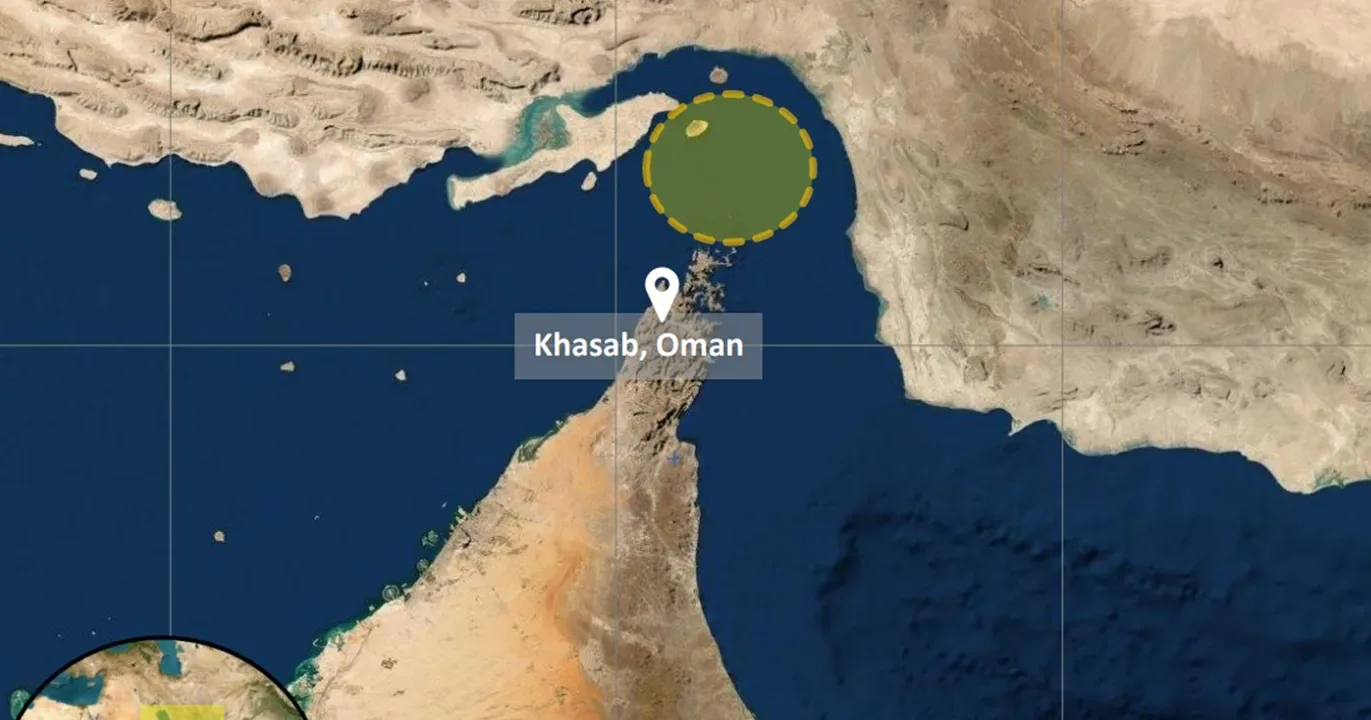 Reference image
Editorial responsibility
- No named human review is recorded for this page.
- Reports are grouped by semantic similarity and deterministic rules. Language models may assist titles, summaries, translation and cross-source analysis; the page reads the event directly, while its address stays stable when the title changes.
- Summary covers the current reports
Cross-source coverage
Reporting timeline
Strait of Hormuz Blockade Enters Seventh Month: Oil Flows but at Surging Cost and Fragility
The blockade of the Strait of Hormuz, now in its seventh month, has forced Middle Eastern oil producers to rely on an expensive ship-to-ship (STS) transfer system to maintain exports. According to Kpler, September exports through the strait have recovered to about 6.5 million barrels per day, the highest since a brief ceasefire in June. However, this is achieved at an unprecedented logistical cost. Data from LSEG shows VLCC freight rates from the Gulf to China have surged to over $30 per barrel, the highest on record, consuming more than a quarter of the current ~$105 oil price. The system, pioneered by ADNOC and now heavily used by Saudi Aramco, involves shuttling crude to the Gulf of Oman for transfer to larger vessels. Kpler data indicates STS loadings in the Gulf of Oman have reached about 2.5 million barrels per day, or 40% of Hormuz throughput. Keshav Lokhiya, CEO of HiLo Analytics, describes this as a massive wealth transfer from oil producers to tanker owners. The analysis concludes that while the global energy market is adapting, it is becoming increasingly inefficient, expensive, and structurally fragile.
Read sourceStrait of Hormuz blockade enters seventh month: Oil flows but costs surge, system fragile
The Strait of Hormuz blockade has entered its seventh month, forcing Middle Eastern oil producers to rely on an expensive ship-to-ship (STS) transfer system to maintain exports. According to Kpler, September exports through the Strait have recovered to about 6.5 million barrels per day, the highest since a brief ceasefire in June. However, the logistics cost is unprecedented: VLCC freight rates from the Gulf to China have surged to over $30 per barrel, the highest on record, consuming more than a quarter of the current oil price of around $105 per barrel. The system, pioneered by ADNOC and now adopted by Saudi Aramco, involves shuttling crude to the safer Gulf of Oman for transfer to larger vessels. Kpler data shows STS transfers in the Gulf of Oman are expected to reach 2.5 million barrels per day in September, about 40% of Hormuz throughput. The system is diverting wealth from producers to ship owners, as noted by HiLo Analytics CEO Keshav Lokhiya. The article warns that while the market is adapting, the reliance on military escorts, ad-hoc transfer nodes, and alternative routes is making the global energy system increasingly expensive and structurally fragile.
Read sourceHormuz blockade enters seventh month: oil flows but at soaring cost and fragility
The Strait of Hormuz blockade, now in its seventh month, has forced Middle Eastern oil producers to rely on an expensive ship-to-ship (STS) transfer system to maintain exports. According to Kpler, September exports through Hormuz have recovered to about 6.5 million barrels per day, the highest since a brief ceasefire in June. However, the logistics cost is unprecedented: VLCC freight rates from the Gulf to China have surged to over $30 per barrel, the highest on record, accounting for more than a quarter of the current ~$105 oil price. The system, pioneered by ADNOC and now heavily used by Saudi Aramco, involves shuttling crude to the Gulf of Oman for transfer to larger vessels. Kpler data shows STS transfers in the Gulf of Oman are expected to reach 2.5 million bpd in September, about 40% of Hormuz throughput. HiLo Analytics CEO Keshav Lokhiya described this as 'the largest wealth transfer from oil producers to tanker owners in history.' The article warns that the global energy system is becoming increasingly expensive and fragile as it relies on a makeshift network of military escorts, temporary transfer nodes, and alternative routes never designed for this scale.
Read sourceShow 2 older updatesHide older updates
Strait of Hormuz blockade enters seventh month, oil flows via costly ship-to-ship transfers
The Strait of Hormuz blockade has entered its seventh month, forcing Middle Eastern oil producers to rely on a costly ship-to-ship (STS) transfer system to maintain exports. According to Kpler data, exports through the strait have recovered to about 6.5 million barrels per day in September, the highest since a brief ceasefire in June. However, this comes at a record logistical cost: VLCC freight rates for shipping Gulf crude to China have surged to over $30 per barrel, up from 2-3% of the oil price before the conflict to over a quarter of the current ~$105 per barrel price. The system, pioneered by ADNOC and now heavily used by Saudi Aramco, involves shuttling oil to safer waters in the Gulf of Oman for transfer to larger vessels. Kpler estimates STS transfers in the Gulf of Oman will reach about 2.5 million barrels per day in September, roughly 40% of Hormuz throughput. HiLo Analytics CEO Keshav Lokhiya describes this as a massive wealth transfer from oil producers to tanker owners. The article warns that while the market is adapting, the system is increasingly inefficient and fragile.
Read sourceHormuz blockade enters seventh month: oil flows but at soaring cost and fragility
The Strait of Hormuz blockade, now in its seventh month, has forced Middle Eastern oil producers to rely on an expensive ship-to-ship (STS) transfer system to maintain exports. According to Kpler, September exports through Hormuz reached about 6.5 million barrels per day, the highest since a brief ceasefire in June. However, logistics costs have surged: VLCC freight rates from the Gulf to China hit a record $30 per barrel, over a quarter of the current $105 oil price, up from 2-3% before the war. The system, pioneered by ADNOC and now adopted by Saudi Aramco after attacks on its pipeline, involves shuttling crude to Oman Gulf waters for transfer to larger vessels. Kpler estimates September STS loadings in the Oman Gulf at 2.5 million bpd, about 40% of Hormuz throughput, up from 1.4 million in August. HiLo Analytics CEO Keshav Lokhiya describes this as 'the largest wealth transfer from oil producers to tanker owners in history.' The article warns that the makeshift system, reliant on naval escort and ad-hoc routes, is becoming increasingly costly and structurally fragile as conflicts persist.