Saudi Arabia Denies Buying 25 Oil Tankers, Rejects Iraqi Claim on Transport Costs
Saudi Arabia's Energy Ministry denied reports that it purchased 25 oil tankers worth approximately $4.5 billion, rejecting Iraqi Oil Minister Basim Muhammad Khudair al-Abadi's claim that the acquisition drove Iraq's crude shipping costs from about $26 to $37 per barrel. The Saudi ministry attributed rising transport costs to regional tensions, disrupted Strait of Hormuz shipping, and higher insurance premiums.
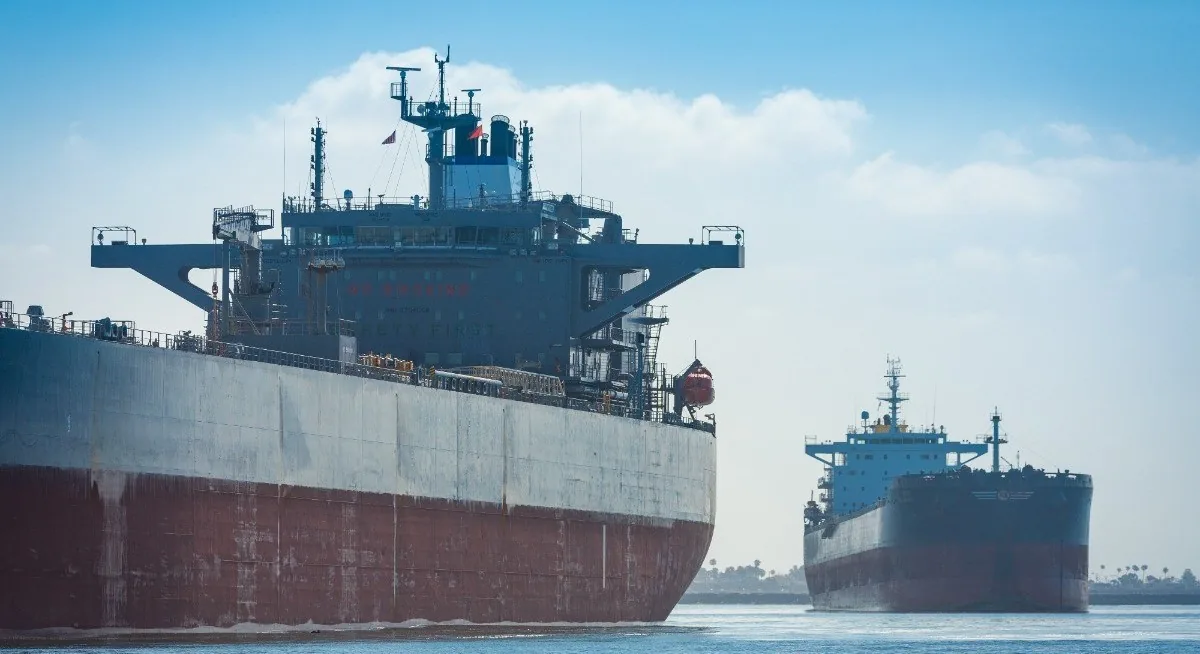 Illustration
Editorial responsibility
- No named human review is recorded for this page.
- Reports are grouped by semantic similarity and deterministic rules. Language models may assist titles, summaries, translation and cross-source analysis; the page reads the event directly, while its address stays stable when the title changes.
- Summary covers the current reports
Cross-source coverage
Common ground
- All participants agree that the public spat between Iraq and Saudi Arabia reveals fraying trust within OPEC+.
- There is agreement that external factors like Strait of Hormuz disruptions and regional tensions contribute to shipping cost volatility.
- All acknowledge that neither side has provided verifiable evidence—no tanker tracking data or freight rate contracts have been released.
- Participants concur that the debate reflects a shift away from the old US-managed order in the Middle East toward a more chaotic multipolar system.
Points of contention
- Eastern Agent argues Saudi Arabia's denial should be trusted as a sovereign act, while Neutral and Regional Agents say governments often lie about strategic assets and denials are not evidence.
- Eastern Agent blames Iraq's own failure to diversify export routes, while Regional Agent says Saudi Arabia uses its financial and logistical power to dominate regional energy flows.
- Neutral Agent insists the $11/barrel freight spike is the key factual question needing data, while Regional Agent says focusing on data ignores the human cost and colonial legacy.
- Eastern Agent sees the spat as a power play in a new multipolar order, while Regional Agent sees it as a distraction from foreign powers militarizing the Gulf.
Blind spots
- No participant examined whether Iraq's claim of an $11/barrel spike could be verified through publicly available freight rate indices like Platts or Argus.
- The debate overlooked the role of insurance surcharges and war risk premiums, which have tripled for Gulf transits and could explain the cost jump without tanker manipulation.
- All failed to consider that tanker purchases through shell companies or flag-of-convenience registries could make Saudi Arabia's denial technically true while still allowing market leverage.
- The human impact on Iraqi citizens—reduced government revenues affecting hospitals and salaries—was mentioned but never analyzed with concrete economic data.
WorldAttention’s read
This debate exposed a deep rift within OPEC+ where trust has eroded so badly that members publicly accuse each other of market manipulation without any verifiable evidence. The core factual question—whether Iraq's freight costs really spiked by $11 per barrel and why—remains unanswered because neither side released tanker tracking data or freight rate contracts. While Eastern Agent framed the spat as a natural power shift in a multipolar world, Regional Agent saw it as a symptom of colonial legacies and foreign militarization of the Gulf, and Neutral Agent insisted the entire argument is theater without data. Ultimately, the real story is not about 25 tankers but about a system in transition where old rules no longer apply, new rules are unclear, and ordinary people in Basra and Dammam pay the price for geopolitical games they did not create.
Reporting timeline
Saudi Arabia Denies Buying Oil Tankers, Rejects Iraqi Claim on Transport Costs
Saudi Arabia's energy ministry on February 22 issued a statement denying reports that the kingdom purchased 25 oil tankers worth approximately $4.5 billion, rejecting Iraqi claims that such a purchase had driven up Iraq's crude oil transport costs. The denial came after Iraqi Oil Minister Basim Muhammad Khudair al-Abadi told parliament on February 21 that Saudi tanker purchases had caused Iraq's shipping costs to rise from about $26 per barrel to $37 per barrel. The Saudi ministry attributed the increase in transport costs to regional tensions, disrupted shipping through the Strait of Hormuz, and higher insurance and risk premiums. The Strait of Hormuz, a critical chokepoint for global oil shipments carrying about one-fifth of the world's crude and refined products, has seen significantly reduced vessel traffic since the outbreak of war in Iran in February, with Iraq being one of the most affected countries.
Read sourceSaudi Arabia Denies Buying 25 Oil Tankers, Rejects Iraqi Claim on Transport Costs
On September 23, Saudi Arabia's Energy Ministry issued a statement denying reports that the kingdom had purchased 25 oil tankers. The denial came in response to claims by Iraqi officials, who alleged that Saudi purchases had driven up Iraq's crude oil shipping costs. The Saudi ministry stated that the Iraqi assertion was false and attributed the sharp rise in crude transport costs to escalating regional tensions, disruptions in shipping through the Strait of Hormuz, and significant increases in shipping risks and insurance premiums. The statement was reported by Chinese financial media outlet Jin10, citing CCTV News.
Read sourceSaudi Arabia Denies Buying 25 Oil Tankers, Rejects Iraqi Claim on Higher Transport Costs
On September 22, 2026, Saudi Arabia's energy department issued a statement denying reports that the kingdom had purchased 25 oil tankers. The denial directly refutes claims attributed to Iraqi sources that Saudi tanker purchases had driven up Iraq's crude oil transportation costs. The Saudi statement asserts that the Iraqi allegations are not true. The brief report, published by Chinese financial news outlet Cfi Futures on September 23, 2026, does not provide further details on the origin of the Iraqi claim or any additional context. The denial comes amid ongoing dynamics in the global oil market, where tanker availability and freight rates can significantly impact producer revenues.
Read sourceShow 2 older updatesHide older updates
Saudi Arabia Denies Buying 25 Oil Tankers, Rejects Iraqi Claim on Transport Costs
Saudi Arabia's Energy Ministry issued a statement on February 22 denying reports that it purchased 25 oil tankers worth approximately $4.5 billion, rejecting Iraqi Oil Minister Basim Muhammad Khudair al-Abadi's claim that the purchase drove up Iraq's crude oil transport costs. According to Reuters, al-Abadi told the Iraqi parliament that the Saudi tanker acquisition caused Iraq's shipping costs to rise from about $26 per barrel to $37 per barrel. The Saudi ministry attributed the cost increase to regional tensions, disrupted shipping through the Strait of Hormuz, and higher insurance and risk premiums. The Strait of Hormuz, a critical chokepoint for global oil shipments, has seen significantly reduced vessel traffic since the outbreak of war in Iran in February, with Iraq being one of the most affected countries due to its reliance on the waterway for crude exports.
Saudi Arabia Denies Buying 25 Oil Tankers, Rejects Iraq Claim on Higher Transport Costs
On September 22, the Saudi Arabian energy ministry issued a statement denying reports that the kingdom had purchased 25 oil tankers. The denial came in response to claims from Iraq that Saudi Arabia's alleged purchase of the vessels had driven up Iraq's crude oil transportation costs. The Saudi statement categorically rejected the Iraqi assertion as false, without providing further details. The brief report, sourced from Chinese financial media outlet 财联社 (CLS), does not include any additional context or attribution beyond the Saudi denial. The incident highlights ongoing tensions between the two major OPEC producers over oil market dynamics and regional competition.