Reporting on this entity comes from multiple media camps.
38%
16%
31%
15%
Western32 · 38%
Regional14 · 16%
Neutral / independent26 · 31%
Eastern13 · 15%
Latest Stories
Periodic recap
What changed for this subject in each tracking window — generated from matched events, delta-first.
· 1 event in window
The most significant development this period is the completion of the US military withdrawal from Iraq after more than two decades, closing the last major base and ending the mission that began with the 2003 invasion and focused on combating ISIS. The Pentagon confirmed the mission's conclusion, while Iran-aligned factions celebrated the exit. Analysts and Kurdish groups have raised concerns about a potential power vacuum that could embolden Iran-backed militias and allow for a resurgence of the Islamic State. No new developments were reported on the earlier airport sanctions talks.
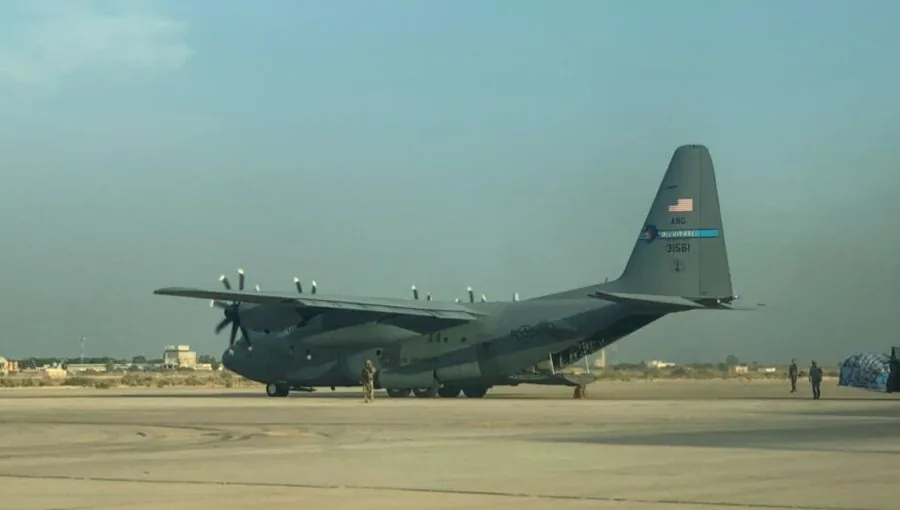
The US military completed its withdrawal from Iraq, closing the last major base and ending a presence spanning over 20 years.
The Pentagon confirmed the mission's conclusion, while Iran-aligned factions celebrated the exit.
Analysts and Kurdish groups expressed concerns about a potential power vacuum that could embolden Iran-backed militias and allow for a resurgence of the Islamic State.
Earlier recaps
· 1 event in window
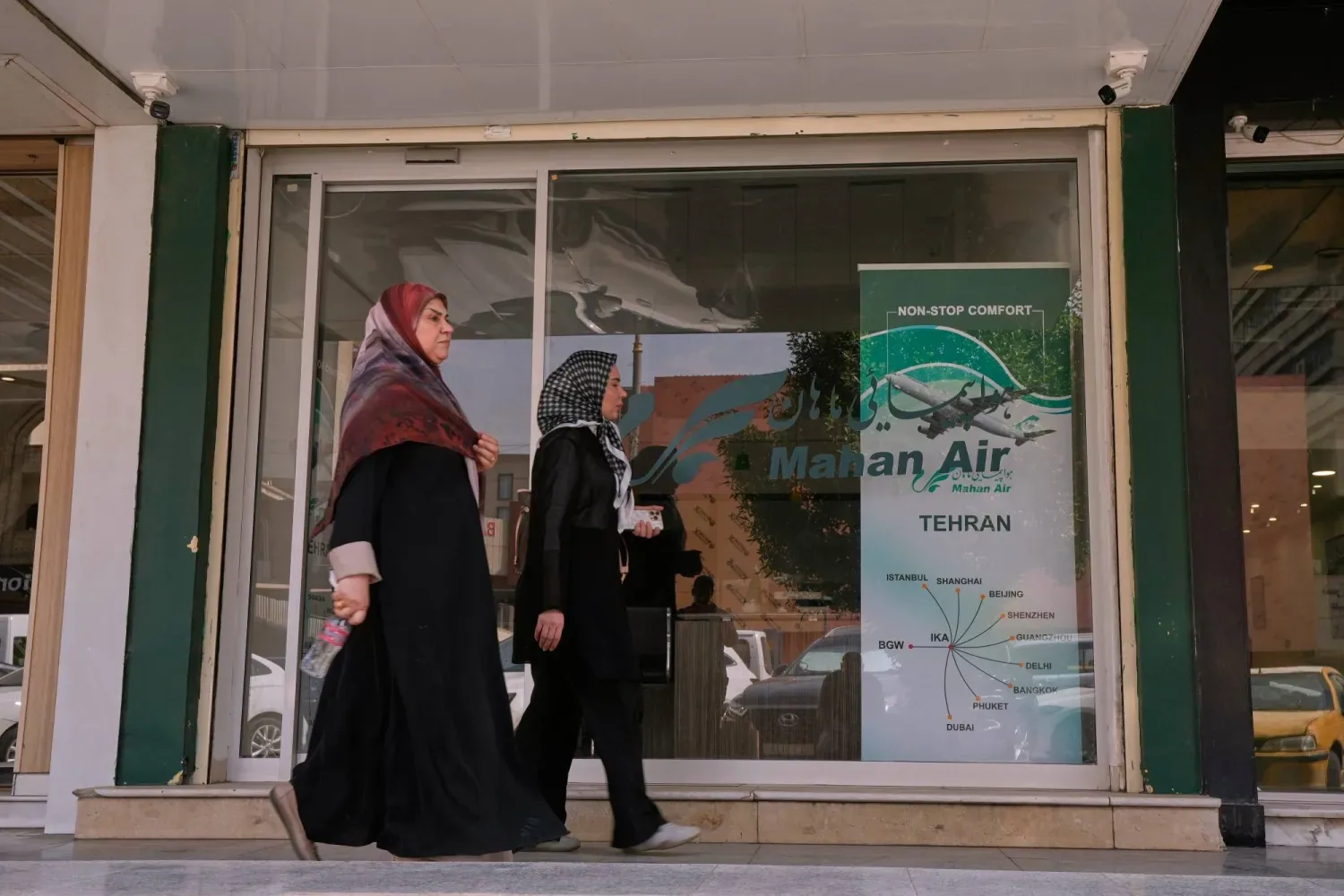
Iraq has entered talks with the United States to secure exemptions for certain airports from sanctions targeting Iranian flights. The previous unilateral suspension of flights to and from Iran has now shifted toward a diplomatic track, with the stated goal of resuming humanitarian aid flights. Iran highlighted the high volume of daily air travelers between the two countries, though specific airports and timelines remain undisclosed.
· 1 event in window
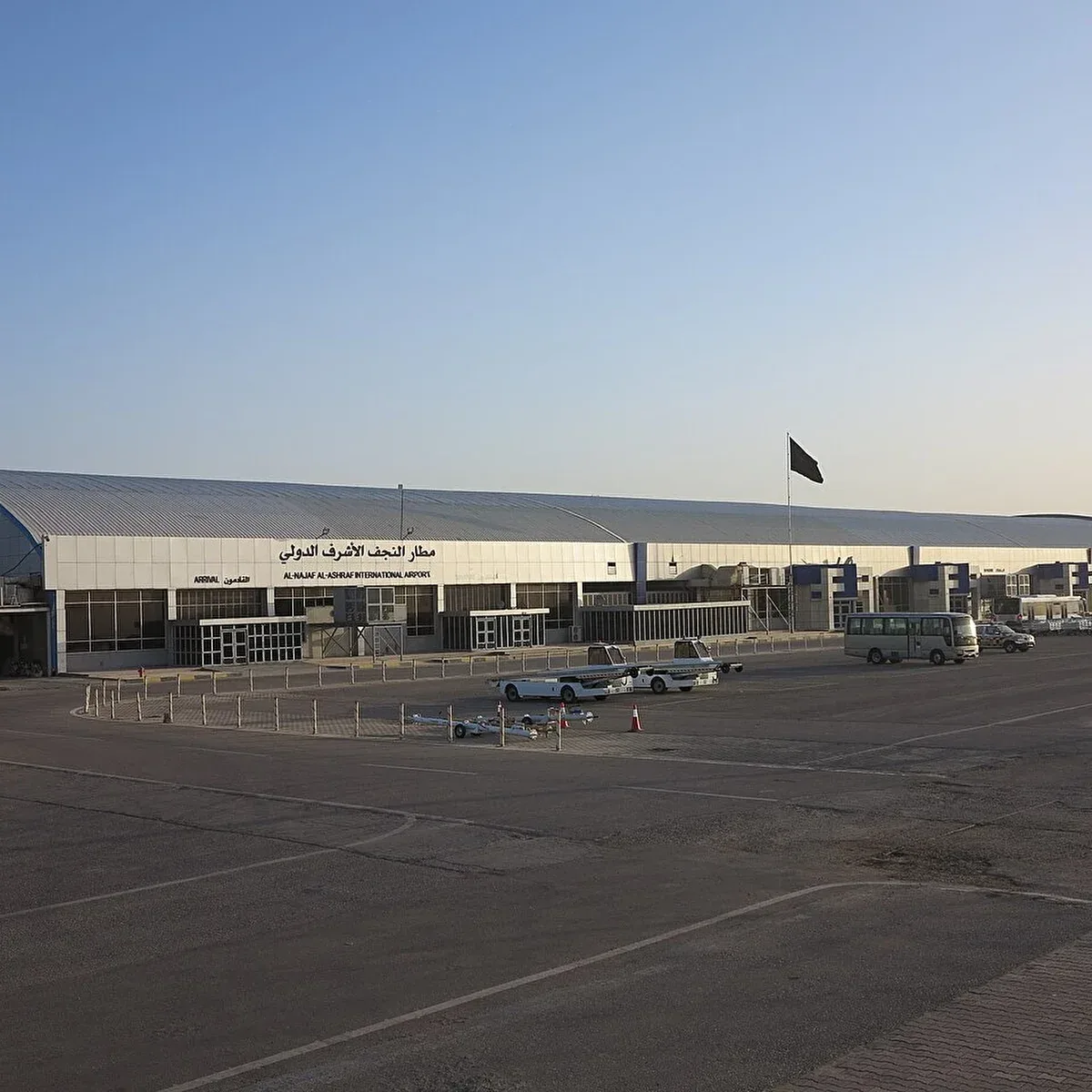
This period's Iraq developments shifted focus abruptly. Iraqi authorities suspended all flights to and from Iran at both Baghdad and Najaf airports without providing an official reason. This measure contrasts with the previous focus on crude oil export route adjustments, suggesting events may be extending into the realm of air traffic control.
· 1 event in window
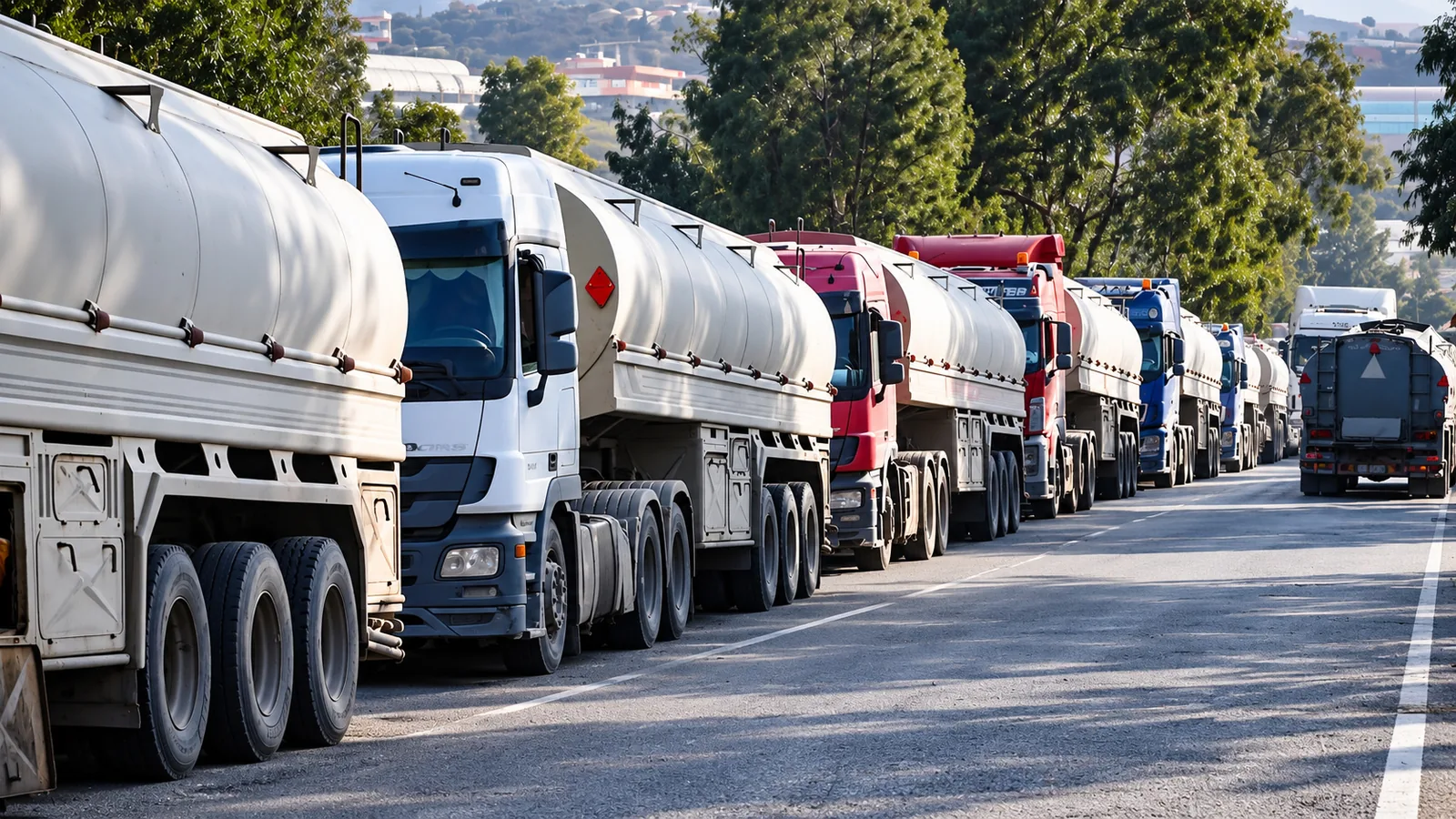
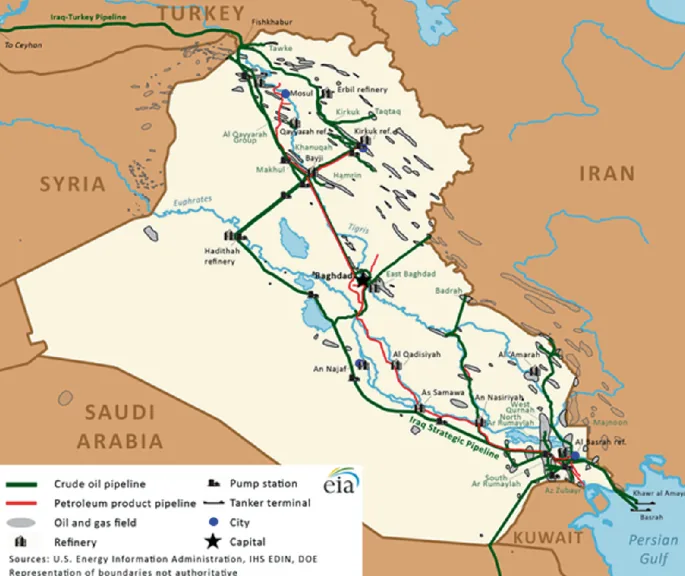
This period's Iraq developments focused on an adjustment to crude oil export routes. Facing the threat of disruptions to Strait of Hormuz exports, Iraq's Oil Ministry launched a pilot program to truck Basra crude from the south to Kirkuk in the north for export via Turkey's Ceyhan port. The plan aims to boost Ceyhan exports to over 600,000 barrels per day.
· 1 event in window
Iraq-related developments this period centered on a dispute over energy transport costs. Iraq's Oil Minister attributed rising crude shipping costs to Saudi Arabia's purchase of oil tankers, but the Saudi Energy Ministry explicitly denied the acquisition and blamed regional tensions and shipping disruptions for the increase.
· 2 events in window
Iraq-related developments returned to the energy sector this period, with no new security incidents. Following the previous period's drone attack that raised regional tensions, the focus shifted to oil and gas infrastructure progress. Iraq's Oil Minister announced an increase in export capacity, while a Chinese state-owned firm launched a gas processing project.
Tracked events
Events matched to this subject by the tracking pipeline, with signal scores.
The United States has completed its military withdrawal from Iraq, closing its last major base and ending a 23-year presence. The pullout, agreed in 2024 and executed under President Trump amid ongoing war with Iran, leaves Iraq facing an uncertain security future. Iran and its allies celebrate the exit as a victory, while Iraqi and U.S. analysts warn of a potential vacuum that could empower Iran-backed militias and allow Islamic State resurgence.
Iraq has suspended all flights to and from Iran at multiple airports, including Baghdad, Najaf, Erbil, and Sulaymaniyah, effective from September 25. The suspension at Najaf began at 2:00 a.m. local time until further notice, while Baghdad flights were halted from Wednesday midnight. Erbil and Sulaymaniyah suspensions are set to begin Friday. The Iraqi government is also considering rerouting Iran Air flights from Baghdad to Najaf. No official reason has been provided.
The United States is considering a limited sanctions waiver to allow flights carrying Shiite pilgrims between Iran and the Iraqi holy city of Najaf. The U.S. Treasury Department is reportedly planning a one-month waiver for Iraqi Airways, still under discussion. Separately, Iraq has confirmed it is in talks with Washington to exempt certain Iraqi airports from restrictions on Iranian airlines, citing humanitarian purposes. Iran's ambassador to Iraq said a decision on flight arrangements is expected soon.
Iraq is trucking about 250,000 barrels per day of Basra crude to Kirkuk for export through Turkey's Ceyhan port, according to the Basra Oil Company head. Oil Minister Bassim Mohammed announced a pilot program to expand this northern route, aiming to boost Ceyhan exports above 600,000 bpd. The move follows disruptions to Iraq's Strait of Hormuz exports due to the US-Israel conflict with Iran. Iraq exported 70 million barrels in August, with daily exports exceeding 3 million barrels.
Iraq's Oil Minister announced the country's daily oil export capacity has been raised to 4 million barrels, while August exports totaled 70 million barrels and current daily exports exceed 3 million barrels. The Basra Oil Company separately reported southern oil output surpassed 3 million bpd, with September southern port exports averaging 2.6 million bpd. A pilot program to truck crude from southern fields to Kirkuk aims to boost northern exports via Turkey's Ceyhan port to over 600,000 bpd, following Strait of Hormuz disruptions from the US-Israel conflict with Iran.
Saudi Arabia's Energy Ministry denied reports that it purchased 25 oil tankers worth approximately $4.5 billion, rejecting Iraqi Oil Minister Basim Muhammad Khudair al-Abadi's claim that the acquisition drove Iraq's crude shipping costs from about $26 to $37 per barrel. The Saudi ministry attributed rising transport costs to regional tensions, disrupted Strait of Hormuz shipping, and higher insurance premiums.
Chinese state-owned Zhenhua Oil launched a natural gas processing unit at the East Baghdad oil field on September 22. The facility, with a daily capacity of 25 million standard cubic feet, captures previously flared associated gas. Iraqi Oil Minister Basim Mohammed Khudair attended the ceremony and praised the project for stabilizing the national grid, reducing fuel imports, and improving Baghdad's environment. The field produces 80,000 barrels of crude oil per day.
Saudi Arabia shut down its East-West crude oil pipeline after a drone attack launched from Iraq triggered fires at pumping stations. The pipeline, which bypasses the Strait of Hormuz, had been transporting 4-5 million barrels per day. The attack coincided with Houthi rebels seizing Perim Island and tightening control over the Bab el-Mandab Strait. Iraq confirmed the attack originated from its territory, dismissed a military commander, and seized a drone-launching platform. Oil prices rose above $100 per barrel.
On September 11, a drone launched from Iraq struck Saudi Arabia’s East-West oil pipeline in the Riyadh and Medina regions, causing injuries and material damage. Saudi Arabia condemned the attack, warned of a potential response, and noted prior requests for Iraqi action. Qatar also condemned the attack. Iraq seized a drone launching platform allegedly linked to the incident, and its prime minister ordered an urgent investigation, vowing legal accountability and denying use of its territory for attacks.