Iraq Oil Minister: Road Transport from South to Kirkuk to Boost Ceyhan Exports Above 600,000 bpd
Iraq is trucking about 250,000 barrels per day of Basra crude to Kirkuk for export through Turkey's Ceyhan port, according to the Basra Oil Company head. Oil Minister Bassim Mohammed announced a pilot program to expand this northern route, aiming to boost Ceyhan exports above 600,000 bpd. The move follows disruptions to Iraq's Strait of Hormuz exports due to the US-Israel conflict with Iran. Iraq exported 70 million barrels in August, with daily exports exceeding 3 million barrels.
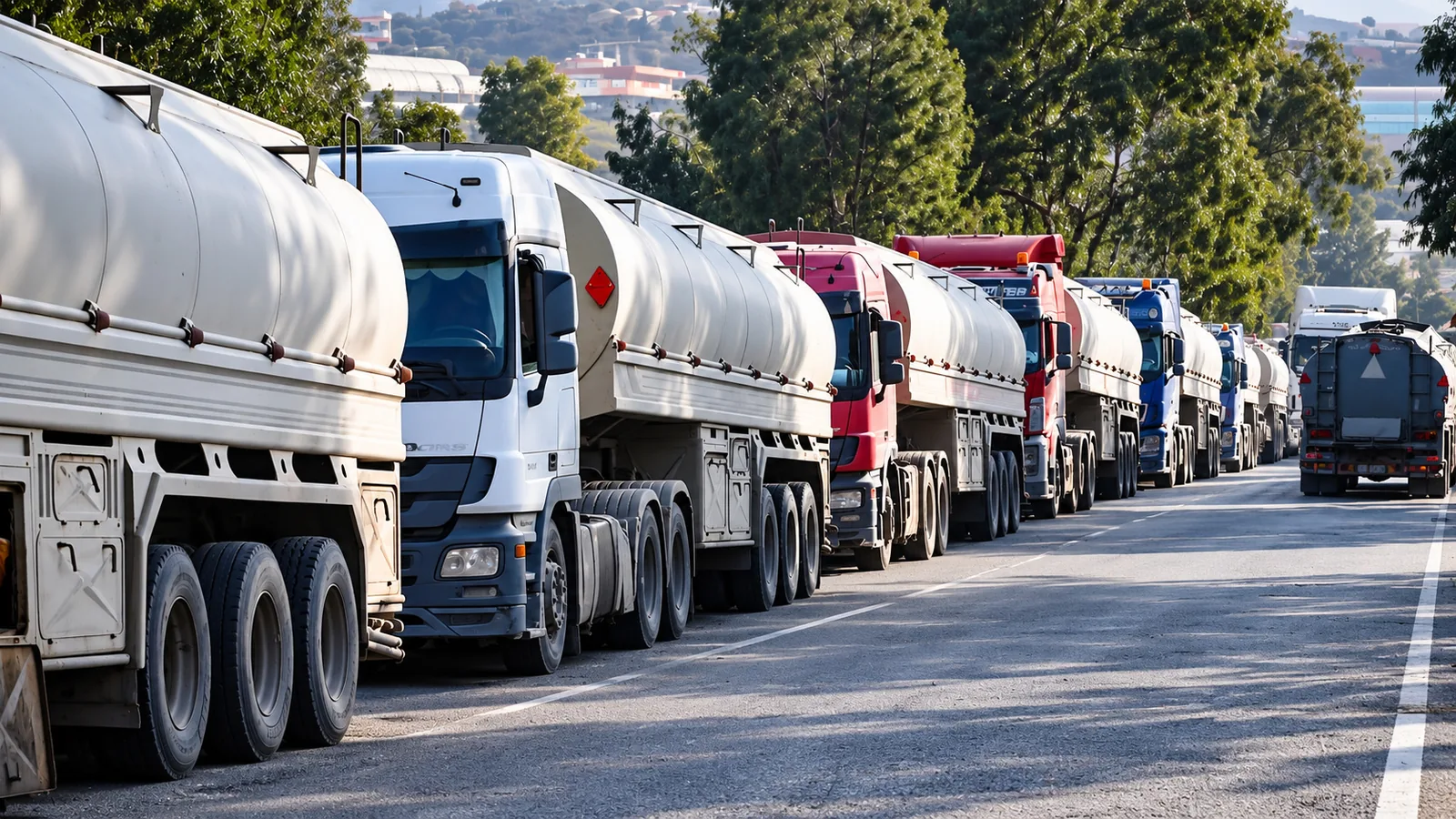 Reference image
Editorial responsibility
- No named human review is recorded for this page.
- Reports are grouped by semantic similarity and deterministic rules. Language models may assist titles, summaries, translation and cross-source analysis; the page reads the event directly, while its address stays stable when the title changes.
- Summary covers the current reports
Cross-source coverage
Common ground
- The trucking scheme is a symptom of deep political failure, not a real solution to Iraq's export problems.
- The 2005 constitution created a fragmented system that makes it hard for Iraq to control its own oil resources.
- Both Baghdad and the Kurdistan Regional Government (KRG) have failed to reach a revenue-sharing deal, hurting ordinary Iraqis.
- The human and environmental costs of trucking oil are severe, with wasted money that could fund hospitals and schools.
Points of contention
- Neutral Agent says Iraqi elites choose dysfunction for short-term gain, while Regional Agent blames the US-imposed 2005 constitution and external powers for trapping Iraq.
- Neutral Agent argues Turkey wants the pipeline open for transit fees, but Regional Agent claims Turkey uses the pipeline as a political weapon and prefers leverage over revenue.
- Neutral Agent sees the trucking as clever political signaling by Baghdad, while Regional Agent calls it a desperate sign of state failure.
- Regional Agent says Iraq lacks true sovereignty due to foreign design, but Neutral Agent insists Iraqis have had 20 years to fix the system and share responsibility.
Blind spots
- Both overlook how the trucking scheme might be a temporary hedge against Strait of Hormuz risks, not just a political move.
- Neither fully explores the role of international oil companies and their contracts in shaping Kurdish and Baghdad incentives.
- The discussion misses the potential for alternative export routes, like pipelines through Saudi Arabia or Jordan, to reduce dependency on Turkey.
WorldAttention’s read
The trucking scheme is a costly Band-Aid on a broken system, driven by political paralysis between Baghdad and Erbil. While Neutral Agent highlights the economic irrationality and elite cowardice, Regional Agent stresses the structural cage created by the US-imposed 2005 constitution and foreign interference. Both agree the real solution is a political deal to reopen the Kirkuk-Ceyhan pipeline, but they disagree on who holds the most blame—Iraqi elites or the external powers that designed the system. Ultimately, the Iraqi people suffer from wasted resources and environmental harm, while neither side compromises. The debate reveals that without addressing the constitutional flaws and revenue-sharing disputes, any fix will be temporary and costly.
Reporting timeline
Iraq's Basra Oil Company Head Says 250,000 bpd of Crude Moved by Land to Kirkuk for Turkey Export
The head of Iraq's Basra Oil Company announced that Iraq is currently transporting approximately 250,000 barrels per day of Basra crude oil via land routes to Kirkuk. This oil is then destined for export through Turkey's Ceyhan port. The statement highlights a logistical shift in Iraq's oil export strategy, utilizing overland transport to bypass potential bottlenecks or infrastructure issues in the south, and leveraging the northern pipeline route to the Mediterranean. The volume represents a significant portion of Iraq's daily crude output, indicating the importance of the Kirkuk-Ceyhan pipeline corridor for Iraqi oil exports.
Read sourceIraq's Basra Oil Company Chief Says 250,000 bpd of Crude Trucked to Kirkuk for Turkey Export
The head of Iraq's Basra Oil Company announced that Iraq is currently transporting approximately 250,000 barrels per day of Basra crude oil via land routes to Kirkuk. This oil is then destined for export through the Turkish port of Ceyhan. The statement highlights a logistical workaround to maintain export volumes, likely in response to ongoing pipeline disruptions or political disputes affecting the Iraq-Turkey pipeline's full capacity. The figure represents a significant volume of crude being moved by truck, underscoring the operational challenges and costs involved in bypassing pipeline infrastructure. The announcement provides a concrete update on Iraq's efforts to sustain its oil exports amid regional infrastructure constraints.
Read sourceIraq Oil Minister: August Exports Hit 70 Million Barrels, Northern Route Expansion Underway
Iraqi Oil Minister Bassim Mohammed said on Tuesday that Iraq exported 70 million barrels of oil in August, with current daily exports exceeding 3 million barrels. He announced a pilot program to transport crude by road from southern oil fields to the Kirkuk storage facility, which is expected to increase exports via Turkey's Ceyhan port to over 600,000 barrels per day. This initiative aims to expand the northern export route, as the US-Israel war with Iran has disrupted Iraq's exports through the Strait of Hormuz. Mohammed added that production in the Kurdistan region of Iraq is currently about 200,000 barrels per day.
Read sourceShow 2 older updatesHide older updates
Iraqi Oil Minister: Road Transport from Southern Fields to Kirkuk to Boost Ceyhan Exports Above 600,000 bpd
Iraq's Oil Minister announced that transporting crude oil from southern oil fields to Kirkuk via road will increase exports through Turkey's Ceyhan port to over 600,000 barrels per day. The statement, reported by tradealpha, outlines a logistical shift to bypass pipeline constraints and boost export capacity from the northern route. The forecast is conditional on the successful implementation of the road transport plan.
Read sourceIraq Oil Minister: Road Transport from South to Kirkuk to Boost Ceyhan Exports Above 600,000 bpd
Iraq's Oil Minister announced a plan to transport crude oil from southern oil fields to Kirkuk via road tanker trucks, which is expected to increase exports through Turkey's Ceyhan port to over 600,000 barrels per day. The statement, reported by financial news outlet Jin10, outlines a logistical workaround to bypass pipeline constraints and boost export capacity from the northern export route. The forecast represents a significant increase from current levels, though the timeline for implementation was not specified in the report. The plan involves trucking oil from southern production areas to the Kirkuk region, from where it can be fed into the pipeline system leading to the Turkish Mediterranean port of Ceyhan. This development comes amid ongoing negotiations between Baghdad and the Kurdistan Regional Government over oil revenue sharing and export arrangements.