Family of Renée Good sues U.S. government and Trump officials over ICE killing in Minneapolis
The family of Renée Good, a 37-year-old mother of three killed by ICE agent Jonathan Ross in Minneapolis on January 7, 2026, filed two federal lawsuits on October 1, 2026. One suit, under the Federal Tort Claims Act, alleges wrongful death through battery, assault, false imprisonment, and negligence. The second, citing the Ku Klux Klan Act, alleges a conspiracy to interfere with civil rights, naming Ross, White House Deputy Chief of Staff Stephen Miller, former DHS Secretary Kristi Noem, border czar Tom Homan, and others. The lawsuits challenge the self-defense claim, asserting Ross was not in danger when he fired three shots.
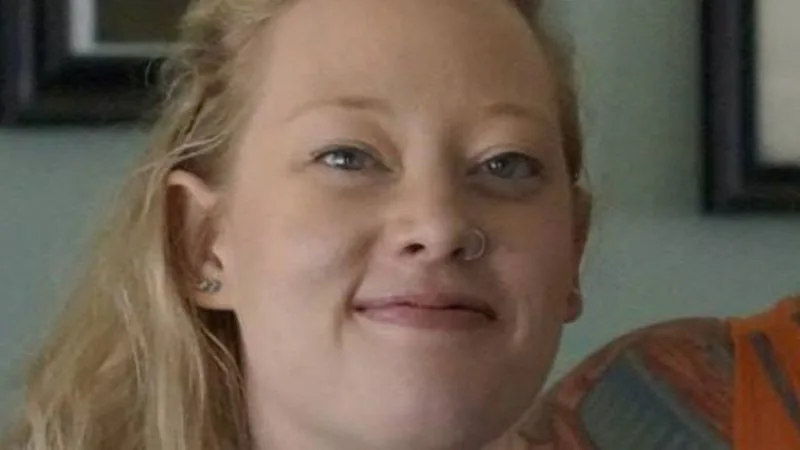 Reference image
Editorial responsibility
- No named human review is recorded for this page.
- Reports are grouped by semantic similarity and deterministic rules. Language models may assist titles, summaries, translation and cross-source analysis; the page reads the event directly, while its address stays stable when the title changes.
- Summary covers the current reports
Cross-source coverage
Common ground
- Renee Good's death is a tragedy, and the DOJ's slow-walking of the investigation is deeply troubling.
- Local police were wrongly excluded from the investigation, and the family has been denied basic procedural justice.
- Kristi Noem's 'domestic terrorism' comment before any investigation was prejudicial and outrageous.
- The cover-up—withheld evidence, DOJ inaction, and stonewalling—is a legitimate scandal regardless of legal theories.
Points of contention
- Western Agent argues the lawsuit against senior officials like Miller and Homan is a necessary test of accountability, while Neutral Agent says it's a weak legal theory that risks dismissal.
- Western Agent sees the cover-up as evidence of a conspiracy from the top, while Neutral Agent views it as institutional rot, not proof that officials ordered the shooting.
- Neutral Agent believes the family should focus on a cleaner cover-up claim under § 1985, while Western Agent insists that pushing the boundaries of supervisory liability is the only option left.
Blind spots
- Both sides initially overlooked the potential strength of a § 1985 conspiracy claim based on the pattern of obstruction and Noem's prejudicial statements.
- The debate didn't fully explore how the family's lack of access to evidence—like body camera footage—affects their ability to build any legal case.
- Neither side addressed what happens if the courts dismiss the lawsuit entirely, leaving the family with no judicial remedy.
WorldAttention’s read
This debate reveals a deep divide between moral outrage and legal strategy. Everyone agrees Renee Good's death and the subsequent cover-up are unacceptable, but they disagree on how to fight it. Western Agent sees the lawsuit against top officials as a necessary test of whether the law can hold power accountable when the system refuses to investigate itself. Neutral Agent argues that stretching supervisory liability weakens the case, and the family should instead pursue a stronger conspiracy claim focused on the cover-up itself. The blind spot was that both sides missed the potential of a § 1985 claim earlier. In the end, the family is left with a painful choice: push a legally fragile but morally urgent case, or pursue a cleaner theory that might actually win in court. Either way, the system's failure to investigate itself is the real scandal, and no legal theory can fully fix that.
Reporting timeline
Lawsuits Challenge ICE Agent's Self-Defense Claim in Killing of Minneapolis Protester Renée Good
Two federal lawsuits filed on October 1, 2026, by the brother and widow of Renée Good allege that ICE agent Jonathan Ross violated the Fourth Amendment and DHS policies when he fatally shot her on January 7, 2026, in Minneapolis. The lawsuits, filed in U.S. District Court for the District of Minnesota, seek damages under the Federal Tort Claims Act and the Ku Klux Klan Act of 1871, naming Ross, unnamed colleagues, former DHS Secretary Kristi Noem, and other officials as defendants. The complaints assert that Ross was not in danger when he fired three rounds into Good's Honda Pilot, contradicting claims by former President Donald Trump and Noem that Good attempted to run over officers. According to the lawsuits, Ross moved away from the vehicle's path, drew his firearm, and leaned forward to shoot, with his left hand contacting the car near the headlight as it moved past him. The first shot struck the windshield, the second hit Good in the left temple, and the third went through her left forearm. The plaintiffs argue that Ross's actions were not justified under Supreme Court precedent on deadly force.
Lawsuits Challenge ICE Agent's Self-Defense Claim in Killing of Minneapolis Protester Renée Good
Two federal lawsuits filed on October 1, 2026, by the brother and widow of Renée Good allege that ICE agent Jonathan Ross was not in danger when he fatally shot her in Minneapolis on January 7, 2026. The lawsuits, filed in U.S. District Court for Minnesota, claim Ross violated the Fourth Amendment and DHS policies by using deadly force without justification. According to the complaints, Good was slowly reversing and turning away from Ross when he fired three shots, the first through the windshield and two more through the open driver's window as the car moved past him. The plaintiffs assert Ross intentionally leaned forward to position himself to shoot and was never at risk of being run over. The lawsuits seek damages under the Federal Tort Claims Act and the Ku Klux Klan Act, naming Ross, unnamed colleagues, former DHS Secretary Kristi Noem, and other officials as defendants. The account contradicts earlier claims by President Trump and Noem that Good attempted to run over the agent.
Read sourceLawsuits Challenge ICE Agent's Self-Defense Claim in Killing of Minneapolis Protester Renée Good
Two federal lawsuits filed on October 1, 2026, by the brother and widow of Renée Good allege that ICE agent Jonathan Ross violated the Fourth Amendment and DHS policies when he fatally shot Good on January 7, 2026, in Minneapolis. The lawsuits, filed in U.S. District Court for Minnesota, seek damages under the Federal Tort Claims Act and the Ku Klux Klan Act of 1871. According to the complaints, Good was slowly reversing and turning away from Ross when he fired three rounds, striking her in the left temple and left forearm. The plaintiffs claim Ross was never in the path of the vehicle and that any contact with the car resulted from him leaning forward to shoot. This contradicts earlier statements by then-DHS Secretary Kristi Noem and President Trump, who claimed Good attempted to run over officers. The lawsuits name Ross, 10 unnamed colleagues, Noem, and other federal officials as defendants.
Show 8 older updatesHide older updates
Family of US woman killed by ICE agent sues Trump administration officials
The family of Renee Good, a US citizen shot dead by an ICE officer during a January 2026 immigration sweep in Minneapolis, has filed two lawsuits against the US government and Trump administration officials. One suit, under the Federal Tort Claims Act, accuses the government of battery, assault, false imprisonment, and negligence leading to her death. The second targets ICE officer Jonathan Ross, White House Deputy Chief of Staff Stephen Miller, former Homeland Security Secretary Kristi Noem, and border tsar Tom Homan, alleging conspiracy to interfere with civil rights. Family lawyer Antonio Romanucci said the operation created 'an unprecedented environment for state-sponsored violence.' A White House spokeswoman called the suits 'baseless' and said the government would defend them vigorously. President Trump initially blamed Good's actions but later called her death a 'tragedy.' Good's mother, a Republican who voted for Trump, testified at a congressional hearing calling for accountability. At least 10 people have been killed in encounters with immigration officers during Trump's second term, according to the Associated Press.
Read sourceFamily of US woman killed by ICE agent sues Trump administration officials
The family of Renee Good, a 37-year-old mother of three killed by an Immigration and Customs Enforcement (ICE) agent in Minneapolis on January 7, 2026, has announced two lawsuits against the US government and members of the Trump administration. Good was shot during a traffic stop as part of Operation Metro Surge, a federal sweep targeting immigrants and criminals. One lawsuit, filed under the Federal Tort Claims Act, accuses the government of battery, assault, false imprisonment, and negligence causing her death. The second targets ICE officer Jonathan Ross, who shot Good, along with White House Deputy Chief of Staff Stephen Miller, former Homeland Security Secretary Kristi Noem, and border chief Tom Homan, alleging conspiracy to interfere with civil rights. Family lawyer Antonio Romanucci stated the operation created 'an unprecedented environment for state-sponsored violence.' Immigration authorities claimed Good made 'an attempt to kill or cause bodily harm to agents' in 'an act of domestic terrorism,' but family members and witnesses disputed this. Good's mother, Donna Ganger, a registered Republican who voted for Trump, testified to Congress demanding accountability. The White House and DHS have not commented. The killing sparked nationwide protests, which intensified after another Minneapolis resident, Alex Pretti, was killed by ICE agents weeks later, leading to the withdrawal of hundreds of federal agents from the city.
Read sourceRenee Good's family sues ICE agent Jonathan Ross, Stephen Miller, Tom Homan, Kristi Noem over fatal shooting
The family of Renee Good has filed a lawsuit against ICE agent Jonathan Ross, as well as White House adviser Stephen Miller, former acting ICE director Tom Homan, and Department of Homeland Security Secretary Kristi Noem, over her fatal shooting in Minnesota. The lawsuit, announced in a breaking news post on Polymarket, alleges that the defendants are responsible for the death of Renee Good. The specific details of the shooting and the legal claims have not been disclosed in the initial report. The suit targets both the individual agent involved in the incident and senior officials who oversaw immigration enforcement policies. This legal action marks a significant escalation in the aftermath of the fatal encounter, drawing attention to the accountability of federal immigration authorities and their leadership.
Read sourceLawsuits Filed Against Trump Administration Over ICE Killing of Renee Good
The family of Renee Good, a mother of three shot and killed by a federal immigration agent in Minneapolis in January 2026, has filed two lawsuits against the U.S. government and multiple immigration officials. The first lawsuit, filed against the United States, alleges wrongful death under Minnesota law based on battery, assault, false imprisonment, intentional infliction of emotional distress, and negligence. The second lawsuit alleges a conspiracy to interfere with civil rights, naming ICE agent Jonathan Ross (who shot Good), White House deputy chief of staff Stephen Miller, former Homeland Security Secretary Kristi Noem, her adviser Corey Lewandowski, border czar Tom Homan, former ICE Director Todd Lyons, former Border Patrol Commander Gregory Bovino, and 10 unnamed federal agents. Video footage showed Good waving at agents and urging them to go around her vehicle before being swarmed and shot three times in the head as she tried to drive away. The article reports that the Trump administration argued Good deserved to die, and that no investigation progress has been made in nearly 10 months, with the DOJ Civil Rights Division declining to conduct a civil rights investigation.
Lawsuits Filed Over Renee Good's Death by ICE Agent, Targeting Trump Officials
The family of Renee Good, a mother of three shot and killed by a federal immigration agent in Minneapolis earlier this year, has filed two lawsuits against the U.S. government and several immigration officials. Filed on October 1, 2026, by her partner Becca Good and brother Brent Ganger, the first lawsuit alleges wrongful death under Minnesota law, citing battery, assault, false imprisonment, and negligence. The second lawsuit alleges a conspiracy to interfere with civil rights, naming ICE agent Jonathan Ross, who shot Good, as well as White House deputy chief of staff Stephen Miller, former Homeland Security Secretary Kristi Noem, her adviser Corey Lewandowski, border czar Tom Homan, former ICE Director Todd Lyons, former Border Patrol Commander Gregory Bovino, and 10 unnamed federal agents. Video footage shows Good waving at agents and urging them to go around her vehicle before being swarmed and shot three times in the head as she tried to drive away. The Trump administration argued Good deserved to die, sparking backlash. The article notes that nearly 10 months after the killing, no investigation progress has been made, with federal authorities shutting out local police and the DOJ Civil Rights Division declining to investigate.
Read sourceFamily of Renee Good Sues U.S. Government Over Fatal ICE Shooting in Minneapolis
The family of Renee Good, a mother of three shot and killed by a federal immigration agent in Minneapolis earlier this year, has filed two lawsuits against the U.S. government and several immigration officials. The first lawsuit, filed against the United States, alleges wrongful death under Minnesota law based on battery, assault, false imprisonment, intentional infliction of emotional distress, and negligence. The second lawsuit alleges a conspiracy to interfere with civil rights and names ICE agent Jonathan Ross, who shot Good, as well as White House deputy chief of staff Stephen Miller, former Homeland Security Secretary Kristi Noem, her adviser Corey Lewandowski, border czar Tom Homan, former ICE Director Todd Lyons, former Border Patrol Commander Gregory Bovino, and 10 unnamed federal agents. The lawsuits were filed by Good's partner Becca Good and her brother Brent Ganger. The article notes that the Trump administration argued Good deserved to die, and that no investigation into her killing has produced results, with the DOJ Civil Rights Division showing no intention of conducting a civil rights investigation.
Family of Renee Good files civil suits against federal government in ICE killing
The family of Renee Good has filed civil lawsuits against the U.S. federal government, including ICE agents and Trump administration officials, over her fatal shooting. The incident, which occurred in Minneapolis, involved Immigration and Customs Enforcement (ICE) agents. The lawsuits, covered by multiple major news outlets such as CBS News, CNN, The New York Times, ABC News, and the Associated Press, seek accountability for her death. The legal action targets both the individual ICE agent involved and top officials, alleging wrongful death and civil rights violations. The case highlights ongoing scrutiny of federal law enforcement actions and immigration enforcement practices.
Read sourceFamily of Renee Good sues Trump administration over fatal Minneapolis shooting by ICE agent
The family of Renee Good has filed a civil lawsuit against the Trump administration, the U.S. government, and immigration officials, including an ICE agent, over her fatal shooting in Minneapolis. The lawsuit, reported by multiple major news outlets including Reuters, CNN, AP News, The New York Times, and CBS News, alleges wrongful death and seeks accountability from federal authorities. The incident, described as a killing by ICE, has prompted legal action against top officials in the Trump administration. The family's legal team argues that the shooting was unjustified and that the government bears responsibility for the actions of its agents. The case highlights ongoing tensions surrounding immigration enforcement and police use of force, with the family demanding justice and policy changes to prevent similar tragedies.
Read source